


Best Coffee Gourmet: A Guide to Specialty Flavor & Ritual
The best coffee gourmet experiences don't happen by accident. They're built on specialty-grade beans, thoughtful sourcing, precise roasting, and a brewing ritual that honors every step of the journey. Whether you're drawn to floral Ethiopian naturals, chocolatey Central American washed coffees, or experimental processing methods, gourmet coffee transforms your morning from routine to intention. It's about pausing long enough to notice the bloom, the aroma, the first sip that carries hints of bergamot or caramelized sugar or stone fruit. This guide walks you through what makes coffee truly gourmet, how to identify quality, and how to build a brewing ritual that fits your life.
What Makes Coffee "Gourmet" in 2026
Gourmet coffee starts at the source. The term itself has evolved beyond marketing language to represent a commitment to quality at every stage: cultivation, processing, roasting, and brewing.
Specialty-grade standards define the foundation. According to the Specialty Coffee Association's descriptive standards, coffee scoring 80 points or above on a 100-point scale qualifies as specialty. This scoring system evaluates aroma, flavor, aftertaste, acidity, body, balance, uniformity, and cleanliness. The best coffee gourmet selections consistently score between 85 and 92 points, revealing distinct origin characteristics and meticulous farm-level care.
The Role of Origin and Terroir
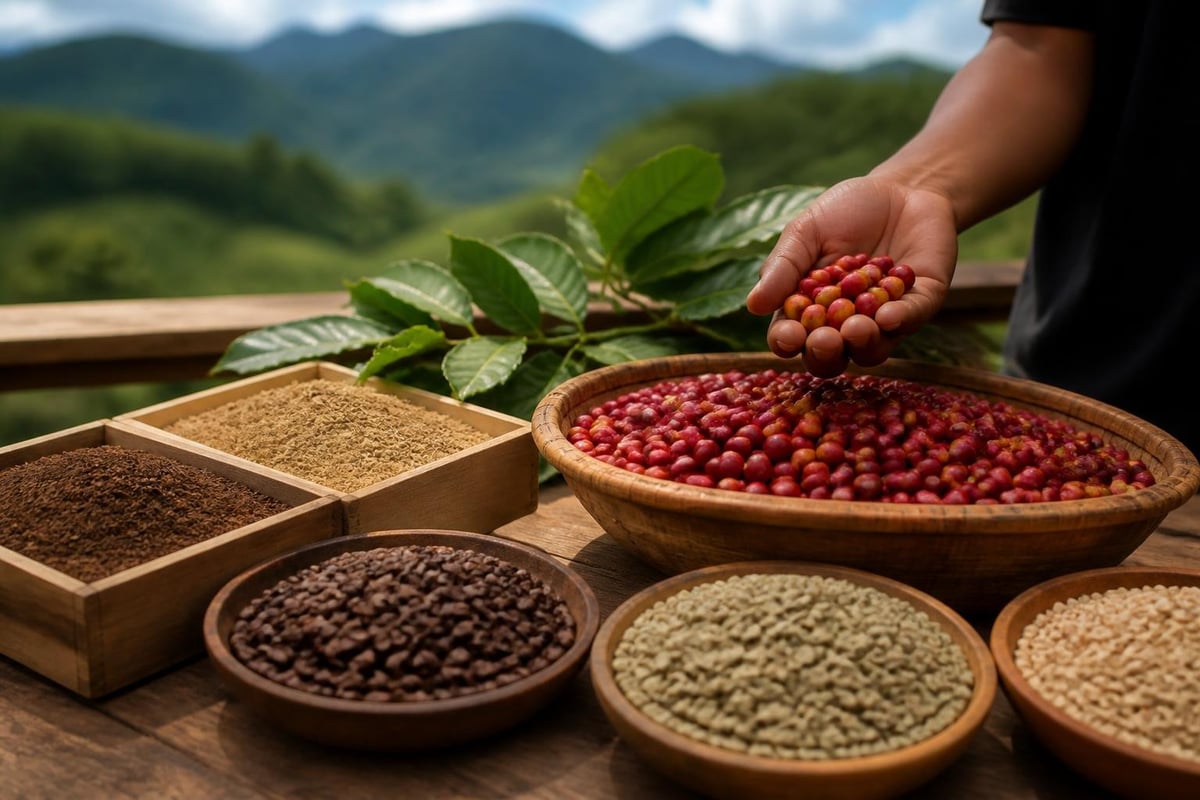
Like wine, coffee carries the fingerprint of its birthplace. Ethiopian coffees from Sidama or Guji often present bright, floral notes with berry-forward acidity. Colombian beans from high-altitude farms deliver chocolate sweetness with balanced brightness. Burundian coffees surprise with velvety body and complex fruit notes.
Single-origin coffees tell these stories most clearly. They showcase:
- Elevation: Higher altitudes slow cherry maturation, developing more complex sugars
- Soil composition: Volcanic soils in Guatemala or Kenya contribute mineral-rich depth
- Varietal genetics: Heirloom varieties preserve ancient flavor lineages
- Processing method: Natural, washed, honey, and experimental processes dramatically shift flavor profiles
The World Coffee Research Sensory Lexicon provides the framework for describing these nuances, creating a shared language for tasters worldwide.
Sourcing and Sustainability in Gourmet Coffee
The best coffee gourmet offerings now carry transparency from farm to cup. Consumers in 2026 expect more than flavor; they seek ethical sourcing, fair compensation for farmers, and environmental stewardship.
Certification and traceability matter. The Rainforest Alliance's 2024 Coffee Certification Data Report shows that certified coffees represent a growing share of the specialty market, with emphasis on deforestation prevention, living income benchmarks, and climate adaptation support.
Direct trade relationships create the most impact. When roasters build multi-year partnerships with specific farms or cooperatives, farmers gain price stability and investment capital for quality improvements. You taste this commitment in the cup.
| Certification | Focus Areas | Impact on Quality |
|---|---|---|
| Fair Trade | Price floor, community investment | Stable farm income supports quality focus |
| Rainforest Alliance | Environmental practices, traceability | Ecosystem health correlates with bean health |
| Organic | Chemical-free cultivation | Often yields cleaner, more delicate flavors |
| Direct Trade | Farm partnerships, premium pricing | Highest quality incentive, relationship-driven |
The Global Coffee Platform's Sustainable Coffee Purchases Report reveals that 52% of coffee purchased by major buyers now carries some form of sustainability verification-a number that climbs higher in the specialty segment where the best coffee gourmet roasters operate.
Understanding Coffee Processing Methods
Processing transforms cherry to green bean, and it's where much of the flavor magic happens. Each method suits different climates and creates distinct taste profiles.
Washed (wet) processing removes the fruit before drying, highlighting the bean's intrinsic characteristics. These coffees taste clean, bright, with clear acidity. Think crisp apple, citrus, or floral notes. Perfect for showcasing terroir.
Natural (dry) processing dries the whole cherry with the bean inside, allowing fermentation to develop fruit-forward complexity. Expect jammy berry flavors, wine-like body, and sometimes a hint of fermentation funk that adds character.
Honey processing sits between washed and natural, removing the skin but leaving varying amounts of mucilage during drying. The result? Balanced sweetness, medium body, and approachable complexity.
Experimental methods like anaerobic fermentation or carbonic maceration push boundaries even further, creating the most adventurous expressions in the best coffee gourmet category.
Roasting: The Transformation Point
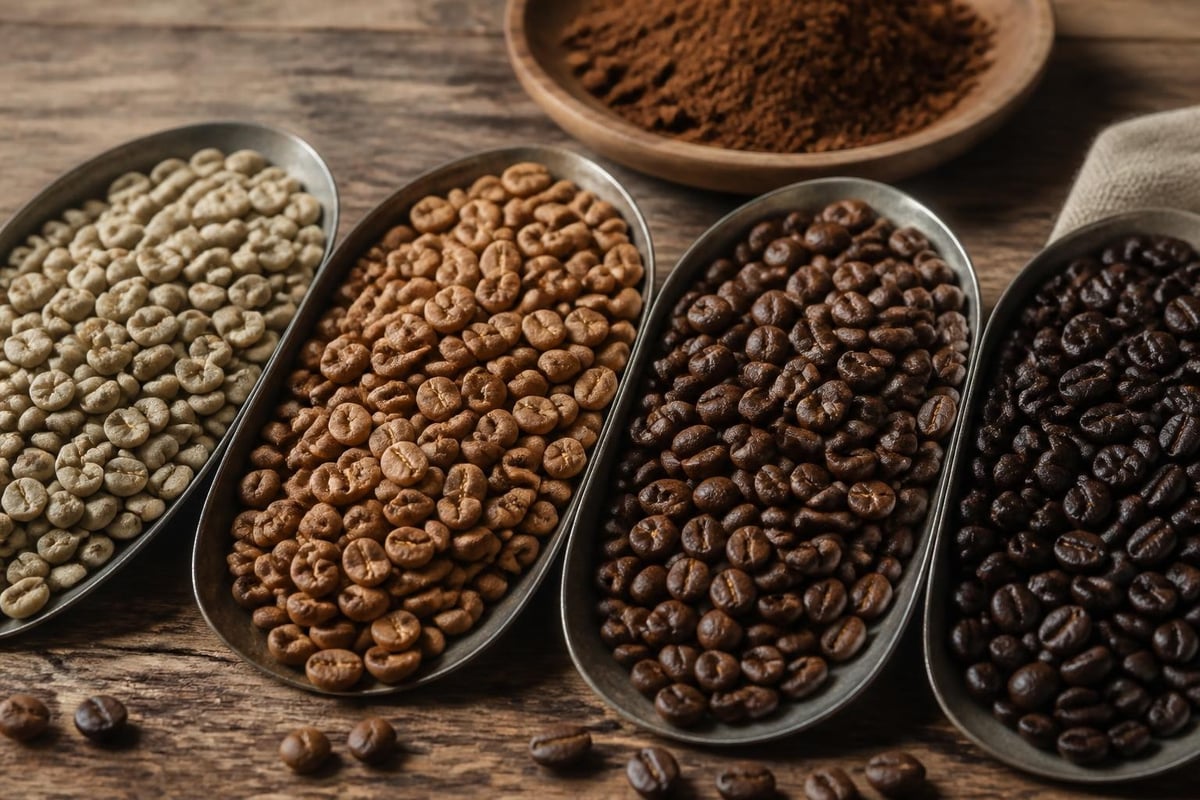
Green beans hold potential. Roasting realizes it. The best coffee gourmet roasters approach each origin with specific profiles that highlight rather than hide origin character.
Light roasts preserve delicate florals and fruit notes, letting origin shine through. Medium roasts balance origin character with developed sweetness-caramel, chocolate, nuts. Dark roasts bring bold body and roast-forward flavors, though they can mask subtle origin nuances.
Roast date matters tremendously. Coffee peaks 5-14 days after roasting, then slowly degrades as CO2 off-gasses and oils oxidize. Look for roasters who date their bags and deliver fresh. At Pixies Brew, specialty coffee is ground fresh and immediately flushed with nitrogen to lock in peak flavor, solving the freshness challenge for single-serve convenience.
Reading Flavor Notes Like a Story
The tasting notes on your bag aren't random. They're sensory maps based on professional cupping using standardized protocols.
When you see "bergamot, brown sugar, stone fruit," the roaster is telling you:
- Bergamot: Citrus-floral brightness in the aroma and acidity
- Brown sugar: Caramelized sweetness in the body
- Stone fruit: Peach or apricot notes in the finish
These aren't added flavors. They're naturally occurring compounds in the bean, unlocked by roasting and revealed through proper brewing. The elevated brew guide walks through how extraction method affects which notes emerge most prominently.
Brewing Methods for Gourmet Excellence
Equipment doesn't make coffee gourmet, but proper technique honors the beans' potential. Different methods extract different qualities.
Pour-over brewing offers precision control. The slow, deliberate pour allows even extraction, highlighting clarity and complexity. Methods like V60, Chemex, or single-serve pour-over sachets all follow the same principle: controlled water contact, clean filtration, and attention to timing.
French press brewing delivers full-bodied richness. The metal filter allows oils and fine particles through, creating heavier mouthfeel. The French press method works beautifully for naturally processed coffees where you want maximum body.
Cold brew extraction creates smooth, low-acid concentrate. The extended steeping time (12-24 hours) pulls different compounds than hot water, resulting in chocolate-forward, mellow flavor. Perfect for iced drinks or summer sipping.
Key variables across all methods:
- Water temperature: 195-205°F extracts optimally
- Grind size: Finer for espresso, coarser for French press, medium for pour-over
- Ratio: 1:15 to 1:17 coffee-to-water by weight
- Time: 3-4 minutes for pour-over, 4 minutes for French press, 25-30 seconds for espresso
Consumer Reports' coffee maker reviews provide testing data for those investing in equipment, though the best coffee gourmet experience comes down to technique more than machinery.
Building Your Gourmet Coffee Ritual
The ritual transforms coffee from fuel to experience. It's the pause before the day accelerates, the moment you reclaim for yourself.
Start with intentional selection. Choose coffees that speak to your palate or mood. Floral and bright for mornings when you want energy and clarity. Chocolatey and smooth for afternoons when you need comfort. Bold and complex for conversations with friends.
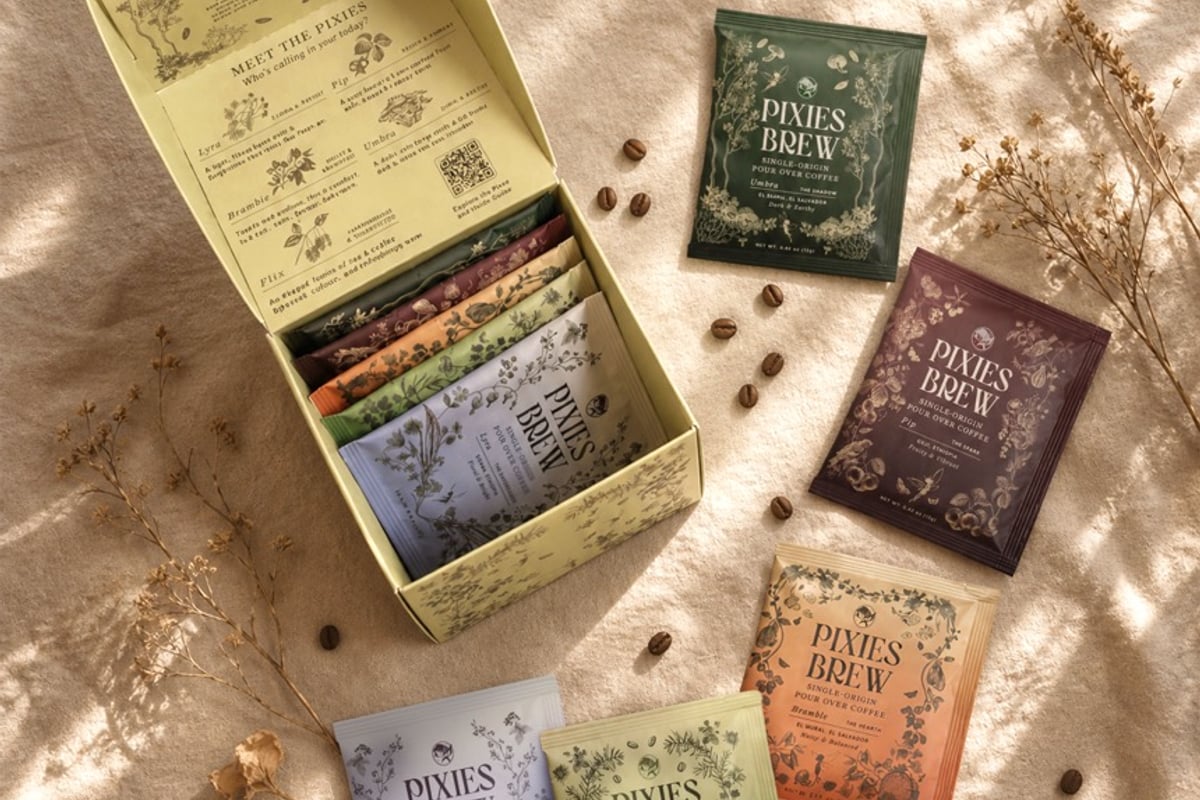
The Pixies Brew Discovery Set makes exploration accessible, bringing five specialty-grade blends together so you can taste across origins and processing styles, finding the one that becomes yours.
Create space for the process. Even five minutes of focused attention changes the experience. Notice the aroma as you open the packet. Watch the bloom as hot water first contacts the grounds. Observe the color shift as extraction progresses. Taste with intention, letting the coffee sit on your tongue before swallowing.
Sensory Engagement: The Five-Sense Ritual
Sight: The dry grounds reveal roast level and particle consistency. The bloom-that initial bubble and rise-indicates freshness and CO2 content. The final cup's clarity or body tells you about filtration and extraction.
Smell: Aroma compounds are most volatile during brewing. Inhale deeply during the bloom. Notice how the scent evolves: from earthy or fruity to sweet or floral.
Taste: Let the first sip coat your entire palate. Notice the initial acidity, the mid-palate sweetness, the finish that lingers. Different areas of your tongue detect different qualities.
Touch: Feel the cup's warmth in your hands. Notice the coffee's body-is it light and tea-like, or creamy and coating? Temperature affects perception; let it cool slightly to reveal more complexity.
Sound: The pour of water, the crackling bloom, the quiet moment before you sip. These sounds anchor you in the present.
Flavor Profile Categories in the Best Coffee Gourmet
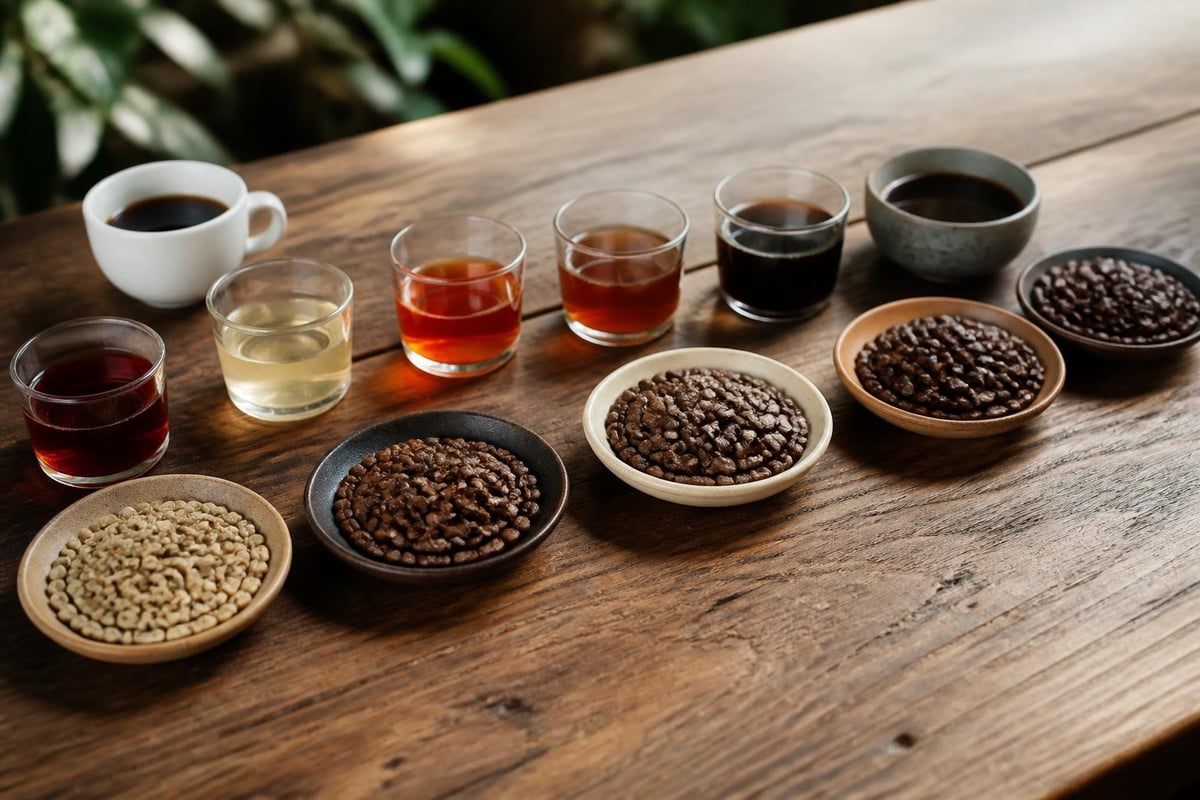
Not all gourmet coffee tastes the same, and that's the beauty. Understanding broad categories helps you navigate selection.
| Profile Category | Characteristics | Typical Origins | Processing |
|---|---|---|---|
| Bright & Floral | Citrus, jasmine, bergamot, tea-like | Ethiopia, Kenya, Rwanda | Washed, light roast |
| Fruit-Forward | Berry, stone fruit, tropical notes | Ethiopia natural, Burundi | Natural, honey process |
| Chocolate & Nutty | Cocoa, almond, caramel, balanced | Colombia, Brazil, Guatemala | Washed, medium roast |
| Bold & Rich | Dark chocolate, molasses, full body | Sumatra, dark Central American | Natural, medium-dark roast |
| Experimental | Wine-like, fermented, unique | Various, innovative farms | Anaerobic, carbonic maceration |
The Pixies Pour Ritual honors these differences, encouraging you to match profile to moment rather than defaulting to the same cup every morning.
Market Trends Shaping Gourmet Coffee in 2026
The coffee landscape continues evolving. The International Coffee Organization's market data shows specialty coffee growing as a percentage of global consumption, with consumers willing to pay premium prices for quality and story.
Single-serve quality has improved dramatically. Gone are the days when convenience meant compromising flavor. Nitrogen-flushed sachets and specialty-grade pods now deliver café-quality results at home or while traveling.
Transparency becomes standard. QR codes on packaging link to farm information, processing details, and sometimes direct video from origin. The best coffee gourmet brands embrace this openness, knowing informed consumers become loyal advocates.
Seasonality and limited releases create excitement. Like wine vintages, coffee harvests vary year to year. Smart roasters offer seasonal microlots alongside year-round blends, giving enthusiasts something to anticipate.
The Home Brewing Renaissance
Consumers increasingly invest in home brewing skills. They watch tutorials, join online communities, and experiment with variables. This education elevates expectations across the industry.
Yet there's also counter-movement toward simplicity. Not every morning requires elaborate preparation. The best coffee gourmet solutions meet people where they are-whether that's a slow Saturday pour-over meditation or a quick weekday sachet that still delivers specialty-grade quality.
Frequently Asked Questions
What's the difference between gourmet and specialty coffee?
The terms overlap significantly. "Specialty" has a technical definition (80+ points on the SCA scale), while "gourmet" often describes the experience and positioning. The best coffee gourmet offerings are always specialty-grade, though not all specialty coffee is marketed as gourmet.
How should I store gourmet coffee?
Keep beans or sachets in an airtight container away from light, heat, and moisture. Whole beans stay fresh 2-4 weeks; ground coffee degrades faster. Nitrogen-flushed packages extend shelf life significantly by preventing oxidation.
Is expensive coffee always better?
Price correlates with quality to a point, reflecting factors like rarity, labor-intensive processing, and small lot sizes. Beyond certain thresholds, you're paying for exclusivity more than dramatic quality jumps. Focus on freshness, origin transparency, and your personal taste preferences.
Can I make gourmet coffee without expensive equipment?
Absolutely. A simple pour-over cone or even a well-executed sachet method produces excellent results. Technique and fresh, quality beans matter more than machinery. The brew guide demonstrates how minimal equipment still yields maximum flavor.
How do I develop my palate for tasting notes?
Start by reading tasting notes, then actively search for those flavors while sipping. Compare coffees side-by-side. Use the smell and taste memory you already have-if you know what blueberry tastes like, you can identify it in coffee. Practice and attention build sensitivity over time.
Finding Your Best Coffee Gourmet Match
Personal preference trumps ratings and recommendations. The best coffee gourmet choice for you aligns with your taste preferences, lifestyle, and the experience you're seeking.
Consider your flavor preferences in other foods. If you love bright, acidic foods like citrus and berries, Ethiopian washed coffees might resonate. If you prefer rich desserts and chocolate, look toward Colombian or Brazilian beans with medium roasts.
Think about your brewing situation. Limited time or traveling often? Single-serve pour-over sachets deliver quality without gear. Have a lazy Sunday morning routine? Invest in a quality pour-over setup and whole beans. Both paths lead to excellent coffee when executed well.
Explore with intention. Rather than buying random bags, create a tasting journey. Try different origins, processing methods, and roast levels systematically. Take notes. Notice patterns in what you enjoy. The Pixienality Quiz offers a playful entry point to understanding your coffee personality.
The Role of Community and Discovery
Coffee tastes better when shared. Join online communities, visit local roasters, attend cuppings if available. Hearing how others describe the same coffee expands your sensory vocabulary and appreciation.
Look for company gift ideas that introduce others to specialty coffee. Shared discovery creates connection-the best coffee gourmet moments often happen in conversation, comparing impressions over the same brew.
The Magic Lives in the Details
Great coffee isn't accidental. It's the farmer who invested in shade trees and selective picking. The miller who monitored fermentation temperature. The roaster who profiled each origin individually. The brewer who paid attention to water temperature and timing.
When you choose the best coffee gourmet options, you're honoring that chain of care. You're saying the details matter, the story matters, the moment matters.
This doesn't require pretension or coffee snobbery. It simply asks for presence. Put your phone down. Notice the aroma. Taste without distraction. Let the pause become the point.
In a world that moves too fast, coffee offers permission to slow down. The best coffee gourmet experiences don't just taste better-they feel better, creating space for reflection, connection, and the simple pleasure of a well-crafted cup.
The best coffee gourmet journey begins with understanding what makes coffee special, then finding the expressions that speak to you. Whether you're drawn to bright florals from Ethiopian highlands, chocolatey comfort from Colombian farms, or experimental processing that pushes boundaries, the right cup transforms routine into ritual. Pixies Brew brings that transformation to wherever you are, offering specialty-grade pour-over sachets that honor the craft without requiring the gear-because everyone deserves a moment of magic in their morning, one delicate packet at a time.
