


Best Pour Over Coffee: Craft the Perfect Cup in 2026
The best pour over coffee starts with understanding that this isn't just a brewing method-it's a deliberate pause in your morning, a ritual that transforms ground beans and hot water into something that awakens more than your senses. Whether you're reaching for a classic Hario V60, exploring the latest innovations from top-rated pour-over coffee makers, or discovering the convenience of specialty sachets, the pour over method remains the gold standard for coffee lovers who refuse to compromise on flavor. In 2026, this centuries-old technique has evolved to meet modern needs without losing its soul.
What Makes Pour Over Coffee Different
Pour over coffee distinguishes itself through control. Unlike automatic drip machines that rush water through grounds, the best pour over coffee requires your presence, your attention, your hands guiding the flow. The method exposes every variable-water temperature hovering between 195-205°F, grind size resembling sea salt, bloom time releasing trapped carbon dioxide-and invites you to master them.
When you pour water in slow, concentric circles over freshly ground coffee, you're orchestrating extraction. The first bloom smells like promise. The second pour deepens flavor. By the third, you're shaping acidity and sweetness in real time. This isn't convenience; it's craftsmanship.
The Science Behind Superior Flavor
Temperature stability determines whether you extract bright notes or bitter compounds. Contact time between water and grounds-typically 3-4 minutes for the best pour over-pulls out the 18-22% of solubles that create balanced coffee. Turbulence from your pour pattern agitates grounds differently than immersion methods, creating clarity rather than body.
Traditional pour over brewing involves several key elements:
- Grind consistency: Uniform particle size ensures even extraction
- Water quality: Filtered water between 195-205°F protects delicate flavors
- Pouring technique: Slow, circular motions saturate grounds evenly
- Bloom phase: 30-45 seconds lets CO2 escape before main extraction
- Total brew time: 2.5-4 minutes depending on volume and cone shape
The detailed pour-over coffee guide from Home Brew Expert breaks down these elements with precision that honors both tradition and innovation.
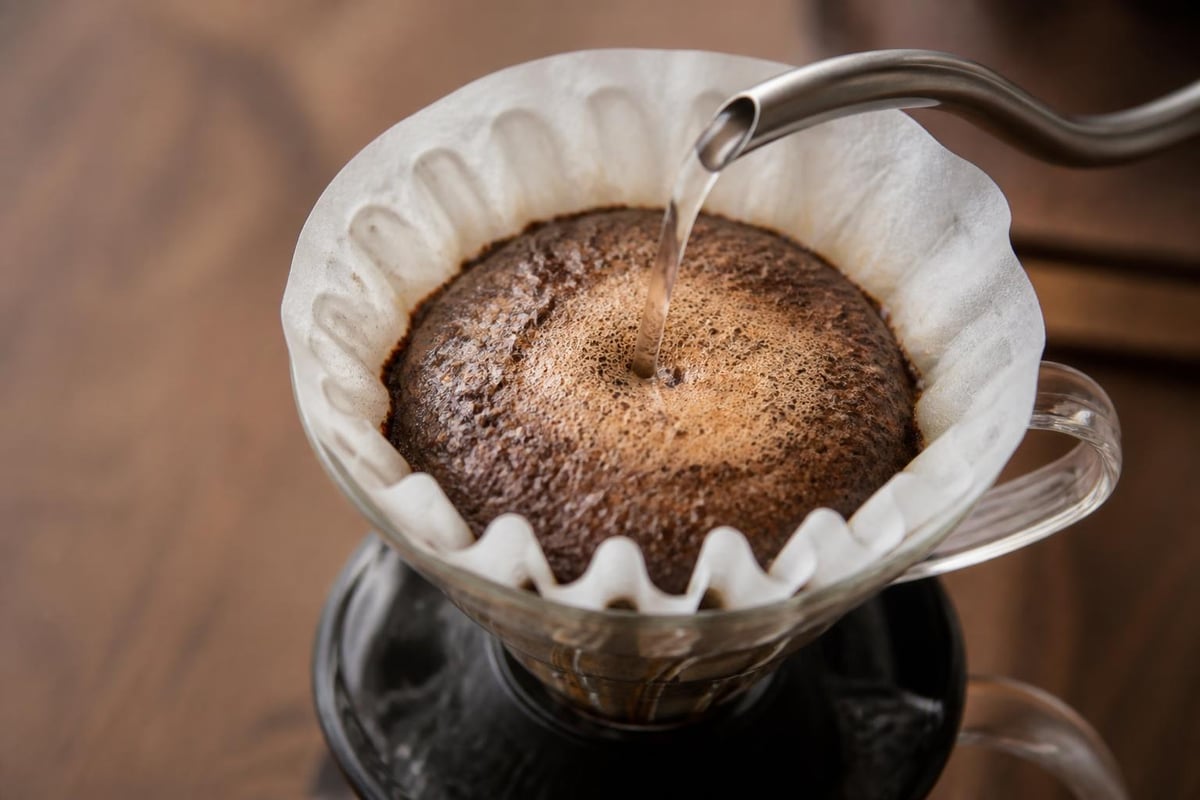
Traditional Pour Over Equipment Worth Your Investment
Walk into any specialty café and you'll spot the iconic shapes of pour over coffee makers-glass and ceramic vessels that have barely changed in decades because they don't need to. Each design affects flow rate and extraction differently.
Classic Brewers That Define Excellence
| Brewer Type | Flow Rate | Best For | Price Range |
|---|---|---|---|
| Hario V60 | Fast (large hole) | Bright, complex coffees | $8-$40 |
| Chemex | Medium (thick filter) | Clean, tea-like body | $35-$65 |
| Kalita Wave | Slow (flat bottom) | Consistent extraction | $25-$50 |
| Bee House | Medium (restricted flow) | Forgiving technique | $20-$35 |
The Hario V60 demands precise pouring but rewards you with clarity and brightness that highlights single-origin beans. Its spiral ribs and 60-degree angle create space for air to escape, preventing channeling. Pour too fast, though, and you'll under-extract. Pour too slow and bitterness creeps in.
Chemex brewers use bonded filters three times thicker than standard paper, removing oils and fines that cloud flavor. The result tastes impossibly clean-what coffee professionals call "high transparency." The hourglass shape doubles as a serving carafe, making it ideal for sharing slow Saturday mornings.
For those exploring budget-friendly pour-over setups, the Kalita Wave offers the most forgiving learning curve. Its flat bottom with three drainage holes creates even extraction even when your pouring technique wobbles. Professionals appreciate its consistency; beginners appreciate its mercy.
Modern Innovations in Pour Over Coffee
The best pour over coffee in 2026 doesn't always require a kettle, scale, and timer. Innovation has met tradition halfway, creating solutions for coffee lovers who crave quality but live in motion.
Smart Technology Meets Hand-Crafted Brewing
Temperature-controlled kettles now connect to smartphone apps, tracking your pour rate and suggesting adjustments. Scales measure to the tenth of a gram and start timers automatically when they detect weight changes. Some brewers feature built-in temperature sensors and automatic bloom timers.
But technology can overcomplicate what should feel meditative. The most meaningful innovation might be the one that simplifies rather than adds complexity.
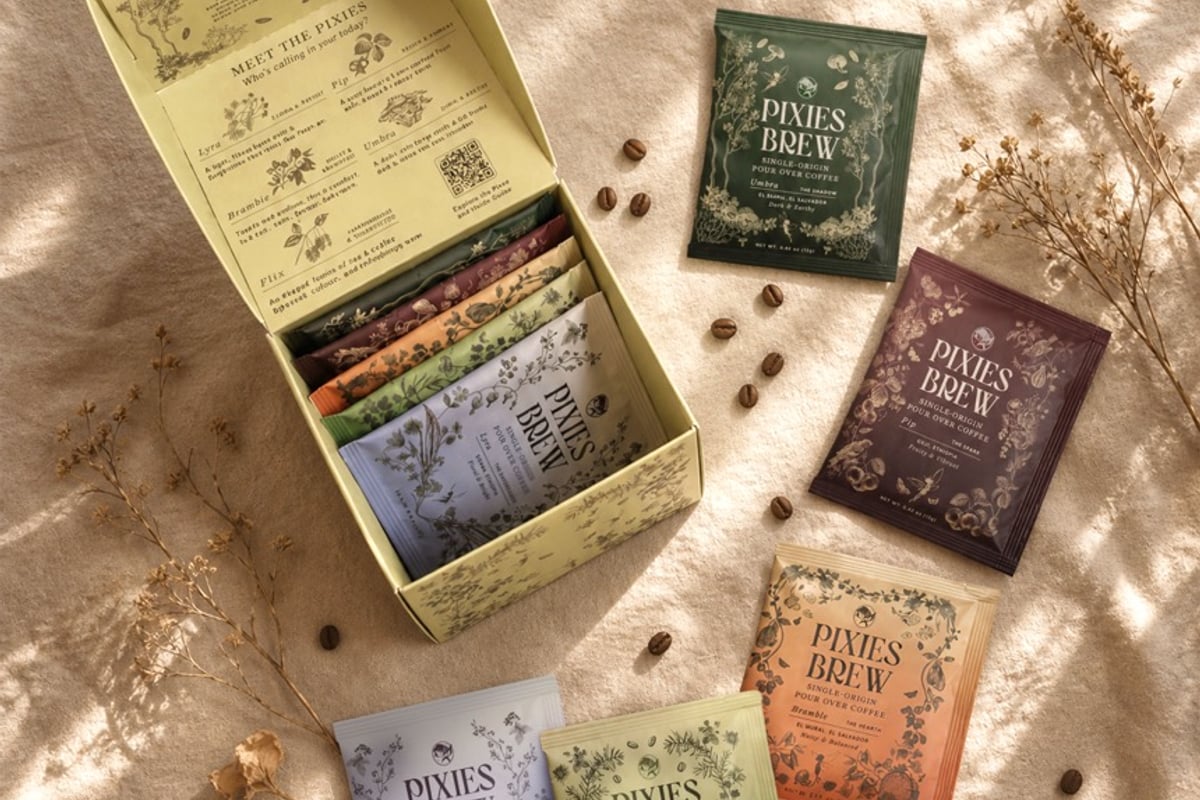
Specialty pour-over sachets represent this philosophy. Companies like Pixies Brew have reimagined convenience without compromising on quality. Their nitrogen-flushed packets contain specialty-grade coffee ground fresh and packaged to preserve the delicate aromatics that define the best pour over. No equipment beyond a cup and hot water. No variables to manage. Just the ritual distilled to its essence.
Each sachet from Pixies Brew's Discovery Set hooks over your mug rim, creating its own brewing chamber. Hot water flows through specialty coffee exactly as it should-slowly, deliberately, extracting flavor compounds in proper sequence. The simplicity disguises sophisticated engineering.
When Convenience Honors Craft
The tension between convenience and quality has defined coffee culture for decades. Instant coffee sacrificed everything for speed. Single-serve pods improved taste but generated environmental guilt. The best pour over sachets thread a different needle-they respect the method while acknowledging that not every morning allows for a full brewing ceremony.
Specialty sachets shine in specific contexts:
- Travel days when hotel kettles are your only heat source
- Office environments without proper brewing equipment
- Camping trips where pack weight matters
- Exploratory phases when you're discovering flavor preferences
- Gift giving for coffee lovers who appreciate unique offerings
Mastering Your Pour Over Technique
Equipment matters less than technique. The best pour over coffee comes from understanding how water and coffee interact, then applying that knowledge consistently. Start here.
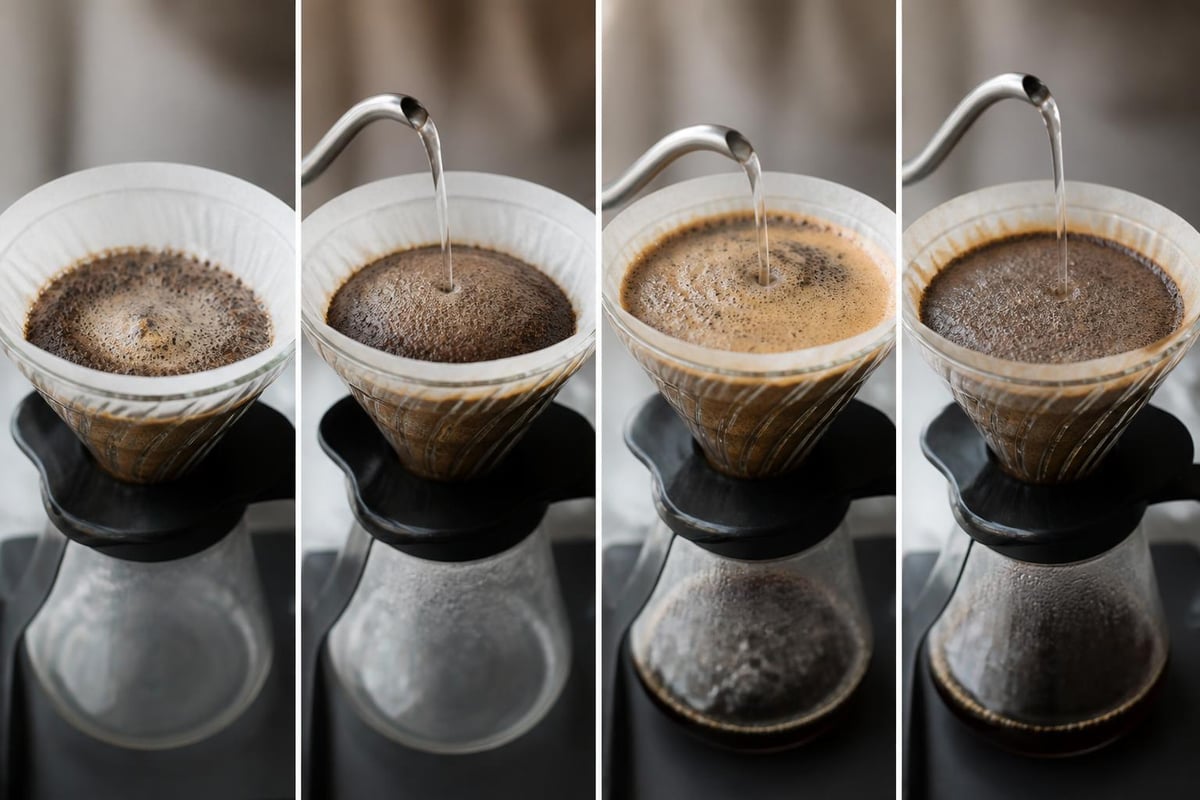
The Four-Stage Pour Method
Stage one: The bloom. Pour 2-3 times the weight of your coffee in water-if you're using 20 grams of coffee, pour 40-60 grams of water. Watch the grounds swell and release CO2. Wait 30-45 seconds. This degassing step prevents channeling during main extraction.
Stage two: The foundation. Pour in slow circles from center outward, reaching 60% of total water by the 1:15 mark. Your stream should be pencil-thick, steady, never aggressive. You're building even saturation, not disturbing the bed.
Stage three: The body. Continue circular pours, adding water in 50-gram increments. Maintain water level about ¾ up the cone. This stage (1:15 to 2:30) extracts sweetness and body compounds. Rush it and you'll get sour notes; stall and bitterness develops.
Stage four: The finish. Final pour brings total water to target (typically 300-360 grams for 20 grams coffee). Let the bed drain completely. Total time from first pour to last drip should land between 2:30 and 4:00 minutes depending on volume.
Common Mistakes Even Experienced Brewers Make
Pouring directly onto the filter rather than coffee creates channels. Water follows the path of least resistance, bypassing grounds and under-extracting. Always aim for the coffee bed, keeping your stream away from filter walls.
Using water that's too hot (above 205°F) extracts bitter tannins before desirable compounds. Too cold (below 195°F) leaves sweetness locked in the grounds. Boil your kettle, then wait 30-45 seconds before pouring. Or invest in a temperature-controlled gooseneck kettle that removes guesswork.
Grinding too fine chokes flow and over-extracts. Grinding too coarse lets water rush through, under-extracting and creating weak, sour coffee. The best coffee beans for pour-over brewing deserve properly calibrated grind settings-start at medium (resembling kosher salt) and adjust based on taste.
Choosing Coffee That Showcases the Method
The best pour over coffee magnifies everything about your beans-origin characteristics, roast development, processing method. Light roasts reveal floral and fruity notes that darker roasts mute. Single-origin beans tell regional stories through flavor.
Flavor Profiles That Shine in Pour Over
Ethiopian coffees explode with blueberry, jasmine, and bergamot notes when brewed as pour over. The method's clarity lets you taste why coffee originated in these highlands. Look for natural-processed beans from Sidama or Yirgacheffe regions for maximum fruit-forward complexity.
Kenyan coffees bring bright acidity and blackcurrant sweetness that pour over technique amplifies. The SL-28 and SL-34 varietals common in Kenya thrive with this brewing method, offering grapefruit and tomato notes that sound odd but taste revelatory.
Colombian beans provide balanced, approachable flavor-chocolate, caramel, and nut notes without aggressive acidity. Perfect for mornings when you want comfort rather than adventure. The best pour over technique brings out their inherent sweetness without needing cream or sugar.
For those exploring different flavor profiles, light roasts work best. They preserve origin character and delicate aromatics that make pour over coffee special. Medium roasts offer more body and muted acidity for those who prefer balanced rather than bright.
Creating Your Personal Pour Over Ritual
The best pour over coffee isn't just about technique and equipment-it's about the ten minutes you claim for yourself. In a world that demands constant connectivity, heating water and watching coffee bloom becomes an act of resistance.
Your ritual might start with selecting beans based on mood rather than habit. Weighing and grinding creates anticipation through sound and scent. The kettle's rising hum signals transition from sleep to wakefulness.
Mid-ritual your hands guide water in careful circles. Your breath slows to match the pour. The bloom releases aromatics that rewrite your nervous system from frantic to focused. This isn't multitasking territory-pour over coffee punishes divided attention with poor extraction.
The ritual concludes when you lift the brewer away and cradle warmth between your palms. That first sip isn't just caffeine delivery; it's confirmation that you chose slowness when the world demanded speed.
Some mornings allow for the full ceremony with scales and timers and temperature probes. Other days require adaptation-that's where specialty sachets prove their worth. The Pixies Brew ritual recognizes that consistency matters more than complexity. Whether you're brewing in a V60 or hooking a sachet over your mug, the intention remains the same.
Building Consistency Through Practice
Track your recipes. A simple notebook logging coffee weight, water weight, grind setting, and brew time reveals patterns. You'll notice that Kenyan beans need slightly finer grinds than Colombian. That darker roasts brew faster than light. That your Tuesday morning brain pours faster than Saturday's leisurely pace.
Taste intentionally. Before adding anything to your cup, note first impressions. Is it sour (under-extracted), bitter (over-extracted), or balanced? Adjust grind size first, then water temperature, then pour rate. Change one variable at a time so you understand cause and effect.
Sustainability and the Pour Over Method
The best pour over coffee systems generate minimal waste compared to pod-based machines. Paper filters compost. Grounds enrich garden soil. Glass and ceramic brewers last decades with basic care.
Choose unbleached filters to avoid chlorine compounds. Rinse them before brewing to remove paper taste and preheat your brewer. Compost used grounds and filters together-they decompose within weeks and add nitrogen to soil.
For the creators and conscious consumers, specialty sachets offer an interesting middle ground. While they create more packaging than loose beans, companies like Pixies Brew use nitrogen flushing to extend freshness without preservatives, reducing the coffee waste that comes from beans going stale before you finish the bag.
Troubleshooting Your Pour Over Coffee
Even experienced brewers encounter challenges. Here's how to diagnose and fix common issues.
| Problem | Likely Cause | Solution |
|---|---|---|
| Sour, weak taste | Under-extraction | Grind finer, use hotter water, pour slower |
| Bitter, harsh flavor | Over-extraction | Grind coarser, use cooler water, pour faster |
| Brew time too fast (<2 min) | Grind too coarse | Adjust grinder to finer setting |
| Brew time too slow (>4 min) | Grind too fine | Adjust grinder to coarser setting |
| Channeling (uneven bed) | Poor pour technique | Pour in circles, avoid filter walls |
| Muddy, unclear taste | Old beans or poor grind | Use fresh beans, upgrade grinder |
The comprehensive troubleshooting resources from Tech Gear Lab test specific brewers against common failure points, helping you understand whether issues stem from technique or equipment.
Pour Over Coffee Beyond the Morning Cup
The best pour over coffee isn't confined to breakfast. Afternoon brewing offers a different experience-less about waking up, more about resetting mid-day momentum. Evening decaf pour overs (yes, specialty decaf exists and deserves the same care) create closure rituals as valuable as morning openings.
Iced pour over requires adjustment. Double your coffee-to-water ratio, brew directly over ice, and watch concentrated coffee flash-cool while preserving bright acidity. The result tastes nothing like yesterday's cold leftovers.
Sharing pour over with friends transforms the method into performance. Brew in a Chemex, pour into small cups, discuss flavors like wine tasters. The Grove-inspired approach treats coffee as conversation starter, not just caffeine source.
Frequently Asked Questions About Pour Over Coffee
What's the ideal coffee-to-water ratio for pour over?
Start with 1:16 (one gram coffee to 16 grams water). This produces balanced extraction that highlights most beans well. Adjust to 1:15 for stronger brew or 1:17 for lighter, tea-like qualities. Always measure by weight, not volume.
Do I need an expensive grinder for the best pour over coffee?
Grind consistency matters more than price. A $40 hand grinder like the Hario Mini Mill outperforms a $20 blade grinder. Electric burr grinders starting around $100 (Baratza Encore, Capresso Infinity) provide excellent consistency for serious enthusiasts.
How long does pour over coffee stay fresh?
Coffee tastes best within 30 minutes of brewing. After that, oxidation dulls flavors and creates stale notes. Brew only what you'll drink immediately. Whole beans stay fresh 2-4 weeks after roasting; ground coffee loses peak flavor within days.
Can I use regular coffee filters for pour over?
Filters must match your brewer's size and shape. Hario V60 filters won't fit Chemex brewers. Using the wrong filter causes channeling and uneven extraction. Invest in proper filters-they cost pennies per cup and dramatically affect results.
What water temperature creates the best pour over coffee?
Aim for 195-205°F. Light roasts benefit from the higher end (203-205°F) to fully extract delicate flavors. Dark roasts prefer the lower range (195-198°F) to avoid bitter compounds. Boil water, then wait 30 seconds for optimal temperature.
The Economics of Daily Pour Over Coffee
Quality beans cost $15-$25 per 12-ounce bag. At 20 grams per cup, that's 17 servings-roughly $0.88 to $1.47 per cup. Add a filter ($0.05-$0.10) and you're still under $1.60 for coffee that outperforms $5 café drinks.
The best pour over equipment requires upfront investment but lasts years:
- Brewer: $8-$65 (one-time purchase)
- Grinder: $40-$300 (essential for consistency)
- Kettle: $25-$150 (gooseneck recommended)
- Scale: $15-$50 (accuracy to 0.1g)
Total startup: $88-$565 depending on quality tier. Complete pour-over kits bundle these elements at various price points, saving money versus individual purchases.
Or skip equipment entirely. Specialty sachets cost $2-$3 per serving but require zero investment and no learning curve. For travelers, office workers, or those exploring before committing to full setups, they remove barriers between you and excellent coffee.
Communities like Talk Shop host discussions where coffee entrepreneurs and eCommerce merchants share insights on sourcing, subscription models, and customer education-valuable resources for anyone turning coffee passion into business or simply wanting to understand the industry better.
Sensory Dimensions of Exceptional Pour Over
The best pour over coffee engages all five senses before you take the first sip.
Sight: Watch bloom expand, grounds rising as CO2 escapes. Notice color shifting from dry brown to glossy mahogany as water saturates. Observe clarity in your cup-light passing through amber liquid, no cloudiness, no sediment.
Sound: Kettle's rising whistle. Water meeting grounds with soft crackle during bloom. Steady trickle as coffee drains through filter. These audio cues signal progression, turning brewing into meditation.
Smell: Dry grounds release stored aromatics when you open the bag-chocolate, fruit, flowers, nuts. Bloom phase multiplies these scents as heat volatilizes compounds. Finished coffee smells both familiar and surprising, revealing notes you didn't expect.
Touch: Heat transfers through ceramic or glass to your palms. Steam warms your face as you lean over the cup. Smooth liquid feels different than machine-brewed coffee-silkier, with body that coats your tongue.
Taste: Acidity sparks your tongue first, then sweetness emerges mid-palate. Body creates texture-light and tea-like or syrupy and full. Finish lingers with chocolate, spice, or fruit notes depending on origin and roast. The best pour over coffee reveals complexity across the entire flavor spectrum.
Whether you're exploring single-origin offerings or experimenting with brewing parameters, pay attention to sensory details. They transform drinking coffee into experiencing coffee.
Regional Variations in Pour Over Technique
Japanese coffee culture pioneered precision pour over through kissaten (traditional coffee houses). Their method emphasizes ultra-slow, spiral pours and obsessive temperature control. Brewing a single cup might take 6-8 minutes, producing coffee with extraordinary clarity and balance.
Scandinavian approaches favor lighter roasts and higher water ratios (1:18 or even 1:20), creating delicate, tea-like coffee that showcases subtle fruit notes. Their technique uses faster pours and shorter brew times to avoid over-extraction.
American specialty coffee blends these influences, typically settling on 3-4 minute brew times with moderate pour rates. The step-by-step guides from Roast CC demonstrate this balanced approach, making pour over accessible without sacrificing quality.
Each regional style offers valuable lessons. Experiment with Japanese precision one morning, Scandinavinavian brightness the next, American pragmatism on busy Wednesdays. The best pour over coffee emerges from understanding options, then choosing what serves your palate and schedule.
The Future of Pour Over Coffee in 2026 and Beyond
Third-wave coffee culture has moved beyond novelty into maturity. Pour over isn't trendy anymore-it's foundational. The latest innovations focus on accessibility rather than complexity, recognizing that excellence shouldn't require expertise.
AI-powered brewers promise to learn your preferences and adjust parameters automatically. Whether this enhances or diminishes the ritual remains debated. Does removing human decision-making preserve mindfulness, or does it turn pour over into another automated convenience?
Sustainability initiatives push the industry toward compostable sachets, carbon-neutral shipping, and direct trade relationships that support coffee farmers. The best pour over coffee in 2026 considers not just extraction and flavor, but also environmental and social impact.
Hybrid approaches combine traditional craftsmanship with modern convenience. Specialty sachets represent this evolution-honoring the pour over method while acknowledging real-world constraints. As hair accessories specialists have discovered in their own field, sometimes the best innovation simplifies rather than complicates.
The core appeal remains unchanged. Pour over coffee offers presence in an absent-minded world. It demands your hands, your attention, your patience. In exchange, it delivers clarity-in your cup and in your morning.
The best pour over coffee in 2026 comes in many forms, from classic V60 ceremonies to nitrogen-flushed sachets that honor the method while respecting your time. What matters is finding the approach that fits your life without compromising the quality you deserve. Whether you're measuring beans on a digital scale or hooking a specialty packet over your favorite mug, you're choosing intention over automation, presence over convenience. Pixies Brew understands that every coffee lover's journey is different-some mornings call for full ritual, others for simplified magic that delivers specialty-grade flavor wherever you are. Discover which blend speaks to your palate and let each cup become the pause you didn't know you needed.
