


7 Must-Try Coffee to Brew Methods for 2026
Step into the Grove at dawn, where the air hums with the quiet promise of a new day. Dew beads on leaves, sunlight filters through branches, and the aroma of freshly ground beans mingles with the earth and your dreams. The gentle ritual of coffee to brew is more than just a morning habit—it is an invitation to slow down and savor.
In 2026, coffee to brew is experiencing a renaissance. Tradition meets innovation, and every cup becomes a personal ritual. Whether you seek adventure, comfort, or clarity, there is a method waiting to transform your mornings.
This guide will lead you through seven must-try coffee to brew methods, each offering a unique sensory journey and a perfect fit for your lifestyle. Ready to taste the magic? Your immersive coffee adventure starts here.
The Art of Coffee Brewing: Trends & Rituals for 2026
At the Grove, the art of coffee to brew is woven into the rhythm of each morning. The ritual is more than caffeine, it is a gentle invitation to pause, breathe, and connect—with yourself, your senses, and the world around you.
Coffee as Ritual: Beyond the Caffeine
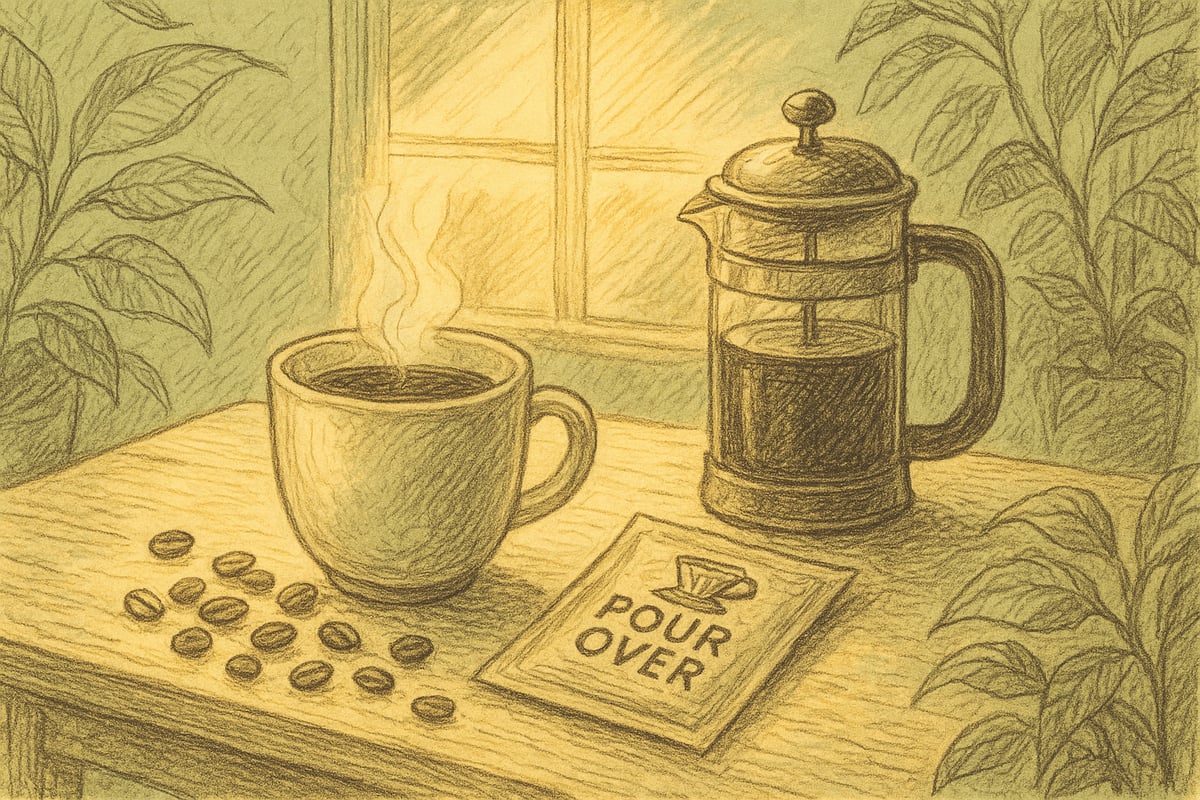
The heart of coffee to brew lies in ritual, not just routine. In 2026, brewing coffee is an intentional pause, a chance to savor the scent of beans and the warmth of morning light. More people are seeking moments of mindfulness, even on the busiest days.
Single-serve and travel-friendly options are rising, letting anyone carry a piece of their ritual wherever life leads. The Grove’s mornings blend old-world charm with new-world convenience. Imagine tearing open a sachet and being transported to your favorite place, no matter where you are.
Global coffee culture now shapes home routines, from Tokyo’s pour-over precision to Italy’s stovetop moka. Brands like Pixies Brew are championing these intentional moments, showing how the right coffee to brew ritual can fit every lifestyle.
Innovations Shaping the Brew Landscape
Innovation is blooming in the world of coffee to brew. Specialty, single-origin sachets and pour-over pouches are gaining momentum, offering both quality and ease. Tech-infused gadgets sit alongside analog classics, giving every brewer a choice between precision and nostalgia.
Sustainability is a guiding value. Portable, waste-reducing brew methods are more popular than ever, with limited-batch and collectible releases adding excitement to the daily cup. Coffee drinkers are seeking mindful sourcing, asking where their beans come from and how their ritual impacts the earth.
Recent data shows a surge in demand for convenient, eco-friendly options. From smart brewers to compostable packaging, the landscape of coffee to brew is evolving to blend sensory pleasure with responsibility.
Choosing Your Method: Flavor, Mood, and Lifestyle
Every coffee to brew method is a new adventure in taste and mood. Grind size, water temperature, and brew time work together, shaping everything from clarity to body. Some crave robust, earthy depth, while others seek floral brightness or a mellow, sweet finish.
Think about what fits your day. Need a big batch for family breakfast? A classic drip maker might be best. Want a single, perfect cup on the go? Try a pour-over sachet. Cleanup, travel needs, and even your favorite mug play a role.
The joy is in experimenting. There is no single best way—only the right coffee to brew for your rhythm and moment. For a deeper dive into matching methods to your lifestyle and sensory preferences, explore this Coffee brewing guide to craft your ideal ritual.
7 Must-Try Coffee to Brew Methods for 2026
The world of coffee to brew is evolving, blending timeless ritual with the excitement of discovery. Whether you crave clarity, boldness, or pure convenience, 2026 brings a method for every mood. Step into the Grove’s morning light, mug in hand, and let’s explore seven essential ways to craft your perfect cup.
1. Single-Serve Pour-Over Sachets
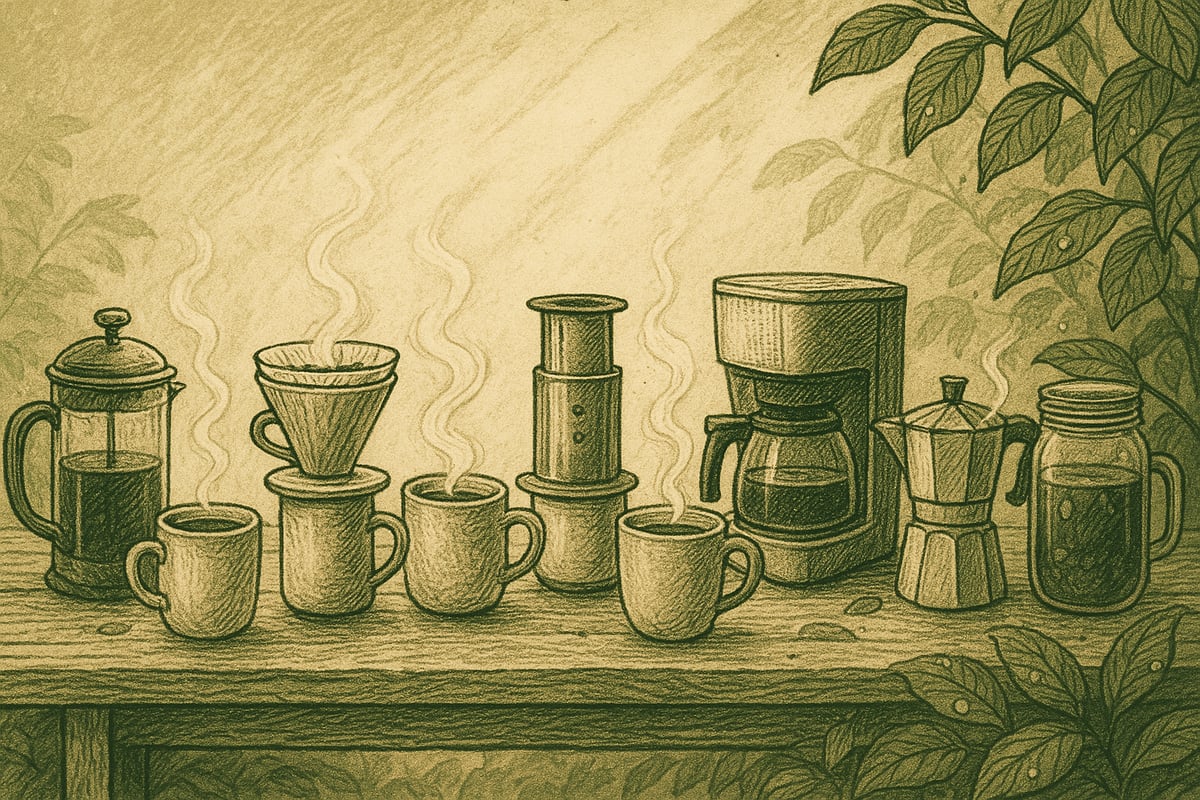
Imagine tearing open a fresh sachet, the aroma of ground beans rising as you perch it over your favorite mug. Single-serve pour-over sachets are the most travel-friendly coffee to brew method, requiring only hot water and a sense of adventure. Each pouch blooms with a burst of fragrance, releasing clear, layered flavors.
These sachets are perfect for minimalists and explorers. No bulky gear, no guesswork—just reliable, delicious coffee to brew wherever you wander. The tactile ritual of pouring water, watching the grounds swell and settle, turns even a hotel room into a sanctuary.
Pros include portability, consistency, and zero cleanup. The main drawback is less control over brewing variables, and they’re designed for single cups only. Pixies Brew’s whimsical single-origin sachets capture the magic of intentional moments, making them a favorite among millennials and digital nomads.
In 2026, single-serve sachets are more popular than ever, with flavor diversity and sustainable packaging leading the way. For those curious about the ritual behind pour-over, the Pixies Pour Ritual overview unpacks the sensory joy that defines this method.
2. Immersion Brewing with French Press
The French press is a classic coffee to brew method, beloved for its hearty, full-bodied results. Coarse grounds steep in hot water, transforming into a velvety, robust cup. Each plunge of the mesh filter releases a gentle hiss, signaling that it’s time to savor.
This approach yields a rich, lingering finish with every sip. It’s perfect for slow, cozy mornings or sharing with friends. French press coffee to brew offers an affordable way to make multiple cups at once, but expect a bit of sediment and a need for thorough cleaning.
French press fans love its rustic charm and the ability to dial in strength with a simple 1:12 to 1:16 coffee-to-water ratio. For best results, use freshly ground beans and let the brew steep for four minutes before pressing.
3. AeroPress: Versatile Pressure Brewing
AeroPress is the coffee to brew choice for those who love experimentation and speed. This compact device uses gentle air pressure to produce a bright, clean cup in under two minutes. The process is almost meditative: add grounds, pour hot water, stir, and press.
AeroPress coffee to brew stands out for its low acidity and customizable strength. Whether you crave a bold espresso-like punch or a mellow, tea-like infusion, this tool adapts to your mood. Cleanup is a breeze, making it a favorite among travelers and creative brewers.
The only real downside is its single-serve focus and a small learning curve for mastering recipes. Try the inverted method for a richer extraction, and don’t be afraid to experiment—AeroPress championships have inspired countless inventive brews.
4. Classic Drip Coffee Maker
The drip coffee maker brings ease and familiarity to the coffee to brew landscape. Simply add grounds and water, press start, and let the machine do the work. The steady drip, the aroma filling the kitchen—it’s a comforting morning soundtrack.
Drip coffee to brew offers balanced, approachable flavors with every batch. It’s ideal for families, offices, or anyone who needs several cups at once. The main pros are convenience and consistency, though manual methods often deliver more nuanced results.
To optimize your brew, use pre-rinsed filters and soft water for clarity. A 1:16 to 1:18 ratio is recommended for extracting the best from your beans. Regular cleaning ensures your coffee to brew remains delicious, cup after cup.
5. Pour-Over with V60 or Kalita Wave
Pour-over brewing is a dance of precision and patience. Using a V60 or Kalita Wave, you control every aspect of your coffee to brew ritual—from grind size and water temperature to the spiral pour. The result is a cup that’s delicate, bright, and bursting with layered sweetness.
Pour-over coffee to brew appeals to those who savor the process as much as the flavor. It’s visually engaging, with the bloom of grounds and the slow, steady drip into your favorite mug. The method requires a scale and gooseneck kettle, but rewards you with unmatched clarity and complexity.
Pros include total control and a clean cup; cons are the slower process and need for gear. Mastering the bloom and spiral pour is key. Hario V60 and Kalita Wave are beloved examples that let you explore the full spectrum of specialty beans.
For a deeper look at the mindful ritual of pour-over, the Pixies Brew team shares their philosophy in the Pixies Pour Ritual overview.
6. Stovetop Moka Pot
The stovetop Moka pot is an Italian icon, delivering bold, concentrated coffee to brew without the need for electricity. As steam pressure rises, rich, caramelized notes fill the air. The result is an espresso-like cup, intense and aromatic.
This method is beloved by those who crave strong, robust coffee to brew and appreciate a hands-on approach. Moka pots are affordable, durable, and perfect for small kitchens or travel.
Drawbacks include the risk of over-extraction and a trickier cleanup. For best results, use a medium-fine grind and monitor the process to avoid overheating. The Bialetti Moka Express remains a timeless favorite.
7. Cold Brew Immersion
Cold brew immersion is the coffee to brew method for slow mornings and sunny afternoons. Coarse grounds steep in cold water for 12 to 24 hours, yielding a smooth, mellow cup with subtle sweetness and almost no acidity.
Cold brew coffee to brew is refreshing over ice and can be made in large batches, keeping well in the fridge for days. It’s ideal for those sensitive to acidity or anyone who prefers to prep ahead.
The main downside is the wait—patience is required, but the reward is gentle, aromatic coffee to brew that’s perfect for summer. Use a 1:5 to 1:8 ratio for concentrate, then dilute to taste. Mason jars or dedicated cold brew makers both work beautifully.
Quick Comparison Table
| Method | Sensory Highlights | Best For | Batch Size | Gear Needed |
|---|---|---|---|---|
| Pour-Over Sachets | Aromatic, clear, tactile | Travelers, minimalists | Single | Hot water, mug |
| French Press | Full-bodied, velvety | Groups, body lovers | Multiple | Press, coarse grounds |
| AeroPress | Bright, clean, customizable | Experimenters | Single | AeroPress, filters |
| Drip Coffee Maker | Balanced, familiar | Families, offices | Multiple | Machine, filters |
| V60/Kalita Pour-Over | Delicate, layered, sweet | Savorers, tinkerers | Single | Dripper, kettle, scale |
| Stovetop Moka Pot | Intense, rich, caramelized | Espresso fans | Small | Moka pot, stove |
| Cold Brew Immersion | Smooth, mellow, sweet | Summer sippers | Large | Jar, coarse grounds |
No matter your taste or lifestyle, there’s a coffee to brew method waiting to become your next morning ritual. Let your senses lead you, and discover new magic in every cup.
Sensory Deep Dive: Experiencing Each Brew Method
Every coffee to brew method is a sensory invitation, transforming beans and water into moments that awaken the body and spirit. Whether you’re at home or deep in the woods, the ritual brings the world into sharper focus, one cup at a time.
Scent, Sight, Sound, Touch, and Taste
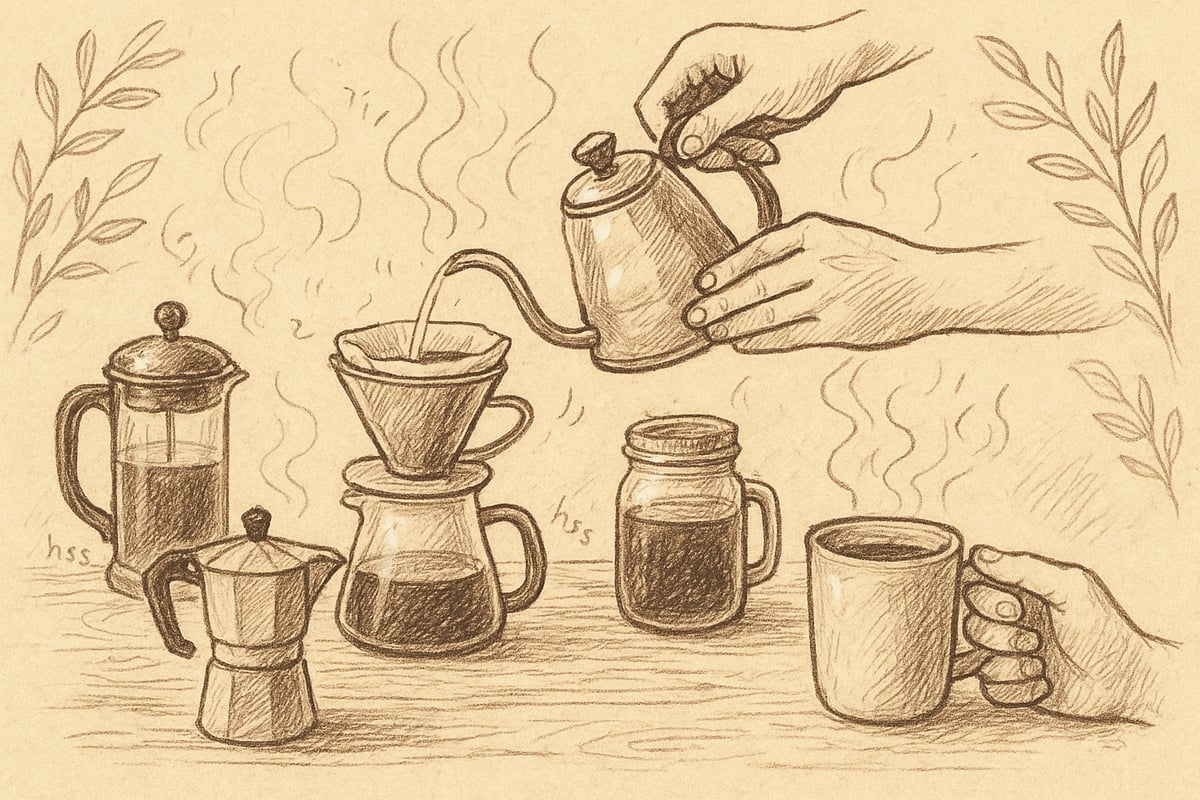
Every coffee to brew ritual is a symphony of the senses. The scent of fresh grounds—nutty, floral, or chocolatey—floats up first, promising comfort or adventure. When hot water meets the grounds, the bloom is a small, fragrant eruption, especially vivid with pour-over sachets or V60.
Visually, each method is distinct. The French press reveals a swirling cloud, while drip coffee settles into clear, amber pools. Pour-over methods create delicate layers and a blossoming crema. With cold brew, the slow infusion paints deep, inky hues.
Touch comes next. The weight of the press, the gentle tear of a sachet, the spiral pour from a gooseneck kettle—each action grounds you in the moment. Sounds, too, play their part: the hiss of a Moka pot, the drip-drip of pour-over, the gentle plunge of a press.
Taste is the final note. French press yields bold, earthy comfort. V60 brings clarity and brightness. Cold brew is smooth, mellow, and subtly sweet. For those brewing outdoors, senses sharpen even more—discover more in our coffee for camping tips. Every coffee to brew method offers a different flavor and feeling.
Crafting Your Morning Ritual: Matching Method to Mood
Choosing a coffee to brew method is like choosing your morning’s soundtrack. Some days call for slow, meditative pours with the V60, letting the scent and steam rise as sunlight creeps in. Other mornings, the French press feels right, its hearty body warming hands and soul.
Pair your method to the moment. Cold brew suits sunlit afternoons and energetic days, while a pour-over sachet is perfect for quick, mindful pauses between meetings. The right mug, a favorite spoon, or even the sound of the kettle can turn brewing into a grounding ritual.
Experiment freely. Let your mood, schedule, and the weather guide your coffee to brew choice. Over time, you’ll discover which method brings clarity, comfort, or creativity to your day.
The Grove’s Perspective: Coffee as Connection
At the Grove, every coffee to brew ritual is a chance to connect—with yourself, with place, with others. Mornings begin with the quiet hush of water heating and the soft clatter of beans, each step an act of intention.
Sharing a French press with friends, savoring a solo pour-over, or packing sachets for a sunrise hike—we believe these moments are magic. They invite you to slow down, notice the light, and savor the present.
The beauty of coffee to brew rituals lies in their endless variety. Try new methods, share your discoveries, and let each cup anchor you to the world around you.
Coffee-to-Water Ratios: Science for Perfect Extraction
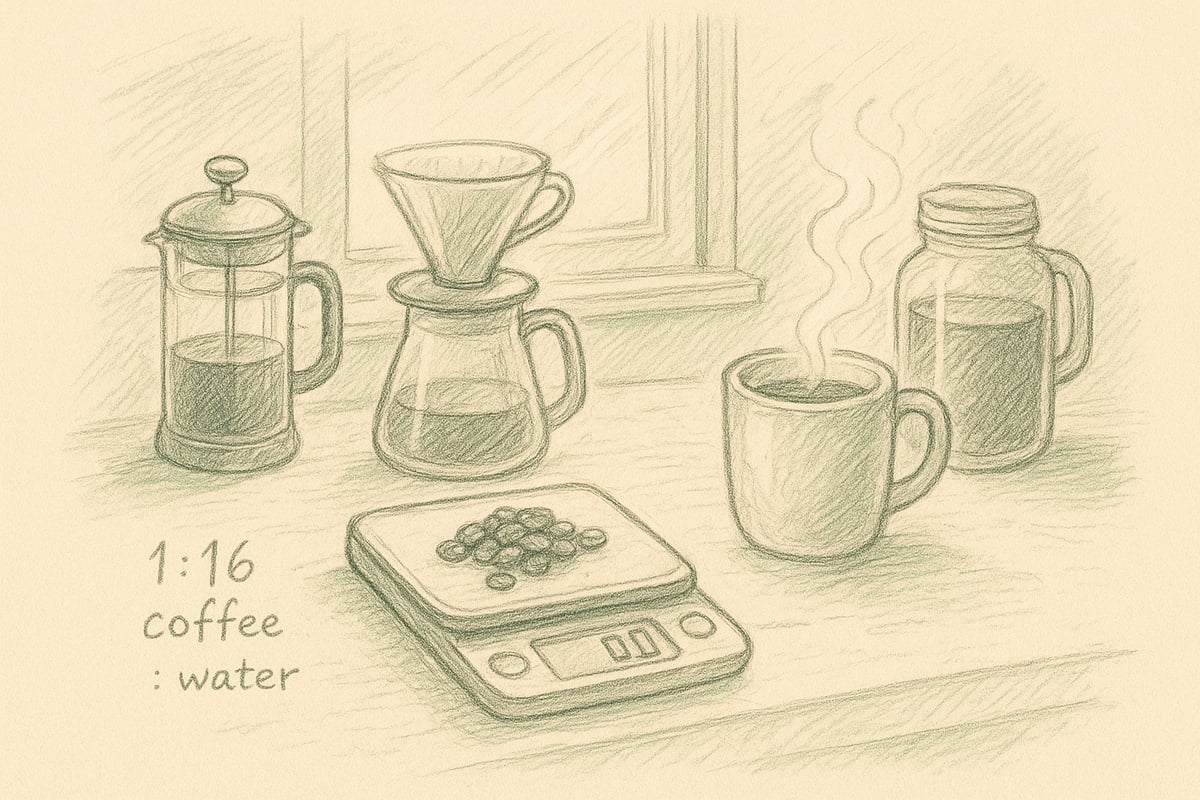
Finding the right coffee to brew ratio is the secret to unlocking every bean’s potential. Whether you crave clarity in a pour-over or the rich depth of a French press, ratio shapes your cup’s body, flavor, and aroma. At the Grove, we treat this as both art and science, a morning ritual where precision meets pleasure.
Standard Ratios for Every Method
The right ratio varies by brew style. Here’s a quick guide for your next coffee to brew adventure:
| Brew Method | Ratio (Coffee:Water) |
|---|---|
| Pour-over | 1:14 – 1:16 |
| French Press | 1:12 – 1:16 |
| Drip | 1:16 – 1:18 |
| Cold Brew | 1:5 – 1:8 |
| Espresso | 1:2 |
Start with these as baselines, then adjust for your taste.
How Variables Affect Your Brew
Grind size, water temperature, and brew time all interact with your chosen ratio. Finer grinds extract faster and need shorter brew times, while coarser grinds suit immersion methods. Water just off the boil (195–205°F) helps extract sweetness and aroma, but cooler water can highlight subtle floral or fruity notes.
Tuning to Your Taste and Beans
Don’t be afraid to experiment. Lighter roasts may need a bit more coffee to brew for full flavor, while darker beans can shine with slightly less. If your cup tastes weak, add more grounds or reduce water next time. For over-strong or bitter results, do the reverse.
Repeatable Rituals
Using a scale ensures each cup is consistent, turning your morning into a mindful ritual. For more tips or troubleshooting, visit the Coffee brewing FAQs for answers to common ratio questions and more brewing wisdom.
FAQ: Coffee Brewing Methods for 2026
Curious about coffee to brew in 2026? Here, we answer your most pressing questions, blending Grove mornings with the latest in brewing trends. Step into the ritual, and discover which method fits your rhythm.
What’s the easiest method for beginners?
Single-serve pour-over sachets are wonderfully simple. Just add hot water and enjoy consistent coffee to brew without needing special equipment.
Which brew method is best for travel or outdoors?
AeroPress and coffee to brew sachets are both lightweight and portable, making them favorites for adventures and busy mornings.
How do I choose the right grind size for each method?
Match grind to method: coarse for French press and cold brew, medium for drip, fine for Moka pot. Always adjust to taste.
Can I brew specialty coffee without expensive equipment?
Absolutely. Manual tools like V60 or sachets let you enjoy rich flavors at home or the Grove, no high-tech gadgets needed.
How do single-serve sachets compare to traditional methods?
Sachets offer speed and convenience, while classic hand-brewing gives more control. Both honor the sensory magic of coffee to brew.
What’s the best method for highlighting unique bean flavors?
Pour-over methods like V60 or Kalita Wave deliver clarity and let beans shine. For more on trends, see Top Coffee Market Trends of 2025 and What to Expect in 2026.
How do I make coffee more sustainable at home?
Opt for reusable filters, compost grounds, and choose ethically sourced beans. Small shifts in your coffee to brew practice make a difference.
Actionable Takeaway: Craft Your Own Coffee Ritual
Ready to make your mornings magical? This week, choose one new coffee to brew method from our list and let it transform your daily rhythm. Whether you’re drawn to the tactile calm of the French press or the bright clarity of pour-over, every method invites you to slow down and savor.
As you experiment, jot down your sensory impressions—the aroma, the warmth in your hands, the first sip. Share your ritual with a friend, or simply enjoy a quiet moment for yourself. Exploring new coffee to brew methods is more than a trend; it’s a chance to reconnect with your senses and set the tone for your day.
Remember, the perfect cup is the one that fits your mood and moment. Let your ritual be a pause, a breath, and a little bit of everyday magic.
As you journeyed through these seven brew methods, maybe you pictured yourself in the quiet of morning, savoring the aroma that makes every cup a memory. I’ve found that the magic isn’t just in the coffee itself—it’s in those small, intentional rituals that start the day with a little wonder. If you’re ready to add a spark of whimsy to your routine or want to taste something truly enchanting, I invite you to Start Your Ritual. Let’s discover your next favorite brew together, one magical cup at a time.
