


Ultimate Dripper Guide: Master Brewing Techniques 2026
In the Grove, mornings are unhurried and every movement is steeped in intention. Imagine the gentle steam rising from your cup, the quiet rustle of leaves outside, and the promise of a new day unfolding with each careful pour.
This is the art of mindful brewing in 2026—a daily ritual where the dripper transforms coffee into a sensory experience, not just a beverage. Here, every step matters, from the choice of beans to the last lingering aroma.
Let this guide lead you through the world of dripper mastery. Discover the tools, techniques, and small moments that turn brewing into a pause worth savoring. Welcome to the ritual.
Understanding Drippers: Types, Materials, and Design
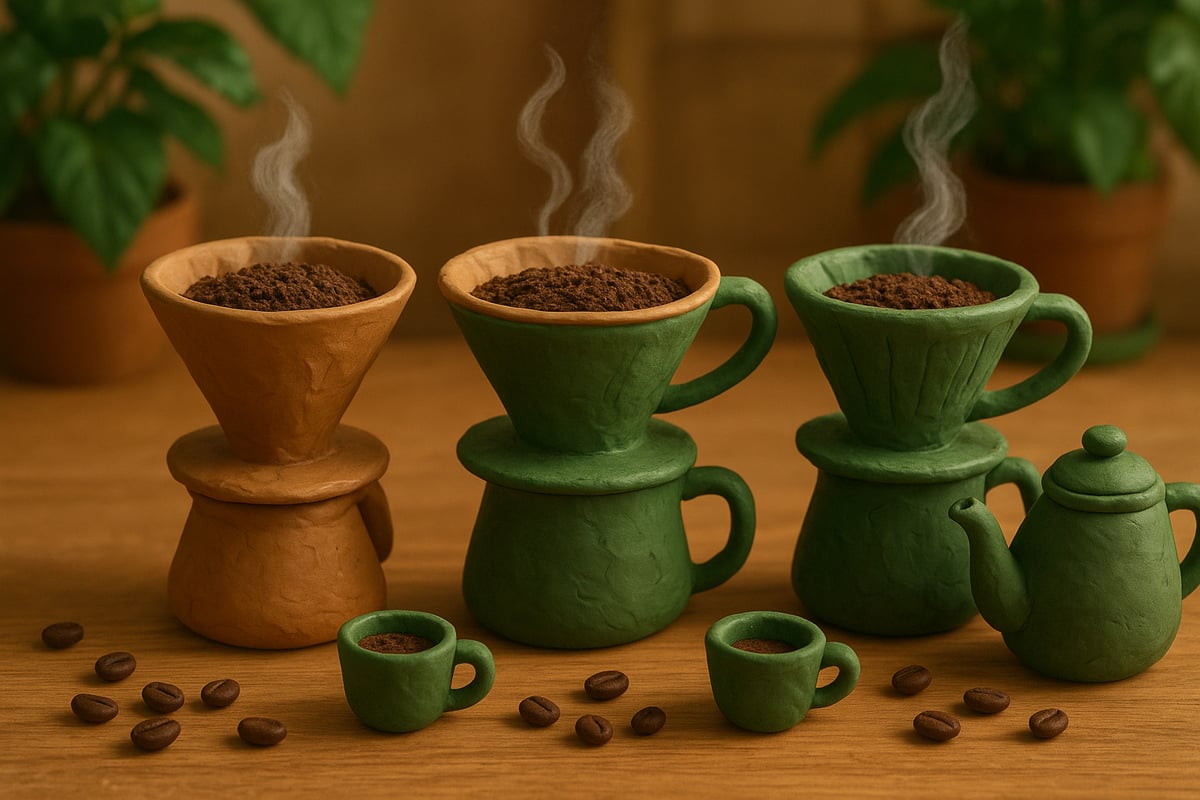
A dripper is more than a vessel—it is the stage where water, gravity, and ground beans meet in a slow, fragrant ritual. The right dripper shapes your daily cup, turning simple mornings into sensory experiences. From the first bloom to the last sip, the design and material of your dripper invite you to brew with intention.
The Evolution of Drippers: From Classic to Contemporary
The story of the dripper begins in 1908, when Melitta Bentz punched holes in a brass pot and lined it with paper, inventing the first pour-over dripper. This simple act sparked a quiet revolution in home coffee.
Decades later, the dripper’s silhouette continued to transform. The V60 introduced a swirling cone that coaxed out brightness and clarity. Origami’s playful ridges and April’s sleek lines brought aesthetics to the forefront, while brands like Timemore explored new textures and flow dynamics.
Designers now blend beauty with engineering, crafting drippers that balance function and art. Specialty coffee culture, fueled by global competitions and barista creativity, has turned the dripper into a canvas for self-expression. Home brewing is no longer just about caffeine—it’s about savoring process, story, and sensory delight.
In every dripper lies a piece of coffee history, shaped by curious hands and evolving taste.
Comparing Dripper Types: Conical, Flat-Bottom, Hybrid
Choosing a dripper is like picking a paintbrush for your morning masterpiece. Each type shapes flavor, body, and ritual in its own way.
- Conical drippers (like the V60 and Origami) create a single point of flow. They highlight delicate notes, offering vibrant, nuanced cups. Spiral pours and careful technique reward you with clarity and complexity.
- Flat-bottom drippers (Kalita Wave, April) use a level base and multiple holes. They deliver balanced, forgiving extraction. The result is a rounder, smoother profile—ideal for those seeking consistency and ease.
- Hybrid drippers (Graycano, UFO) merge features, offering clarity with a touch of body. These are playgrounds for experimenters who want to control every variable.
| Dripper Type | Flavor Profile | Flow Rate | Best For |
|---|---|---|---|
| Conical | Bright, nuanced | Fast | Light roasts, clarity |
| Flat-bottom | Balanced, smooth | Moderate | Medium/dark roasts |
| Hybrid | Clear, full | Adjustable | Custom recipes |
Your dripper choice depends on your beans, mood, and flavor goals. If you want to dive deeper, Exploring the Brew Process reveals how different dripper styles and techniques shape extraction and taste.
Material Matters: Ceramic, Glass, Plastic, Metal
Every dripper material brings its own personality to the table—and to your cup.
- Ceramic drippers feel grounded and comforting. They hold heat well, ensuring steady extraction and a warm hand feel. Their neutral surface lets pure coffee flavors shine.
- Glass drippers are a feast for the eyes. You can watch the bloom and flow, turning brewing into a visual meditation. Glass is easy to clean and imparts no flavor, but is sensitive to temperature swings.
- Plastic drippers are light and travel-ready. They heat up quickly, are gentle on the wallet, and resist breaking. Some specialty plastics are remarkably flavor-neutral and eco-friendly.
- Metal drippers stand out with modern shine and durability. They transfer heat rapidly, which can speed up brewing, and their unique look suits a bold, contemporary setting.
When choosing a dripper, consider the tactile joy, environmental footprint, and sensory experience each material offers. The right dripper feels like an extension of your hand—a vessel for slow, mindful mornings in the Grove.
Essential Gear for the Ultimate Dripper Ritual
A quiet morning, sunlight sifting through leaves, and the anticipation of that first sip—every dripper ritual begins with the right tools. To master the art of dripper brewing at home, you need thoughtfully chosen gear that turns each step into a sensory journey. Let’s explore what you’ll need to create a mindful, delicious brew from the ground up.
Must-Have Tools: Beyond the Dripper
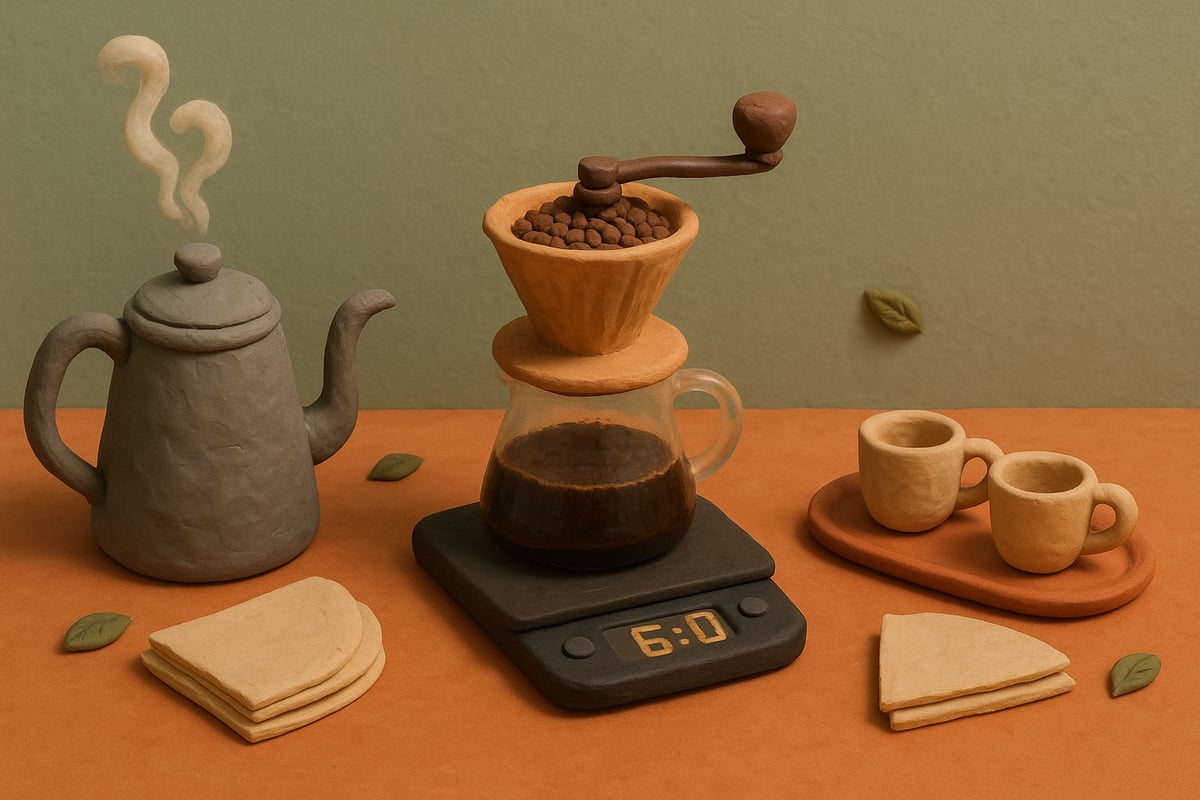
The heartbeat of any dripper ritual is the gear that brings precision and pleasure to each brew. Start with a gooseneck kettle, which offers steady control over water flow and temperature—a difference you can feel and taste. Digital scales are essential for dialing in your ratios, ensuring each brew is repeatable and balanced.
A quality burr grinder transforms whole beans into uniform grounds, unlocking flavors that blade grinders often muddle. Choose the right filter for your dripper—Sibarist for clarity, Origami for flow, or classic Kalita for consistency. Each filter style shapes extraction and mouthfeel.
Carafes and servers not only keep your coffee warm but also elevate the ritual with their design. For a deeper dive into choosing and using dripper gear, explore this Brew Guide for Beginners, which breaks down each tool and its impact on your cup.
| Tool | Purpose | Sensory Highlight |
|---|---|---|
| Kettle | Water flow and temp control | Gentle pour, steam sound |
| Scale | Ratio precision | Visual feedback |
| Grinder | Consistent grind size | Aroma release |
| Filter | Extraction clarity | Texture, mouthfeel |
| Carafe/Server | Heat retention, pour | Warmth, presentation |
Supporting Cast: Water, Beans, and Accessories
Behind every dripper ritual is a cast of supporting elements that shape both flavor and feeling. Water is the silent hero—filtered water with balanced minerals brings out the best in your beans and preserves the dripper’s integrity over time. Specialty beans, whether single-origin or thoughtfully blended, reveal their magic when fresh and stored with care.
Accessories like timers, stirring sticks, and temperature strips add subtle control and repeatability. Cleaning supplies—soft brushes, gentle detergents—help maintain your dripper and gear, ensuring each brew tastes as intended. Store beans in airtight containers, away from light and heat, to protect their nuance and aroma.
With the right supporting cast, each dripper session becomes a layered experience, inviting you to notice taste, texture, and scent in every cup.
Creating a Brew Space: Setting the Mood
A mindful dripper ritual is more than mechanics; it’s about crafting a space that welcomes all your senses. Consider soft, natural lighting—perhaps near a window with a view of your favorite tree. Arrange your dripper, cups, and accessories with intention, using trays or wooden boards to create order and beauty.
Include ritual objects: a favorite mug, a small vase of herbs, or a smooth stone. These details ground you in the present and turn brewing into a story. Pay attention to the gentle sounds—water heating, coffee dripping, beans grinding. Let the aroma fill the air, shifting as the coffee blooms and pours.
Your brew space is a living canvas, changing with the seasons or your mood. By tending to these sensory details, you transform dripper brewing into a daily pause, a chance to slow down and savor both coffee and life.
Step-by-Step: Mastering the Dripper Brewing Technique
A mindful dripper brew transforms morning routine into a grounding ritual. With each careful step, you can create a cup that awakens the senses and tells a story—of patience, intention, and flavor. Here’s how to master every phase of the dripper process for a coffee experience that’s truly your own.
Preparing for the Brew
Every dripper ritual begins with preparation. Start by measuring specialty beans with a digital scale to ensure the perfect ratio—commonly 1:16, but feel free to experiment. Freshly grind your beans just before brewing, adjusting the grind size to match your dripper style. Conical drippers often need a slightly coarser grind than flat-bottom models.
Preheat your dripper and cup by rinsing them with hot water. This step keeps your brew temperature stable and prevents flavor loss. Next, rinse your paper filter to remove papery flavors and seat it snugly in the dripper. Set up all your gear—kettle, scales, timer, and a clean carafe—within easy reach.
Check your water. Filtered water with balanced minerals brings out the best in your beans. Arrange your space, breathe in, and prepare to make each move with intention.
The Pour: Precision and Artistry
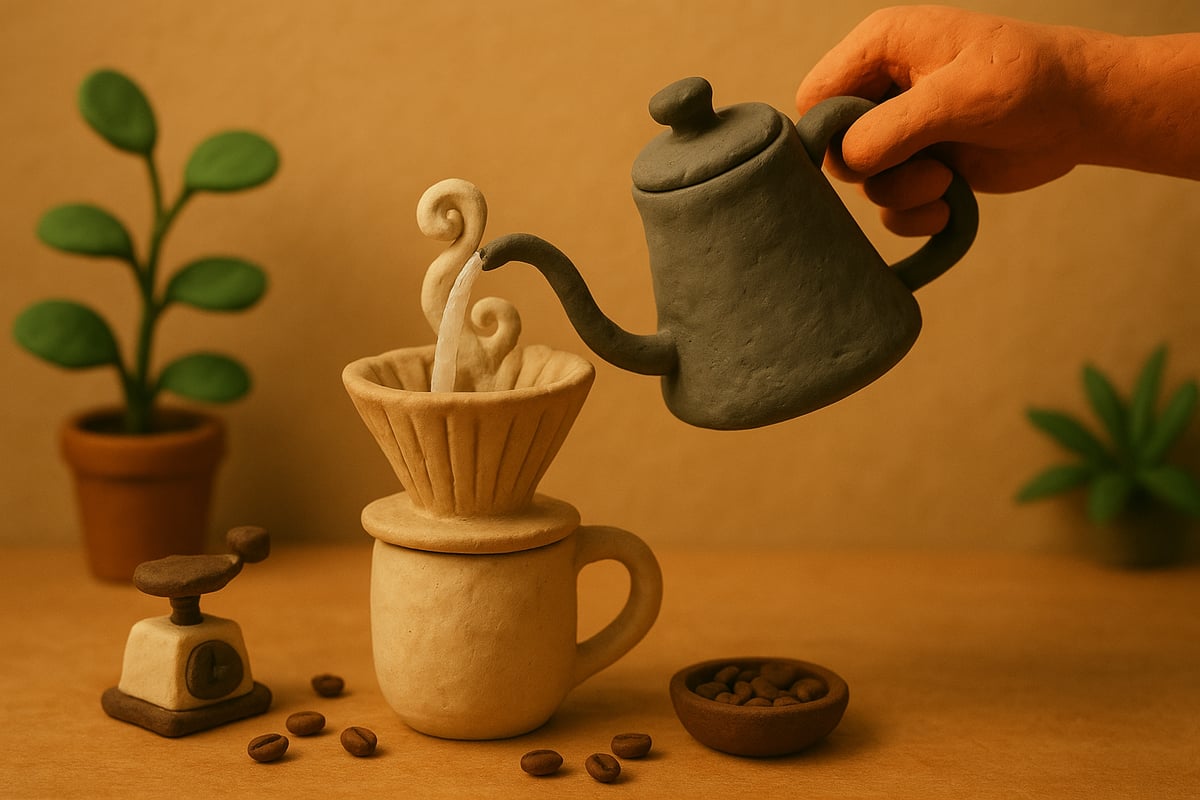
The heart of dripper brewing is the pour. Begin with the bloom: pour just enough water (about twice the weight of your coffee) to saturate the grounds. Let the coffee bloom for 30–45 seconds, watching bubbles rise as CO2 escapes, unlocking vibrant aromatics.
Now, pour in slow, steady spirals or gentle pulses. Spiral pours encourage even extraction, while pulse pours offer more control over flow and agitation. Each dripper responds differently—conical designs highlight clarity, while flat-bottom drippers favor balance. Use a gooseneck kettle for precision and focus on keeping the bed flat and evenly saturated.
Avoid channeling by pouring gently and adjusting your flow rate. If you’re looking to refine your technique, explore Elevated Pour-Over Techniques for nuanced methods that can unlock new dimensions in your dripper ritual.
Timing, Temperature, and Extraction
Mastering timing and temperature is key to a consistently delicious cup. Aim for water between 195 and 205°F (90–96°C). Each dripper has a sweet spot—V60s often shine at 2:30–3:00 minutes, while Kalita Waves may take a bit longer for full extraction.
Use your scale and timer for repeatable results. Watch the drawdown; a sluggish flow could mean too fine a grind or overfilling, while a rapid drip points to a coarse grind. Taste your brew: sourness suggests under-extraction, bitterness hints at over-extraction. Adjust your dripper variables—grind, dose, or pour—to find your preferred flavor profile.
Fine-tuning each element brings you closer to your ideal cup, making every dripper session an opportunity for discovery.
Savoring the Ritual: Engaging the Senses
The dripper ritual is more than mechanics; it’s a symphony of sensory moments. Inhale the aroma as the bloom releases floral, fruity, or chocolate notes. Watch the coffee stream, its color deepening as flavors concentrate.
Listen to the gentle patter of water meeting grounds, a sound both calming and anticipatory. As you sip, notice the mouthfeel—silky, bright, or rich—along with the lingering aftertaste unique to your chosen dripper and beans.
Feel the warmth of the cup in your hands, the grain of the beans, the cool handle of your kettle. Each sense anchors you in the moment, turning dripper brewing into a daily meditation.
Advanced Dripper Techniques and Troubleshooting
Slow mornings in the Grove call for curiosity and confidence. Once you’ve mastered the basics, the world of advanced dripper brewing opens up. Here, every tweak becomes a new chapter in your ritual, and each cup is a story told through aroma, flavor, and feel.
Experimenting with Recipes and Ratios
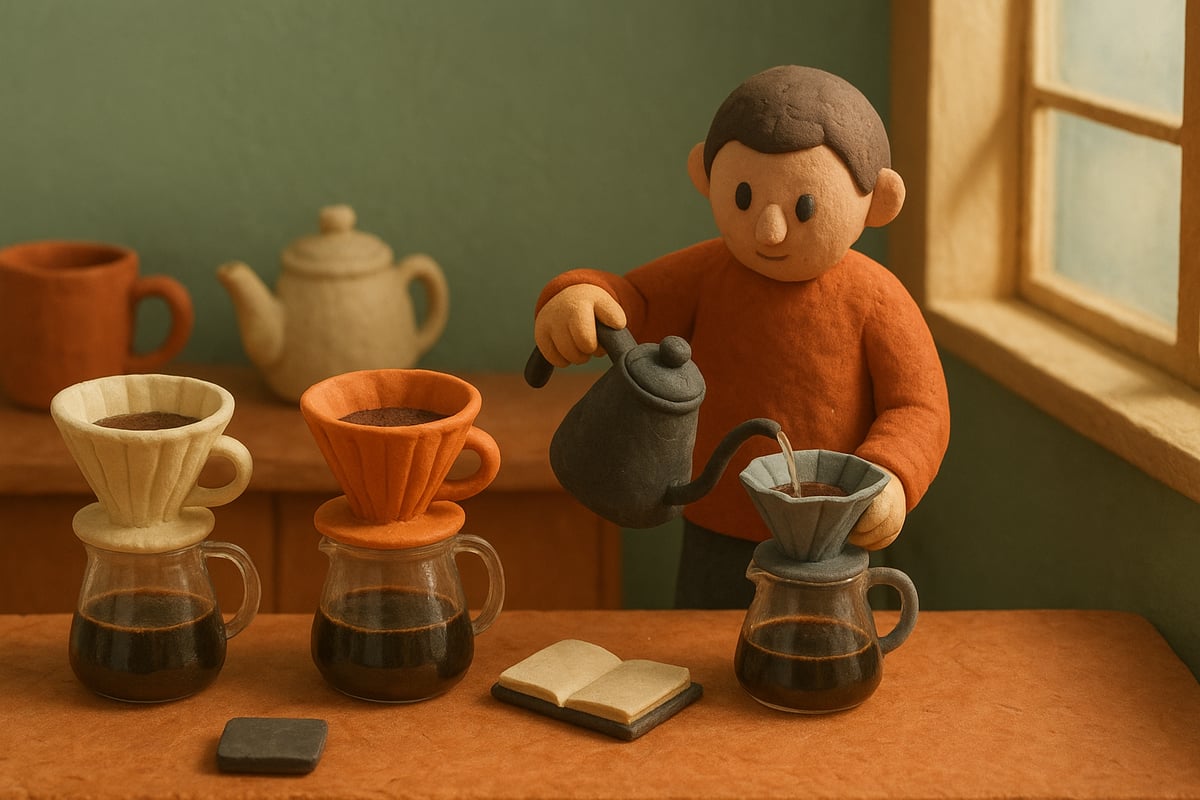
Every dripper has its own personality, and experimenting with recipes is how you get acquainted. Start with classic ratios like 1:15 or 1:16 (one part coffee to fifteen or sixteen parts water). Adjust the ratio for more body or clarity, depending on your beans and the dripper you’re using.
Try single-pour methods for simplicity, or explore multi-pour and pulse techniques for more control. Agitation—gentle stirs or swirls—can unlock deeper flavors, while bypass brewing (adding water after extraction) enhances clarity. Keep a journal nearby to note the subtle shifts each adjustment brings.
For more on how different dripper techniques shape extraction and flavor, explore Coffee Flavor and Extraction Insights. With each experiment, you’ll find new ways to express your unique taste.
Troubleshooting Common Brewing Issues
Troubleshooting is part of every dripper journey. If your brew tastes bitter, check for too fine a grind, high water temperature, or over-extraction. Sour notes often point to under-extraction, coarse grind, or cool water. Flat flavors might mean your beans are stale or your ratio is off.
Watch for channeling—where water finds an easy path and extracts unevenly. To avoid this, pour steadily and evenly. If your filter collapses or bypass occurs, try wetting the filter more thoroughly and checking for proper dripper fit. Adjusting grind size or pouring technique can make a world of difference.
Learn from the community: home brewers and baristas often share real-world fixes for these challenges. With practice, you’ll recognize and resolve issues before they disrupt your ritual.
Seasonal and Sensory Variations
Let the seasons inspire your dripper routine. On crisp mornings, try a richer ratio or pair your brew with spiced pastries. In summer, lighter roasts and floral notes shine with cooler water and a gentler pour.
Experiment with limited-edition beans or blends that echo the mood outside. Add sensory touches: play soft music, bring fresh greenery to your brew space, or use a favorite cup for tactile comfort. Each change deepens your connection to the moment.
Coffee isn’t just flavor—it’s atmosphere, story, and sensation in every sip. Make your dripper ritual a living, breathing part of your day.
Staying Inspired: Resources and Community
Stay connected to the world of dripper brewing. Explore online guides, join forums, and watch live competitions for new ideas and techniques.
Follow specialty coffee events to discover emerging trends. Keep a journal to document your recipes, observations, and breakthroughs. Share your journey with friends or local cafes—you’ll find inspiration in every exchange.
The dripper community is always evolving, offering support and fresh perspectives. Let it nurture your curiosity and keep your ritual vibrant.
FAQ: Dripper Brewing Essentials Answered
Curious about perfecting your dripper ritual? Here are answers to the most common questions, so you can brew with confidence and intention every morning in your Grove-inspired kitchen.
| Question | Answer |
|---|---|
| How do I choose the right dripper for my taste preferences? | Start by deciding if you crave bright, nuanced notes or a smooth, balanced cup. Conical drippers highlight clarity, while flat-bottom models offer a rounder taste. |
| What’s the best grind size for pour-over drippers? | Aim for a medium grind, like coarse sand. Adjust finer for slower drippers, coarser for faster ones. |
| Can I use tap water, or should I filter it? | Filtered water with balanced minerals brings out the best in your beans. Tap water can work, but flavors may dull or shift. |
| How does filter type impact flavor? | Paper filters yield clean, crisp cups, while metal lets more oils through for a richer mouthfeel. Filter shape also affects extraction. For a deeper dive into how water movement and filter dynamics impact taste, see the Physics of pour-over brewing. |
| What’s the difference between single-pour and multi-pour methods? | Single-pour is simple and quick, while multi-pour allows more control and can unlock layered flavors. Pulse brewing, a type of multi-pour, can even boost extraction efficiency. Learn more about the pulse brewing technique. |
| How do I troubleshoot bitterness or sourness in my brew? | Bitter dripper coffee often means over-extraction or too hot water. Sour notes point to under-extraction or too coarse a grind. Adjust variables one at a time. |
| Are there eco-friendly dripper and filter options? | Yes, look for reusable metal or cloth filters and drippers made from recycled or natural materials. Compostable paper filters are also a green choice. |
| How do I clean and maintain my dripper gear? | Rinse all dripper parts after each use, deep clean weekly, and store your gear dry and dust-free. This keeps flavors pure and your ritual joyful. |
No matter your question, the dripper is an invitation to slow down and savor. Keep experimenting, and let every cup become a sensory story.
Takeaway: Brewing Slow, Living Well
Bringing intention to your morning ritual transforms each cup brewed with a dripper into a quiet celebration of the senses. The simple act of pouring, pausing, and savoring invites a sense of calm that lingers long after the last sip.
Let your dripper be more than a tool—let it become a companion in your daily pause. Notice the swirl of steam, the subtle notes rising with each bloom, and the gentle drip that marks time in its own way. These small moments, repeated, become a form of meditation.
Experiment with beans, water, and technique. Observe how even a slight change in your pour or a new filter can unlock new flavors. If you’re curious about the science behind this ritual, explore how fluid mechanics in pour-over coffee can shape extraction and deepen your appreciation.
Jot down your discoveries in a journal, or share a cup with a friend—each experience adds a new layer to your coffee story. Mastery with your dripper is not a finish line, but a gentle journey. Savor each step, and let every cup remind you to slow down and live well.
As we wrap up this journey into the world of mindful dripper brewing, I hope you’re feeling inspired to slow down and savor each step of your coffee ritual. There’s something magical about turning a simple cup into a moment of reflection—just like the first time I discovered how a gentle pour and the right beans could change my whole morning. If you’re ready to bring a bit of that wonder into your own daily routine, why not Start Your Ritual? Your next favorite brew might just be waiting to surprise you.
