


Gourmet Coffee: A Journey Into Specialty Brews
Gourmet coffee represents more than premium beans in a bag. It's the convergence of place, craft, and intention-a daily ritual that transforms your morning from routine to sacred. Unlike commodity coffee picked from massive plantations and roasted in bulk, gourmet coffee begins with carefully selected beans grown at high altitudes, harvested at peak ripeness, and roasted in small batches to highlight each origin's unique flavor profile. The difference lives in every sip: bright acidity reminiscent of citrus groves, subtle floral notes that dance on your palate, or deep chocolate undertones that linger long after the cup is empty. This is coffee as it was meant to be experienced, not just consumed.
The Origins of Exceptional Coffee
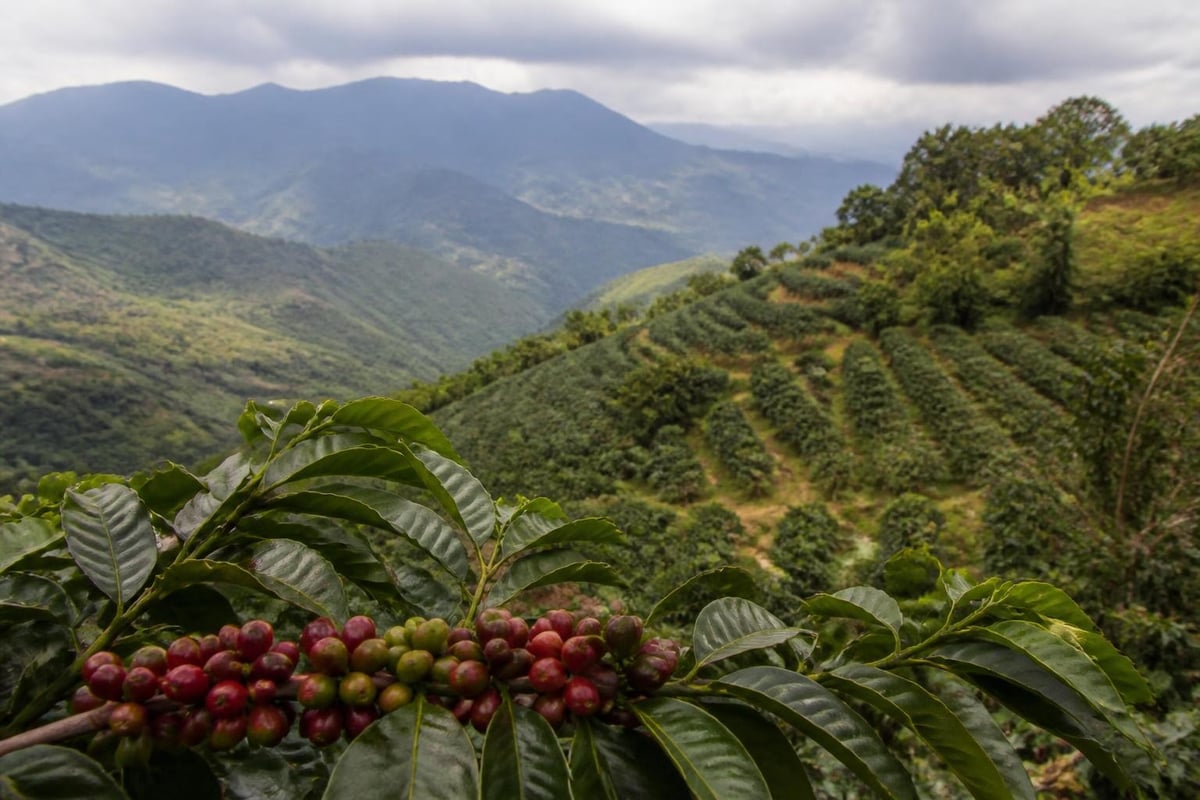
The story of every exceptional cup begins in the soil. Gourmet coffee grows in specific microclimates where elevation, rainfall, and temperature create ideal conditions for flavor development. Most specialty-grade beans originate from the "Bean Belt"-regions between the Tropics of Cancer and Capricorn-where volcanic soil and mountain air work their quiet magic.
Geography Shapes Character
Ethiopian highlands produce beans with wild, wine-like complexity and blueberry notes that taste like morning light through forest canopy. Colombian farms nestled in the Andes yield balanced, caramel-sweet profiles. Costa Rican micro-lots deliver bright citrus acidity that wakes your senses before the caffeine does.
Key growing regions and their signatures:
- Ethiopia: Floral, berry-forward, tea-like body
- Colombia: Balanced sweetness, nutty undertones, medium acidity
- Kenya: Bold fruit notes, wine-like acidity, full body
- Guatemala: Chocolate richness, spice complexity, smooth finish
- Costa Rica: Bright citrus, honey sweetness, clean finish
The farm elevation matters tremendously. Beans grown above 4,000 feet develop slower, allowing sugars and acids to concentrate. This creates the complexity that defines premium coffee brands-layers of flavor you can actually distinguish rather than a one-note bitterness.
What Makes Coffee "Gourmet"
The term gourmet coffee isn't regulated, but the specialty coffee industry has clear standards. The Specialty Coffee Association scores green coffee on a 100-point scale. Beans scoring 80 or above earn specialty designation-true gourmet status. Below that threshold, you're drinking commercial-grade coffee masquerading in fancy packaging.
Scoring criteria include:
| Quality Factor | What Evaluators Assess |
|---|---|
| Aroma | Intensity and pleasantness of dry and wet fragrance |
| Flavor | Primary taste characteristics and complexity |
| Aftertaste | Lingering impression after swallowing |
| Acidity | Brightness and liveliness on the palate |
| Body | Tactile fullness and texture in the mouth |
| Balance | How all elements harmonize together |
| Uniformity | Consistency across multiple cups |
| Clean Cup | Absence of defects or off-flavors |
Beyond scoring, processing methods define a coffee's final character. Washed coffees showcase clean, bright flavors. Natural processed beans-dried with the cherry intact-develop fruity, wine-like qualities. Honey processed falls somewhere between, offering sweetness with clarity.
The roast date matters more than most realize. Coffee peaks between 7-21 days post-roast, then slowly oxidizes. Those "best by" dates on supermarket bags? They reference when the package was sealed, not when the beans were roasted. Real gourmet coffee tells you the exact roast date because freshness is non-negotiable.
The Craft Behind Every Cup
Roasting transforms hard, grassy green beans into aromatic brown gems. Master roasters manipulate time, temperature, and airflow to develop specific flavor profiles. Light roasts preserve origin characteristics-the terroir of place. Dark roasts emphasize body and sweetness while muting subtle notes.
Small-Batch Philosophy
Artisan roasters work in 1-25 pound batches, constantly adjusting to each bean's unique density and moisture content. This attention to detail creates the consistency you taste cup after cup. Commercial roasters process thousands of pounds hourly using pre-programmed profiles. The difference is like comparing a hand-written letter to a mass email.
According to recent industry analysis, the specialty coffee market faces challenges from rising green coffee prices, yet consumer demand for quality continues growing. Coffee enthusiasts increasingly choose exceptional experiences over convenience.
Grinding unlocks flavor-but timing is everything.
Pre-ground coffee begins oxidizing immediately. Those aromatic compounds that make coffee magical? They dissipate within 15 minutes of grinding. Gourmet coffee deserves fresh grinding right before brewing. The particle size must match your brewing method: fine for espresso, medium for pourover, coarse for French press.
When you understand how to brew specialty coffee properly, the variables multiply: water temperature (195-205°F is ideal), brew time, agitation, and ratio all influence extraction. Under-extraction tastes sour and thin. Over-extraction brings bitterness and astringency. The sweet spot delivers balanced complexity.
Modern Rituals and Evolving Tastes
Coffee culture has transformed dramatically in recent years. Home coffee consumption reached a 14-year high as remote work normalized and people sought café-quality experiences in their own kitchens. This shift accelerated innovation in home brewing equipment and pre-portioned specialty options.
The rise of specialty coffee consumption in the U.S. reflects a broader cultural movement toward intentional consumption. Younger generations especially prioritize quality over quantity, seeking coffee that offers more than caffeine delivery. They want origin stories, transparency in sourcing, and flavors that surprise.
Convenience Meets Quality
Single-serve specialty coffee once seemed contradictory. How could convenience align with craft? Innovation bridged that gap through nitrogen flushing and sealed packaging that preserves fresh-ground coffee for weeks without oxidation.
The Pixies Brew Discovery Set represents this evolution perfectly-specialty-grade coffee ground fresh and protected from air, packaged in delicate sachets that need only hot water and a cup. No expensive equipment. No complicated ratios. Just hook the sachet on your mug's rim and pour slowly, watching the bloom as aromatics release. Each profile offers distinct character: bright and citrusy, deep and chocolatey, smooth and balanced-five complete flavor journeys in one box.
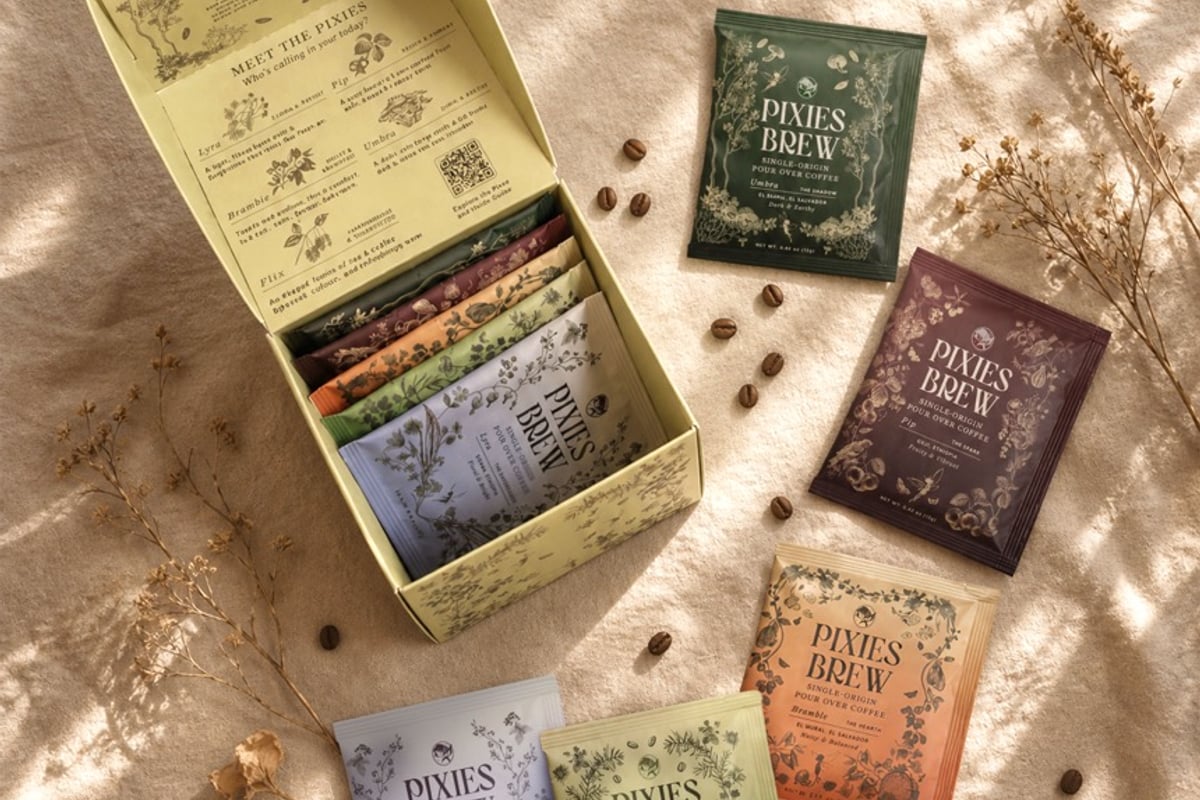
This approach honors both the coffee and your time. Mornings when you need calm before chaos. Travel days when hotel coffee won't suffice. Quiet afternoons when you want quality without performance.
Flavor Profiles Worth Exploring
Gourmet coffee reveals itself through five sensory dimensions: aroma, taste, body, acidity, and finish. Learning to identify these elements transforms drinking into tasting.
Aroma hits you first-the fragrance released when hot water meets grounds. Smell deeply. Notice what emerges: caramel, jasmine, dark chocolate, citrus zest, toasted nuts. These volatile compounds communicate terroir and roast profile before your first sip.
Taste divides into primary flavors coffee can express:
- Fruity: berries, stone fruit, citrus, tropical
- Floral: jasmine, rose, lavender, honeysuckle
- Sweet: caramel, honey, brown sugar, vanilla
- Nutty: almond, hazelnut, walnut, peanut
- Chocolatey: cocoa, dark chocolate, milk chocolate
- Spicy: cinnamon, clove, pepper, cardamom
Body describes mouthfeel-the weight and texture. Light-bodied coffee feels tea-like and delicate. Full-bodied coffee coats your palate with richness. Medium body offers pleasant balance.
Acidity provides brightness and liveliness, like the spark in a great wine. High-grown coffees typically show more acidity. This isn't the harsh bitterness of over-roasted commodity coffee-it's vibrant citrus, crisp apple, or effervescent champagne notes.
Finish is the aftertaste lingering after you swallow. Clean finishes disappear quickly. Complex finishes evolve, revealing new notes minutes later. Long finishes keep giving.
Unconventional Profiles Emerging
Flavor trends are increasingly unconventional as roasters experiment with fermentation, barrel aging, and unique processing. Some coffee lovers adore funky, wine-barrel-aged beans. Others prefer classic chocolate-nut profiles. The beauty of 2026's gourmet coffee landscape? There's room for both tradition and innovation.
Pairing coffee with food elevates both experiences. Try a bright Ethiopian with cupcakes from Rachael's Kitchen-the citrus notes complement vanilla frosting beautifully. Bold Sumatran coffee balances chocolate desserts. Floral Guatemalan beans enhance fruit-based pastries.
Sourcing With Intention
Direct trade relationships connect roasters with farmers, cutting out middlemen who traditionally captured most profit margins. This model ensures farmers earn sustainable wages while roasters access the finest lots. Everyone wins except exploitative commodity trading systems.
Certifications help navigate the marketplace:
| Certification | What It Guarantees |
|---|---|
| Fair Trade | Minimum price floor, community development premiums |
| Organic | No synthetic pesticides or fertilizers |
| Rainforest Alliance | Environmental and social sustainability standards |
| Direct Trade | Verified relationship between roaster and farmer |
| Bird Friendly | Shade-grown coffee protecting migratory bird habitats |
These badges matter, but they're not everything. Some exceptional small farms can't afford certification costs despite practicing sustainable, ethical farming. Research your roaster's sourcing philosophy. Transparency indicates integrity.
The Home Brewing Revolution
You don't need a $3,000 espresso machine to enjoy gourmet coffee at home. Simple methods often produce the most satisfying results when executed with care and quality beans.
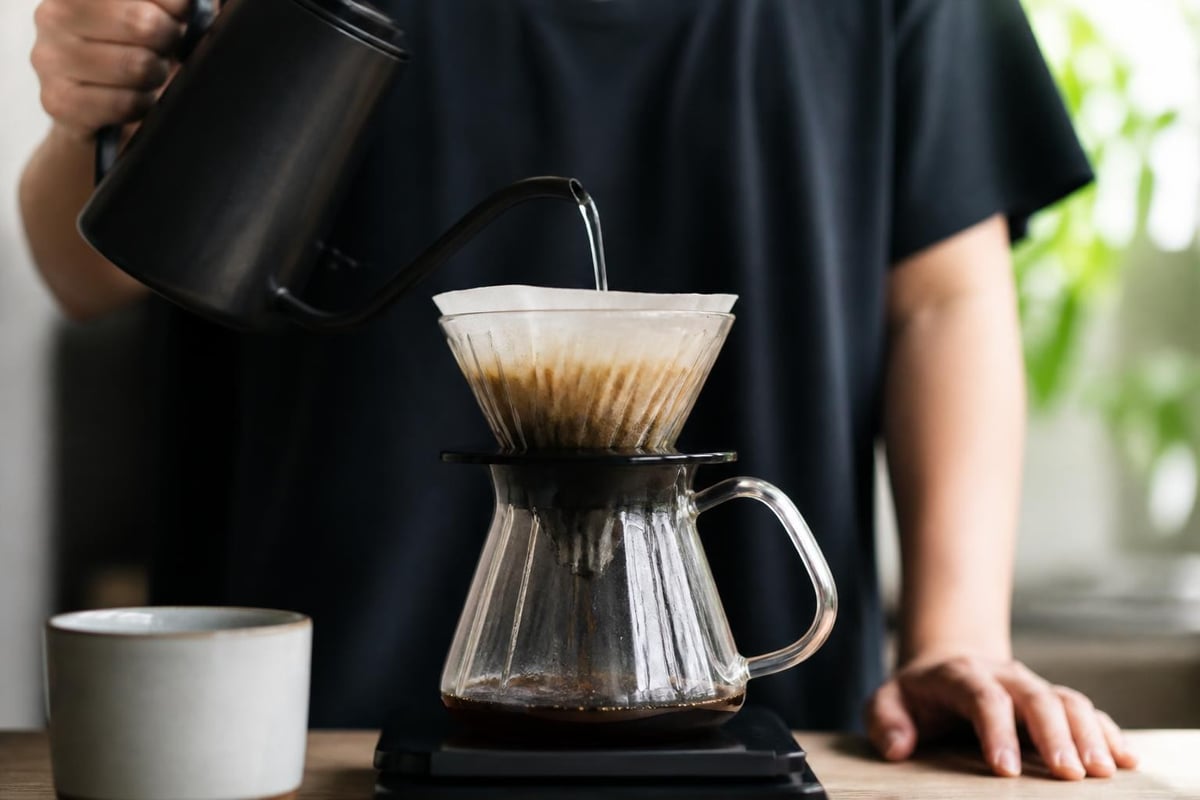
Pourover methods like Chemex, V60, or single-serve sachets offer clean, bright cups showcasing subtle flavor notes. The slow, meditative pouring process becomes a morning ritual-a moment of pause before the day accelerates.
French press delivers full-bodied richness through immersion brewing. Coarse grounds steep for four minutes, then you press the metal filter down. The result: heavy body, low acidity, pronounced flavors.
AeroPress combines immersion and pressure for quick, concentrated coffee. Compact and durable, it's beloved by travelers and campers who refuse to compromise on quality.
Cold brew steeps coarse grounds in room temperature water for 12-24 hours, producing smooth, low-acid concentrate you can dilute with water or milk. Perfect for summer mornings or afternoon refreshment.
The future of specialty coffee includes AI-assisted roasting, fermentation innovations, and climate adaptation strategies as growing regions shift with global warming. But the core remains unchanged: exceptional beans treated with respect throughout the journey from seed to cup.
Frequently Asked Questions
What's the difference between gourmet coffee and regular coffee?
Gourmet coffee uses specialty-grade beans (scoring 80+ points), grown at high elevations, carefully processed, and roasted in small batches to highlight unique flavors. Regular coffee uses commodity-grade beans grown in any conditions, processed in bulk, and roasted to generic profiles that prioritize consistency over character.
How should I store gourmet coffee?
Keep whole beans in an airtight container in a cool, dark place-not the refrigerator or freezer, which introduce moisture. Buy only what you'll consume within 2-3 weeks. If you must store longer, freeze in small portions in airtight bags, thawing completely before opening to prevent condensation.
Is gourmet coffee worth the higher price?
Quality coffee costs more because farmers earn fair wages, roasters work in small batches, and the entire supply chain prioritizes excellence over volume. You're paying for traceability, sustainability, and flavors that mass-market coffee can't deliver. When you calculate per-cup cost versus café prices, home-brewed gourmet coffee remains economical while offering superior quality.
What's the best gourmet coffee for beginners?
Start with medium roasts from familiar origins like Colombian or Costa Rican beans. These offer approachable, balanced flavors-chocolate, nuts, mild fruit notes-without overwhelming brightness or funkiness. Once comfortable, explore lighter Ethiopian roasts or darker Sumatran profiles to understand your preferences.
Can gourmet coffee be instant or pre-ground?
True gourmet coffee is never instant, which sacrifices nuance for convenience. However, specialty-grade coffee can be pre-ground if consumed quickly and stored properly. Nitrogen-flushed, sealed sachets preserve fresh-ground coffee effectively, offering convenience without compromising quality. Look for roast dates and specialty-grade sourcing rather than generic "gourmet" labels.
Building Your Personal Coffee Ritual
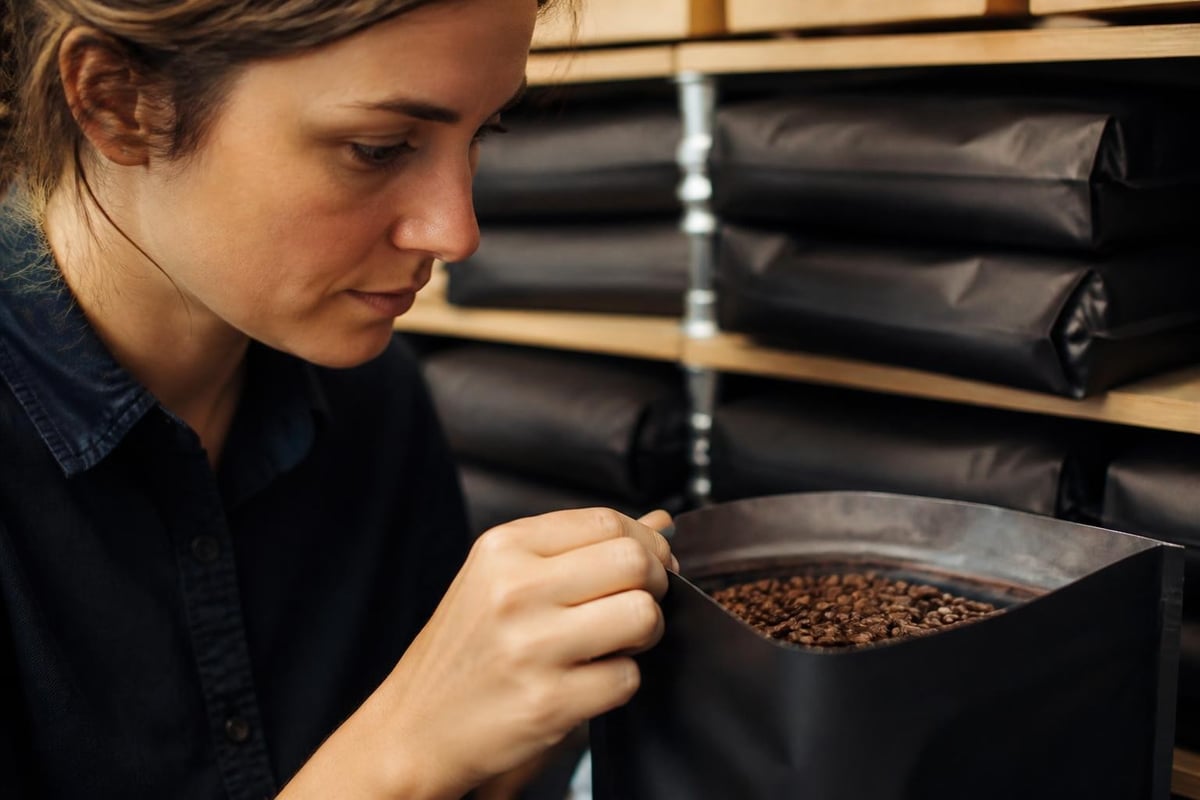
The most profound aspect of gourmet coffee isn't the beans themselves-it's the ritual they enable. In our accelerated world, coffee offers permission to pause. Those three minutes while water passes through grounds become meditation. The aroma rising from your cup signals transition from sleep to wakefulness, from chaos to clarity.
France's neo-café movement demonstrates coffee's power as a third space between home and work. These modern establishments emphasize specialty brews and immersive experiences, creating community around shared appreciation for quality. You can cultivate similar intention at home.
Create your ritual elements:
- Dedicated space: A corner of counter, a specific chair, natural light if possible
- Consistent timing: Same window each morning signals your nervous system
- Mindful preparation: Notice each step rather than rushing through on autopilot
- Single-tasking: Put the phone away; this moment is yours alone
- Sensory awareness: Smell the dry grounds, listen to water's pour, watch the bloom, taste with attention
- Gratitude practice: Acknowledge everyone who contributed to this cup
Your ritual might last five minutes or twenty. The duration matters less than the presence you bring. Even on rushed mornings, a single mindful sip beats a hurried gulp while checking emails.
Seasonal rotation keeps your palate engaged. Summer might call for bright, citrusy profiles served over ice. Fall welcomes deeper, spicier notes that warm from within. Winter brings comfort in chocolatey, full-bodied coffees. Spring refreshes with floral, delicate cups. Let the calendar guide your exploration.
Limited-edition releases add discovery to routine. Special processing methods, rare varietals, or anniversary blends offer glimpses into coffee's vast possibility. These occasional treasures make your daily ritual feel like an ongoing adventure rather than monotonous repetition.
The Economics of Quality
Gourmet coffee's price reflects its true cost-something commodity coffee systematically conceals. When you buy $6/pound grocery store coffee, farmers receive pennies while distributors and retailers capture most value. This race-to-the-bottom pricing forces farmers into poverty, encouraging shortcuts that degrade both coffee quality and environmental health.
Specialty pricing distributes value more equitably. Farmers earn enough to invest in quality improvements, environmental stewardship, and worker welfare. Roasters can source the finest lots rather than generic blends. You receive transparency about origin, processing, and roast date.
Per-cup cost comparison:
| Coffee Source | Cup Cost | Quality Level | Experience |
|---|---|---|---|
| Café latte | $5.50 | Variable | Convenient, social |
| Commodity home brew | $0.15 | Low | Functional caffeine |
| Specialty home brew | $0.75-1.25 | High | Exceptional flavor, ritual |
| Premium café | $7-9 | High | Expert preparation, ambiance |
Home-brewed specialty coffee delivers café-quality results at a fraction of the price while supporting ethical supply chains. The investment pays dividends in daily enjoyment and alignment with your values.
Subscription services offer consistency and discovery, delivering fresh-roasted coffee to your door monthly. Some curate selections based on your preferences. Others emphasize seasonal variety or single-origin spotlights. Choose based on whether you prefer ritual familiarity or ongoing exploration.
Beyond the Cup
Gourmet coffee culture extends into unexpected territories. Coffee cocktails have evolved beyond Irish coffee to include espresso martinis, cold brew negronis, and coffee-infused bourbon. Mixologists treat quality coffee with the same respect they show premium spirits.
Coffee desserts showcase beans' complexity when paired with complementary flavors. Affogato-espresso poured over vanilla gelato-lets coffee's brightness play against sweet cream. Tiramisu layers espresso-soaked ladyfingers with mascarpone. Coffee panna cotta offers silky elegance.
Skincare companies incorporate coffee for its antioxidants and exfoliating properties. Used grounds make excellent garden compost, adding nitrogen to soil. Some cities collect café waste for municipal composting programs, closing the loop.
Zero-waste coffee enthusiasts reuse everything. Grounds become scrubs, fertilizer, or odor absorbers. Burlap bags transform into planters or tote bags. Even chaff (the papery skin shed during roasting) can mulch gardens.
The specialty coffee community thrives online and offline. Forums, Instagram accounts, and YouTube channels share brewing techniques, review equipment, and celebrate exceptional cups. Local coffee meetups and competitions bring enthusiasts together around shared passion.
Coffee tourism has become legitimate travel motivation. Visiting origin countries lets you walk farms, observe processing, and taste coffee where it grows. Even domestic travel often includes seeking out notable roasters and cafés in each city-culinary tourism focused on the world's second-most-traded commodity.
Gourmet coffee transforms an everyday necessity into an opportunity for presence, quality, and connection. When you choose specialty beans and treat them with care, you're honoring everyone who contributed to that cup while giving yourself a moment that matters. Pixies Brew offers that transformation in delicate sachets designed for slow mornings and intentional pauses-specialty-grade profiles that need only hot water and your attention. Discover which flavor speaks to you, then let it become the ritual that grounds your day.
