


Gourmet Coffee Grounds: A Guide to Quality & Flavor
The moment you tear open a packet of freshly ground specialty coffee, the aroma that rises tells a story. It speaks of altitude and soil, of careful hands and precise roasting, of attention paid to every detail from seed to cup. Gourmet coffee grounds represent the pinnacle of this journey-a carefully curated product where origin, processing, roast, and grind converge to create something that transcends your morning routine. Unlike commodity coffee that sits on supermarket shelves for months, gourmet coffee grounds are treated as the perishable treasure they are, protected from oxygen and light, ground with precision, and delivered to you at peak freshness. This is coffee as craft, coffee as ritual, coffee as a moment worth pausing for.
What Defines Gourmet Coffee Grounds
The term "gourmet" gets thrown around liberally in the coffee world, but true gourmet coffee grounds meet specific, measurable standards. At their foundation, they begin with specialty-grade green beans-typically scoring 80 points or higher on the Specialty Coffee Association's 100-point scale, a rigorous sensory evaluation that assesses everything from fragrance to body to finish.
Origin and Traceability
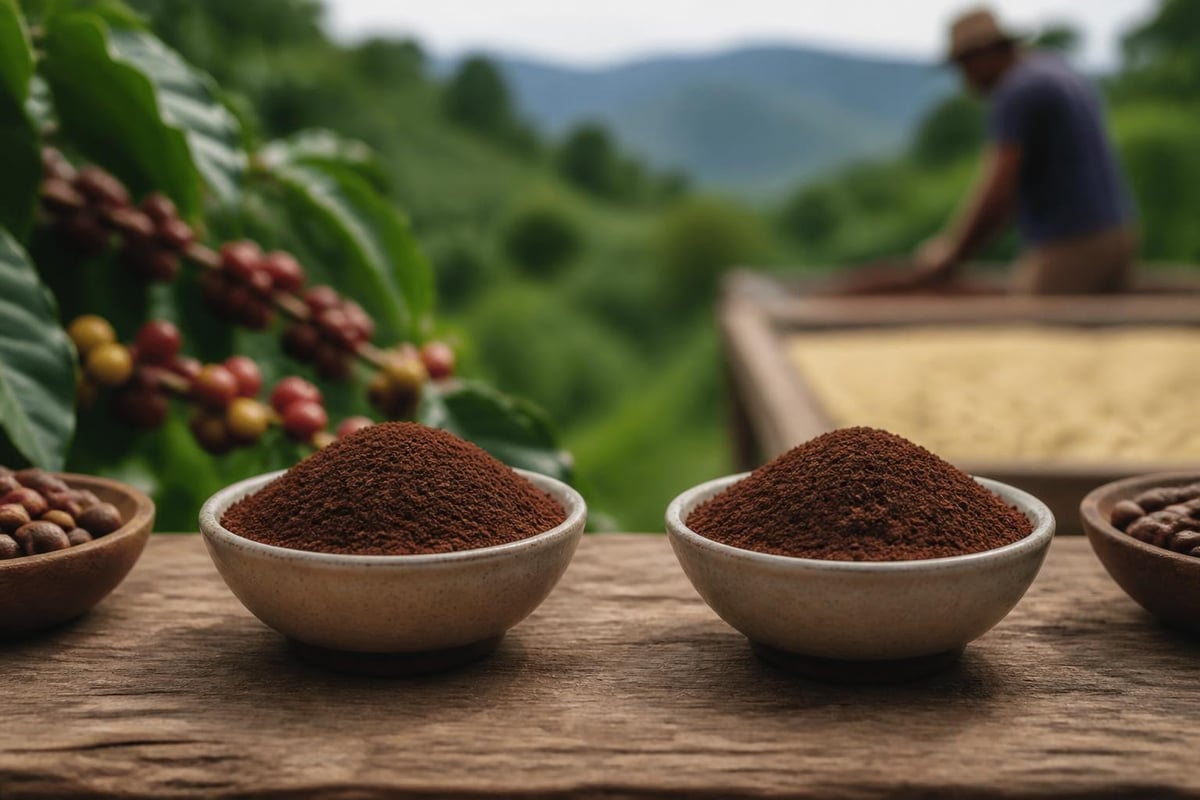
Gourmet coffee grounds carry a story you can trace backward. They come from specific regions, often down to individual farms or cooperatives, where elevation, climate, and soil composition create distinct flavor profiles.
- Ethiopian beans from Sidama or Guji deliver floral, tea-like notes with bright acidity
- El Salvadoran coffees from volcanic soil often showcase chocolate and caramel sweetness
- Single-origin beans reflect terroir as precisely as fine wine
This traceability isn't just marketing-it's accountability. When you know exactly where your coffee was grown, you can taste the intentionality in every cup. The farmers who cultivate these beans employ selective harvesting, picking only ripe cherries at peak sugar content, a practice impossible at commodity scale.
Processing and Roasting Excellence
After harvest, processing method dramatically shapes what you'll eventually taste. Washed coffees tend toward clarity and brightness, while natural processed beans develop fruit-forward complexity. Honey processing splits the difference, creating syrupy body with floral high notes.
The roast profile transforms these inherent characteristics. Light roasts preserve origin flavors and acidity, medium roasts balance sweetness with body, and dark roasts develop caramelized depth. According to research on coffee bioactive compounds, the roasting process creates hundreds of aromatic volatiles through Maillard reactions and caramelization-the chemical foundation of coffee's complexity.
Master roasters adjust time and temperature curves based on bean density, moisture content, and desired flavor outcome. They're not just heating beans; they're conducting a transformation that releases locked-in potential.
The Critical Role of Grind Quality
Even the finest beans become ordinary coffee if ground poorly. Gourmet coffee grounds demand precision at this crucial step, where consistency and timing determine whether you extract nuanced flavors or bitter disappointment.
Grind Size and Extraction
Different brewing methods require specific grind sizes because water contact time varies. Pour-over methods like those used in Pixies Brew's ritual work best with medium-fine grounds-fine enough for thorough extraction during the 3-4 minute brew time, coarse enough to allow water to flow through evenly.
Grind consistency matters as much as size. Blade grinders create uneven particles-some powder-fine, others boulder-like-leading to simultaneous over-extraction and under-extraction. Burr grinders produce uniform particles that extract at similar rates. Research on extraction dynamics shows that even small variations in particle size distribution can significantly impact final cup quality, explaining why gourmet coffee grounds are typically burr-ground to specification.
| Grind Size | Particle Appearance | Best Brewing Method | Typical Brew Time |
|---|---|---|---|
| Extra Fine | Powdery, like flour | Turkish, espresso | 20-30 seconds |
| Fine | Sugar-like texture | Espresso, Aeropress | 30-60 seconds |
| Medium-Fine | Slightly gritty | Pour-over, sachets | 3-4 minutes |
| Medium | Sand-like | Drip coffee makers | 4-6 minutes |
| Coarse | Sea salt texture | French press, cold brew | 4-12 hours |
Freshness and Degradation
Coffee begins losing its magic the moment it's ground. Increased surface area accelerates oxidation, allowing volatile aromatic compounds to escape while oils turn rancid. Studies on storage conditions demonstrate that ground coffee exposed to oxygen loses significant aromatic complexity within days, even at room temperature.
This is why serious coffee drinkers traditionally ground beans immediately before brewing. But modern packaging technology has changed the game. Nitrogen flushing removes oxygen from sealed packages, creating an inert atmosphere that preserves freshness for weeks or months. Quality gourmet coffee grounds use this technique combined with one-way valves that allow CO2 to escape without letting oxygen in.
The difference is measurable. Research tracking volatile biomarkers through post-harvest stages confirms that properly stored ground coffee retains aromatic compounds remarkably well, bringing pre-ground convenience without sacrificing the nuanced flavors that define specialty coffee.
Sensory Characteristics That Set Gourmet Apart
When you brew gourmet coffee grounds, you're not just adding caffeine to water-you're creating a sensory experience that engages all five senses in ways commodity coffee never approaches.
Aroma Complexity
Before your first sip, breathe in. Gourmet coffee grounds release layered aromatics: maybe jasmine and bergamot in a light-roasted Ethiopian, or dark chocolate and toasted walnut in a medium-dark Central American. These aren't flavors added to the coffee-they're expressions of the beans' inherent chemistry, amplified through careful cultivation and roasting.
The SCA cupping protocol evaluates fragrance (dry grounds) separately from aroma (wet grounds after adding water) because each reveals different volatile compounds. That first sniff when you open a package of gourmet coffee grounds? That's your preview of complexity to come.
Flavor Dimensions
Professional tasters identify dozens of distinct flavor notes in specialty coffee, from fruit (berry, citrus, stone fruit) to floral (jasmine, rose, lavender) to sweet (caramel, honey, chocolate) to savory (nuts, toast, spices). Gourmet coffee grounds deliver this range because they preserve the delicate compounds that create it.
Key flavor categories in specialty coffee:
- Fruit-forward: Bright acidity, often citrus or berry notes, typical of washed African coffees
- Chocolate-caramel: Sweet, rich body found in many Central American and Brazilian beans
- Floral-tea: Delicate, perfumed qualities in high-elevation, light-roasted origins
- Nutty-toasted: Rounder, comfort-driven profiles in medium roasts
- Spice-complex: Layered depth with cinnamon, cardamom, or pepper notes
Texture and Body
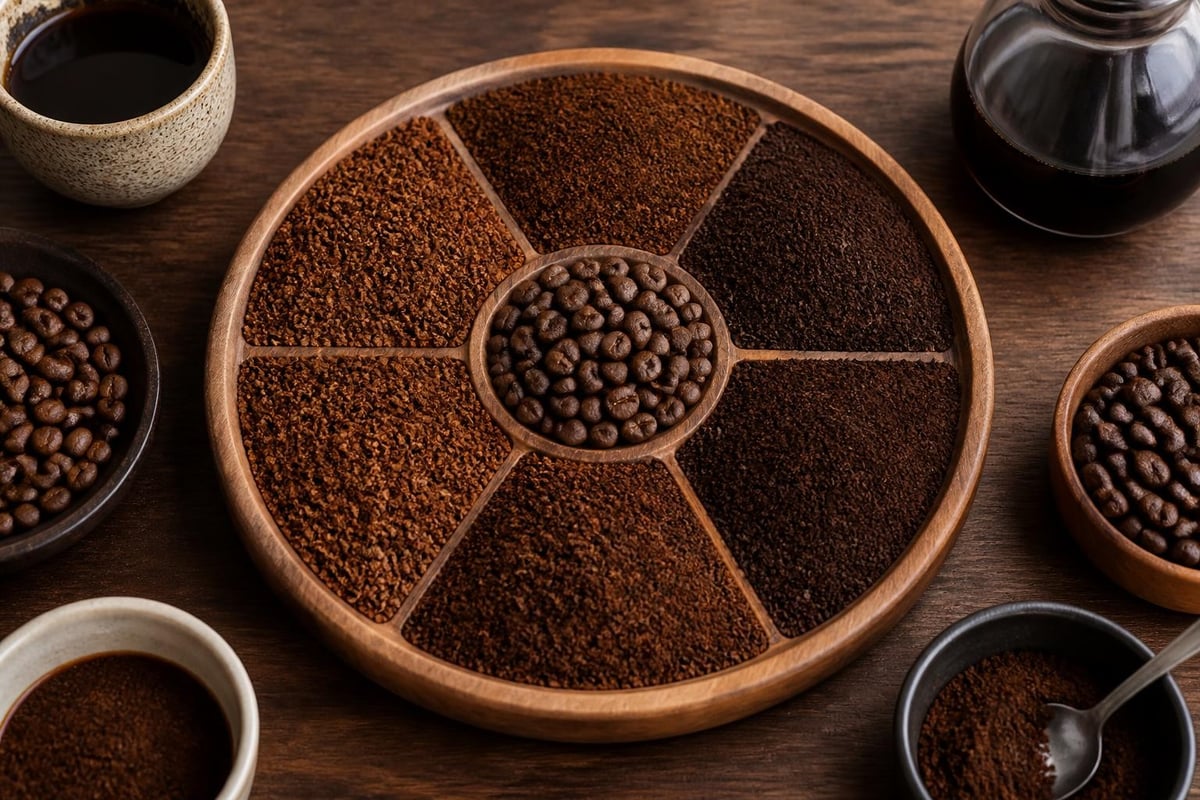
Mouthfeel separates good coffee from transcendent coffee. Gourmet coffee grounds produce varied body depending on origin and roast-from tea-like delicacy to syrupy richness to creamy smoothness. This tactile dimension comes from oils, proteins, and suspended solids in the brewed coffee, all preserved through careful handling from farm to cup.
Choosing Gourmet Coffee Grounds for Your Ritual
With hundreds of specialty offerings available in 2026, selecting gourmet coffee grounds becomes an opportunity to align your coffee ritual with your flavor preferences and values.
Understanding Roast Dates and Turnover
Look for roast dates, not just expiration dates. Gourmet coffee grounds typically taste best 7-30 days after roasting, when initial CO2 degassing has completed but aromatics remain vibrant. Buying from roasters who turn over inventory quickly ensures you're getting grounds at peak potential.
Matching Grounds to Brewing Method
Your brewing approach should guide your choice. Pour-over sachets work beautifully with single-origin, light-to-medium roasts that showcase clarity and complexity. The slower extraction time and paper filtration highlight delicate notes that might get muddied in other methods.
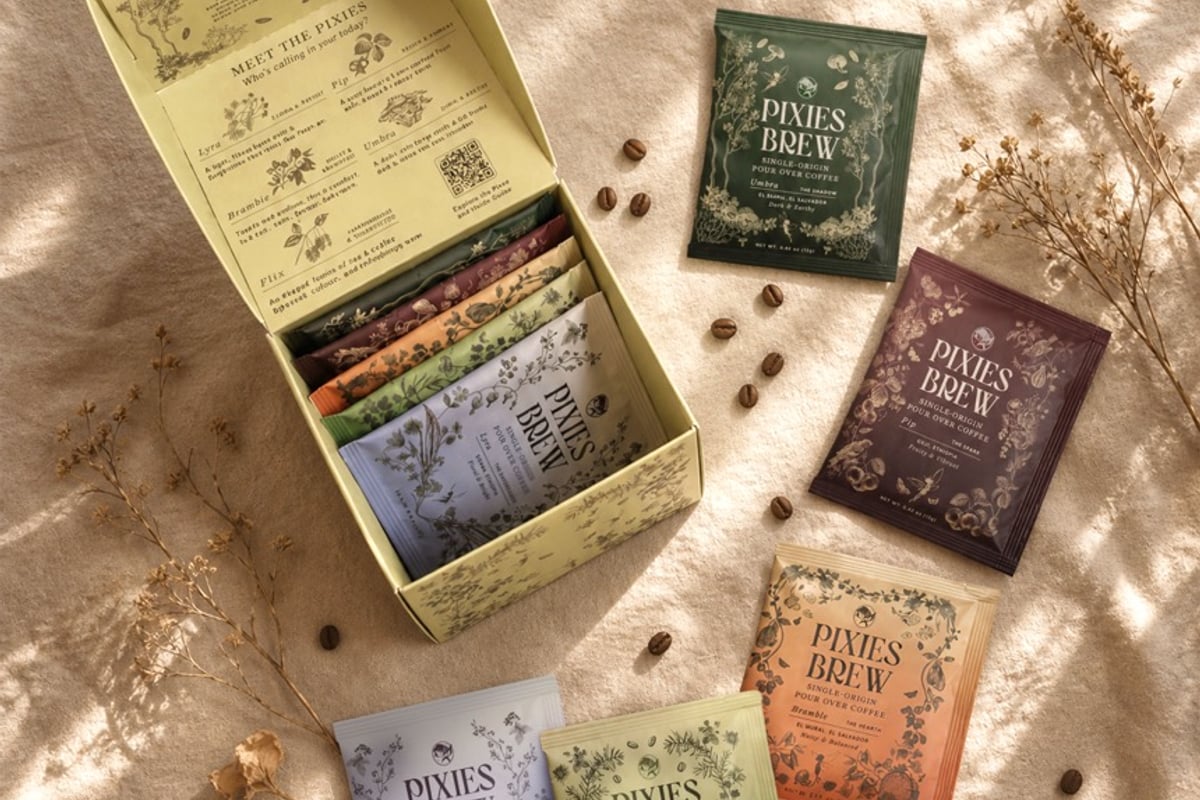
For those seeking convenience without compromise, pre-portioned specialty sachets offer precisely ground coffee, nitrogen-sealed at peak freshness. The Pixies Brew Discovery Set brings together multiple specialty-grade profiles, each ground to the exact specification for optimal pour-over extraction, letting you explore different origins and flavor personalities without investing in grinding equipment.
Evaluating Quality Indicators
Beyond marketing language, certain signals indicate genuinely gourmet coffee grounds:
- Specific origin information (country, region, sometimes farm name)
- Roast date within the past 3-6 weeks
- Processing method noted (washed, natural, honey, etc.)
- Tasting notes based on actual cupping rather than generic descriptors
- Transparent sourcing with information about farmers and cooperatives
- Quality packaging with one-way valves or nitrogen-flushing
The USDA standards for coffee inspection provide baseline quality criteria, but specialty coffee exceeds these minimums significantly, operating at a level where every detail matters.
Storing Gourmet Coffee Grounds for Maximum Freshness
Even the finest gourmet coffee grounds deteriorate if stored improperly. Light, heat, moisture, and oxygen are the four enemies of coffee freshness, each accelerating the degradation of aromatic compounds and oils.
Optimal Storage Conditions
Keep unopened packages in a cool, dark place-a pantry away from the stove works perfectly. Once opened, minimize air exposure by resealing thoroughly or transferring to an airtight container. Avoid the refrigerator or freezer for daily-use coffee; temperature fluctuations create condensation that damages grounds.
Storage best practices:
- Store at 65-75°F in darkness
- Use opaque, airtight containers if not in original packaging
- Keep away from strong odors (coffee absorbs surrounding smells)
- Buy in quantities you'll consume within 2-3 weeks after opening
- Never store in clear glass containers on the counter
For pre-packaged gourmet coffee grounds in nitrogen-flushed sachets, the packaging itself provides optimal storage until you're ready to brew. This is the convenience advantage of modern specialty coffee-the technology preserves what traditional storage methods protected.
The Health Dimension of Quality Grounds
Beyond flavor, gourmet coffee grounds often contain higher concentrations of beneficial compounds than lower-grade coffee. The same care that preserves aromatic complexity also maintains antioxidants, chlorogenic acids, and other bioactive components.
Harvard Medical School research on coffee and health indicates that coffee consumption-particularly from quality sources-associates with reduced risks for several chronic conditions. While coffee isn't medicine, choosing gourmet coffee grounds means you're getting more of the beneficial compounds and fewer potential contaminants than commodity alternatives.
Specialty-grade beans face stricter quality control, meaning fewer defects, less mold potential, and reduced chance of off-flavors from damaged beans. It's a reminder that what tastes better often is better in multiple dimensions.
Brewing Technique Fundamentals
Having gourmet coffee grounds is just the beginning-extraction technique determines whether their potential becomes reality in your cup.
Water Quality and Temperature
Coffee is 98% water, making water quality crucial. Filtered water without strong mineral or chlorine flavors lets coffee's inherent characteristics shine. Temperature matters too: 195-205°F extracts optimally, pulling acids and sugars without harsh tannins.
The Pour-Over Method
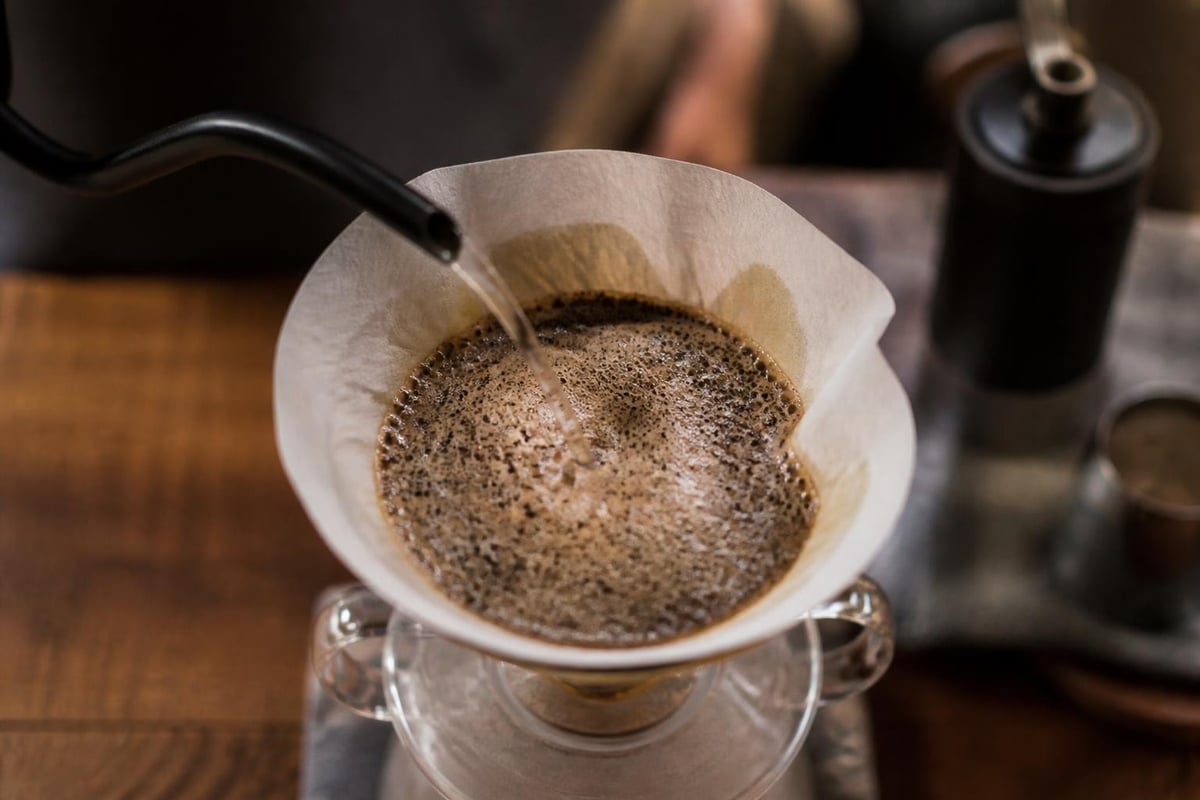
For single-cup brewing, pour-over remains king of clarity and control. The elevated brew guide walks through the ritual: bloom the grounds with a small pour to release CO2, then continue with steady, circular pours that maintain even saturation.
This method suits gourmet coffee grounds beautifully because it provides gentle, thorough extraction that highlights nuance. You're creating layers of flavor as water moves through the coffee bed, each moment of contact pulling different compounds into solution.
Dialing In Your Ratio
Coffee-to-water ratio affects strength and extraction. A good starting point is 1:16-one gram of coffee to sixteen grams of water. For a 12-ounce cup, that's roughly 21 grams of grounds to 336 grams of water.
Adjust to taste: more coffee for intensity, less for delicacy. The beauty of gourmet coffee grounds is that they remain interesting across a range of ratios, revealing different facets of their personality as you experiment.
Exploring Flavor Profiles and Preferences
Part of the joy of gourmet coffee grounds is discovering which flavor personalities resonate with your palate and mood. Coffee isn't one-size-fits-all-it's a spectrum of experiences.
Light Roasts: Brightness and Origin
Light-roasted gourmet coffee grounds preserve the coffee cherry's inherent fruit and floral characteristics. Ethiopian beans might deliver blueberry brightness with jasmine aromatics. Kenyan coffees often show grapefruit acidity with black currant sweetness. These roasts celebrate where the coffee comes from, minimizing the roaster's fingerprint to maximize terroir expression.
Morning light streaming through windows, a slow Sunday with nowhere to be-these coffees match moments of clarity and awakening.
Medium Roasts: Balance and Complexity
Medium roasts find the sweet spot between origin character and developed roast flavors. You'll taste the coffee's origin story alongside caramel sweetness, nutty depth, and balanced acidity. This is approachable complexity, coffee that satisfies daily without overwhelming.
These grounds work beautifully for afternoon rituals when you want comfort and interest in equal measure-familiar enough to ground you, complex enough to engage your attention.
Dark Roasts: Bold and Comforting
Darker gourmet coffee grounds lean into roast development, creating chocolate, molasses, and toasted nut flavors with lower acidity and fuller body. Done well with quality beans, dark roasts aren't burnt-they're intentionally bold, offering warmth and depth.
Evening wind-down, conversation over a shared pot, moments that call for something substantial-dark roasts answer that call.
Different moods and moments deserve different coffees. Understanding your preferences lets you match your pixienality to the right grounds, turning your daily brew into a personalized ritual rather than habitual routine.
Sustainability and Ethical Sourcing
Gourmet coffee grounds often come from supply chains that prioritize farmer welfare and environmental stewardship. Specialty coffee economics work differently than commodity markets-higher quality commands higher prices, which can translate to better farmer compensation when relationships are direct and transparent.
Certifications and Direct Trade
Look for certifications like Fair Trade, Rainforest Alliance, or Organic if they align with your values. Even better, seek roasters who engage in direct trade relationships, visiting farms and negotiating prices well above commodity rates. These partnerships ensure the people growing your coffee earn sustainable livelihoods.
Environmental Considerations
Specialty coffee farms often use shade-grown practices that preserve biodiversity, require fewer chemical inputs, and protect soil health. Choosing gourmet coffee grounds from these sources supports agricultural systems that regenerate rather than deplete.
Even packaging matters. Quality roasters increasingly use compostable or recyclable materials, recognizing that coffee's story includes its environmental footprint from seed through disposal.
Frequently Asked Questions
How long do gourmet coffee grounds stay fresh after opening?
Once opened, gourmet coffee grounds maintain peak flavor for 1-2 weeks if stored properly in an airtight container away from light and heat. Nitrogen-flushed sachets stay fresh until opened, even weeks after the package is manufactured.
What's the difference between specialty-grade and gourmet coffee grounds?
Specialty-grade is a specific designation for coffees scoring 80+ points on the SCA scale with zero primary defects. "Gourmet" is a broader marketing term, but authentic gourmet coffee grounds should meet or exceed specialty standards, with careful attention to sourcing, roasting, and grinding.
Can you freeze gourmet coffee grounds to extend freshness?
Freezing works for long-term storage of unopened, airtight packages, but daily freeze-thaw cycles damage grounds through condensation. If freezing, portion into small amounts you'll use completely once thawed, and never refreeze.
Why do some gourmet coffee grounds cost significantly more than others?
Price reflects the entire supply chain: rare or difficult-to-grow varieties, labor-intensive processing methods, small-batch roasting, ethical farmer compensation, and quality packaging all contribute. The most expensive isn't always the best for your palate, but price often correlates with care taken at every step.
Do gourmet coffee grounds require special brewing equipment?
Not necessarily. While precision helps, the most important factors are correct grind size for your method, good water, and proper technique. Pour-over sachets eliminate grinding concerns entirely, requiring only a cup and hot water to brew specialty coffee anywhere.
Gourmet coffee grounds transform coffee from commodity to craft, from habit to ritual, from background noise to a moment worth inhabiting fully. The journey from origin to cup carries intention at every stage-farmers selecting ripe cherries, roasters developing flavor profiles, careful grinding and packaging to preserve what makes specialty coffee special. When you choose quality grounds, you're choosing to pause, to notice, to taste complexity rather than just consume caffeine. Whether you're exploring single-origin florals or finding comfort in chocolate-forward blends, each cup becomes an opportunity for something more. Pixies Brew brings this specialty coffee experience into a ritual as simple as tearing a sachet and adding water-specialty-grade beans, nitrogen-sealed freshness, and distinctive flavor profiles that turn your daily brew into a moment back to yourself.
