


Gourmet Coffee Sampler: Your Gateway to Flavor Discovery
A gourmet coffee sampler is your passport to the world's most extraordinary coffees without committing to full bags you might not love. It's the difference between guessing what you'll enjoy and actually knowing, between settling for whatever's at the grocery store and discovering blends that speak to your mornings, your mood, your very particular palate. In 2026, as specialty coffee continues its evolution toward transparency and terroir-driven profiles, samplers have become essential tools for anyone seeking coffee that feels less like fuel and more like ritual.
Why Start with a Gourmet Coffee Sampler
Most coffee drinkers have never tasted what their beans can truly become. They've sipped burnt supermarket grounds or accepted mediocre office brew as the standard, never knowing that coffee holds the same complexity as wine, the same origin stories as heirloom vegetables, the same capacity to transport you somewhere entirely different with a single sip.
A gourmet coffee sampler changes that narrative immediately.
The Risk-Free Discovery Path
Buying a twelve-ounce bag of single-origin Ethiopian Yirgacheffe sounds romantic until it's sitting in your pantry, half-full, because the floral notes you read about taste like perfume to your tongue. Samplers eliminate that expensive gamble. They let you test multiple origins, roast levels, and processing methods with portions sized for genuine exploration rather than buyer's remorse.
What makes a sampler "gourmet" rather than just "variety":
- Specialty-grade beans scoring 80+ on the Specialty Coffee Association cupping scale
- Transparent sourcing with traceable farm or cooperative origins
- Fresh roasting dates, ideally within two to four weeks of delivery
- Curated selections that showcase distinct flavor profiles rather than minor variations
- Proper packaging that preserves volatile aromatics and oils
The best samplers tell a story through their selections. Maybe it's a journey across Central American microclimates, or a deep dive into natural versus washed processing methods, or a seasonal showcase of what's hitting peak flavor right now in harvest cycles around the equator.
Decoding Flavor Profiles in Your Sampler
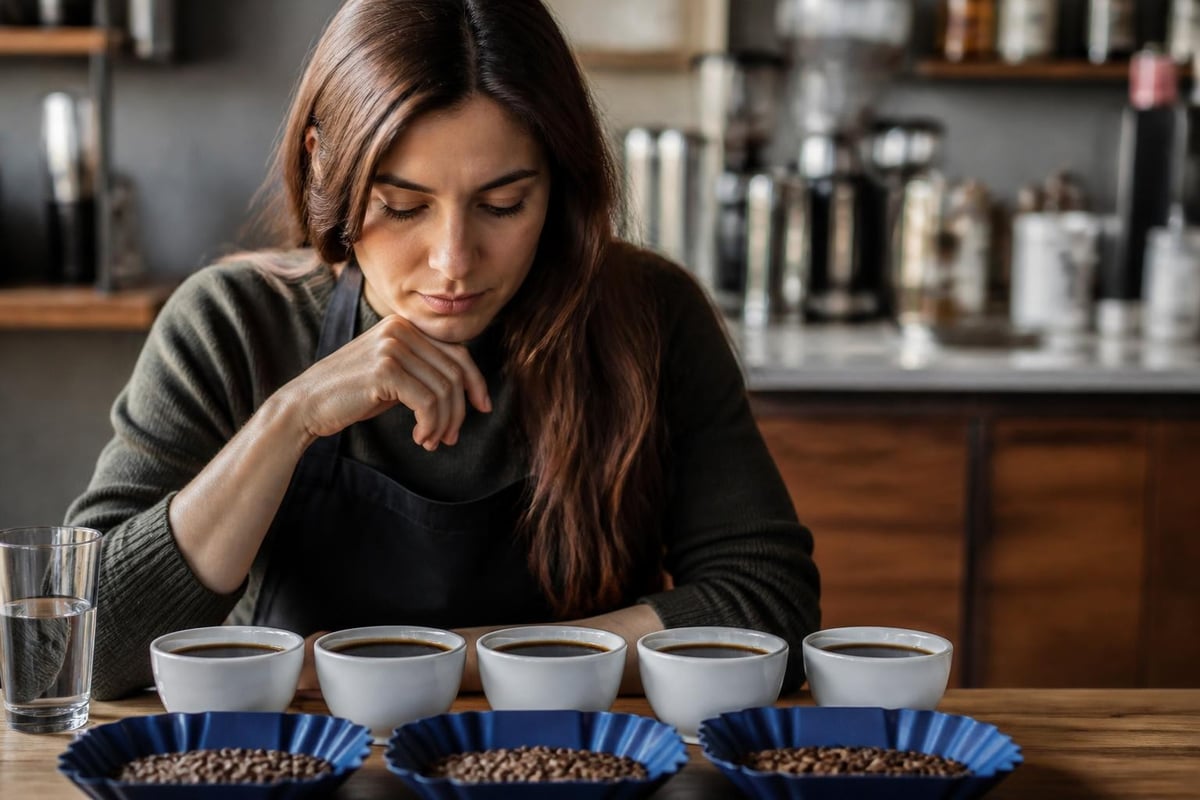
Here's what nobody tells you about tasting notes on coffee bags: they're not marketing nonsense, but they're also not guarantees. When a roaster writes "blueberry, dark chocolate, honey," they're describing the flavor compounds actually present in those beans, verified through standardized cupping protocols. Whether you'll taste them depends on your brewing method, water chemistry, sensory training, and even what you ate an hour ago.
The World Coffee Research Sensory Lexicon catalogs 110 distinct flavor and aroma attributes found in coffee. A proper gourmet coffee sampler should guide you through at least three or four major flavor families so you can map your preferences across that spectrum.
The Five Core Flavor Territories
| Flavor Family | Common Descriptors | Origin Examples | What to Notice |
|---|---|---|---|
| Fruited & Floral | Berry, citrus, jasmine, stone fruit | Ethiopia, Kenya, Yemen | Brightness on your tongue, aromatic lift |
| Nutty & Sweet | Hazelnut, caramel, brown sugar, honey | Brazil, Colombia, Guatemala | Smooth body, gentle sweetness, roasted warmth |
| Chocolate & Spice | Cocoa, cinnamon, clove, molasses | Sumatra, Peru, Mexico | Deep richness, lingering finish, warming spice |
| Earthy & Herbal | Tobacco, cedar, sage, mushroom | Indonesia, India, aged coffees | Heavy body, low acidity, grounding notes |
| Bright & Clean | Green apple, lemon, tea-like, crisp | Costa Rica, Rwanda, washed process | High clarity, refreshing acidity, light body |
Start by brewing each sample using identical parameters: same water temperature, same ratio, same timing. This isn't about perfection; it's about consistency so you're actually comparing the coffees rather than your brewing variables.
Training Your Palate Beyond the First Sip
The Coffee Taster's Flavor Wheel isn't just for professionals. It's a map that helps you move from "this tastes good" to "I'm getting roasted almond and dried fig with a silky mouthfeel." Use it alongside your sampler:
- Smell the dry grounds and note your first impression
- Smell again after adding water (the "bloom")
- Taste at multiple temperatures as the cup cools
- Notice where flavors land on your tongue and how long they linger
- Compare directly between samples while they're still warm
Your palate will develop rapidly. What tastes like generic "coffee flavor" in week one will resolve into distinct notes by week three. It's pattern recognition, not magic, though the transformation feels fairly enchanted.
The Science of Sampler Freshness
Coffee begins dying the moment it's roasted. That sounds dramatic, but it's chemically accurate. The aromatic compounds that make coffee smell like heaven are volatile, meaning they literally evaporate into air. Within two weeks of roasting, you've lost significant aromatic complexity. By six weeks, even properly stored beans taste flat compared to their prime.
This makes packaging absolutely critical for a gourmet coffee sampler.
How Your Sampler Should Arrive
Recent research on coffee packaging methods demonstrates that oxygen exposure is coffee's primary enemy post-roast. Nitrogen flushing, valve-sealed bags, and individual portioning all play roles in preserving what you paid for.
What to look for in sampler packaging:
- Roast date printed clearly (not just "best by")
- One-way degassing valves on bags
- Opaque materials that block light degradation
- Individual portions sealed separately if possible
- Nitrogen flushing noted on packaging
- Clear storage instructions included
The science behind single-serve coffee packaging has advanced considerably. Modern multilayer films and sachet technologies can preserve ground coffee surprisingly well when done correctly, making pre-portioned samplers increasingly viable for maintaining peak freshness across multiple brew sessions.
Store your unopened sampler portions in a cool, dark cabinet. Not the refrigerator (condensation is coffee's enemy), not the freezer (unless you're genuinely storing for months and have airtight containers), just a normal kitchen cabinet away from your stove's heat.
Building Your Tasting Ritual
A gourmet coffee sampler deserves more than a rushed weekday morning. Set aside time when you can actually pay attention, when your palate is clean, when you're not rushing to a meeting or chasing children or mentally composing your grocery list.
Saturday morning. Window open to whatever season you're in. No music, or only instrumental. A notebook if you're inclined to record observations, but honestly, just your full attention works fine.
The Complete Tasting Sequence
Brew your first sample using your preferred method. Pourover works beautifully for highlighting clarity and complexity. If you're working with pre-portioned sachets like those from specialty brands, the ritual becomes even simpler: rip, hook over your mug, pour hot water in slow circles, and watch the bloom.
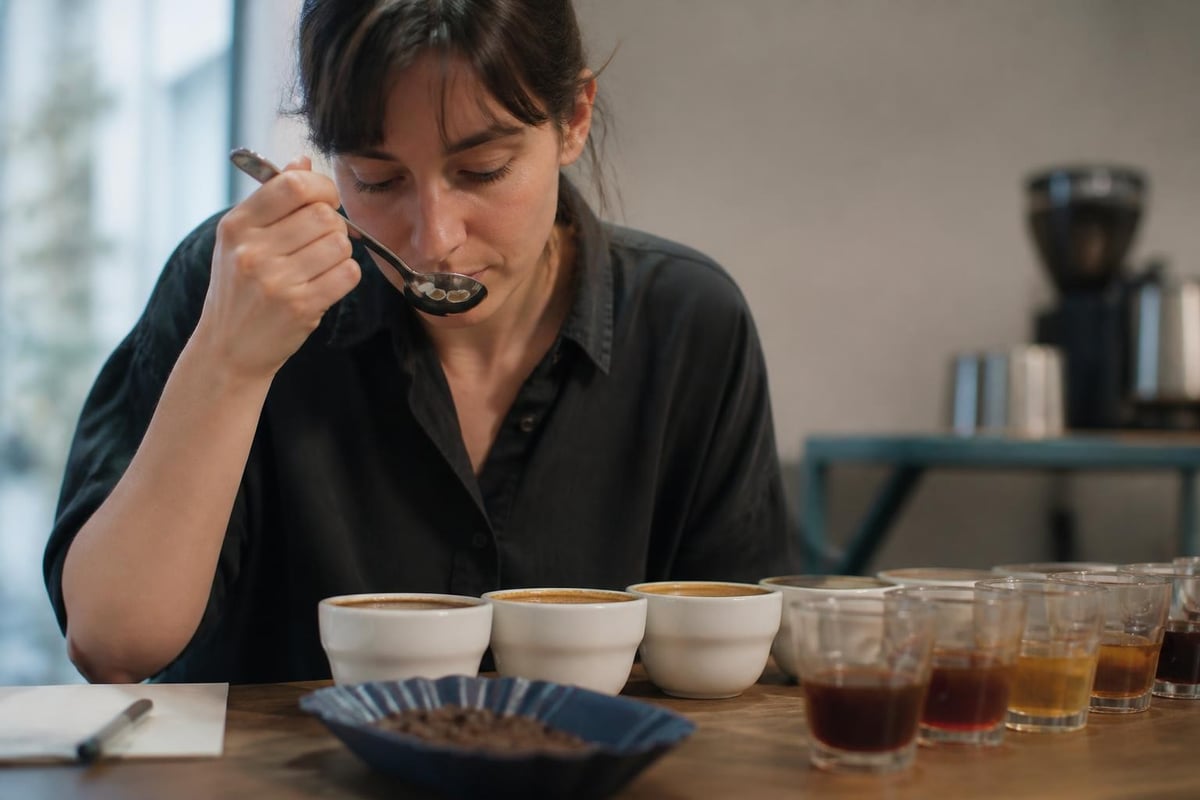
Let it cool more than you think necessary. Coffee at 175°F tastes completely different than coffee at 145°F, which transforms again at 120°F. Some flavors only emerge as temperatures drop.
What to notice at each temperature:
- 180-190°F (just brewed): First aromatic impressions, general flavor direction, intensity level
- 160-170°F (drinkable): Primary flavors emerge clearly, acidity becomes defined, body reveals itself
- 140-150°F (cooling): Secondary flavors appear, sweetness intensifies, balance comes into focus
- 120-130°F (room temp approach): Finish quality, lingering notes, any unpleasant characteristics that heat masked
This isn't pretentious. It's just paying attention to something you're consuming anyway. The same attention you'd give to a new album, a novel's opening chapter, the first bite of an unfamiliar cuisine.
Choosing the Right Sampler for Your Journey
Not all samplers serve the same purpose. Some are designed for absolute beginners who can't yet distinguish light roast from dark. Others assume you already know you love natural-process Ethiopians and want to compare specific washing stations within the Guji zone.
Sampler Types and Their Ideal Users
Geographic Journey Samplers take you region by region. All Central American this month, African next month, Pacific and Asian the month after. These work beautifully if you're curious about how soil, altitude, and climate shape flavor. They're also excellent for understanding why Kenyan coffee tastes nothing like Colombian despite both being "coffee."
Processing Method Samplers feature the same origin or similar origins processed different ways: washed, natural (dry), honey, anaerobic, experimental. This teaches you that how coffee is processed after picking matters as much as where it grew. A natural-process Ethiopian coffee can taste like blueberry jam while a washed Ethiopian from the neighboring farm tastes like earl grey tea.
Roast Level Samplers showcase light, medium, and dark roasts of similar beans. Controversial take: most specialty roasters don't offer true dark roasts anymore because they obscure origin character. But if you're transitioning from big commercial brands, a roast progression sampler helps you understand what you've been tasting all these years and what else is possible.
Seasonal or Limited Edition Samplers capture what's exceptional right now. Competition lots, auction winners, micro-lot rarities, harvest celebrations. These tend to be pricier but offer experiences you literally cannot replicate later.
For someone just beginning their specialty coffee journey, you want a sampler that represents clear contrasts rather than subtle variations. A bright African coffee, a balanced Central American, a rich Indonesian, maybe a naturally-processed wild card. Distinct enough that differences are obvious even to an untrained palate.
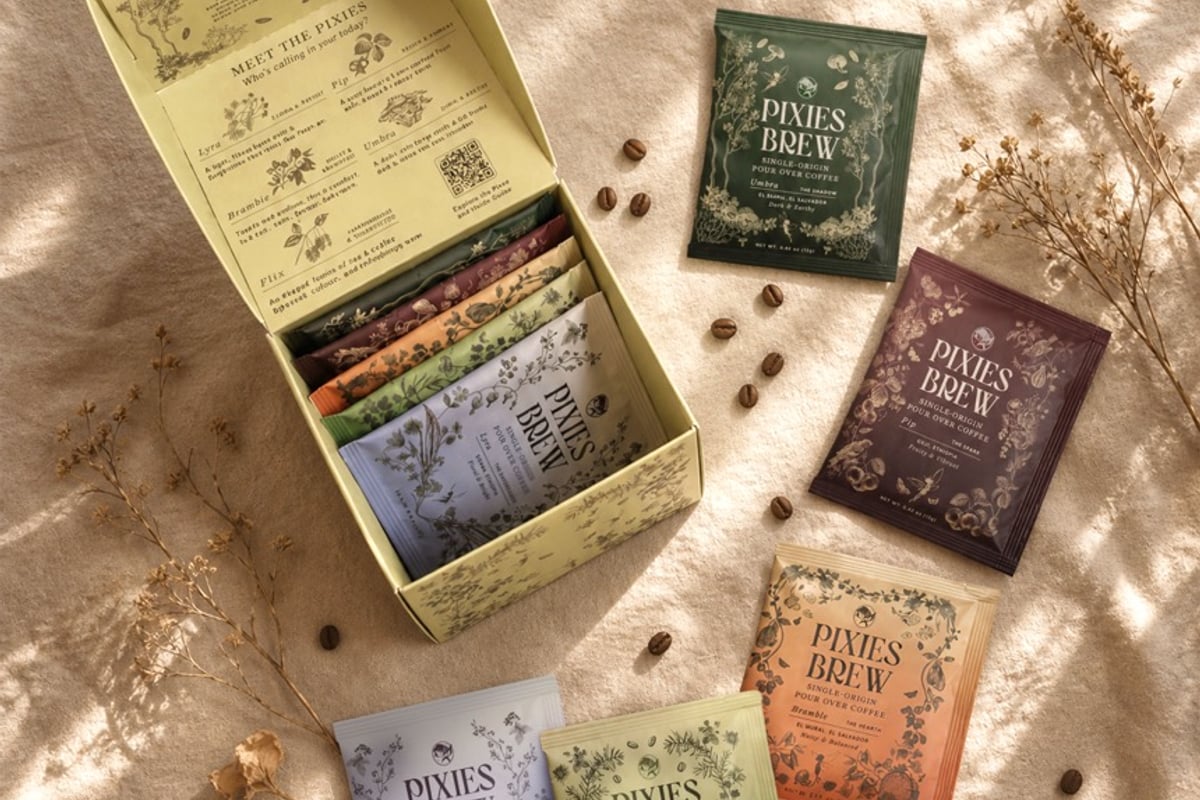
If you're looking for that kind of thoughtfully curated introduction, the Pixies Brew Discovery Set brings together five specialty-grade blends in nitrogen-flushed sachets, each representing a distinct flavor personality. The convenience of a pourover sachet means you're tasting the coffee, not troubleshooting your brewing technique.
Reading Between the Labeling Lines
Coffee packaging tells stories, but like all stories, some details are emphasized while others hide in fine print. Understanding what's legally required versus what's marketing choice helps you evaluate sampler quality before you buy.
The National Coffee Association's labeling guidance outlines what claims mean and what they don't. "100% Arabica" sounds premium but is actually the baseline for specialty coffee; Robusta wouldn't make it into a gourmet sampler regardless. "Specialty Grade" should reference SCA standards. "Single Origin" means all beans came from one country, region, or even farm depending on specificity.
Certifications Worth Understanding
When you see certification logos on your gourmet coffee sampler, they represent specific standards and third-party verification:
- Fair Trade: Guaranteed minimum prices paid to farmers, democratic cooperative structures, community development premiums (Fairtrade standards)
- Rainforest Alliance: Environmental protection, biodiversity, worker welfare, traceability (certification requirements)
- Organic: USDA certified farming without synthetic pesticides or fertilizers, three-year transition period verified
- Direct Trade: Not standardized, usually means roaster has relationship with farms, but specifics vary wildly
Some of the world's best coffee carries no certifications at all because small farms can't afford audit costs, while some certified coffee is mediocre because certification addresses ethics and sustainability, not cup quality. Look for samplers that combine certifications with transparency about sourcing relationships and cup scores.
The Grove Perspective on Sampling
There's a moment in every coffee drinker's journey when the ritual shifts from unconscious to intentional. When the morning cup stops being autopilot fuel and becomes a genuine pause, a sensory anchor, a chosen moment of presence before the day's demands arrive.
A gourmet coffee sampler creates space for that shift.
In the Grove, where Pixies craft their blends among dewberry vines and morning fog, coffee is never just coffee. It's the bean that somehow captured chocolate and cherry in the same sip. The roast that smells like your grandmother's kitchen in autumn. The origin that tastes exactly like the description promised, then reveals three more layers as the cup cools.
Sampling isn't about becoming a coffee snob who rejects anything imperfect. It's about discovering what speaks to you specifically, what flavors make you pause mid-sip and notice what you're experiencing, what profiles transform your morning from routine to ritual.
Building Your Personal Flavor Map
After working through your first complete sampler, patterns emerge. Maybe every coffee you loved was naturally processed. Maybe you gravitated toward Central American origins. Maybe medium roasts consistently won your favor while light roasts tasted too bright and dark roasts too flat.
Document your discoveries:
- Note which samples you'd buy in full bags immediately
- Identify flavors that showed up repeatedly in your favorites
- Record which coffees worked at different times of day
- Track how brewing variables changed each sample's character
- List origins or processes you want to explore deeper
This becomes your flavor map, your guide for future purchases, your shorthand for explaining to roasters or baristas what you're seeking. "I love natural-process Ethiopians, medium roasts, anything with berry notes and medium body" gets you much better recommendations than "I like good coffee."
Frequently Asked Questions About Gourmet Coffee Samplers
How long does a typical gourmet coffee sampler stay fresh?
If unopened and properly packaged with nitrogen flushing or vacuum sealing, most samplers maintain peak quality for four to six weeks from the roast date. Once opened, brew within one week for optimal flavor. Storage in airtight containers in a cool, dark cabinet extends freshness, but nothing stops the clock completely once beans are roasted and ground.
Should I buy whole bean or pre-ground samplers?
Whole bean always offers superior freshness and flavor, but requires a grinder and adds complexity to the tasting process. Pre-ground samplers sacrifice some peak aromatics for convenience and consistency. For your first sampler experience, pre-ground portions like pourover sachets let you focus on flavor rather than grind settings. Once you know what you love, invest in whole beans and a quality grinder.
How much coffee should each sample portion contain?
Standard tasting portions range from 10 to 30 grams, enough for one to three cups depending on your brew strength preference. Smaller portions (10-15g) work for espresso-focused samplers or genuine tasting flights. Larger portions (25-30g) give you multiple brew attempts to dial in technique and taste evolution across different temperatures.
Can I share a gourmet coffee sampler or is it designed for solo tasting?
Samplers make wonderful shared experiences. Tasting with others helps calibrate your palate, introduces vocabulary for flavors you're noticing, and reveals how differently people perceive the same cup. Just ensure everyone uses similar brewing parameters and clean palates. Consider exploring resources like the Pixies Brew guide for consistent brewing techniques across multiple people.
What's the ideal brewing method for sampler evaluation?
Pourover methods like V60, Chemex, or single-serve sachets offer the cleanest flavor profiles with the least interference from brewing variables. French press emphasizes body and texture but can muddy subtle notes. Espresso concentrates flavors but requires significant skill to pull consistently. For genuine comparative tasting, choose one method and stick with it across all samples.
Do I need any special equipment beyond my usual coffee setup?
A simple scale for measuring coffee and water, a thermometer for checking temperature, and a timer for consistency help enormously but aren't mandatory. Clean filtered water matters more than fancy gear. Most important: rinse your cup between samples or use separate mugs to avoid flavor contamination that skews comparisons.
Ethical Sourcing in Your Sampler Selection
The coffee supply chain is notoriously complex, stretching from small farms in equatorial highlands through multiple middlemen to roasters in consuming countries. A gourmet coffee sampler that prioritizes ethical sourcing tells you how that chain was shortened, how farmers were compensated, how quality was verified at origin.
Look for samplers that name specific farms, cooperatives, or washing stations rather than just countries. "Ethiopia" is vague. "Guji Zone, Uraga district, Tulla Geshe washing station, natural process, lot 147" is transparency. That level of detail usually indicates direct relationships and premiums paid for quality.
Beyond Certifications
The most ethical coffee often comes from relationships that transcend certification programs. Roasters who visit farms, who commit to multi-year purchasing agreements, who pay significantly above commodity prices regardless of market fluctuations, who share feedback that helps farmers improve processing and command higher prices.
Your sampler's sourcing story matters because coffee farming is precarious. Climate change is shrinking viable growing regions. Price volatility makes planning impossible for small producers. The specialty coffee movement at its best creates incentives for quality over volume, for environmental stewardship over exploitation, for transparent relationships over anonymous commodity trading.
When you choose a gourmet coffee sampler from a company transparent about sourcing, you're voting with your dollars for a more sustainable coffee future. It's not charity; it's recognizing that extraordinary coffee requires healthy farms, thriving ecosystems, and farmers who can afford to invest in quality rather than just survival.
Creating Your Post-Sampler Ritual
After you've worked through your gourmet coffee sampler and identified your favorites, the journey doesn't end. It deepens. Now you have the knowledge to make intentional choices, to seek out similar profiles, to explore neighboring regions or processing variations, to understand what you're paying for when you invest in specialty coffee.
Maybe you discovered you're a natural-process enthusiast who loves fruit-forward funk. Maybe you found your sweet spot in balanced, chocolatey Central Americans that don't challenge your palate so much as comfort it. Maybe you're fascinated by the terroir concept and want to taste every micro-region of Ethiopia, one village at a time.
Your next steps might include:
- Ordering full bags of your top two sampler picks
- Exploring the same origin from different roasters to understand roasting variables
- Trying seasonal variations of your favorite farm or cooperative
- Deep-diving into one processing method across multiple origins
- Attending a cupping session at a local roaster to accelerate your tasting education
Some coffee lovers build subscription services around their discovered preferences. Others maintain a rotation of three or four reliable favorites while reserving space for one adventurous bag each month. There's no wrong approach as long as you're drinking coffee that genuinely pleases you rather than settling for whatever's convenient.
The beauty of starting with a gourmet coffee sampler is that you've built a foundation of actual experience rather than marketing promises or coffee snobbery. You know what you like because you've tasted it, compared it, noticed what made you reach for a second cup versus what went down the drain half-finished.
Seasonal Considerations for Sampler Exploration
Coffee is agricultural, which means it's seasonal despite being available year-round. Harvest cycles roll around the globe throughout the year, with different regions reaching peak freshness at different times. Understanding these rhythms helps you time your sampler purchases for maximum flavor impact.
Global harvest calendar highlights:
- January-March: Colombia, Kenya, finishing Central America
- April-June: Ethiopia's main harvest, East Africa peaks
- July-September: Indonesia, India, parts of Brazil
- October-December: Central America's main harvest begins, Peru, parts of Brazil
A sampler purchased in spring might showcase bright, just-arrived Kenyan and Ethiopian lots. The same sampler concept in fall would highlight fresh Central American coffees hitting roasters as harvest completes. Some companies, including specialty brands like Pixies Brew, create seasonal releases that capture these peak moments.
Your palate might also shift with seasons. Bright, fruity coffees that taste perfect on a warm June morning might feel thin in December when you're craving comfort. Heavier, chocolate-forward profiles that seemed too rich in summer become exactly right as temperatures drop. A gourmet coffee sampler gives you options to match your seasonal mood rather than commitment to a single flavor direction.
The path from casual coffee drinker to intentional coffee enjoyer begins with curiosity and a willingness to taste beyond the familiar. A gourmet coffee sampler provides both the structure and the permission to explore flavors you didn't know existed in your morning cup. When you're ready to discover which coffee profiles speak to your particular mornings and moods, Pixies Brew offers specialty-grade blends crafted for exactly these moments of pause and presence, where every cup becomes less about caffeine and more about ritual.
