


Single Origin Guide: Discover The Essence Of Unique Coffee 2026
Imagine tracing the notes of a distant sunrise in your morning cup, steam rising, senses awakened.
In this guide, we journey into the world of single origin coffee, where every bean tells a story shaped by land and craft.
You’ll uncover what single origin means, how origins and processing shape flavor, the rituals that unlock each cup’s magic, and how to find your perfect match.
Let curiosity lead—discover flavors, savor mindful brewing, and make every morning a celebration of connection and craft.
What Is Single Origin Coffee?
Defining Single Origin
Single origin coffee is a journey that begins in one place—a single farm, region, or cooperative—capturing the unique character of its homeland in every sip. Unlike blends, which mix beans from multiple locations, single origin coffee offers traceability and transparency, inviting you to taste the story of its source.
There is no universal regulation for what defines single origin, as noted by Wikipedia’s single-origin coffee definition. Some labels might refer to an entire country, while others are as precise as a single micro-lot or specific farm. For example, Ethiopian Yirgacheffe highlights a renowned region, while a micro-lot from a Honduran farm might showcase a single harvest day’s pick.
When you choose single origin, you’re not just selecting coffee—you’re choosing connection, clarity, and a distinct sense of place.
Types of Single Origin: Estate, Cooperative, Micro-Lot
Single origin coffee comes in several forms, each with its own story and impact.
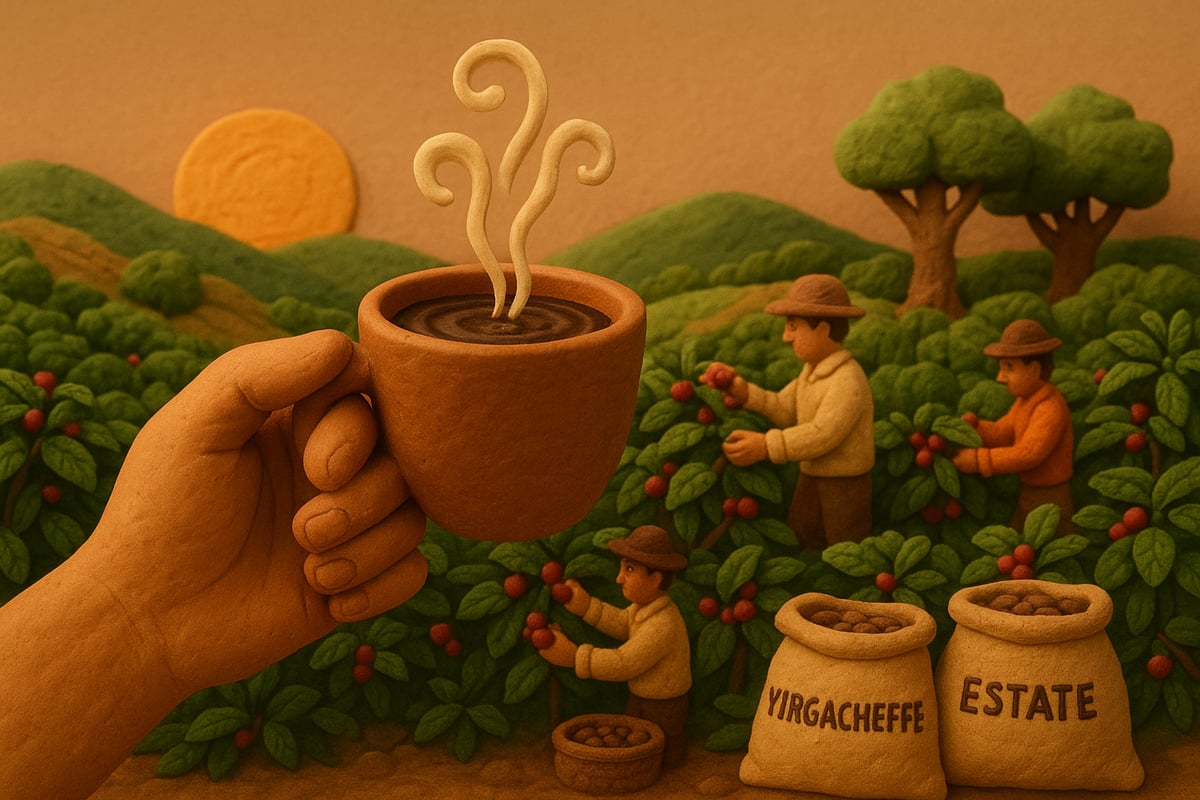
Estate coffees are produced by one large farm or mill, often carefully managed for consistency and quality. In countries like Colombia, Brazil, Costa Rica, and Mexico, estate coffees are especially popular, offering a reliable taste of place.
Cooperative-sourced coffees are created by groups of small farmers who pool their harvests. This approach not only supports communities but also ensures traceability and fairer prices for growers.
Micro-lot or small-lot coffees are the rarest, sourced from a single field, altitude, or even a specific harvest day. These lots, like Finca El Puente in Honduras or La Golondrina in Colombia, often deliver distinct, nuanced flavors that celebrate their exact origin.
No matter the type, single origin coffee invites you to explore the subtle differences shaped by geography, people, and process.
The Rise of Single Origin in Coffee Culture
Single origin coffee has blossomed alongside the third wave coffee movement, where transparency, craftsmanship, and producer stories are celebrated. Specialty coffee enthusiasts seek out these beans for their unique flavors and the deep connection to the people who grow them.
For cafes and roasters, single origin carries symbolic value and marketing appeal. Labels become invitations to taste and learn, while advances in genomic research support traceability and authenticity.
In the Grove, each cup is more than a drink—it’s a ritual. The story of origin becomes part of your morning, grounding you in a world where every detail matters and every brew is a chance to discover something new.
The Essence of Terroir: How Origin Shapes Flavor
What makes a single origin coffee taste utterly distinctive, even before the first sip? It begins with the land itself. Imagine each bean as a tiny storyteller, shaped by the soil, climate, and hands that nurture it. In the Grove, we pause to notice: the way sunlight, rainfall, and altitude leave their mark on every cup. Here, the journey from earth to mug is as sensory as it is scientific.
From Soil to Cup: Environmental Influences
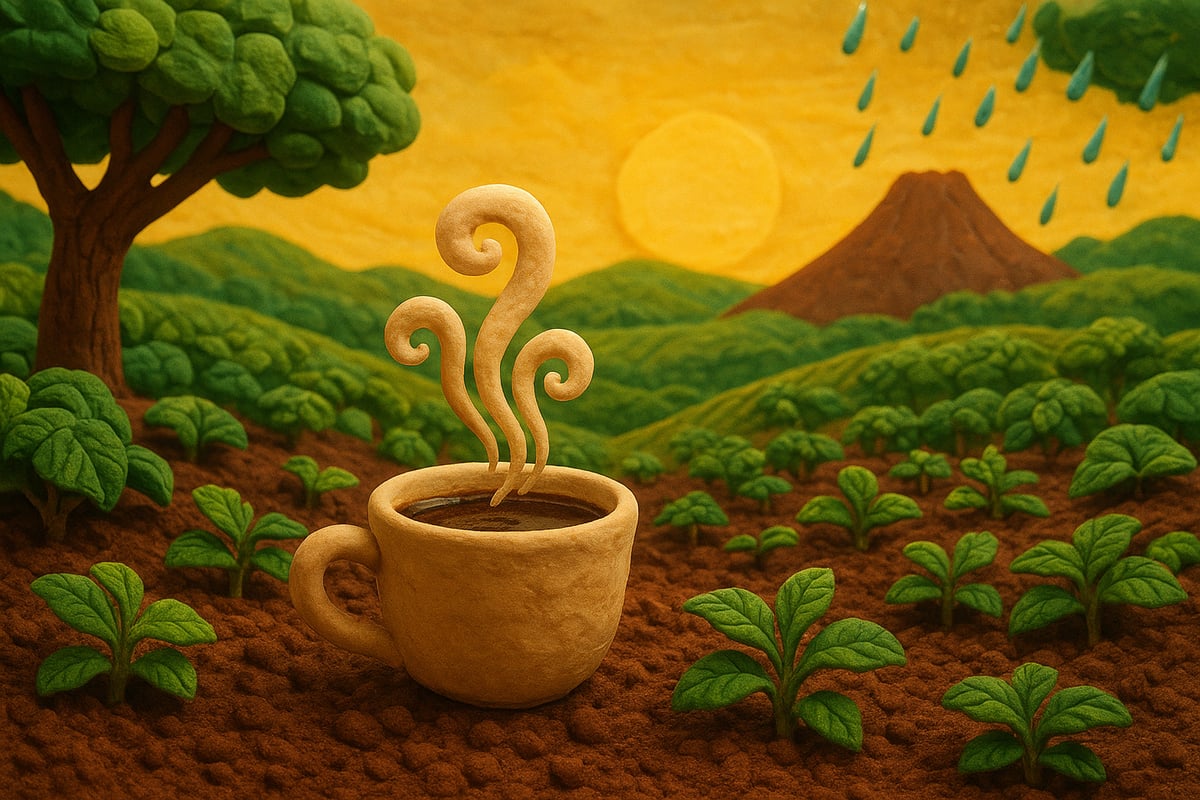
The flavor of single origin coffee is born from its environment. Altitude, soil type, rainfall, and climate all shape how beans ripen and develop their signature notes. For example, high-altitude Ethiopian farms produce coffee with lively florals and citrus, while Brazil’s lower elevations yield chocolatey, nutty richness.
| Region | Altitude | Common Flavors |
|---|---|---|
| Ethiopia | 1,700-2,200m | Floral, citrus, tea-like |
| Brazil | 800-1,200m | Chocolate, nut, mild |
| Guatemala | 1,400-2,000m | Bright, spicy, fruity |
Terroir—a term borrowed from wine—captures this dance between earth and bean. Volcanic soils in Guatemala, for instance, bring a sparkling acidity and brightness to the cup. Each single origin becomes a sensory reflection of its birthplace.
Processing Methods & Their Impact
Once picked, how coffee cherries are processed further defines the cup. The three main styles are:
- Washed: Beans are rinsed free of fruit, resulting in a clean, crisp taste.
- Natural: Cherries dry with fruit intact, infusing sweet, fruity depth.
- Honey: A hybrid, with some fruit left on, offering balanced sweetness.
Seasonality and freshness matter, too. Natural-processed Ethiopian single origin beans often burst with berry and floral complexity, while washed Colombians shine with clarity and gentle acidity. Processing connects harvest rhythms to your morning ritual, ensuring every cup tells a fresh, vibrant story.
Savoring the Spectrum: Tasting Notes & Sensory Experience
Drinking single origin coffee is a full-sensory ritual. Inhale the aroma—maybe melon, jasmine, or cocoa. Taste the first sip, noting body, acidity, and aftertaste. Each sense is heightened when origin is clear.
Common tasting notes include:
- Floral: Jasmine, rose, violet
- Citrus: Lemon, orange, bergamot
- Berry: Blueberry, raspberry
- Chocolate: Dark, milk, cocoa
- Spice: Cinnamon, clove, pepper
For a deeper dive into how these flavors emerge, explore Flavor in Coffee Explained. Picture a Grove morning: steam curling, notes of fruit and blossom rising, a quiet invitation to slow down and savor.
Why Single Origin Matters to Coffee Lovers
What draws us back to single origin coffee, morning after morning? It is the promise of story, flavor, and mindful ritual wrapped in every cup. Seasonality ensures you enjoy beans at their freshest, with flavors at their peak.
Transparency builds a bridge from grower to drinker. With each single origin, you connect to a place, a harvest, and a moment in time. In the Grove, this connection is part of the magic—a daily reminder that coffee is more than a habit, it is an experience shaped by land and care.
Brewing Rituals: Unlocking the Magic of Single Origin
Brewing single origin coffee transforms a simple cup into a ritual of discovery. The right method reveals the bean’s true character, turning each morning into a sensory celebration. Slow down, breathe in the aromas, and let the essence of single origin coffee guide your day.
Choosing the Right Brewing Method
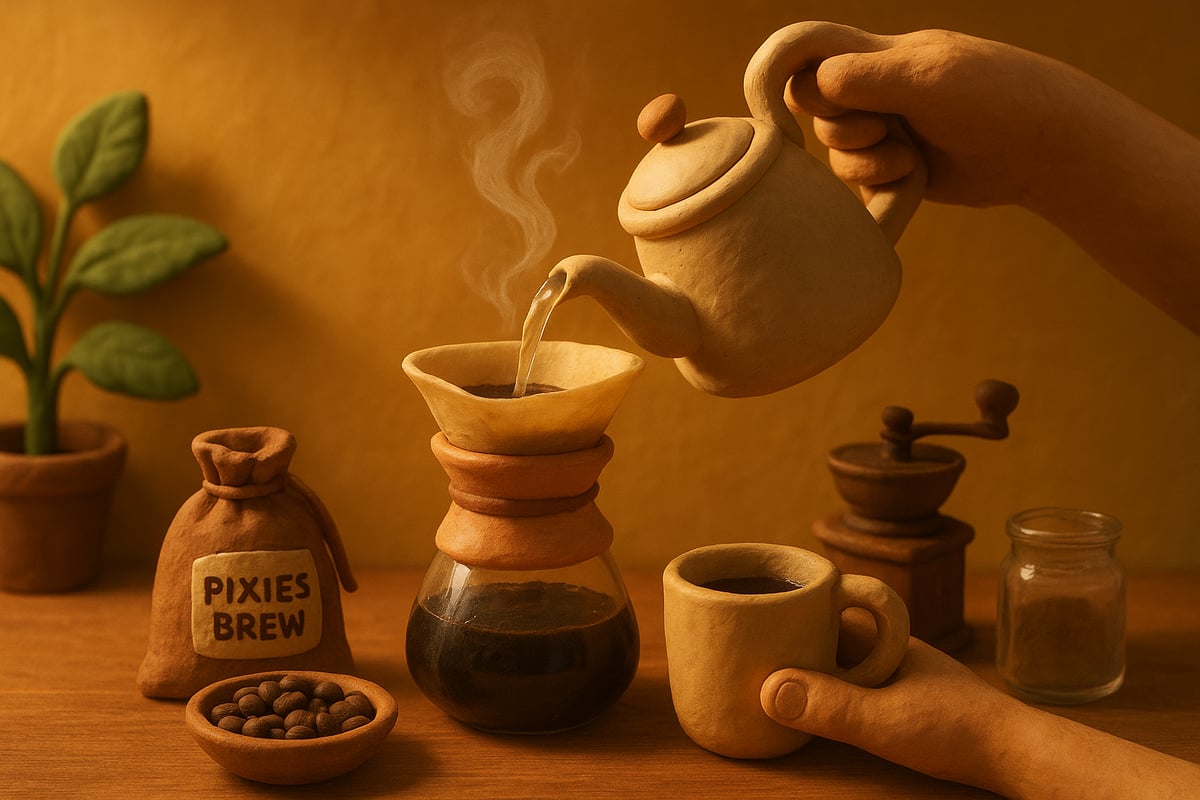
Selecting your brewing method is the first step in unlocking the unique flavors of single origin coffee. Manual techniques like pour-over, Chemex, French press, and Aeropress let you control each variable, highlighting the subtle notes locked within every bean.
Pour-over stands out for its clarity and ability to showcase delicate floral or fruit notes. The Chemex offers a clean, bright cup, while French press brings out a richer body. Aeropress is travel-friendly and can emphasize fruitiness or chocolate, depending on your recipe.
For a sensory journey, explore different methods and notice how each brings out new dimensions in your single origin. If you want to refine your technique, dive into Pour Over Dripper Techniques for practical tips that elevate your daily ritual.
Step-by-Step: The Mindful Single Origin Brew
Begin your single origin ritual with intention. Heat fresh, filtered water to just below boiling. As you grind your beans, inhale their aroma—a promise of flavors to come. Place your dripper over a warm mug, add the grounds, and pour a small amount of water in slow circles.
Watch the bloom rise and bubble, releasing hidden scents. Wait, then continue pouring gently, feeling the rhythm of each movement. Pause to notice the steam, the color, the anticipation building in your cup.
Take your first sip slowly. Let the flavors unfold across your palate, from bright acidity to lingering sweetness. This mindful approach transforms single origin coffee into a daily act of self-care.
The Role of Freshness & Storage
Freshness is the heart of single origin clarity. Beans lose their vibrancy quickly, so buy in small batches and use them within weeks of roasting. Store your coffee in airtight containers, away from light, heat, and moisture. Avoid grinding until just before brewing—whole beans preserve their character best.
Helpful storage tips:
| Tip | Why It Matters |
|---|---|
| Airtight container | Prevents staleness and odors |
| Cool, dark place | Protects delicate flavors |
| Grind before brew | Maximizes aroma and freshness |
Treat single origin coffee as a living ingredient. Savor the fleeting window when its flavors are at their peak, and let each cup be a celebration of the harvest.
Pixies Brew: Single Origin Rituals in a Pouch
Pixies Brew bridges the gap between mindful ritual and real-life pace. Our single-serve pour-over pouches contain specialty-grade, single origin beans, nitrogen-sealed for ultimate freshness.
Unfold the packet, breathe in the rich aroma, and pour—wherever your day takes you. Each cup lets you enjoy intentional, flavor-focused brewing, whether at home, on a hike, or in a quiet office corner. Savor the magic of single origin, made simple.
Exploring the World: Notable Single Origin Regions & Their Profiles
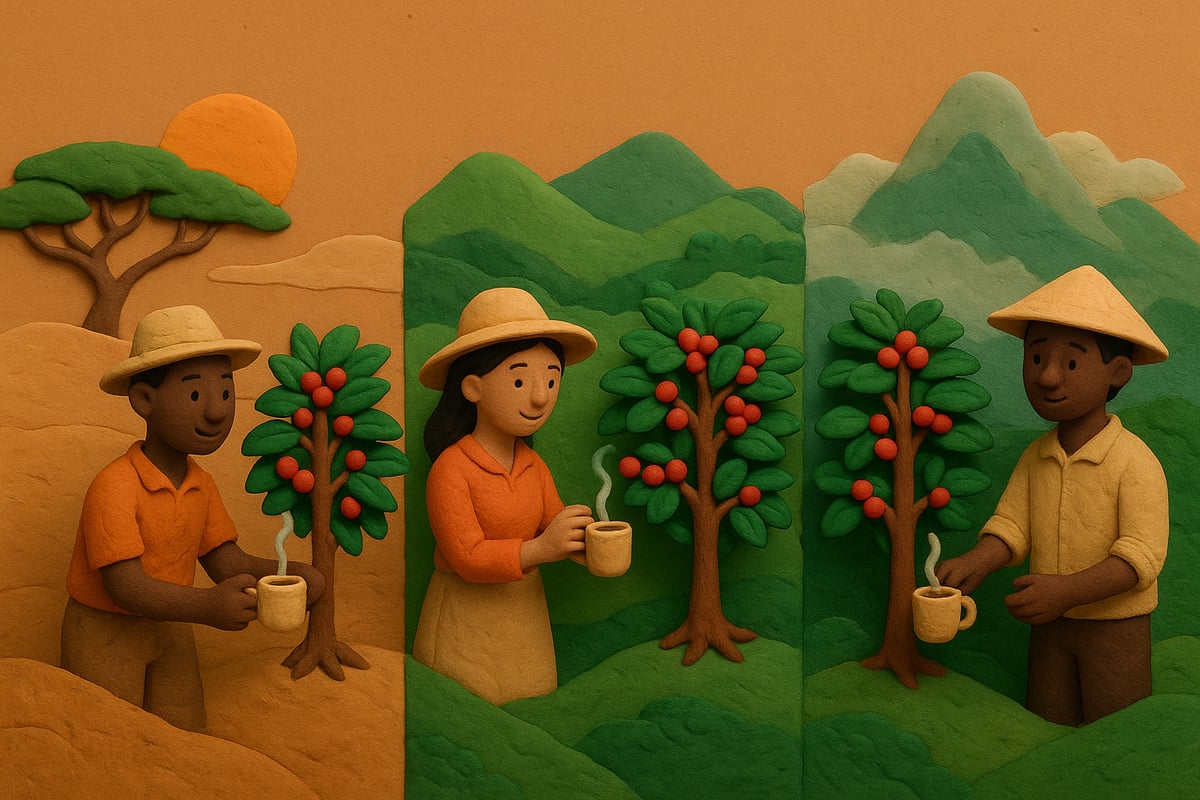
The journey of single origin coffee is a global adventure for your senses. Each region, from the misty mountains of Africa to the lush valleys of the Americas and the emerald isles of Asia, offers a distinct story in every cup. By understanding these origins, you can savor the world one sip at a time.
Africa: Ethiopia, Kenya, Rwanda
Africa is the ancestral home of coffee, and its single origin beans are legendary for their complexity. Ethiopian Yirgacheffe dances with floral, tea-like, and citrus notes, while Kenyan coffees bring bold acidity and vibrant berry flavors. Rwanda’s beans are delicate, sweet, and layered, like a sunrise unfolding on the savannah.
The region’s volcanic soils and high elevations are key to these lively profiles. Africa’s specialty coffee exports have grown steadily, reflecting global fascination with its unique terroir. When you sip an African single origin, you taste both the land and the legacy. For a deeper dive into how soil and climate shape these flavors, see this guide on terroir's impact on coffee flavor.
The Americas: Colombia, Brazil, Guatemala, Peru
The Americas are a mosaic of single origin flavors. Colombian coffees are known for their balance, caramel sweetness, and red fruit notes, often sourced from highland estates. Brazil, a giant in the coffee world, offers nutty, chocolatey beans with gentle acidity that create a smooth, comforting cup.
Guatemala’s volcanic landscapes yield bright, spicy, and full-bodied coffees, while Peru’s high-altitude farms produce sweet, mild beans with hints of cocoa. Estate coffees from Colombia’s highlands showcase the power of careful cultivation. Each region’s single origin profile lets you experience the nuanced rhythm of its landscape and traditions.
Asia & Beyond: Indonesia, Vietnam, Papua New Guinea
Asia’s single origin coffees are rich with earthy, herbal, and sometimes spicy notes. Indonesian coffees, especially from Sumatra, are famous for their syrupy body and deep, rustic complexity. Vietnam, while renowned for robusta, also yields chocolatey, sometimes spicy arabicas that surprise and delight.
Papua New Guinea’s highlands produce beans with tropical fruit brightness and floral undertones, a true taste of mountain mist. Micro-lot innovations are blooming in these regions, bringing new clarity and character. With each Asian single origin, you’re tasting the essence of place, from dense jungle to mist-shrouded peaks.
How to Read Origin Labels & Traceability
Decoding a single origin label unlocks a world of transparency. Look for region, farm, altitude, and processing method—each detail tells part of the coffee’s story. Advances in DNA fingerprinting help ensure authenticity, connecting you more closely to the growers.
Choose coffees with clear, specific labels for a more intentional ritual. Traceability isn’t just about quality, it’s about honoring the journey from seed to cup. Let the details guide you, and discover which single origin speaks to your senses and your morning mood.
How to Choose Your Perfect Single Origin Coffee
Sifting through the world of single origin can feel like wandering through a dewy orchard at sunrise—each path holds its own scent, taste, and story. Finding your perfect match is less about rules, more about curiosity and a willingness to savor. Let’s walk through the key steps, senses first.
Understanding Flavor Notes & Your Preferences
Single origin coffee is like a painter’s palette—each origin brings a spectrum of vivid flavors and aromas. Roasters often describe profiles using notes like berry, chocolate, citrus, or floral. Start by reading these tasting notes, then trust your senses. Do you crave bright, juicy fruit or the comfort of cocoa and toasted nuts?
Keep a simple tasting journal. Record what you notice: aroma, first sip, aftertaste, body. Over time, patterns emerge—maybe Ethiopian coffees dazzle with jasmine and lemon, while Colombian lots feel rich and balanced. For a deeper dive into how micro-lot selection shapes these profiles, explore this Micro-lot coffee explained guide.
Remember, single origin is about finding what genuinely delights you, not chasing trends. Let your preferences lead the journey.
Shopping Tips: Freshness, Seasonality, and Sourcing
The freshest single origin beans reveal their magic best. Look for roast dates—ideally within the past two weeks. Seek out seasonal offerings, as coffee, like fruit, has peak harvest times. Reputable roasters highlight origin details, including farm, altitude, and processing, making traceability simple.
Compare options by checking labels:
| Label Detail | What It Tells You |
|---|---|
| Origin | Country, region, or farm |
| Processing Method | Washed, natural, honey |
| Roast Date | Freshness indicator |
| Altitude | Flavor influence |
Prioritize direct trade or ethically sourced beans. These choices support growers and ensure quality. Remember, single origin coffee is a living ingredient—treat it with care and respect.
Building Your Ritual: Experimentation & Discovery
Every cup of single origin is a new chapter. Try sample packs or variety sets to explore different regions and processes. Change one variable at a time—grind size, water temperature, or brew method—and note how each shift transforms the taste. For step-by-step inspiration, see the Brew Guide for Coffee Lovers.
Invite friends to taste with you. Share notes, compare impressions, and let the ritual become a shared story. Above all, approach each brew with curiosity. In the Grove, discovery is part of the magic—let your single origin journey be both playful and intentional.
Single Origin Coffee FAQ
Curious about the world of single origin coffee? Here are answers to the most common questions, designed for both new explorers and seasoned ritualists.
| Question | Answer |
|---|---|
| What does single origin mean? | It refers to coffee sourced from one specific region, farm, or cooperative, capturing the essence of that place in your cup. |
| How is single origin different from blends? | Single origin offers pure, traceable flavor from one place, while blends mix beans from multiple origins for balance or consistency. |
| Are single origin coffees more expensive, and why? | Often yes, due to limited harvests, specialty processing, and direct relationships with growers. |
| What’s the best way to brew single origin coffee? | Manual methods like pour-over or Chemex highlight unique notes. For more tips, see this brewing methods for single-origin coffee guide. |
| How do I store my beans for maximum freshness? | Use airtight containers, keep beans cool and out of sunlight, and grind just before brewing. |
| Can single origin coffee be decaf? | Yes, decaf options exist, though they are less common. |
| Is single origin always better than blends? | Not always—it depends on your taste. Single origin shines for clarity, blends offer balance. |
| How do I find my favorite origin or flavor profile? | Explore sample packs, keep a tasting journal, and trust your senses with each new brew. |
Each sip is a chance to discover a new note, story, or ritual—let your single origin journey begin.
As you close this journey through the enchanting world of single origin coffee, imagine each cup as the start of a new story—one woven from distant lands, careful hands, and the magic of mindful rituals. We’ve wandered together from sunlit farms to your own kitchen, discovering how every origin, every brew method, and every quiet moment can transform an ordinary morning into something extraordinary. If you’re ready to taste the difference and find your coffee’s true character, why not let your next chapter begin with a little adventure? Begin Your Journey
