


The Speciality Coffee Association: Standards & Magic
The speciality coffee association-formally known as the Specialty Coffee Association (SCA)-serves as the global compass for coffee excellence, setting the standards that transform ordinary beans into extraordinary experiences. Since its formation in 2017 through the merger of the Specialty Coffee Association of America and the Specialty Coffee Association of Europe, this organization has shaped how we understand, evaluate, and celebrate coffee quality. For those of us who pour our mornings into a single, intentional cup, the SCA's work touches every step of that ritual-from the farmers who tend the cherries to the moment hot water meets grounds in your favorite mug.
The Foundation of Coffee Excellence
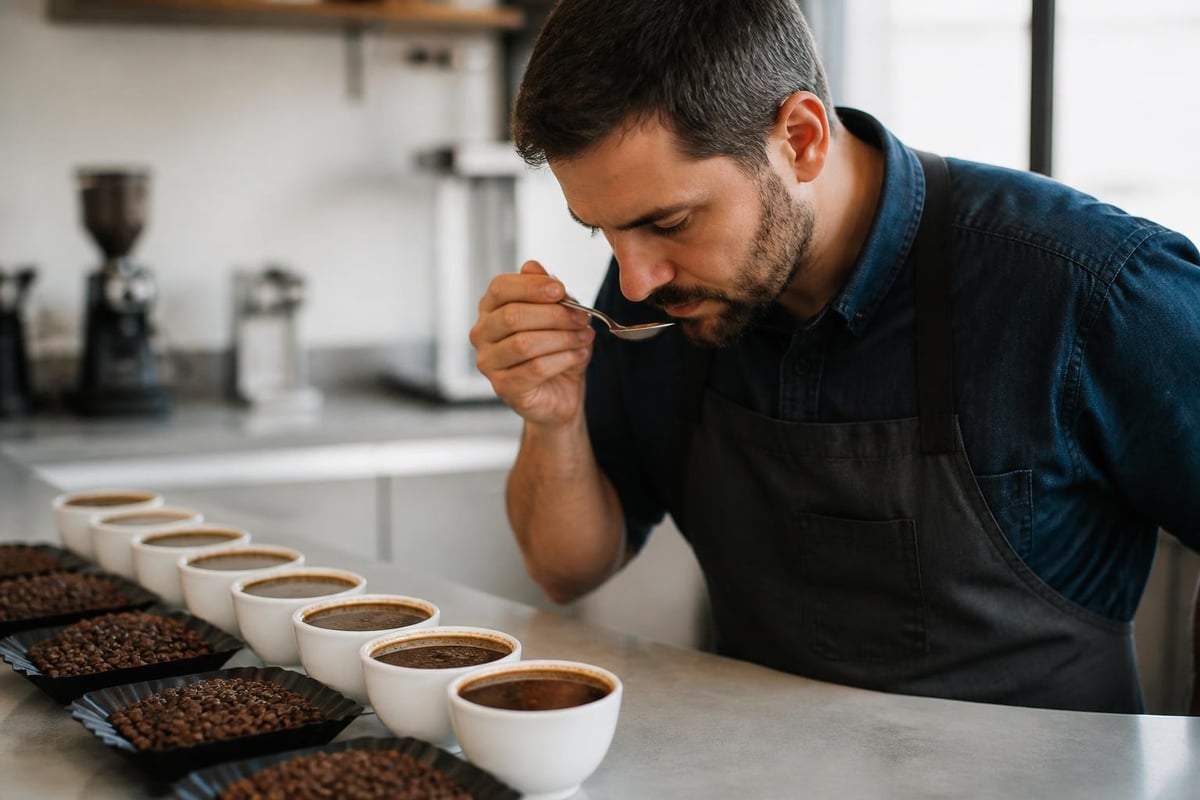
The speciality coffee association defines specialty coffee through a rigorous scoring system that evaluates beans on a 100-point scale. Any coffee scoring 80 points or above earns the specialty designation, a threshold that represents roughly the top 10% of global coffee production. This scoring happens through formal cupping protocols-sensory evaluation sessions where trained Q Graders assess everything from aroma and flavor to aftertaste and balance.
These aren't arbitrary numbers. Each point reflects specific sensory attributes that professional tasters identify using standardized evaluation methods. The Coffee Quality Institute's Q Grader program, which works alongside SCA standards, trains evaluators to detect subtle notes-the whisper of jasmine in an Ethiopian Yirgacheffe, the caramel sweetness in a well-developed Colombian bean.
Why Standards Matter for Your Morning Cup
Quality standards create a common language across the coffee world. When a roaster sources specialty-grade beans, they're making a promise about what's in your packet. The standards-development process ensures consistency from crop to cup, so that delicate floral profile you loved last month tastes just as vibrant in your next brew.
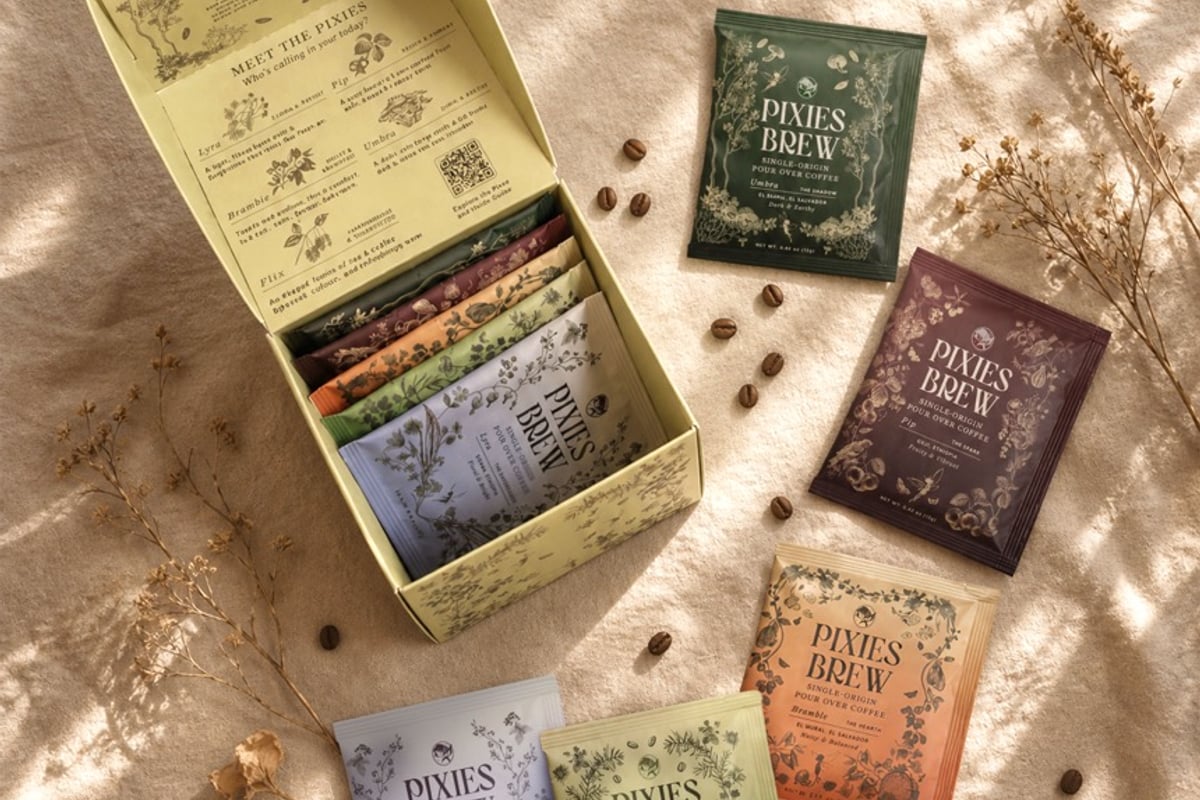
For brands like Pixies Brew, these standards inform everything-the bean selection, the roast profiles, even how we package our specialty-grade pour-over sachets to preserve those carefully cultivated flavors. Each sachet begins with beans that have passed through multiple quality checkpoints, scored by trained palates, and deemed worthy of that specialty designation.
Education as the Heartbeat of Quality
The speciality coffee association operates one of the most comprehensive professional education programs in the industry, spanning six educational pathways: Introduction to Coffee, Barista Skills, Brewing, Green Coffee, Roasting, and Sensory Skills. Each pathway offers three levels of certification-Foundation, Intermediate, and Professional-creating a structured journey from coffee curiosity to mastery.
This education system does more than train baristas. It cultivates a deeper understanding of coffee as an agricultural product shaped by soil, climate, and human care. A student in the Green Coffee pathway learns to identify coffee varieties, understand processing methods, and recognize how terroir influences flavor. Someone studying Sensory Skills develops the vocabulary to describe what they taste-not just "good" or "strong," but "bright citrus acidity with a smooth, creamy body."
The educational pathways include:
- Introduction to Coffee: The fundamentals of coffee's journey from seed to cup
- Barista Skills: Extraction science, milk technique, and customer service
- Brewing: Methods, ratios, and variables that affect the final cup
- Green Coffee: Variety identification, processing, and quality assessment
- Roasting: Heat application, chemical changes, and profile development
- Sensory Skills: Formal cupping, flavor identification, and quality evaluation
From Classroom to Kitchen Ritual
This knowledge doesn't stay in professional settings. When you understand that water temperature affects extraction-too hot and you pull bitter compounds, too cool and you leave sweetness behind-your morning pour becomes more intentional. The education the SCA provides trickles down through every cafe, every roaster, every carefully crafted sachet.
At Pixies Brew, we design our pour-over sachets with extraction science in mind. The grind size, the packet's porous material, the recommended water temperature-these aren't random choices but applications of brewing fundamentals that the speciality coffee association has helped standardize and teach worldwide.
The Science Behind Specialty Cultivation
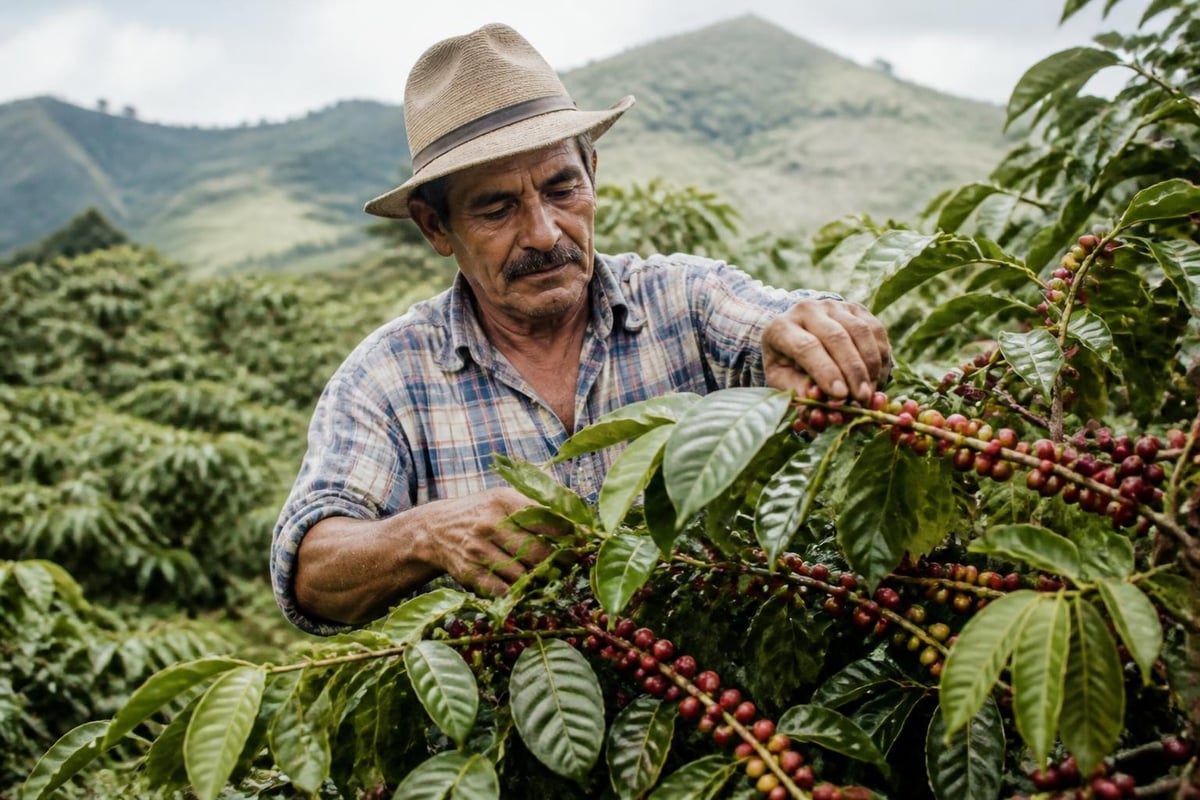
Coffee quality starts in the field, where variety selection and growing conditions create the foundation for everything that follows. The speciality coffee association works closely with research organizations to advance coffee agriculture, particularly as climate change threatens traditional growing regions. World Coffee Research maintains comprehensive databases of Arabica and Robusta varieties, helping farmers choose cultivars that balance quality, productivity, and climate resilience.
Recent collaborative breeding research shows how variety development can preserve the delicate flavor profiles that specialty coffee drinkers treasure while helping plants withstand changing weather patterns. This matters because the difference between an 80-point coffee and a 90-point coffee often traces back to variety-a Gesha plant naturally produces different flavor compounds than a Bourbon, just as a Pinot Noir grape differs from Cabernet Sauvignon.
| Coffee Variety | Flavor Profile | Climate Needs | Quality Potential |
|---|---|---|---|
| Gesha/Geisha | Jasmine, bergamot, tea-like | High altitude, cool | 88-95 points |
| Bourbon | Sweet, balanced, caramel | Moderate altitude | 83-88 points |
| Typica | Clean, sweet, complex | High altitude, stable | 84-90 points |
| SL28 | Berry, wine-like, complex | High altitude, drought-tolerant | 85-92 points |
Climate, Quality, and the Future Cup
Research on climate impacts reveals that rising temperatures could reduce suitable growing areas for specialty coffee by up to 50% in key regions by 2050. The speciality coffee association addresses this through sustainability initiatives, helping producers adapt practices while maintaining the quality standards that define specialty grade.
This isn't abstract industry concern-it's about whether your favorite flavor profile will exist in ten years. That bright, floral Ethiopian coffee you love grows in specific microclimates that are shifting. The SCA's work in sustainability and variety development aims to preserve not just coffee production, but the diversity of sensory experiences that make specialty coffee magical.
Sustainability Meets Sensory Excellence
The speciality coffee association recognizes that quality and sustainability are inseparable. The Global Coffee Platform's recent report shows growing alignment between quality certifications and sustainability frameworks-organic practices, fair trade partnerships, and environmental stewardship increasingly overlap with specialty-grade production.
Key sustainability focus areas include:
- Water management in processing and farming
- Soil health and organic matter preservation
- Carbon footprint reduction across the supply chain
- Fair compensation for quality-focused producers
- Biodiversity preservation in coffee landscapes
Sustainable farming practices often enhance cup quality. Shade-grown coffee, for example, tends to develop more complex sugars as cherries ripen slowly under tree canopy. Healthy soil produces plants that resist disease naturally, reducing chemical inputs while concentrating flavor compounds in the bean.
The Grove and the Growing Field
There's a parallel between sustainable coffee farming and the intentional ritual we create in our own spaces-what we at Pixies Brew call the Grove, those moments when we slow down enough to notice what we're tasting. The farmer who tends their trees with care, waiting for perfect ripeness before harvest, shares something with the person who boils water to the right temperature, measures it deliberately, and pours with attention.
This connection matters. When you choose specialty coffee-whether through a local roaster or a carefully crafted sachet-you're supporting systems that value quality over quantity, patience over speed. The speciality coffee association's standards create the framework that makes this possible, ensuring that "specialty" means something consistent and measurable.
Cupping, Scoring, and Sensory Truth
The formal cupping protocol established by the speciality coffee association provides a standardized method for evaluating coffee quality. Roasted beans are ground to a specific particle size, steeped in water at exactly 200°F, and evaluated through a precise sequence: fragrance of dry grounds, aroma of wet grounds, then tasting through five stages as the coffee cools from 160°F to room temperature.
Q Graders assess ten categories during cupping:
| Category | What It Measures | Score Range |
|---|---|---|
| Fragrance/Aroma | Dry and wet aromatics | 6.00-10.00 |
| Flavor | Taste characteristics | 6.00-10.00 |
| Aftertaste | Length and quality of finish | 6.00-10.00 |
| Acidity | Brightness and liveliness | 6.00-10.00 |
| Body | Tactile fullness | 6.00-10.00 |
| Balance | How components work together | 6.00-10.00 |
| Uniformity | Consistency across cups | 0-10.00 |
| Clean Cup | Freedom from defects | 0-10.00 |
| Sweetness | Natural sugars present | 0-10.00 |
| Overall | Cupper's holistic impression | 6.00-10.00 |
What Your Palate Already Knows
You don't need Q Grader certification to appreciate what these scores represent. When you taste a coffee and think "this is brighter than yesterday's cup," you're noticing acidity. That lingering pleasant sensation after you swallow? That's aftertaste. The weight of the coffee in your mouth-light and tea-like versus heavy and syrupy-that's body.
The speciality coffee association's cupping standards simply formalize what mindful tasters already experience. They create a shared vocabulary so that a farmer in Guatemala, a roaster in Portland, and you in your kitchen can all reference the same qualities.
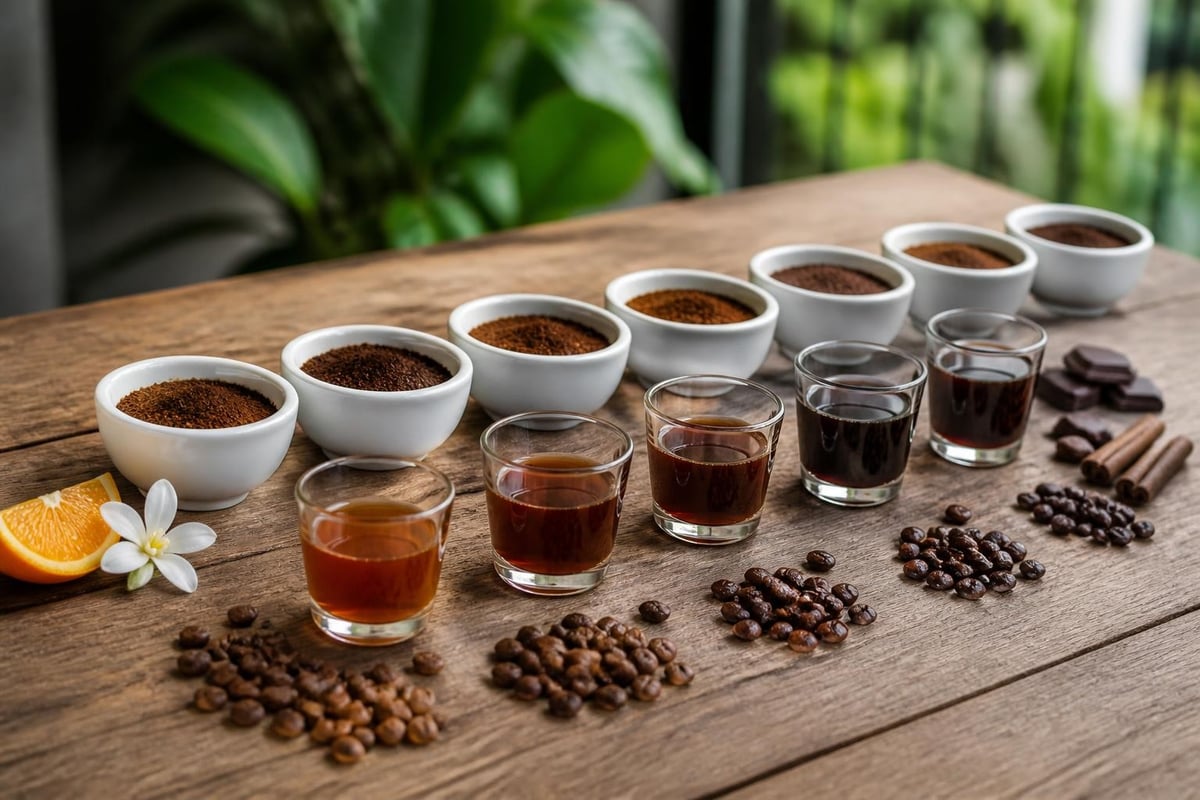
When we craft our Discovery Set, we select beans that score well across these categories, looking for balance and clarity. Each profile-from bright and floral to deep and chocolatey-represents a different combination of these sensory attributes, all within the specialty range.
The Supply Chain Story
The speciality coffee association supports transparency throughout the supply chain, from farm gate to final cup. This traceability matters because specialty coffee often comes from specific microlots-sometimes just a few bags from a single farm or even a particular section of that farm where conditions create exceptional beans.
FAO market data shows that specialty coffee commands premium prices, with top-scoring lots sometimes selling for hundreds of times the commodity coffee rate. This price differentiation rewards quality, giving farmers economic incentive to invest in the practices that produce specialty-grade beans-selective picking, careful processing, and proper drying.
The specialty supply chain typically includes:
- Producer: Farms or cooperatives growing and processing coffee
- Exporter: Origin-country broker handling logistics and documentation
- Importer: Destination-country broker managing shipping and compliance
- Roaster: The business applying heat to develop flavor
- Retailer or Brand: The final connection to the consumer
Direct Trade and Relationship Coffee
Many specialty roasters now practice direct trade, establishing long-term relationships with specific producers. This model, encouraged by speciality coffee association principles, ensures farmers receive fair compensation while giving roasters consistent access to the quality they need. It also creates stories-you're not just drinking "Colombian coffee" but beans from Maria's family farm at 1,800 meters, processed using a specific technique she refined over decades.
These stories add dimension to the sensory experience. When you know the care invested in your cup, each sip carries more meaning. It's why we share sourcing details at Pixies Brew-because understanding origin enriches appreciation.
Innovation Within Standards
The speciality coffee association doesn't just preserve tradition; it advances innovation. Recent annual research explores processing experiments, fermentation techniques, and post-harvest methods that can enhance cup quality while maintaining or improving sustainability.
Emerging processing innovations include:
- Anaerobic fermentation: Sealed tanks that develop fruit-forward flavors
- Carbonic maceration: CO2-infused processing creating wine-like complexity
- Honey processing: Controlled mucilage retention for sweetness
- Experimental drying: Temperature and humidity manipulation affecting final flavor
These methods push boundaries while working within the quality framework the SCA established. A naturally processed coffee might score 88 points with bright berry notes, while the same lot processed anaerobically might reach 92 points with intense tropical fruit character. The standards provide the measuring stick; innovation explores what's possible.
The Home Brewer's Laboratory
You can experiment within standards too. The same specialty beans brewed at different temperatures, with different water mineral content, or at varying ratios create distinct cups-all from a single origin. This exploration is part of the ritual, the intentional practice of noticing what changes and what remains constant.
Our nitrogen-flushed sachets at Pixies Brew preserve the roaster's intended profile, but how you brew them-water temperature, pour technique, even the material of your cup-creates your personal interpretation of that specialty coffee. The standards ensure you're starting with excellence; your ritual makes it yours.
Frequently Asked Questions
What makes coffee "specialty" grade?
Specialty coffee scores 80 points or above on the Specialty Coffee Association's 100-point scale, evaluated through standardized cupping protocols by trained Q Graders assessing attributes like flavor, aroma, body, and acidity.
Does specialty coffee have more caffeine?
Caffeine content depends primarily on variety and roast level, not quality grade. Specialty coffees are often lighter roasted to preserve delicate flavors, which can mean slightly higher caffeine than dark roasts that break down more caffeine molecules.
How long does specialty coffee stay fresh?
Roasted specialty coffee peaks 7-21 days after roasting and maintains optimal flavor for 3-6 weeks when properly stored in airtight containers away from light and heat. Our nitrogen-flushed sachets extend this window by protecting grounds from oxygen exposure.
Can I taste the difference between 80-point and 90-point coffee?
Most coffee drinkers can detect quality differences with mindful tasting. Higher-scoring coffees typically show greater clarity, complexity, and balance-cleaner aftertastes, more distinct flavor notes, and smoother integration of acidity and body.
Is all Arabica coffee specialty grade?
No. Arabica is a species that tends to produce higher quality than Robusta, but growing conditions, processing, and handling determine final quality. Poorly grown or processed Arabica scores well below specialty threshold, while exceptional Robusta can occasionally reach specialty levels.
Building a Quality-Focused Culture
The speciality coffee association's greatest achievement might be cultural rather than technical-creating a global community that values quality as a shared pursuit. Annual events like the World Coffee Championships and Re:co Symposium bring together farmers, roasters, baristas, and researchers to share knowledge, celebrate excellence, and push the industry forward.
This culture extends beyond professionals to everyday coffee drinkers who've learned to expect more from their cup. When you choose premium coffee, you're participating in this culture-voting with your dollars for the systems that prioritize quality, sustainability, and craftsmanship.
The cultural shift includes:
- Transparency about origin, processing, and pricing
- Respect for coffee as agricultural product requiring skill
- Appreciation for seasonal variation and limited availability
- Willingness to pay premiums that support quality production
- Curiosity about flavor diversity across origins and varieties
Your Morning Ritual as Cultural Practice
Every mindful cup you brew reinforces this culture. When you notice the floral notes in your Ethiopian coffee or the chocolate smoothness of your Guatemalan blend, you're engaging with the same sensory awareness that Q Graders apply in formal cuppings. Your kitchen becomes part of the larger story the speciality coffee association helps tell-that coffee can be more than fuel, that it's worth pausing for, that excellence matters.
This is what we mean by the Grove at Pixies Brew-those moments when the world slows down enough for you to truly taste what's in your cup. The SCA's standards ensure that what you're tasting is genuinely excellent, not just cleverly marketed.
The Economic Impact of Excellence
Quality standards create economic value throughout the supply chain. Sustainable coffee purchase reports show that specialty-grade coffees command significantly higher prices, with premiums ranging from 20% to over 500% above commodity rates depending on score, origin, and rarity.
This pricing structure transforms coffee farming from subsistence agriculture into viable business for producers who invest in quality. A farmer who earns twice the commodity price for specialty beans can afford to replant aging trees, invest in better processing equipment, and pay living wages to pickers who hand-select only ripe cherries.
| Market Segment | Average Price/lb | Quality Range | Growing Conditions |
|---|---|---|---|
| Commodity | $1.50-$2.00 | <80 points | Conventional, mixed ripeness |
| Specialty | $3.00-$8.00 | 80-86 points | Selective picking, careful processing |
| Premium Specialty | $8.00-$20.00 | 87-92 points | Microlot, exceptional terroir |
| Competition/Auction | $20.00-$500.00+ | 93+ points | Rare, experimental, perfect execution |
Supporting Quality Through Purchase Decisions
Your buying choices ripple backward through this system. When you invest in specialty coffee-whether beans, sachets, or cafe drinks-you're funding the entire quality ecosystem. You're paying for the extra labor of selective harvesting, the care in processing, the skill in roasting, and the standards that ensure consistency.
This isn't charity; it's recognizing value. A 90-point coffee delivers a sensory experience that a 75-point coffee simply cannot match. The price premium reflects the compounding investments required to achieve that quality, from seed selection through your final sip.
Navigating the Specialty Landscape
As specialty coffee awareness grows, the market expands with it. In 2026, specialty coffee represents roughly 55% of U.S. coffee consumption by value, though only about 40% by volume-people drink less but spend more per cup, seeking quality over quantity.
The speciality coffee association's role becomes even more critical as this market grows. Standards prevent grade inflation, where mediocre coffee gets marketed as "specialty" without earning that designation through formal scoring. The SCA's cupping protocols and Q Grader network provide the quality gatekeeping that keeps specialty meaningful.
When evaluating specialty coffee, look for:
- Transparency about origin (country, region, farm name)
- Roast date (fresher is almost always better)
- Processing method (washed, natural, honey, experimental)
- Tasting notes from the roaster (not just "bold" or "smooth")
- Information about the producer or cooperative
Quality in a Sachet
Some coffee enthusiasts question whether pre-portioned packets can deliver specialty quality, associating individual servings with instant coffee or commodity-grade products. The truth is that format and quality are independent variables. A nitrogen-flushed sachet filled with 90-point Kenyan coffee delivers that same 90-point experience-the beans don't know they're in a packet rather than a bag.
At Pixies Brew, we source specialty-grade beans, roast them to profiles that highlight their inherent characteristics, grind them fresh, and immediately seal them with nitrogen to lock in volatile aromatics. The sachet format makes specialty coffee more accessible-you don't need a grinder, scale, or pour-over equipment-but the quality comes from the beans themselves and how they're handled.
The speciality coffee association's standards and education have transformed how we understand coffee excellence-from farm practices to cupping protocols to the stories we tell about origin and craft. These frameworks ensure that when you reach for specialty coffee, whether at a cafe or in your own quiet morning ritual, you're experiencing beans that have earned their quality designation through measurable, consistent criteria. At Pixies Brew, we honor these standards by sourcing specialty-grade beans for every sachet, bringing the SCA's commitment to excellence into your simplest brewing moment-because every cup deserves that touch of magic.
