


Stanley Pour Over Set: Coffee Ritual in the Wilderness
The morning fog clings to spruce branches like spider silk as you reach for the kettle. There's something sacred about those first moments before sunrise, when the forest holds its breath and you stand at the threshold between sleep and waking. The stanley pour over set transforms this liminal space into ceremony, offering a deliberate alternative to instant coffee or hurried French press routines. It's not about speed or convenience. It's about creating a ritual that honors both the wilderness and the bean, turning caffeine delivery into something closer to meditation.
Why Pour Over Method Matters in Wilderness Brewing
Traditional camping coffee exists on a spectrum from cowboy grounds boiled in enamelware to instant crystals dissolved in lukewarm canteen water. Neither approach respects the coffee itself, the beans that traveled from distant hillsides to your backpack. Pour over brewing brings precision to unpredictable conditions, controlling variables that determine whether you taste bright citrus notes or bitter char.
The stanley pour over set acknowledges this truth through its design. Water temperature, flow rate, bloom time-these elements that specialty cafes obsess over become possible thirty miles from any electrical outlet. When you understand extraction, you realize that choosing quality beans matters regardless of location.
The Science Behind Manual Pour Over
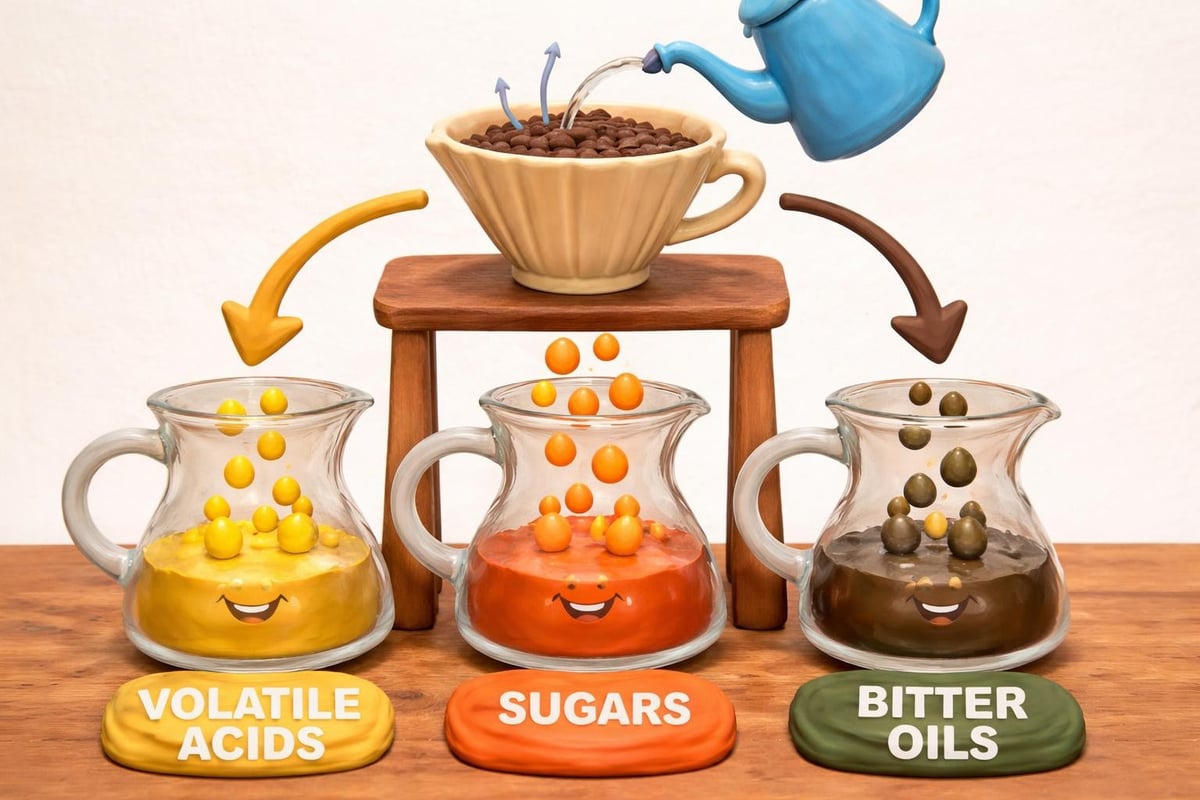
Water passes through coffee grounds, dissolving compounds in sequence. First come the acids and light volatiles, followed by sugars and deeper caramelized notes, finally the heavy oils and bitter alkaloids. Rushed extraction pulls everything simultaneously, creating muddy flavor. Controlled pouring lets you capture brightness without bitterness, sweetness without sourness.
This extraction dance happens whether you brew on granite countertops or granite boulders. The stanley pour over set simply provides the stage. Its cone shape creates ideal geometry for even saturation. Metal construction holds temperature steady against mountain wind. The full process demands attention, which wilderness already invites.
Components and Construction of the Stanley System
When you lift the stanley pour over set from its packaging, heft tells the first story. This isn't disposable gear meant for single seasons. Stanley built their reputation on vacuum bottles that survived decades, and that ethos carries through every component here.
The filter cone sits atop your mug or carafe, constructed from 18/8 stainless steel that won't impart metallic flavors or crack in freezing temperatures. Perforations create drainage patterns that prevent channeling-those frustrating moments when water finds a single path through grounds, leaving some beans over-extracted while others barely participate in brewing.
The reusable filter eliminates paper dependency. No more calculating filter counts before multi-day trips or discovering a soggy mess when your pack got drenched crossing that stream. Stainless mesh catches grounds while allowing oils to pass through, creating fuller body than paper filters permit. Some purists argue paper produces cleaner cups, but wilderness brewing prioritizes different values: sustainability, reliability, sensory richness.
| Component | Material | Function | Wilderness Advantage |
|---|---|---|---|
| Filter Cone | Stainless Steel | Holds filter and grounds | Temperature stable, unbreakable |
| Reusable Filter | Stainless Mesh | Separates grounds from liquid | No resupply needed |
| Drip Tray | Stainless Steel | Catches stray drips | Stable platform on uneven surfaces |
| Carrying Case | Nylon | Storage and transport | Weather-resistant protection |
Temperature Retention and Heat Transfer
Metal brewing equipment introduces considerations absent from ceramic or plastic alternatives. Stainless steel conducts heat efficiently, meaning a cold filter cone can drop your water temperature significantly when water first makes contact. Pre-warming becomes essential-not fussy café technique, but practical necessity.
Pour a small amount of hot water through the empty filter, warming metal and rinsing any dust. Discard this water before adding grounds. This thirty-second step prevents your carefully heated brew water from plummeting below optimal extraction range. Detailed reviews from outdoor enthusiasts on Walmart's platform confirm this pre-warming step separates excellent brews from disappointing ones.
Brewing Technique for Outdoor Conditions
Morning at the campsite arrives with dew-heavy silence. Your stove hisses to life, heating water while you measure coffee. Standard ratio runs 1:16 coffee to water-roughly 25 grams of grounds for a 400ml cup. Without a scale, two generous tablespoons per six ounces approximates close enough for wilderness purposes.
Grind size matters more than you'd expect. Too fine and water can't flow through, creating bitter sludge. Too coarse and water rushes past barely touching the beans, producing weak, sour liquid. Medium-fine resembles granulated sugar. If you're grinding at home before departure, slightly coarser proves safer-altitude and cold affect extraction differently than kitchen brewing.
The Four-Phase Pour Technique
-
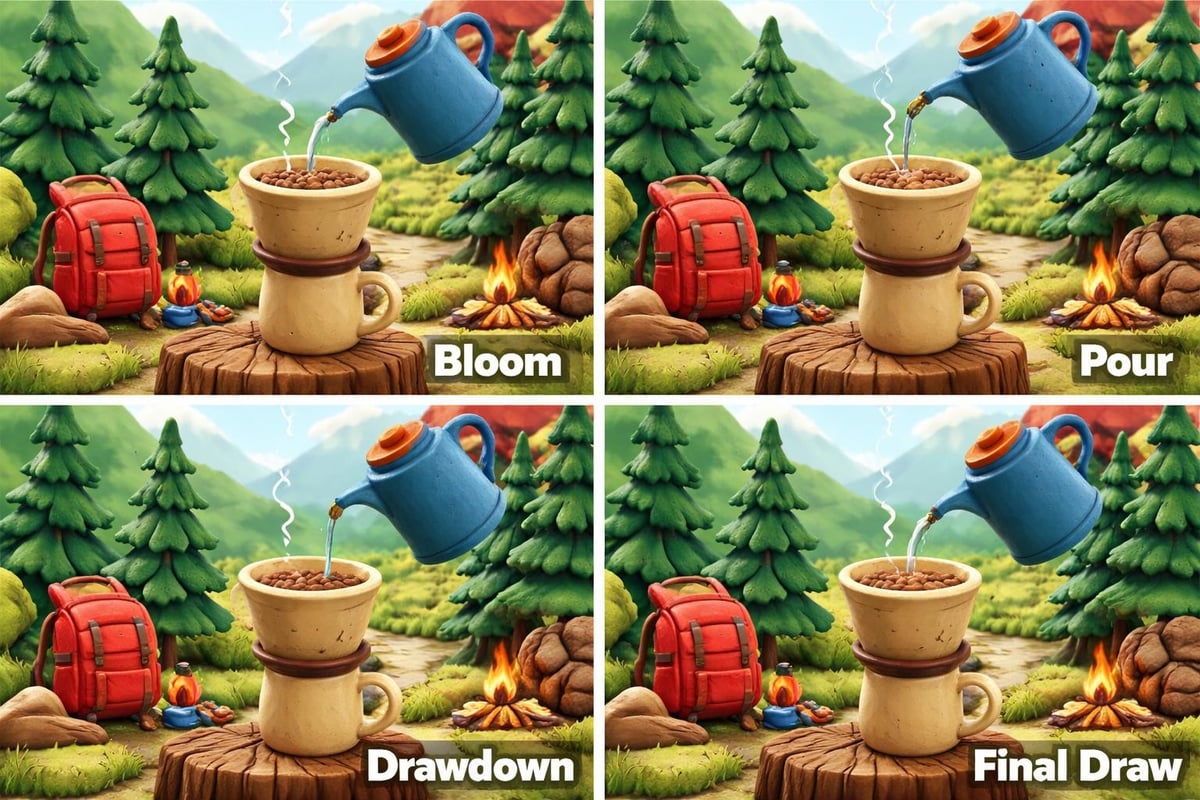
Bloom: Pour just enough water to saturate all grounds (roughly twice the coffee's weight). Watch carbon dioxide bubble up like tiny springs. This gas trapped during roasting inhibits extraction until released. Wait 30-45 seconds while morning birdsong fills the silence.
-
First pour: Add water in slow spirals, starting from the center and working outward. Avoid hitting the filter's edges-water that runs down the sides bypasses coffee entirely. Fill the cone about halfway.
-
Maintenance pours: As the water level drops, add more in gentle pulses. Maintain steady depth without flooding. This phase determines extraction balance, so resist the urge to rush.
-
Final draw: Once you've added all your water, let gravity finish. The last drips carry the heaviest compounds. Some brewers discard these final drops to avoid bitterness, but outdoor brewing embraces a fuller, more robust profile.
The entire process takes four to five minutes. It's meditation disguised as caffeine delivery, attention anchored to spiraling water and rising steam. Our pour ritual guide explores how deliberate brewing creates space for reflection regardless of setting.
Comparing Stanley to Other Wilderness Brewing Methods
Every camp kitchen eventually accumulates brewing devices-percolators, French presses, espresso makers that clamp onto stoves. Each method answers different priorities. Understanding these tradeoffs helps you choose tools that match your actual needs rather than idealized camping fantasies.
French press offers simplicity and full immersion, but fragile glass beakers shatter in backpacks, and metal versions still require careful packing. Grounds disposal becomes problematic in leave-no-trace environments. Pour over produces used grounds that compress into tidy pucks easily packed out.
Percolator romance runs deep-that bubbling sound, the transparent knob showing coffee color-but these devices recirculate brew repeatedly over grounds, guaranteeing over-extraction. You get strong coffee, certainly, but strength alone doesn't equal quality.
AeroPress devotees swear by their compact cylinders, and justifiably so for solo travelers. However, brewing for multiple people means repeated individual cups. The stanley pour over set scales from single servings to full carafes without additional equipment.
According to comprehensive evaluations from ShopSavvy, the Stanley system balances durability, capacity, and taste quality more effectively than competing wilderness brewing methods. It occupies middle ground between ultralight minimalism and car-camping luxury.
Weight and Pack Considerations
Ounces matter when every item gets carried on your back. The complete stanley pour over set weighs approximately 8 ounces-substantial but not excessive. Compare this to:
- Titanium single-cup filter: 2 ounces (but requires separate mug)
- French press (metal): 12 ounces
- Percolator: 14-20 ounces depending on capacity
- Instant coffee packets: negligible weight (but questionable reward)
For weekend trips or car camping, weight becomes irrelevant. For week-long treks, you'll weigh brewing quality against pack pounds. Many long-distance hikers settle on instant coffee, accepting that wilderness priorities sometimes sacrifice morning ritual. But for those who find grounding in deliberate brewing, eight ounces buys sanity.
Sensory Experience of Wilderness Pour Over
The first fragrance rises when hot water hits grounds-that bloom releasing aromatics into cold morning air. It's different from kitchen brewing, where competing household smells dilute coffee's presence. Wilderness offers a clean slate. Pine resin, damp earth, wood smoke from last night's fire-these scents layer with coffee notes rather than fighting them.
Sight follows sound as dark liquid begins dripping. Morning light catches each drop, amber when backlit, obsidian in shadow. The liquid line rises in your mug, progress visible and meditative. No rushing this process-the set's design prevents it.
Touch registers through the mug's warmth against cold fingers. Metal conducts heat efficiently, so those first sips heat palms before reaching lips. Steam rises in visible curls when air temperature drops low enough, little ghosts dancing above the surface.
Sound provides rhythm-the soft hiss of water leaving kettle, the patter as it strikes grounds, the musical drip-drip-drip into your waiting vessel. Between pours, forest sounds return: wind through branches, distant bird calls, tent fabric breathing with temperature shifts.
Taste completes the circle. That first sip carries the work of farmers continents away, the roaster's careful craft, your own attention during brewing. Notes that luxury coffee brands spend fortunes marketing become accessible through simple equipment and deliberate technique.
Maintenance and Longevity in Field Conditions
Stanley's lifetime warranty backs equipment designed for multi-generational use. This confidence shows in construction details-welded seams rather than glued joints, gauge steel thick enough to resist denting, finish that won't chip or flake into your brew.
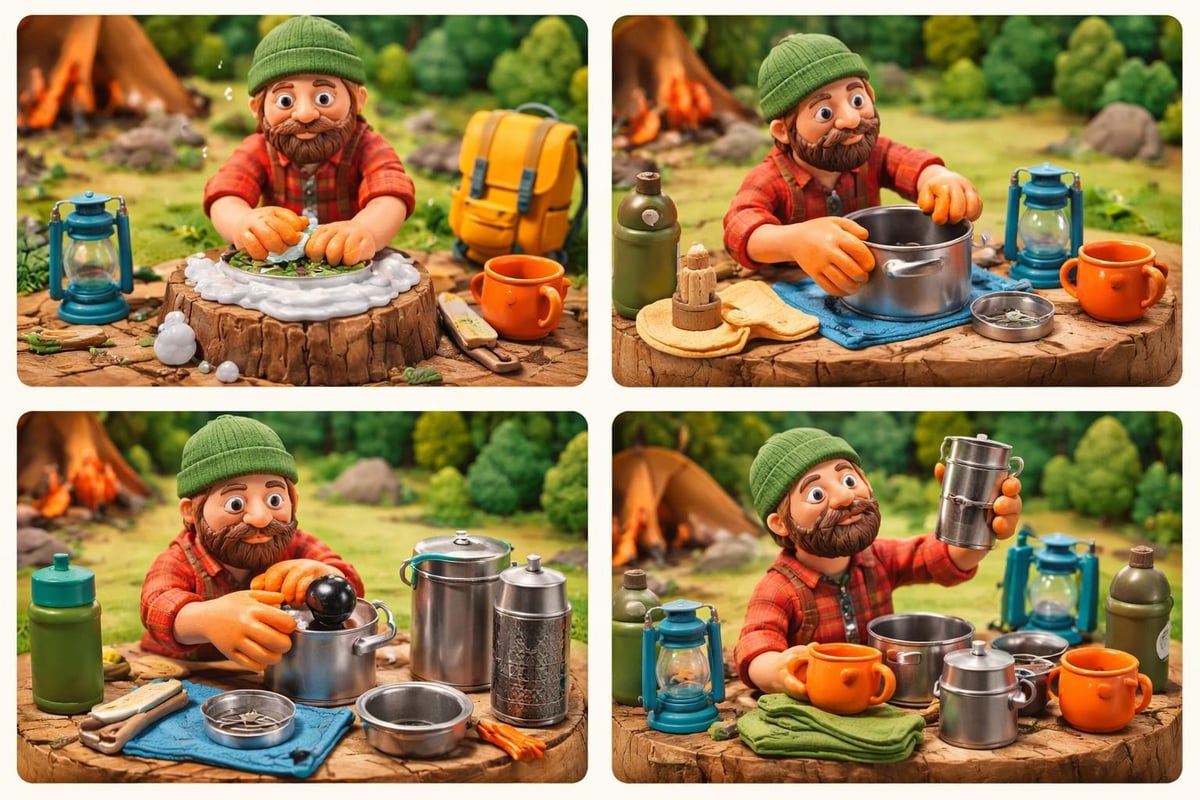
Cleaning requires only water and friction. The mesh filter needs daily rinsing to prevent oil buildup, but this takes thirty seconds under any stream or faucet. For deeper cleaning between trips, mild soap and a soft brush restore newness. Avoid abrasive pads that scratch stainless steel, creating pits where residue accumulates.
Field cleaning protocol:
- Dump used grounds into designated waste
- Rinse all components with hot water
- Wipe exterior surfaces dry
- Store disassembled to prevent moisture trapping
The reusable filter represents both strength and vulnerability. Stainless mesh resists corrosion and physical damage, but fine particles can eventually clog perforations if cleaning becomes sloppy. Occasional inspection confirms airflow remains unrestricted. Replacement filters exist, though quality manufacturing typically outlasts need.
Integration with Specialty Coffee Packets
Single-serve pour over sachets have revolutionized portable brewing, pre-measuring grounds and sometimes including integrated filters. Pixies Brew's approach brings this convenience to wilderness settings without sacrificing craft. Each packet contains precisely measured specialty beans, sealed for freshness until the moment you tear it open beneath open sky.
The stanley pour over set and pre-portioned packets solve different aspects of the same challenge. The set provides consistent brewing apparatus; quality packets ensure bean quality survives transportation and storage. Together they create system redundancy-even if you miscalculate ground amounts, packets provide backup. Even if packets get crushed or moisture-compromised, whole beans in a separate container keep you caffeinated.
Flavor pairing with wilderness settings:
Morning brews benefit from bright, acidic profiles that cut through lingering sleep fog. Ethiopian naturals with their berry notes, Kenyan coffees with grapefruit clarity-these wake taste buds alongside minds. For afternoon camp coffee, reach toward chocolatey Central American beans that comfort rather than startle.
Evening wilderness drinking (for those who metabolize caffeine efficiently) calls for something contemplative. Dark roasts with low acidity, Indonesian coffees with earthy depth, anything that encourages settling into twilight rather than energizing toward activity. The stanley pour over set handles all profiles equally-extraction control remains in your hands regardless of bean origin.
Common Questions About the Stanley Pour Over Set
How does grind size affect brewing with the mesh filter?
Mesh filters require coarser grinds than paper alternatives. Too fine and grounds pass through into your cup, creating sludgy texture. Medium to medium-coarse approximates drip coffee grind. When in doubt, err coarser-you can always extend contact time to compensate for larger particles.
Can the set brew tea or other beverages?
Absolutely. The filter functions equally well for loose-leaf tea, though you'll want to clean thoroughly between beverages to prevent flavor contamination. Some users brew camp hot chocolate through it, though cleaning cocoa oils requires extra effort.
What's the maximum capacity per brew cycle?
The cone accommodates roughly 40-50 grams of dry grounds comfortably, producing approximately 600-800ml of finished coffee depending on desired strength. For larger groups, sequential brewing works better than overloading the filter.
Does altitude affect brewing parameters?
Water boils at lower temperatures as elevation increases-roughly 1 degree Fahrenheit per 500 feet above sea level. At 10,000 feet, water boils around 194°F instead of 212°F. This actually falls within ideal brewing range (195-205°F), so altitude helps more than it hurts. However, you may need slightly longer extraction to compensate for reduced heat.
How does the system perform in freezing conditions?
Metal retains cold just as efficiently as heat, so pre-warming becomes critical below freezing. Store components inside your sleeping bag overnight to prevent them from dropping to ambient temperature. Cold equipment won't break, but it will steal precious heat from your brew water.
Environmental Impact and Sustainable Brewing
Disposable filters represent small individual waste but massive cumulative impact. A daily coffee drinker using paper filters generates roughly 365 filters annually-several pounds of bleached paper heading to landfills. Multiply across millions of consumers and the waste pyramid grows absurd.
The stanley pour over set eliminates this waste stream entirely. Its reusable mesh filter functions for years, potentially decades. Manufacturing one metal filter certainly requires more resources than producing one paper filter, but that equation reverses after approximately two months of daily use. Everything beyond that point represents pure environmental savings.
Wilderness specifically demands leave-no-trace principles. Used paper filters don't biodegrade as quickly as you might assume, and they carry concentrated coffee oils that alter local soil chemistry. Mesh filters let you separate grounds for proper disposal while the filter itself leaves no trace behind.
This sustainability conversation extends to bean selection. Specialty coffee grown under shade canopy, purchased through direct trade relationships, processed without chemical-heavy methods-these choices compound with equipment decisions. When you're already creating intentional brewing ritual, choosing beans that honor people and planet feels natural. Our approach to coffee sourcing reflects these values, recognizing that magic requires ethics.
Advanced Techniques for Experienced Brewers
Once basic pour over mechanics become automatic, variables reveal themselves. Water chemistry affects extraction as much as any other factor. Mineral content, pH, dissolved solids-these invisible elements shape taste dramatically.
Most wilderness water sources run softer (fewer dissolved minerals) than municipal supplies. Soft water extracts differently, often pulling more acids and creating brighter, sometimes sharper profiles. If your home brewing uses hard water and you suddenly can't replicate familiar flavors at camp, chemistry explains the mystery. Adding a tiny pinch of salt (literally 5-10 granules) to brew water can adjust mineral balance, though this requires experimentation.
Pulse pouring versus continuous pouring creates another decision point. Pulse technique adds water in distinct stages, allowing each addition to draw down before introducing more. This creates multiple mini-immersions, each with slightly different extraction characteristics. Continuous pouring maintains constant saturation, producing more uniform extraction. Neither approach wins universally-try both and notice which produces results you prefer.
Temperature stepping introduces next-level control. Start blooming with water at 205°F, then drop to 195°F for main pours. Higher heat at the beginning extracts acids and aromatics aggressively; lower heat afterward pulls sugars and body without excessive bitterness. This requires two kettles or careful timing, making it advanced technique reserved for when brewing becomes performance art.
Visual demonstrations, like this camping-focused tutorial, show these techniques in action better than text alone can convey. Watching water spirals, observing bloom expansion, seeing proper cone filling-these physical details make more sense through demonstration than description.
Building Your Complete Wilderness Coffee Kit
The stanley pour over set anchors wilderness brewing, but supporting equipment elevates the entire system. Consider these companion items:
-
Burr grinder (manual): Pre-ground coffee loses aromatics within weeks. Hand-crank grinders like Porlex or Hario produce consistent particles without electricity. Weight penalty runs 8-12 ounces but rewards justify the burden.
-
Insulated travel mug: Your beautiful brew deserves a vessel that maintains temperature. Double-wall vacuum bottles keep coffee hot for hours even in snow.
-
Digital thermometer: Guessing water temperature produces inconsistent results. Compact instant-read thermometers weigh under an ounce and eliminate guesswork.
-
Small scale: For precision brewing, knowing exact coffee weights matters. Compact digital scales designed for espresso work equally well at campsites, some featuring built-in timers.
-
Airtight storage: Coffee oxidizes quickly when exposed to air. Vacuum-sealed containers or even simple mason jars protect beans during transport.
Total investment runs $150-250 beyond the stanley pour over set itself, transforming camp coffee from routine into ceremony. Not everyone needs or wants this level of commitment, but for those who find grounding in brewing ritual, the cost represents value rather than expense.
The Cultural Shift Toward Intentional Outdoor Experiences
Something changed in outdoor culture over the past decade. Where previous generations prioritized mileage and summit counts, current wilderness users increasingly value presence over performance. They carry slightly heavier packs to enable rituals that anchor them to place and moment.
Quality coffee equipment fits this cultural shift perfectly. The stanley pour over set doesn't help you hike faster or climb higher, but it creates pause, demands attention, rewards mindfulness. These values align with why many seek wilderness in the first place-escape from rushing, reconnection with slower rhythms, space for thoughts that traffic and deadlines usually drown.
Professional reviews, including detailed assessments from Today's Camping Gear, consistently note this philosophical dimension alongside practical performance metrics. Equipment gets judged not just on weight and durability but on whether it enhances overall wilderness experience.
This doesn't mean every camper needs elaborate coffee systems. Instant crystals dissolved in barely-warm water have fueled countless adventures. But for those who know themselves, who recognize that their best thinking emerges during deliberate morning ritual, investing in proper brewing equipment makes profound sense. The stanley pour over set serves this population specifically-people for whom coffee represents ceremony rather than fuel.
Exploring different brew methods reveals personal preferences you might not discover otherwise. Some souls need espresso's intensity. Others float happily on tea's gentler currents. Pour over finds middle ground: intentional but not fussy, complex but not complicated, rewarding without being demanding.
Frequently Asked Questions
Is the Stanley pour over set worth the investment for occasional campers?
If you camp fewer than five nights annually, simpler brewing methods probably suit you better. The set justifies itself through repeated use, quality improvement over hundreds of brews. However, if those few camping trips represent sacred personal time, the investment in ritual might outweigh frequency calculations.
How does brew time compare to other methods?
Pour over typically requires 4-6 minutes from first water contact to final drip. French press takes similar total time (4 minutes steeping plus setup). Percolators run 8-10 minutes. Instant coffee wins speed contests but loses everything else.
Can I use the set for cold brew concentrate?
Not effectively. Cold brew requires long immersion (12-24 hours), which the filter design doesn't support. You'd need a separate container for steeping, making the pour over set redundant in that process.
What grind setting should I use if grinding at home?
Set your burr grinder to medium-coarse, roughly halfway between drip coffee and French press settings. If using blade grinder, pulse 10-12 times, checking consistency between pulses. The grounds should resemble coarse sand, not powder.
Does the mesh filter affect flavor compared to paper?
Yes, noticeably. Mesh allows more oils and fine particles through, creating fuller body and heavier mouthfeel. Paper produces cleaner, brighter cups with more definition between flavor notes. Neither approach wins objectively-preference determines superiority.
The stanley pour over set proves that wilderness and craft aren't opposing forces. Quality coffee happens anywhere you carry the tools and attention required to brew properly, whether that's a granite countertop or a granite boulder. Each morning offers the same choice: rush through caffeine delivery or pause long enough to actually taste what you're drinking. Pixies Brew exists for those who choose the latter, providing specialty packets that honor both the bean and the ritual. When equipment meets quality ingredients and mindful technique, even the simplest camp morning transforms into ceremony worth waking early for.
