


Top Rated Gourmet Coffee: A Guide to Excellence
The world of top rated gourmet coffee begins with a simple question: what transforms an ordinary morning brew into something extraordinary? It's not just the price tag or fancy packaging. True gourmet coffee represents the culmination of careful cultivation, expert roasting, and an understanding that every cup tells a story. Whether you're standing in your kitchen as sunlight streams through the window or settling into a quiet moment before the day unfolds, the coffee you choose shapes that experience from the first aroma to the final sip.
Understanding What Makes Coffee Truly Gourmet
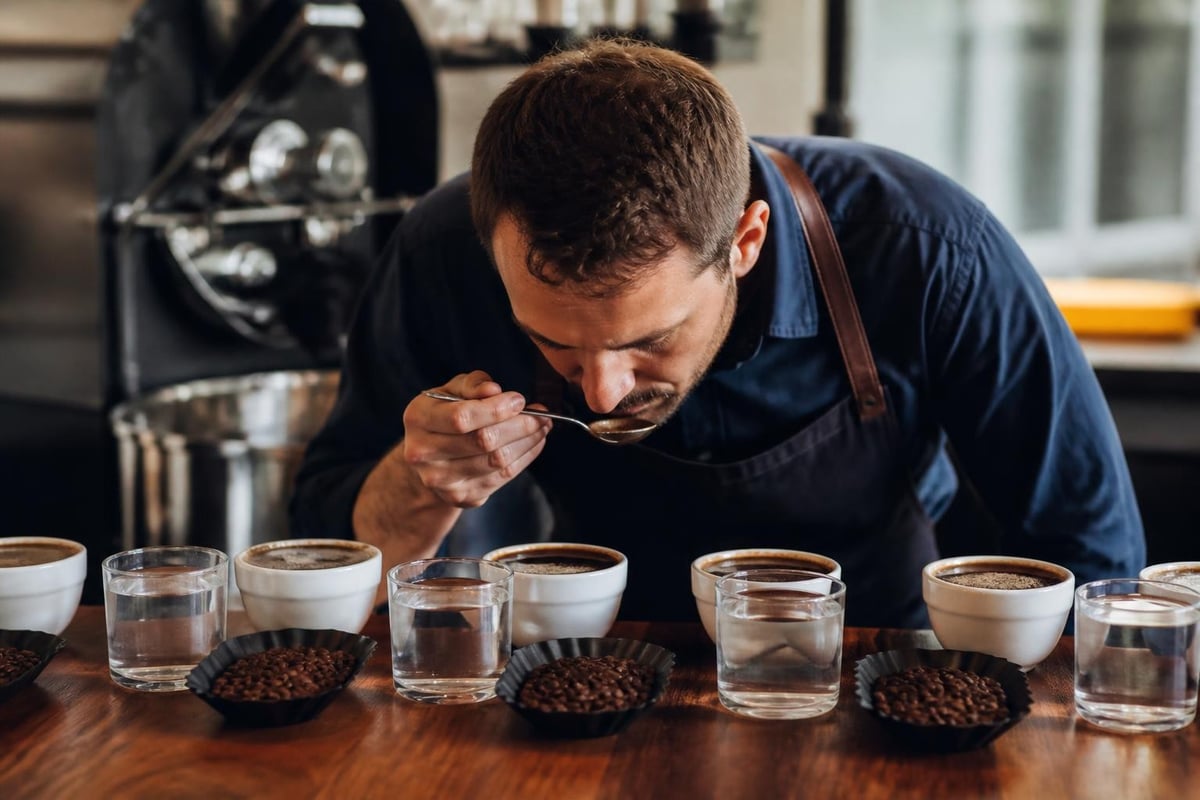
The term "gourmet" gets tossed around liberally in the coffee world, but it carries specific meaning. Top rated gourmet coffee starts at the source: single-origin beans grown at high altitudes, harvested at peak ripeness, and processed with meticulous care. These aren't commodity-grade beans picked by machine and shipped in bulk. They're specialty-grade, scoring 80 points or higher on the Specialty Coffee Association's standardized cupping scale.
The Grading System Behind Excellence
Think of coffee grading like wine ratings. Specialty coffee undergoes rigorous evaluation by certified Q Graders who assess everything from aroma to aftertaste. The beans arrive green, each one inspected for defects. A batch destined for gourmet status shows minimal imperfections: no quakers, no insect damage, uniform size and color.
Key grading criteria include:
- Fragrance and aroma complexity
- Flavor clarity and balance
- Acidity brightness and quality
- Body weight and texture
- Sweetness and finish length
- Overall harmony and uniqueness
The difference between an 82-point coffee and an 86-point coffee might seem marginal on paper, but in the cup, it's the difference between pleasant and extraordinary. That's what separates good from gourmet.
Origin Stories: Where Top Rated Coffees Begin
Geography writes the first chapter of every gourmet coffee's story. The terroir, that intricate dance of soil composition, altitude, climate, and processing method, creates flavor signatures you can't replicate elsewhere.
Ethiopia's high-altitude regions produce coffees with wild blueberry notes and floral jasmine tones. Colombia's volcanic soils yield balanced cups with caramel sweetness and bright citrus. Burundi's microlot farms craft delicate coffees bursting with stone fruit. Each origin carries its fingerprint.
| Origin Region | Typical Elevation | Signature Flavors | Processing Method |
|---|---|---|---|
| Sidama, Ethiopia | 1,700-2,200m | Blueberry, bergamot, floral | Washed, Natural |
| Guji, Ethiopia | 1,800-2,300m | Strawberry, stone fruit, wine-like | Natural, Honey |
| Huila, Colombia | 1,200-2,000m | Chocolate, citrus, balanced | Washed |
| Kayanza, Burundi | 1,600-2,000m | Red fruit, honey, clean | Washed |
The Human Element
Behind every top rated gourmet coffee stands a farmer who knows their land intimately. They understand which cultivar thrives on which hillside. They harvest only ripe cherries, sometimes making multiple passes through the same trees. After picking, they process beans with precision: fermenting for exactly the right hours, drying on raised beds until moisture content hits that sweet spot between preservation and flavor development.
Research from World Coffee Research shows that these agricultural practices, combined with climate-resilient varietals, create the foundation for exceptional coffee. Without this dedication at origin, no amount of skilled roasting can coax out greatness.
Flavor Profiles: Decoding Tasting Notes
Walking into a specialty coffee shop or browsing online, you'll encounter descriptions that sound more like a sommelier's tasting notes than coffee labels. "Winey with notes of blackberry and dark chocolate." "Bright acidity reminiscent of green apple with a honeyed finish." These aren't marketing fluff, they're attempts to map the sensory landscape of top rated gourmet coffee.
The coffee industry's standardized flavor lexicon helps professionals and enthusiasts communicate what they're experiencing. But here's the truth: your palate is valid, even if you taste something different from the label.
Training Your Palate
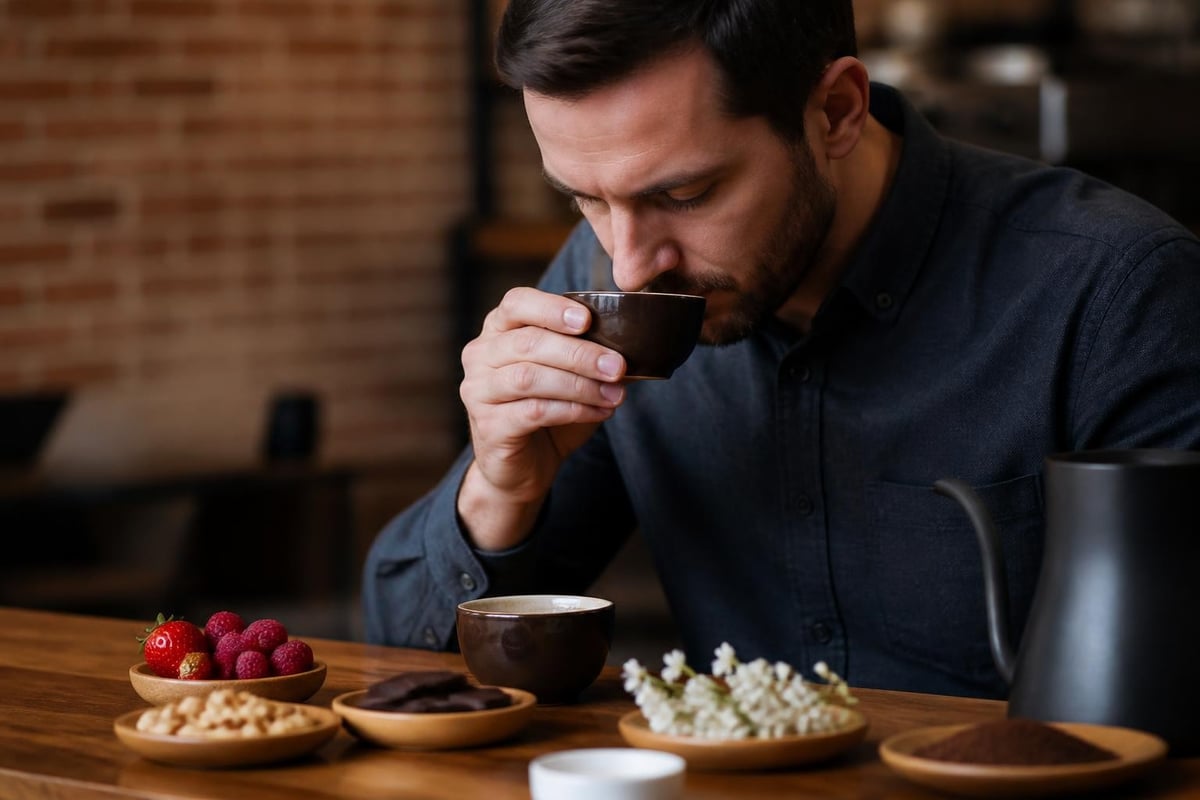
Start simple. When you brew a cup, pause before that first sip:
- Smell deeply while the coffee is hot. What comes forward? Fruity? Nutty? Floral?
- Take a small sip and let it coat your tongue. Notice the weight, the texture.
- Identify the acidity. Is it crisp like a green apple or rounded like orange?
- Find the sweetness. Brown sugar? Honey? Caramel?
- Notice the finish. What lingers after you swallow?
This ritual of attention transforms drinking into tasting. Over time, you'll develop preferences. Maybe you gravitate toward Ethiopian naturals with their explosive fruit, or perhaps Colombian washed coffees with their chocolate-and-nut balance speak to you.
Roasting: The Transformation Point
Green coffee beans hold potential, but roasting unlocks it. A skilled roaster acts as translator, coaxing origin characteristics into full expression while adding their own interpretation through development time and temperature curves.
Light roasts preserve origin character. You taste the Ethiopian hillside, the Burundian processing station. Medium roasts introduce balance, marrying origin notes with developed sweetness and body. Dark roasts bring forward roast character itself: the caramelization, the oils, the bittersweet chocolate depth.
Roast level impacts:
- Acidity (brighter in light, muted in dark)
- Body (lighter and tea-like vs. heavy and syrupy)
- Flavor complexity (origin-forward vs. roast-forward)
- Caffeine content (minimal difference despite common belief)
The best roasters for top rated gourmet coffee don't just follow a formula. They cup constantly, adjusting profiles based on each lot's unique density, moisture content, and flavor potential. Some beans sing at a light roast while others need medium development to reveal their sweetness. As premium coffee brands have demonstrated, this attention to detail separates adequate from exceptional.
Freshness: The Invisible Ingredient
Here's a hard truth: even the most exquisite beans in the world degrade quickly after roasting. Coffee's peak flavor window is measured in weeks, not months. Those "best by" dates on mass-market bags? They're conservative at best, misleading at worst.
The Oxidation Challenge
Once roasted, coffee begins releasing carbon dioxide while simultaneously absorbing oxygen. This gas exchange is part of "degassing," which is why freshly roasted beans shouldn't be sealed immediately. But after that initial period, oxygen becomes the enemy, stripping away delicate aromatics and turning oils rancid.
Ground coffee accelerates this decline exponentially. Breaking beans into thousands of particles multiplies surface area exposed to air. What might stay fresh as whole beans for three weeks lasts mere days once ground.
Smart coffee lovers buy whole beans and grind just before brewing. But innovation has brought another solution: nitrogen flushing. By replacing oxygen with inert nitrogen gas immediately after grinding, specialty roasters can lock in freshness. The ground coffee stays vibrant, protected from oxidation until you're ready to brew.
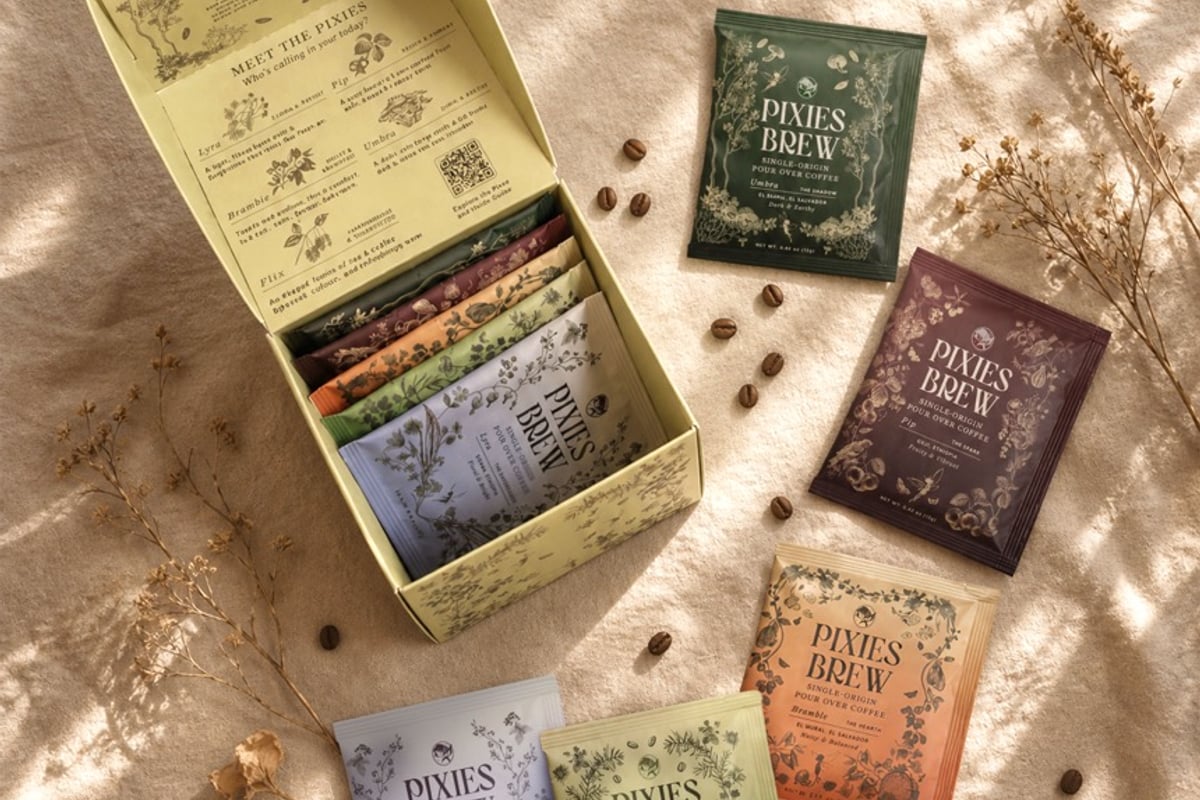
For coffee enthusiasts seeking convenience without compromise, this technology means you can enjoy top rated gourmet coffee ground to optimal consistency without sacrificing the aromatics that make specialty coffee special. Pixies Brew has embraced this approach, delivering nitrogen-flushed sachets that preserve the delicate notes of their specialty-grade blends from roast to cup.
Brewing Methods: Honoring the Bean
The final variable in your gourmet coffee experience is extraction. You've sourced exceptional beans, stored them properly, and ground them fresh. Now the brewing method determines whether those carefully preserved qualities shine or fall flat.
Pour Over Precision
Pour over brewing offers unparalleled control and clarity. The slow, deliberate pour allows water to extract flavors evenly, highlighting the subtle notes that make gourmet coffee worth the investment. The method suits lighter roasts especially well, letting fruity and floral characteristics sparkle without muddiness.
Pour over advantages:
- Clean cup clarity
- Highlights delicate flavors
- Repeatable results with proper technique
- Minimal equipment needed
The process becomes meditative. Bloom the grounds, watch them bubble as CO2 releases, then pour in slow spirals. The ritual itself creates space for presence, transforming caffeine delivery into a mindful practice. Pixies Brew's approach embraces this philosophy, recognizing that coffee offers more than energy: it offers pause.
Immersion and Pressure Methods
French press, AeroPress, and espresso each bring different strengths. French press creates heavy-bodied cups with oils intact. AeroPress combines immersion with gentle pressure for versatility. Espresso concentrates flavors into intense, syrupy shots that form the base of countless café favorites.
The "best" method depends on what you're seeking in that moment. A quiet morning might call for the contemplative pace of pour over. A rushed weekday might need the speed of an AeroPress. There's no wrong answer when you're starting with top rated gourmet coffee.
Reading Labels and Making Smart Choices
Standing in front of a coffee display or scrolling through online offerings, how do you identify genuinely exceptional coffee among the pretenders?
What to Look For
Essential information on gourmet coffee packaging:
- Roast date (not just "best by"): Look for coffee roasted within the past two weeks
- Origin specificity: "Ethiopia" is vague; "Sidama, Nansebo Region, Bombe Mountain" shows traceability
- Processing method: Washed, natural, honey, or experimental
- Tasting notes: Specific flavors indicate professional cupping
- Altitude/elevation: Higher generally means denser beans and more complexity
- Roaster information: Small-batch roasters often provide more detail
Vague descriptors like "premium blend" or "mountain grown" without specifics should raise questions. The specialty coffee movement prizes transparency. When roasters are proud of their sourcing and process, they share details freely.
According to Consumer Reports' coffee buying guide, understanding these label elements helps consumers make informed choices aligned with their taste preferences and values.
| Label Element | Good Sign | Red Flag |
|---|---|---|
| Roast Date | Specific date visible | Only "best by" date or no date |
| Origin | Farm or cooperative name | Just country name or "blend" |
| Certifications | Fair Trade, Organic, Rainforest Alliance | None mentioned, unclear sourcing |
| Tasting Notes | Specific (blueberry, caramel) | Vague (smooth, rich) |
| Roaster Story | Personal mission, direct relationships | Corporate marketing speak |
Price and Value: What You're Really Paying For
Top rated gourmet coffee costs more than supermarket brands. Sometimes significantly more. Understanding this price difference helps you appreciate the value and make intentional choices.
The Economics of Specialty
Commodity coffee trades on the C-market, where prices fluctuate based on supply and demand across millions of pounds. Farmers receive rock-bottom rates, often below production costs. This economic pressure incentivizes quantity over quality, mechanical harvesting over selective picking, and standardization over uniqueness.
Specialty coffee operates outside this system. Importers establish direct relationships with farmers and cooperatives, paying premiums for exceptional quality. These relationships often span years, with both parties invested in continuous improvement. The farmer receives fair compensation that makes quality cultivation sustainable. The roaster receives traceable, consistent excellence.
You're not just paying for the coffee itself. You're supporting:
- Sustainable farming practices
- Fair wages for coffee pickers
- Investment in processing infrastructure
- Environmental stewardship
- Community development at origin
A $16 bag of specialty coffee vs. a $6 commodity bag represents fundamentally different supply chains. One extracts value from farmers; the other shares it equitably.
Creating Your Ritual
The real magic of top rated gourmet coffee isn't in the cupping scores or origin stories, though those matter. It's in how coffee creates space in your day. The ritual of preparation, the aroma that fills your kitchen, the warmth between your palms, the first sip that signals transition from sleep to wakefulness.
Building Intentional Moments
Modern life compresses time. We multitask through meals, answer emails during conversations, and scroll while supposedly relaxing. Coffee ritual offers resistance to this compression. It demands attention: measure, heat, pour, wait, taste.
Start with the sensory details. Feel the weight of the bag as you open it, releasing that first rush of aroma. Listen to the kettle as water approaches the perfect temperature. Watch grounds bloom as hot water first touches them. Taste each sip deliberately, letting flavor evolve from hot to warm to the final drops.
This practice of presence doesn't require special equipment or expensive beans, though both can enhance the experience. It requires only willingness to slow down, to let coffee be more than fuel. When you choose top rated gourmet coffee for these moments, you're amplifying the sensory richness available to you.
Visit the Pixies Brew FAQ to learn more about building your own coffee ritual with their whimsically-crafted sachets designed for anywhere you need a moment back to yourself.
Storing Your Investment
Proper storage protects your investment in top rated gourmet coffee. The enemies are oxygen, light, heat, and moisture. Each degrades coffee's delicate compounds, stripping away the very qualities you paid to experience.
Storage best practices:
- Keep beans in their original bag with one-way valve, or transfer to an opaque, airtight container
- Store in a cool, dark place (not above the stove or in direct sunlight)
- Don't refrigerate or freeze, as temperature fluctuations create condensation
- Buy quantities you'll consume within 2-3 weeks of roasting
- Grind only what you need for immediate brewing
If you're traveling or need portable options, look for individually sealed portions with nitrogen flushing. These maintain freshness without requiring you to carry bags and grinders everywhere. It's the difference between sacrificing quality for convenience and having both.
Frequently Asked Questions
What exactly qualifies coffee as "gourmet"? Gourmet coffee typically refers to specialty-grade beans scoring 80+ points on the SCA cupping scale, sourced from specific origins, and roasted in small batches to highlight unique flavor characteristics rather than standardized commodity coffee.
How long does gourmet coffee stay fresh? Whole bean coffee reaches peak flavor 3-14 days after roasting and maintains quality for 2-4 weeks when properly stored. Ground coffee degrades within days unless nitrogen-flushed and sealed.
Is expensive coffee always better? Price correlates with quality factors like sourcing, processing, and small-batch roasting, but "better" is subjective. A well-sourced $15 bag will outperform a $6 commodity bag in complexity and traceability, but personal taste preferences matter most.
Should I buy single-origin or blends? Single-origin coffees showcase unique regional characteristics, perfect for exploring flavor diversity. Blends balance different origins for consistency and complexity. Both have merit depending on your mood and preferences.
Does darker roast mean stronger coffee? Darker roasts taste bolder due to caramelization and roast development, but actually contain slightly less caffeine than lighter roasts. "Strength" depends more on brewing ratio than roast level.
Exploring Flavor Through Variety
One joy of top rated gourmet coffee is the sheer diversity available. Unlike commodity coffee engineered for consistency, specialty coffee celebrates variation. Each harvest brings subtle differences. Microclimates within the same farm produce distinct profiles. Processing experiments yield unexpected delights.
This variety invites exploration. Maybe you start with a classic Ethiopian washed coffee, all jasmine and citrus brightness. Next month, try a Burundi natural with wild strawberry notes. Follow that with a Colombian honey process balancing fruit and chocolate. Each cup expands your palate map.
Seasonality plays a role too. Coffee harvests happen at different times worldwide, meaning fresh crops arrive throughout the year. Spring might bring new East African coffees. Fall ushers in Central American harvests. Winter features Indonesian and South American arrivals. Following these seasons connects you to the global coffee calendar, adding another layer of intention to your ritual.
For those new to specialty coffee, a discovery set offers the perfect starting point. The Pixies Brew Discovery Set brings together five different specialty-grade blends, each representing distinct flavor profiles and origins. It's a curated journey through gourmet coffee's diversity, delivered in convenient sachets that preserve freshness from roast to cup. You taste, compare, and discover which expressions resonate most with your palate.
The Community Dimension
Coffee culture extends beyond the cup itself. It's farmers sharing techniques at cooperatives. Roasters exchanging knowledge at industry events. Enthusiasts gathering at cafes to discuss new discoveries. Online communities debating brew ratios and grinder settings.
This interconnected web transforms coffee from solitary consumption into shared passion. When you choose specialty coffee, you join this community. Your purchase supports the farmer's next harvest. Your curiosity drives roasters to seek out exceptional lots. Your ritual inspires others to slow down and taste deliberately.
Local coffee shops become gathering places where people bond over mutual appreciation for craft. Contact specialty roasters to learn their sourcing stories, request brewing tips, or discuss upcoming releases. Most are thrilled to share their passion with curious customers.
The community aspect also means access to collective knowledge. Someone has already solved the brewing challenge you're facing. Someone has tasted that coffee you're curious about. Forums, social media groups, and local tastings provide spaces to learn, share, and grow together.
Choosing top rated gourmet coffee transforms your daily ritual from routine into ceremony, from caffeine delivery into sensory exploration. Every element matters: origin, processing, roasting, freshness, brewing, and most importantly, your presence in the moment. If you're ready to discover how specialty coffee can create space for pause and reflection in your day, Pixies Brew offers whimsically-crafted sachets that deliver exceptional flavor wherever your morning takes you, no equipment needed beyond hot water and intention.
