


Best Camping Coffee Maker: Ritual Meets the Trail
The best camping coffee maker is one that honors your morning ritual without weighing down your pack. For most campers who value quality over convenience, a lightweight pour-over system delivers exceptional flavor with minimal gear, while backpackers seeking versatility might prefer an AeroPress, and car campers can indulge in percolators or French presses. Your ideal choice depends on pack weight, brewing style, and how sacred that first sip feels when you're miles from the nearest café.
I learned this truth on a rainy morning in the Cascade Range, watching my trail partner struggle with instant crystals while I unfolded a collapsible dripper and single-serve sachet. The difference wasn't just taste. It was the pause, the steam rising into cold air, the deliberate act of creating something beautiful when everything else felt chaotic.
What Makes a Camping Coffee Maker Worth Carrying
Weight matters, but not as much as you think. The real question is whether your brewing method adds ritual or just caffeine to your morning.
The three pillars of outdoor coffee excellence:
- Pack weight and footprint (every ounce counts on long trails)
- Brew quality (flavor shouldn't suffer because you're sleeping in a tent)
- Durability and simplicity (fewer moving parts mean fewer failures)
A truly great camping coffee maker transforms the mundane task of waking up into an intentional moment. It asks you to slow down, even when you're eager to hit the trail. OutdoorGearLab's detailed analysis of various systems confirms what seasoned campers know intuitively: the best tool is the one you'll actually use every morning, not the one that promises the most features.
The Sensory Reality of Outdoor Brewing
Cold fingers wrapping around a warm mug. The hiss of water just off boil. The earthy scent mingling with pine and morning dew. These sensations define camping coffee culture more than any gear specification.
When you brew outdoors, you taste more than just coffee. You taste the elevation, the morning temperature, the quality of your water source. A pour-over ritual heightens all of this, forcing attention to bloom time and pour technique even when you're still groggy from sleeping on the ground.
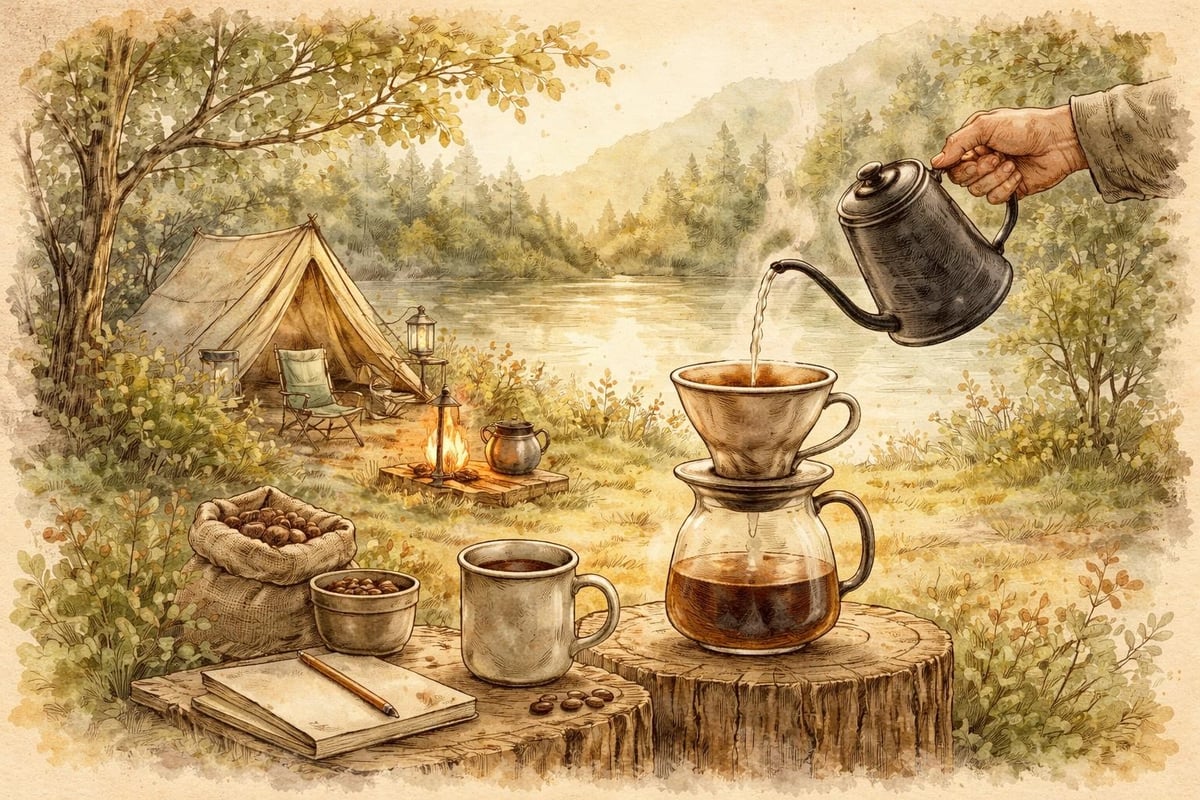
Top Camping Coffee Maker Categories and Their Trade-Offs
Different adventures demand different tools. Here's how the main categories stack up for those who refuse to compromise on their morning cup.
Pour-Over Systems: Lightweight Ritual
Collapsible silicone drippers weigh almost nothing and pack flat. They're the choice of ultralight hikers who understand that good coffee doesn't require heavy equipment.
| Feature | Benefit | Consideration |
|---|---|---|
| Weight | 1-3 oz | Requires filters or reusable mesh |
| Pack size | Folds nearly flat | Needs steady hand for pouring |
| Brew quality | Exceptional clarity | Water temperature control matters |
The Stanley Perfect Brew system takes this concept further, combining durability with traditional pour-over principles. Tom's Guide's review highlights how well-built tools can withstand years of outdoor use while maintaining precise extraction.
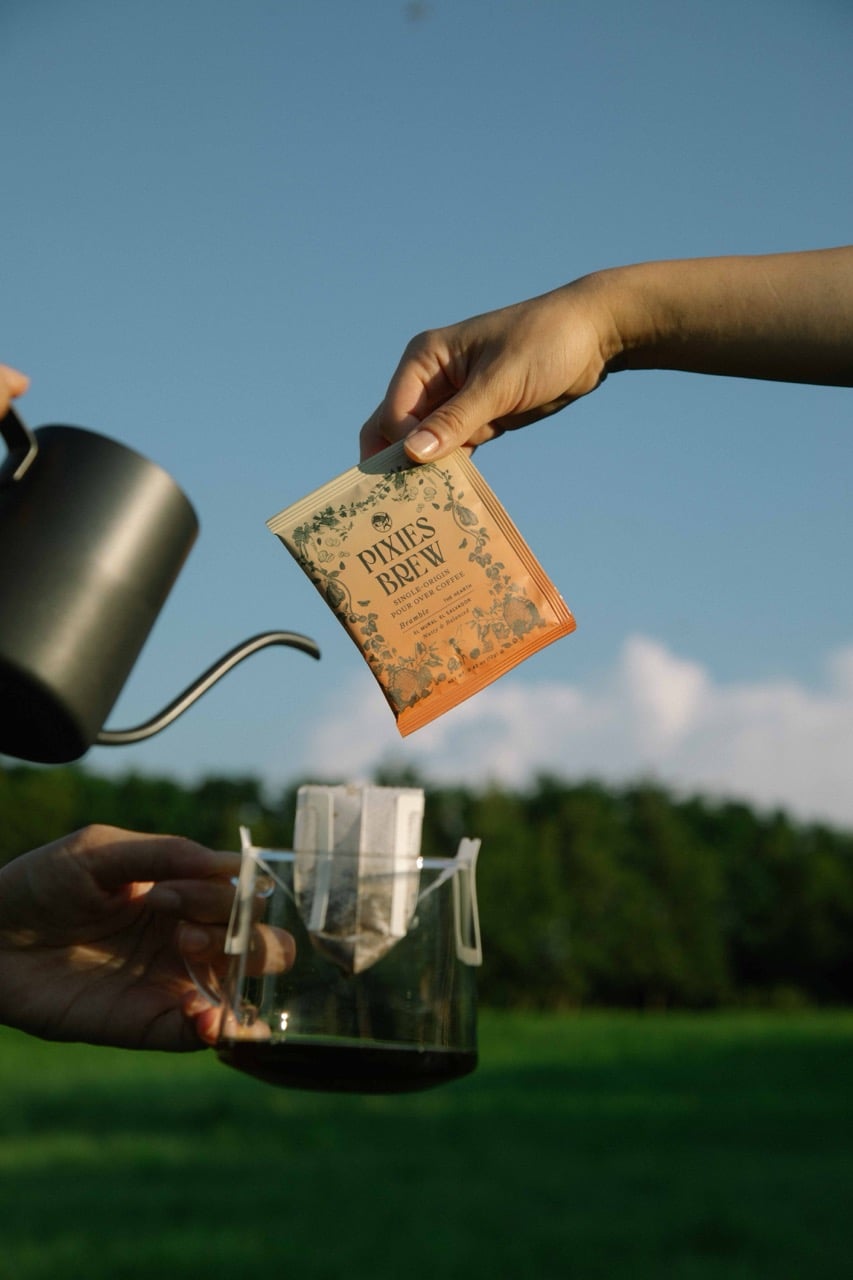
For those drawn to the artistry of pour-over, pre-portioned sachets eliminate the need to measure grounds in windy conditions. You're already carrying water and a heat source. Adding a lightweight dripper and coffee in packs means exceptional coffee without complicated gear.
AeroPress: The Versatile Workhorse
This plastic cylinder has achieved cult status among outdoor enthusiasts for good reason. It's nearly indestructible, brews multiple styles, and weighs just eight ounces.
The AeroPress shines in versatility. Adjust your technique for espresso-style concentration or clean Americano-style coffee. Invert it for longer steeping. Add cold water for overnight brewing. Ideal Home's comparison of different AeroPress models shows how the original design has evolved with color options and slight refinements, while TechRadar discusses the premium versions that appeal to design-conscious campers.
Why backpackers love the AeroPress:
- Makes concentrated coffee quickly
- Easy cleanup (press grounds into fire or pack out)
- No paper filters required with metal filter accessory
- Doubles as a wine aerator (trail magic for special occasions)
The downside? It's bulky compared to a flat dripper, and you can only brew one cup at a time. Groups of campers will wait their turn or bring multiple units.
French Press: For the Car Camping Purist
When weight isn't a constraint, few methods rival the French press for full-bodied richness. The immersion brewing extracts oils and fine particles that paper filters remove, creating a heavier mouthfeel that feels indulgent on cool mornings.
GSI Outdoors and Stanley both make expedition-worthy versions with insulated carafes. These aren't for backpacking, but they excel at basecamps and car camping where you can justify the extra pounds for superior coffee.
The brewing process itself becomes meditative. Coarse grounds steep for four minutes while you watch sunrise color the landscape. The slow press creates anticipation. Then that first sip, thick and warming, rewards your patience.
Matching Brew Method to Adventure Style
Your camping style should drive your coffee maker choice, not the other way around.
Ultralight Backpacking
Every item must justify its weight. Here, a collapsible dripper with pre-measured sachets wins every time.
The math: A silicone dripper (2 oz) plus ten coffee sachets (3 oz) totals five ounces for exceptional coffee across a weekend trip. Compare that to instant packets (less flavor, similar weight) or an AeroPress (more weight, more versatility).
This is where Pixies Brew Variety Box: The Discovery Set becomes brilliant for backcountry trips. Each sachet delivers carefully crafted coffee without measuring, grinding, or carrying bulky equipment. The flavors-from bright and citrusy to deep and chocolatey-add variety to a menu that can grow monotonous after days on trail.
Weekend Car Camping
With a vehicle nearby, prioritize quality and capacity over weight. A 32-ounce French press serves a group, while a pour-over setup lets you brew individually crafted cups for friends with different preferences.
Bring a dedicated kettle with a gooseneck spout for precise pouring. Pack whole beans and a hand grinder. Transform your campsite into a temporary brew guide workshop where the process matters as much as the result.
Alpine and Cold Weather Camping
Cold affects everything. Water boils at lower temperatures at elevation. Your hands won't have the dexterity for complicated processes. Metal parts can freeze.
Choose simple, robust methods. The AeroPress handles cold brilliantly because you control every variable. Pour-over systems work if you keep them warm between brews. Avoid French presses with glass components that can crack.
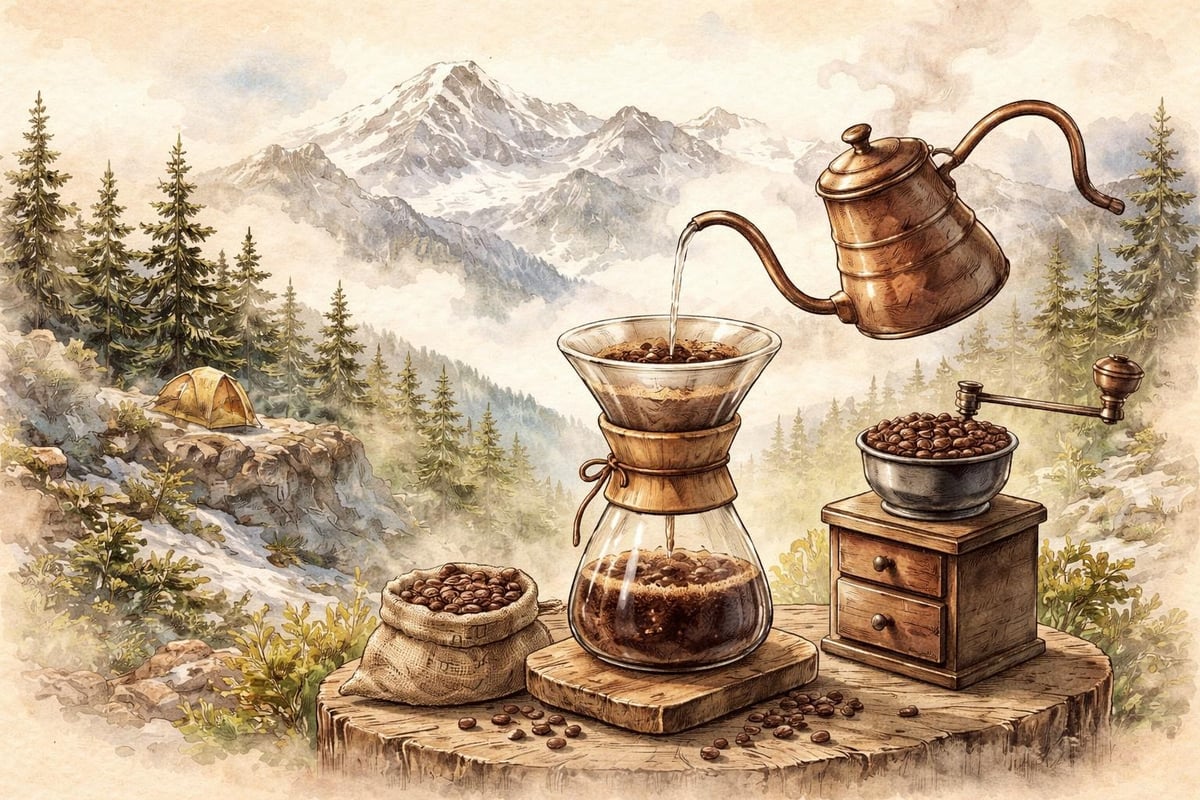
Essential Brewing Gear Beyond the Maker
The best camping coffee maker still needs supporting equipment to shine.
Water and Heat Sources
Your water quality directly impacts flavor. Mountain streams taste different than desert springs. Carry extra water specifically for coffee if local sources taste mineralized or stagnant.
Heat source options ranked by efficiency:
- Integrated canister stoves (fast boil, precise control)
- White gas stoves (reliable in extreme cold)
- Wood-burning camp stoves (no fuel to carry, slower heating)
- Campfire kettle (traditional, variable heat)
A thermometer takes the guesswork out of water temperature. Ideal brewing happens between 195-205°F, and visual cues like steam patterns become unreliable at different elevations.
Storage and Preparation
Pre-grinding beans at home seems convenient but sacrifices freshness. A lightweight hand grinder adds ritual and ensures peak flavor. Alternatively, sealed single-serve sachets maintain freshness without grinding equipment.
Store coffee in waterproof containers. Nothing ruins a trip faster than discovering your grounds absorbed humidity or worse, got soaked in a creek crossing.
Brewing Techniques That Elevate Camping Coffee
Equipment matters less than technique once you've chosen quality tools.
The Perfect Outdoor Pour-Over
- Boil more water than needed (some will cool during setup)
- Rinse your filter with hot water (removes paper taste, preheats the brewer)
- Add grounds and create a small well in the center
- Bloom with just enough water to saturate (30 seconds)
- Pour in slow, concentric circles (total brew time: 2.5-3 minutes)
Watch how the grounds expand during bloom. Smell the release of aromatics. Notice how the coffee darkens as extraction progresses. This attention to detail transforms routine into ceremony.
Making Peace with Morning Chaos
Real camping isn't always serene. Sometimes you're brewing in wind, rain, or with numb fingers. The best camping coffee maker accommodates imperfection.
Keep a backup instant option for emergency mornings when weather or time won't cooperate. But most days, even a slightly rushed ritual beats no ritual at all. That's the gift of pour-over methods-they force you to slow down just enough.
What Experienced Campers Actually Use
I've asked dozens of fellow outdoor enthusiasts about their coffee setups. The answers reveal interesting patterns.
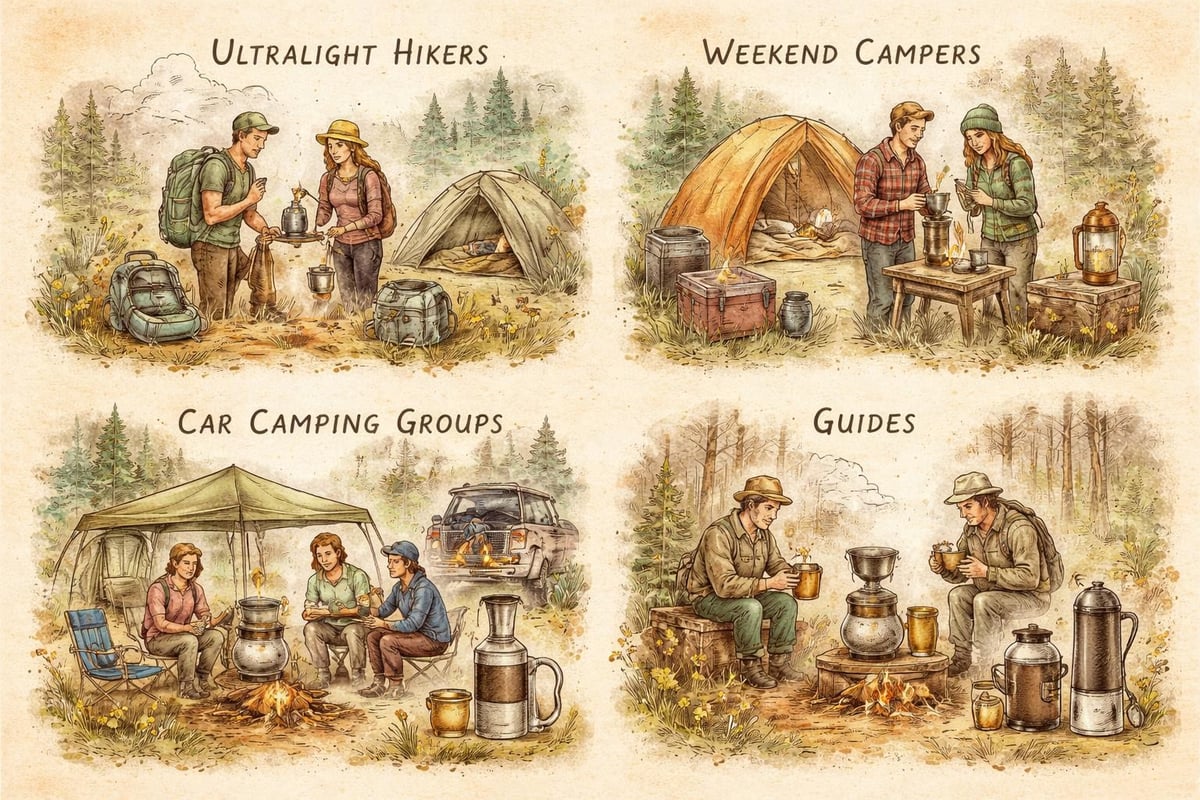
Most common among long-distance hikers: Collapsible dripper with pre-measured coffee (weight obsession wins)
Preferred by weekend warriors: AeroPress (versatility for different camping styles)
Car camper favorite: Large French press or percolator (comfort and capacity)
Professional guides' choice: Pour-over system (reliable, easy to demonstrate, scales for groups)
Esquire's selection of top camping coffee makers aligns with these real-world preferences, highlighting tools that balance portability with genuine brewing quality.
The through-hikers I've met on long trails carry surprisingly light coffee setups. They've learned that quality coffee doesn't require complicated equipment. A simple dripper, good beans or sachets, and attention to process deliver satisfaction that heavy gear can't match.
Common Mistakes and How to Avoid Them
Even experienced campers sometimes brew mediocre coffee. Here's what goes wrong.
Using Water That's Too Hot or Too Cold
Without a thermometer, people guess. Boiling water scorches grounds. Lukewarm water under-extracts. Both waste good coffee.
The visual trick: After boiling, wait 30-45 seconds at sea level. Look for steam that rises steadily but isn't violently billowing. At altitude, reduce waiting time.
Wrong Grind Size for Method
French press demands coarse grounds. Pour-over works best with medium. Too fine creates bitter, over-extracted coffee and clogs filters.
If you're grinding at camp, adjust your grinder until grounds resemble sea salt (pour-over) or breadcrumbs (French press). Pre-ground coffee should specify the brewing method.
Ignoring the Bloom
That initial pour isn't optional. It releases CO2 trapped in freshly roasted beans, allowing better extraction. Skip it and you'll taste the difference-flatness where complexity should live.
Pour just enough water to saturate all grounds. Watch them expand and bubble. Count to thirty. Then continue with your brewing process.
Quick Comparison of Top Options
| Maker Type | Weight | Pack Size | Brew Time | Cups/Batch | Best For |
|---|---|---|---|---|---|
| Collapsible Dripper | 1-3 oz | Flat | 3 min | 1-2 | Ultralight backpacking |
| AeroPress | 8 oz | Cylinder | 1.5 min | 1 | Versatile camping |
| French Press | 12-20 oz | Bulky | 4 min | 2-8 | Car camping groups |
| Percolator | 16-32 oz | Large | 10 min | 4-12 | Basecamp/RV |
| Moka Pot | 10-14 oz | Compact | 5 min | 2-6 | Car camping, stovetop |
Maintaining Your Camping Coffee Gear
Quality equipment deserves care, even in the backcountry.
Daily Cleaning on Trail
Rinse immediately after use. Coffee oils turn rancid quickly in warm weather. If water is scarce, wipe with a bandana and do a thorough cleaning when you reach a water source.
For AeroPress users, the plunger push expels most residue. A quick rinse handles the rest. Silicone drippers shake clean or wipe easily.
Deep Cleaning Between Trips
Residual oils affect flavor over time. At home, soak metal parts in diluted vinegar or coffee-specific cleaners. Silicone components tolerate dishwashers. Replace paper filters that got damp during storage.
Check for cracks, loose seals, and worn components. A failed coffee maker miles from civilization ranks among camping's special disappointments.
Frequently Asked Questions
What's the lightest way to make good camping coffee?
A collapsible silicone pour-over dripper paired with pre-measured coffee sachets weighs under five ounces total and delivers excellent results. This combination eliminates measuring equipment and heavy containers.
Can you use regular ground coffee for camping?
Yes, but grind size matters for your brewing method. Medium grind works for most pour-over systems. Store pre-ground coffee in airtight, waterproof containers to maintain freshness and prevent moisture damage.
How do you make coffee camping without a coffee maker?
The cowboy method works in a pinch: add coarse grounds directly to boiling water, let steep three minutes, then add a splash of cold water to settle grounds before carefully pouring. It's rustic but effective.
Is instant coffee better for backpacking?
Instant coffee weighs less and requires no brewing equipment, but the flavor gap is significant. Lightweight pour-over systems with quality coffee weigh only slightly more while delivering vastly better taste.
What's the most durable camping coffee maker?
Stainless steel pour-over cones and quality percolators last decades. The AeroPress, despite being plastic, has proven remarkably durable through thousands of camping trips and rarely breaks under normal use.
The best camping coffee maker bridges the gap between convenience and craft, bringing intentional ritual to your outdoor mornings. Whether you choose a featherweight pour-over system, a versatile AeroPress, or a traditional French press, your ideal setup honors both the practical demands of the trail and your refusal to compromise on what matters. When you're ready to elevate your camping coffee experience with thoughtfully crafted, single-serve sachets that transform any brewing method into a moment of pause and reflection, explore what Pixies Brew has cultivated-delicate packets designed for those who understand that great coffee is never just about caffeine.
