


Best Camping Coffee Pot: Grove-Tested Brewing Gear
The best camping coffee pot isn't always the heaviest or most expensive option on the gear shelf. After countless mornings watching steam rise from mugs in alpine meadows and desert valleys, I've learned that the right brewer balances weight, durability, and the quality of coffee it produces. Whether you're backpacking through the Cascades or car camping in Joshua Tree, your morning ritual deserves more than bitter, over-extracted sludge.
The magic happens when you find a pot that suits your brewing style and your adventure. Some campers swear by the nostalgic gurgle of a percolator over open flames, while others prefer the precision of a compact pour-over system tucked into their pack alongside trail mix and topographical maps.
What Makes a Coffee Pot Great for Camping
A truly excellent camping coffee pot needs to earn its place in your pack. Weight matters when you're counting ounces, but so does the integrity of the brew. The best options combine thoughtful design with materials that can handle temperature swings, accidental drops onto granite, and the occasional soot stain from an enthusiastic campfire.
Durability and Material Construction
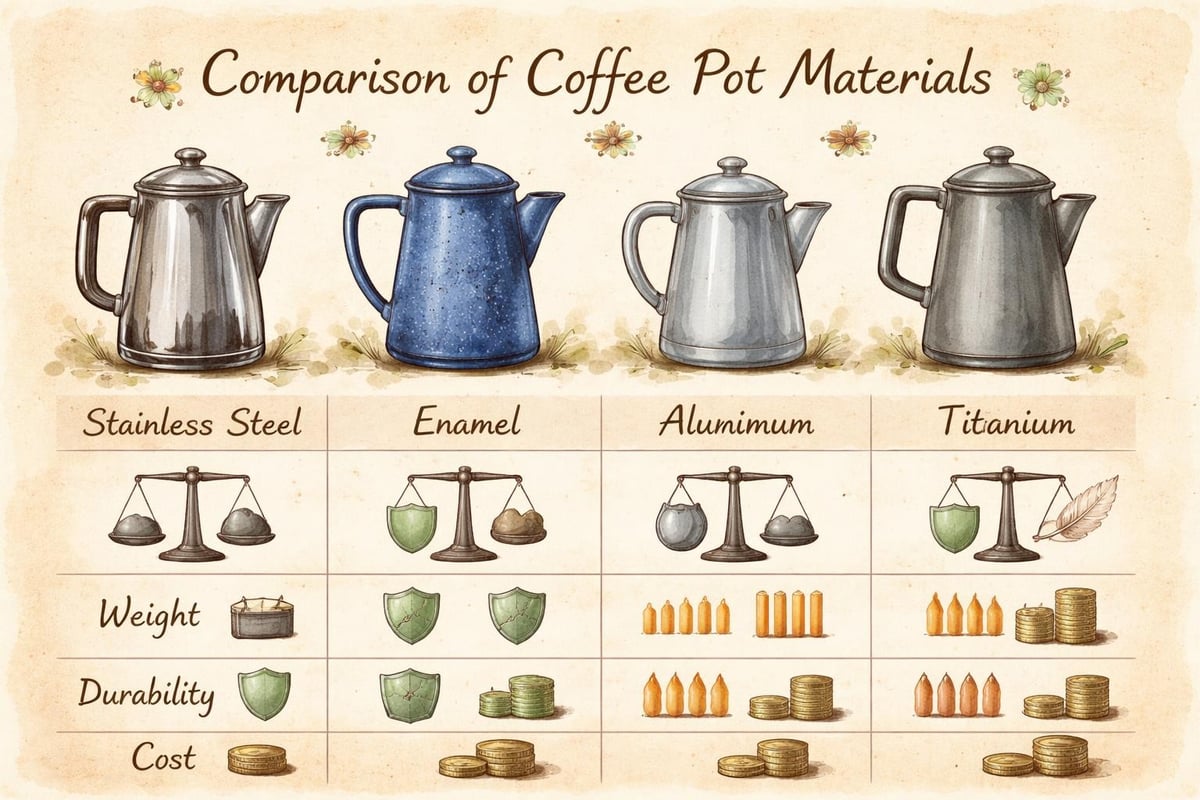
Stainless steel dominates the backcountry for good reason. It withstands direct heat, resists denting better than aluminum, and doesn't impart metallic flavors into your morning cup. Enamel-coated steel offers vintage charm and easy cleaning, though the coating can chip after years of hard use.
Aluminum keeps pack weight minimal but conducts heat so aggressively that you'll need careful flame management to avoid scorching your grounds. Titanium sits at the premium end, offering remarkable strength-to-weight ratios that ultralight enthusiasts worship, but it comes with a price tag that makes most casual campers wince.
Key material considerations:
- Stainless steel: Best balance of durability and heat distribution
- Enamel-coated steel: Aesthetic appeal with moderate durability
- Aluminum: Lightweight but requires careful temperature control
- Titanium: Premium choice for weight-conscious backpackers
Types of Camping Coffee Pots Worth Your Trail Time
The coffee brewing landscape has expanded far beyond the classic percolator. Each style brings its own rhythm to the morning ritual, from the patient waiting of a French press to the hands-on engagement of pour-over brewing.
Percolators: The Classic Campfire Choice
The percolator remains iconic for a reason. That rhythmic bubbling sound becomes part of the wilderness soundtrack, a liquid metronome marking time as dawn light filters through pine needles. Outdoor Life's tested percolators showcase models that have evolved beyond your grandparents' version, with improved basket designs that reduce over-extraction.
Modern percolators cycle water through grounds repeatedly, building strength with each pass. This method produces bold, hot coffee that cuts through morning cold, though purists argue the recirculation can lead to bitterness if you're not watching the time.
Pour-Over Systems: Precision in the Wild
Pour-over brewing brings intentionality to outdoor mornings. Collapsible silicone drippers, portable ceramic cones, and titanium stands let you control every variable, from water temperature to pour rate. This method demands your presence, which is precisely the point.
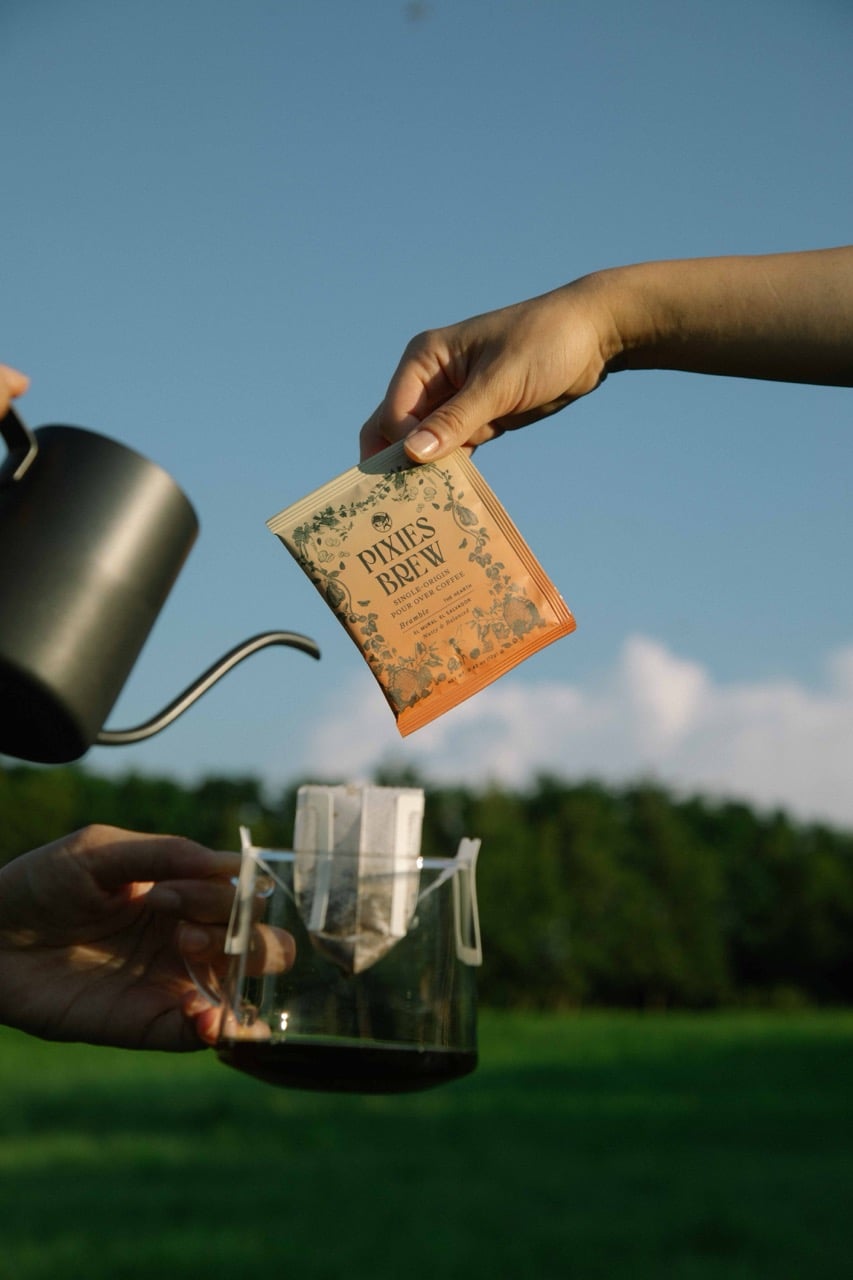
The ritual of pour-over pairs beautifully with specialty coffee sachets designed for outdoor use. Instead of measuring grounds with numbed fingers at dawn, pre-portioned sachets deliver consistency whether you're brewing at sea level or 10,000 feet.
When you're looking to simplify your gear load without sacrificing quality, the Pixies Brew Variety Box: The Discovery Set offers an elegant solution. These single-serve pour-over sachets eliminate the need to pack separate grinders, filters, and bulk coffee bags, while delivering flavors that range from bright and citrusy to deep and chocolatey.
French Press: Immersion Brewing Simplified
French press camping models typically feature stainless steel construction instead of glass, making them trail-worthy without the fragility. The immersion method extracts oils that paper filters would capture, resulting in fuller-bodied coffee with more texture on your palate.
| Brew Method | Weight | Brew Time | Cleanup Ease | Coffee Character |
|---|---|---|---|---|
| Percolator | Heavy | 5-10 min | Moderate | Bold, strong |
| Pour-Over | Light | 3-4 min | Easy | Clean, nuanced |
| French Press | Moderate | 4-5 min | Moderate | Full-bodied, rich |
| Moka Pot | Moderate | 5-7 min | Challenging | Concentrated, intense |
Moka Pot: Espresso-Style in the Backcountry
The Moka pot produces concentrated coffee through pressurized brewing, creating something closer to espresso than drip coffee. It requires steady heat control, making it better suited for camp stoves than unpredictable campfire coals. The resulting brew is intense, aromatic, and satisfying when you need a serious caffeine boost before tackling a challenging summit.
Choosing the Right Size for Your Camp
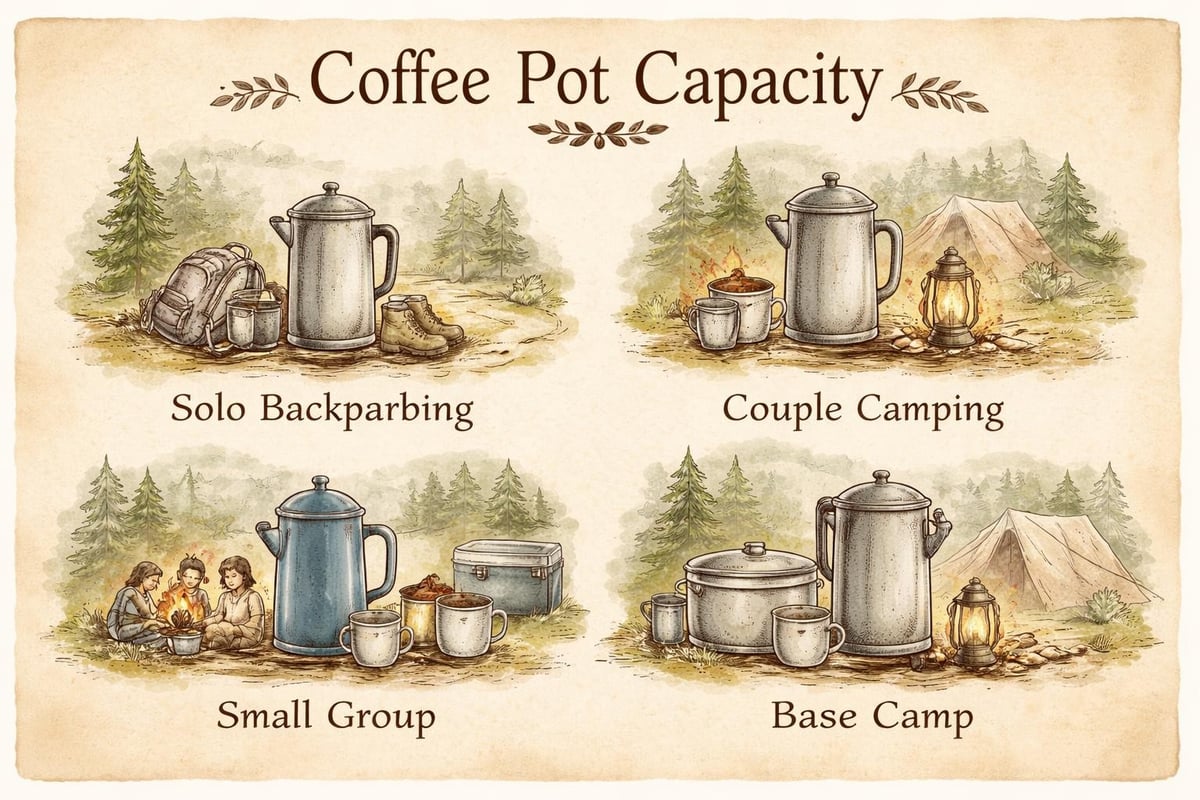
Capacity planning matters when you're feeding multiple coffee enthusiasts from one pot. Solo backpackers can thrive with a single-cup pour-over system, while group camping trips might justify hauling a 12-cup percolator that becomes the social center of camp.
Capacity guidelines:
- Solo adventures: 1-2 cup capacity keeps weight minimal
- Couples camping: 3-4 cup pots offer flexibility for second rounds
- Small groups: 6-8 cup models serve 3-4 people comfortably
- Base camp or car camping: 9-12 cup percolators handle larger crews
Consider whether you're a "one perfect cup" person or a "bottomless mug until noon" camper. I've watched friends bring massive percolators for weekend trips, only to realize they're re-brewing every 45 minutes because everyone wants fresh coffee instead of the pot that's been sitting.
Features That Elevate Your Brewing Experience
Beyond basic functionality, certain design details transform a camping coffee pot from acceptable to exceptional. Heat-resistant handles save burned fingers when you're fumbling without proper lighting. Lids that lock securely prevent spills when you're packing up a damp campsite in pre-dawn darkness.
Heat Distribution and Temperature Control
Even heat distribution separates mediocre coffee from memorable brews. Pots with thick, multi-layered bottoms prevent hot spots that scorch grounds. If you're using a camp stove, look for bases designed to capture maximum heat from small burner rings.
Temperature control becomes more challenging at elevation. Water boils at lower temperatures as altitude increases, which affects extraction. Understanding camping coffee techniques helps you adjust your approach when you're brewing at 8,000 feet versus sea level.
Pour Spouts and Ergonomic Design
A well-designed pour spout prevents drips and allows controlled pouring even when your hands are stiff from cold. Gooseneck spouts offer precision for pour-over methods, while traditional percolator spouts prioritize flow volume over finesse.
Handle placement affects stability when you're pouring on uneven ground. Look for designs that balance well when full, with handles positioned to counterweight the pot's mass. Folding handles reduce pack volume but sometimes sacrifice ergonomic comfort.
Maintenance and Care in Field Conditions
The best camping coffee pot becomes worthless if you can't keep it clean without running water and dish soap. Stainless steel forgives you when soap and scrubbing aren't available; a simple rinse and wipe-down with a bandana keeps most models functional between proper cleanings.
Coffee oils build up over time, creating rancid flavors that overpower fresh grounds. When you return from trips, disassemble everything that comes apart and scrub with baking soda paste. Pay special attention to percolator tubes and French press screens where residue hides.
Preventing Rust and Corrosion
Even stainless steel can develop rust spots if stored damp. After cleaning, dry everything thoroughly before packing it away. I learned this lesson after storing a beloved percolator in a garage through one humid summer, only to find orange spots blooming across the interior by fall.
Maintenance checklist:
- Rinse immediately after each use, even in the field
- Disassemble removable parts for thorough cleaning
- Dry completely before storage
- Deep clean with baking soda monthly
- Check gaskets and seals for wear annually
Brewing Techniques for Different Pot Styles
Each pot type demands its own approach. Percolators need monitoring to prevent over-extraction; watching for that moment when the bubbling liquid in the glass knob shifts from pale brown to rich amber tells you when to pull it from heat. Expert camping coffee maker reviews emphasize the importance of timing across all brew methods.
Pour-over requires the slowest, most meditative approach. Heat water to just below boiling, then pour in a circular motion, starting from the center and spiraling outward. This blooms the grounds, releasing carbon dioxide and allowing proper extraction. The entire pour should take three to four minutes for optimal flavor.
French press simplicity can be deceptive. Coarse grounds prevent sludge in your cup, and a four-minute steep time balances strength with smoothness. Press the plunger slowly and steadily; rushing creates turbulence that stirs up fine particles you'll be chewing later.
Weight Considerations for Backpackers
Every ounce matters when you're carrying your home on your back. The lightest camping coffee solutions involve minimal equipment: a collapsible silicone dripper weighing less than two ounces paired with pre-ground coffee in sealed sachets. This approach aligns perfectly with the Pixies Pour Ritual philosophy of intentional, simplified brewing.
Ultralight enthusiasts sometimes brew directly into their mug using a simple mesh filter or even a clean bandana as a makeshift strainer. While this works, the coffee quality suffers compared to proper equipment. I'd rather carry an extra three ounces for a decent pour-over setup than start every mountain morning with gritty, under-extracted coffee.
Environmental Impact and Sustainable Practices
Traditional camping coffee methods generate waste, from disposable filters to grounds scattered around campsites. Metal mesh filters eliminate paper waste, though they require thorough cleaning. Coffee grounds themselves are biodegradable but should be scattered far from water sources and camps to avoid attracting wildlife and overwhelming local ecosystems.
Comparing campfire coffee pot options reveals that durability directly impacts sustainability. A well-made pot that lasts twenty years beats cycling through cheap models every season, even if the initial investment stings.
Pack out what you pack in, including spent coffee grounds when camping in fragile environments. In heavily trafficked areas, concentrated coffee waste can alter soil chemistry and affect plant growth. Carrying a small ziplock bag for used grounds takes minimal effort and protects the places we love to explore.
Budget-Friendly Options That Don't Compromise Quality
The best camping coffee pot for your needs doesn't require a trust fund. Several manufacturers produce reliable stainless steel percolators under thirty dollars that will serve you well for years. Mid-range options in the fifty to eighty dollar range often include thoughtful details like heat-resistant handles and precision pour spouts.
Premium models exceeding one hundred dollars offer marginal improvements unless you're a serious coffee geek or need extreme durability for expedition-level adventures. At that price point, you're paying for titanium construction, innovative design features, or brand prestige rather than fundamental brewing capability.
| Price Range | What You Get | Best For |
|---|---|---|
| Under $30 | Basic functionality, reliable brewing | Casual campers, beginners |
| $30-$80 | Improved materials, ergonomic features | Regular outdoor enthusiasts |
| $80-$150 | Premium construction, specialized design | Serious backpackers, coffee purists |
| Over $150 | Titanium builds, ultralight innovation | Ultralight enthusiasts, collectors |
Pairing Your Pot with Quality Coffee
The finest camping coffee pot can't save you from stale, pre-ground supermarket coffee. Fresh beans make the difference between forgettable morning fuel and a cup worth savoring while watching sunrise paint canyon walls gold and rose.
Pre-ground coffee loses aromatics within days of grinding, even in sealed bags. For weekend trips, grind beans the night before departure and store them in an airtight container. For longer adventures, consider pre-portioned sachets of specialty coffee that preserve freshness through individual packaging.
The five senses guide quality coffee selection. Look for beans with a slight sheen from natural oils, roasted recently enough that you can smell their complexity when you open the bag. Listen to the crack and rustle of properly roasted beans; they should sound crisp, not dull. Touch them gently; fresh beans have slight give without feeling soft or stale. Taste, of course, reveals everything, from bright acidity to chocolate undertones to the clean finish that lingers after each sip.
Real-World Testing: What Actually Works
I've brewed coffee in conditions ranging from humid Florida summers to frozen Wyoming winters, learning which equipment holds up and which disappoints when it matters most. The best camping coffee pot proves itself not on perfect spring mornings but when you're cold, tired, and desperate for warmth in your hands and belly.
One November backpacking trip in the Sangre de Cristos taught me the value of simple, robust design. My companion brought an elaborate titanium pour-over system with collapsible stand and precise measurements etched into the dripper. Beautiful engineering, utterly useless when his numb fingers couldn't manipulate the delicate setup at dawn with snow threatening. My basic stainless percolator, requiring nothing but heat and patience, delivered hot coffee while he struggled.
Conversely, I've carried heavy percolators on long-distance trails where every pound matters, cursing my choices by day three. The right tool depends entirely on your specific adventure, your priorities, and your willingness to sacrifice either coffee quality or convenience.
Frequently Asked Questions
What's the most durable camping coffee pot material?
Stainless steel offers the best combination of durability, heat resistance, and corrosion protection for most camping scenarios. Titanium exceeds stainless in strength-to-weight ratio but costs significantly more.
Can I use a regular coffee pot while camping?
Home coffee makers typically use glass or plastic components that break easily in outdoor environments. Purpose-built camping pots use materials designed to withstand impacts, direct heat, and temperature fluctuations.
How do I brew good coffee at high altitude?
Water boils at lower temperatures as elevation increases, requiring longer extraction times or finer grinds to achieve proper strength. Comprehensive camping coffee maker guides offer altitude-specific brewing adjustments.
What's the easiest camping coffee method for beginners?
Pour-over systems with pre-measured sachets offer the simplest path to quality coffee, requiring minimal technique and producing consistent results regardless of experience level.
How much coffee should I pack per day of camping?
Plan for 2-3 cups per person daily, accounting for approximately 15-20 grams of coffee per cup. Bring extra for unexpected weather delays or the friend who always wants "just one more cup."
Finding Your Perfect Trail Companion
The best camping coffee pot ultimately depends on how you camp, how you brew, and what you value in your morning ritual. Car campers can embrace larger percolators that would burden backpackers. Solo adventurers seeking simplicity might find peace in minimalist pour-over setups. Group leaders feeding multiple coffee addicts need capacity and durability above all else.
Testing different systems helps you discover your preferences. Borrow equipment from friends, rent from outdoor gear libraries, or start with affordable options before investing in premium models. Pay attention to what frustrates you and what brings joy during the brewing process. Those small moments of friction or flow reveal which features matter most to your specific needs.
Your perfect pot might not match anyone else's recommendation. That's the beauty of the search, the personal nature of ritual and preference. Beyond The Tent's camping coffee pot reviews showcase diverse options because there's no single correct answer, only the right choice for your adventures.
The search for the best camping coffee pot mirrors our deeper quest for meaningful outdoor experiences. It's about finding tools that enhance rather than complicate, that add value without adding burden. Whether you choose a classic percolator or a minimalist pour-over system, the right equipment transforms morning coffee from routine necessity into cherished ritual. For those seeking that same intentionality in packable form, Pixies Brew offers specialty coffee sachets designed to bring café-quality flavor to wilderness mornings, one carefully crafted cup at a time.
