


Best Ground Coffee to Buy: A Ritual-First Guide
Finding the best ground coffee to buy starts with understanding what you're actually bringing into your kitchen. It's not just about grabbing the shiniest bag on the shelf or the one with the most exotic origin story. It's about knowing what freshness tastes like, recognizing quality when you see it, and understanding how that coffee will interact with your brewing method and your morning ritual. The coffee aisle can feel overwhelming in 2026, with endless options promising everything from volcanic soil minerality to chocolate velvet finishes. But once you know what to look for, the choice becomes clear, intentional, and deeply personal.
Understanding Ground Coffee Freshness and Quality
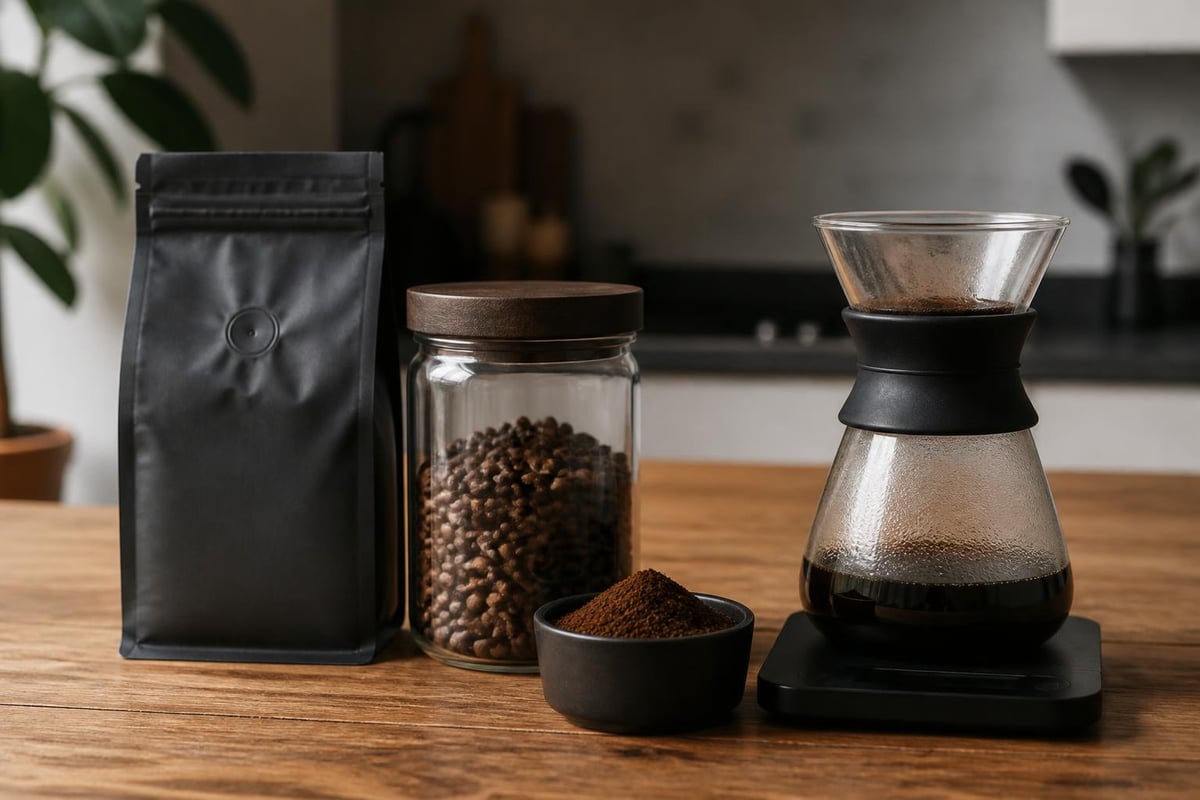
Coffee begins its slow fade the moment beans meet grinder. Ground coffee exposes exponentially more surface area to oxygen, meaning flavor compounds begin breaking down within minutes, not days. This is the central truth of buying pre-ground coffee: freshness matters more than origin, more than roast level, more than price point.
When you're scanning bags at the store or browsing online, look for a roast date, not just a best-by date. The best ground coffee to buy was roasted within the past two to four weeks. Anything older has already surrendered much of its aromatic complexity. According to Consumer Reports' coffee buying guide, proper packaging can extend shelf life, but nothing replaces recent roasting.
What Fresh Coffee Actually Smells Like
Open a bag of recently ground coffee and you'll encounter layers: bright fruit notes, caramelized sugar sweetness, perhaps hints of cocoa or nuts. Stale coffee smells flat, one-dimensional, sometimes faintly cardboard-like. Your nose knows quality before your tongue confirms it.
Key freshness indicators:
- Roast date clearly printed (within 2-4 weeks)
- One-way degassing valve on the bag
- Strong, complex aroma when opened
- No oil residue on the outside of the bag (unless it's a very dark roast)
- Nitrogen-flushed packaging for extended freshness
Grind Size and Your Brewing Method
The best ground coffee to buy matches your brewing equipment. Grind size isn't a suggestion; it's chemistry. Too fine for your method and you'll extract bitter compounds. Too coarse and your cup tastes weak, sour, underdeveloped.
Grind size directly impacts extraction, determining how quickly water pulls flavor from coffee particles. This is why buying pre-ground beans can be limiting: you're locked into one grind size regardless of your brewing experiments.
Matching Grind to Method
| Brewing Method | Grind Size | Texture Comparison |
|---|---|---|
| Espresso | Extra Fine | Powdered sugar |
| Pour-over | Medium-Fine | Table salt |
| Drip Coffee | Medium | Sand |
| French Press | Coarse | Sea salt crystals |
| Cold Brew | Extra Coarse | Peppercorns |
Most supermarket ground coffee defaults to medium grind, designed for standard drip machines. If you're using a pour-over method at home, seek out brands that specify "pour-over grind" or offer grind options. The ritual of brewing demands precision, and grind size is where that precision begins.
Decoding Origin, Roast, and Flavor Profiles
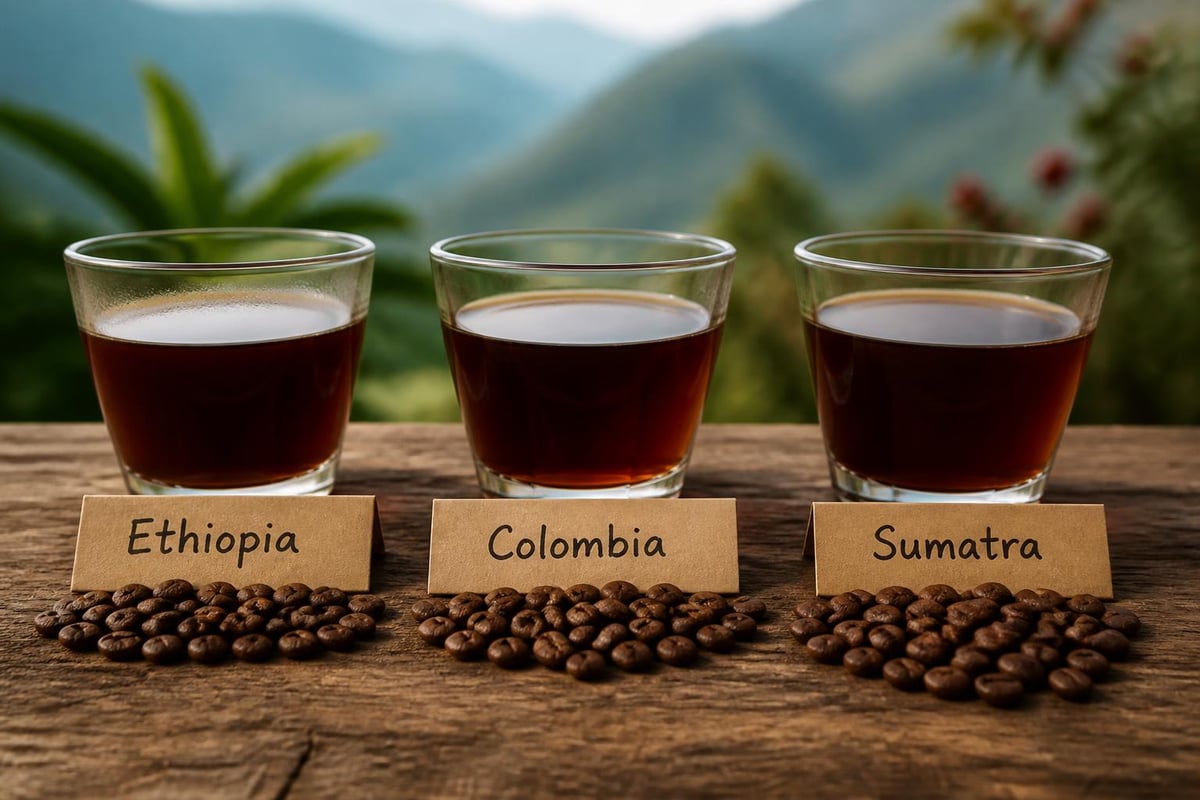
Coffee speaks in place names: Ethiopia, Colombia, Kenya, Sumatra. Each origin carries distinct flavor tendencies shaped by altitude, soil composition, processing method, and varietal. But origin alone doesn't guarantee quality. Processing and roasting matter just as much.
Ethiopian Coffee: Bright, Floral, Complex
Ethiopian coffees often showcase blueberry notes, jasmine florals, and tea-like bodies. They're grown at high altitudes where cool nights slow cherry maturation, concentrating sugars and creating nuanced acidity. Light to medium roasts preserve these delicate characteristics.
When you find Ethiopian beans that taste like bergamot and stone fruit, you're experiencing terroir-the fingerprint of specific microclimates and farming practices. These coffees work beautifully in pour-over methods where clarity shines.
Colombian Coffee: Balanced, Sweet, Approachable
Colombia produces coffee across diverse microclimates, but the common thread is balanced sweetness with caramel and nut tones. Medium roasts typically emphasize brown sugar notes and gentle acidity. These are the coffees that feel like home, familiar and comforting without being boring.
Colombian coffee often serves as an excellent baseline for understanding your palate. If you enjoy it, branch toward either brighter Kenyan coffees or deeper Indonesian roasts to explore your preferences.
Kenyan Coffee: Bold, Winey, Intensely Fruity
Kenyan coffees deliver punch. Expect blackcurrant, tomato, and sometimes savory complexity alongside bright acidity. They're not subtle, and that's precisely their appeal. Medium-light roasts showcase their wine-like qualities without overwhelming your palate.
What Labels Actually Tell You (and What They Hide)
Walking the coffee aisle means decoding marketing language. "Premium," "gourmet," and "artisan" carry no regulated meaning. But several certifications and terms do matter.
Meaningful labels:
- Single-origin: Coffee from one specific region or farm, offering distinct flavor clarity
- Specialty-grade: Scored 80+ points by certified cuppers on a 100-point scale
- Direct trade: Roaster maintains direct relationships with farmers, often ensuring better compensation
- Fair Trade Certified: Minimum price guarantees for farmers, though implementation varies
- Organic: No synthetic pesticides or fertilizers used
According to expert coffee buying advice, package freshness matters more than certifications for immediate quality, but ethical sourcing creates better long-term outcomes for coffee communities.
Understanding Roast Levels
Light roasts preserve origin characteristics and acidity. Medium roasts balance origin and roast flavors with caramel development. Dark roasts emphasize body and roast character over origin, creating chocolate and toast notes.
There's no "best" roast level universally. The best ground coffee to buy matches your taste preferences and brewing method. Pour-over methods often favor light to medium roasts where you can taste terroir. French press handles medium to dark roasts well, where body and richness matter.
Where to Buy Ground Coffee in 2026
Specialty Roasters vs. Supermarkets
Specialty roasters typically roast to order or in small batches, ensuring freshness. Many now offer pre-ground coffee with clearly marked grind size and roast dates. The drawback? Higher prices and less convenience.
Supermarkets carry major brands with longer shelf lives and more forgiving pricing. Ground coffee options at major retailers have improved significantly, with many stores now stocking local roasters or offering in-house grinding services.
Specialty roaster advantages:
- Roast-to-order freshness
- Transparent sourcing information
- Customer service and brewing guidance
- Unique, seasonal offerings
Supermarket advantages:
- Immediate availability
- Consistent pricing
- Familiar brands
- Return policies
Online Coffee Subscriptions
Coffee subscriptions have matured beyond simple recurring orders. Many now offer customization, allowing you to select origins, roast levels, and even grind size preferences. The best ground coffee brands often operate subscription models where freshness is guaranteed through regular shipments.
The key with subscriptions is understanding your consumption rate. Ordering too much means coffee sits and stales. Too little and you're supplementing with supermarket purchases anyway.
The Single-Serve Revolution: Sachets and Pods
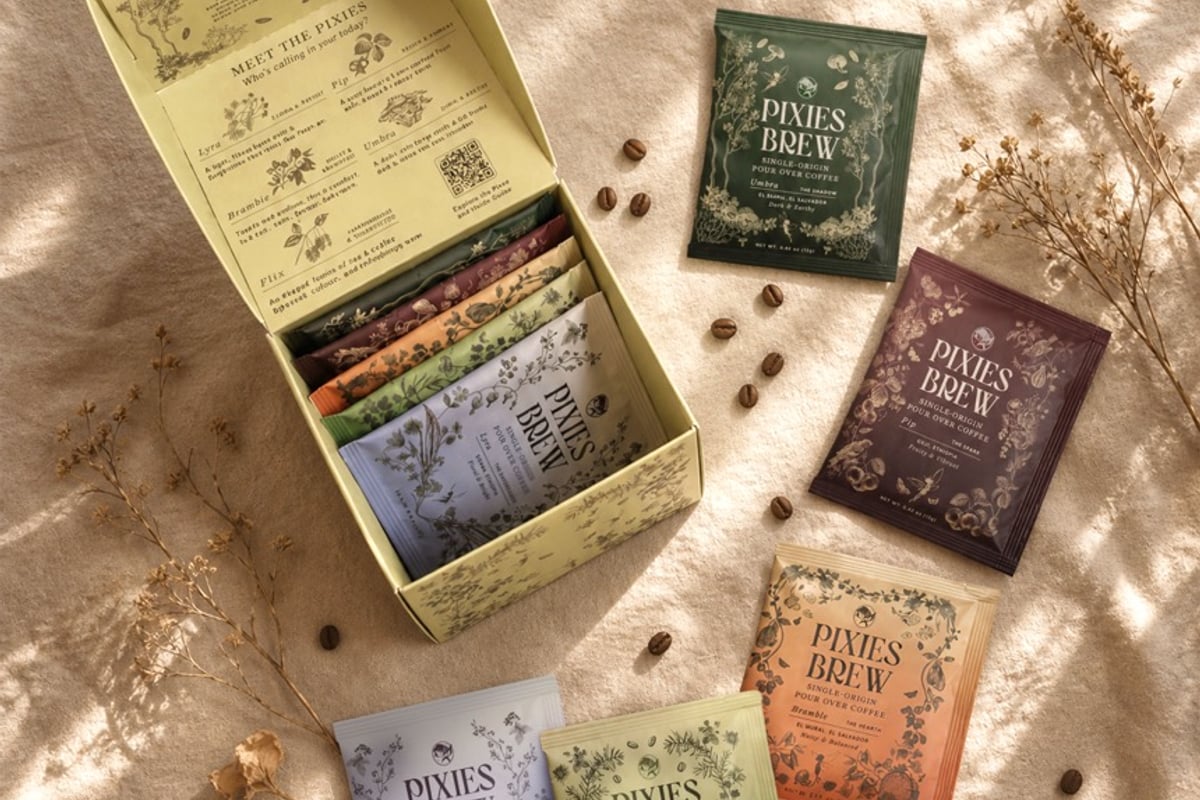
Coffee has entered a new chapter where convenience doesn't automatically mean compromising quality. Single-serve options now include specialty-grade beans in formats designed to preserve freshness until the moment of brewing.
For travelers, minimalists, or anyone seeking consistency without equipment, pre-portioned coffee delivers ritual without complexity. You're getting precisely measured doses designed for optimal extraction, often nitrogen-flushed to maintain freshness far beyond traditional ground coffee timelines.
The Pixies Brew Discovery Set exemplifies this evolution-specialty-grade coffee ground fresh and sealed in individual sachets, requiring only a cup and hot water. It's the best ground coffee to buy when your priority is both quality and simplicity, offering five distinct flavor profiles from Ethiopian florals to Colombian richness without the commitment of full bags that might stale before you finish them.
Storage: Protecting Your Investment
Even the best ground coffee to buy will disappoint if stored poorly. Oxygen, light, heat, and moisture are coffee's enemies. Once you bring coffee home, your job is minimizing exposure to all four.
Optimal Storage Practices
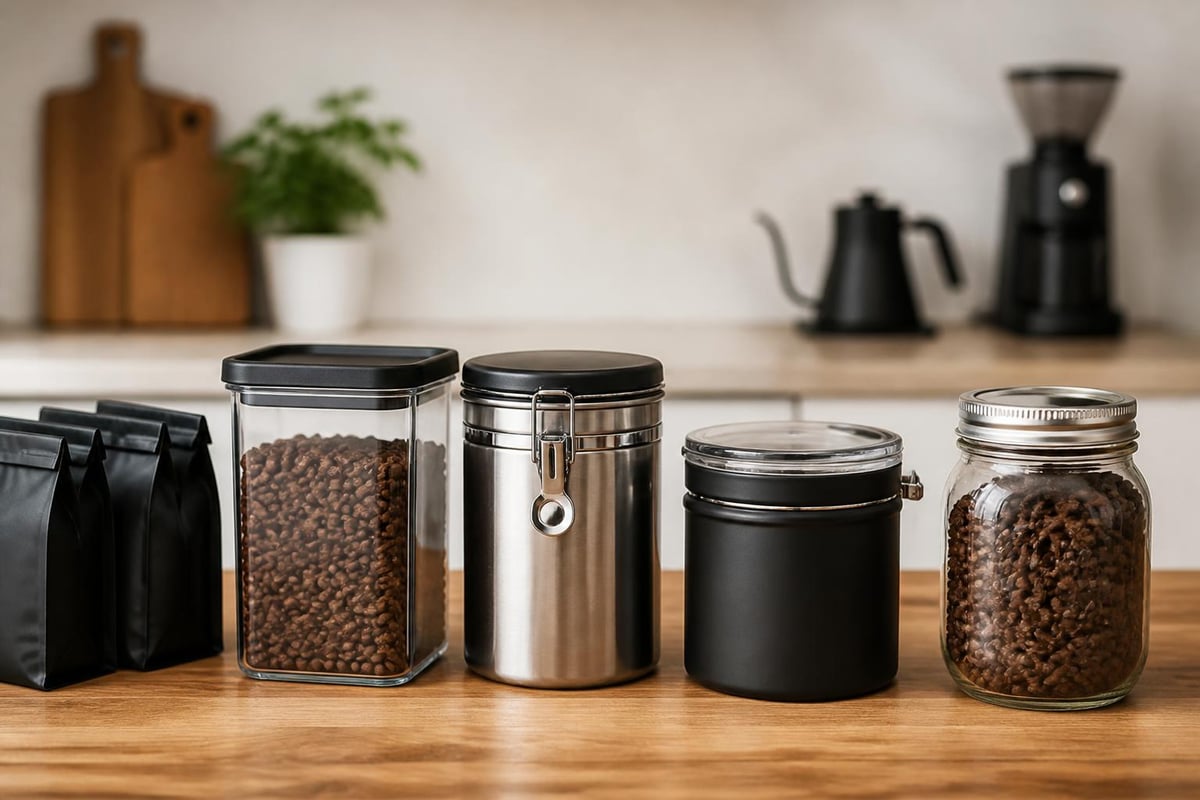
Keep ground coffee in an airtight container away from direct light. Room temperature works fine; refrigeration introduces moisture through condensation. Freezing can work for long-term storage of unopened bags, but once thawed, use coffee quickly.
Storage timeline:
- Opened ground coffee: Use within 1-2 weeks for peak flavor
- Unopened nitrogen-flushed: Check roast date, generally good for 2-3 months
- Frozen ground coffee: Up to 6 months, though flavor diminishes
Transfer supermarket coffee into opaque, airtight containers immediately after opening. The original bag, once opened, offers minimal protection. Glass jars look pretty but expose coffee to light degradation unless stored in cabinets.
Building Your Coffee Ritual Around Quality
The best ground coffee to buy isn't determined solely by professional cupping scores or origin prestige. It's the coffee that fits your life, your brewing method, and your sensory preferences while maintaining standards of freshness and ethical sourcing.
Some mornings demand bright, complex pour-overs that wake up your palate. Others call for rich, comforting brews that feel like wrapping yourself in a favorite blanket. Understanding your needs across different contexts helps you build a rotation rather than seeking one perfect coffee.
Creating Your Tasting Profile
Start by trying coffees from different origins at similar roast levels. Notice which flavor notes resonate: do you gravitate toward fruit-forward brightness or chocolate richness? Do you prefer tea-like delicacy or full-bodied intensity?
Keep simple notes: origin, roast date, brewing method, first impressions. Over time, patterns emerge. You might discover that you love Ethiopian naturals but find washed Guatemalans boring, or that Colombian coffees hit perfectly at medium roast but disappoint when pushed darker.
Frequently Asked Questions
How long does ground coffee stay fresh after opening? Ground coffee maintains peak flavor for 1-2 weeks after opening when stored properly in an airtight container away from light and heat. After that, it's still safe to drink but loses aromatic complexity and develops flat, stale flavors.
Is pre-ground coffee ever as good as freshly ground beans? Pre-ground coffee sacrifices some freshness but can still deliver excellent flavor when ground recently and packaged properly. Nitrogen-flushed sachets or valve-sealed bags extend viability significantly. The brew guide at Pixies Brew demonstrates how proper packaging preserves specialty-grade characteristics even in pre-ground formats.
What's the difference between grocery store and specialty coffee? Grocery store coffee often prioritizes shelf stability and consistent flavor over freshness and origin characteristics. Specialty coffee focuses on traceable sourcing, recent roasting, and highlighting unique terroir. Price reflects these priorities, but so does cup quality and farmer compensation.
Should I buy light or dark roast ground coffee? Choose based on your taste preferences and brewing method. Light roasts showcase origin characteristics with brighter acidity and complex fruit notes. Dark roasts emphasize body, chocolate tones, and roasted flavors while minimizing acidity. Neither is objectively better-it's about what you enjoy.
Can I use espresso grind for pour-over coffee? No. Espresso grind is too fine for pour-over methods and will create over-extraction, resulting in bitter, harsh flavors and potential clogging. Pour-over requires medium-fine grind similar to table salt texture for proper water flow and balanced extraction.
The Grove Wisdom: Coffee as Daily Magic
There's something quietly magical about finding your coffee-the one that makes mornings feel intentional rather than rushed, that tastes like possibility rather than obligation. The best ground coffee to buy becomes part of your story, the sensory anchor for moments of pause in increasingly hurried days.
In the Grove, where pixies tend to botanical secrets and morning light filters through ancient leaves, coffee isn't just fuel. It's ritual, it's presence, it's the bridge between sleeping and waking selves. That same philosophy applies whether you're brewing Ethiopian florals that taste like jasmine gardens or Colombian roasts that smell like toasted hazelnuts and brown sugar.
Quality matters. Freshness matters. But so does the story coffee tells and the space it creates in your day. When you understand what makes coffee good-from soil to cup, from roast date to grind size-you can make choices that serve both your palate and your ritual needs.
Every cup is an opportunity to slow down, to notice, to be present with something beautiful and intentionally crafted. The coffee that facilitates that pause, that tastes remarkable and feels meaningful, is the best ground coffee to buy for you.
Finding coffee that truly resonates takes exploration, patience, and willingness to prioritize freshness and quality over convenience alone. When you discover those flavors that make you pause mid-sip and really notice what you're experiencing, you've found more than good coffee-you've found a daily ritual worth protecting. Pixies Brew creates exactly that kind of moment, offering specialty-grade coffee in thoughtfully crafted sachets designed to deliver exceptional flavor with minimal fuss, turning ordinary mornings into opportunities for genuine presence and reflection.
