


Brew It Coffee Guide: Expert Tips for Perfect Brewing 2026
The morning hush is broken only by the soft grind of beans and the first earthy aroma curling through your kitchen. You cradle your mug, waiting for that first sip, as the ritual of brew it coffee in 2026 transforms your day from the very start.
This guide is your invitation to elevate brew it coffee at home. Inside, you’ll find expert tips, insider strategies, and a blend of tradition with innovation, all designed to help you achieve the perfect cup every time.
Discover how to choose the best beans and gear, master every step of brewing, immerse your senses, troubleshoot flavor, and embrace the mindful ritual at the heart of every cup. Welcome to your new daily practice.
The Foundation: Choosing the Right Beans and Gear
To truly brew it coffee at home, begin with intention. Your cup’s aroma, texture, and taste all start with your choices: the beans you gather, the tools you trust, and the water you pour. This foundation shapes every sip, transforming a simple drink into a daily ritual.

The Importance of Bean Origin and Freshness
Your journey with brew it coffee starts with the beans. Every origin tells a story through its flavors. Ethiopian beans, for example, carry bright floral notes and a hint of jasmine, while El Salvador’s harvests are known for nutty warmth and a mellow chocolate finish. The land, climate, and processing method—what coffee lovers call terroir—shape each bean’s character.
Freshness is everything. Beans reach their aromatic peak within two weeks of roasting. Open a bag of just-roasted specialty beans and you’ll notice a glossy sheen, a burst of scent, and a texture that feels rich between your fingers. In contrast, a supermarket blend, months past its prime, smells flat and looks dull, offering none of the sensory magic.
Specialty beans rise above commodity grades for a reason. According to SCA 2024, nearly 60% of coffee enthusiasts now prefer single-origin beans for their unique flavors and traceable quality. Below is a quick comparison:
| Bean Type | Aroma | Flavor Notes | Freshness Window |
|---|---|---|---|
| Supermarket Blend | Faint, flat | Muted, generic | 2-6 months |
| Specialty, Ethiopia | Floral, bright | Jasmine, citrus | 1-2 weeks |
| Specialty, El Salvador | Nutty, warm | Chocolate, almond | 1-2 weeks |
Choosing fresh, high-quality beans is the first step toward elevating your brew it coffee ritual.
Selecting the Best Brewing Equipment for Your Ritual
The right gear lets you express your style and savor each step of brew it coffee. The method you choose—pour-over, French press, AeroPress, or single-serve sachets—shapes the body and clarity of your cup.
- Pour-over: Delivers crisp, clean flavors but asks for patience and precision.
- French press: Offers a rich, full-bodied brew with an easy, tactile process.
- AeroPress: Quick and portable, creating a smooth, robust taste with minimal fuss.
- Single-serve sachets: Ideal for convenience and consistency, especially with specialty-grade options.
Upgrading your grinder is a simple way to transform daily coffee. A burr grinder produces even grounds, unlocking flavors that blade grinders often miss. Pair it with a gooseneck kettle for precise pours and control over extraction. According to IBISWorld 2025, home brewing equipment sales continue to rise as more people seek café-quality experiences at home.
Try this: Brew it coffee with pre-ground beans, then repeat with freshly ground, using a burr grinder. The difference is striking—aroma, flavor, and texture all come alive. For step-by-step guidance on equipment and technique, visit the Home coffee brew guide.
Water Quality and Temperature: The Unsung Heroes
Water is the silent partner in every brew it coffee ritual. Use filtered water to avoid unwanted flavors and ensure clarity in your cup. Hard or chlorinated tap water can mute delicate notes, while clean, balanced water lets the beans shine.
Temperature matters, too. Aim for 195 to 205°F—this sweet spot ensures proper extraction without scalding the grounds. Overheated water can pull bitterness from the beans, while cooler temperatures leave the flavors underdeveloped.
Common mistakes? Using straight tap water, missing the ideal temperature, or ignoring mineral content. Try a side-by-side taste test: brew it coffee with tap water, then with filtered. You’ll notice the difference in brightness and balance. Attending to water and temperature elevates every cup, making your home ritual as rewarding as any café experience.
Step-by-Step: The Art of Perfect Brewing
Transform your daily routine into a sensory journey with brew it coffee. Whether you’re new or seeking to refine your ritual, this step-by-step guide will help you unlock the full potential of your beans and gear. Let’s slow down, breathe in the aroma, and brew it coffee like a Grove artisan.

Step 1: Measure and Grind with Precision
Every great cup begins with intention. For brew it coffee, start by weighing your beans. The golden ratio is about 1:16—one part coffee to sixteen parts water. This balance draws out nuanced flavors and ensures consistency.
| Method | Coffee (g) | Water (ml) |
|---|---|---|
| Pour-over | 20 | 320 |
| French Press | 30 | 480 |
| AeroPress | 15 | 240 |
Next, grind your beans just before brewing. Choose a coarser grind for French press and a medium-fine for pour-over. Run the grounds between your fingers; they should feel gritty like sand, never powdery. Remember, too-fine grounds in a French press can make brew it coffee bitter and sludgy. The right texture invites clarity and sweetness.
Step 2: Mastering the Pour and Bloom
Now, pour hot water (195–205°F) over the grounds in slow circles. The first pour should just saturate the coffee, causing it to bubble and bloom. This moment releases trapped CO₂, letting the full aroma rise—watch for those tiny bubbles as a sign of freshness.
Use a gentle, circular motion to ensure even extraction. The bloom is not just for show; it’s the prelude to flavor. As you pour, inhale deeply—floral, nutty, or earthy notes will greet you. For more on ideal ratios and water temperature, see the SCA Brewing Best Practices.
A domed coffee bed after pouring signals even saturation, while a flat or patchy bed hints at uneven extraction. Brew it coffee with care and you’ll notice the difference in every sip.
Step 3: Timing and Patience
Patience is the secret ingredient in brew it coffee. Each brew method has its own sweet spot:
- Pour-over: 2–4 minutes
- French press: 4 minutes
- AeroPress: 2 minutes
Set a timer. Too short and your cup will taste sharp and sour; too long and bitterness creeps in. Taste the difference: under-extracted brew it coffee is thin and tart, while over-extracted cups are harsh and dry. The right timing brings out a layered, balanced flavor.
Experiment with small tweaks to find what suits your taste. The ritual is as much about the process as the result.
Step 4: Savoring the Ritual
Finally, pause and enjoy. Brew it coffee is more than a beverage—it’s a mindful ritual. Notice the color in your cup, the warmth in your hands, the first swirl of steam. Let the aroma draw you in, and take that first slow sip.
Turn on soft music, open a window, or light a candle. This is your moment. Each day, let this simple act ground you and set the tone for what’s ahead. In the Grove, we believe every cup is an invitation to slow down and reconnect—with flavor, with self, with the world.
Sensory Immersion: Experiencing Coffee Through the Five Senses
Brew it coffee is more than a morning habit—it is a full sensory ritual that transforms a simple cup into a moment of connection with the Grove. Every stage, from grinding beans to the first sip, invites you to slow down and notice the world through your senses. In 2026, home brewers are embracing each step, not just for flavor, but for the rich experience that specialty beans and mindful methods bring.
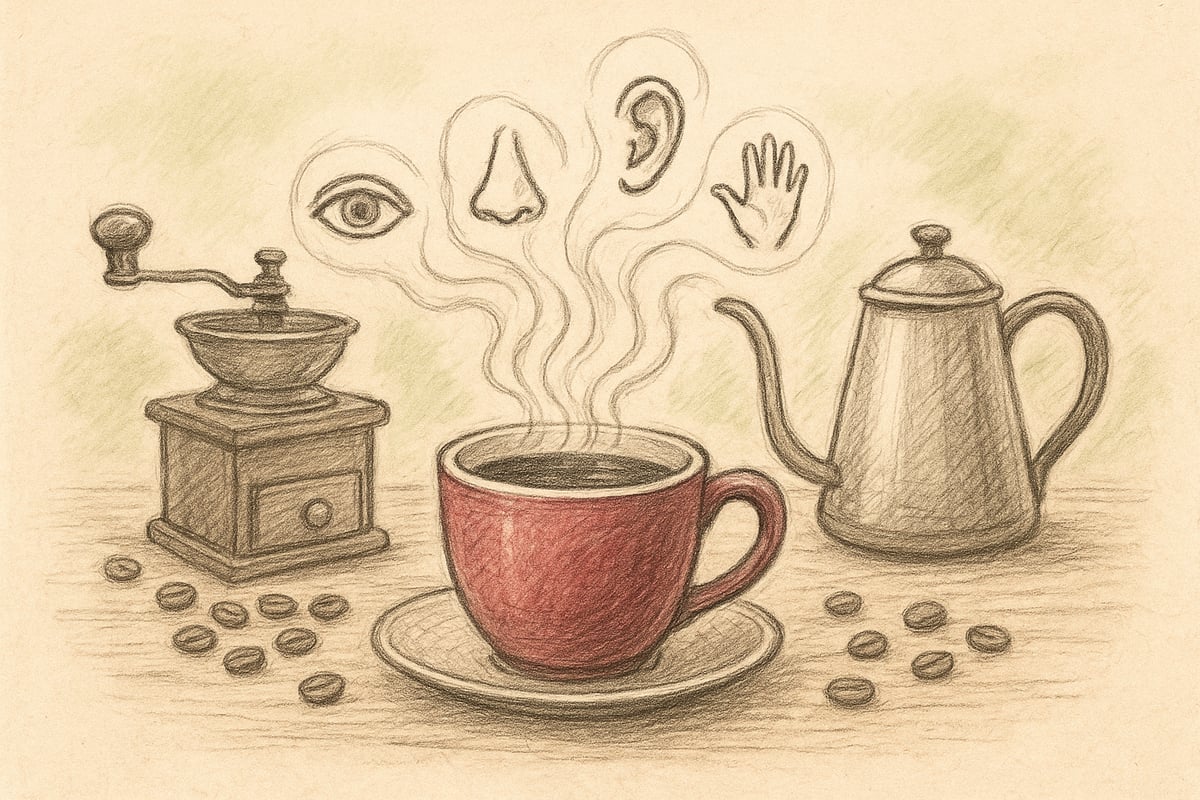
Seeing and Smelling: Visual and Aromatic Cues
The visual journey of brew it coffee begins with the bloom—a swirl of caramel crema atop a fresh pour. The depth and clarity of color signal the quality of extraction and the bean’s origin. Ethiopian beans may yield a golden hue, while El Salvador’s roast glows chestnut and warm.
Aromatics rise first, filling the kitchen with notes that travel from floral to nutty, depending on the terroir. Using an aroma wheel, you might detect jasmine, ripe berries, roasted almonds, or even earthy undertones. Close your eyes, inhale, and notice the difference: a bright, floral Ethiopian versus the cozy, nutty warmth of El Salvador.
For those seeking to deepen their sensory ritual, Sensory-rich coffee rituals offers mindful guidance to help you tune in to every sight and scent as you brew it coffee.
Touch and Sound: Texture and Acoustics
Touch is where brew it coffee becomes tangible. As you lift the mug, warmth seeps into your hands, promising comfort. The mouthfeel tells a story—silky and crisp from a pour-over, rich and heavy from a French press, or smooth and clean with a single-serve sachet.
Sound plays its quiet part in the ritual. The gentle grind of beans, the bubbling bloom, and the soft drip of water create an acoustic backdrop that grounds your morning. Compare the tactile experience: the delicate paper filter of pour-over versus the sturdy mesh of French press, each shaping the texture and sensation of every sip.
Noticing these small details transforms a daily task into a sensory exploration, making every brew it coffee a unique and grounding moment.
Taste: The Final Test
Taste is where all five senses converge in brew it coffee. The first sip reveals the balance—acidity, sweetness, bitterness, and depth of body. A well-brewed cup offers layers: perhaps a bright citrus note, a hint of dark chocolate, or a lingering floral finish.
To map these flavors, pause between sips and describe what you sense. Is the cup lively and crisp, or mellow and comforting? Specialty blends often surprise with complexity, rewarding your attention with every nuance.
By engaging sight, smell, touch, sound, and taste, you invite the full magic of brew it coffee into your daily ritual, transforming a simple drink into a rich, restorative experience.
Troubleshooting: Common Brewing Mistakes and How to Fix Them
Every brew it coffee ritual holds the promise of magic, but even the most mindful mornings can be interrupted by a cup that tastes off. If your coffee is too bitter, sour, or flat, you are not alone. These common brewing mistakes can sneak in, but with a few Grove-inspired tips, you can turn every cup into a sensory delight.
Identifying and Correcting Extraction Errors
Extraction is at the heart of every brew it coffee ritual. When things go wrong, your senses will notice right away.
Signs of Under-Extraction:
- Sour, sharp taste
- Thin body
- Pale color
Signs of Over-Extraction:
- Bitter, dry finish
- Heavy, lingering aftertaste
- Very dark color
If you taste sourness, your grounds may be too coarse, or your brew time too short. Bitterness often means the grind is too fine, or your coffee steeped too long. Adjust your grind and timer, then taste again.
A quick fix for a bitter cup is to coarsen your grind or reduce brew time. For more advanced solutions, see Troubleshooting common brew mistakes for step-by-step guidance.
The difference is striking: a correctly extracted brew it coffee sings with balance, while mistakes dull the magic.
Water and Temperature Issues
Water is the silent storyteller in every cup of brew it coffee. Its clarity, mineral balance, and temperature shape the final flavor.
Common Mistakes:
- Using hard tap water, which can mask delicate notes
- Brewing at temperatures above 205°F, causing bitterness
- Letting water cool below 195°F, leading to flat, underwhelming coffee
Filtered water brings out clarity and sweetness, letting each bean’s origin shine. If your coffee tastes “off,” try a side-by-side test with filtered versus tap water. Follow SCA water guidelines for best results.
A Grove morning begins with mindful water choices, transforming brew it coffee into a vibrant, aromatic ritual.
Gear and Cleanliness
Even the finest beans and water cannot save brew it coffee brewed with dirty gear. Residual oils and old grounds cling to equipment, sabotaging every sip.
Cleaning Essentials:
- Rinse grinders and brewers after each use
- Deep clean with gentle soap weekly
- Replace filters and check for buildup
A fresh cup tastes bright and layered, while stale gear leaves a muddled, rancid note. Compare a clean French press to one neglected for days—the difference is night and day.
Regular cleaning is a simple act, yet it preserves the magic of your brew it coffee ritual, ensuring every cup is a grounding, sensory experience.
The Future of Coffee Rituals: Mindful Brewing in 2026
How will your morning brew it coffee ritual evolve in 2026? The answer is a blend of tradition and mindful innovation. As we look toward the future, coffee becomes more than a beverage—it is a sensory anchor, a daily pause, and a canvas for personal expression. Let’s explore what’s next for brew it coffee at home, from emerging trends to the magic of ritual and flavor.
Trends in Home Brewing and Coffee Culture
The future of brew it coffee is shaped by intention and simplicity. Home baristas are embracing single-serve pour-over sachets, merging convenience with specialty-grade flavor. According to the 2025 consumer trend report, experiential coffee products are on the rise as people seek moments of mindfulness and connection with each cup.
Minimalist gear and sustainable practices are now at the forefront. Eco-conscious coffee lovers opt for reusable filters and compostable packaging, reducing waste without losing quality. For those curious about water conservation in their brewing ritual, the SCA Green Guide Module 2 offers practical steps to balance sustainability and taste.
The Role of Ritual in Daily Life
In the Grove, slow mornings are sacred. Brew it coffee becomes a grounding anchor, inviting you to pause, breathe, and savor the moment. The act of brewing—measuring, pouring, waiting—transforms into a mindful ritual that centers the senses.
Many find new ways to deepen their coffee experience, such as journaling or meditating alongside their cup. Setting the scene with soft light, gentle music, or a favorite mug turns the ordinary into something magical. This intentional approach to brew it coffee fosters presence and connection, making each day’s start uniquely your own.
Pixies Brew: Elevating the Ritual Experience
Pixies Brew infuses the future of brew it coffee with artistry and ease. Their single-serve, specialty-grade packets let anyone enjoy sensory exploration without extra equipment. Each Pixie blend draws inspiration from nature’s palette, offering five distinct flavor journeys—from delicate floral to rich, earthy notes.

The convenience is matched by creativity: beautifully designed packaging, collectible elements, and flavors curated for discovery. Whether at home, at work, or on the go, Pixies Brew makes every ritual feel personal. Finding your perfect Pixie is like unlocking a new chapter in your daily brew it coffee story.
FAQ: Expert Answers to Your Top Brewing Questions
Curious about how to brew it coffee at its best? Here are the Grove’s answers to your most pressing home brewing questions, blending sensory wisdom and practical know-how for every ritual.
How do I choose the right grind size for my method?
Match your grind to your brewing style: coarse for French press, medium for drip, fine for AeroPress. Feel the texture between your fingers—sand for pour-over, sea salt for press.
What’s the best way to store coffee beans for freshness?
Keep beans in an airtight container, away from light and heat. Use them within two weeks of roasting for peak flavor in every brew it coffee ritual.
Can I brew great coffee without expensive equipment?
Absolutely. Even a simple pour-over or single-serve sachet can create magic. Consistency, fresh beans, and mindful technique matter more than price tags.
Why does my coffee taste bitter or sour?
Bitterness means over-extraction or too-fine grounds. Sourness points to under-extraction or too-coarse grind. Adjust timing, ratio, and grind for harmony. For detailed troubleshooting, see the Coffee brewing FAQs.
How do I create a consistent brewing ritual at home?
Start with a set recipe, measure carefully, and savor the process. Make it a sensory pause—notice aroma, color, and warmth as you brew it coffee each morning.
What are the benefits of single-serve specialty coffee packets?
They offer convenience, freshness, and a chance to explore flavors. Perfect for mindful brewing at home or on the go, with no gear required.
How can I experiment with flavor and aroma at home?
Taste beans from different origins, adjust your grind, or try new brew methods. Use your senses—smell, see, and sip—until you find your perfect brew it coffee moment.
After learning the secrets behind perfect coffee—choosing your beans with care, tuning into every sensory cue, and savoring each step of the ritual—you might be craving a taste of something truly enchanting. I remember my first morning with a Pixies Brew packet—the gentle aroma, the playful swirl of flavors, and that feeling of a quiet pause before the day began. If you’re ready to turn your daily brew into a moment of magic, let’s take the next step together.
Start Your Ritual
and discover how a simple cup can become a story you look forward to every morning.
