


Taste Coffee Like a Pro: Ultimate Guide for 2026
Imagine sipping coffee as dawn spills through your window, the aroma swirling like a whispered secret. Have you ever paused to truly taste coffee, noticing the notes that hide beneath the surface? This guide invites you to slow down and discover the art of tasting coffee like a pro, transforming daily brews into mindful rituals and flavor adventures in 2026.
Together, we will demystify tasting notes, build your sensory toolkit, walk through step-by-step tasting rituals, explore the fascinating science behind each cup, and show you how to weave pro techniques into your everyday life. Let the journey begin.
Understanding Coffee Tasting: Beyond Buzzwords
To truly taste coffee is to step beyond catchy buzzwords and into a world where each sip tells a story. Whether you’re swirling a Pixies Brew sachet or pouring from your favorite carafe, tasting coffee like a pro means slowing down and letting your senses guide you. This journey is less about “right answers” and more about discovering what makes each cup come alive for you.
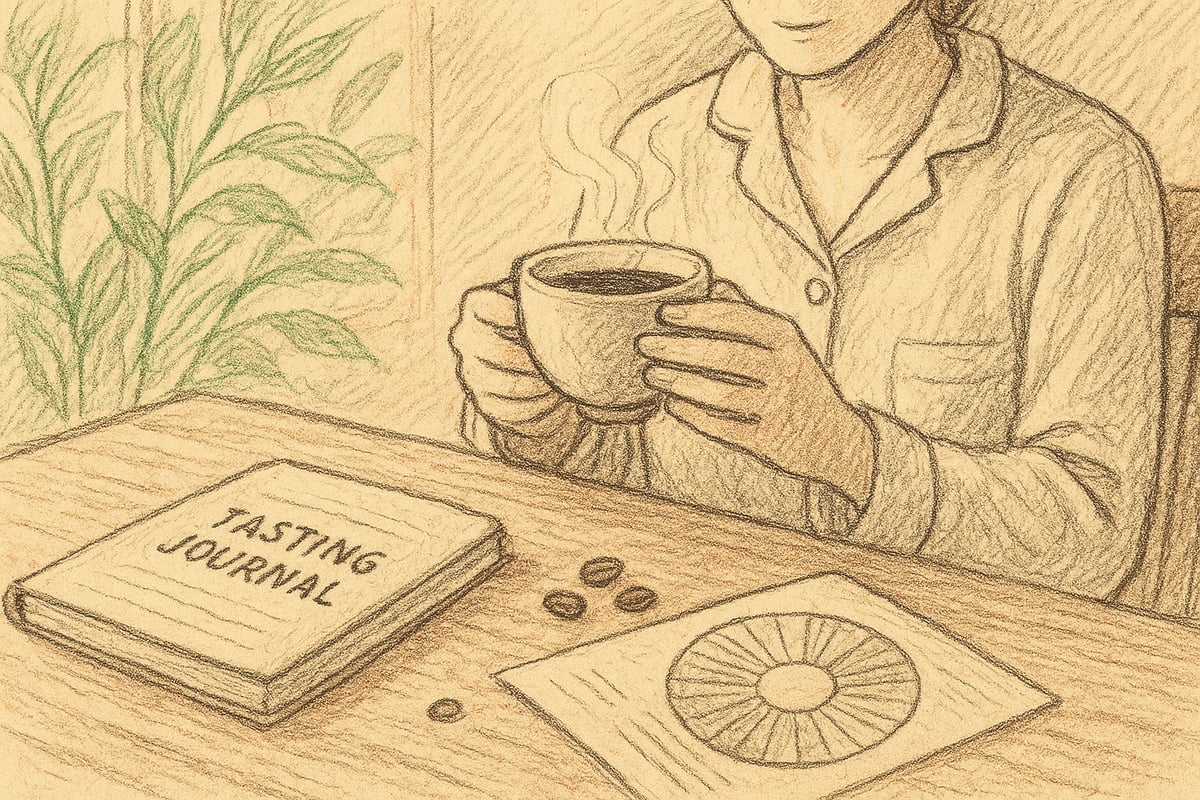
The Myth and Meaning of Tasting Notes
Tasting notes are short, evocative descriptions found on coffee bags—think blueberry, caramel, or jasmine. They’re not ingredients but hints at the flavors naturally present in the beans, shaped by the coffee’s origin, processing, and roast. This is very different from coffees that are artificially flavored with syrups or additives.
It’s easy to wonder: does this really taste like blueberries? The truth is, tasting notes are meant to guide, not dictate. They come from professional cupping sessions, where expert tasters (like Q graders) calibrate their palates using shared standards. For example, competitors in barista championships often debate whether a coffee leans more toward pine or cedar, showing how subjective this practice can be.
Here’s a quick list of common misconceptions:
- Tasting notes mean the coffee contains those flavors.
- If you don’t taste coffee exactly as described, you’re missing something.
- Only experts can identify these notes.
Calibration is the backbone of professional tasting. Tasters use flavor solution tests—like sugar for sweetness or citric acid for acidity—to align their vocabulary and thresholds. Still, even the pros admit: no two palates are the same.
Why Calibration Matters (and Why It’s Elusive at Home)
Calibration in coffee means getting a group of tasters to agree on what they perceive in a cup. In the specialty coffee industry, this shared language is essential for fair grading and consistent quality. Q graders and judges train intensely, often using controlled solutions to pinpoint sweet, salty, or sour notes.
At home, things are far less structured. When you taste coffee, you might not have a panel to compare notes with or a set of flavor vials waiting on your table. This can make the process feel mysterious, even intimidating. But here’s a comforting truth: not recognizing every tasting note is completely normal, and it’s not a failure.
Calibration is a learned skill, not an innate talent. The professionals practice for months to train their senses. You can build your own vocabulary over time, even without fancy tools. Try jotting down what you notice, sip by sip, and see how your perceptions grow.
Let’s compare:
| Calibration Aspect | Industry Pros | Home Tasters |
|---|---|---|
| Shared Vocabulary | Yes | Rare |
| Training Tools | Flavor solutions | Limited or none |
| Group Tasting | Common | Occasional |
| Pressure to Agree | High | Low |
The Power of Personal Experience
Why do some people taste coffee and find notes of plum, while others swear it’s all dark chocolate? Much of this comes down to personal memory, culture, and even genetics. Our senses are shaped by our upbringing and the foods we grew up loving. A barista might describe a cup as “pine,” while their friend insists it’s “cedar.” Both are valid, and both reflect their unique experiences.
There’s a growing movement in coffee that says tasting notes are opinions, not facts. Science backs this up: Genetic factors in coffee taste perception show that some people are naturally more sensitive to bitterness or sweetness, which can completely change how they taste coffee.
The best way to taste coffee is to trust your senses and memories. Let each cup remind you of something familiar—a favorite dessert, a walk in the woods, or a moment from childhood. There is no single “correct” way. Your ritual is yours to shape and savor.
The Five Senses of Coffee: Building Your Sensory Toolkit
To truly taste coffee like a pro, you need more than just a sip—you need all five senses. Your nose, eyes, tongue, hands, and even your ears work together in a mindful ritual that transforms a simple cup into a sensory adventure. Let’s step into the Grove and discover how each sense helps you taste coffee with intention and depth.
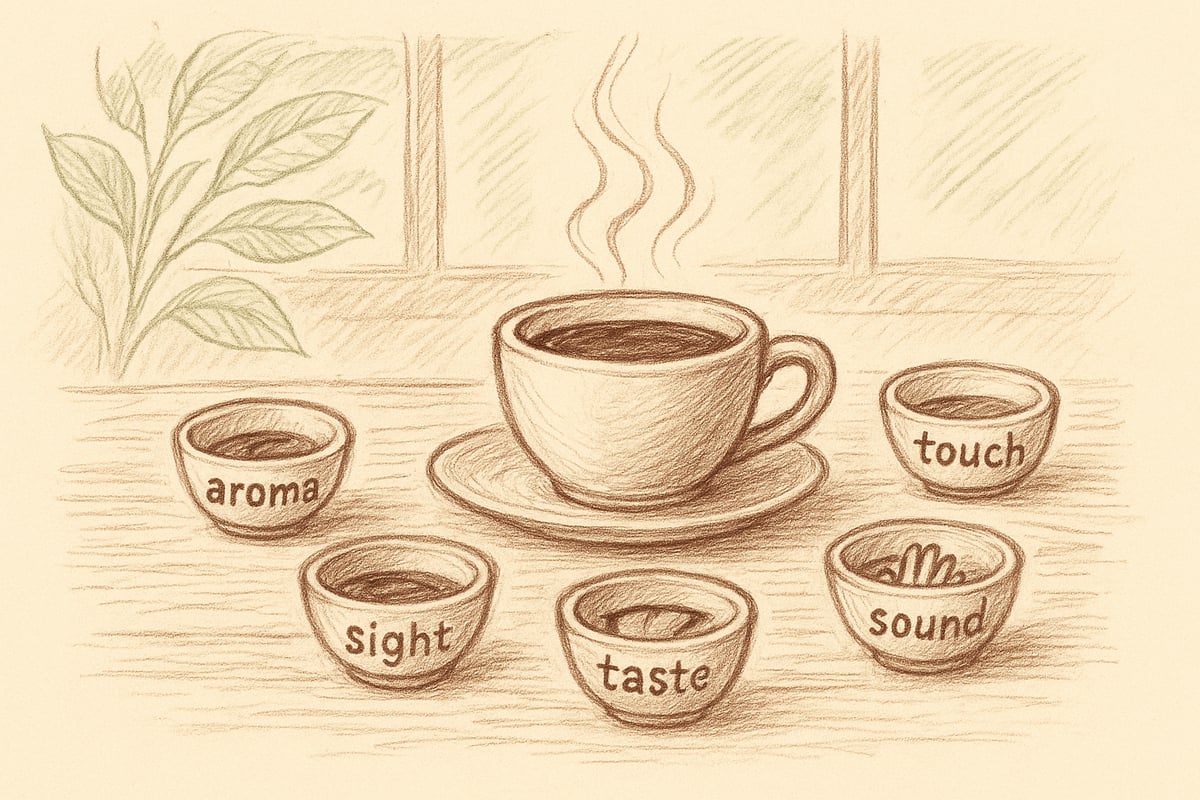
Aroma: The Gateway to Flavor
Before you taste coffee, inhale. Aroma is your first invitation. The swirl of steam carries notes that hint at what’s to come—floral, fruity, nutty, or earthy. Nosing your cup, close your eyes and let memories rise. Is that jasmine, ripe peach, or fresh soil?
- Common scent notes:
- Floral (jasmine, rose)
- Fruity (berry, citrus)
- Herbal (mint, basil)
- Earthy (mushroom, cedar)
Research shows that sensory training enhances aroma recognition by 15% in just six weeks, proving how vital your nose is to the ritual. To taste coffee fully, start with this mindful inhale.
Sight: Observing Your Brew
Let your eyes feast next. The color and clarity of your brew reveal its story. Light amber signals a delicate pour-over, while deep brown hints at a bold espresso. Crema, the golden layer atop espresso, signals freshness and skilled extraction.
| Roast Level | Color | Brew Method | Visual Cue |
|---|---|---|---|
| Light | Pale amber | Pour-over | Shimmery clarity |
| Medium | Warm brown | Drip | Soft, even tone |
| Dark | Deep brown | French Press | Opaque richness |
As you taste coffee, let your eyes help you spot freshness and judge extraction.
Taste: Mapping Flavor on the Tongue
Now, take a slow sip. Taste coffee by letting it coat your tongue. You’ll notice:
- Sweet: Ripe fruit, honey, caramel
- Sour: Citrus, berry, green apple
- Bitter: Cocoa, nuts, dark roast
- Salty: Mineral, broth
- Umami: Savory, tomato, soy
Specialty coffee shines when sweetness balances the cup. Q graders use flavor solution tests to set thresholds, ensuring sweetness is present for high-grade beans. When you taste coffee, look for that gentle sweetness—it’s the mark of careful craft.
Touch: Texture and Mouthfeel
Mouthfeel brings another layer to how you taste coffee. Is it silky or gritty, creamy or thin? Body, weight, and astringency all play a role.
- Body: Light, medium, full
- Weight: Airy, round, dense
- Creaminess: Smooth, velvety
- Astringency: Dry, puckering
Grind size, brew method, and origin all shape texture. A light pour-over feels different than a syrupy espresso. As you taste coffee, notice the way it lingers or cleanses your palate.
Sound: The Ritual’s Quiet Music
Listen closely next time you brew. The gentle pour of water, the soft drip, the swirl of a spoon—these sounds are music in the morning stillness. Some specialty cafes even host jazz-inspired tastings, inviting guests to taste coffee while immersed in melody.
- Brewing sounds:
- Pouring water
- Bubbling bloom
- Stirring
- Sipping
Let your ears anchor you in the moment. Sound brings rhythm and focus, deepening your connection to the ritual as you taste coffee.
Step-by-Step: How to Taste Coffee Like a Pro in 2026
Imagine the gentle hush of morning, sunlight flickering through leaves, and a cup of coffee cradled in your hands. Wondering how to taste coffee like a pro? Here’s a step-by-step ritual to unlock every nuance, savor the moment, and turn your daily brew into a sensory adventure.
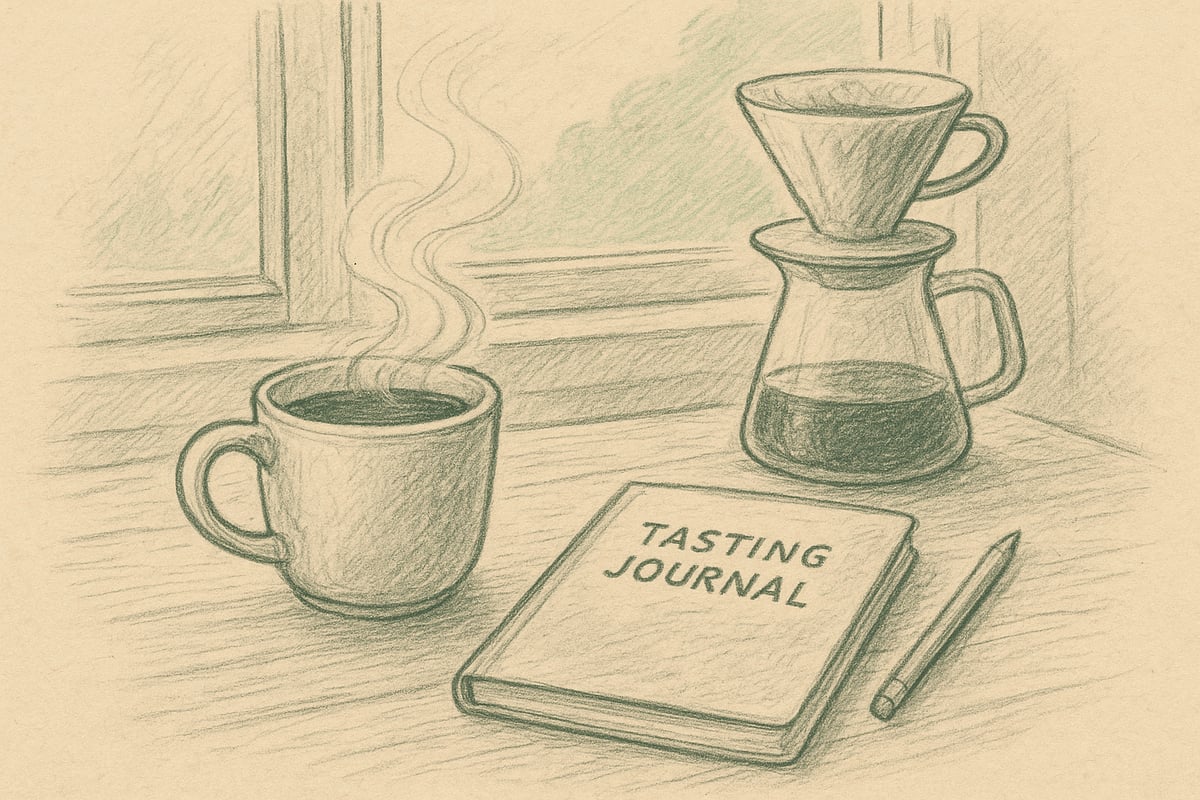
Step 1: Set the Scene for Mindful Tasting
Begin by choosing a quiet, inviting space. Let morning light or a favorite nook set the tone. Gather fresh specialty beans, clean brewing tools, a glass of water, and a tasting journal. This gentle pause creates intention, preparing both mind and palate to taste coffee with full attention.
Jot down your expectations or memories tied to the aroma drifting from the bag. The ritual starts before the first sip, as you ground yourself in the present moment.
Step 2: Brew with Care and Consistency
Precision is the secret ingredient when you taste coffee at its best. Measure beans and water carefully, using a scale and timer. Choose a method like pour-over or French press, and note variables like grind size and water temperature.
Consistency in brewing lets you compare each cup, deepening your sensory experience. For step-by-step guidance, Explore the Brew Guide to refine your process and unlock clarity in every cup.
Step 3: Engage the Senses—A Sensory Walkthrough
As your coffee blooms, close your eyes and inhale deeply. Let the scent paint images—floral, fruity, or earthy. Notice the color and clarity in your cup, the surface light, the promise of flavor.
Sip slowly, letting coffee coat your tongue. Feel the temperature, texture, and subtle flavors. Listen for the quiet music of pouring and sipping. Each sense helps you taste coffee more fully, connecting the ritual to memory.
Step 4: Decode Flavors and Tasting Notes
Reach for a flavor wheel or tasting guide. As you taste coffee, compare your impressions to the notes listed on the bag. Maybe you find hints of stone fruit, cocoa, or something uniquely yours.
Write down every sensation, memory, or emotion that surfaces. There’s no single right answer. Trust what you taste—your palate is as valid as any pro’s, and your journal becomes a map of discovery.
Step 5: Calibrate and Connect
Invite a friend or loved one to join your tasting session. Share cups, swap notes, and compare what you both experience. Notice how each person describes flavors differently—maybe one tastes pine, another cedar.
Group tastings build calibration, expanding your vocabulary and confidence. Public tastings and barista-led sessions offer further opportunities to refine your skills and celebrate the beautiful subjectivity of coffee.
Step 6: Reflect and Refine Your Ritual
After each session, take a moment to reflect in your journal. Note what surprised you, what delighted your senses, and what you’d like to explore next. Try new origins, roast levels, or brewing methods over time.
Tasting coffee is a lifelong journey, not a destination. Allow your ritual to evolve, embracing curiosity and the ever-changing landscape of flavor and memory.
The Science and Artistry of Coffee Flavor
Coffee is more than a morning ritual—it is a living, breathing story in every cup. To truly taste coffee, you must explore both its science and artistry. Let’s dive into what makes each sip so layered and unforgettable.
The Chemistry of Taste
Every time you taste coffee, you are unlocking a complex world of chemistry. Sweetness comes from natural sugars developed during the ripening and roasting of the bean. Acidity sparkles on your tongue thanks to organic acids like citric and malic, while bitterness is often a sign of caffeine and certain roast compounds.
Processing and roasting transform these elements. A lightly roasted Ethiopian bean might burst with lemon zest, while a dark roast from Sumatra leans toward cocoa and spice. Brew method also plays a part—pour-over highlights brightness, while French press brings out body.
When you taste coffee, remember: caffeine, acids, and sugars are the heart of its flavor dance. Each sip is a new chemical symphony.
The Role of Sweetness in Specialty Coffee
In specialty coffee, sweetness is more than a pleasant surprise—it is a sign of quality. When you taste coffee from high-grade Arabica beans, you should notice a gentle, honeyed sweetness that balances acidity and bitterness.
Q graders, the coffee world’s flavor referees, use strict standards to judge sweetness. Beans that lack sweetness rarely earn a specialty grade. Why? Sweetness signals careful farming, perfect ripeness, and skillful roasting.
If you taste coffee and find a lingering, sugar-like finish, you are experiencing what makes specialty coffee so sought after. Sweetness is the mark of a bean’s journey from farm to cup.
Coffee and Memory: Why Each Cup is Unique
Every time you taste coffee, you tap into a web of memories and emotions. The science of neurogastronomy shows how flavor is shaped in the brain, connecting taste, smell, and memory into a single, vivid experience. A single sip might remind you of your grandmother’s kitchen or a sunlit orchard from childhood.
No two people taste coffee the same way. Your cultural background and personal story shape the flavors you notice. Some taste berries, others taste cedar—both are true.
If you want to learn more about the science behind these sensory connections, explore Neurogastronomy and flavor perception for a deeper look at how memory and taste intertwine.
Artistic Approaches to Describing Flavor
Describing how you taste coffee is an art as much as a science. Baristas and coffee lovers often turn to poetry, music, or visual art to capture the magic in a cup. At places like Three Keys Coffee, jazz-inspired tastings invite you to match notes of citrus or caramel with melodies and rhythm.
Some keep a flavor journal, sketching their impressions or writing haiku about a morning brew. Others gather friends for group tastings, sharing stories and laughter as they discover new profiles.
When you taste coffee, let your senses guide you—paint each cup with your own words, music, or memories.
Integrating Pro Tasting Techniques into Everyday Rituals
To truly taste coffee like a pro, bring the art of mindful tasting into your daily life. You do not need a judge’s palate or a lab coat—just curiosity, intention, and a willingness to slow down. Let’s explore how to weave professional techniques into your morning or afternoon ritual, one sense at a time.
Crafting a Personal Coffee Ritual
Begin your journey to taste coffee like a pro by creating a ritual that feels personal and grounding. Choose a time of day when you can pause, breathe, and focus on your senses. Gather your favorite mug, a tasting journal, and a fresh bag of specialty beans. Before you sip, inhale deeply and jot down any aromas that stand out.
Try using a flavor wheel to expand your vocabulary. Write about what you notice—floral, nutty, or perhaps a hint of citrus. Over time, your journal becomes a map of your evolving palate. For more inspiration on mindful rituals and flavor discovery, you might enjoy browsing the Explore the BeansBlog.
Exploring New Origins and Profiles
To broaden how you taste coffee, seek out beans from diverse regions and processing methods. Rotate between single origins and blends, noting how each cup brings new flavors and textures. Specialty roasters often offer limited-edition releases, perfect for adventurous tasters.
When sampling a new profile, observe the color and clarity, then sip slowly to identify sweetness or acidity. Compare your impressions to the tasting notes and trust your senses—every cup is an opportunity to learn and savor.
Hosting At-Home Coffee Tastings
Sharing the experience can transform how you taste coffee. Host a tasting with friends or family, using three to four different brews. Set out small cups, palate cleansers like water or crackers, and tasting sheets for everyone.
Guide your group through aroma, sight, taste, and mouthfeel. Encourage everyone to share their notes, even if they differ. This playful calibration builds confidence and community, making every session a celebration of coffee’s diversity.
Discover Mindful Coffee Rituals with Pixies Brew
Pixies Brew invites you to taste coffee through intentional, sensory-rich moments. Their single-serve pour-over sachets are crafted for clarity and ease, letting you enjoy specialty flavors without extra equipment. Each whimsical package opens to reveal a curated profile—floral, chocolatey, or bright and fruity.
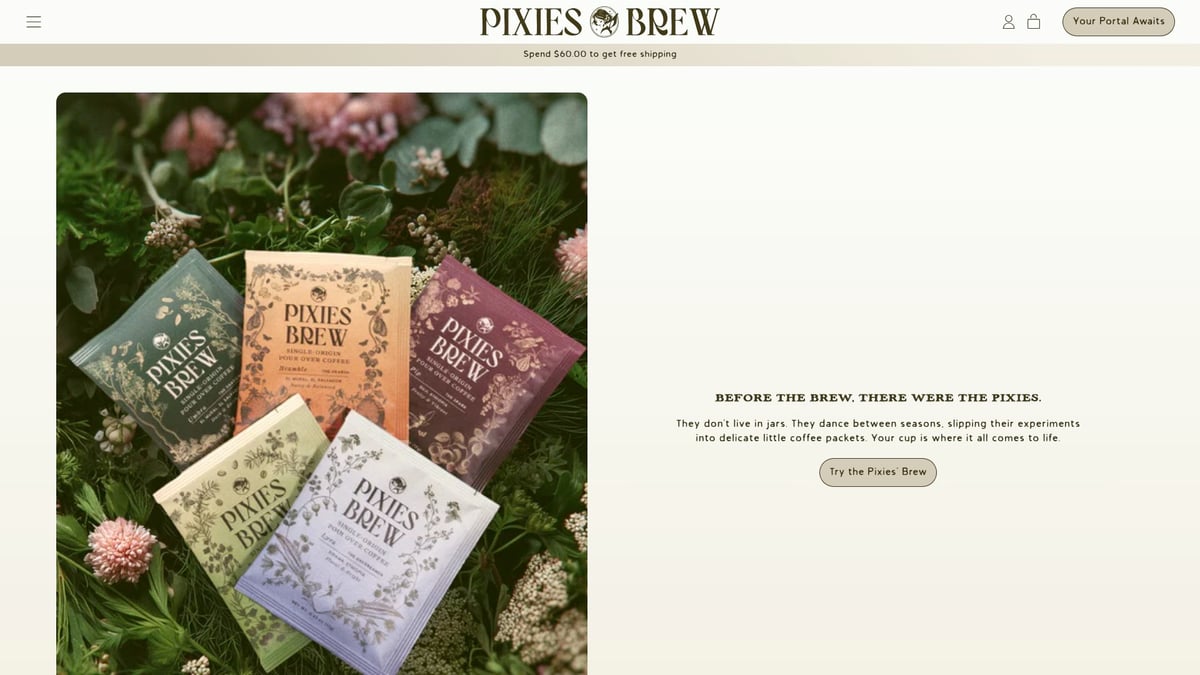
The Pixies Pour Ritual focuses on slowing down and savoring each cup. Whether you’re journaling solo or sharing with friends, these sachets turn every coffee break into a mindful pause. Discover how a simple ritual can transform how you taste coffee, one cup at a time.
Coffee Tasting FAQ: Your Questions Answered
Curious about how to taste coffee like a pro in your own kitchen? Here are answers to the questions new explorers ask most.
What is the best way to train my palate for coffee tasting?
Start by tasting coffee side by side. Take notes, compare, and let your senses guide you.
Why do I never taste the notes listed on the bag?
Everyone’s palate is different. Memories, culture, and even mood shape what you taste in each cup.
How can I improve my ability to detect sweetness?
Practice mindful sips, focus on the lingering finish, and try coffees known for their natural sweetness.
What tools do pros use for tasting coffee?
Pros often use spoons, tasting journals, and flavor wheels. Learn more in the Coffee Tasting FAQs.
Can I taste coffee like a pro without expensive equipment?
Absolutely. All you need is curiosity, attention, and a willingness to slow down.
How often should I practice mindful tasting?
Try to taste coffee mindfully with each new brew, making it part of your daily ritual.
Are there “wrong” ways to describe what I taste?
No. Trust your senses, and use words that feel true to your own experience.
You’ve just explored the magic of tasting coffee like a pro—how every aroma, every sip, tells its own story. Think back to dawn’s first light and the promise of a cup that’s more than just caffeine; it’s a ritual, a pause, a way to connect with yourself. That’s the heart of Pixies Brew. If you’re ready to turn your daily coffee into a personalized adventure of flavor and reflection, why not take the first step?
Let’s start this journey together: Start Your Ritual
Taste, discover, and make each morning a little more magical.
