


Camp Espresso Maker: Brew Bold Coffee Anywhere in 2026
The question isn't whether you can brew espresso in the wilderness-it's whether you should compromise your morning ritual just because you left the kitchen behind. A quality camp espresso maker transforms your tent-side dawn into a moment worth savoring, delivering bold, concentrated coffee without the weight of traditional machines or the letdown of instant granules. Whether you're backpacking through alpine meadows or car camping at your favorite national park, the right portable brewing system lets you carry your coffee standards into the wild.
The Evolution of Portable Espresso Brewing
I remember my first camping trip with serious coffee intentions. I'd packed a bulky French press, a hand grinder, and enough beans to caffeinate a small village. By day three, my pack felt like I was carrying bricks, and I started eyeing my trail partner's instant coffee with begrudging curiosity.
That experience taught me something vital: wilderness coffee isn't about replicating your home setup. It's about honoring the ritual while respecting the context.
What Defines a True Camp Espresso Maker
The term "espresso" gets thrown around loosely in outdoor gear catalogs. True espresso requires nine bars of pressure and water heated to precise temperatures, conditions that only specialized equipment can achieve. Most camp espresso makers produce what the Specialty Coffee Association calls espresso-style concentrates-bold, rich brews that capture espresso's intensity without meeting the technical definition.
Here's what matters more than semantics:
- Pressure generation: Manual pumps, lever systems, or compressed air
- Temperature control: Preheating chambers or passive heat retention
- Grind compatibility: Which grind sizes produce optimal extraction
- Durability: Materials that survive rattling in a pack or gear box
Choosing Your Wilderness Brewing System
The best camp espresso maker for you depends entirely on your adventure style. A weekend car camper has different needs than a through-hiker counting ounces.
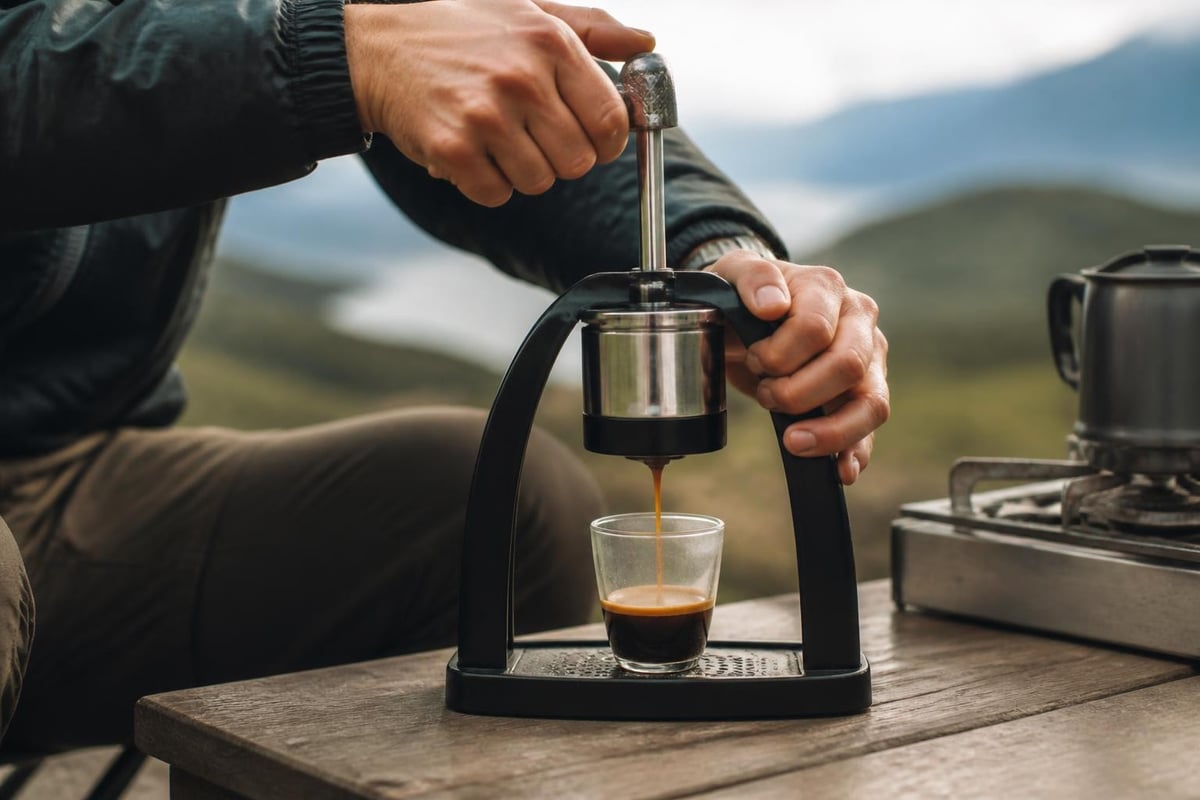
Hand-Pumped Portable Espresso Devices
These compact marvels use manual pressure to force hot water through finely-ground coffee. The most popular models weigh under a pound and pack smaller than a water bottle.
Advantages:
- True portability (fits in a jacket pocket)
- No power source or fuel required
- Consistent results with practice
- Durable construction (usually aircraft-grade materials)
Considerations:
- Requires pre-heated water from a separate source
- Arm-pumping can be tiring before your first cup
- Small capacity (typically 50-80ml per brew)
- Grind fineness matters tremendously
I've watched sunrise from a summit with one of these tucked in my pack, brewing double shots while the valley fog burned off below. That moment-hands wrapped around warm metal, the first bitter sip cutting through morning cold-made every pump stroke worthwhile.
Pressure-Based Portable Brewers
Think of these as the AeroPress method taken to its logical outdoor conclusion. They use combined air pressure and immersion to create concentrated coffee that rivals traditional espresso.
| Feature | Hand-Pumped Devices | Pressure Brewers | Traditional Pour-Over |
|---|---|---|---|
| Weight | 12-16 oz | 10-14 oz | 1-3 oz |
| Brew Time | 2-3 minutes | 3-4 minutes | 3-5 minutes |
| Pressure | 8-9 bars | 1-2 bars | Gravity only |
| Power Required | None | None | None |
| Cleanup | Moderate | Easy | Minimal |
| Crema Production | Yes | Minimal | No |
The Elegance of Pour-Over Systems
Not every camper craves espresso intensity. Sometimes the backcountry calls for a different kind of ritual-one that honors slowness and simplicity.
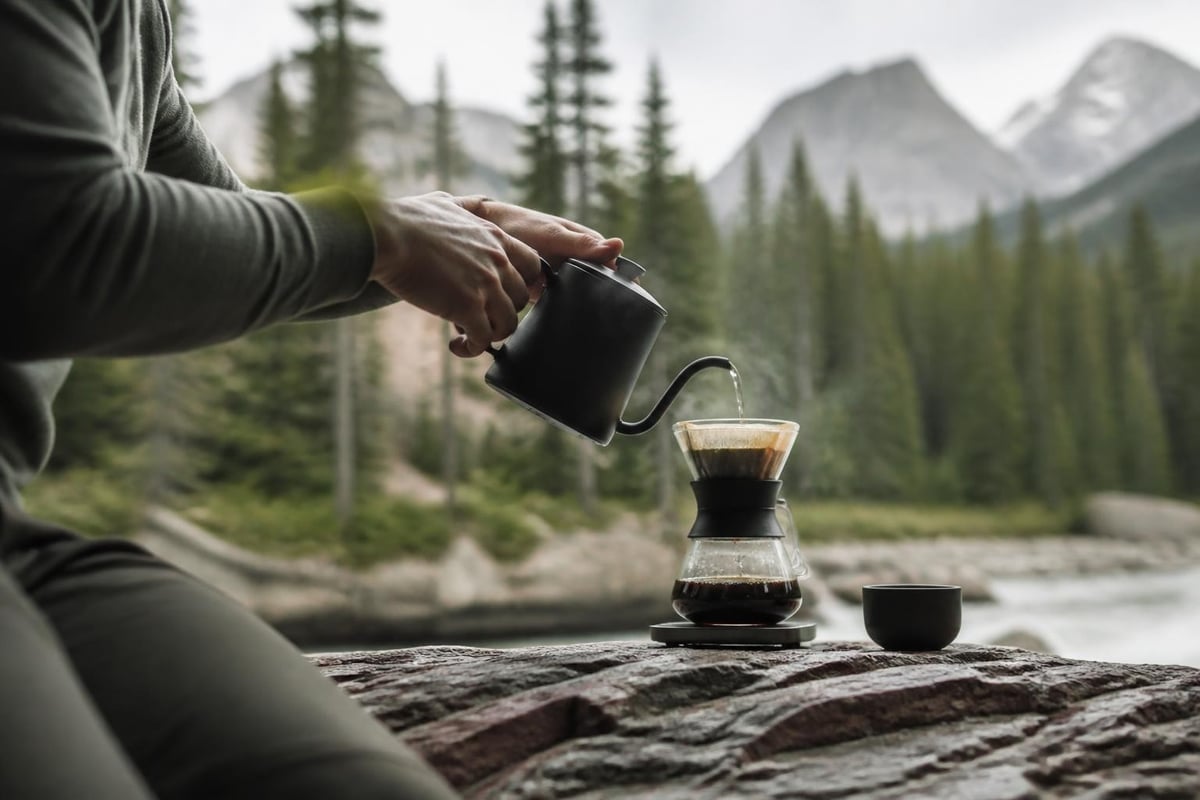
Pour-over systems stripped down for camp use offer remarkable coffee quality with minimal gear investment. A simple cone dripper, paper filters, and properly ground beans create clean, nuanced cups that let origin flavors shine. When you're already carrying boiling water for camp meals, adding a lightweight dripper barely registers in your pack weight.
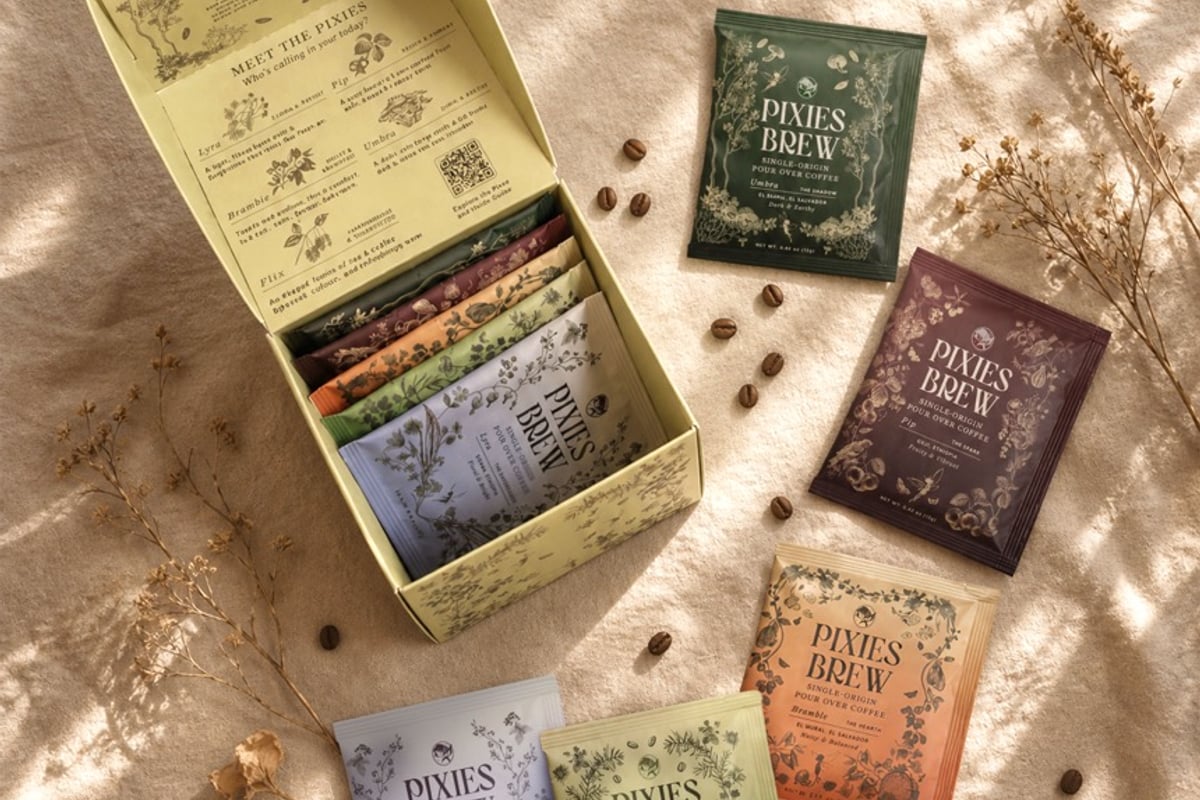
The Pixies Brew approach to coffee for camping embraces this philosophy. Rather than fighting wilderness logistics, work with them. Pre-ground specialty beans in single-serve sachets eliminate grinders, scales, and measurement guesswork, letting you focus on the experience instead of the equipment.
Practical Considerations for Outdoor Brewing
Your camp espresso maker lives in a harsher world than your home machine. Dust, temperature swings, and impact stress test every component.
Water Quality and Safety
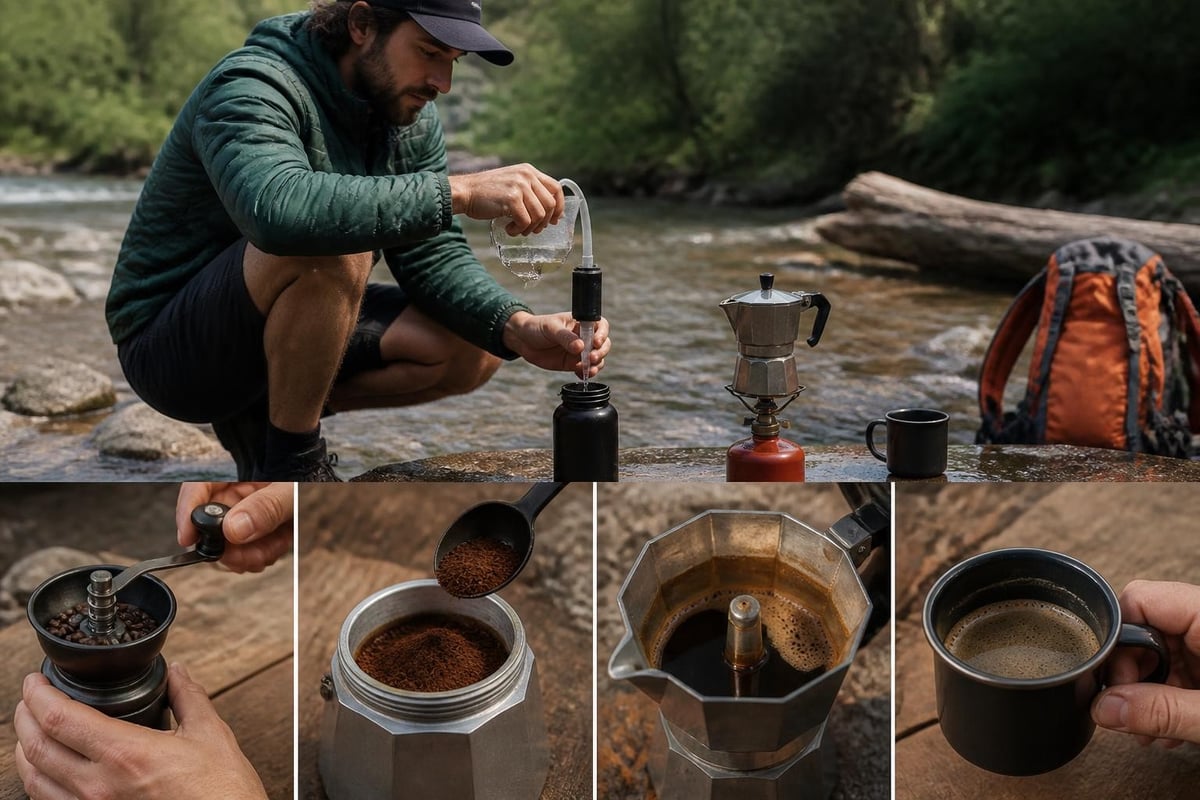
The best camp espresso maker can't overcome questionable water. Backcountry water sources require treatment before brewing. The EPA recommends boiling for at least one minute at altitudes below 6,500 feet, and three minutes above that threshold.
I learned this the hard way on a Sierra trip where I skipped filtering because the creek looked pristine. The coffee tasted fine. My stomach disagreed for the next two days.
Water preparation steps:
- Collect from flowing sources, never stagnant pools
- Filter through a certified backcountry filter (0.2 micron or smaller)
- Boil for appropriate duration based on elevation
- Let cool to brewing temperature (195-205°F for most methods)
Fuel and Heat Source Planning
Every camp espresso maker needs hot water, and getting water hot requires fuel. Gas canisters, liquid fuel, or wood-each has trade-offs.
Canister stoves offer convenience and precise heat control, perfect for temperature-sensitive brewing. Liquid fuel systems work in freezing conditions where canisters fail. Wood fires create ambiance but zero temperature consistency.
Before your trip, check regulations. Many wilderness areas restrict open flames during dry seasons. The National Park Service maintains current fire restrictions that can affect which brewing methods you're legally allowed to use.
Pack Weight vs. Coffee Quality Trade-offs
Every ounce matters when you're carrying your home on your back. Here's how different camp espresso maker categories stack up:
Ultralight Backpacking (every gram counts):
- Single-serve pour-over sachets: 0.5-1 oz per serving
- Minimal drippers with reusable filters: 2-4 oz
- Small manual brewers: 8-12 oz
Weekend Warriors (comfort over minimalism):
- Mid-size pressure brewers: 12-16 oz
- Hand-pumped espresso makers: 14-20 oz
- Portable drip systems: 8-14 oz
Car Camping (weight doesn't matter):
- Battery-powered espresso makers: 2-4 lbs
- Larger manual systems: 1-3 lbs
- Full pour-over setups with kettles: 3-5 lbs
I've noticed that obsessing over ounces often misses the point. If your camp espresso maker brings genuine joy to your mornings, that psychological boost carries you further than saving three ounces would.
Mastering Camp Espresso Technique
Equipment only tells half the story. Technique determines whether you're drinking liquid magic or bitter regret.
Grind Size and Preparation
Most camp espresso failures trace back to grind issues. Too coarse, and you get weak, sour extraction. Too fine, and you're fighting against impossible resistance that produces over-extracted bitterness.
For hand-pumped devices, aim for slightly coarser than true espresso grind-think table salt rather than powder. Pressure brewers prefer medium-fine, similar to pour-over. The challenge? You can't easily grind beans at camp unless you pack a manual grinder, adding weight and morning effort.
This is where thoughtful preparation transforms your experience. Grinding beans fresh before your trip and storing them in nitrogen-flushed packaging preserves aromatics remarkably well. Or embrace the simplicity of pre-ground specialty coffee sealed at peak freshness, ready when you need it.
The Pixies Brew Discovery Set demonstrates this principle beautifully. Each sachet contains specialty-grade coffee ground to optimal consistency and sealed with nitrogen, staying fresh until you're ready to brew. Just rip open, hook over your cup, and pour-no grinder, no scales, no fuss. When you're watching alpenglow paint distant peaks, that simplicity feels like its own kind of magic.
Temperature and Timing Mastery
Water temperature makes or breaks extraction. Too hot, and you scald the grounds, pulling harsh tannins. Too cool, and you under-extract, missing the coffee's full depth.
Without a thermometer (and who carries those camping?), use this rule: bring water to a full boil, then let it rest for 30-45 seconds. This drops the temperature into the ideal 195-205°F range.
Brewing timeline for different camp espresso maker types:
- Hand-pumped systems: 15-20 seconds of steady pumping after pressurization
- Pressure brewers: 60-90 seconds of steeping before plunging
- Pour-over methods: 2.5-3.5 minutes total contact time
I've found that the best camp coffee comes from slowing down. Not rushing the extraction. Not frantically pumping because you're hungry for breakfast. Letting the ritual unfold at its own pace, even when you're eager to hit the trail.
Beyond Basic Brewing: Advanced Camp Coffee Craft
Once you've mastered the fundamentals, the real experimentation begins.
Altitude Adjustments
Water boils at lower temperatures as elevation increases. At 10,000 feet, water boils at 194°F instead of 212°F at sea level. This affects extraction chemistry in subtle but meaningful ways.
High-altitude brewing adjustments:
- Slightly finer grind to compensate for lower temperatures
- Extended contact time (add 10-15 seconds per 3,000 feet)
- Increased coffee dose (5-10% more grounds)
- Longer pre-heating of brewing equipment
Cold Brew Concentrate for Multi-Day Trips
Here's a secret that changed my approach to long wilderness expeditions: pre-made cold brew concentrate. Mix coarse-ground coffee and cold water at a 1:4 ratio before your trip, let it steep overnight, strain, and carry the concentrate in a sealed bottle.
At camp, dilute with hot or cold water depending on your mood. One bottle provides 8-12 servings while weighing less than carrying beans and a full camp espresso maker. It won't replace the ritual of fresh brewing, but for days when you're exhausted and just need caffeine, it's wilderness gold.
Flavor Enhancement Without Extra Weight
Small additions transform camp coffee without requiring extra gear:
- Cinnamon stick (0.1 oz): adds warmth and slight sweetness
- Cardamom pods (0.05 oz): brings aromatic complexity
- Sea salt pinch: reduces bitterness, enhances chocolate notes
- Dried orange peel (negligible weight): adds bright citrus overtones
These fit in tiny ziplock bags and make each cup feel intentionally crafted rather than merely functional.
Common Camp Espresso Maker Challenges and Solutions
Real-world camping presents problems that product reviews never mention.
When Water Won't Stay Hot
Cold mornings, metal brewing devices, and exposed positions create rapid heat loss. Your carefully heated water drops 10-15 degrees before you finish brewing.
Solutions:
- Preheat your camp espresso maker with a small amount of hot water (discard after 30 seconds)
- Insulate your water container with a spare sock or buff
- Brew in a sheltered location away from wind
- Use a pot cozy to maintain water temperature longer
Cleaning Without Running Water
Residue builds up quickly, and camp dishwashing requires conservation. I once watched a camper rinse their brewer in a stream, not realizing coffee oils were polluting the water source that wildlife depended on.
Leave-no-trace cleaning method:
- Disassemble removable parts
- Wipe grounds into trash bag (pack it all out)
- Rinse with small amount of hot water into designated gray water location (200 feet from water sources)
- Air dry completely before packing to prevent mold
Managing Expectations vs. Home Brewing
Your camp espresso maker will never match your home setup. Accept this truth, and suddenly you're liberated to enjoy what it does offer: ritual, warmth, and the extraordinary context of wilderness sunrise.
The coffee itself might score 7 out of 10 compared to your home machine's 9.5. But the experience-hands warming around a cup while a spotted towhee investigates your camp, the way steam curls into pine-scented air-that scores 11 out of 10 every time.
Finding Your Perfect Camp Brewing System
After years of testing various camping accessories and coffee solutions, I've learned that the "best" camp espresso maker is the one you'll actually use.
Some mornings demand the full ritual: grinding, tamping, pumping, that first crema-topped sip. Other mornings, you're cold and tired and just want something hot and caffeinated without thinking.
Both mornings are valid. Your system should accommodate both.
Questions to Ask Before Buying
How remote are your typical camps?
- Near car or campground: weight doesn't matter, choose quality over portability
- Backcountry camping: every ounce counts, prioritize lightweight solutions
- Thru-hiking: simplicity and reliability trump coffee quality
What's your morning energy level?
- High (you're a morning person): complex manual systems work great
- Low (coffee makes you human): simple pour-over or sachet systems
- Variable: have backup simple options
How important is cleanup?
- Very (you're meticulous): avoid systems with many small parts
- Somewhat (you're practical): moderate complexity is fine
- Not much (you're carefree): might want to reconsider espresso-level equipment
Testing Before Committing
Never take a camp espresso maker on a big trip without testing it at home first. Practice your technique. Learn its quirks. Understand how much coffee and water you actually need.
Try it in your backyard, at a local park, anywhere that simulates field conditions without real consequences. The AeroPress instruction guide emphasizes this same principle-familiarity breeds confidence, and confidence produces better coffee.
The Ritual That Carries You
Equipment matters, but not as much as advertisers want you to believe. I've had transcendent coffee from a $15 pour-over cone and forgettable espresso from a $200 portable machine. The difference wasn't the gear-it was attention, intention, and presence.
Your camp espresso maker should feel like an extension of your ritual, not a burden. It should make mornings better, not more complicated. It should honor both your coffee standards and the wild places you're visiting.
As Consumer Reports notes in their camping gear evaluations, durability and ease of use often matter more than technical specifications. The best tool is the one that encourages daily use, not the one that wins spec-sheet comparisons.
Frequently Asked Questions
Can you make real espresso while camping? True espresso requires 9 bars of pressure and precise temperature control. Most camp espresso makers produce espresso-style concentrates at 1-8 bars. The result is bold and intense but technically not espresso. For camping purposes, this distinction rarely matters-what counts is whether the coffee satisfies your morning needs.
How do you keep coffee fresh on long trips? Pre-ground coffee stays fresh for 2-3 weeks in nitrogen-flushed packaging. For trips longer than that, bring whole beans and a manual grinder, or switch to cold brew concentrate after the first week. Store all coffee in airtight containers away from heat and direct sunlight.
What grind size works best for camp espresso makers? Hand-pumped devices need medium-fine grind (slightly coarser than true espresso). Pressure brewers prefer medium grind similar to drip coffee. Pour-over systems work with medium to medium-coarse. When in doubt, start coarser and adjust finer on subsequent brews.
Is a camp espresso maker worth the weight? That depends entirely on your priorities. If coffee ritual grounds your day and brings genuine joy, the weight is justified. If coffee is just fuel, simpler lightweight options make more sense. Only you can make this calculation based on your values and trip style.
How much does a quality camp espresso maker cost in 2026? Hand-pumped portable espresso makers range from $80-$300. Pressure brewers like the AeroPress cost $35-$45. Simple pour-over systems run $10-$30. Premium battery-powered models can exceed $400. The sweet spot for most campers sits around $50-$100 for reliable, portable systems.
Creating Your Morning Ritual in the Wild
The best moments of my camping life haven't been summiting peaks or covering big miles. They've been quiet mornings when I was the only one awake, nursing a cup of coffee while the world slowly brightened.
Those moments taught me that wilderness is as much about slowness as adventure. About pausing. About remembering that even out here, especially out here, small rituals matter.
Your camp espresso maker becomes part of that ritual. The familiar motions of brewing. The rising steam. The first sip that says "I'm here, I'm present, I'm paying attention."
Find the system that supports this for you. Whether that's a sophisticated hand-pumped device that mimics home quality, or a simple sachet that hooks over your camp mug while you watch the sunrise, what matters is that it helps you show up fully for your mornings.
For guidance on developing your personal brew ritual, consider how the elements of intentionality translate from home to wilderness. The tools change, but the purpose-creating a moment of pause and reflection-remains constant.
The right camp espresso maker brings your coffee ritual into landscapes that demand your full presence. Whether you choose complex manual systems or embrace the elegant simplicity of pre-ground sachets, what matters is honoring the moment. If you're seeking specialty coffee that travels as lightly as you do, Pixies Brew offers nitrogen-sealed sachets that deliver exceptional quality wherever your adventures lead-no grinder, no espresso machine, just you, hot water, and a moment back to yourself under open sky.
