


Camping Drip Coffee Maker: Gear, Ritual & Wild Mornings
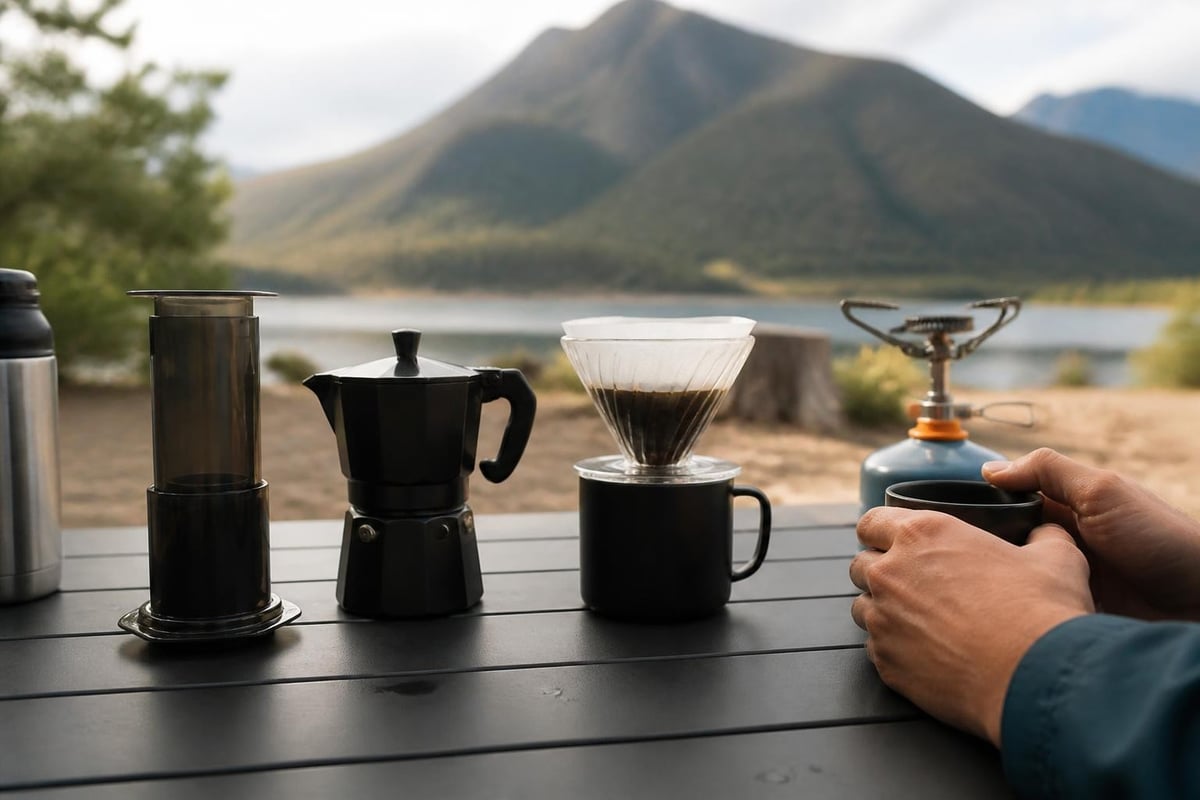
The best camping drip coffee maker is one that balances portability, durability, and the ability to brew exceptional coffee with minimal gear. Whether you're backpacking through alpine meadows or car camping with family, a reliable drip setup transforms your morning from rushed to reverent. The right system doesn't just deliver caffeine-it offers a moment of pause before the day's adventures begin, turning wild mornings into intentional rituals.
I learned this on a rain-soaked trip to Olympic National Park three summers ago. My percolator had broken the night before, leaving me with nothing but instant packets and regret. A fellow camper noticed my plight and handed me a simple collapsible dripper and a single-serve pour-over sachet. That morning, standing under a tarp as mist rolled through the Douglas firs, I brewed the best camp coffee of my life. The ritual was simple: heat water, hook the dripper to my mug, pour slowly. No electricity, no French press plunger to clean, just coffee and presence.
Why Choose a Drip Method for Camping
Traditional camping coffee methods have their place. Percolators evoke nostalgia. French presses brew bold cups. But a camping drip coffee maker offers something different: control, cleanliness, and simplicity that matters when you're miles from running water.
The drip method excels outdoors because it:
- Requires minimal cleanup (no grounds stuck in a press)
- Weighs almost nothing in your pack
- Delivers consistent extraction even with imperfect technique
- Works with any heat source, from camp stoves to open fires
- Scales beautifully from solo trips to group camps
The Specialty Coffee Association's research on water and extraction shows that drip methods adapt better to variable water conditions than immersion brewing. When you're drawing water from alpine streams or campground spigots, that adaptability matters. The controlled pour allows you to adjust for water temperature fluctuations and mineral content variations that wilderness environments throw at you.
The Ritual Matters
Coffee at camp isn't just fuel. It's the bridge between sleep and motion, between shelter and exploration. A camping drip coffee maker asks you to slow down, to pour with intention, to watch as water blooms through grounds and transforms into something worth savoring.
This ritual creates space. Space to watch sunrise paint the canyon walls. Space to plan the day's route. Space to simply exist in a place where Wi-Fi doesn't reach and your only obligation is to the moment itself.
Choosing Your Camping Drip Coffee System
Not all drip setups work equally well in wilderness settings. Your choice depends on how you camp, how far you carry your gear, and what compromises you're willing to make between weight and luxury.
| System Type | Weight | Durability | Best For | Pack Size |
|---|---|---|---|---|
| Collapsible Silicone Dripper | 2-4 oz | High | Backpacking | Compresses flat |
| Plastic Pour-Over Cone | 3-6 oz | Medium | Car camping | Fits in mug |
| Stainless Steel Dripper | 6-10 oz | Very High | Extended trips | Moderate |
| Single-Serve Sachets with Hanger | <1 oz | N/A | Ultralight | Negligible |
The CleverHiker buyer's guide emphasizes weight-to-functionality ratio for backpackers, while Field & Stream's roundup focuses on durability for base camp setups. Both perspectives matter, depending on your adventure style.
Material Considerations
Silicone drippers fold down to nothing, survive drops onto granite, and weigh less than a granola bar. They lack the heat retention of metal but make up for it in packability. I've watched mine bounce down a talus field without a scratch.
Stainless steel options hold temperature better, brew more evenly, and last decades. The weight penalty is real-typically 6-8 ounces-but acceptable for canoe trips or car camping where every ounce doesn't count.
Plastic cones split the difference. The classic Melitta-style dripper has brewed coffee on Everest expeditions and weekend state park trips alike. They're affordable, replaceable, and just sturdy enough.
Brewing Technique in the Wild
Your camping drip coffee maker is only as good as your technique. Outdoor brewing presents challenges: inconsistent heat sources, unmeasured water volumes, wind that steals warmth, altitude that changes boiling points.
Here's what works after hundreds of camp mornings:
-
Heat more water than you need. You'll lose heat to wind and cold mugs. That extra 8 ounces makes the difference between lukewarm disappointment and proper extraction.
-
Pre-wet your grounds. This "bloom" releases CO2 and primes the coffee bed. Count to 30, even when you're eager.
-
Pour in concentric circles. Start at the center, spiral outward, return to center. This ensures even saturation and prevents channeling.
-
Maintain steady flow. Don't dump. Don't drip. Find the sweet spot where water flows but doesn't pool.
-
Protect from wind. A simple windscreen around your setup prevents heat loss and maintains brew temperature.
The Tom's Guide pour-over recommendations translate well to camping contexts. Good technique matters more than expensive gear, especially when you're working with excellent coffee.
Water Quality and Temperature
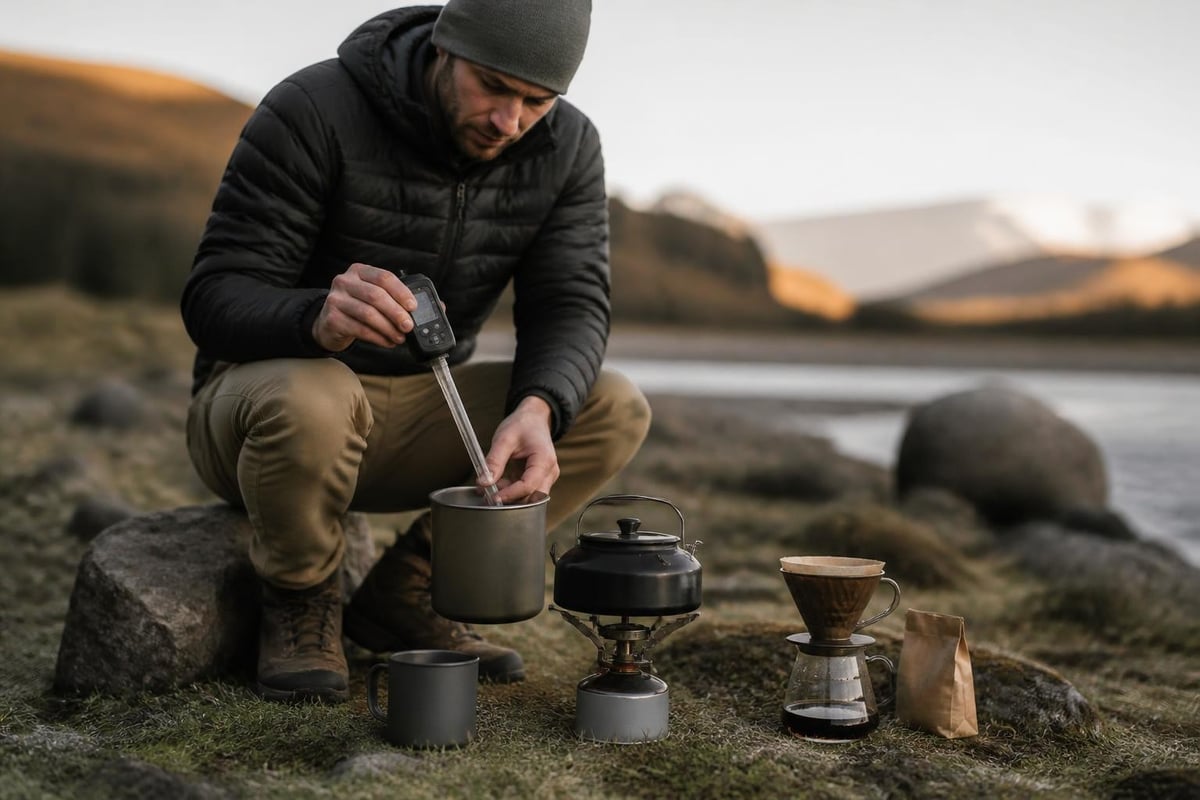
Camp water varies wildly. Spring runoff tastes different than established campground wells. According to research on water chemistry and extraction, mineral content affects acidity perception and flavor clarity. You can't control source water, but you can adapt.
Tips for variable water:
- If the water tastes heavily mineralized, reduce brew time slightly
- For soft water (common in alpine areas), extend contact time for fuller extraction
- Always let boiled water rest 30-45 seconds before pouring; 195-205°F is ideal
- When in doubt, taste your water first-it's 98% of your final cup
Pack Weight vs. Coffee Quality
The eternal backpacking question: what's worth carrying? A camping drip coffee maker weighs almost nothing, but you still need grounds, filters (maybe), and a heat source. Every ounce matters when you're climbing 3,000 feet with a full pack.
The ultralight camping coffee toolkit:
- Collapsible dripper or single-serve pour-over system (1-3 oz)
- Pre-measured coffee in waterproof bags (0.5 oz per cup)
- Compact titanium mug (3-4 oz)
- Micro fuel canister and ultralight stove (10 oz combined)
- Total weight: approximately 15-18 ounces for multiple days of exceptional coffee
Compare that to a French press setup (8-12 oz for the press alone) or percolator (16+ oz) and the efficiency becomes clear. The Outside Online gear guide highlights this weight advantage across their tested systems.
Single-Serve Solutions
Pre-portioned pour-over sachets represent the lightest possible camping drip coffee maker approach. These nitrogen-flushed packets contain precisely measured specialty-grade coffee that hangs directly on your mug. No separate dripper needed. No measuring. No waste beyond compostable materials.
Perfect for slow mornings, travel days, or anywhere you need a moment back to yourself, the Pixies Brew Discovery Set brings specialty-grade blends together in a system designed for simplicity. Each sachet delivers café-quality coffee with just a cup and hot water, making them ideal for backpacking where every gram counts.
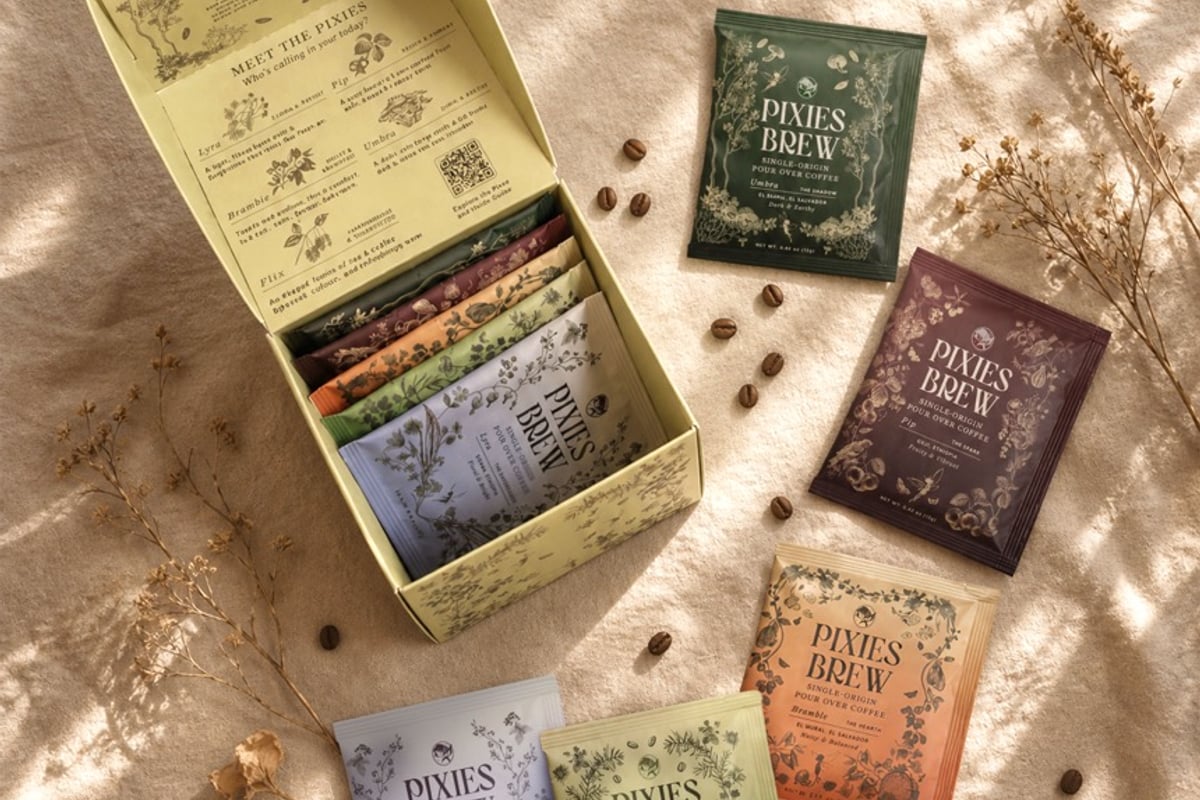
I've carried these on week-long backcountry trips where I couldn't justify carrying beans and a grinder. The ritual remained-heating water, the slow pour, the aromatic bloom-but my pack weight dropped by over a pound compared to my old ground coffee container.
Elevation and Extraction
Water boils at lower temperatures as elevation increases. At 5,000 feet, water boils at 203°F instead of 212°F. At 10,000 feet, it's down to 194°F. This affects extraction, sometimes producing weaker, more acidic coffee.
Altitude adaptation strategies:
- Increase coffee-to-water ratio by 10-15% above 7,000 feet
- Extend brew time slightly to compensate for lower water temperature
- Use a finer grind if you're grinding beans at camp
- Pre-warm your mug with hot water to reduce heat loss
I learned this the hard way on a Collegiate Peaks traverse in Colorado. My first morning at 11,800 feet produced coffee that tasted thin and sour. The next morning, I adjusted my ratio and pour speed. The difference was remarkable-full-bodied, balanced, worth the extra grams of coffee.
Camp Coffee Storage and Freshness
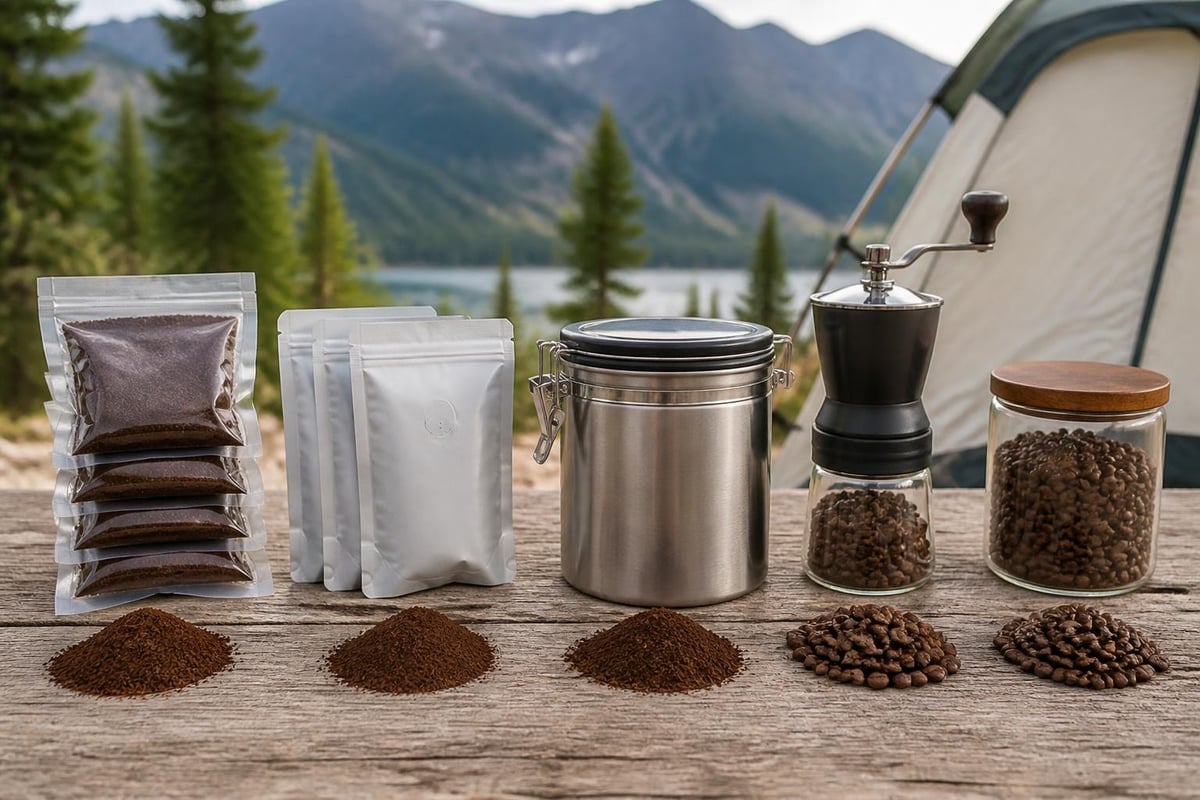
Pre-ground coffee loses complexity within days of grinding. Whole beans stay fresh longer but require a grinder-added weight and morning noise that wakes the entire campsite. This creates a dilemma for multi-day trips.
Storage solutions that preserve flavor:
- Vacuum-sealed daily portions (coffee shops will portion and seal for you)
- Nitrogen-flushed single-serve packets (stable for months)
- Small airtight containers filled at home, used within 3-4 days
- Whole beans with a compact hand grinder (luxury weight for coffee purists)
The camping drip coffee maker you choose should inform your storage strategy. Collapsible drippers accept any ground coffee. Specific cone sizes require matched filters. Single-serve systems eliminate storage concerns entirely.
Environmental Considerations
The National Park Service's camping guidelines emphasize Leave No Trace principles, which extend to your morning coffee ritual. Your camping drip coffee maker should support low-impact camping.
Eco-conscious camp coffee practices:
- Pack out all filters and grounds (or use compostable systems)
- Scatter used grounds 200 feet from water sources
- Avoid soap for cleaning-hot water and a bandana work perfectly
- Choose reusable systems over disposable pod-style makers
- Select packaging that biodegrades or composts
Paper filters compost readily but must be packed out from sensitive areas. Metal mesh filters eliminate waste but require more cleaning. Single-serve systems with compostable sachets offer a middle path-minimal waste, maximum convenience, and grounds that enrich soil rather than persisting as trash.
The Sensory Experience
Coffee from a camping drip coffee maker tastes different than home-brewed coffee. Maybe it's the pine-scented air mixing with aromatic notes. Maybe it's the earned fatigue in your muscles or the anticipation of the day ahead. Maybe it's simply that you're fully present, without phone notifications or traffic noise.
What you'll notice:
- Aroma carries farther in cool morning air, announcing coffee to the entire campsite
- Visual clarity as sunlight filters through your cup, revealing color and body
- Taste seems sharper when you're fully awake to each note and nuance
- Texture feels more substantial when you're cold and the warmth radiates through your hands
- Sound of water meeting grounds creates a meditative rhythm
I remember a June morning in the Sawtooth Wilderness, brewing coffee as mist lifted off Alpine Lake. The scent of Ethiopian beans-bright, floral, citrus-forward-mingled with wild roses blooming along the shore. That sensory combination, the ritual of the pour, the stillness before the day's climb: that's why we carry a camping drip coffee maker into the wilderness.
Common Mistakes to Avoid
Even simple systems invite errors. After watching countless campers struggle with weak, bitter, or lukewarm coffee, these mistakes stand out:
| Mistake | Consequence | Fix |
|---|---|---|
| Boiling water, immediate pour | Over-extraction, bitterness | Rest water 45 seconds |
| Insufficient pre-warming | Cold coffee in 3 minutes | Rinse mug with hot water first |
| Pouring too fast | Weak, under-extracted coffee | Steady, controlled spiral pour |
| Skipping the bloom | Uneven extraction, flat flavor | 30-second pre-wet, then continue |
| Using yesterday's grounds | Desperation in a cup | Always pack sufficient coffee |
The most common mistake? Compromising on coffee quality to save pack weight. The difference between excellent beans and gas station grounds is measured in ounces, but the experience gulf is massive. A camping drip coffee maker elevates cheap coffee to drinkable, but it transforms specialty beans into morning magic.
Cleaning and Maintenance
Your camping drip coffee maker needs care to perform reliably across trips. Different materials demand different approaches, but all benefit from immediate attention.
Post-brew care:
- Rinse while still warm-oils wash away more easily
- For silicone drippers, a simple shake removes most residue
- Metal systems benefit from occasional vinegar soaks (at home)
- Inspect for cracks or damage after each trip
- Dry completely before packing to prevent mildew
I store my dripper with a paper filter inside to maintain its shape and wick any residual moisture. It's a small habit that extends lifespan and ensures it's ready when I pull it from my pack miles from anywhere.
Building Your Camp Kitchen System
A camping drip coffee maker fits into a larger outdoor cooking ecosystem. Your stove, fuel choice, and kitchen organization all affect your morning coffee experience.
Compatible gear considerations:
- Stove selection: Canister stoves boil water fastest; alcohol stoves save weight but require patience
- Kettle choice: Gooseneck kettles enable precise pours; standard pots work but lack control
- Mug material: Insulated mugs keep coffee hot longer; titanium saves weight; enamel feels nostalgic
- Storage system: Nest your dripper inside your mug to save pack space
The entire system should pack efficiently, set up quickly, and clean easily. My camp kitchen fits in a 5-liter dry bag: stove, fuel, dripper, coffee, mug, spork, and minimal cleanup supplies. Everything multitasks. Nothing gets carried "just in case."
Seasonal Adaptations
Your camping drip coffee maker performs differently across seasons. Summer's warm nights require different strategies than autumn's freezing mornings.
Summer brewing: Protect coffee from heat in your pack. Store in the coolest spot, use insulated containers, brew immediately after waking before temperatures climb. Consider cold brew concentrate for afternoon coffee without firing up the stove.
Winter considerations: Keep coffee and fuel inside your sleeping bag overnight so they're not frozen solid at dawn. Boil extra water to pre-warm your entire brewing system. Work quickly to prevent heat loss. An insulated mug isn't optional-it's essential.
Spring and fall: Variable temperatures demand flexibility. I always pack a backup heat source and extra fuel during shoulder seasons when weather turns unpredictable. There's no misery quite like being cold, tired, and coffee-less because your single canister froze.
Frequently Asked Questions
What's the ideal grind size for a camping drip coffee maker?
Medium grind works best-similar to sand or coarse salt. Too fine and water flows too slowly, over-extracting and creating bitterness. Too coarse and water rushes through, producing weak, sour coffee. If you're pre-grinding at home, ask for "drip grind" and you'll be perfectly set.
Can I use a camping drip coffee maker at high altitude?
Absolutely. Adjust your coffee-to-water ratio upward by 10-15% above 7,000 feet to compensate for lower boiling temperatures. The brew guide at Pixies Brew offers detailed extraction principles that apply regardless of elevation.
How do I brew for multiple people at camp?
Either brew multiple individual cups (my preference for quality control) or scale up with a larger dripper like a Chemex-style system designed for camp use. Most collapsible drippers accommodate 16-20 oz brews, enough for two moderate cups or one generous serving.
Do paper filters work better than metal for camping?
Paper filters produce cleaner cups with less sediment but must be carried in and packed out. Metal filters weigh more and allow fine particles through but eliminate waste. Both work-choose based on your priorities around weight, taste preference, and environmental impact.
How long does pre-ground coffee stay fresh in camping conditions?
Properly stored in airtight containers, pre-ground coffee remains acceptable for 5-7 days. Beyond that, degradation becomes noticeable. Nitrogen-flushed single-serve sachets maintain freshness for months, making them ideal for long trips where resupply isn't possible.
The Psychology of Morning Ritual
There's something profound about maintaining your coffee ritual in the wilderness. When everything else has been stripped away-walls, electricity, schedules, screens-the act of brewing coffee becomes an anchor. It signals continuity between your regular life and this temporary wild existence.
The camping drip coffee maker serves as a tool for transition. Those five minutes of heating water, measuring coffee, pouring with attention-they create psychological space between sleeping and doing. You're not just making caffeine. You're crafting permission to ease into the day.
This matters more than most people realize. Modern life rarely offers permission to do nothing, to simply exist with a warm cup and your thoughts. Camp mornings gift you that permission. The coffee ritual formalizes it, makes it intentional rather than accidental.
Integration with Camp Life
Your coffee system should complement your camping style rather than complicate it. For company trips or group adventures, consider how your brewing method scales. Solo backpackers prioritize different features than families car camping.
Solo campers benefit from ultralight single-cup systems that brew quickly without waste.
Couples often prefer slightly larger drippers that can brew 12-16 oz servings to share or provide generous individual portions.
Groups might designate one person as "camp barista" with a larger dripper, or equip everyone with personal systems for simultaneous brewing.
I've done all three. Solo, I carry nothing but single-serve sachets. With my partner, we share a collapsible dripper and take turns brewing. With larger groups, everyone manages their own coffee-it's faster and accommodates varying wake times and taste preferences.
The right camping drip coffee maker transforms outdoor mornings from rushed to reverent, delivering café-quality coffee with minimal gear and maximum ritual. Whether you choose collapsible drippers, classic cones, or single-serve sachets, the key is finding a system that matches your adventure style and honors the coffee itself. When you're ready to bring specialty-grade coffee into the wilderness without compromising on flavor or adding pack weight, explore how Pixies Brew can accompany your next adventure-because every wild morning deserves a moment of pause and a cup worth savoring.
