


Camping Pour Over Coffee: A Complete Guide
Picture this: dawn breaks over your campsite, mist rising from the valley below, and you're cradling a cup of coffee that tastes like it came from your favorite café back home. That's the promise of camping pour over coffee-a brewing method that brings precision and ritual to the wilderness. Whether you're a backpacker counting ounces or a car camper who packs the kitchen sink, mastering pour over technique outdoors transforms your morning from functional to transcendent. The beauty lies not just in the result, but in the pause itself, the quiet rhythm of water meeting grounds while the forest wakes around you.
Why Pour Over Works Brilliantly in the Wild
Traditional camping coffee methods have their charm, but they often sacrifice quality for convenience. Cowboy coffee leaves you with gritty sludge. Instant packets taste like compromise. French presses are bulky and fragile. Camping pour over coffee bridges the gap between expedition-weight practicality and café-quality extraction.
The physics are simple: hot water flows through coffee grounds at a controlled rate, extracting oils and flavors as it passes. What makes this method shine outdoors is its adaptability. You control every variable-water temperature, pour speed, bloom time-even when your kitchen is a picnic table or a flat rock.
The Sensory Reward
There's something about brewing coffee outside that heightens every sense. The aroma of fresh grounds mingles with pine or ocean salt. The sound of water hitting the bed of coffee becomes a meditation over crackling fire. Visually, watching the bloom expand as gases release is chemistry class meeting art installation. The texture of a properly extracted cup-neither watery nor sludgy-coats your palate. And the taste? Clean, nuanced, exactly what you need when you're miles from civilization.
Essential Gear for Camping Pour Over Coffee
You don't need much, but what you bring matters. Here's what works in the backcountry:
Dripper Options:
- Collapsible silicone cones (2-3 ounces)
- Stainless steel single-cup drippers (4-6 ounces)
- Ultralight plastic V60s (1 ounce)
Filter Choices:
- Pre-folded paper filters (pack flat, weigh nothing)
- Reusable metal mesh (eco-friendly, adds body to the brew)
- The rubber band hack for emergencies (more on this shortly)
Water Heating Systems:
- Backpacking stoves with kettle
- Campfire with hanging pot
- Jetboil or similar integrated systems
Additional Essentials:
- Insulated mug or cup
- Small digital scale (optional but helpful)
- Thermometer or temp-controlled kettle
- Pre-measured coffee portions
The real magic happens when you simplify. Coffee sachets designed for single-serve brewing eliminate measuring and mess, giving you consistency when conditions are anything but controlled.
The Complete Brewing Process Outdoors
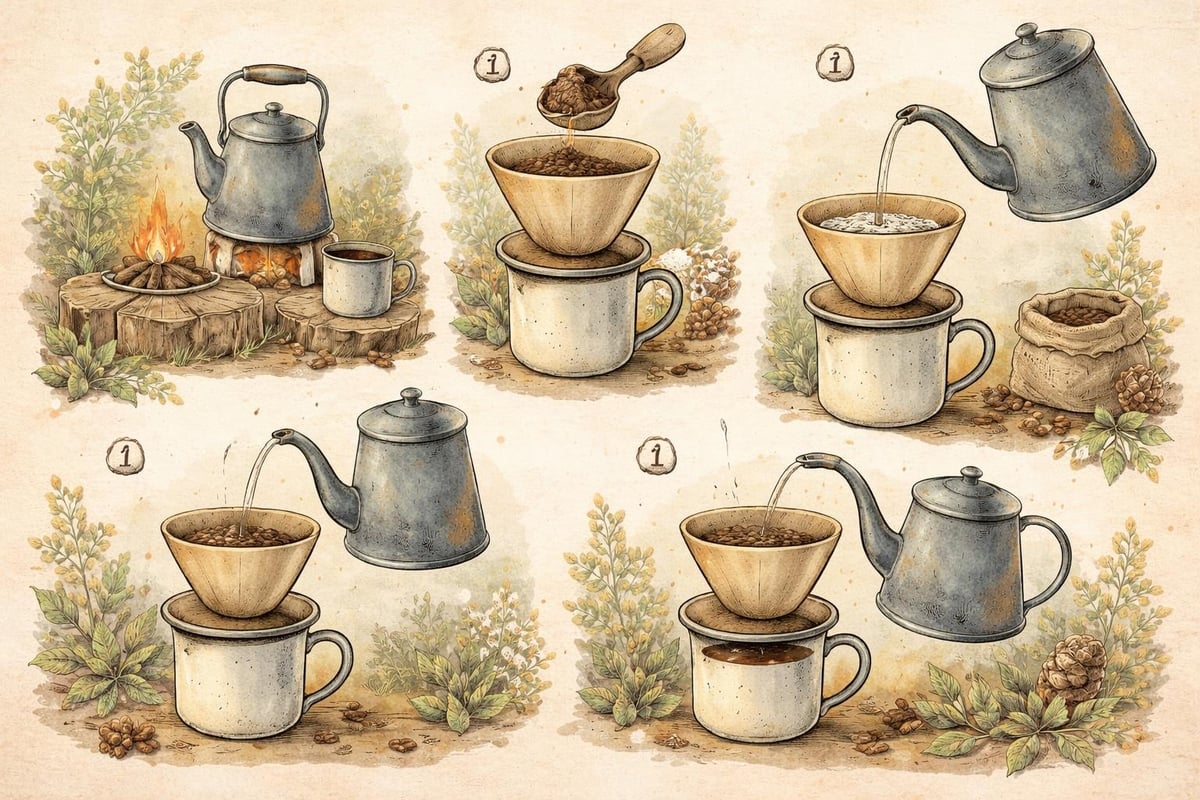
Let's walk through the ritual, step by sensory step. This isn't just about making coffee; it's about creating a moment worth remembering.
Step 1: Set Up Your Station
Find a stable surface-a camp table, cooler lid, or flat rock. Position your dripper over your mug. If you're using paper filters, rinse them with hot water to eliminate papery taste and preheat your vessel. Pour out the rinse water. This also helps the filter cling to the dripper walls.
Step 2: Measure and Add Grounds
The golden ratio hovers around 1:16 (one part coffee to sixteen parts water). For a 12-ounce cup, that's roughly 22 grams of coffee, or about three tablespoons if you're eyeballing it. Medium-fine grind works best-think sea salt texture. Too fine, and extraction slows to a crawl. Too coarse, and water rushes through, leaving flavor behind.
Step 3: Heat Water to the Right Temperature
Aim for 195-205°F. At altitude, water boils at lower temperatures, so adjust accordingly. If you lack a thermometer, bring water to a rolling boil, then let it sit for 30 seconds. The slight cooling brings you into the sweet spot. Gooseneck kettles improve precision, but any spout works with practice.
Step 4: The Bloom
This is where magic becomes chemistry. Pour just enough water to saturate all grounds-usually double the weight of coffee. Watch the bed expand as trapped carbon dioxide escapes. Wait 30-45 seconds. This releases gases that would otherwise block water pathways, improving extraction. The bloom smells incredible-earthy, floral, nutty notes releasing into morning air.
Step 5: The Pour
Now we build flavor. Pour in slow, steady spirals from the center outward, never hitting the filter directly. Maintain constant water level about halfway up the grounds. Total brew time should land between 2.5 and 4 minutes. Faster means under-extraction (sour, thin). Slower means over-extraction (bitter, harsh).
| Brew Variable | Target | Impact |
|---|---|---|
| Water temp | 195-205°F | Extraction efficiency |
| Grind size | Medium-fine | Flow rate and contact time |
| Coffee ratio | 1:16 | Strength and balance |
| Total brew time | 2.5-4 minutes | Flavor development |
Step 6: Enjoy Intentionally
Don't rush this part. Camping pour over coffee rewards patience. Let the cup cool slightly. Notice how flavors evolve-brightness fades, sweetness emerges, body develops. This is your moment of pause, earned by effort and attention.
Solving Common Outdoor Brewing Challenges
The wilderness throws curveballs. Here's how to adapt:
Cold Weather: Pre-warm everything. Store coffee inside your sleeping bag. Brew under a tarp or in your vestibule. Consider insulated pour-over setups or double-wall vessels.
Wind: Build a windscreen from rocks or use your stove's built-in protection. Wind steals heat fast, cooling water mid-pour and stalling extraction.
Limited Water: The pour-over method is actually water-efficient compared to French press or percolators. You use exactly what you need. Some techniques show how to optimize extraction with less waste.
Forgotten Filters: The rubber band hack is brilliant: place grounds in a coffee filter, twist the top, secure with a rubber band, and steep like a tea bag. Not technically pour-over, but it works.
Altitude Adjustments: Higher elevation means lower boiling points. Extend brew time slightly to compensate for cooler water. Expect flavor to taste slightly different as your palate adjusts to thinner air.
Choosing Coffee for the Trail
Not all beans travel well. What you pack matters as much as how you brew it.
Freshness First: Coffee peaks 7-21 days post-roast. Pre-ground loses aromatics within hours. Whole beans in an airtight container preserve flavor longer, but add weight and require a hand grinder.
Roast Level Considerations:
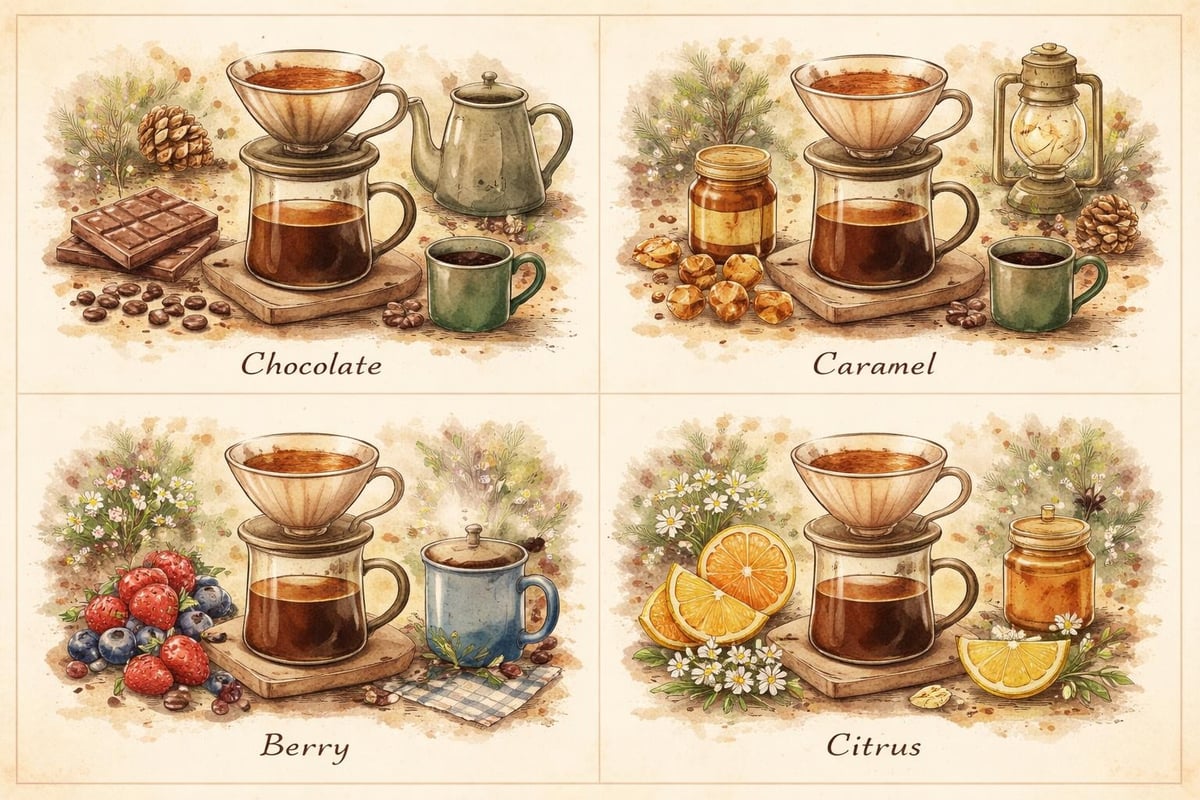
- Light roasts showcase origin characteristics-fruit, floral, bright acidity
- Medium roasts balance complexity with approachability
- Dark roasts deliver bold, smoky notes that stand up to campfire ambiance
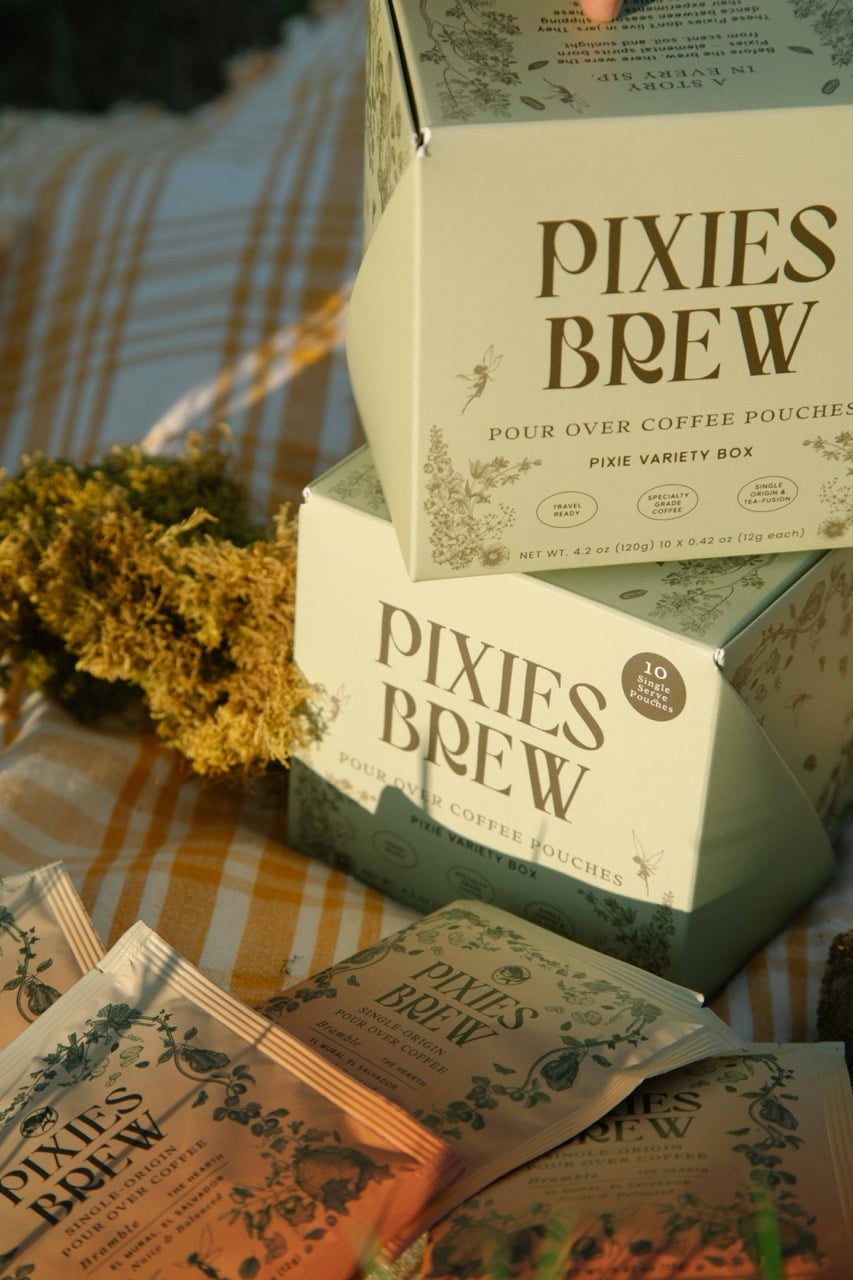
Single-Serve Solutions: Pre-portioned sachets solve freshness, measurement, and waste issues simultaneously. Each packet contains grounds sealed at peak flavor, already dosed for perfect extraction. Some offerings, like those from Pixies Brew, craft specific flavor profiles that enhance the outdoor experience-think notes of toasted marshmallow or wild berry that echo your surroundings.
For those wanting to explore multiple flavor territories without committing to full bags, the Pixies Brew Variety Box: The Discovery Set offers a curated selection perfect for multi-day trips where variety prevents palate fatigue.
Elevating the Ritual Beyond Technique
Camping pour over coffee becomes more than a brewing method when you weave it into your adventure rhythm. It marks transitions-dawn to day, rest to movement, solitude to community.
Some campers build tradition around the morning pour. They wake before others, claim the quiet, let the ritual ground them before the day's demands. Others brew communally, teaching the process to companions, turning coffee into connection.
Pairing Coffee with Camp Meals:
- Bright, acidic coffees cut through heavy breakfasts
- Chocolate-forward roasts complement oatmeal or granola
- Berry notes echo trail mix or dried fruit
- Nutty profiles enhance savory bacon and eggs
The Environmental Angle: Pour-over generates minimal waste if you choose carefully. Compostable filters and biodegradable packaging mean you can practice Leave No Trace principles without sacrificing quality. Luxury coffee brands increasingly prioritize sustainable sourcing and packaging, bringing ethics to expedition.
Advanced Techniques for Coffee Nerds
Once you've mastered basics, experimentation begins.
Pulse Pouring: Instead of one continuous pour, add water in several stages-bloom, then three or four pulses. This extends contact time without over-extracting, developing fuller body.
Temperature Staging: Start at 205°F for the bloom, drop to 195°F for the main pour. This extracts high notes first, then develops sweetness without bitterness.
Agitation Methods: Gentle swirling after the bloom redistributes grounds, ensuring even saturation. Some brewers use a small stick to stir gently.
Bypass Brewing: If your coffee tastes too strong, add hot water after brewing. This dilutes concentration while preserving extracted flavors. Take The Truck's detailed guide explores this and other refinements.
Gear Review Snapshot
| Product | Weight | Capacity | Best For | Drawback |
|---|---|---|---|---|
| GSI Outdoors Collapsible Java Drip | 2.8 oz | 1-2 cups | Backpackers | Flimsy in wind |
| Snow Peak Stainless Dripper | 5.2 oz | 1-4 cups | Car campers | Heavier |
| Hario V60 Plastic | 1.6 oz | 1-2 cups | Minimalists | Requires careful packing |
| Stanley Perfect Brew | 8 oz | 20 oz | Base camp | Bulky for backpacking |
Reviews like Tom's Guide's Stanley analysis help narrow choices based on your specific camping style.
Building Your Coffee Camp Kit
Start simple, then expand as you discover preferences:
Beginner Kit ($30-50):
- Plastic V60 dripper
- Paper filters (100-pack)
- 12 oz insulated mug
- Pre-ground coffee or sachets
Intermediate Kit ($80-120):
- Stainless steel dripper
- Reusable metal filter
- Small hand grinder
- Digital scale
- Whole beans in airtight container
Advanced Kit ($150-250):
- Temperature-controlled kettle
- Precision scale
- Multiple drippers for group brewing
- Variety of whole beans
- Insulated carafe
Regardless of investment level, visual tutorials help refine technique when you're learning or troubleshooting.
Frequently Asked Questions
How do I keep coffee fresh during multi-day trips? Use airtight containers with one-way valves. Store in cool, dark places (never in direct sun). Consider vacuum-sealed portions. Single-serve sachets eliminate degradation entirely.
Can I make camping pour over coffee without a dripper? Absolutely. The filter-and-rubber-band method works. Some campers fashion improvised drippers from mesh bags or clean bandanas, though these affect flavor.
What grind size works best outdoors? Medium to medium-fine, similar to table salt. Adjust based on brew time-if water drains too fast (under 2 minutes), go finer. Too slow (over 5 minutes), go coarser.
How much coffee should I pack per day? Plan 20-25 grams per serving, twice daily, plus a cushion. For a three-day trip, 150-200 grams covers most needs with margin for sharing.
Is pour-over worth the effort compared to instant? If coffee matters to you, yes. The ritual provides mental centering. The flavor delivers genuine pleasure. The skill builds confidence in your outdoor competence.
Creating Ritual in Routine
The real power of camping pour over coffee isn't technical-it's transformational. When daily life accelerates past intention, when screens steal attention, when efficiency trumps experience, the simple act of brewing coffee slowly in the woods becomes radical.
You measure grounds with cold fingers. You wait for water to reach temperature. You pour in careful spirals. You watch, you smell, you anticipate. For three or four minutes, nothing else demands your attention. No notifications interrupt. No schedule pressures. Just you, beans, water, and the process connecting them.
This is what Pixies Brew's approach honors-coffee as pause, as portal, as practice. Each brew becomes meditation. Each cup creates space for reflection. Whether you're watching sunrise from a mountain peak or rain from a tent vestibule, the ritual grounds you in the present moment.
The flavors matter-complexity, balance, clarity. But the brewing matters more. It's proof that even in wilderness, even in simplicity, beauty and care still count. That slowing down creates richness speed cannot. That attention transforms ordinary into extraordinary.
Mastering camping pour over coffee means you'll never compromise on quality, no matter how remote your adventure takes you. The ritual of intentional brewing-measuring, blooming, pouring with purpose-becomes as rewarding as the destination itself. When you're ready to elevate your outdoor coffee experience with specialty single-serve sachets crafted for ritual and flavor, explore what Pixies Brew offers: delicate packets designed to transform every wilderness morning into a moment worth savoring.
