


Finding Your Good Drip Coffee Maker in 2026
A good drip coffee maker delivers consistent heat, even extraction, and honors the beans you've chosen. It's a quiet partner in your morning ritual, turning water and grounds into something that holds your attention for more than a sip. In 2026, that means SCAA-certified brewing temperatures (195-205°F), quality materials like stainless steel or BPA-free components, and a design that fits your counter without demanding applause. Whether you're brewing a single cup or a full carafe, the right machine respects both the coffee and the time you've set aside for it.
What Actually Makes a Drip Coffee Maker Good
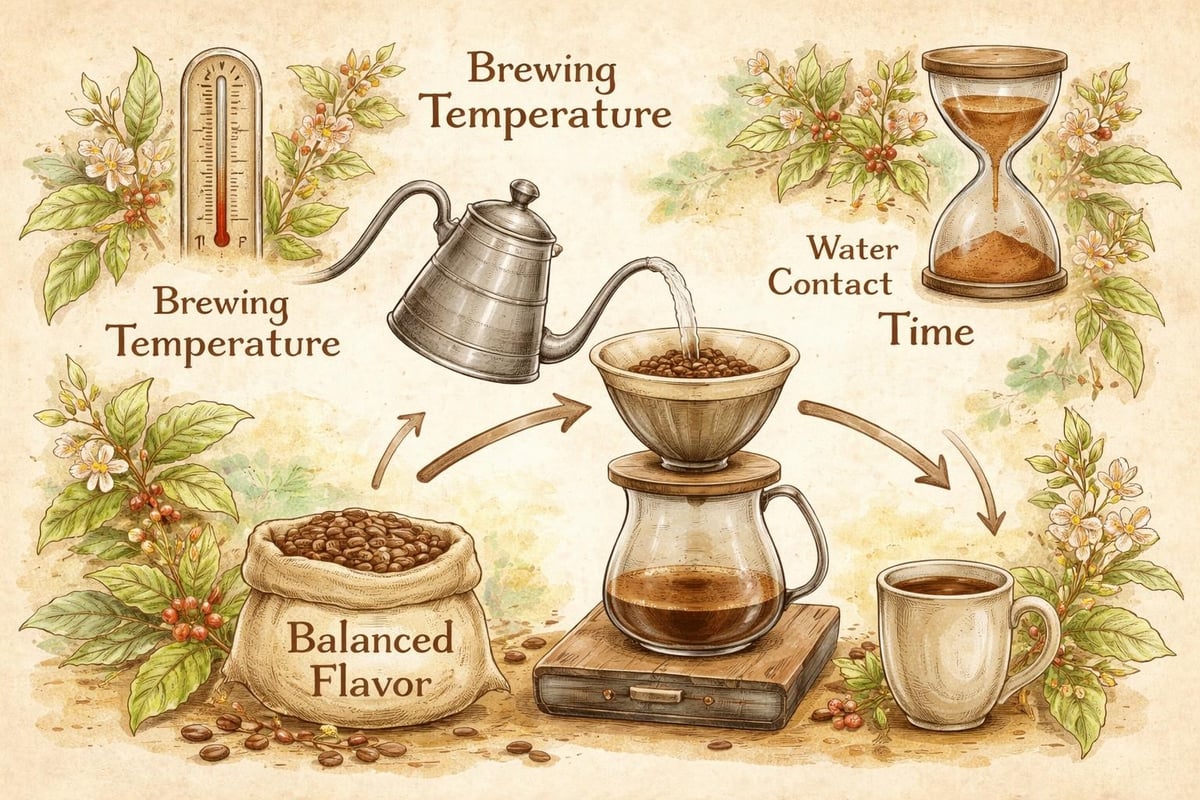
The difference between mediocre and memorable coffee often comes down to three elements: temperature stability, contact time, and water distribution. A good drip coffee maker maintains brewing temperature throughout the entire cycle, not just at the start. Cheap models spike hot then cool down, extracting bitterness early and leaving sweetness behind.
Water distribution matters just as much. The best machines use shower heads that saturate grounds evenly, mimicking the careful pour of a manual brew. When water channels through dry pockets or floods one side, you get uneven extraction. Half your coffee tastes weak; the other half, over-extracted and harsh.
Key features to prioritize:
- SCAA or SCA certification for brewing standards
- Thermal carafe instead of hot plate (prevents scorching)
- Pre-infusion or bloom cycle
- Adjustable brew strength settings
- Quality build materials (stainless steel, glass, BPA-free plastic)
Contact time controls flavor depth. Machines that rush water through in four minutes produce thin, sour coffee. Consumer Reports tests over 100 drip coffee makers annually, and their top performers consistently brew for 6-8 minutes with water at optimal temperature.
The Grove Morning: Why Ritual Matters More Than Speed
In the Grove, mornings unfold slowly. Steam rises from cups held in two hands. The sound of water meeting grounds is a small ceremony, repeated daily, that anchors the day before it scatters into tasks and noise.
A good drip coffee maker fits this rhythm. It doesn't rush. It doesn't beep aggressively or demand immediate attention. The best machines understand that coffee is both utility and pause, caffeine and contemplation.
Choosing Materials That Honor Health
The conversation around non-toxic coffee makers has shifted from niche to necessary. BPA, phthalates, and other endocrine disruptors leach from cheap plastics when exposed to heat. Your morning ritual shouldn't come with side effects.
Homes & Gardens highlights health-conscious coffee makers made from stainless steel, glass, and certified BPA-free materials. These machines cost more upfront but preserve both flavor purity and long-term wellness. When hot water touches plastic repeatedly, it extracts more than coffee.
| Material | Heat Resistance | Flavor Impact | Durability | Health Considerations |
|---|---|---|---|---|
| Stainless Steel | Excellent | Neutral | 10+ years | Food-grade safe |
| Glass | Good | Neutral | 5-7 years | Fragile but inert |
| BPA-free Plastic | Moderate | Slight | 3-5 years | Certified safe when new |
| Standard Plastic | Poor | Noticeable | 2-3 years | Potential leaching |
Glass carafes let you watch the brew darken and rise. Stainless steel thermal carafes keep coffee hot for hours without scorching. Both choices respect the liquid they hold.
Machines That Understand Coffee Craft
Some manufacturers approach drip coffee makers as appliances. Others treat them as brewing instruments. The difference shows in details: how water disperses, whether the machine allows bloom time, if temperature holds steady from first drip to last.
The Technivorm Standard
Technivorm's Moccamaster has held its reputation for decades by doing simple things precisely. Handmade in the Netherlands, each unit brews at exact SCAA standards. Copper heating elements maintain temperature. The brew basket's design promotes even saturation.
Tom's Guide covered their 2026 Sorbet colorway release, noting that beyond aesthetics, the Moccamaster remains unchanged because the fundamentals were right from the start. It's expensive, yes. But it's a workhorse that treats your luxury coffee beans with the respect they deserve.
The machine takes up counter space. It's not quiet. But it makes consistently excellent coffee, morning after morning, year after year.
Modern Precision Meets User Experience
Sage (Breville in the US) entered the drip market with their Luxe Brewer series, bringing espresso-machine precision to filter coffee. TechRadar's hands-on review praised its PID temperature control and customizable bloom time. You can adjust every variable: brew strength, temperature, and flow rate.
This level of control appeals to people who want to dial in their morning cup like a pourover but with automation's convenience. The machine remembers your preferences, so Tuesday's coffee tastes like Monday's success, not a gamble.
Advanced features worth considering:
- PID temperature control (precise to 1-2 degrees)
- Programmable bloom/pre-infusion
- Adjustable flow rate
- Coffee-to-water ratio calculator
- Descaling reminders and programs
Connecting Drip Machines to Pourover Ritual
If you've spent time with a pourover ritual, you know the satisfaction of controlling every variable. The circular pour. The timer. Watching grounds bloom and release their first aromatic breath.
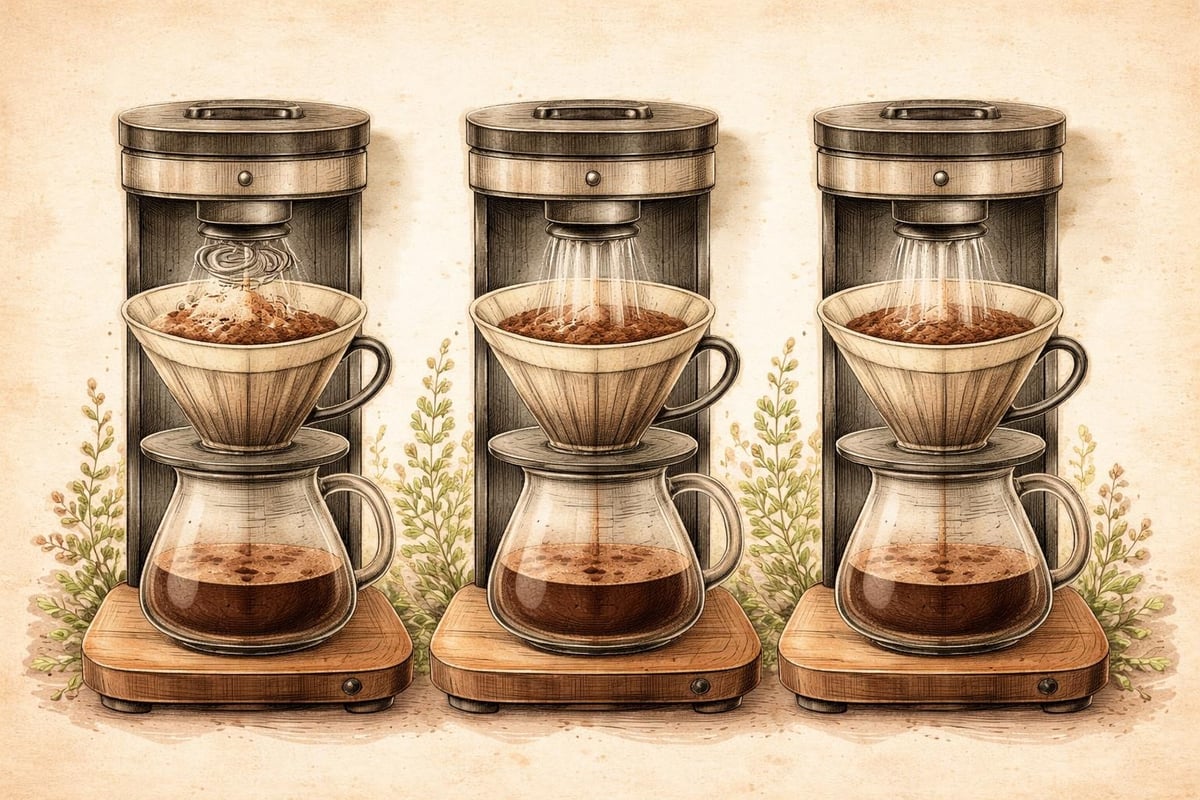
A good drip coffee maker automates this process without losing its soul. Pre-infusion settings let grounds bloom before full brewing begins, releasing CO2 and preparing for even extraction. Quality machines pulse water in stages rather than flooding the bed all at once.
The Pixies Brew Connection
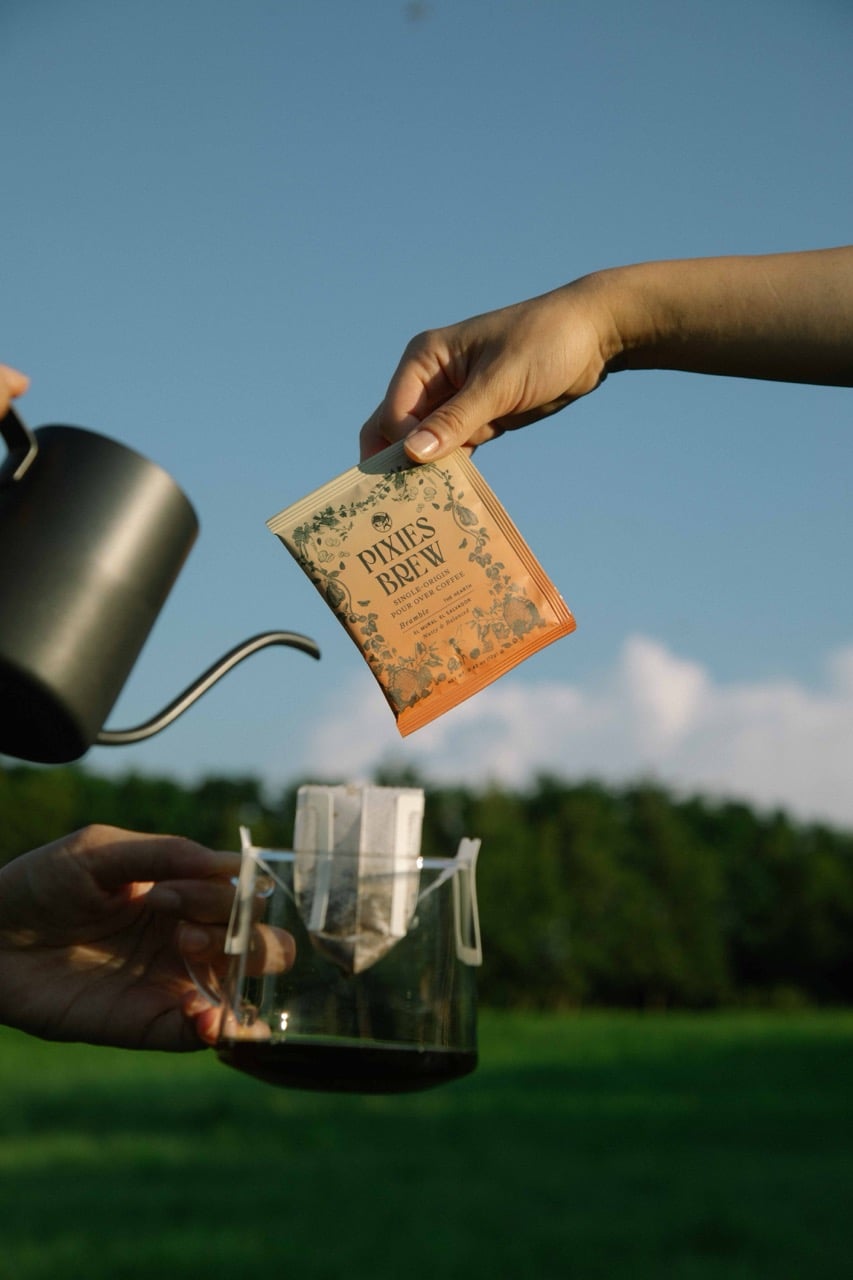
For those who appreciate single-serve precision, specialty coffee sachets bridge the gap between automation and craft. Each carefully portioned packet contains specialty-grade beans ground for optimal extraction. When paired with proper water temperature and contact time, even a simple brewing method yields complex flavors.
Whether you're using a high-end drip coffee maker or a pourover coffee sachet, the principle remains: respect the beans, control the variables, and create space for the ritual. The Pixies Brew Variety Box offers a way to explore different flavor profiles while maintaining consistency in your morning practice.
Budget Reality and Long-Term Value
A good drip coffee maker ranges from $100 to $400 depending on features and build quality. Budget models under $50 rarely maintain proper temperature or last beyond two years. Mid-range machines ($150-$250) often provide the best value, especially from brands like Bonavita, OXO, or Cuisinart's higher-end lines.
Bon Appétit's test kitchen evaluates drip coffee makers not just on initial performance but on consistency over months of daily use. Their top picks balance cost with durability and actual brewing quality, not marketing claims.
Cost Per Cup Calculation
Consider daily use over five years. A $300 machine that lasts a decade costs about 8 cents per day. A $40 machine that breaks in 18 months costs 7 cents per day initially, but you'll buy three of them over the same period. Factor in the frustration of inconsistent coffee and the equation tilts further.
| Price Range | Expected Lifespan | Daily Cost (5 years) | Typical Features |
|---|---|---|---|
| Under $50 | 1-2 years | $0.07-$0.14 | Basic heating, glass carafe, no certification |
| $100-$150 | 3-5 years | $0.05-$0.08 | Some temp control, basic settings |
| $200-$300 | 5-10 years | $0.05-$0.11 | SCAA certified, thermal carafe, pre-infusion |
| $350+ | 10+ years | $0.10 (long-term: $0.03) | Full control, commercial quality |
Quality machines also maintain resale value. A well-kept Moccamaster sells used for 60-70% of retail. Cheap coffee makers go straight to landfill.
Sensory Markers of Well-Brewed Drip Coffee
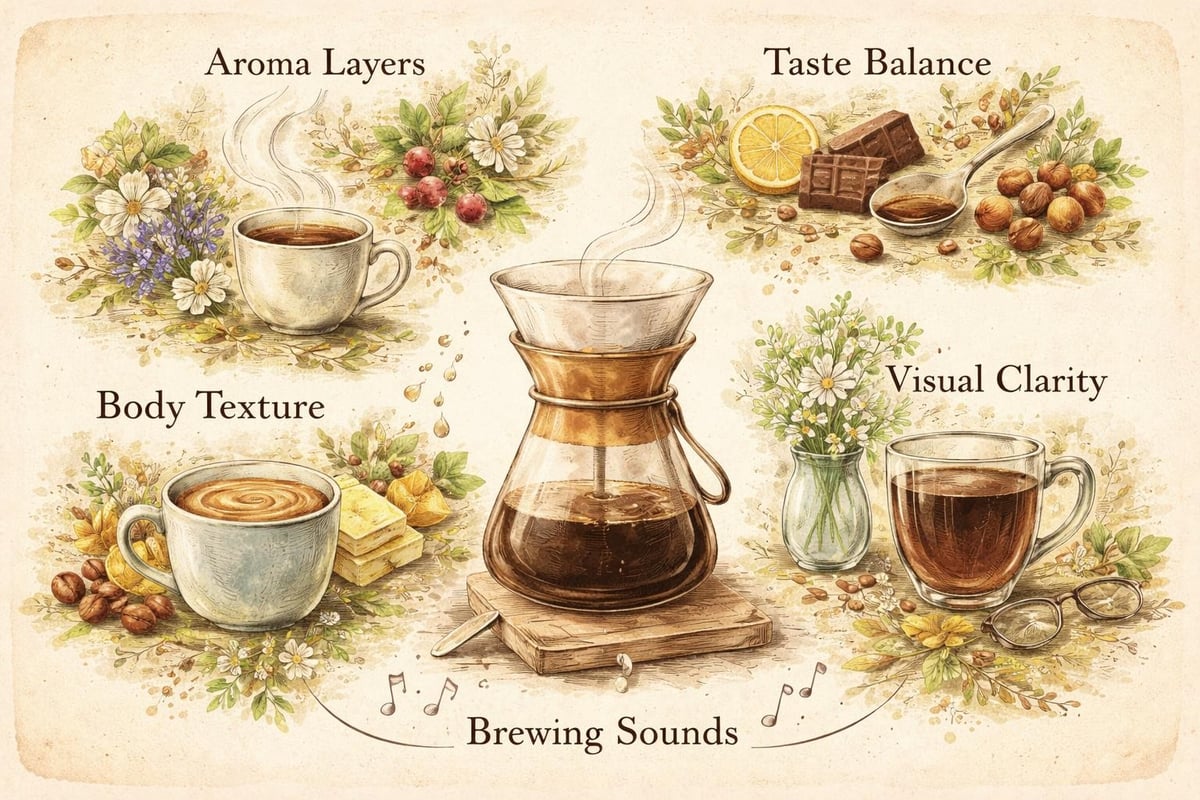
When your good drip coffee maker is doing its job right, you'll notice differences across all five senses. This isn't abstract. It's as tangible as the warmth spreading through ceramic.
Aroma: Properly extracted coffee releases layered aromatics. You smell fruit notes first, then caramel or chocolate undertones, finally a clean finish without burnt edges. Under-extracted coffee smells sour and one-dimensional. Over-extracted coffee smells ashy.
Taste: Balance. Sweetness meets acidity without either dominating. The coffee tastes round and complete, not sharp or flat. Flavors develop as it cools, revealing complexity hidden by initial heat.
Texture: Well-brewed drip coffee has body. Not as heavy as French press, but substantial enough to coat your tongue. Watery coffee indicates poor extraction or weak ratios.
Sound: Quality machines hum steadily. No rattling. No hissing. The sound of water meeting grounds is gentle, almost meditative. Cheap machines sound aggressive, like they're fighting the brewing process.
Visual: Coffee should look rich and opaque in the cup. Hold it to light and you'll see color depth, not transparency. Crema doesn't form on drip coffee, but proper extraction creates a slight sheen on the surface from coffee oils.
Maintenance Rituals That Extend Machine Life
A good drip coffee maker requires partnership. Feed it filtered water. Descale it monthly if you have hard water, quarterly if soft. Clean the brew basket and carafe after each use, not when you remember.
Mineral buildup is the silent killer of coffee makers. Calcium deposits restrict water flow, lower brewing temperature, and eventually clog heating elements. White vinegar or commercial descaling solutions dissolve these minerals before they cause damage.
Weekly and Monthly Tasks
Weekly:
- Remove and wash all removable parts
- Wipe down exterior and warming plate
- Check water reservoir for residue
- Run plain water cycle to flush system
Monthly:
- Descale with vinegar solution (1:1 ratio with water)
- Clean spray head and water distribution channels
- Inspect carafe lid gasket for wear
- Check power cord and plug
Consumer Reports' buying guide emphasizes that maintenance matters more than brand for longevity. A meticulously maintained mid-range machine outlasts a neglected premium model.
Replace paper filters properly. Cheaper filters collapse during brewing, creating uneven extraction and paper taste. Quality filters cost pennies more but maintain their shape throughout the brew cycle.
Size and Capacity Considerations
Most good drip coffee makers brew 8-12 cups (40-60 ounces), far more than one person needs. This creates a dilemma: brew a full pot and waste coffee, or brew less and get weaker extraction because the machine's designed for full capacity.
Look for models with "1-4 cup" settings that adjust water temperature and flow rate for smaller batches. Without this feature, half-pot brewing often disappoints.
Single-serve adaptations exist. Some machines include both carafe and single-cup options, though they rarely excel at both. Dedicated single-cup drip brewers perform better for solo drinkers than compromised dual-function models.
For couples or small households, a 5-cup machine makes more sense than the standard 10-12 cup models. You'll actually fill it, which means better extraction and less waste.
Beyond Features: Design That Fits Your Space
Countertop real estate is precious. A good drip coffee maker earns its footprint through daily use and visual integration. Stainless steel machines suit modern kitchens. Classic white or black blends into various styles. The retro-styled models work in eclectic spaces but often sacrifice performance for aesthetic.
Height matters if you have overhead cabinets. Some thermal carafes add significant height when you lift the lid to pour. Measure your space before buying, especially for under-cabinet placement.
Cord length affects positioning. Most coffee makers include 2-3 feet of cord, requiring outlet proximity. Some higher-end models offer cord storage, letting you adjust visible length for cleaner appearance.
FAQ: Common Questions About Drip Coffee Makers
How long should a good drip coffee maker last?
Quality machines last 5-10 years with proper maintenance. Budget models typically fail within 2-3 years. SCAA-certified machines from reputable brands often exceed a decade.
Does price correlate with better coffee?
Up to a point. Machines over $200 generally brew better coffee than those under $100 due to temperature control and build quality. Beyond $300, you're paying for durability and features rather than dramatically better taste.
Can I use regular tap water?
Filtered water produces cleaner-tasting coffee and reduces mineral buildup. Tap water works but accelerates maintenance needs and can add chlorine or mineral flavors depending on your local water quality.
What's the ideal coffee-to-water ratio?
The SCAA standard is 55 grams of coffee per liter of water (roughly 1:16 ratio). Most people prefer 1:15 to 1:17. Good drip coffee makers include measurement marks to help achieve consistent ratios.
Should I get a glass or thermal carafe?
Thermal carafes keep coffee hot for hours without scorching on a hot plate. Glass carafes let you see the coffee but require a warming element that degrades flavor after 20-30 minutes. For quality-focused drinkers, thermal wins.
Smart Features Worth Considering
WiFi-enabled coffee makers sound excessive until you program your brew from bed on a cold morning. The coffee's ready when you reach the kitchen, hot and fresh instead of sitting for an hour.
Voice control through Alexa or Google Assistant adds convenience for those already invested in smart home ecosystems. "Start my coffee" becomes part of your wake-up routine without touching buttons.
Smartphone apps let you adjust brew strength, schedule brewing times, and receive maintenance reminders. Some track your coffee consumption and suggest descaling based on actual usage rather than arbitrary timelines.
Smart features that add real value:
- Remote start via app
- Custom brew profiles saved and synced
- Automatic reordering of filters or descaling solution
- Maintenance tracking and alerts
- Vacation mode that prevents accidental brewing
Popular Science's roundup includes both traditional and smart machines, noting that connectivity adds $50-$100 to base price. Whether that's worthwhile depends on your lifestyle and existing tech ecosystem.
The Manual Override Option
Even with a good drip coffee maker, sometimes you want hands-on control. The best machines include manual override or pour-over modes that let you pre-wet grounds yourself before starting the automated cycle.
This hybrid approach combines automation's consistency with manual brewing's meditative qualities. You control the bloom. The machine handles the rest. It's training wheels for pourover technique while still delivering reliable results.
Some mornings demand automation. Others invite participation. A versatile machine accommodates both moods without compromising quality.
The right drip coffee maker becomes invisible in the best way: reliable, consistent, and integrated into your daily rhythm without demanding attention. It makes excellent coffee, maintains temperature, and lasts long enough to justify its counter space. When automation serves craft rather than replacing it, your morning ritual expands instead of shrinks. Pixies Brew understands this balance, offering specialty coffee sachets that honor both convenience and the quiet magic of a well-brewed cup. Whether you choose a precision machine or embrace the portability of pour-over packets, the goal remains the same: creating space for pause in mornings that too often rush past unnoticed.
