


Single Cup Coffee Pot: Your Complete Brewing Guide
A single cup coffee pot is any brewing device designed to make one perfect cup at a time, ranging from compact electric machines to manual pour-over drippers that honor the craft of coffee. These brewers answer a simple question: why make more than you need when you can create something extraordinary for just yourself?
I learned this lesson on a Tuesday morning in the Grove, when the kitchen counter felt crowded with yesterday's half-pot of coffee gone bitter in the carafe. That was the moment I understood that coffee isn't about volume. It's about presence.
Why Single Cup Brewing Changed Everything
The revolution in single-serve coffee began not with convenience, but with intention. When you brew one cup, you become accountable to that cup. You measure carefully. You watch the water temperature. You notice the bloom.
Traditional multi-cup pots encourage waste:
- Brewing 8-12 cups when you only drink two
- Coffee sitting on hot plates for hours, developing burnt flavors
- Guessing at ratios because "close enough" matters less with volume
- Missing the sensory experience while rushing through routines
Single cup coffee pot designs force a different relationship with your brew. Each cup becomes an event worth attending.
The Machines That Made It Mainstream
Electric single-serve brewers transformed kitchen counters across America. The Keurig K-Mini Mate brings compact convenience to small spaces, while systems like the Bosch Tassimo balance affordability with functionality. These machines answer the speed question-coffee ready in under two minutes.
But speed and craft don't always travel together.
The environmental conversation around single-serve coffee containers pushed innovation toward better solutions. Aluminum pods, compostable materials, and reusable options emerged. Yet the most elegant answer might be the oldest: paper sachets holding precisely measured grounds, ready for pour-over ritual.
The Five Senses of Single Cup Brewing
When you commit to brewing just one cup, something shifts in perception. Your senses wake up.
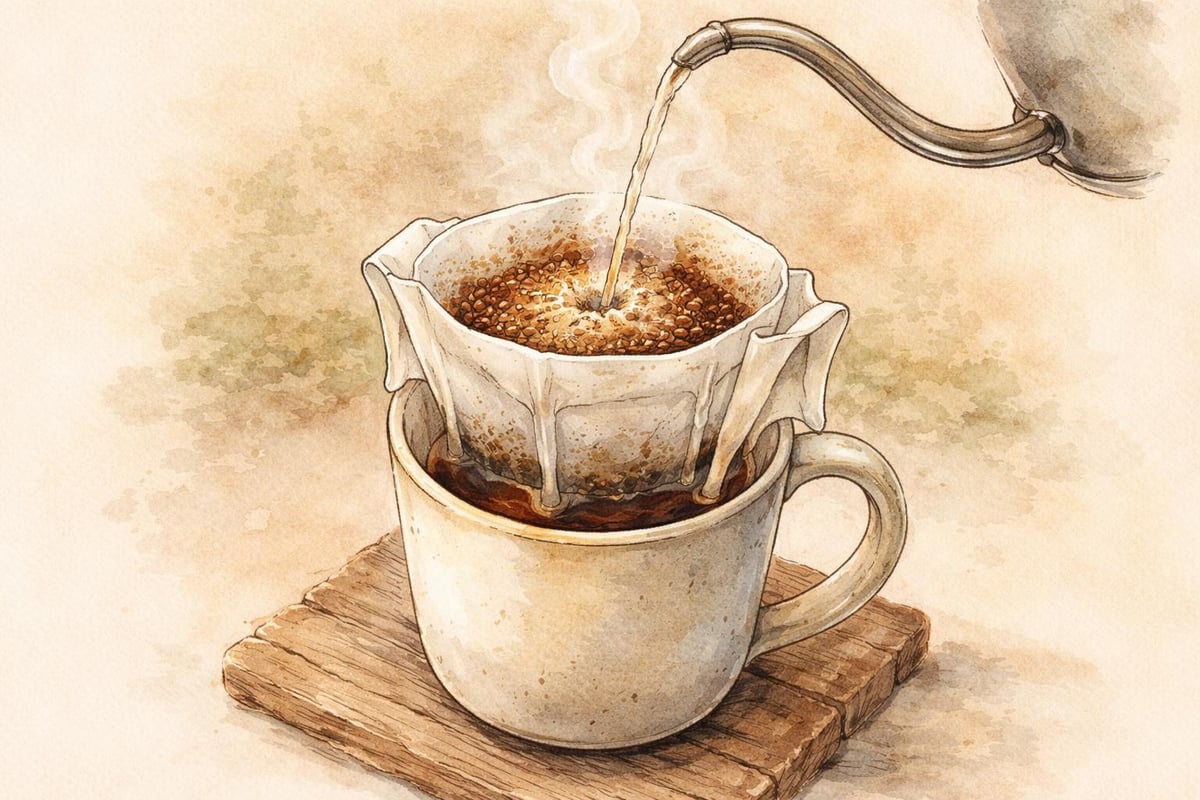
Sight: Watch the grounds darken as water first touches them. The bloom rises like earth breathing, CO2 escaping from fresh-roasted beans. In a glass pour-over, you see layers of extraction, light amber deepening to chestnut.
Sound: Electric machines hum and gurgle. Manual brewing offers quieter music-water hitting grounds, the soft tick of drips, steam whispering. These sounds mark morning's transition from sleep to waking.
Touch: Feel the warmth spreading through ceramic as coffee fills your cup. The weight increases. Temperature changes from cool porcelain to almost-too-hot-to-hold. Your hands cup around it, drawing heat.
Smell: This is where single cup coffee pots prove their worth. Fresh-ground coffee releases aromatics within minutes of grinding. Brew it immediately in a single serving, and you capture volatile compounds before they fade. Chocolate notes, fruit esters, nutty undertones-all present and accounted for.
Taste: Finally, that first sip arrives at ideal temperature. Not scalding, not lukewarm, but somewhere in the sweet spot where flavor complexity unfolds. You taste front notes, mid-palate development, the finish that lingers.
At Pixies Brew, we've designed our sachets to honor each sense. The paper breathes, allowing aromatics to build. The pour ritual engages your hands and eyes. The result in your cup rewards patience with clarity.
Comparing Single Cup Coffee Pot Options
Not all single-serve brewers share the same philosophy. Understanding your options helps match method to morning ritual.
| Brewing Method | Prep Time | Flavor Control | Environmental Impact | Cost Per Cup |
|---|---|---|---|---|
| Pod machines | 1-2 min | Low (pre-set) | High (plastic pods) | $0.50-$1.00 |
| Reusable pod systems | 3-4 min | Medium | Medium | $0.25-$0.40 |
| Pour-over dripper | 4-5 min | High (full control) | Low (paper filter) | $0.30-$0.60 |
| French press (single) | 5-6 min | Medium-high | Low (no filter) | $0.30-$0.50 |
| Sachet pour-over | 3-4 min | High (curated) | Low (compostable) | $0.80-$1.50 |
| AeroPress | 3-4 min | High (adjustable) | Low (paper filter) | $0.30-$0.60 |
The comparison of home brewing methods shows that manual approaches often deliver superior flavor through better control over variables. You choose water temperature, pour rate, and contact time.
Electric Versus Manual: The Real Difference
Electric single cup coffee pot machines trade control for consistency. Push a button, receive coffee. This matters when you're half-awake or rushing to meetings. But consistency can mean consistently mediocre if the machine limits your choices.
Manual brewing demands participation. You boil water. You pour in circles or straight lines. You time the bloom. Each decision impacts the cup, which means each cup can improve as you learn your preferences.
Some mornings call for autopilot coffee. Other mornings deserve ritual. The best choice might be owning both.
What Coffee Professionals Look for in Single Serve
I once asked a roaster what she brewed at home. Her answer surprised me: "Whatever method makes me pay attention."
Key factors professionals prioritize:
- Water temperature precision (195-205°F for optimal extraction)
- Grind size matching brew method (medium for pour-over, fine for espresso-style)
- Contact time control (under-extracted tastes sour; over-extracted turns bitter)
- Coffee-to-water ratio consistency (typically 1:15 to 1:17 by weight)
- Freshness from bean to cup (ideally within 2-4 weeks of roasting)
These variables explain why the best single-cup coffee makers often feature adjustable settings. Control matters when you're chasing specific flavor profiles.
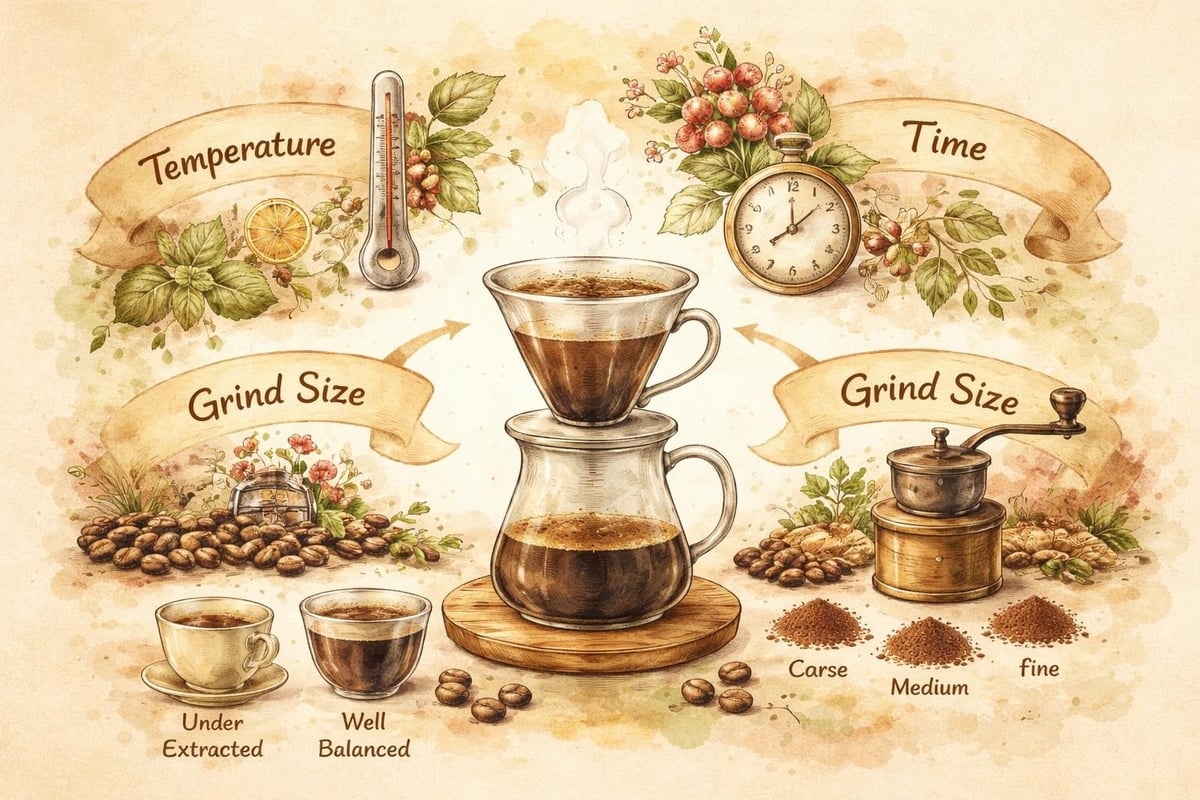
The single cup format actually simplifies variables. You're not compensating for uneven extraction across a large batch. You're not wondering if the bottom cup tastes like the top cup. One cup, one set of conditions, one result to evaluate and improve.
Building Your Single Cup Morning Ritual
Ritual transforms routine into ceremony. The difference matters more than you might think.
Start by creating space-literal and temporal. Clear a small area of counter. Allocate ten minutes. Not because brewing takes ten minutes, but because the experience deserves breathing room around it.
Your ritual might look like this:
Begin with silence. Set out your cup, your brewer, your coffee. Boil water and let it rest thirty seconds off heat. This pause matters. While water cools to ideal temperature, you transition from whatever came before to this present moment.
Open your single-serve coffee sachet. Inhale the dry grounds. Notice whether fruit or chocolate or nuts announce themselves. Place the sachet on your dripper.
Pour just enough water to wet the grounds-maybe an ounce. Watch the bloom. Count fifteen seconds while aromatics rise. This is the coffee waking up, releasing what it holds.
Now pour the rest in slow spirals or concentric circles. Listen to the drip. Watch color deepen. Feel warmth rising from the cup.
When the last drops fall, lift the sachet. The moment between brewing and drinking holds its own magic. Then taste.
Flavor Profiles Worth Exploring
A single cup coffee pot excels at showcasing coffee's diversity. When you brew one cup at a time, switching between origins and roasts becomes effortless. No commitment to a full pot of something experimental.
Popular flavor territories to explore:
- Bright & Fruity: Ethiopian beans bring berry notes, citrus brightness, floral aromatics that shine in clean pour-over
- Rich & Chocolatey: Brazilian and Colombian coffees offer cocoa, caramel, and nut flavors with balanced acidity
- Bold & Earthy: Sumatran and Indonesian beans deliver herbal complexity, tobacco notes, and full body
- Delicate & Tea-Like: Kenyan coffees present wine-like acidity, black currant sweetness, and crisp finishes
For those seeking limited-edition releases and seasonal varieties, single-serve formats let you sample widely without waste. Try three different origins in three mornings without opening three bags that slowly go stale.
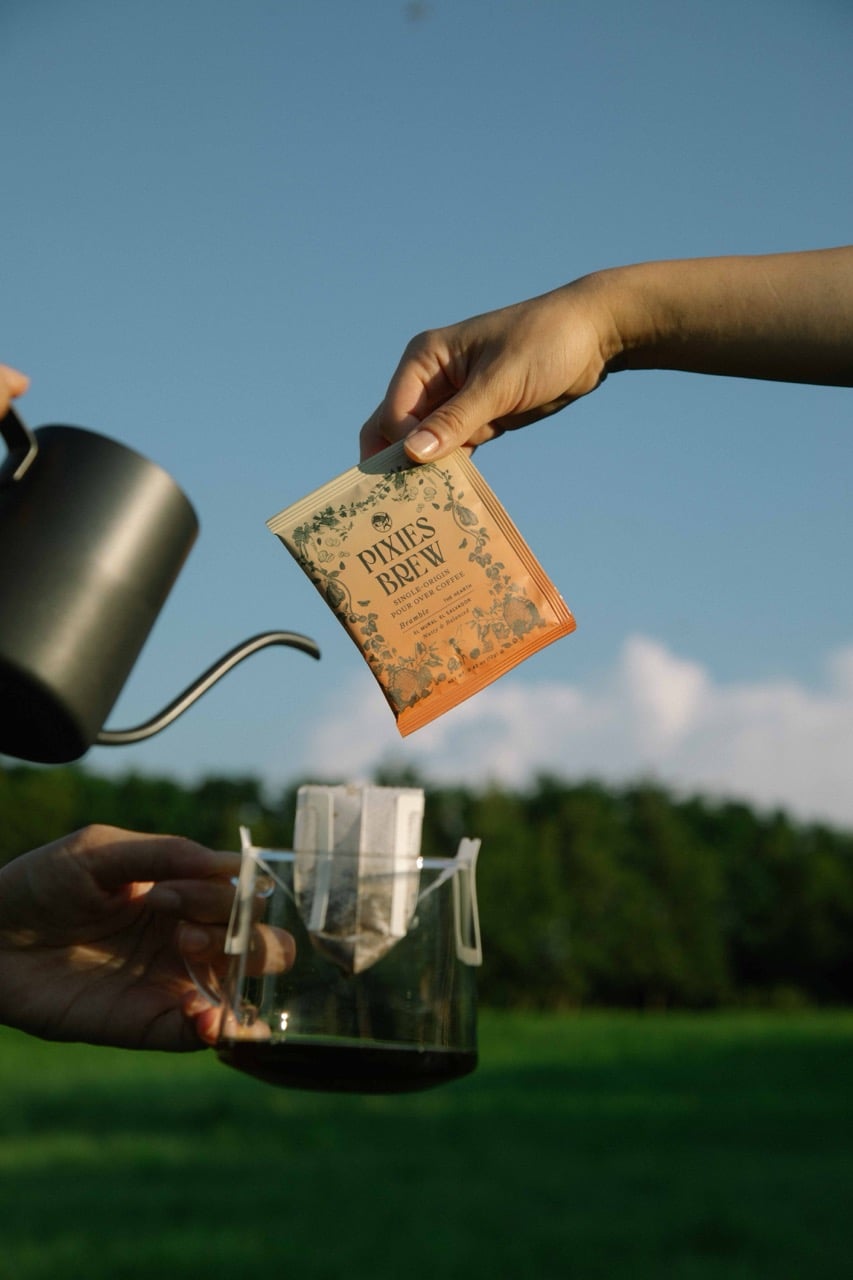
The Pixies Brew Variety Box: The Discovery Set offers exactly this kind of exploration, bringing curated flavor profiles together so you can discover which notes resonate with your palate through mindful, one-cup tasting.
Matching Coffee to Moment
Morning coffee doesn't always want the same thing. Some days crave brightness to shake off sleep. Others need comfort wrapped in chocolate and caramel.
A single cup coffee pot lets you match coffee to mood without planning ahead. Keep several options available. Choose based on weather, energy level, or what the day ahead requires.
Rainy afternoons might call for Indonesian earthiness. Sunny mornings could want Ethiopian florals. The freedom to choose each cup independently honors your changing needs.
The Economics of Brewing Solo
Cost analysis reveals surprising truths about single-serve coffee. While per-cup prices often exceed bulk brewing, waste reduction changes the equation.
Consider the full picture:
If you brew 8 cups daily but drink only 3, you're discarding 62% of your coffee. That's 62% of your money literally down the drain, plus the beans, water, and energy wasted producing it. A single cup coffee pot eliminates this loss entirely.
Premium single-serve sachets might cost $1 per cup. But you consume 100% of what you brew. Meanwhile, that $15 bag of bulk coffee brewing 40 cups at $0.37 each isn't really $0.37 if you waste half the pot.
The customer feedback on single-cup coffee makers often mentions this hidden value. Satisfaction increases when every cup is fresh, intentional, and fully appreciated rather than obligatory.
Investment Versus Ongoing Cost
Manual pour-over drippers cost $15-40 once. Paper filters run pennies each. Electric machines range from $60-300 but add no per-cup fee if you use reusable pods or avoid proprietary systems.
The real investment is in quality beans. This is where single-cup brewing shines economically. You can afford exceptional coffee when you're not buying enough to swim in. Two ounces of spectacular beans costs less than a bag of mediocre ones, and lasts just as long when you brew mindfully.
Troubleshooting Common Single Cup Issues
Even simple brewing encounters occasional problems. Understanding causes helps you adjust quickly.
Weak, watery coffee:
- Grind too coarse for your brewing method
- Water-to-coffee ratio too high (not enough grounds)
- Water not hot enough (below 195°F)
- Pour too fast, insufficient contact time
Bitter, over-extracted coffee:
- Grind too fine, creating over-extraction
- Water too hot (above 205°F)
- Pour too slow, excessive contact time
- Coffee stale or old
Inconsistent results:
- Eyeballing measurements instead of weighing
- Variable water temperature
- Distracted pouring technique
- Differences in bean age or storage
The beauty of single-cup brewing is immediate feedback. You know within five minutes whether your adjustments worked. This accelerates learning compared to wasting whole pots while troubleshooting.
Elevating Your Technique
Once basic brewing becomes second nature, subtle refinements unlock new dimensions.
Try the Pixies Pour Ritual approach, which transforms functional brewing into meditative practice. Each step receives full attention. Water temperature, pour pattern, timing-all chosen consciously rather than automatically.
Advanced techniques to explore:
| Technique | Purpose | Impact |
|---|---|---|
| Bloom extension | Allow CO2 escape, even saturation | Cleaner flavor, reduced acidity |
| Pulse pouring | Multiple small pours vs. continuous | Better extraction control |
| Temperature stepping | Varying water temp during brew | Emphasize different flavor compounds |
| Agitation methods | Gentle stirring or swirling | Increase extraction efficiency |
These approaches might sound fussy. They're actually just different ways of paying attention. When you care about your coffee enough to notice details, those details start revealing their significance.
The difference between decent coffee and excellent coffee often lives in these margins. A single cup coffee pot makes experimenting low-stakes. Try something new with just one cup. No commitment required.
FAQ: Single Cup Coffee Pot Questions
How much coffee do I use in a single cup coffee pot?
Standard ratio is 1-2 tablespoons (7-14 grams) per 6 ounces of water, but this varies by strength preference and brewing method. Pour-over typically uses 15-17 grams for an 8-ounce cup.
Can I make multiple cups quickly with a single-serve brewer?
Electric machines brew consecutive cups in 1-2 minutes each. Manual methods take 3-5 minutes per cup, so brewing for multiple people requires patience or multiple drippers.
Are single cup coffee pots more expensive than traditional makers?
Initial cost varies widely ($15-300), but operational costs depend on format. Bulk-ground coffee in reusable filters costs least per cup. Premium sachets cost more but eliminate waste and measure precisely.
What's the best single cup coffee pot for travel?
Portable pour-over drippers and sachet systems excel for travel-no electricity needed, minimal equipment, and the coffee for camping article covers outdoor brewing options.
How do I clean a single cup coffee pot?
Manual drippers need just a rinse after each use and weekly deep cleaning. Electric machines require monthly descaling with vinegar or citric acid solution to remove mineral buildup.
The Environmental Choice
Sustainability concerns drove innovation in single-serve coffee. Early plastic pods created landfill nightmares. The industry responded with better options.
Paper-based systems like pour-over sachets compost readily. They break down in weeks rather than centuries. The coffee grounds themselves enrich soil when composted.
Reusable metal or plastic pods eliminate disposable waste but require cleaning after each use. This trades convenience for environmental responsibility-a worthwhile exchange for daily brewers.
When evaluating any single cup coffee pot, consider the full lifecycle. Where do materials come from? How long does the product last? What happens to it and its consumables at end of life? These questions matter as much as taste and convenience.
Beyond the Basic Cup
Once you've mastered your single cup coffee pot, exploration begins. Coffee becomes a medium for creativity rather than just caffeine delivery.
Try cold brew concentrate diluted to single servings. Experiment with adding spices to grounds before brewing-cardamom, cinnamon, or dried orange peel. Explore different water sources, as mineral content dramatically affects extraction.
The single-serve format encourages playfulness. Small batches mean low risk. If an experiment fails, you've only sacrificed one cup.
This mindset transforms coffee from daily obligation into ongoing discovery. Each morning offers a chance to learn something new about flavor, technique, or your own preferences.
Your single cup coffee pot journey begins with one simple choice: to make each cup count. Whether you select an electric machine for weekday speed or a manual dripper for weekend ritual, you're joining a tradition of intentional brewing that values quality over quantity. Pixies Brew honors this intention with specialty single-serve sachets that bring café-quality coffee to your personal ritual, offering curated flavors and measured precision in every delicate packet. Let your next cup be more than caffeine-let it be a moment of pause, presence, and pure flavor.
