


Best Drip Coffee Maker: A Guide to Your Daily Ritual
The best drip coffee maker isn't just about convenience. It's about transforming your morning from rushed to intentional, turning beans and water into a moment worth savoring. In 2026, the market offers everything from simple programmable machines to precision brewers that rival pour-over quality, each promising to deliver that perfect cup while you're still stretching sleep from your shoulders.
Finding the right machine means understanding your ritual. Do you need coffee waiting when your alarm sounds? Do you crave control over temperature and bloom time? Or perhaps you simply want reliability, a machine that brews consistently well without demanding attention? The answers shape which features matter most.
What Makes a Drip Coffee Maker Great
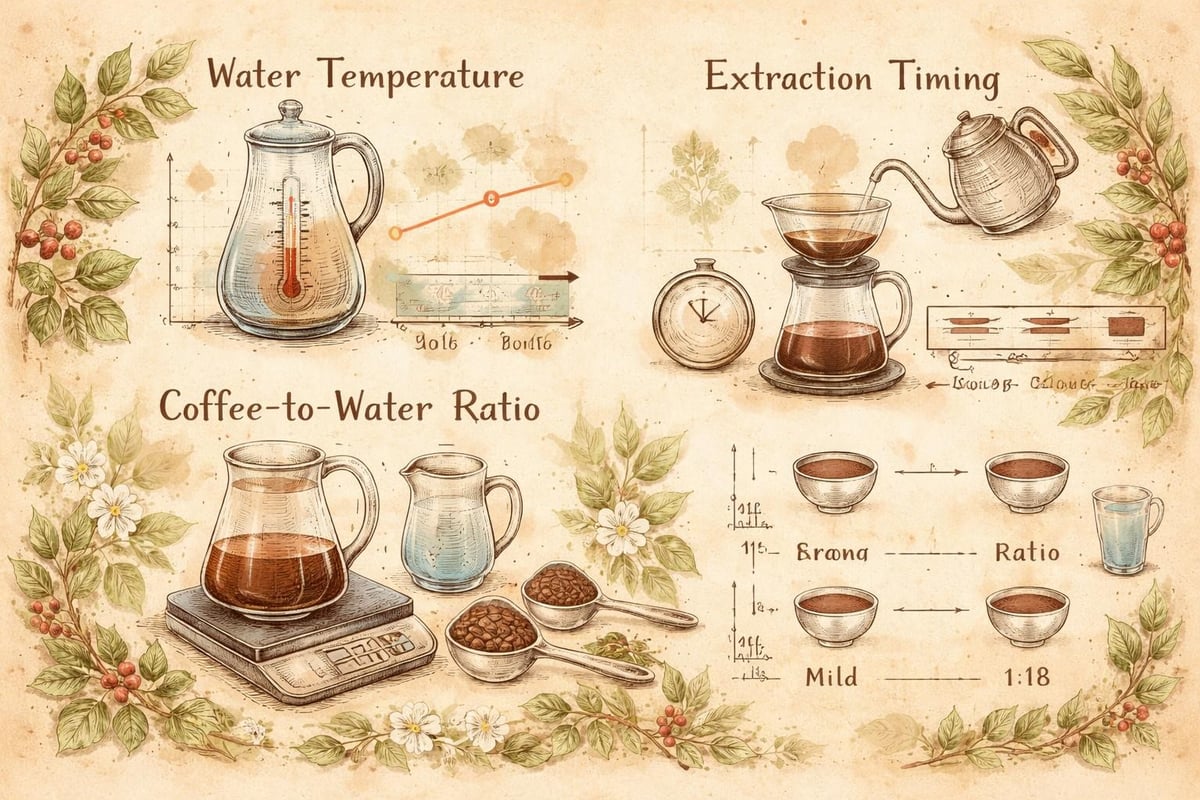
The magic lives in the details. Temperature stability matters more than most realize. Water that's too cool extracts weakly, leaving your coffee thin and sour. Too hot, and bitterness floods the cup. The best drip coffee maker maintains water between 195°F and 205°F throughout the brew cycle, the sweet spot where flavors unfold properly.
The Showerhead Design
How water meets grounds determines everything. A quality showerhead distributes water evenly across the coffee bed, preventing channeling where water finds the path of least resistance and leaves dry pockets of under-extracted grounds. Look for wide, multi-hole showerheads that create gentle saturation rather than drilling holes through your coffee.
Key showerhead features:
- Multiple water outlets (8-12 holes minimum)
- Wide distribution pattern
- Pulse brewing capability for bloom phase
- Adjustable flow rate
The bloom phase, that first 30-45 seconds when hot water releases carbon dioxide from fresh grounds, sets the foundation for extraction. Machines that pause after initial wetting give grounds time to degas, improving overall flavor clarity.
Top Features in Modern Drip Brewers
Technology has elevated what drip brewing can achieve. Expert testing from Consumer Reports evaluates over 100 models annually, revealing which innovations actually improve your cup versus marketing fluff.
Thermal Versus Glass Carafes
Your choice here shapes how long coffee stays drinkable. Glass carafes sit on hot plates that continue cooking your brew, developing burnt, harsh flavors within 20 minutes. Thermal carafes, double-walled and vacuum-sealed, maintain temperature through insulation alone. Coffee stays fresh-tasting for hours without further heat exposure.
| Feature | Thermal Carafe | Glass Carafe |
|---|---|---|
| Heat retention | 2-4 hours | 30-60 minutes |
| Flavor preservation | Excellent | Degrades quickly |
| Visibility | Limited | Full view |
| Price premium | $20-50 more | Standard |
| Durability | Very high | Fragile |
Programmability and Smart Features
Modern machines remember your preferences. Set brew time the night before, wake to fresh coffee without morning brain fog. Some models connect to smartphones, letting you start brewing from bed or adjust strength remotely.
Useful programmable features:
- Auto-brew timer (24-hour advance)
- Brew strength selector
- Cup volume settings
- Keep-warm duration control
- Descaling reminders
The Breville Precision Brewer and similar models offer barista-level control over variables like bloom time, flow rate, and temperature, essentially bringing pour-over precision to automated brewing. For coffee enthusiasts who want consistency without manual effort, these features matter.
Material Safety and Build Quality
What your machine is made from affects both coffee flavor and your health. Plastic components that contact hot water can leach chemicals, especially cheaper grades that degrade quickly. Non-toxic coffee makers prioritize stainless steel, glass, and food-grade silicone in all brew paths.
The best drip coffee maker uses minimal plastic in contact with hot water. Look for stainless steel water tanks, borosilicate glass carafes, and metal filter baskets. These materials don't impart flavors and withstand years of daily thermal cycling without degrading.
Construction That Lasts
Quality indicators:
- Metal housing over plastic shell
- Replaceable parts availability
- Warranty length (3+ years preferred)
- Certifications (SCAA, SCA approval)
- User-serviceable components
Machines built to last cost more upfront but save money over time. A $200 brewer that works flawlessly for eight years beats replacing a $50 model every 18 months, both financially and environmentally.
Capacity Considerations
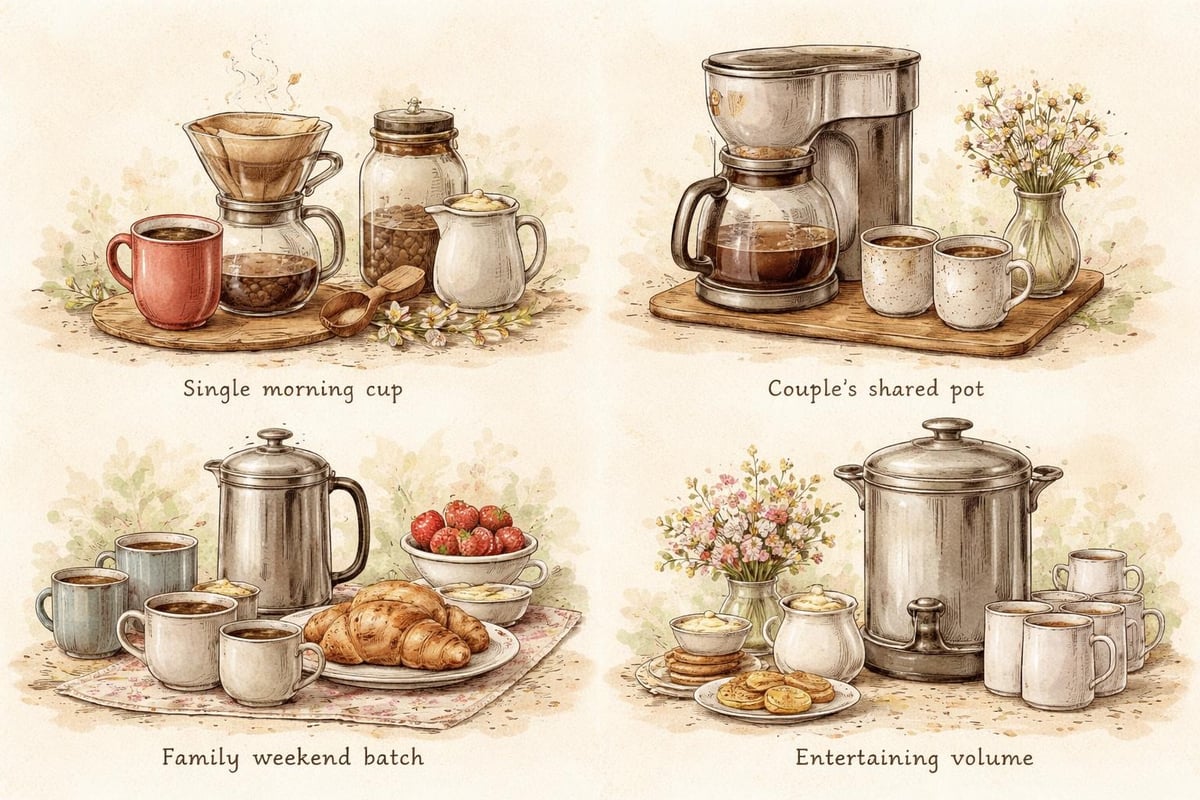
Brew for one or brew for many? Most drip makers range from 5 to 14 cups (measuring "cups" as 5-6 ounces, not actual mug sizes). A 10-cup machine suits most households, providing 3-4 generous mugs or 6-8 smaller servings.
Single-serve capability matters if you live alone or drink coffee at different times. Some models brew as little as 2 cups without compromising extraction quality, while others struggle with small batches, producing weak, over-extracted results.
The Best Models for Different Needs
Recent testing from Bon Appétit highlights how the best drip coffee maker depends entirely on your priorities. The Fellow Aiden excels at precise, customizable brewing. The Ratio 6 delivers stunning design alongside excellent coffee. Budget-friendly options like certain Cuisinart models still brew respectably well.
For Coffee Purists
Machines certified by the Specialty Coffee Association meet strict standards for brewing excellence. They maintain proper temperature, saturate grounds evenly, and complete brewing in 4-8 minutes, the ideal window for balanced extraction.
The Breville Luxe Brewer (also sold as Sage in some markets) represents the pinnacle of drip technology. Hands-on testing reveals its thermal excellence and brewing precision rival manual pour-over methods, delivering clarity and complexity that cheaper machines can't match.
For Busy Mornings
Built-in grinders eliminate one step from your routine. Grind-and-brew models prepare beans immediately before brewing, maximizing freshness. The Cuisinart Grind & Brew balances convenience with respectable coffee quality, though serious enthusiasts often prefer separate grinders for more precise control.
Time-saving features ranked:
- Programmable auto-start
- Integrated grinder
- Thermal carafe (no hot plate monitoring)
- Large water reservoir
- Auto-shutoff
For Budget-Conscious Buyers
You don't need premium features to brew decent coffee. Simple machines with proper temperature control and even saturation produce satisfying results. Tom's Guide's comprehensive testing reveals several sub-$100 models that outperform expectations, especially for those who prioritize reliability over customization.
The Braun PureFlavor consistently appears in best-value roundups, offering clean design, reliable brewing, and reasonable longevity without breaking three figures.
Maintenance Keeps Quality High
The best drip coffee maker needs regular care to maintain performance. Mineral deposits from water accumulate in heating elements and tubing, restricting flow and reducing brewing temperature. Descaling every 1-3 months (depending on water hardness) prevents this decline.
| Maintenance Task | Frequency | Importance |
|---|---|---|
| Descaling | 1-3 months | Critical |
| Filter basket cleaning | Daily | High |
| Carafe washing | Daily | High |
| Showerhead wiping | Weekly | Medium |
| Exterior cleaning | Weekly | Low |
Natural Descaling Method
Supplies needed:
- White vinegar (1 part)
- Water (1 part)
- Fresh water for rinsing
Run a full brew cycle with the vinegar solution, no coffee. Let sit 30 minutes, then run two cycles with clean water. Your machine flows freely again, temperatures stabilize, and coffee tastes cleaner.
Brewing Better Coffee at Home
Equipment matters, but technique matters more. The best drip coffee maker can't fix stale beans or wrong ratios. Start with fresh, quality coffee roasted within the past month. Store beans in an airtight container away from light and heat.
The Golden Ratio
Use 1 to 2 tablespoons of coffee per 6 ounces of water, adjusting to taste. Weigh for precision: 15-17 grams of coffee per 250ml of water hits the sweet spot for most palates. Too much coffee wastes beans without improving flavor. Too little creates thin, weak brew that disappoints.
Water quality shapes the final cup profoundly. Filtered water removes chlorine and excessive minerals that muddy flavors. Avoid distilled water; coffee needs some mineral content for proper extraction. If your tap water tastes good cold, it'll make good coffee hot.
The Pour-Over Connection
Drip machines automate what pour-over does manually. Understanding pour-over technique helps you appreciate what quality drip brewers replicate. The ritual of hand-pouring water over grounds creates mindful moments, engaging your senses with aroma, sound, and the gradual transformation of water into coffee.
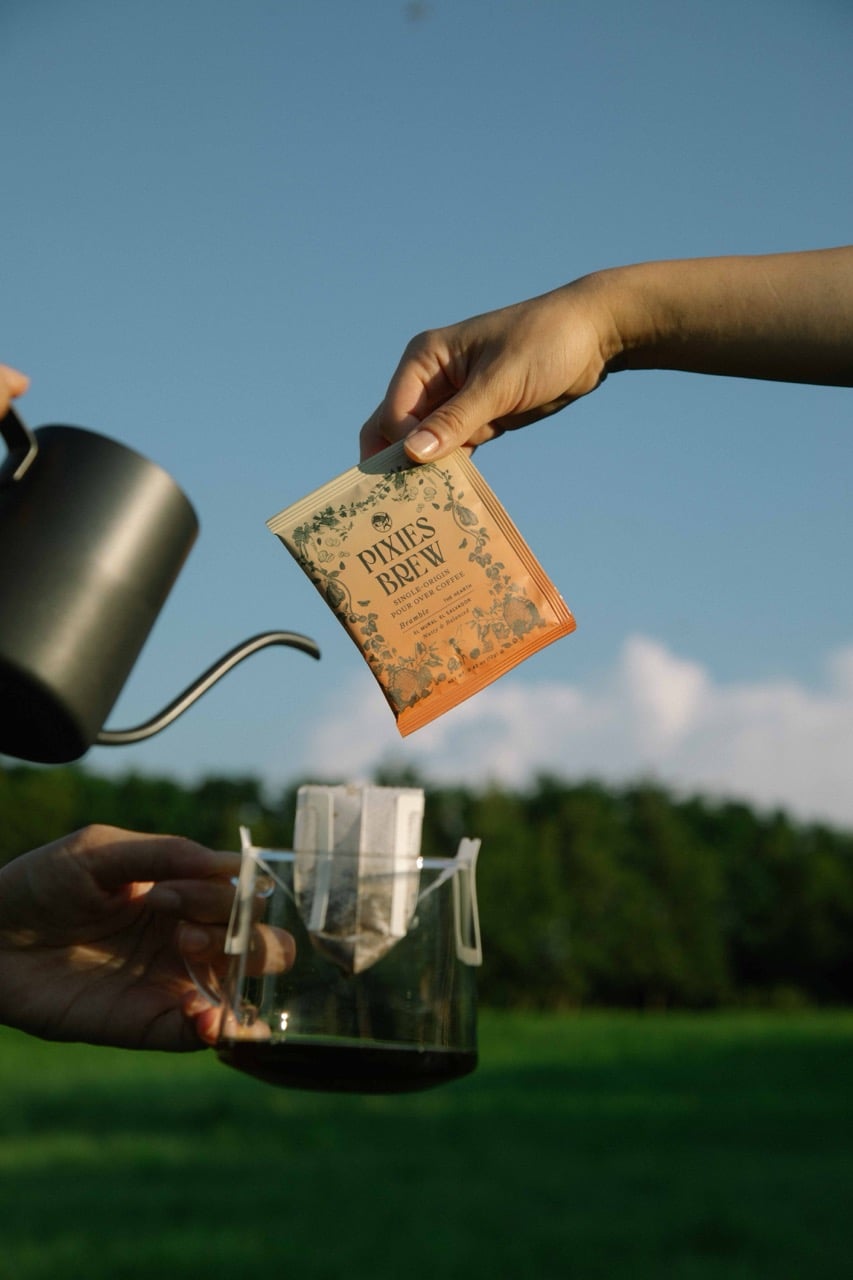
Single-serve pour-over sachets bridge automatic convenience and manual craft. Each carefully measured portion delivers consistent results without machines or measuring, perfect for travel, camping, or simply varying your routine.
When you want the meditation of pour-over without the equipment investment, pre-portioned sachets let you experience specialty coffee's nuanced flavors anywhere hot water flows. The Pixies Brew Variety Box: The Discovery Set introduces different flavor profiles, each sachet a complete brewing system requiring only your favorite mug and kettle.
Beyond Basic Brewing
Some enthusiasts want more than standard drip. Cold brew attachments, tea steeping modes, and concentrate brewing expand what one machine handles. These extras add cost and complexity; consider whether you'll actually use them before paying premium prices.
Specialty Modes Worth Having
Iced coffee mode brews stronger to compensate for ice dilution, delivering balanced flavor even when chilled. Some machines include this natively, while standard brewers require manual ratio adjustment. Simply increase coffee by 50-60% and brew over ice.
Small-batch modes adjust flow rate and saturation for 1-4 cups, maintaining extraction quality that larger-volume settings can't achieve with less coffee. This feature matters for single drinkers or couples who rarely brew full pots.
Environmental Considerations
Paper filters versus permanent mesh filters creates ongoing debate. Paper absorbs oils that some find unpleasant while others miss for body and mouthfeel. Permanent filters reduce waste but require thorough cleaning to prevent rancid oil buildup.
Filter comparison:
- Paper: Cleaner taste, more waste, ongoing cost
- Mesh: Fuller body, reusable, needs careful washing
- Cloth: Best flavor clarity, high maintenance
- Metal gold-tone: Balanced approach, moderate care
Energy consumption varies significantly between models. Look for auto-shutoff features that power down after brewing completes. Thermal carafes eliminate the energy waste of hot plates running for hours.
Troubleshooting Common Issues
Even the best drip coffee maker encounters problems. Weak coffee usually means too little grounds, too-coarse grind, or insufficient brew time. Bitter coffee signals over-extraction from too-fine grinding, too much coffee, or excessively hot water.
Quick Fixes for Better Coffee
- Tastes sour: Increase water temperature or grind finer
- Tastes bitter: Decrease brew time or use coarser grind
- Uneven extraction: Check showerhead for clogs
- Slow brewing: Descale heating element
- Weak flavor: Increase coffee-to-water ratio
Coffee sits too long loses vitality quickly. Brew only what you'll drink within an hour for optimal flavor. Thermal carafes extend this window but can't preserve coffee indefinitely.
Making the Investment Decision
The best drip coffee maker for you balances budget, features, and longevity. Entry-level machines ($30-60) brew coffee but lack temperature control and durability. Mid-range options ($80-150) offer better construction, programmability, and consistent results. Premium brewers ($200-400) deliver precision, longevity, and exceptional coffee quality.
Popular Science's detailed reviews break down value propositions across price points, helping you understand what extra dollars actually buy. Sometimes it's marketing; sometimes it's engineering that genuinely improves your daily cup.
Cost Per Cup Analysis
A $300 machine brewing twice daily for seven years costs about $0.06 per cup in equipment expense. A $60 machine replaced every two years costs roughly the same over that period. The difference lies in coffee quality, repair headaches, and environmental impact of multiple disposals.
Factor in energy costs, filter expenses, and descaling supplies for complete ownership understanding. The cheapest purchase price rarely equals the lowest total cost.
Frequently Asked Questions
How long do drip coffee makers typically last?
Quality models last 5-8 years with proper maintenance. Budget machines average 2-3 years. Regular descaling extends lifespan significantly.
Is it worth buying an expensive drip coffee maker?
If you drink coffee daily and care about flavor, premium machines justify their cost through better-tasting coffee and longer service life. Occasional drinkers do fine with mid-range models.
What's the difference between drip and pour-over coffee?
Pour-over offers more control and ritual engagement, while drip automates the process. Quality drip makers replicate pour-over results with less hands-on involvement. Explore the differences in brewing methods to find what suits your lifestyle.
Do I need a built-in grinder?
Fresh-ground coffee tastes better, but separate grinders offer more control and easier cleaning. Built-in grinders add convenience at the cost of precision and maintenance complexity.
Can drip coffee makers make strong coffee?
Absolutely. Strength comes from coffee-to-water ratio and grind size, not machine type. Adjust these variables to achieve your preferred intensity.
Choosing Your Perfect Machine
The market offers remarkable variety in 2026. TechRadar's latest roundup showcases innovations from major brands, while smaller companies like Ratio and Fellow push design and functionality forward. Your perfect machine exists; it just takes clarity about your priorities to identify it.
Consider your morning rhythm. Do you want coffee ready when you wake, or do you prefer the active ritual of preparation? Do you value design as much as function? How important is programmability versus simplicity?
Test machines in person when possible. Feel the carafe weight, examine build quality, assess control placement. Online reviews provide data; hands-on experience reveals whether a machine suits your specific needs and preferences.
The best drip coffee maker transforms mornings from chaotic to grounded, from rushed to intentional. It's the reliable companion that asks little and gives much, turning simple ingredients into the drink that centers your day. Whether you need basic reliability or precision brewing, 2026's market offers options that deliver consistent, delicious coffee to start each morning right.
Finding the right drip coffee maker means understanding how you want to experience coffee in your daily life. When you crave the ritual and precision of pour-over without the equipment or time commitment, Pixies Brew offers specialty coffee in thoughtfully crafted sachets that deliver café-quality results anywhere your mornings take you. Each packet creates a moment of pause, transforming your coffee break into something worth savoring.
