


Gourmet Coffee Beans: A Complete Guide for 2026
Gourmet coffee beans represent the pinnacle of specialty coffee, distinguished by meticulous cultivation, careful processing, and expert roasting that transforms each bean into a vessel of complex flavors. Unlike commercial-grade coffee, gourmet beans are sourced from specific origins, graded for quality, and handled with intention at every step. They're the difference between drinking coffee and experiencing it, between fuel and ritual, between rushing through your morning and pausing to taste jasmine notes dancing across Ethiopian highlands or chocolate whispers from Colombian volcanic soil.
What Defines Gourmet Coffee Beans
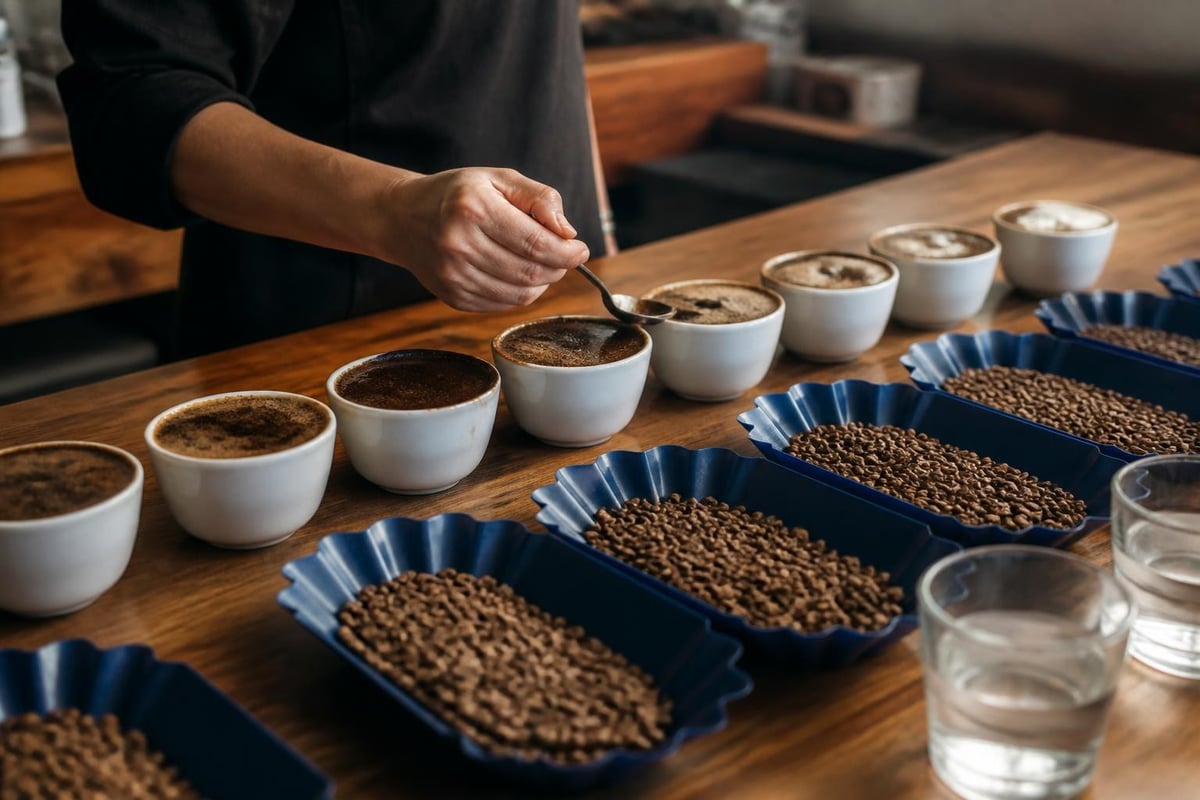
The term "gourmet" in coffee isn't arbitrary marketing. It signals beans that have earned specialty-grade status through rigorous evaluation, typically scoring 80 points or higher on the 100-point scale used by certified Q Graders. These professionals assess everything from bean size uniformity to moisture content, from defect counts to cup quality.
The Specialty Coffee Association Standards
True gourmet coffee beans must meet exacting criteria that separate them from commodity coffee. Size matters: beans are sorted by screen size, with larger beans generally indicating optimal growing conditions and careful harvesting. Defect counts are measured per pound, with specialty-grade allowing only minimal imperfections.
According to comprehensive coffee research, the elevation at which coffee grows dramatically influences flavor complexity. Beans cultivated above 4,000 feet develop slowly, creating denser cellular structures that translate into brighter acidity and more nuanced flavor profiles.
- Single-origin traceability: Each lot tracked to specific farms or cooperatives
- Processing precision: Washed, natural, or honey methods executed with care
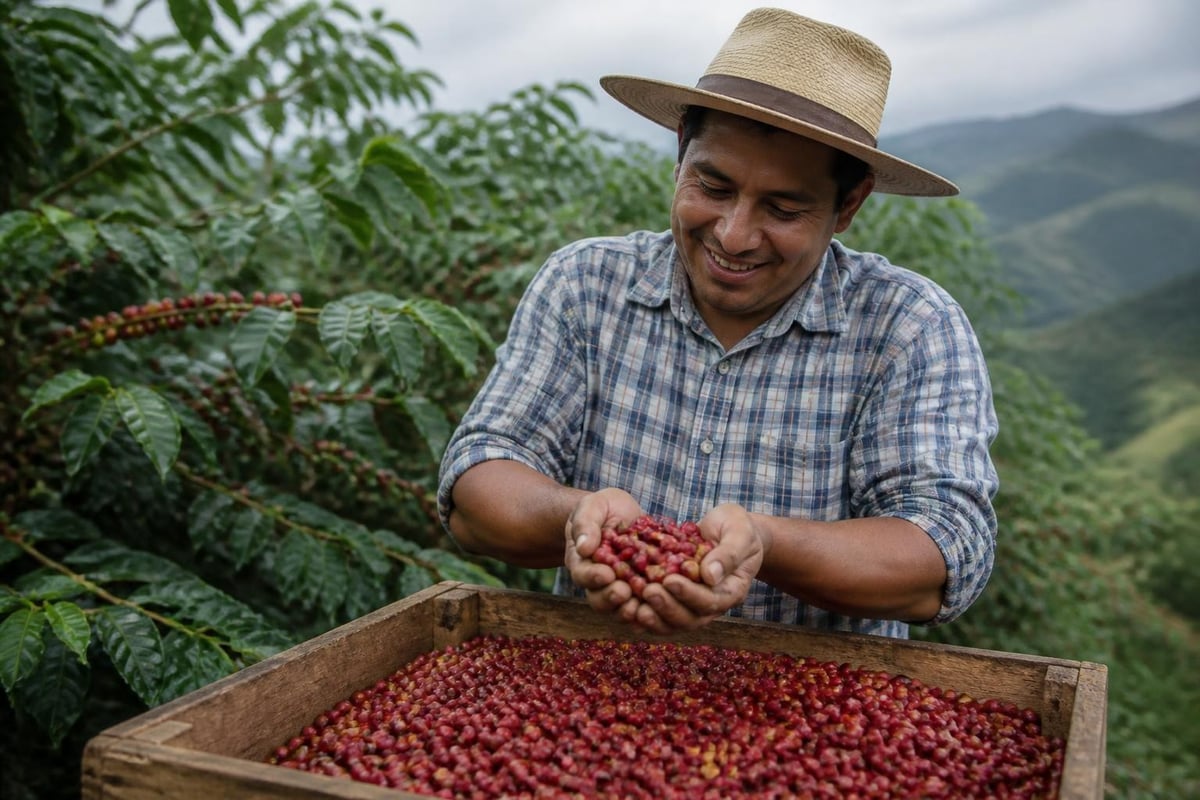
- Harvest timing: Only ripe cherries picked, often by hand
- Roast freshness: Consumed within weeks of roasting, not months
Origins That Shape Flavor Profiles
Geography writes the first chapter of every coffee story. The concept of terroir, borrowed from wine culture, applies powerfully to gourmet coffee beans. Soil composition, rainfall patterns, altitude, and even neighboring vegetation contribute distinct characteristics that make Ethiopian coffee taste fundamentally different from Guatemalan or Kenyan offerings.
African Origins: Bright and Floral
East African coffees, particularly from Ethiopia and Kenya, deliver flavors that surprise first-time specialty coffee drinkers. Ethiopia, coffee's birthplace, produces beans with pronounced floral notes, bergamot brightness, and tea-like clarity. The Pixies Brew Halo Beriti Ethiopia captures this ethereal quality through jasmine-forward aromatics that transport you to highland gardens.
Kenyan gourmet coffee beans showcase vibrant acidity reminiscent of blackcurrant or grapefruit. The volcanic soil and double fermentation processing create wines-like complexity that pairs beautifully with slow mornings and journaling.
Central and South American Balance
Latin American coffees often present balanced profiles with nutty, chocolatey foundations and caramel sweetness. Colombian beans from regions like Huila demonstrate why balance matters, offering approachable complexity that welcomes both newcomers and seasoned enthusiasts.
When selecting quality coffee, understanding regional characteristics helps you navigate the overwhelming variety available. El Salvador's volcanic terroir produces clean cups with honey sweetness, while Brazilian naturals deliver heavy body and pronounced chocolate notes.
| Origin Region | Flavor Profile | Processing Method | Altitude Range |
|---|---|---|---|
| Ethiopia | Floral, fruity, tea-like | Washed or natural | 4,900-7,200 ft |
| Kenya | Bright, winey, complex | Washed, double fermentation | 4,900-6,800 ft |
| Colombia | Balanced, nutty, caramel | Washed | 3,900-6,600 ft |
| Guatemala | Chocolate, spice, full body | Washed | 4,000-6,500 ft |
The Roasting Spectrum and Freshness
Roasting transforms green coffee beans from grassy, vegetal seeds into aromatic vessels of complex flavor. The roaster's skill determines whether origin characteristics shine through or get buried beneath char and bitterness. For gourmet coffee beans, roasting is both science and art.
Light roasts preserve origin characteristics, highlighting terroir-driven flavors like fruit, floral notes, and brightness. Medium roasts create balance between origin expression and roast-developed sweetness. Dark roasts, when executed thoughtfully rather than as a cover for inferior beans, produce rich chocolate and caramelized sugar complexity.
Why Roast Date Matters More Than You Think
Fresh roasting changes everything. Coffee reaches peak flavor 3-14 days after roasting, then slowly degrades as oils oxidize and aromatics dissipate. Commercial coffee often sits in warehouses for months before reaching consumers. Gourmet coffee beans demand different treatment.
The National Coffee Association emphasizes that whole bean storage preserves quality far longer than pre-ground coffee, which goes stale within hours of grinding. Nitrogen flushing, a technique used by specialty roasters, extends freshness by displacing oxygen that causes staleness.
Key freshness indicators:
- Clearly printed roast date (not just "best by")
- One-way valve on packaging (allows CO2 release, prevents oxygen entry)
- Whole bean format when possible
- Opaque packaging (light degrades coffee)
- Purchase quantities consumable within 2-3 weeks
Brewing Methods That Honor Quality Beans
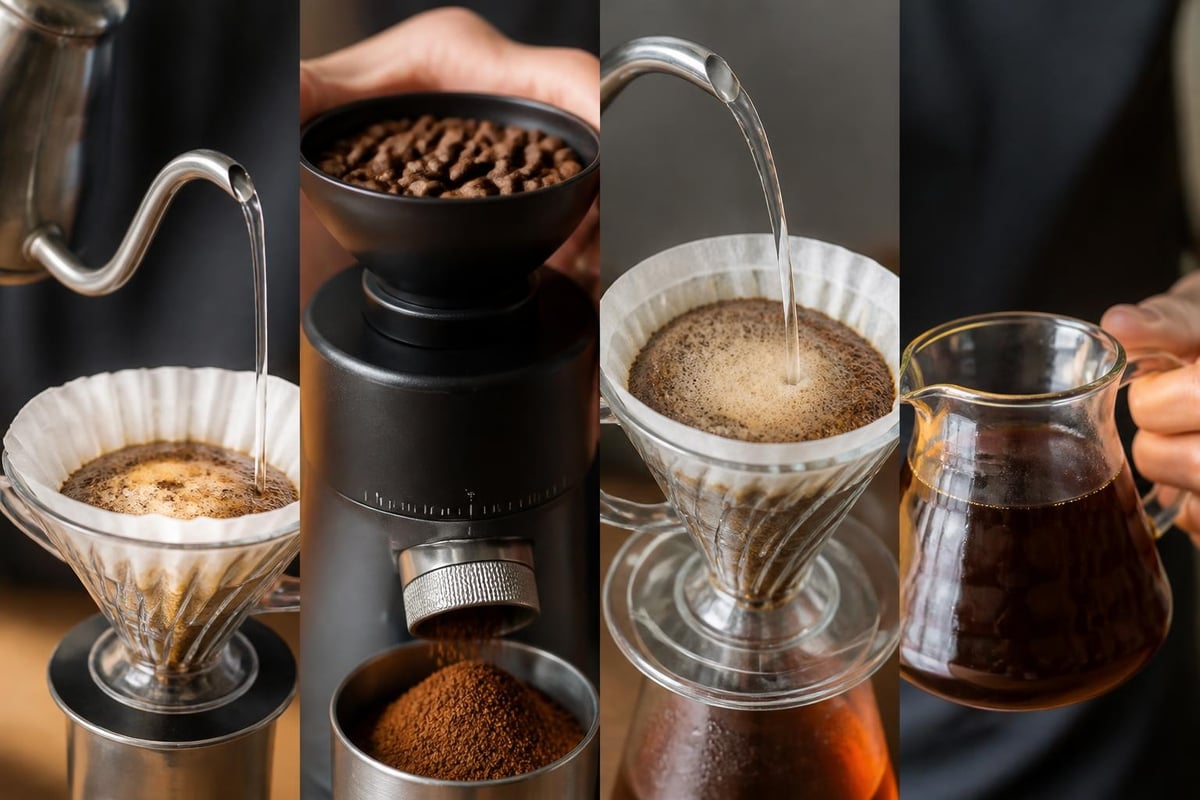
Investing in gourmet coffee beans only makes sense when extraction methods do them justice. The pour-over method, particularly, allows precise control over variables that influence flavor.
Water temperature, grind size, pour rate, and contact time each play crucial roles. Water between 195-205°F extracts optimally. Too cool, and you under-extract, leaving bright acids and fruity notes in the grounds. Too hot, and you over-extract bitterness and astringency.
The comprehensive brew guide at Pixies Brew demonstrates how intentional brewing transforms morning coffee into ritual. When you understand extraction, you taste the difference between rushing and pausing.
Pour-Over Precision Without Complexity
Traditional pour-over requires equipment: kettle, dripper, filters, grinder, scale. It demands attention and patience. But what if you could capture pour-over quality through simpler means?
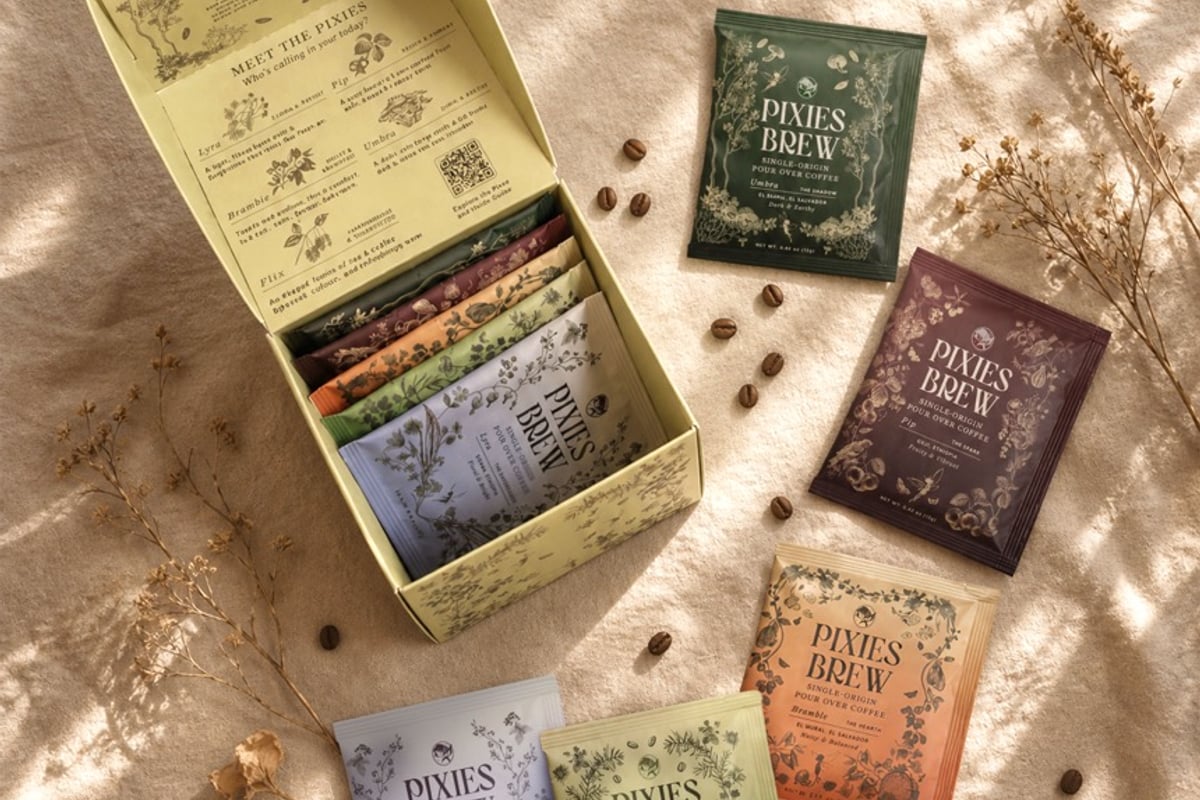
Pour-over sachets solve the equipment barrier while preserving the method's elegance. By pre-grinding specialty-grade beans to precise specifications and nitrogen-flushing for freshness, sachets deliver consistent extraction with just hot water and a cup. The Pixies Brew Discovery Set brings all five specialty-grade blends together in one box, allowing you to explore different origins and roast levels without investment in complex gear.
Flavor Note Development and Cupping Vocabulary
When you read "notes of blackberry, dark chocolate, and vanilla" on a coffee label, that's not marketing poetry. Trained cuppers identify these flavors through systematic tasting protocols that reveal what's genuinely present in the beans.
The Coffee Taster's Flavor Wheel, developed by the Specialty Coffee Association and World Coffee Research, maps hundreds of possible flavors organized by category: fruity, sweet, nutty, spicy, floral. Professional cuppers use this vocabulary to communicate objective sensory experiences.
Training Your Palate to Taste Complexity
You don't need professional training to appreciate gourmet coffee beans, but conscious tasting enhances enjoyment. Start by smelling the dry grounds, noting your first impressions. After brewing, inhale the aromatics while the coffee is hot. Take small sips, letting coffee coat your entire palate.
Notice how flavors shift as temperature drops. That first sip might emphasize bright acidity and floral notes. As the cup cools to warm, sweetness emerges. At room temperature, you might detect subtle spice or earth tones previously masked.
Tasting exercise progression:
- Week 1: Identify basic categories (fruity vs. nutty vs. chocolatey)
- Week 2: Distinguish within categories (citrus vs. berry within fruity)
- Week 3: Notice mouthfeel and body (light/tea-like vs. full/creamy)
- Week 4: Track flavor evolution from hot to cool
Sustainable Sourcing and Direct Trade Relationships
The best gourmet coffee beans in 2026 carry stories of partnership rather than extraction. Direct trade models, where roasters build long-term relationships with farmers, ensure quality through mutual investment.
When roasters pay above fair trade prices, farmers can invest in selective harvesting, better processing equipment, and sustainable farming practices. This creates a virtuous cycle: higher quality commands premium prices, funding further quality improvements.
Resources like CoffeeDB help consumers discover specialty roasters committed to ethical sourcing. Meanwhile, platforms like Roast Local connect coffee lovers with independent roasters prioritizing relationships over volume.
Environmental Impact and Regenerative Practices
Shade-grown coffee preserves forest ecosystems that provide bird habitat and biodiversity. Organic certification eliminates synthetic pesticides and fertilizers. Some progressive farms practice regenerative agriculture, actively improving soil health and sequestering carbon.
Your choice of gourmet coffee beans influences farming practices thousands of miles away. Transparency about sourcing isn't a nice-to-have; it's essential information for conscious consumption.
Storage Techniques That Preserve Quality
Even the finest gourmet coffee beans degrade rapidly under poor storage conditions. Heat, light, moisture, and oxygen are the four enemies of freshness.
Store beans in an airtight container in a cool, dark location. Counter canisters might look attractive, but if they're transparent or sit near your stove, they're compromising your coffee. Never refrigerate or freeze coffee unless you're storing it sealed for months and can use it immediately upon thawing.
The Nitrogen Advantage
Some specialty roasters nitrogen-flush their packaging, replacing oxygen with inert nitrogen gas. This dramatically extends shelf life by preventing oxidation. Combined with one-way valves that allow CO2 degassing while blocking oxygen entry, nitrogen flushing preserves just-roasted freshness for weeks.
The science matters because gourmet coffee beans contain volatile aromatics that define their character. When these compounds oxidize, coffee flattens into generic bitterness. Protection during storage preserves the nuanced flavors you paid premium prices to experience.
Single-Origin Versus Blends: Understanding the Difference
Single-origin gourmet coffee beans showcase specific terroir and processing methods. They're like varietal wines, expressing particular places and producers. A single-origin Ethiopian natural tastes distinctly different from a Colombian washed, and that clarity of identity appeals to enthusiasts who enjoy tracing flavors to source.
Blends combine beans from multiple origins to create consistent flavor profiles or complexity unachievable from single sources. Master blenders balance bright African beans with chocolatey South American offerings, or add body through Indonesian coffees. Finding quality gourmet coffee beans often means understanding whether you prefer origin expression or blended complexity.
Neither approach is superior; they serve different purposes. Single-origins educate your palate and connect you to specific producers. Blends deliver consistency and can showcase roaster artistry.
| Characteristic | Single-Origin | Blends |
|---|---|---|
| Flavor consistency | Variable by harvest | Consistent year-round |
| Terroir expression | Clear and direct | Muted or balanced |
| Seasonal availability | Limited to harvest | Available continuously |
| Price point | Often premium | Varies widely |
| Ideal for | Exploration, education | Daily drinking, espresso |
Limited Editions and Micro-Lot Treasures
The rarest gourmet coffee beans come from micro-lots: small harvests from specific farm sections exhibiting exceptional characteristics. These might represent a few hundred pounds from a particular varietal, processing experiment, or ideal microclimate.
Limited-edition releases create opportunities to taste coffees unavailable through normal channels. A roaster might secure 50 pounds of a competition-winning lot, or collaborate with a farmer on an experimental natural process. These offerings sell quickly to enthusiasts willing to pay premium prices for unique experiences.
The gift-worthy nature of specialty coffee makes limited editions perfect for marking occasions. They communicate thoughtfulness and create shared tasting experiences.
The Rise of Competition Lots
Competitions like Cup of Excellence identify the world's finest coffees through rigorous blind judging. Winning lots auction for extraordinary prices, but even beans scoring high without winning become available through specialty channels.
These competition lots represent coffee's highest expression: perfect cultivation, ideal processing, expert roasting. They're worth trying at least once to calibrate your understanding of what gourmet coffee beans can achieve.
Building Your Coffee Ritual Around Quality
Gourmet coffee beans deserve more than autopilot consumption. The intentional ritual transforms morning coffee from habit into practice, from task into pause. This shift matters in our hurried culture.
Pour-over brewing naturally encourages mindfulness. You can't rush the bloom or force water through grounds. You must wait, watch, smell, and trust the process. These moments of forced patience become sanctuaries in chaotic days.
The Pixies Pour Ritual embraces this philosophy, treating each cup as an opportunity for presence rather than productivity. When you invest in quality beans, you honor that investment through attention during brewing and tasting.
Creating Your Personal Flavor Journey
Start by identifying flavor preferences. Do bright, fruity coffees excite you, or do you prefer chocolate and nut tones? Light roasts or darker? Experiment systematically rather than randomly purchasing whatever catches your eye.
Keep tasting notes, even simple ones: "bright, lemony, too acidic for me" or "smooth, chocolatey, perfect for mornings." Over time, patterns emerge that guide future purchases toward beans you'll genuinely enjoy.
The Pixies personality quiz offers a playful framework for discovering which flavor profiles resonate with your preferences and rituals. Sometimes structure helps navigate overwhelming choice.
Frequently Asked Questions
What makes coffee beans "gourmet"?
Gourmet coffee beans meet specialty-grade standards, scoring 80+ points on professional cupping scales. They're sourced from specific origins, carefully processed, freshly roasted, and free from significant defects. Quality control at every production stage distinguishes them from commercial-grade coffee.
How long do gourmet coffee beans stay fresh?
Whole bean coffee peaks 3-14 days after roasting and maintains quality for 3-4 weeks when properly stored. Pre-ground coffee goes stale within hours. Nitrogen-flushed packaging can extend shelf life to 2-3 months, though fresher is always better.
Are expensive coffee beans worth the price?
Quality beans reward the investment through superior flavor, ethical sourcing, and fresher roasting. The difference between commercial and specialty coffee is substantial and noticeable. However, diminishing returns exist: a $25/lb coffee isn't necessarily twice as good as $15/lb. Find your sweet spot through experimentation.
Should I buy whole bean or pre-ground gourmet coffee?
Always whole bean if possible. Coffee begins degrading immediately after grinding as surface area increases and aromatics escape. Grinding just before brewing preserves maximum flavor. If convenience demands pre-ground, purchase small quantities and consume quickly.
How do I store gourmet coffee beans properly?
Use an airtight, opaque container stored in a cool, dark location away from heat sources. Avoid refrigeration or freezing for daily-use beans. Only freeze coffee if storing sealed bags for months, and use immediately upon thawing without refreezing.
The Economics of Quality: Understanding Premium Pricing
When gourmet coffee beans cost $15-30 per pound compared to $8 for supermarket brands, that gap reflects tangible differences. Specialty-grade beans cost more to produce: selective harvesting, careful processing, smaller production volumes, and direct trade premiums all contribute.
Consider cost per cup rather than per pound. That $20 bag yields roughly 30 cups at $0.67 each, less than any café purchase. When the alternative is $4 lattes, premium home brewing becomes economical while delivering superior quality.
Supporting specialty coffee also sustains farming communities. Recognizing excellence in coffee production through purchasing decisions rewards innovation and quality, encouraging farmers to continue investing in exceptional beans.
Understanding what distinguishes gourmet coffee beans transforms how you approach your daily ritual, turning routine into intentional practice. Every element matters: origin terroir, processing precision, roast freshness, brewing method, and the pause you create while tasting.
Whether you're exploring specialty coffee's diverse landscape or deepening your existing appreciation, quality beans deserve thoughtful preparation. Pixies Brew brings specialty-grade coffee to your simplest mornings through nitrogen-flushed pour-over sachets, offering the complexity of gourmet beans without equipment barriers. Each packet delivers a moment back to yourself, proving that exceptional coffee and everyday convenience can coexist beautifully.
