


Gourmet Coffee Near Me: A Guide to Finding Your Perfect Cup
The search for gourmet coffee near me starts with a simple question: what separates an ordinary cup from an extraordinary one? It's the origin of the bean, the roaster's craft, the brewing method, and the intention you bring to that first sip. Whether you're hunting for a neighborhood café that sources single-origin beans or looking for specialty-grade coffee you can brew at home, understanding what makes coffee "gourmet" transforms your morning ritual from routine to remarkable.
What Actually Makes Coffee "Gourmet"
True gourmet coffee begins long before it reaches your cup. It starts in specific microclimates where coffee plants thrive, on farms where producers carefully select only ripe cherries, and in processing methods that preserve delicate flavor notes.
The Specialty Coffee Association uses a rigorous 100-point scale to grade coffee beans. Anything scoring 80 points or above earns the "specialty" designation. These beans have no primary defects, distinctive attributes in the cup, and clear traceability back to their origin.
What sets gourmet coffee apart:
- Single-origin sourcing from specific regions or even individual farms
- Light to medium roasting that preserves origin characteristics
- Transparent supply chains where farmers receive fair compensation
- Freshness, typically roasted within the past two weeks
- Detailed tasting notes describing flavor profiles
Specialty coffee consumption has reached a 14-year high, with more Americans seeking out these elevated experiences. This shift reflects a deeper appreciation for coffee as craft rather than commodity.
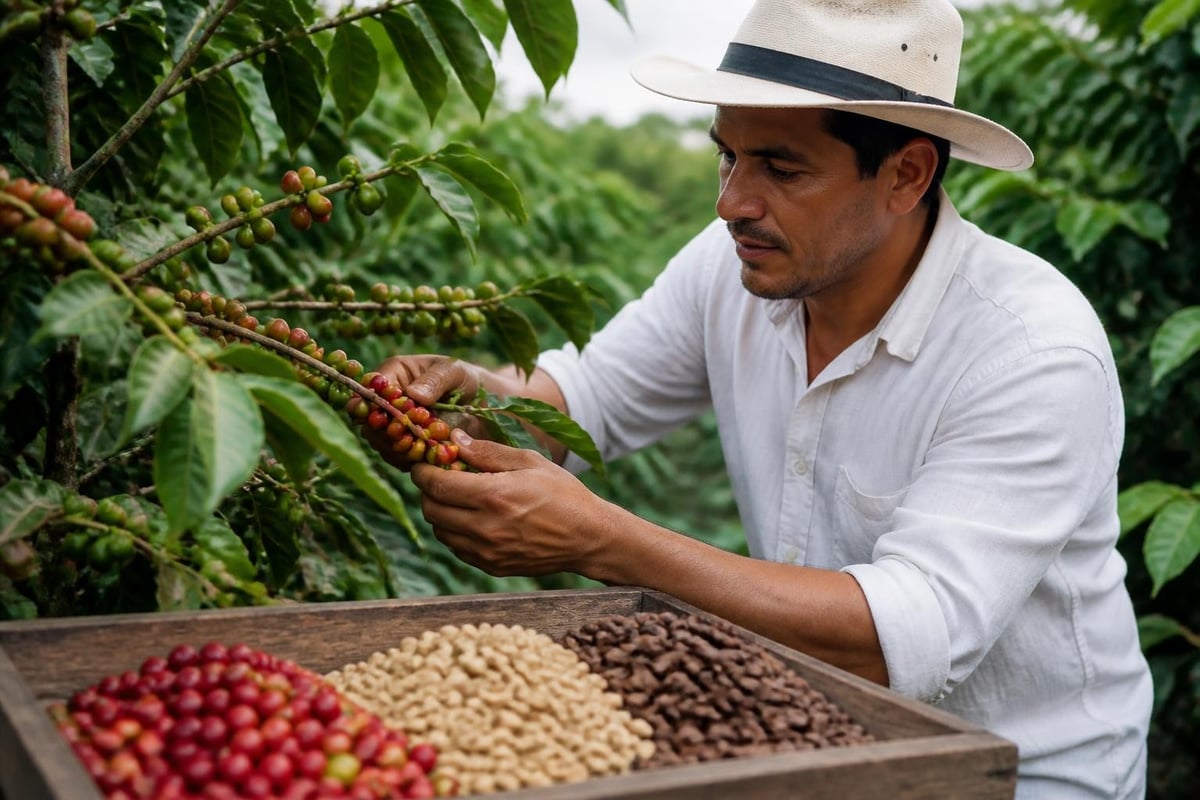
Finding Exceptional Coffee in Your Neighborhood
Searching for gourmet coffee near me means looking beyond the chain cafés. Independent roasteries and specialty coffee shops have transformed neighborhoods across America into destinations for coffee enthusiasts.
Signs You've Found the Real Deal
Walk into any coffee shop and you'll know within moments whether they take their craft seriously. The air smells like fresh roasting, not burnt beans. Baristas can tell you exactly where each coffee comes from. They offer multiple brewing methods and ask questions about your flavor preferences.
Quality roasters display roast dates prominently. They rotate their offerings seasonally and feature limited releases from exceptional harvests. Many host cuppings where you can taste coffees side by side and develop your palate.
| What to Look For | Why It Matters |
|---|---|
| Roast date on bags | Coffee peaks 4-14 days after roasting |
| Origin information | Traceability indicates quality sourcing |
| Multiple brew methods | Shows commitment to proper extraction |
| Seasonal offerings | Reflects harvest cycles and freshness |
| Education focus | Quality roasters want to share knowledge |
Building Relationships with Local Roasters
The best gourmet coffee experiences come from relationships. Regular customers learn about incoming shipments, get first access to limited releases, and receive recommendations tailored to their preferences.
Ask your roaster about their sourcing relationships. Many work directly with farmers or through importers who prioritize sustainability and quality. These connections mean better coffee and positive impact at origin.
The Home Brewing Revolution
You don't always need to leave home to enjoy gourmet coffee near me moments. The rise of specialty coffee at home has made exceptional brewing more accessible than ever.
Pour-Over: The Gold Standard
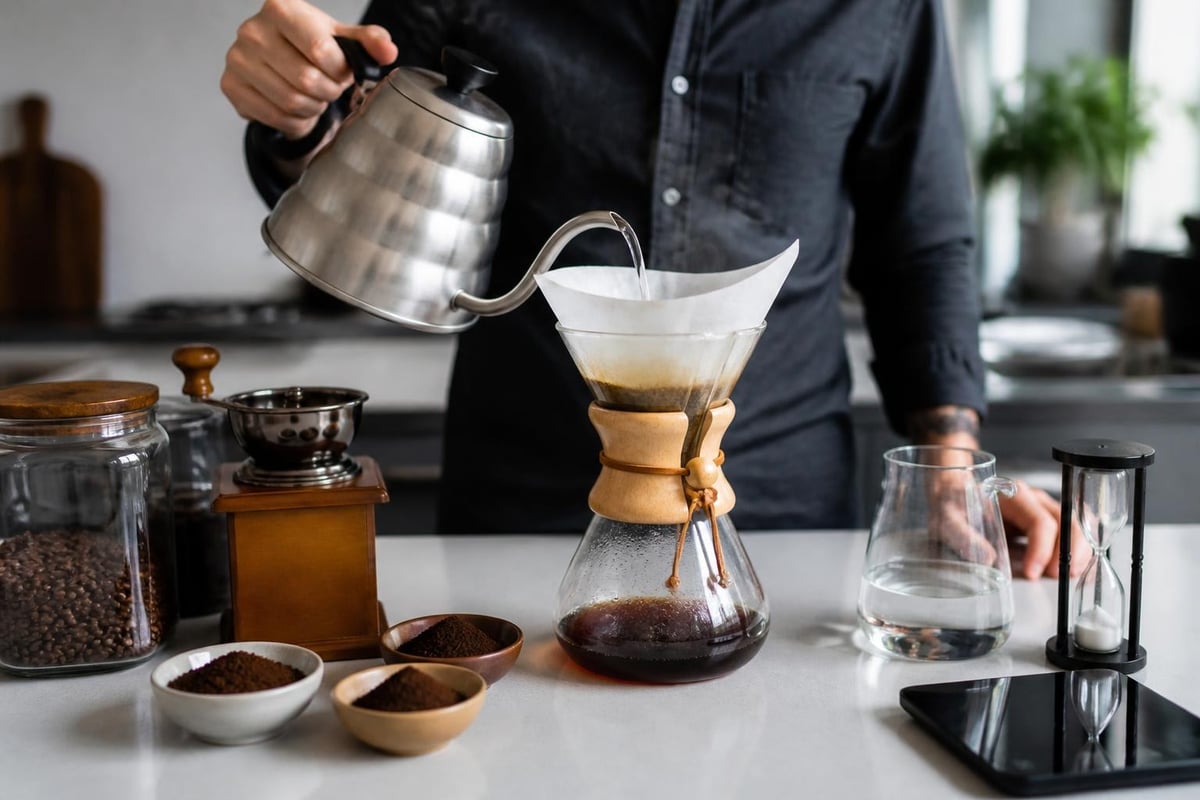
Pour-over methods extract coffee with precision and clarity. Water temperature, grind size, and pouring technique all influence the final cup. This level of control lets you highlight specific flavor notes in gourmet beans.
The ritual itself matters as much as the result. Watching water bloom the grounds, inhaling the aromatics, waiting for that first sip creates a moment of pause in busy mornings.
For those seeking gourmet coffee without the equipment, specialty-grade sachets combine convenience with quality. These single-serve options use nitrogen flushing to preserve freshness, delivering the same carefully sourced beans in a travel-friendly format.
Popular pour-over methods:
- V60 for bright, tea-like clarity
- Chemex for clean, elegant cups
- Kalita Wave for balanced, forgiving brews
- Clever Dripper for immersion-style richness
Dialing In Your Perfect Cup
Gourmet coffee reveals different personalities based on how you brew it. Ethiopian beans might show jasmine and bergamot at one ratio, stone fruit at another. Colombian coffees can taste like caramel or chocolate depending on extraction.
Start with the roaster's recommended recipe, then adjust variables one at a time. Grind slightly finer if the coffee tastes weak or sour. Coarsen if it's bitter or astringent. Lower water temperature for delicate, floral beans. Raise it for darker roasts.
Seasonal Flavors and Limited Releases
Coffee harvests follow seasonal patterns, which means the best roasters rotate their offerings throughout the year. Spring brings African coffees with bright, fruity profiles. Fall welcomes deeper, chocolate-forward Central American beans.
Limited-edition releases celebrate exceptional lots that scored particularly high or came from experimental processing methods. These small batches sell quickly among enthusiasts who treat coffee collecting like wine connoisseurship.
The emerging fall flavors brewing in 2025 go beyond traditional pumpkin spice, incorporating maple, brown butter, and warming spices that complement seasonal coffee profiles. Many roasters create blends specifically designed to evoke autumn's cozy character.
Tasting Coffee Through the Seasons
Each origin tells a different story based on its terroir. Ethiopian coffees from Sidama might taste like blueberry and honey. Kenyan beans often show blackcurrant and tomato leaf acidity. Colombian coffees range from bright citrus to deep cocoa.
Understanding these patterns helps you explore the full spectrum of gourmet coffee. When searching for gourmet coffee near me, ask roasters what just arrived from harvest. These fresh crops showcase coffee at its most vibrant.
Building Your Personal Coffee Ritual
The best gourmet coffee near me is the one that fits seamlessly into your life. Some people need their coffee fast and functional. Others crave the meditative process of grinding beans and watching water spiral through grounds.
Morning Rituals That Ground You
Coffee becomes ritual when you bring intention to the process. Set out your favorite cup the night before. Boil water while you stretch or journal. Let the first aroma wake you before the caffeine does.
The Pixies Brew Discovery Set brings all five specialty-grade blends together in one collection, letting you explore different flavor profiles and find the one that matches your morning energy. Each sachet delivers specialty coffee ground fresh and nitrogen-flushed to preserve those delicate aromatics.
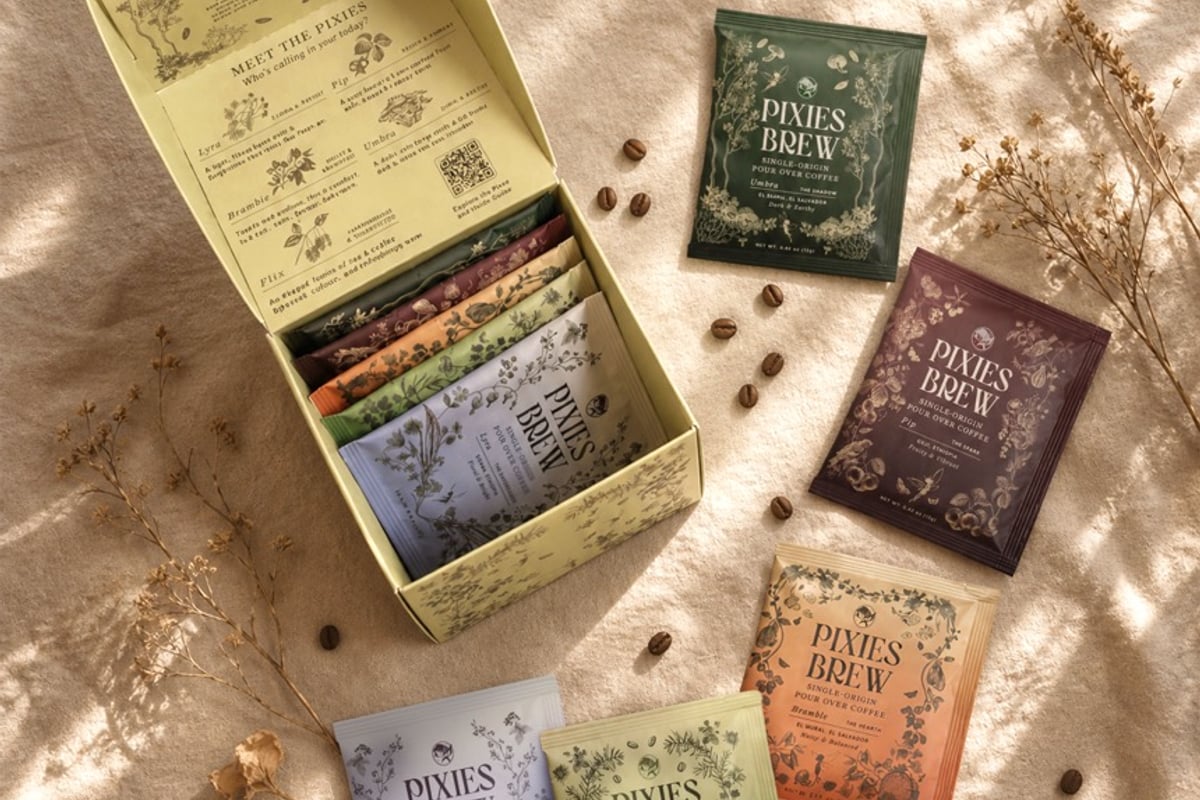
These intentional moments transform coffee from fuel into an anchor point for your day. The ritual signals to your mind that you're taking time for yourself before diving into demands.
Travel-Friendly Gourmet Options
Finding gourmet coffee near me becomes challenging when "me" is constantly moving. Hotels rarely stock exceptional beans. Airport coffee disappoints more often than not. Road trips mean compromising on quality.
Portable brewing solutions keep your standards high anywhere. Single-serve pour-over systems need only hot water and a cup. They take up minimal luggage space while delivering the same specialty-grade coffee you'd brew at home.
The sensory experience travels too. Ethiopian beans still bloom with jasmine notes in a hotel room. Colombian coffee still offers that toasted marshmallow sweetness at a campsite. Geography changes, but your ritual stays constant.
Understanding Coffee Origins and Flavor Profiles
Different growing regions produce distinctly different flavor profiles. Altitude, soil composition, rainfall patterns, and processing methods all shape how coffee tastes.
| Region | Typical Flavors | Processing Style |
|---|---|---|
| Ethiopia | Floral, berry, jasmine, bergamot | Washed or natural |
| Kenya | Blackcurrant, tomato, bright acidity | Washed |
| Colombia | Chocolate, caramel, nuts, apple | Washed |
| Brazil | Nutty, chocolatey, low acidity | Natural or pulped natural |
| Guatemala | Cocoa, spice, apple, citrus | Washed |
Processing Methods and Their Impact
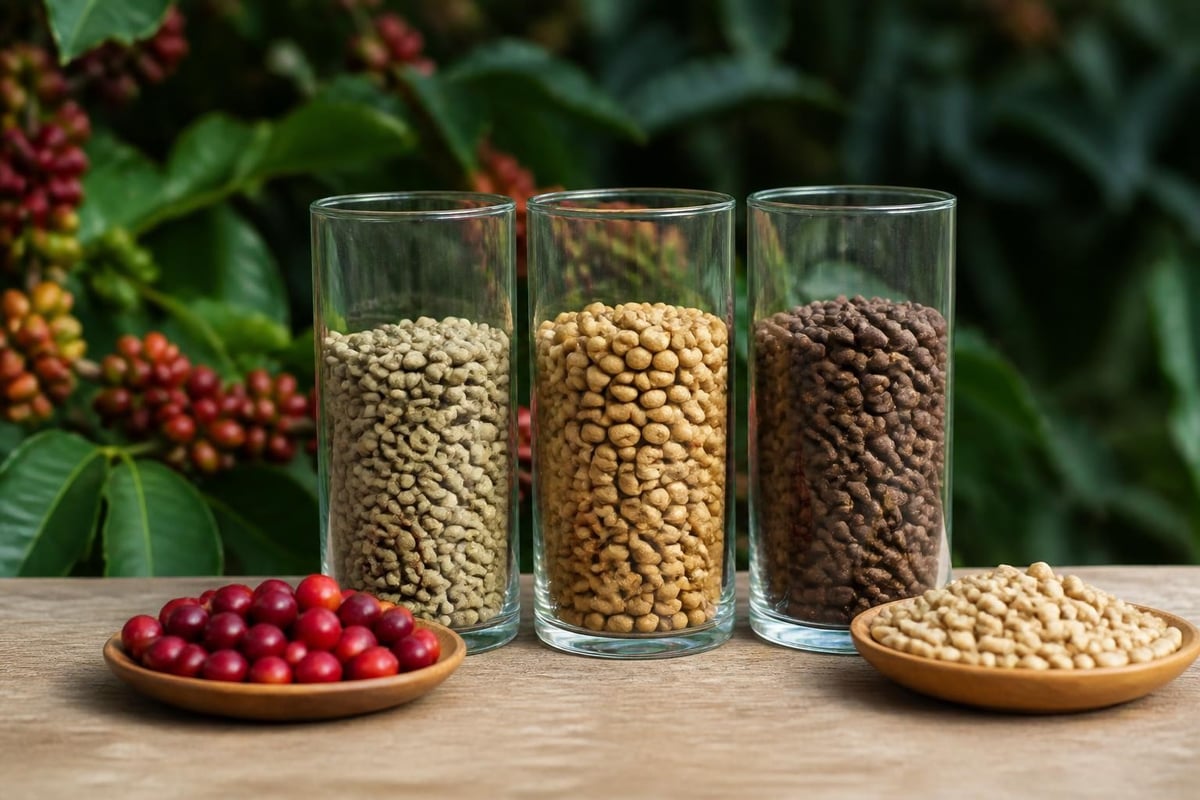
How farmers process coffee cherries dramatically affects flavor. Washed coffees taste clean and bright, highlighting acidity and origin characteristics. Natural processed beans develop fruit-forward sweetness and fuller body. Honey processed coffees split the difference with balanced sweetness and clarity.
Experimental processing has pushed boundaries in recent years. Carbonic maceration, anaerobic fermentation, and extended drying times create unusual flavor profiles that challenge our expectations of what coffee can taste like.
The Economics of Quality Coffee
Gourmet coffee costs more than supermarket brands, but understanding why makes the price meaningful. Specialty-grade beans represent the top 3-5% of global coffee production. Farmers invest heavily in quality through selective harvesting, careful processing, and sustainable practices.
Direct Trade vs. Fair Trade
Many specialty roasters practice direct trade, building long-term relationships with specific farms. They pay well above Fair Trade minimums and often provide additional support for infrastructure, education, or environmental initiatives.
These relationships benefit everyone. Farmers receive sustainable income and recognition for quality. Roasters secure consistent access to exceptional beans. You taste the difference in your cup while supporting ethical supply chains.
According to comprehensive coffee consumption data, Americans increasingly value transparency and ethics in their coffee purchasing decisions, particularly among younger consumers.
Frequently Asked Questions
What's the difference between gourmet and specialty coffee?
The terms often overlap, though "specialty" has a technical definition (scoring 80+ points) while "gourmet" suggests premium quality and careful sourcing. Both indicate coffee far superior to commodity-grade beans.
How fresh should gourmet coffee be?
Coffee peaks between 4-14 days after roasting for most brewing methods. It remains excellent for 2-4 weeks when properly stored. Ground coffee loses freshness within days, which is why whole beans or nitrogen-flushed sachets maintain quality longer.
Can I make gourmet coffee without expensive equipment?
Absolutely. A simple pour-over dripper and gooseneck kettle cost under $40 and produce exceptional results. Even simpler, single-serve pour-over sachets require only hot water and a cup while delivering specialty-grade quality.
How do I know if a coffee shop serves real gourmet coffee?
Look for origin information, roast dates, and multiple brewing methods. Staff should articulate flavor profiles and answer sourcing questions. The coffee menu should change seasonally rather than staying static year-round.
What makes some gourmet coffee so expensive?
Micro-lot coffees from competition-winning farms command premium prices due to exceptional quality, tiny production volumes, and intensive labor. These are coffee's equivalent to fine wine, meant for special occasions rather than daily drinking.
Developing Your Coffee Palate
Tasting coffee intentionally develops your ability to distinguish subtle differences. Start by noticing basic qualities: is it fruity or chocolatey? Bright or smooth? Sweet or bitter?
The Cupping Process
Professional coffee tasting, called cupping, follows a standardized protocol. Freshly ground coffee steeps in hot water for four minutes. You break the crust of grounds, inhale the aroma, then taste by slurping to spray coffee across your palate.
This technique isn't necessary at home, but the principle applies. Smell before tasting. Let coffee cool to different temperatures. Notice how flavors evolve from hot to warm to cool.
Building your tasting vocabulary:
- Fruity: berry, stone fruit, citrus, tropical
- Floral: jasmine, lavender, rose, hibiscus
- Sweet: caramel, chocolate, vanilla, honey
- Nutty: almond, hazelnut, walnut, peanut
- Spicy: cinnamon, clove, cardamom, pepper
The major coffee trends of 2025 emphasize flavor exploration and education, with more consumers approaching coffee tasting with the same seriousness as wine appreciation.
Creating Coffee Moments That Matter
Gourmet coffee near me isn't just about proximity or price point. It's about creating meaningful experiences around something you consume daily anyway. Why not make it remarkable?
Slowing Down in a Rushed World
The modern world prizes speed and efficiency. Coffee often becomes another rushed task, consumed while multitasking. But those few minutes brewing and savoring coffee offer rare permission to simply be present.
Watch the water bloom freshly ground coffee. Notice how steam carries different aromas at different stages. Feel the warmth of the cup in your hands. Taste the first sip before checking your phone.
These small acts of attention compound over time. They remind you that quality matters more than quantity, that moments of pause aren't wasted time but necessary anchors.
Sharing the Experience
Coffee brings people together. Hosting a tasting for friends, bringing exceptional beans to a gathering, or introducing someone to their new favorite brew creates connection through shared discovery.
Consider keeping a few different origins on hand. Brew them side by side to highlight how terroir affects flavor. Discuss what you notice. There's no right or wrong in coffee tasting, just personal preference and expanding awareness.
The Future of Gourmet Coffee Access
Technology and innovation continue making specialty coffee more accessible. Subscription services deliver fresh-roasted beans directly to doorsteps. QR codes on packaging link to farm videos and detailed tasting notes. Mobile apps help dial in brewing recipes.
Yet the fundamental truth remains unchanged: great coffee comes from careful cultivation, skilled roasting, and intentional brewing. The tools evolve, but the craft endures.
Sustainability and Climate Challenges
Coffee's future depends on addressing climate change impacts. Rising temperatures push viable growing regions to higher altitudes. Increased weather volatility threatens harvests. Many origins face uncertain futures.
Supporting specialty coffee means supporting farmers who invest in resilience. Shade-grown coffee, soil health practices, and crop diversification help farms adapt. Your purchasing decisions directly impact whether quality coffee remains available for future generations.
The search for gourmet coffee near me reveals countless options, from neighborhood roasteries to specialty-grade sachets that travel anywhere. What matters most is finding coffee that transforms your routine into ritual, that offers a moment of pause in your day. Pixies Brew brings that experience to wherever you are, with carefully sourced beans and thoughtful flavor profiles designed to create moments of reflection with every pour. Each cup becomes less about caffeine and more about connection to yourself, the craft, and the story held in every bean.
