


Gourmet Ganoderma Reishi: A New Ritual for Mindful Mornings
The first sip of morning coffee carries a story. For thousands of years, that story belonged solely to the bean. But in 2026, a quieter narrative has emerged alongside it-one written in the earthy, woody whispers of gourmet ganoderma reishi. This ancient mushroom, once reserved for emperors and healers, now finds its way into specialty coffee blends, functional beverages, and the intentional rituals of people seeking more from their morning cup than simple caffeine. It's not about replacing coffee; it's about deepening the experience, layering flavor and purpose into a single, steaming vessel.
The Ancient Mushroom Meeting Modern Craft
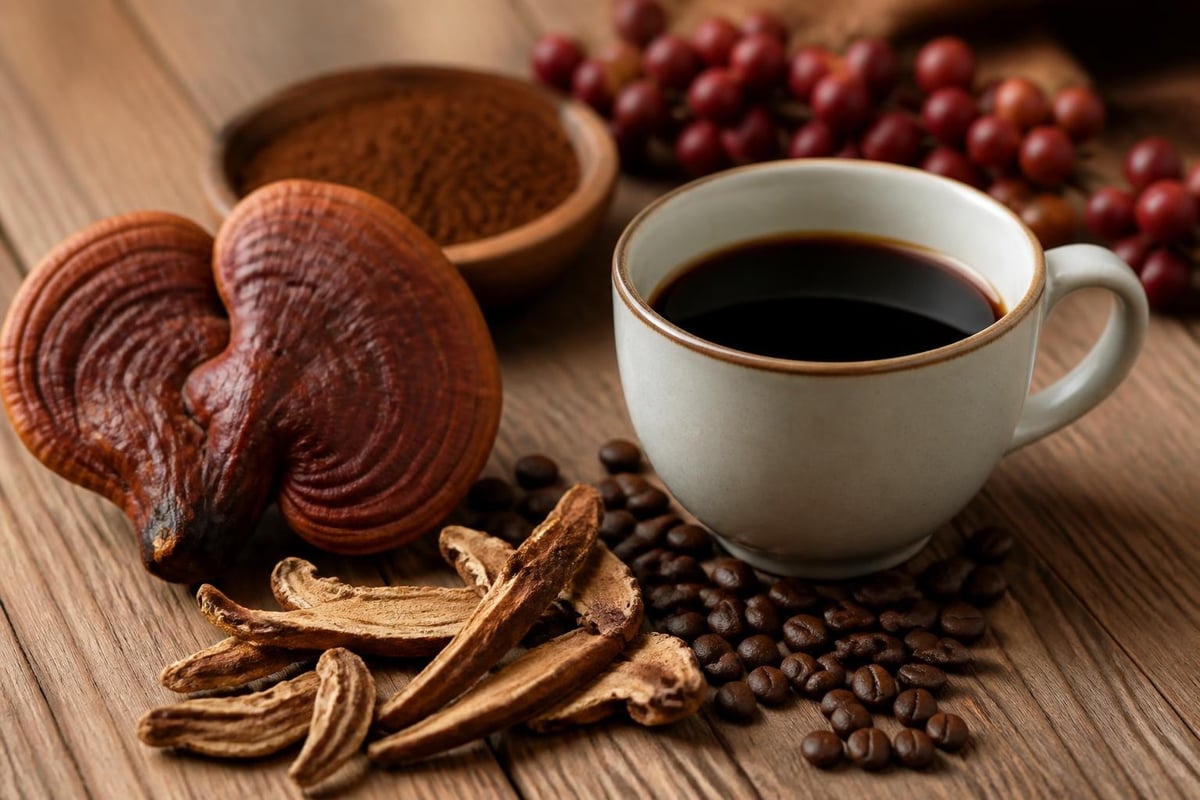
Ganoderma lucidum, commonly known as reishi or lingzhi, has anchored traditional wellness practices across Asia for over two millennia. Its fan-shaped fruiting bodies, with their distinctive lacquered appearance, grow on decaying hardwood trees in humid forests. The mushroom's bitter, woody profile initially seems an unlikely candidate for gourmet applications.
Yet contemporary food scientists and artisan beverage creators have unlocked something remarkable. Through careful processing, extract refinement, and thoughtful pairing, gourmet ganoderma reishi has evolved from medicinal tincture to culinary ingredient. The transformation hinges on understanding its complex flavor architecture.
Breaking Down the Flavor Profile
When properly prepared, reishi offers:
- Earthy depth reminiscent of forest floor after rain
- Mild bitterness that balances sweet or creamy elements
- Umami undertones adding savory complexity
- Woody finish that lingers without overwhelming
This profile makes it surprisingly compatible with coffee's own terroir. A natural Ethiopian coffee with blueberry notes finds grounding in reishi's earthiness. A darker Colombian roast with chocolate tones gains additional dimension. The functional food applications of medicinal mushrooms have expanded dramatically as formulators discover these unexpected harmonies.
Why Coffee Lovers Are Embracing Reishi
The specialty coffee community has always celebrated origin, process, and ritual. These same values align perfectly with how gourmet ganoderma reishi enters the cup. It's not about trends; it's about intentionality.
I remember the first time I added reishi extract to my morning pour-over. The coffee was a washed Ethiopian-bright, floral, almost tea-like. The reishi didn't mask those delicate notes. Instead, it provided a foundation, like adding a cello to a string quartet. The high notes still sang, but now they had something to rest against.
The Ritual Deepens
Coffee drinkers who incorporate reishi often describe a shift in their morning routine. The preparation becomes more mindful. Measuring the mushroom extract or powder alongside the coffee grounds creates a moment of pause. This isn't hurried fuel; it's intentional nourishment.
For those exploring Pixies Brew's approach to coffee ritual, adding reishi extends that philosophy. Each element serves a purpose. The specialty-grade beans deliver flavor complexity. The single-serve sachet ensures freshness and convenience. The reishi adds another layer of meaning to the moment.
Sourcing Quality: What Makes Reishi "Gourmet"
Not all reishi is created equal. The distinction between commodity mushroom powder and gourmet ganoderma reishi lies in cultivation method, harvest timing, processing technique, and species verification.
| Quality Factor | Commercial Grade | Gourmet Grade |
|---|---|---|
| Cultivation | Substrate bags, fast rotation | Hardwood logs, natural timing |
| Harvest Age | 3-4 months | 6-12 months |
| Processing | High-heat extraction | Low-temp dual extraction |
| Species Verification | Often generic "reishi" | Certified G. lucidum or G. lingzhi |
| Beta-glucan Content | Variable | >20% verified |
The taxonomic complexity within Ganoderma species matters for culinary applications. True Ganoderma lucidum, historically associated with European and North American specimens, differs genetically and chemically from Ganoderma lingzhi, the species traditionally used in Asian medicine. Both can be "gourmet," but knowing which you're working with ensures consistent results.
Reading Labels Like a Coffee Connoisseur
Just as specialty coffee drinkers seek information about altitude, processing method, and roast date, reishi enthusiasts should demand similar transparency:
- Fruiting body vs. mycelium: Fruiting bodies contain higher concentrations of the compounds that deliver reishi's distinctive character
- Extraction ratio: Look for dual-extraction (water and alcohol) to capture both water-soluble polysaccharides and alcohol-soluble triterpenes
- Origin specificity: Where was it grown? What wood substrate?
- Testing standards: USP monograph compliance indicates rigorous identity and purity testing
Crafting Your Reishi Coffee Blend
The magic happens in the proportions. Too much reishi overpowers delicate coffee notes. Too little gets lost entirely. After experimenting with dozens of combinations, a pattern emerges.
The Basic Formula
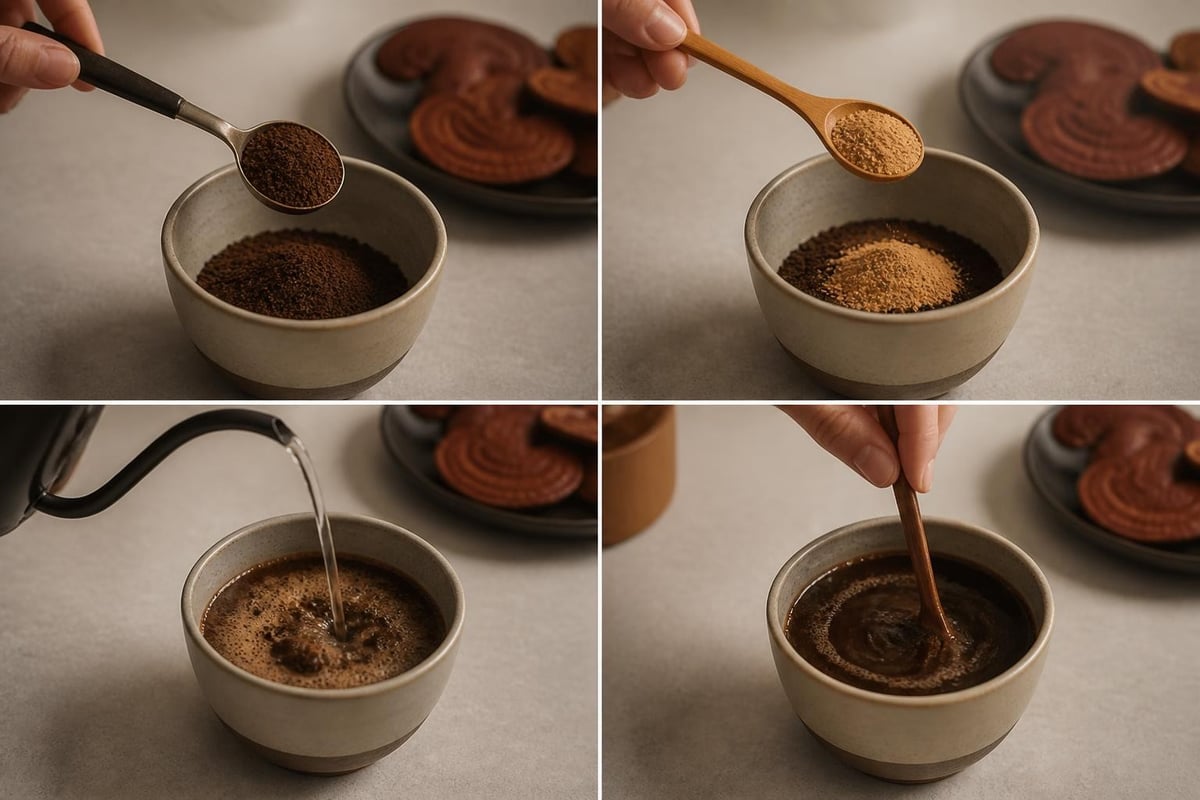
Start with this ratio and adjust to taste:
- 12-16 oz hot water (195-205°F)
- 20-25g specialty coffee (medium to dark roast works best initially)
- 250-500mg reishi extract powder (dual-extracted, minimum 20% beta-glucans)
- Optional: 1/4 tsp cacao powder to bridge flavor profiles
- Optional: small pinch sea salt to reduce bitterness
Brew your coffee using your preferred method. Stir the reishi extract into the hot coffee until fully dissolved. The cacao and salt are optional bridges-they help marry the two primary ingredients if you find the combination jarring at first.
Flavor Pairing Guide
Different coffee origins pair distinctively with reishi:
Ethiopian Naturals (fruited, wine-like): The reishi grounds explosive fruit notes, adding earthy complexity that prevents the cup from becoming one-dimensional.
Colombian Washed (balanced, nutty): Reishi deepens the chocolate and caramel tones while adding subtle umami that enhances perceived body.
Sumatran Dark Roast (smoky, bold): This can be too much earthiness. Use reishi sparingly here, or skip it entirely.
The comprehensive bioactive profile of *Ganoderma lucidum* includes compounds that interact with taste receptors, explaining why it modulates perceived flavor rather than simply adding bitterness.
Beyond the Morning Cup: Reishi in Coffee Culture
Gourmet ganoderma reishi isn't confined to home brewing. Forward-thinking cafes and specialty roasters are incorporating it into signature drinks, seasonal menus, and educational tastings.
One Seattle coffee shop I visited in early 2026 featured a "Forest Floor Latte"-espresso, steamed oat milk, reishi extract, and a touch of maple syrup. The barista explained that customers initially approached it with skepticism, but repeat business soared once people understood it wasn't a gimmick. It was craft.
The Sachet Revolution
For travelers, office workers, and anyone brewing away from their home setup, the challenge becomes maintaining quality and freshness. This is where innovative delivery methods shine. Nitrogen-flushed sachets preserve both coffee grounds and added functional ingredients, allowing gourmet ganoderma reishi to travel without degradation.
Imagine hiking to a mountain lookout, boiling water on a camp stove, and preparing a cup that delivers both specialty coffee flavor and the grounding presence of reishi. The ritual doesn't require elaborate equipment-just intention and quality ingredients.
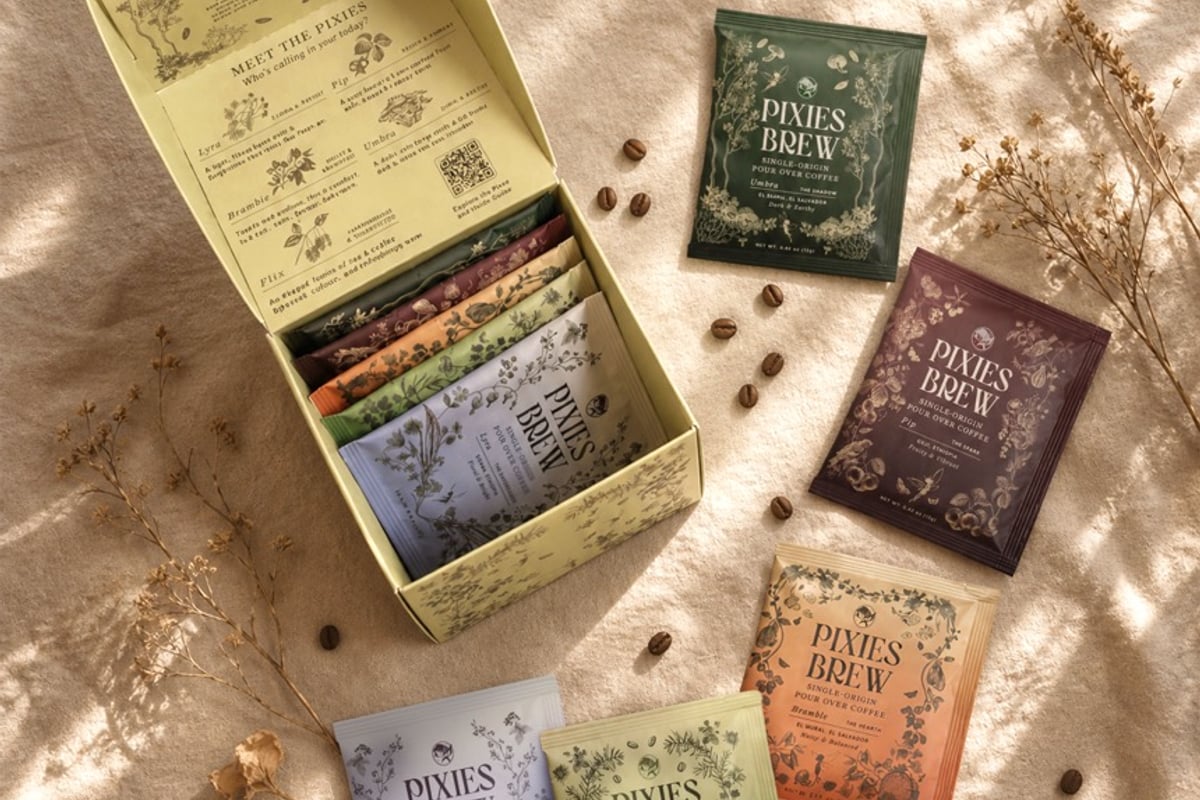
Those curious about simplified specialty brewing might explore the Pixies Brew Discovery Set, which demonstrates how premium coffee can be both convenient and contemplative. While Pixies Brew's current line focuses on single-origin specialty coffees, the sachet format itself represents the kind of innovation that makes functional coffee possible anywhere.
The Science Supporting the Story
While gourmet ganoderma reishi appears in coffee primarily for flavor and ritual, understanding its composition adds depth to the experience. The mushroom contains over 400 bioactive compounds, including polysaccharides, triterpenes, and sterols.
Research into cultivation parameters for reishi reveals how growing conditions influence not just yield, but chemical composition. Log-grown reishi tends to produce higher triterpene concentrations, contributing to the bitter notes that some coffee blenders seek.
What Coffee Drinkers Should Know
The bioactive compounds in reishi are not destroyed by hot water-in fact, hot water extraction is one of the traditional preparation methods. When you brew gourmet ganoderma reishi with coffee, you're essentially performing a dual extraction: coffee solubles and mushroom compounds simultaneously entering the cup.
Does this affect caffeine? No. Reishi contains no caffeine and doesn't reduce coffee's caffeine content. Some people report feeling less jittery when combining the two, but this is likely perceptual rather than chemical.
Sensory Exploration: Tasting Reishi Coffee
Approaching gourmet ganoderma reishi coffee with a cupping mindset transforms it from beverage to experience. Here's how to fully engage your senses:
Aroma: Before adding reishi, note your coffee's fragrance-fruity, floral, chocolatey, nutty? Add the reishi and smell again. You should detect earthy, mushroomy, forest-like notes joining the coffee aroma.
Appearance: Reishi extract creates a slightly cloudy brew, different from clear coffee. Some high-quality extracts add a subtle reddish tint.
Taste: Take your first sip focusing on the attack (initial flavors), evolution (mid-palate development), and finish (aftertaste). Quality reishi extends the finish significantly.
Mouthfeel: Polysaccharides in reishi can add subtle thickness, increasing perceived body.
Aftertaste: This is where reishi truly shines. The lingering woody, earthy notes can persist for minutes, creating a meditation-like focus point.
Common Questions About Gourmet Ganoderma Reishi
How much reishi should I add to coffee? Start with 250mg per 12-16oz cup and increase gradually. Most people settle between 500-750mg once acclimated to the flavor.
Does it make coffee less acidic? Some report perceived reduced acidity, likely due to the earthy, umami notes balancing bright acids. The pH doesn't change significantly.
Can I use reishi with any coffee brewing method? Yes-French press, pour-over, espresso, cold brew all work. With espresso, stir reishi into the finished shot rather than adding to the grounds.
Where can I buy gourmet-quality reishi? Look for specialty mushroom suppliers, high-end health food stores, or artisan coffee roasters experimenting with functional blends. Always verify third-party testing for purity and potency.
Will it interfere with coffee's flavor notes? Only if you use too much. Properly dosed, reishi should complement rather than compete with coffee's inherent characteristics.
How should I store reishi extract powder? Cool, dark, dry location in an airtight container. Exposure to moisture and light degrades quality quickly.
Creating Your Own Reishi Coffee Ritual
The beauty of gourmet ganoderma reishi lies not in following a prescription, but in crafting a personal practice. Maybe your ritual involves weighing beans and extract with precision, tracking ratios in a journal like a coffee scientist. Or perhaps it's simpler-a heaping scoop of both into a filter, hot water poured slowly, breath synchronized with the bloom.
I've found that consistency matters more than complexity. Using the same coffee and reishi ratio for a week allows you to notice subtle shifts-how the blend tastes different on a rainy morning versus a sunny one, how your perception changes when you're rushed versus when you have space to sit.
For those seeking structure, try this approach:
- Week One: Brew your favorite coffee without any additions, noting flavor details
- Week Two: Add 250mg reishi daily, observing how it alters your experience
- Week Three: Increase to 500mg if you enjoyed week two
- Week Four: Experiment with different coffee origins paired with your established reishi dose
By month's end, you'll have developed genuine expertise in how gourmet ganoderma reishi interacts with coffee across multiple variables.
The Future of Functional Coffee
Gourmet ganoderma reishi represents a broader shift in how people approach their daily beverages. We're moving past simple caffeine delivery toward multidimensional drinks that nourish body, mind, and ritual. Coffee becomes a vehicle for intentionality.
This evolution doesn't diminish coffee's inherent value. The specialty coffee industry has spent decades elevating quality, celebrating farmers, and educating consumers about terroir. Adding reishi to that equation honors those efforts by treating coffee as precious enough to build upon, not mask.
The growers cultivating coffee on volcanic slopes in Guatemala and the mycologists nursing reishi on oak logs in Oregon share a commitment to craft. When their work meets in your cup, it's a collaboration spanning continents and kingdoms-plant and fungus, ancient tradition and modern innovation.
As more people discover gourmet ganoderma reishi, we'll likely see continued innovation. Roasters might offer "reishi-optimized" coffees-origins and roast profiles specifically designed to pair with mushroom extracts. Cafes could feature reishi-coffee flights, showcasing how different ratios and origins create distinct experiences.
The questions worth asking aren't whether this trend will last, but whether it adds genuine value to your morning. Does the earthy depth enhance your experience? Does the ritual of preparation create space for reflection? Does combining these two ancient ingredients-coffee and reishi-help you start your day with greater intention?
If the answer is yes, then gourmet ganoderma reishi has earned its place in your cup.
The journey from bean and mushroom to mindful ritual reveals that our morning beverages can be vessels for something deeper than wakefulness-they can anchor us in intention, flavor, and presence. Whether you're exploring gourmet ganoderma reishi for its earthy complexity or the ritual it invites, each cup becomes an opportunity to pause. If you're ready to discover how specialty coffee itself can transform your daily ritual, Pixies Brew offers nitrogen-flushed sachets that bring craft-roasted, single-origin coffee to any moment that calls for magic-no elaborate equipment required, just hot water and the willingness to create space for yourself.
