


Gourmet Ground Coffee: A Guide to Quality and Craft
Gourmet ground coffee represents more than convenience. It's the intersection of craft, science, and ritual where specialty beans meet precise grinding to unlock flavor profiles that transform your morning into something memorable. When you choose gourmet ground coffee, you're selecting beans that have been carefully sourced, expertly roasted, and ground to specifications that honor the origin story in every cup. This isn't about settling for pre-ground as a compromise; it's about understanding how freshness, particle distribution, and preservation technology can deliver exceptional coffee without the equipment overhead.
What Defines Gourmet Ground Coffee
The word "gourmet" carries weight in the coffee world. It signals specialty-grade beans, transparent sourcing, and attention to detail that commodity coffee simply doesn't offer.
Specialty-Grade Foundation
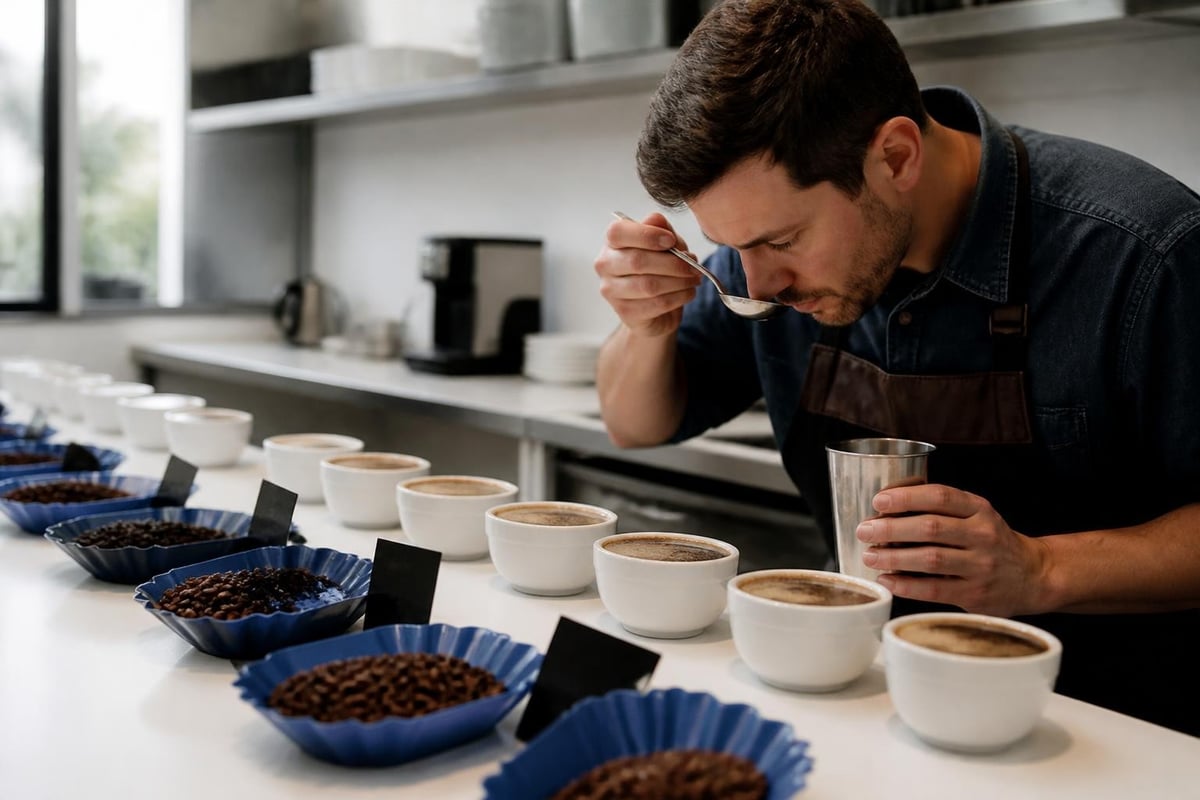
Gourmet ground coffee starts with beans scoring 80 points or higher on the Specialty Coffee Association's cupping protocol. This assessment evaluates everything from fragrance to body, ensuring only exceptional beans make the cut.
What separates specialty from commercial:
- Origin transparency (specific farm, region, or cooperative)
- Varietal selection for unique flavor characteristics
- Processing method impact on sweetness and body
- Roasting profiles that highlight rather than mask natural notes
The World Coffee Research organization tracks how genetics influence cup quality, showing that origin and varietal create the foundation for what grinding and brewing can later express.
The Science of Particle Distribution
Grinding isn't just breaking beans into smaller pieces. It's creating a specific particle size distribution that controls extraction.
According to research published in European Food Research and Technology, particle size directly affects extraction rate, brewing time, and the balance of compounds that reach your cup. Too fine, and you risk over-extraction and bitterness. Too coarse, and you'll get weak, sour notes that miss the bean's potential.
| Grind Size | Particle Range | Best Brewing Method | Extraction Time |
|---|---|---|---|
| Extra Fine | 200-400 microns | Turkish, Espresso | 20-30 seconds |
| Fine | 400-800 microns | Pour-over, Drip | 2-4 minutes |
| Medium | 800-1000 microns | Drip, Siphon | 4-6 minutes |
| Coarse | 1000+ microns | French Press, Cold Brew | 4-12 hours |
Gourmet producers invest in burr grinders that create uniform particles, then often flush packaging with nitrogen to slow oxidation and preserve the volatile aromatics that distinguish exceptional coffee.
How Freshness Impacts Your Cup
Ground coffee begins losing its aromatic complexity within minutes of grinding. Those essential oils and volatile compounds that create jasmine notes, chocolate undertones, or bright citrus fade as oxygen exposure increases.
The Oxidation Timeline
Hour 1-24: Peak aromatic loss. Delicate top notes vanish first.
Day 2-7: Body and sweetness begin to flatten. Origin character dulls.
Week 2+: Stale, cardboard notes emerge. Coffee tastes generic regardless of origin quality.
This is why storage technology matters as much as grind quality. Premium gourmet ground coffee uses valve-sealed bags flushed with nitrogen or packaged in individual sachets that protect grounds until the moment you're ready to brew.
The experts at Epicurious emphasize that even perfectly stored ground coffee has a shorter peak window than whole beans, making packaging innovation essential for maintaining gourmet standards.
Selecting Your Gourmet Ground Coffee
With Americans drinking approximately 517 million cups of coffee daily, the market offers overwhelming choice. Here's how to navigate it.
Reading the Label
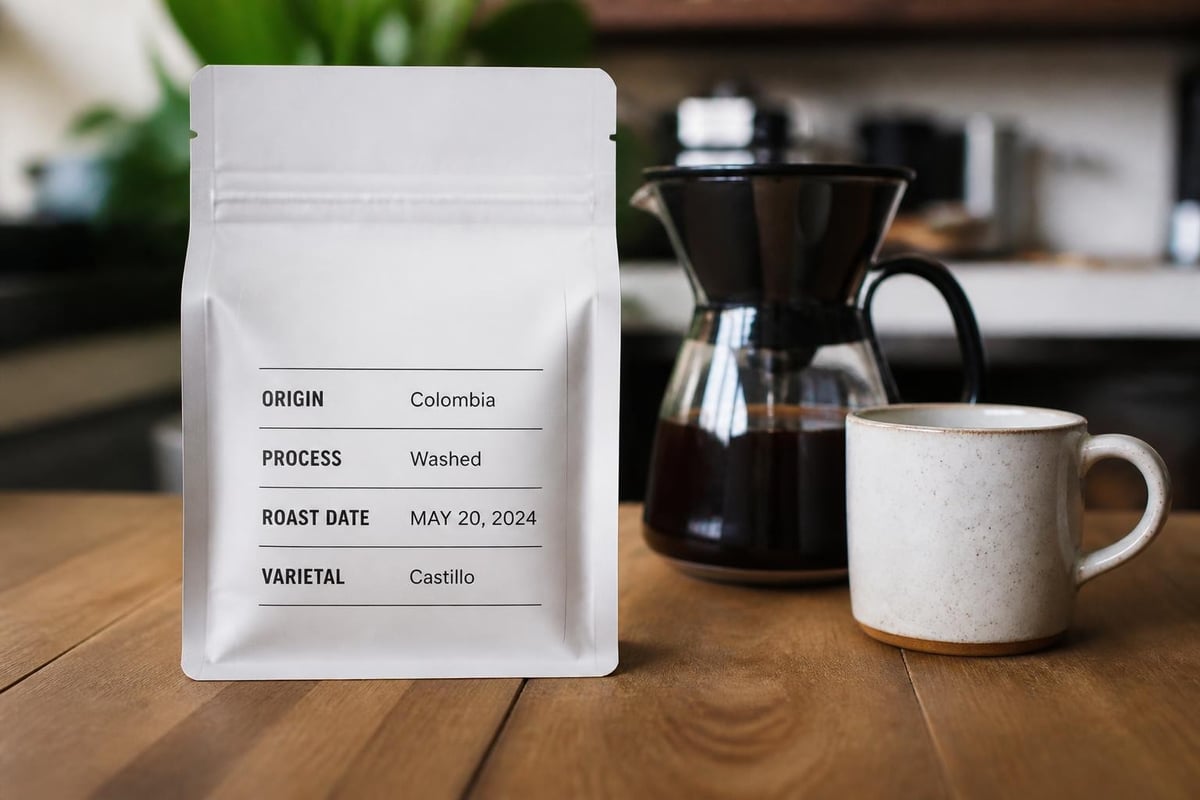
Premium coffee tells its story through transparency. Look for:
- Origin specificity: "Sidama, Ethiopia" beats "African blend"
- Processing method: Washed, natural, or honey-processed
- Roast date: Within 2-4 weeks for optimal freshness
- Varietal information: Heirloom, Bourbon, Geisha varieties
- Elevation: Higher altitude typically means denser beans and complex flavors
Flavor Profile Exploration
Gourmet ground coffee spans a spectrum from bright and tea-like to deep and chocolatey. Understanding your preferences helps you explore with intention.
Bright & Floral:
- Ethiopian naturals with berry notes
- Kenyan coffees offering black currant and citrus
- Light roasts preserving origin acidity
Balanced & Sweet:
- Colombian washed coffees with caramel and nut
- Guatemalan beans bringing chocolate and spice
- Medium roasts highlighting sweetness
Deep & Bold:
- Sumatran coffees with earthy, herbal character
- Brazilian naturals offering chocolate and low acidity
- Dark roasts creating body and bittersweet notes
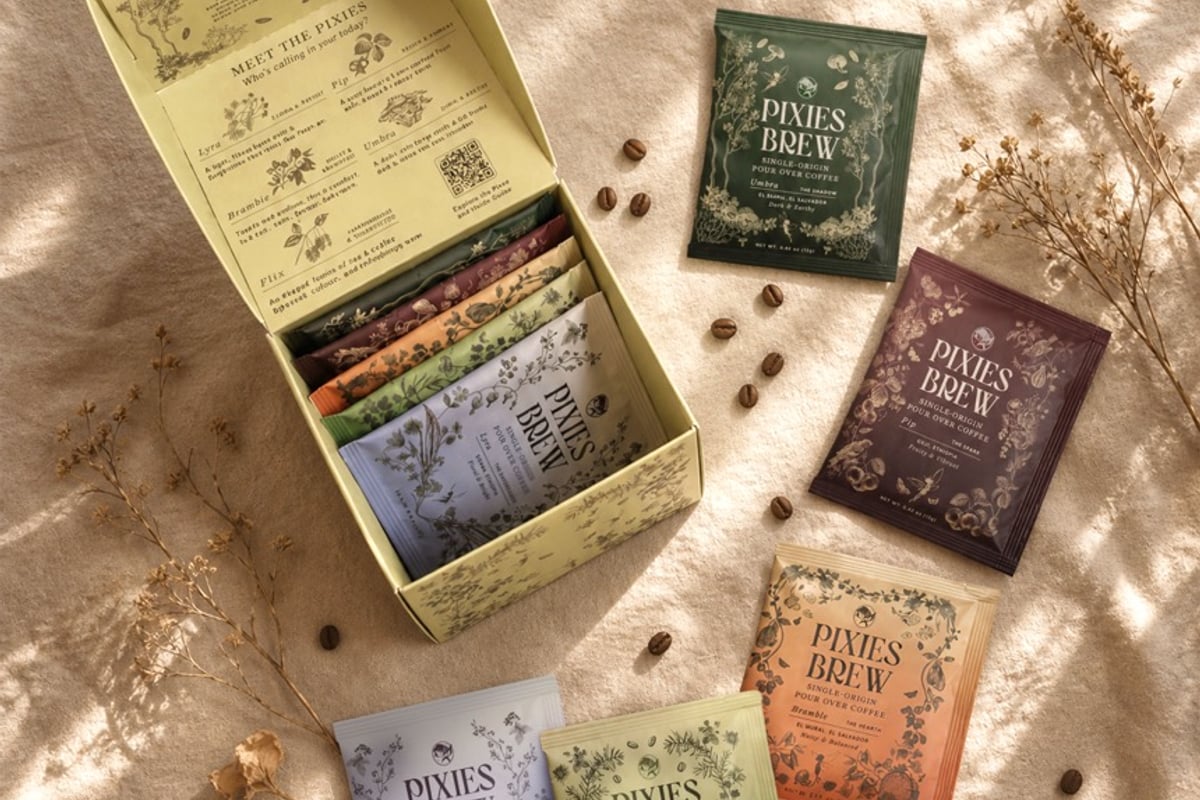
At Pixies Brew, each blend is crafted around a character archetype, matching flavor profiles to mood and moment. Whether you're drawn to Lyra's bright, jasmine-forward Ethiopian coffee or Bramble's warm, hearth-like El Salvadoran blend, the ritual becomes personal.
Brewing Methods for Gourmet Ground Coffee
The right grind needs the right method to shine. Gourmet ground coffee often specifies its intended brewing style, optimizing particle size for extraction.
Pour-Over Precision
Pour-over methods offer complete control over water temperature, pour rate, and contact time. They highlight the clarity and complexity that gourmet beans provide.
The ritual:
- Heat water to 195-205°F
- Rinse your filter to remove paper taste
- Add grounds (15-17g per 250ml water)
- Bloom for 30-45 seconds with twice the water weight
- Pour in slow, circular motions over 3-4 minutes
This method rewards attention. The slow pace creates space for noticing how aroma shifts from dry grounds to wet bloom to final brew.
Single-Serve Sachets
Modern innovation has reimagined convenience without sacrificing quality. Single-serve pour-over sachets combine fresh-ground specialty coffee with nitrogen-flush packaging, preserving peak flavor until you're ready to brew.
For those seeking gourmet quality without the equipment investment, this format delivers consistency. The Pixies Brew Discovery Set brings together five distinct specialty-grade blends, each ground fresh and sealed individually, requiring only a cup and hot water to create a moment of pause in your day.
Automated Drip Done Right
Even drip coffee makers can brew gourmet ground coffee beautifully when conditions align. Use the right grind (medium), proper ratio (USDA commodity specifications suggest 10g per 180ml), and fresh filtered water.
Elevation tactics:
- Pre-wet your grounds with a small pour before starting the machine
- Clean your brewer weekly to prevent oil buildup
- Brew only what you'll drink within 20 minutes
- Never reheat coffee; brew fresh instead
Storage Strategies That Preserve Quality
Once you've invested in gourmet ground coffee, protect it.
The Enemy Quartet
Four elements degrade coffee quality: oxygen, light, heat, and moisture. Your storage solution should address all four.
| Storage Method | Oxygen Control | Light Protection | Temperature Stability | Moisture Barrier | Effectiveness |
|---|---|---|---|---|---|
| Original bag (valve) | Good | Excellent | Moderate | Good | 7-10 days |
| Airtight container | Excellent | Good | Moderate | Excellent | 10-14 days |
| Vacuum-sealed | Excellent | Excellent | Good | Excellent | 14-21 days |
| Freezer (vacuum) | Excellent | Excellent | Excellent | Risk if not sealed | 30+ days |
Never store coffee near your stove or in direct sunlight. A cool, dark cabinet preserves quality far better than decorative countertop canisters.
Individual Packaging Advantage
Pre-portioned sachets solve the freshness challenge by exposing only what you're brewing. Each serve stays sealed until use, maintaining the aromatic complexity that defines gourmet ground coffee.
This approach aligns with the slow coffee movement, where ritual matters as much as flavor. You can explore additional brewing rituals and tips that enhance your daily practice.
Health Considerations and Caffeine Content
Gourmet ground coffee offers more than flavor. Harvard's School of Public Health research links moderate coffee consumption to reduced risk of several chronic diseases, improved cognitive function, and enhanced athletic performance.
Understanding Caffeine Levels
An 8-ounce cup of gourmet ground coffee typically contains 80-100mg of caffeine, though this varies by:
- Bean variety (Robusta has nearly double the caffeine of Arabica)
- Roast level (contrary to myth, light roasts have slightly more caffeine)
- Brewing method (longer contact time extracts more caffeine)
- Serving size (measure your actual cup, which may be 12-16oz)
The European Food Safety Authority recommends adults limit caffeine to 400mg daily (about four cups), with pregnant individuals reducing intake to 200mg.
Benefits of quality over quantity:
- Better sleep quality from earlier cutoff times
- Reduced jitters from slower sipping
- Enhanced ritual that satisfies with less volume
- Appreciation for flavor beyond the caffeine hit
Building Your Gourmet Coffee Ritual
The difference between drinking coffee and experiencing it lies in intention. Gourmet ground coffee invites you to slow down.
Morning Ceremony Elements
Engage your senses:
- Smell the dry grounds before adding water
- Listen to the bloom as CO2 releases
- Watch the coffee darken and settle
- Feel the warmth through your favorite mug
- Taste the evolution from first sip to final swallow
This sensory engagement transforms a caffeine delivery system into a grounding practice. The five minutes you spend brewing becomes a boundary between sleep and demands, a deliberate choice to begin with presence.
Flavor Journaling
Track your coffee experiences to refine your preferences. Note:
- Origin and roast date
- Aroma descriptions (dried fruit, floral, nutty, chocolate)
- First taste impressions (acidity, sweetness, body)
- Temperature evolution (how flavor changes as coffee cools)
- Food pairings that complement or contrast
Over time, patterns emerge. You might discover you prefer Ethiopian naturals in summer and Brazilian chocolatey notes in winter. You might find that Pip's bright, sparkling Ethiopian coffee matches your creative mornings while Umbra's deep, contemplative dark roast suits quieter afternoons.
Common Questions About Gourmet Ground Coffee
How long does gourmet ground coffee stay fresh?
Peak flavor lasts 7-14 days when stored properly in an airtight, opaque container away from heat and moisture. Nitrogen-flushed, individually sealed sachets maintain freshness for months until opened.
Is pre-ground coffee ever as good as freshly ground?
When ground immediately before packaging and protected from oxygen, yes. Modern preservation technology has closed much of the gap, though whole beans ground moments before brewing still offer a slight aromatic advantage.
What's the best water temperature for brewing?
Between 195-205°F extracts optimal flavor from most gourmet ground coffee. Below 195°F risks under-extraction; above 205°F can scald delicate notes.
Should I refrigerate or freeze ground coffee?
Avoid refrigeration due to moisture and odor absorption. Freezing works only if coffee is vacuum-sealed in portion sizes you'll use completely, thawing to room temperature before opening to prevent condensation.
How do I know if my coffee has gone stale?
Stale coffee smells flat or papery rather than aromatic. It tastes dull, lacks complexity, and may have unpleasant cardboard or rancid notes. Trust your nose first.
Gourmet ground coffee represents craft meeting accessibility, where specialty-grade beans and precise grinding create exceptional flavor without requiring professional equipment. From understanding particle distribution to building intentional brewing rituals, the path to better coffee starts with choosing quality and protecting freshness. Pixies Brew transforms this philosophy into delicate sachets that preserve specialty coffee's magic while inviting you into a slower, more mindful morning ritual-one where every cup offers not just caffeine, but a genuine moment back to yourself.
