


Pour Over Filter: Your Guide to Better Coffee
The pour over filter is the quiet architect of your coffee's character, standing between ground beans and the cup that shapes your morning. It's a thin barrier that determines whether you taste bright citrus notes or smooth chocolate undertones, whether your brew feels clean or rich with oils. This single element, often overlooked in the rush to find the perfect beans or master water temperature, holds more power over your final cup than you might imagine.
In the Grove, where slow mornings are a practice rather than a luxury, we understand that coffee brewing is less about speed and more about presence. The pour over filter you choose becomes part of your ritual, a tactile decision that connects you to centuries of coffee culture while serving your personal taste preferences.
Understanding the Pour Over Filter Foundation
A pour over filter serves one essential purpose: separating coffee grounds from brewed liquid while allowing extracted flavors, oils, and compounds to pass through. Yet within that simple function lies remarkable complexity.
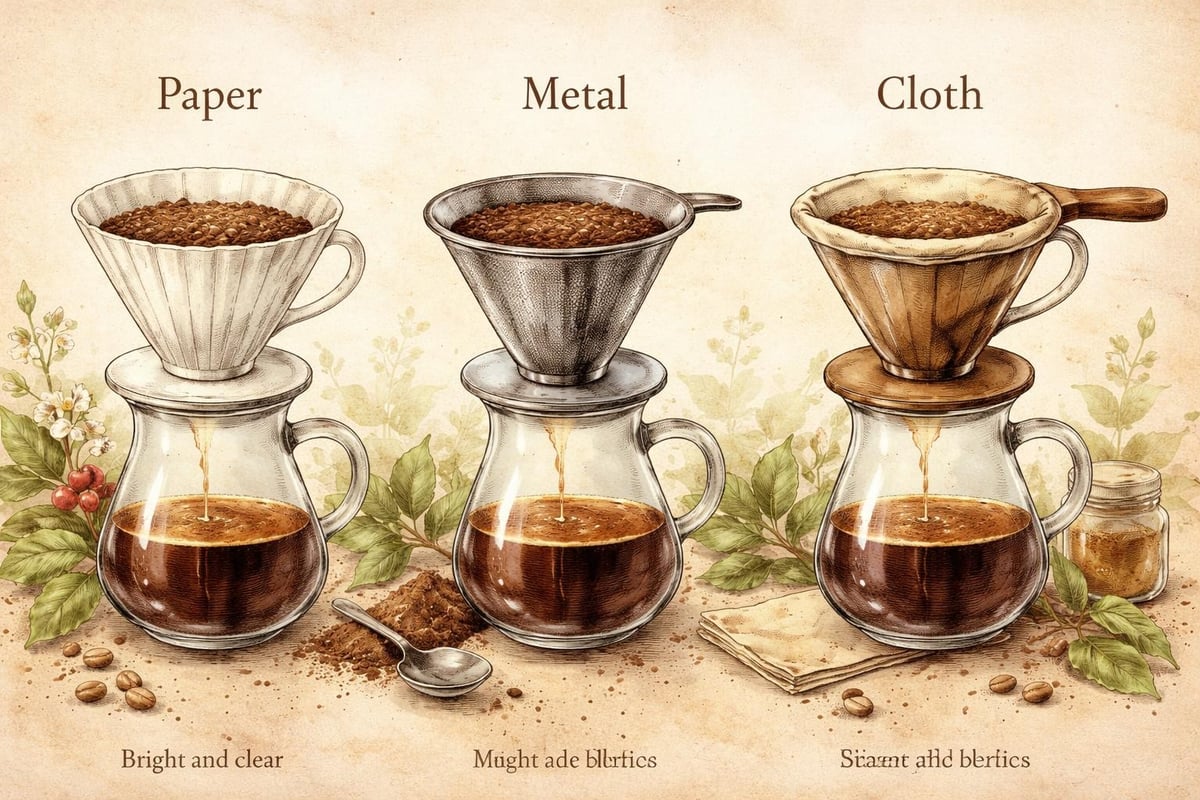
The drip coffee brewing method has evolved significantly since its inception, with filters playing a starring role in that evolution. Different materials create different flavor profiles by selectively allowing or blocking certain compounds. Paper filters trap oils and fine sediment, producing a clean, tea-like clarity. Metal filters welcome those same oils, creating body and texture that coats your palate.
Material Matters More Than You Think
When you select a pour over filter, you're choosing which aspects of your coffee to emphasize.
Paper filters offer:
- Crisp, clean cups with pronounced acidity
- Complete sediment removal
- Bright, delicate flavor notes
- Single-use convenience
Metal filters deliver:
- Full-bodied richness with coffee oils intact
- Subtle sediment that adds texture
- Deeper, earthier flavor profiles
- Reusable sustainability
Cloth filters balance:
- Medium body between paper and metal
- Some oil retention with cleaner finish than metal
- Eco-friendly reusability
- Traditional brewing heritage
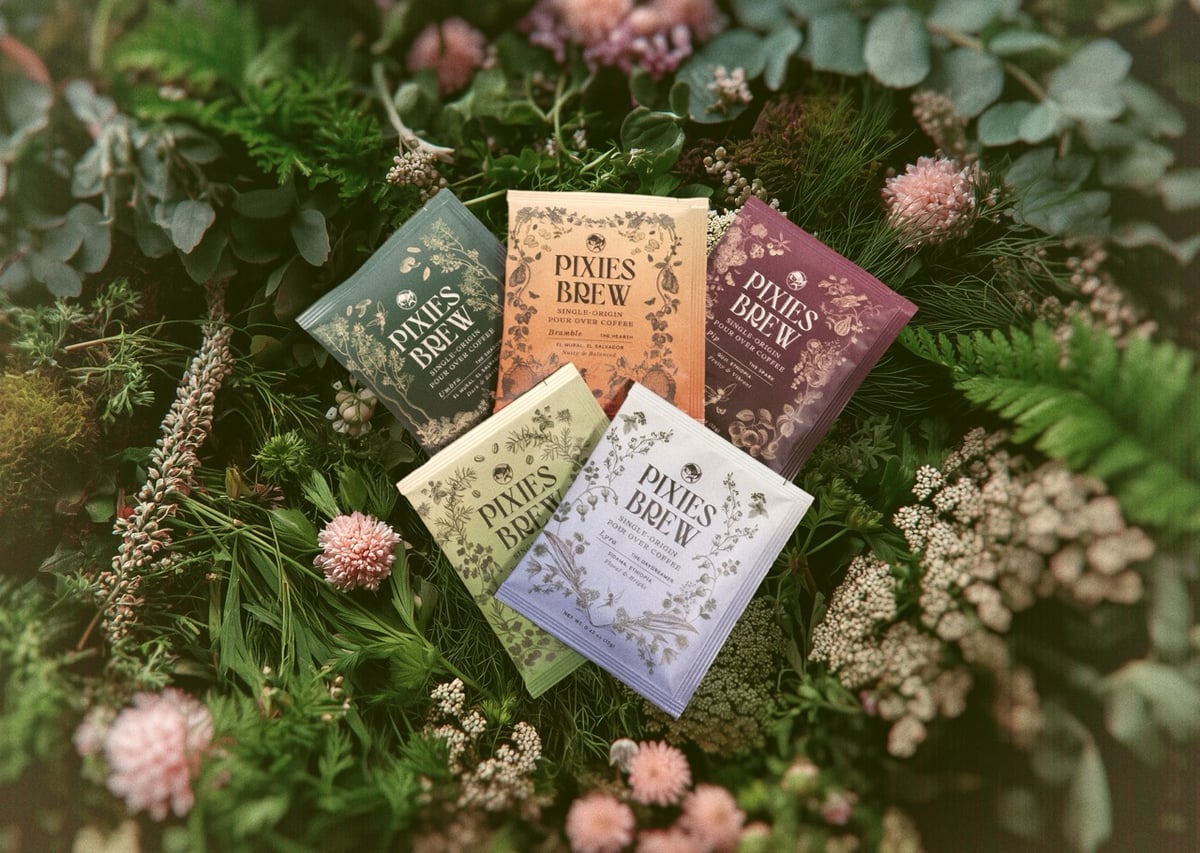
The Pixies Brew sachets contain specialty-grade grounds precisely measured for optimal extraction, and the filter you pair them with becomes your creative tool. A paper filter might highlight the bright berry notes in our limited-edition releases, while a metal filter could deepen the chocolate undertones in darker roasts.
Paper Filters: The Classic Choice
Paper pour over filters remain the standard for good reason. They were revolutionary when introduced, transforming coffee from a muddy, gritty beverage into something refined.
Bleached Versus Unbleached
This choice affects more than aesthetics. Bleached filters undergo oxygen or chlorine processing to achieve their white appearance, removing the natural brown color and potential papery taste. Unbleached filters maintain their tan color and require thorough rinsing before use to eliminate any fiber taste.
The various filter types and materials each bring distinct characteristics to your brewing routine. Bleached filters need less rinsing, which saves time during morning rituals when every second counts. Unbleached filters appeal to those seeking minimal processing, though they demand extra attention during prep.
| Filter Type | Rinsing Needed | Flavor Impact | Processing |
|---|---|---|---|
| Bleached Paper | Light rinse | Neutral | Oxygen/chlorine treated |
| Unbleached Paper | Thorough rinse | Slight paper taste if not rinsed | Natural processing |
| Bamboo Paper | Medium rinse | Very neutral | Sustainable harvesting |
Size and Shape Dynamics
Pour over filters come in cone and flat-bottom shapes, each creating different flow patterns. Cone filters, like those used with Hario V60 or Chemex brewers, encourage water to flow toward a single point, concentrating extraction. Flat-bottom filters spread water more evenly across the coffee bed.
The Chemex Coffeemaker uses proprietary thick paper filters that remove even more oils than standard paper, creating an exceptionally clean cup. This thickness also slows flow rate, extending contact time between water and grounds.
Metal Filters: The Bold Alternative
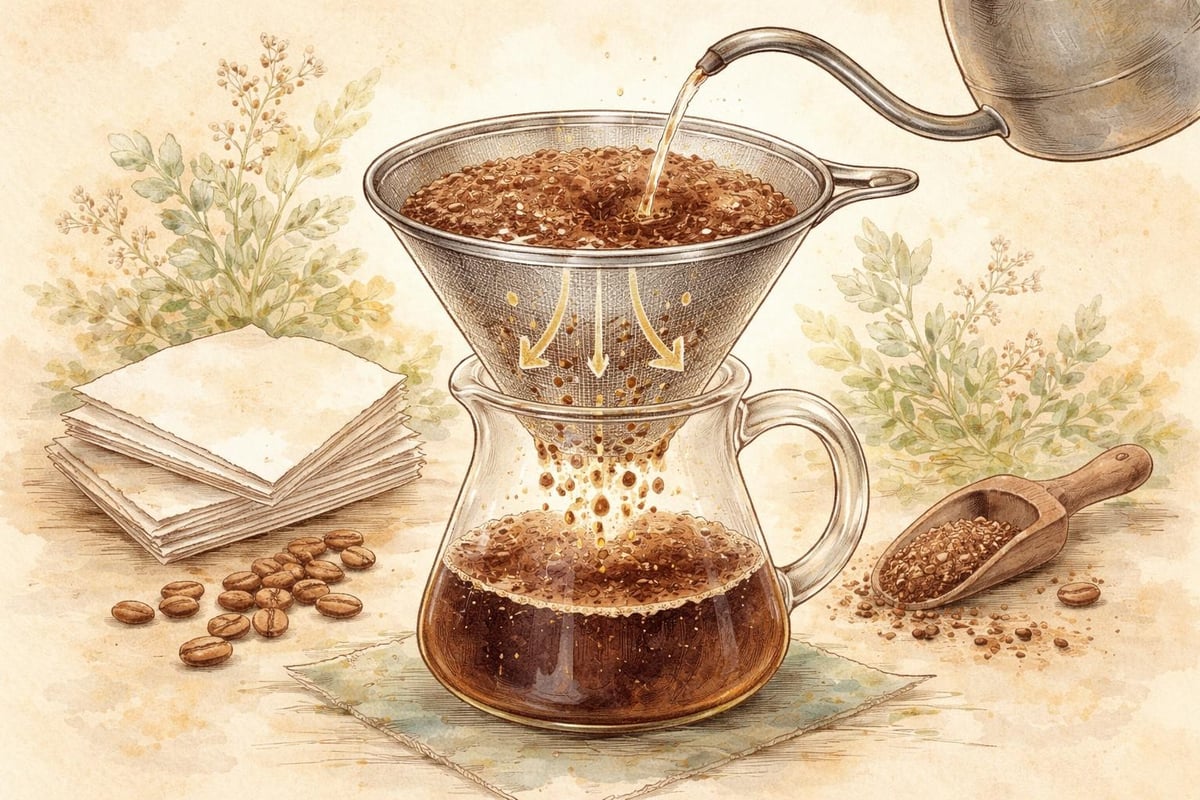
Metal pour over filters, typically made from stainless steel or gold-plated mesh, represent a philosophical shift in coffee brewing. They embrace everything paper filters remove.
When you brew through metal, you're inviting coffee's natural oils into your cup. These oils carry flavor compounds that create richness, but they also contain diterpenes like cafestol and kahweol. Some coffee drinkers love the viscous mouthfeel; others prefer paper's lighter touch.
Mesh Size Considerations
Not all metal filters share the same mesh density. Finer mesh captures more sediment but may slow flow rate. Coarser mesh allows faster brewing but permits more particles through.
The comparison of different pour over filters reveals how these subtle differences shape your daily brew. A double-layer mesh filter offers compromise: speed with cleaner results than single-layer options.
Metal filter benefits:
- Zero waste generation
- Years of reliable use
- Allows full expression of coffee oils
- No interference with water chemistry
Metal filter drawbacks:
- Requires thorough cleaning
- Some sediment in cup
- Can trap old oils if not maintained
- Initial investment cost
Cloth Filters: The Artisan Middle Ground
Cloth pour over filters bridge paper's clarity and metal's richness. Made from cotton, hemp, or blends, these reusable filters have served coffee lovers for generations.
In the Grove, where traditions blend with modern sensibilities, cloth filters feel particularly at home. They require care and ritual: washing after each use, boiling periodically to remove buildup, storing in water between sessions. This maintenance becomes meditation.
The eco-friendly cloth filter options available today use organic materials and sustainable production methods. Hemp cloth filters resist bacteria naturally and last even longer than cotton versions.
The Ritual of Cloth Maintenance
- Rinse immediately after brewing with hot water
- Wring thoroughly to remove grounds and oils
- Store in clean water in the refrigerator
- Boil weekly in clean water for 10 minutes
- Replace every three to six months depending on use
This care routine extends the filter's life while ensuring clean-tasting coffee. Neglected cloth filters develop off-flavors that paper and metal never encounter.
Choosing Your Filter for Different Coffee Profiles
Your coffee's origin, roast level, and processing method should inform your filter choice. Light roasts from Ethiopia with floral, fruity notes shine through paper filters that preserve delicate aromatics. Dark roasts from Sumatra with earthy, herbal character gain depth through metal filters that emphasize body.
The single-serve sachets from Pixies Brew contain carefully selected beans that pair beautifully with different filtration methods. Experimenting with filter types using the same coffee reveals the remarkable range hidden within those grounds.
Flavor Profile Matching
For bright, acidic coffees:
- Use paper filters to maintain clarity
- Choose cone shape for concentrated extraction
- Rinse filter thoroughly to avoid paper taste
For full-bodied, low-acid coffees:
- Try metal filters to enhance richness
- Consider flat-bottom design for even extraction
- Clean filter meticulously to avoid rancid oil buildup
For balanced, nuanced coffees:
- Experiment with cloth filters
- Adjust grind slightly finer than paper brewing
- Maintain cloth religiously for pure taste
The Science Behind Filter Selection
Pour over filters affect extraction through flow rate and filtration density. Paper's tight weave creates resistance, slowing water passage and extending contact time. This can lead to over-extraction if you're not careful with grind size and pouring technique.
Metal's open structure allows faster flow, potentially under-extracting if your pour is too aggressive. The practical guide to pour-over filters explains how these dynamics change your brewing variables.
Key scientific factors:
- Filtration speed: Paper slowest, metal fastest, cloth medium
- Temperature stability: All materials conduct heat differently
- Sediment retention: Paper highest, metal lowest, cloth moderate
- Oil passage: Metal complete, cloth partial, paper minimal
| Factor | Paper Filter | Metal Filter | Cloth Filter |
|---|---|---|---|
| Flow Rate | Slow | Fast | Medium |
| Oils in Cup | 0-5% | 95-100% | 30-60% |
| Sediment | None | Light | Very light |
| Flavor Clarity | Highest | Lowest | Medium-high |
| Body/Texture | Light | Heavy | Medium |
Environmental and Economic Considerations
Single-use paper filters generate waste, though many are compostable. A daily coffee habit using paper filters creates roughly 365 filters annually per person. Metal and cloth filters eliminate this waste stream entirely.
The upfront cost of reusable filters seems higher: quality metal filters range from $15-40, while paper filters cost $5-10 for a hundred. Over a year, paper filters might cost $20-40, while a metal filter lasts years with proper care.
From the Grove's perspective, where mindful consumption matters, this calculation includes more than money. It encompasses the ritual of caring for your tools, the satisfaction of reducing waste, and the knowledge that your morning practice aligns with your values.
When you're ready to explore different flavor profiles with minimal commitment, the Pixies Brew Variety Box: The Discovery Set offers an excellent starting point. These carefully curated sachets let you taste how different roasts and origins interact with your chosen filter, building your palate and preferences.
Practical Tips for Filter Brewing Excellence
The pour over filter you choose deserves proper technique to shine.
Pre-wetting Your Filter
Always rinse paper filters before brewing. This removes paper dust, warms your brewing vessel, and creates a seal between filter and brewer. Use water just off boiling, enough to saturate the entire filter. Discard this rinse water before adding grounds.
Metal filters benefit from pre-heating too. Run hot water through them to warm the mesh and brewer, ensuring stable temperatures during extraction.
Grind Size Adjustments
Paper filters work best with medium to medium-fine grinds. The slower flow rate extracts efficiently from these particles. Metal filters prefer medium to medium-coarse grinds; finer particles slip through the mesh and create muddy cups.
Cloth filters sit between these extremes. Start with a medium grind and adjust based on taste. Too bitter? Coarsen slightly. Too weak or sour? Go finer.
Pouring Technique Variations
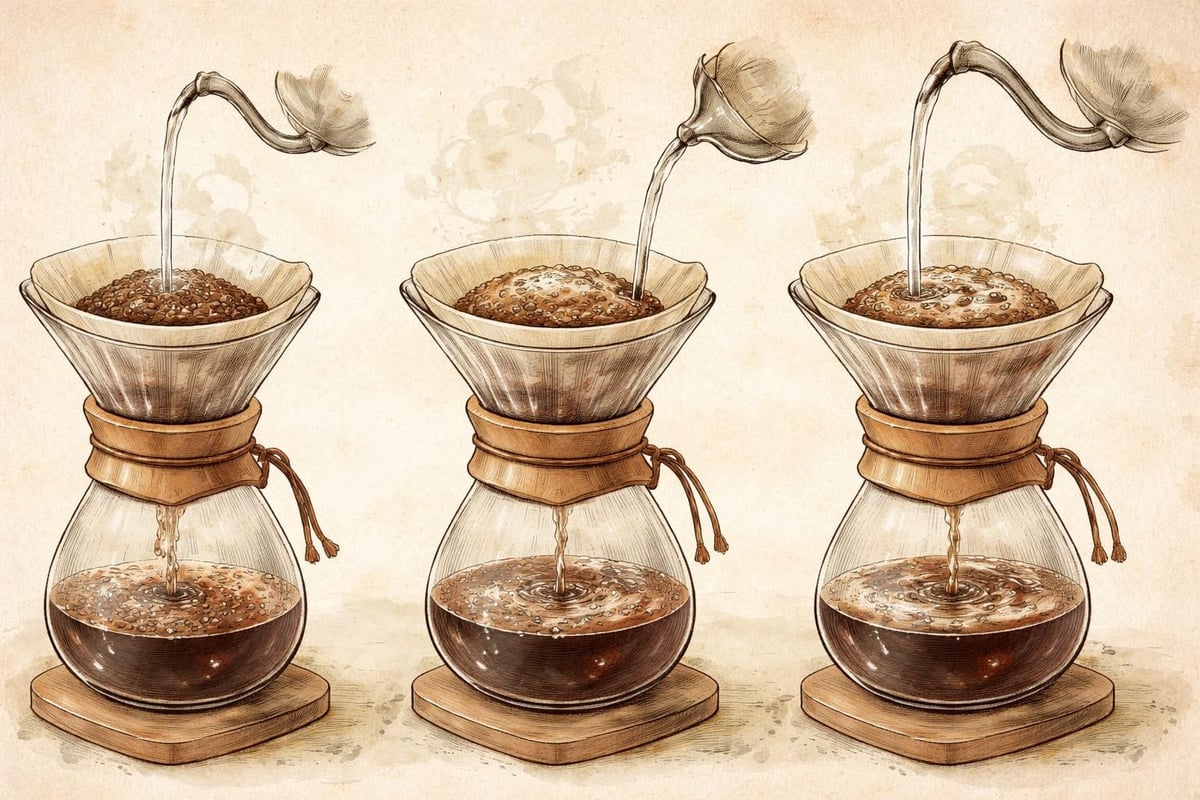
- The bloom: Pour twice the weight of water as coffee grounds, wait 30-45 seconds
- Slow circles: Pour in concentric circles, avoiding filter edges
- Pulse pouring: Add water in stages rather than one continuous pour
- Center pour: Keep water in the middle, letting it spread naturally
Specialty Filters and Innovations
The coffee industry continues innovating pour over filter designs. Activated carbon filters claim to remove chlorine and impurities from brewing water while filtering coffee. Silver-ion filters advertise antimicrobial properties. Bamboo paper filters offer sustainable alternatives to wood pulp.
These specialized filter comparisons highlight how material science meets coffee culture. Some innovations genuinely improve brewing; others serve marketing more than taste.
Limited-Edition and Artisan Filters
Small-batch producers create hand-sewn cloth filters using organic textiles. Boutique brands offer filters with unique weave patterns designed for specific brewers. These artisan touches connect you to craft traditions while supporting small makers.
In the same spirit that guides luxury coffee brands toward quality and intentionality, specialty filters emphasize experience over convenience.
Frequently Asked Questions
How often should I replace my pour over filter?
Paper filters are single-use. Metal filters last years with proper cleaning. Cloth filters need replacement every 3-6 months depending on frequency of use and maintenance quality.
Can I use the same filter for different coffee types?
Yes, though metal and cloth filters may retain flavor oils from previous brews. Thoroughly clean between different coffee origins or roast levels for pure taste.
Do bleached filters affect coffee flavor?
Modern oxygen-bleached filters have minimal flavor impact when rinsed. Chlorine-bleached filters may leave slight chemical notes if not rinsed thoroughly.
What's the best filter for camping or travel?
Metal filters excel for coffee while camping since they're durable, reusable, and require no extras. Collapsible silicone brewers with integrated metal filters pack especially well.
How do I prevent paper filters from collapsing during brewing?
Ensure proper pre-wetting and a good seal against your brewer. Pour gently during bloom phase, and avoid aggressive pours that create suction.
Finding Your Perfect Filter Match
Your ideal pour over filter reveals itself through experimentation. Start with paper to understand clean extraction, then try metal to taste coffee's full oil expression. Add cloth to your rotation for versatility.
The Grove teaches us that coffee rituals gain meaning through repetition and attention. Your filter choice becomes part of that rhythm, a daily decision that shapes not just flavor but the entire sensory experience.
Notice how paper feels crisp between your fingers as you fold it into the brewer. Observe metal's cool weight and precision engineering. Feel cloth's soft texture and remember the care you've given it. These tactile moments ground you in the present, transforming routine into ceremony.
Pay attention to how each filter type affects the five senses during brewing. Paper creates a cleaner visual result in your cup, with fewer visible oils on the surface. Metal produces a glossier appearance with light sediment settling at the bottom. Cloth offers somewhere between, with a slight haze of suspended particles catching the morning light.
The aroma shifts too. Paper-filtered coffee releases brighter, more volatile aromatics that dance upward. Metal-filtered brews carry heavier, deeper scents that cling closer to the cup. Cloth splits this difference, offering complexity without overwhelming delicate notes.
Taste varies most dramatically. Paper emphasizes acidity and clarity, letting you distinguish individual flavor notes. Metal creates coating richness that lingers on your palate between sips. Cloth provides enough body to satisfy without masking subtle flavors.
Your pour over filter choice ultimately reflects your personal coffee philosophy. Do you value convenience or sustainability? Clarity or richness? Simplicity or the meditative care of maintaining reusable tools?
There's no wrong answer, only the filter that serves your morning intention. Some days call for paper's quick efficiency. Others invite cloth's mindful preparation. Weekend mornings might deserve metal's luxurious body.
The beauty of pour over brewing lies in this flexibility. Unlike automatic drip machines locked into one filtration method, pour over brewers accept different filters, letting you adapt to mood, coffee, and moment.
As you refine your practice, you'll develop intuition about which filter matches which coffee and which morning. That Ethiopian natural process with wild berry notes? Paper filter, definitely. The aged Sumatra with leather and tobacco? Metal brings out its character. The balanced Colombian that tastes like chocolate and orange? Cloth finds the sweet spot.
This knowledge builds cup by cup, filter by filter, creating a personal coffee archive in your sensory memory. Years from now, you'll taste a new coffee and immediately know which filter will serve it best.
The pour over filter you choose shapes every cup you brew, transforming simple grounds and water into something memorable. By understanding how different materials affect extraction, you unlock creative control over your daily ritual. Whether you prefer paper's clarity, metal's richness, or cloth's balanced approach, the right filter elevates your coffee from fuel to experience. Pixies Brew offers specialty coffee sachets designed to pair beautifully with any filter you choose, bringing Grove-inspired intention to your morning cup. Explore the variety, experiment with filtration, and discover how small choices create magical moments.
