


Individual Coffee Packets: The Ritual of Portioned Brews
Individual coffee packets have transformed the way coffee lovers approach their morning ritual. These pre-portioned sachets deliver consistent flavor, preserved freshness, and the convenience of a perfectly measured brew without sacrificing quality. From busy mornings to camping trips, they offer a bridge between craft coffee culture and modern efficiency, proving that intentional brewing doesn't require elaborate equipment or guesswork.
I remember the first time I truly appreciated the artistry behind a single packet of coffee. It was during a sunrise hike in 2024, when a friend pulled out what looked like a delicate pouch from their pack. We boiled water over a portable stove, suspended the sachet over our mugs, and watched the bloom unfold. The aroma of Ethiopian beans filled the mountain air. That moment taught me that convenience and craft aren't opposites; they're dance partners when paired with intention.
The Evolution of Single-Serve Coffee Culture
The journey of individual coffee packets reflects our changing relationship with time, quality, and ritual. Single-serve coffee containers emerged in the late 20th century, but the concept has roots in Japanese coffee culture, where precision and portion control have always been sacred. Today's specialty packets represent a return to craft after decades of mass-market pods dominated the landscape.
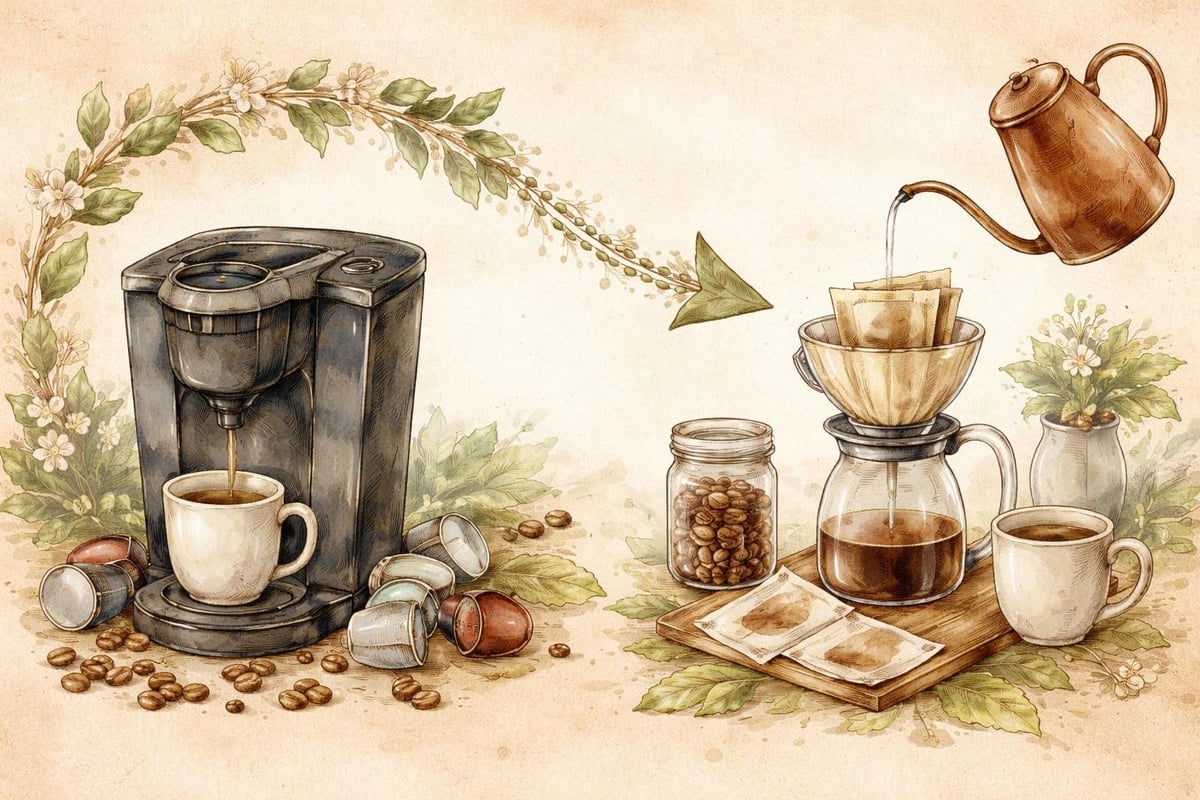
Traditional coffee preparation demanded skill, time, and equipment. Pour-over techniques required gooseneck kettles, scales, and patience. Espresso machines filled kitchen counters. Then came the pod revolution of the 2000s, prioritizing speed over subtlety. But something was lost in translation: the sensory experience, the intentional pause, the connection between hand and cup.
Modern individual coffee packets reclaim that lost ground. They combine the precision of measured doses with the soul of specialty roasting. Each sachet becomes a complete brewing system, containing freshly ground beans in a filter designed for optimal extraction. The ritual remains intact, you still heat water, you still watch the bloom, you still breathe in that first fragrance, but the preparation becomes accessible to anyone, anywhere.
What Makes Quality Individual Coffee Packets Different
Not all individual coffee packets are created equal. The distinction lies in bean sourcing, roast freshness, filter material, and packaging technology. Premium sachets use specialty-grade beans, roasted in small batches and ground moments before sealing. The filter material matters too; unbleached paper or plant-based fabrics allow oils and nuances to pass through while catching sediment.
Key quality indicators include:
- Roast date transparency: Quality producers print roasting dates, not just expiration dates
- Origin specificity: Single-origin beans or transparent blend compositions
- Filter construction: Breathable materials that don't impart papery flavors
- Packaging integrity: Nitrogen-flushed, sealed environments that lock in freshness
- Grind consistency: Uniform particle size optimized for pour-over extraction
The Grove understands these details intimately. When Pixies craft their sachets, they're not just filling filters; they're preserving a moment of potential energy. The beans inside might carry notes of blackberry and dark chocolate, or whispers of honeysuckle and citrus, depending on the blend. Each profile tells a story of elevation, processing method, and the hands that tended those plants.
The Science Behind Freshness Preservation
Coffee begins losing its vitality the moment grinding exposes more surface area to oxygen. Within fifteen minutes, volatile aromatics start evaporating. Within a week, even well-stored grounds lose significant character. This is why individual coffee packets represent such a technological achievement: they halt that degradation clock.
Modern packaging for individual coffee sachets employs modified atmosphere technology. After grinding and filling, nitrogen displaces oxygen inside each packet before heat-sealing. This creates a stable environment where oxidation crawls instead of sprints. The result? Coffee that tastes freshly ground even months after roasting, as long as the seal remains intact.
| Freshness Factor | Bulk Ground Coffee | Individual Packets |
|---|---|---|
| Oxygen exposure | Continuous after opening | Minimal until brewing |
| Aroma retention (30 days) | 40-60% | 85-95% |
| Flavor degradation | Exponential | Linear, minimal |
| Optimal use window | 1-2 weeks | 3-6 months |
Temperature stability also plays a crucial role. Specialty coffee producers store filled packets in climate-controlled environments before distribution. Heat accelerates staleness, so proper warehousing and shipping protect the investment roasters make in sourcing exceptional beans.
Portion Control and Consistency
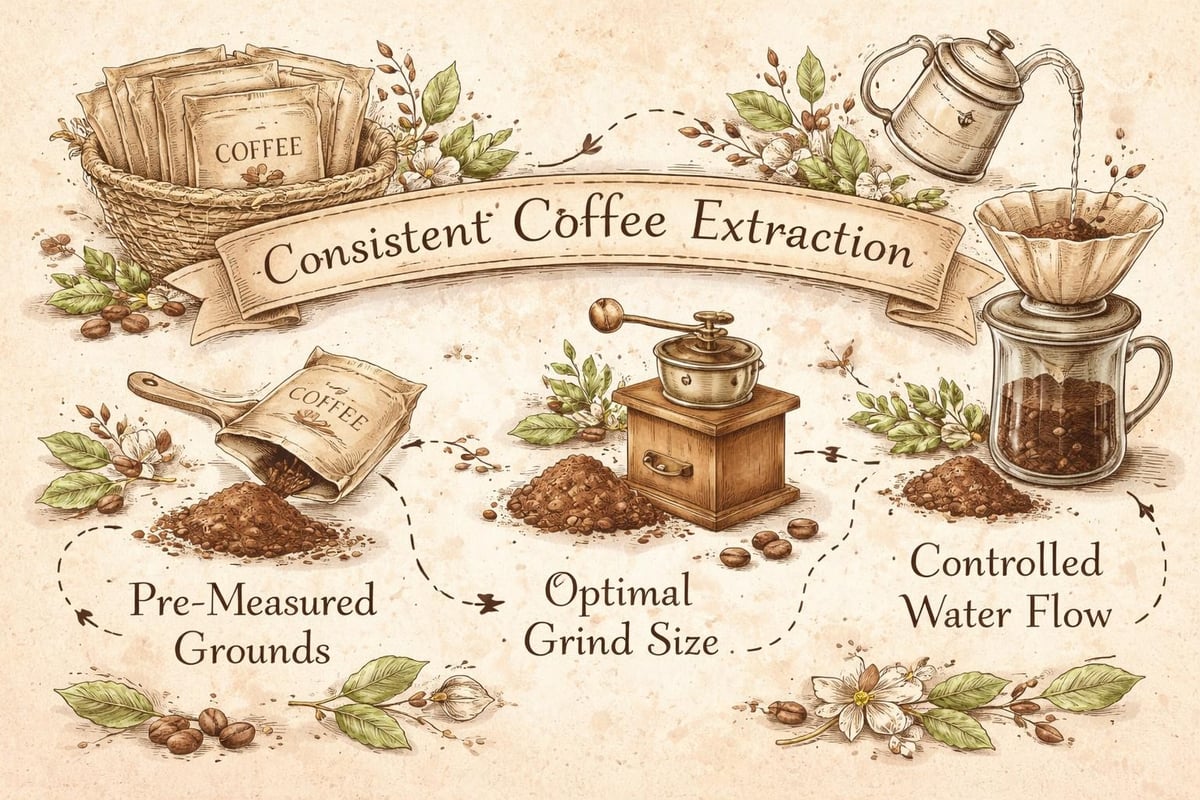
One underappreciated benefit of individual coffee packets is perfect proportioning. Coffee enthusiasts debate ratios endlessly: golden ratio advocates insist on 1:16 (coffee to water), while others prefer 1:14 for bolder extraction or 1:18 for delicate profiles. Individual packets remove the guesswork, delivering pre-measured doses calibrated to specific brewing methods.
This consistency transforms the learning curve for newcomers. Instead of experimenting with scales and measurements, you focus on water temperature and pouring technique. The packet contains exactly what the roaster intended, whether that's 12 grams for a delicate Ethiopian light roast or 15 grams for a robust Brazilian dark roast.
Environmental Considerations and Sustainable Solutions
The environmental conversation around individual coffee packets requires nuance. Early single-serve pods created legitimate waste concerns; aluminum and plastic capsules filled landfills at alarming rates. Research on environmental impact suggests that properly designed single-serve options can actually reduce waste compared to poorly measured bulk coffee, where excess grounds often end up discarded.
The key lies in material choice and disposal pathways. Plant-based sachets made from wood pulp, hemp, or cornstarch decompose in commercial composting facilities. Some innovative packets use Japanese washi paper, which breaks down completely while allowing ideal extraction during brewing. The environmental equation also considers transportation efficiency: concentrated packets ship lighter and denser than bottled cold brew or bulky equipment.
Sustainable individual coffee packet features:
- Compostable filter materials (unbleached paper, plant fibers)
- Minimal outer packaging (recyclable boxes, no plastic windows)
- Carbon-neutral shipping programs
- Transparent supply chain practices
- Support for regenerative agriculture at origin
Studies examining compostable coffee pods have shown that lifecycle assessments favor well-designed sachets over traditional brewing methods when factoring in water waste, energy consumption, and coffee waste from imprecise measuring. The critical factor is matching packet design to local waste infrastructure.
Flavor Profiles and Tasting Individual Coffee Packets
Evaluating coffee through individual packets reveals subtle differences that bulk brewing might mask. When you brew the same beans in consistent portions, variables decrease and terroir expresses itself more clearly. A Kenyan sachet might explode with blackcurrant acidity one morning, while a Sumatran packet wraps you in earthy, herbal warmth the next.
The sensory journey begins before water touches grounds. Opening a fresh packet releases trapped aromatics: floral esters, caramelized sugars, fruit acids captured since roasting. The dry grounds themselves tell stories through color (light cinnamon to dark chocolate) and texture (coarse sand to fine powder, depending on grind calibration).
During brewing, watch the bloom. When hot water first contacts the grounds, carbon dioxide escapes in a foamy expansion. This bloom phase lasts 30-45 seconds and signals freshness; stale coffee barely blooms at all. The fragrance evolving during extraction builds layers: initial brightness, developing body, finishing notes that linger as vapor.
Tasting Notes Across Common Profiles
Different individual coffee packets showcase distinct regional characteristics. Central American sachets often deliver clean sweetness with chocolate and nut undertones. African packets lean toward bright acidity with berry and citrus notes. Indonesian offerings bring earthiness, spice, and full body that coats the palate.
| Origin Region | Common Tasting Notes | Body | Acidity |
|---|---|---|---|
| Ethiopia | Blueberry, jasmine, bergamot | Light to medium | Bright, wine-like |
| Colombia | Caramel, red apple, walnut | Medium | Balanced |
| Sumatra | Cedar, dark chocolate, tobacco | Full, syrupy | Low, smooth |
| Guatemala | Cocoa, stone fruit, honey | Medium to full | Moderate |
The best luxury coffee brands understand that individual packets amplify rather than diminish these characteristics. When Pixies Brew develops limited-edition releases, they're capturing lightning in a portable package: seasonal harvests, experimental processing methods, rare varietals that deserve special attention. Each sachet becomes a chapter in an ongoing story of craft and discovery.
Practical Applications Beyond the Kitchen Counter
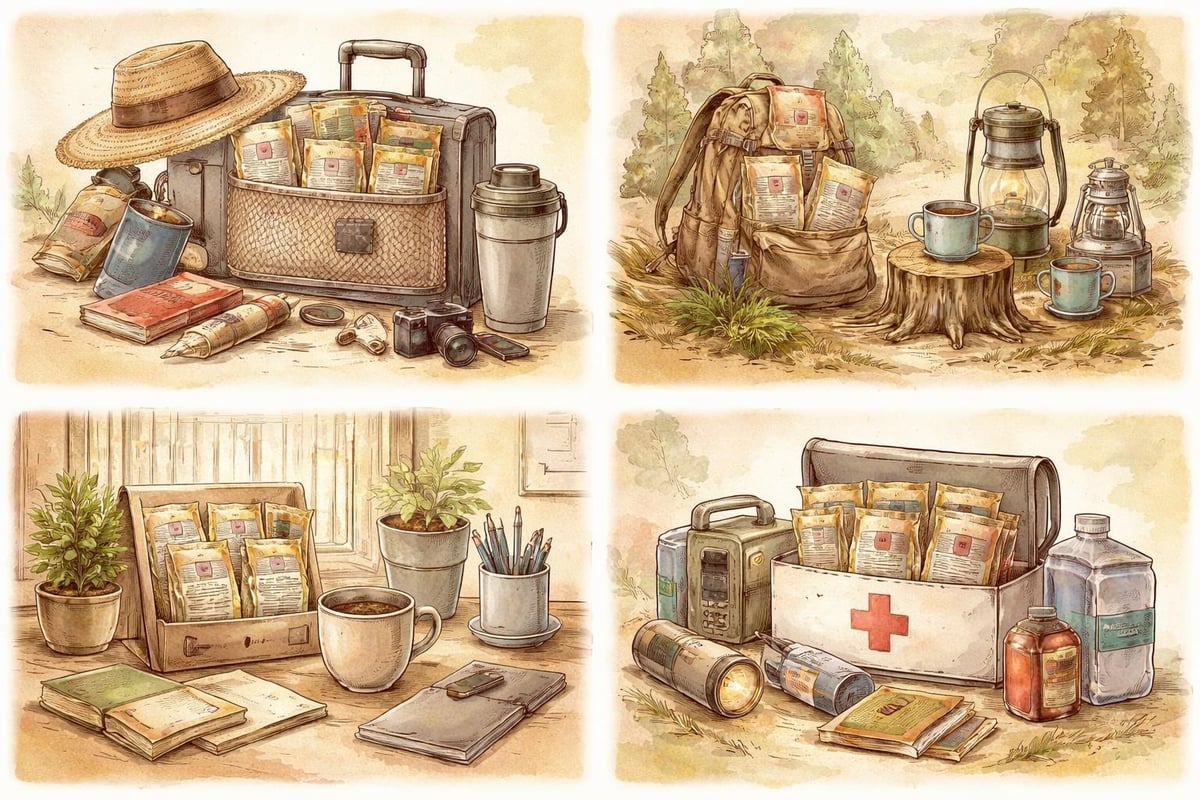
Individual coffee packets excel in contexts where traditional brewing fails. Travelers pack them for hotel stays, avoiding the sad drip machines that extract bitterness from stale pre-ground coffee. Campers appreciate the pack-light convenience; coffee for camping becomes feasible without hauling French presses or percolators into the backcountry.
Office environments benefit enormously from individual packets. Shared kitchen spaces rarely accommodate everyone's preferences; bulk coffee represents compromise rather than delight. Personal sachets let each person brew according to their taste, whether they crave bold espresso-roast intensity at 6 AM or gentle floral notes during afternoon breaks.
Emergency preparedness kits increasingly include individual coffee packets. During power outages or natural disasters, these shelf-stable sachets provide comfort and normalcy when brewing infrastructure collapses. The psychological benefit of a familiar ritual during crisis cannot be overstated; that cup becomes an anchor to routine when everything else feels unstable.
Hospitality and Gift-Giving Contexts
Individual coffee packets transform how we share coffee experiences. Instead of opening a large bag and hoping guests enjoy your default blend, you offer curated selections. A variety box becomes a tasting flight, introducing friends to origins and roasts they might never encounter otherwise.
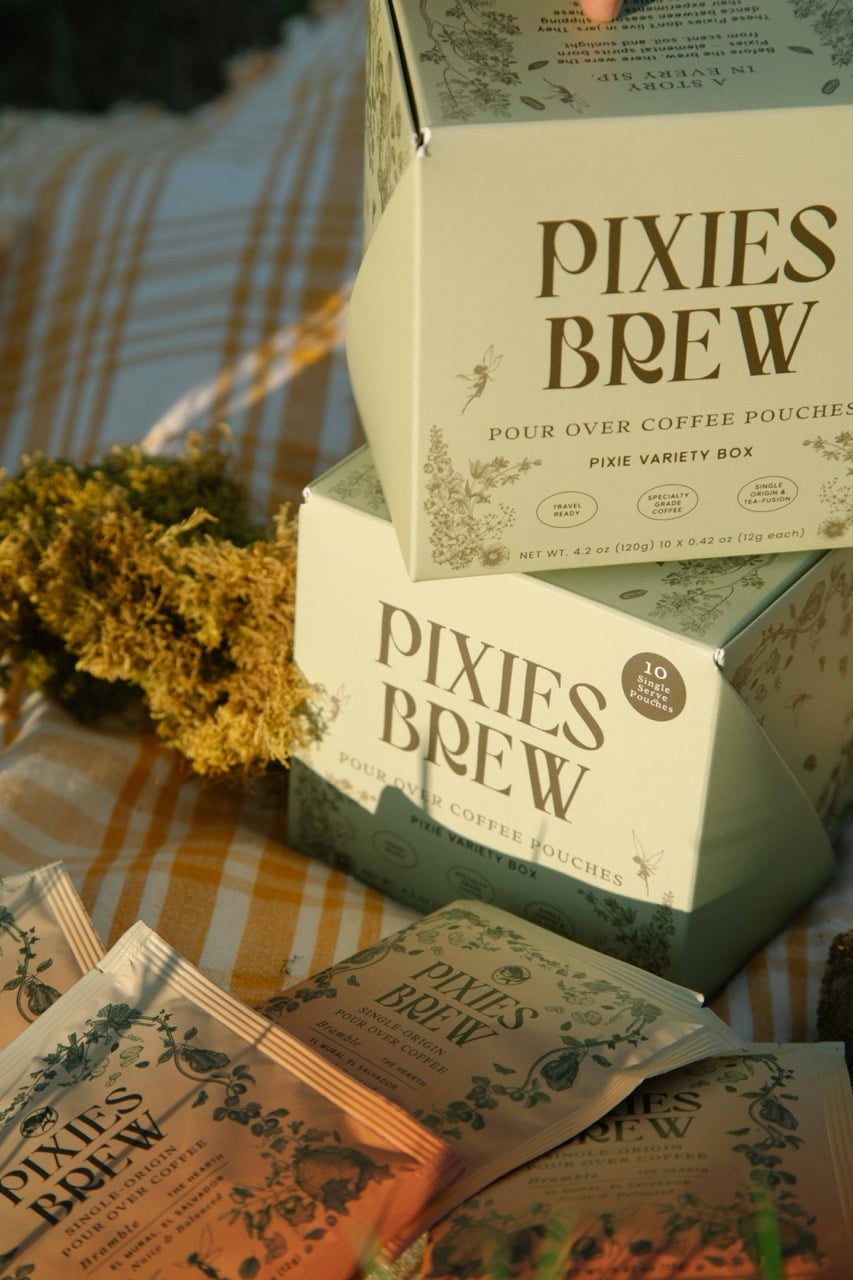
The Pixies Brew Variety Box: The Discovery Set embodies this philosophy beautifully. It invites coffee lovers to explore different flavor worlds without committing to full-size bags. Each packet in the collection represents a distinct personality: perhaps Bramble's hearth-warm comfort, Lyra's dreamy floral notes, or Pip's sparking brightness.
Hotels and bed-and-breakfasts now stock premium individual coffee packets in guest rooms, elevating the morning experience from generic to memorable. Coffee shops offer them as retail items, extending the café experience into customers' homes. Corporate gifting has embraced them too; a box of specialty packets feels more thoughtful than generic gift cards, showing attention to the recipient's daily rituals.
Brewing Techniques for Optimal Extraction
Even pre-portioned coffee requires technique for exceptional results. Water temperature matters enormously; too hot (above 205°F) extracts bitter compounds, too cool (below 195°F) produces weak, sour coffee. The ideal range sits between 198-203°F, about 30 seconds off boiling for most kettles at sea level.
Step-by-step pour-over technique with individual packets:
- Prepare equipment: Place the packet over your mug or carafe, ensuring stable positioning
- Heat water: Bring fresh, filtered water to 200-205°F (or 30 seconds off boil)
- Pre-wet filter: Pour a small amount of water through to rinse the filter and preheat the vessel
- Bloom phase: Pour just enough water to saturate all grounds (usually 2-3 ounces), wait 30-45 seconds
- Circular pour: Add remaining water in slow, concentric circles, maintaining consistent saturation
- Total brew time: Aim for 2.5-3.5 minutes from first pour to complete drawdown
Water quality influences final flavor as much as bean quality. Chlorinated tap water imparts chemical notes that mask coffee's nuances. Distilled water lacks minerals necessary for proper extraction. The sweet spot uses filtered water with balanced mineral content, about 150 parts per million total dissolved solids.
Adjusting Variables for Personal Preference
Even with pre-measured individual coffee packets, you retain control over strength and character. Want bolder coffee? Use slightly less water than recommended. Prefer gentler extraction? Extend brew time by pouring more slowly. Experimenting with a single packet type across different techniques teaches you how variables interact.
Temperature variation creates interesting effects. Brewing a light-roast Ethiopian packet at 195°F emphasizes floral aromatics and tea-like clarity. The same packet at 203°F reveals deeper fruit notes and fuller body. Keep notes on your experiments; coffee becomes more rewarding when you understand your preferences beyond "strong" or "weak."
The relationship between grind size and extraction happens behind the scenes in individual coffee packets, but understanding it enriches appreciation. Finer grinds increase surface area, accelerating extraction but risking bitterness if contact time extends too long. Coarser grinds slow extraction, requiring precise water temperature to avoid under-development. Quality packet producers calibrate grind to match typical pour-over timing.
The Market Landscape and Future Trends
The global coffee pod market continues expanding, with projections suggesting significant growth through 2030. Market research indicates that consumers increasingly value convenience paired with quality, driving demand for premium single-serve options. This growth creates opportunities for specialty roasters to reach audiences previously limited to mass-market options.
Subscription models have revolutionized how people discover individual coffee packets. Monthly deliveries introduce rotating selections, seasonal releases, and rare micro-lots that build excitement around the mailbox moment. This recurring relationship deepens engagement; subscribers learn to anticipate new arrivals and develop preferences through guided exploration.
Technology integration represents the frontier for individual coffee packets. Some producers now include QR codes on packaging that link to brewing videos, origin stories, or tasting note guides. Augmented reality experiments let you point your phone at a packet and see the farm where those beans grew, the people who harvested them, the elevation and processing method that shaped their character.
Innovation in Packet Design and Functionality
Recent innovations address both performance and sustainability. Double-chamber packets separate grounds into top and bottom sections, mimicking the gradual saturation of traditional pour-over. Temperature-sensitive inks on packaging change color when optimal brewing temperature is reached. Biodegradable hooks and tabs replace plastic components, maintaining convenience while reducing environmental impact.
Flavor preservation technology continues advancing. Vacuum-sealing improvements and better barrier materials extend shelf life without refrigeration. Some experimental packets include oxygen-absorbing elements that actively maintain freshness rather than passively sealing. These technical improvements happen invisibly, but they elevate the everyday experience of morning coffee.
The craft coffee movement initially resisted individual packets, viewing them as industrial shortcuts incompatible with artisanal values. That perception is shifting as specialty roasters recognize packets as democratic tools. They remove barriers to entry, letting more people experience exceptional coffee without investing in expensive equipment or developing barista skills. The ritual of brewing becomes accessible rather than exclusive.
Frequently Asked Questions About Individual Coffee Packets
How long do individual coffee packets stay fresh? Properly sealed packets maintain peak freshness for 3-6 months after roasting. The nitrogen-flushed environment prevents oxidation, though flavor gradually softens over time. Check packaging for roast dates and consume within the recommended window for optimal taste.
Can you use individual coffee packets without special equipment? Absolutely. Most packets are designed to hang over standard mugs or cups. You only need hot water and a vessel. Some travelers bring collapsible silicone cups or insulated mugs, but individual packets work with whatever you have available.
Are individual coffee packets more expensive than bulk coffee? Per-cup cost typically runs higher than bulk beans, but the comparison isn't straightforward. Individual packets eliminate waste from imprecise measuring, maintain consistent freshness, and require no equipment investment. For many users, the convenience and quality justify the premium.
Do individual coffee packets work in drip coffee makers? They're optimized for pour-over brewing rather than drip coffee makers. The packet itself functions as both filter and brewing chamber, designed for manual water addition. Using them in automatic machines bypasses their intended design and may produce inconsistent results.
What's the environmental impact compared to traditional brewing? Environmental responsibility depends on packet composition and disposal methods. Compostable sachets with plant-based filters have minimal impact, especially compared to wasted bulk coffee from over-measuring. The key is choosing producers committed to sustainable materials and transparent practices.
Individual coffee packets represent the intersection of craft tradition and modern living, delivering intentional brewing rituals without the barriers of specialized equipment or expertise. From mountain summits to Monday mornings, they prove that convenience and quality can coexist when designed with care and roasted with intention. Pixies Brew channels this philosophy into every sachet, transforming daily coffee into moments of pause, reflection, and genuine delight. Whether you're exploring new flavor territories or seeking reliable excellence, these delicate packets invite you to slow down, breathe deep, and brew with purpose.
