


Best Rated Single Serve Coffee Maker: 2026 Guide
The best rated single serve coffee maker in 2026 balances convenience, flavor quality, and environmental mindfulness. Whether you're drawn to pod-based systems or artisan pour-over methods, the right machine transforms your morning from rushed routine into intentional ritual. This guide explores top-rated options, brewing science, and how to choose a system that honors both your time and your taste.
The coffee world has shifted. We've moved beyond treating single-serve as synonymous with compromise. Today's best machines deliver café-quality results while respecting the solitary pleasure of brewing for one.
Understanding Single-Serve Coffee Technology
Single-serve brewing has evolved dramatically since the first pod machines arrived on kitchen counters. Modern systems now span everything from pressurized capsule brewers to elegant manual pour-over devices, each with distinct advantages for different lifestyles and flavor preferences.
The core appeal remains unchanged: precision portioning eliminates waste and guesswork. You measure nothing, weigh nothing, yet achieve consistency cup after cup. For those who savor coffee alone or live in households with varied taste preferences, this approach offers both freedom and reliability.
Pod-Based Systems and Capsule Technology
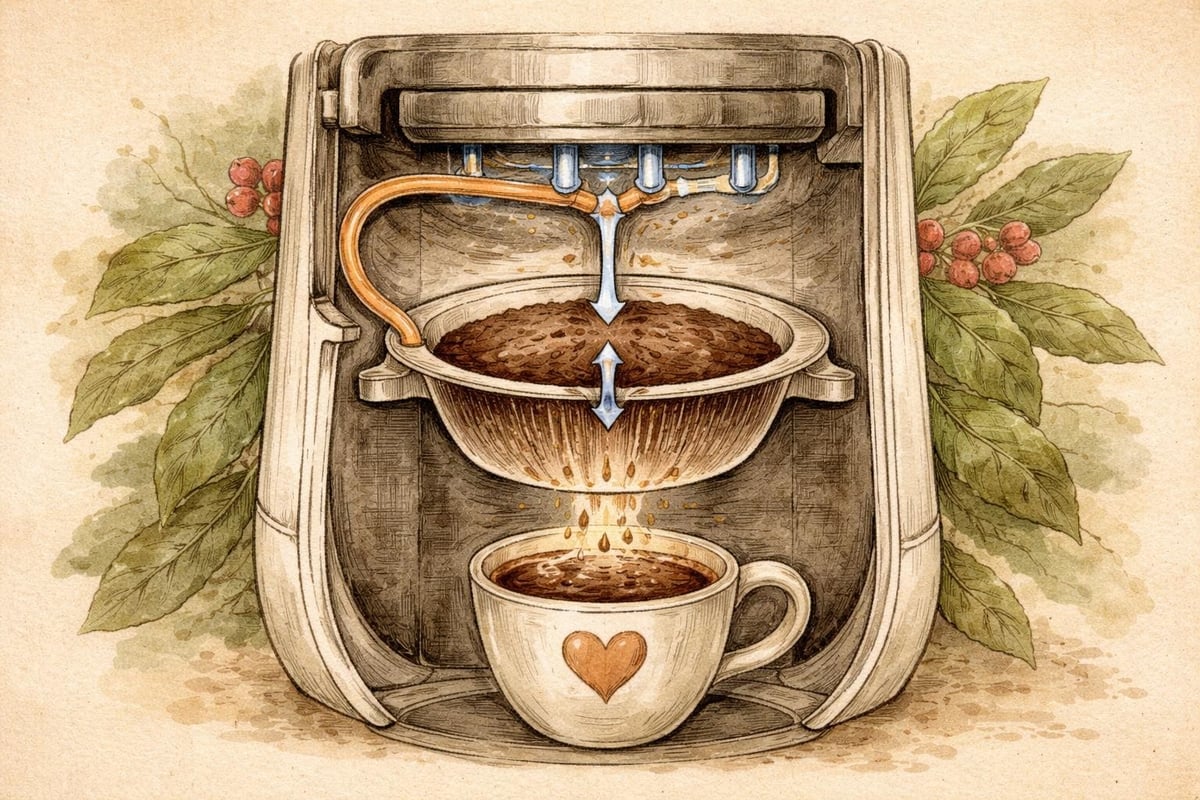
Pod machines dominate the single-serve landscape because they deliver speed without sacrificing flavor complexity. Consumer Reports evaluates pod coffee makers based on brew quality, examining extraction temperature, flow rate, and how well each system honors the coffee inside.
Key advantages of pod brewing:
- Brew time under 90 seconds
- Zero cleanup beyond rinsing a cup
- Temperature consistency across brews
- Minimal counter space required
The best rated single serve coffee maker in the pod category typically features programmable brew strength, multiple cup sizes, and quieter operation than earlier models. Brands have responded to environmental concerns by introducing compostable pods and recyclable aluminum capsules, though the sustainability conversation continues.
Manual Pour-Over Single-Serve Brewing
Pour-over brewing represents the opposite philosophy: hands-on engagement, slower extraction, deeper sensory connection. The Melitta Porcelain Pour-Over Coffee Maker demonstrates plastic-free brewing that appeals to those seeking both flavor purity and environmental responsibility.
This method requires:
- Fresh water heated to 195-205°F
- Pre-wetting the filter to eliminate paper taste
- Blooming the grounds with a small water pour
- Slow, circular pouring in stages
- Total brew time of 3-4 minutes
The ritual itself becomes meditation. You watch steam rise, smell volatile aromatics release during the bloom, hear water trickle through grounds. Each sense engaged. Each moment intentional.
Top-Rated Machines Across Categories
Choosing the best rated single serve coffee maker depends entirely on what you value: speed, flavor depth, environmental impact, or aesthetic presence in your kitchen. Here's how leading options compare across key criteria.
| Machine Type | Brew Time | Flavor Control | Eco-Friendliness | Price Range |
|---|---|---|---|---|
| Pod System | 60-90 sec | Medium | Low-Medium | $80-$300 |
| Capsule Brewer | 45-75 sec | High | Medium | $150-$600 |
| Pour-Over Stand | 3-4 min | Very High | Very High | $20-$80 |
| Bean-to-Cup | 2-3 min | Very High | High | $300-$1,200 |
Premium Pod Brewers for Speed Seekers
NBC News Select highlights single-serve coffee makers that prioritize user experience alongside brew quality. Their top picks feature large water reservoirs (60+ ounces), fast heat-up times, and intuitive interfaces that don't require consulting a manual.
The best models include:
- Brew strength settings that adjust extraction time
- Altitude compensation for proper temperature at elevation
- Auto-shutoff for energy efficiency
- Removable drip trays accommodating travel mugs
Morning rush? These machines brew before you've finished tying your shoes. The trade-off is less control over variables like water temperature and pour rate-automated convenience in exchange for manual finesse.
Bean-to-Cup Compact Systems
For those wanting freshly ground coffee without bulk, compact bean-to-cup machines offer remarkable value. The Philips Baristina exemplifies affordable espresso-style brewing with built-in grinders sized for single servings.
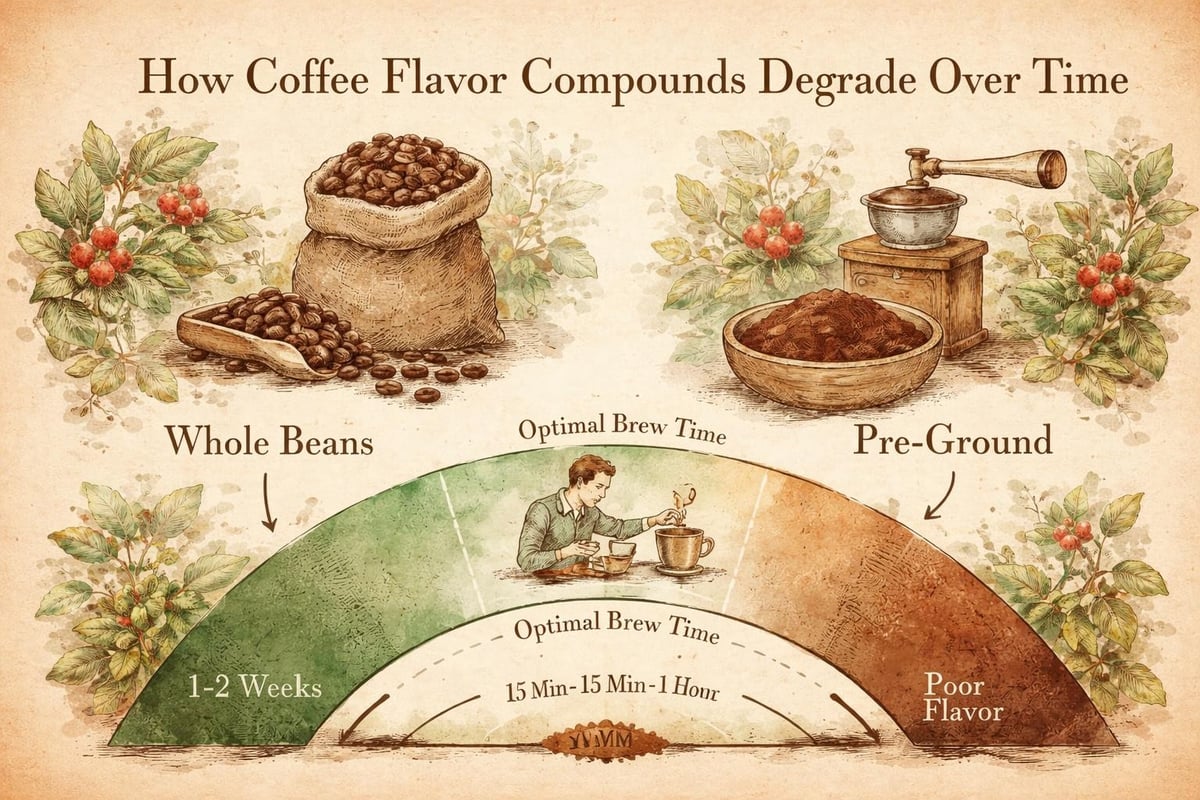
These systems grind beans immediately before brewing, preserving volatile aromatics that dissipate within minutes of grinding. The flavor difference is tangible: brighter acidity, more pronounced origin characteristics, fuller body.
What to expect:
- Integrated burr or blade grinder
- Adjustable grind size settings
- Espresso and lungo options
- More moving parts requiring maintenance
The sound of beans grinding becomes your morning soundtrack. Some find it meditative; others prefer quieter pod systems. Know yourself.
Alternatives to Mainstream Pod Machines
Homes & Gardens explores Keurig alternatives for consumers seeking premium materials, superior flavor extraction, or simply a different aesthetic. These options often emphasize craftsmanship over brand recognition.
Artisan Pour-Over Systems
Ceramic and porcelain pour-over cones deliver exceptional heat retention and zero plastic contact with your brew. Companies craft these from Japanese porcelain, American stoneware, and German ceramics-each material subtly influencing thermal properties.
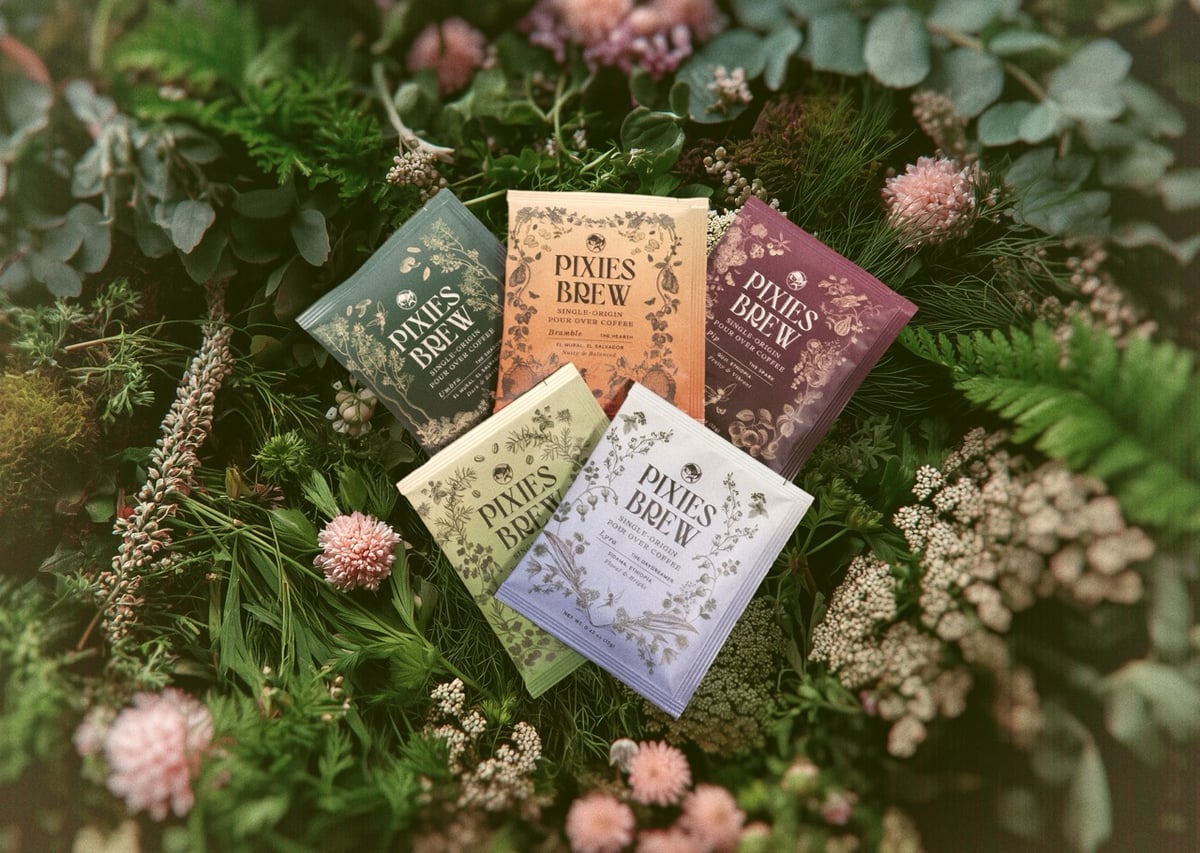
The ritual of pour-over brewing at Pixies Brew aligns perfectly with these manual systems. Our specialty coffee sachets contain precisely measured, freshly roasted grounds designed for optimal extraction through slow pouring. The grounds bloom beautifully, releasing that first rush of CO2 that tells you the coffee is alive, vibrant, ready.
Single-serve doesn't mean sacrificing the sensory journey. It means honoring it in concentrated form.
Electric Pour-Over Replicators
For those wanting pour-over results without manual technique, electric brewers automate the process. These machines pulse water in intervals, replicating the circular pouring pattern of skilled baristas.
They control:
- Pre-infusion timing for proper bloom
- Water temperature stability throughout extraction
- Flow rate variation between brew phases
- Total contact time for balanced extraction
The best rated single serve coffee maker in this category costs $200-400 but delivers genuinely exceptional coffee. You taste the difference: cleaner cups, more distinct flavor notes, better balance between sweetness and acidity.
How to Choose Your Ideal Single-Serve System
Selection starts with honest self-assessment. How do you actually live? Not how you imagine your perfect morning, but what happens on Tuesday at 6:47 AM when you're running late and need coffee now.
Lifestyle Matching Exercise
If you value speed above all: Pod systems win. Choose models with large water tanks and fast heat-up times. Accept the environmental trade-off or seek brands offering recyclable capsules.
If you crave flavor complexity: Manual pour-over or bean-to-cup systems deliver. Budget extra morning minutes for the ritual. The coffee rewards patience.
If sustainability drives decisions: Pour-over with reusable filters or compostable sachets aligns with your values. Our sachets at Pixies Brew biodegradecompletely, returning to earth as your morning ritual should.
If you're exploring coffee culture: Start with a variety box approach to discover flavor preferences before investing in specialized equipment. Understanding whether you prefer bright, fruity Ethiopians or deep, chocolatey Sumatrans guides which brewing method highlights those characteristics best.
Key Features Worth the Investment
| Feature | Why It Matters | Price Impact |
|---|---|---|
| Thermal carafe option | Keeps coffee hot without scorching | +$30-50 |
| Programmable start | Coffee ready when you wake | +$20-40 |
| Brew strength control | Adjusts extraction time | +$15-30 |
| Water filtration | Removes chlorine, improves taste | +$25-45 |
| Altitude adjustment | Proper temperature at elevation | +$10-20 |
| Quiet operation | Morning peace preserved | +$30-60 |
Not every feature matters to every person. Altitude adjustment means nothing at sea level. Programmable start loses appeal if you enjoy the morning ritual. Choose intentionally.
Maintenance and Longevity Considerations
The best rated single serve coffee maker is only as good as its maintenance routine. Neglected machines brew progressively worse coffee as mineral deposits accumulate and oils build up in delivery systems.
Descaling Schedules by Water Hardness
Hard water requires monthly descaling. Soft water extends intervals to quarterly. Ignoring this gradually chokes water flow, drops brew temperature, and introduces off-flavors that mask coffee's natural characteristics.
Descaling process:
- Fill reservoir with descaling solution or white vinegar
- Run full brew cycle without coffee
- Let solution sit 30 minutes in internal pathways
- Run two full cycles with fresh water
- Wipe all external surfaces
Your coffee will taste cleaner immediately. Bright notes emerge that buildup had muffled. It's like hearing your favorite song on better speakers.
Parts Replacement and Upgrade Paths
Quality machines last 5-8 years with proper care. Budget for replacement parts:
- Water filters: Every 2 months ($8-15 each)
- Brew baskets: Annually for pod systems ($12-25)
- Needles/piercing mechanisms: Every 2 years ($15-30)
- Gaskets and seals: Every 3-4 years ($20-40)
Some manufacturers offer trade-in programs when upgrading. Your old machine gets refurbished and donated or recycled properly. Check before discarding.
Flavor Optimization for Single-Serve Systems
Even the best rated single serve coffee maker can't overcome poor-quality coffee or improper storage. Flavor starts long before water touches grounds.
Coffee Selection and Storage
Whole beans stay fresh 2-3 weeks after roasting when stored properly. Pre-ground coffee peaks within days, then gradually loses volatile aromatics that create flavor complexity.
Store coffee in:
- Opaque, airtight containers
- Cool, dark locations
- Original valve bags if using quickly
- Never refrigerators (condensation damages beans)
The sachets offered by specialty roasters solve this entirely. Each serving stays sealed until brewing, preserving freshness at the individual cup level. You taste coffee as the roaster intended, not how it's degraded over weeks.
Water Quality Impact
Coffee is 98% water. Your brew is only as good as what comes from your tap. Municipal water contains chlorine, minerals, and sometimes treatments that distort flavor.
Ideal brewing water:
- pH between 6.5-7.5
- Total dissolved solids 75-250 ppm
- No chlorine taste or odor
- Neutral smell
Use filtered water if your tap tastes metallic or chemical. The difference is immediately obvious: cleaner flavor, more pronounced origin characteristics, better mouthfeel.
Environmental Considerations in 2026
The single-serve coffee industry faces ongoing criticism about waste generation. In response, manufacturers and specialty roasters have introduced genuinely innovative solutions.
Compostable and Biodegradable Options
Modern pods and sachets use plant-based materials that break down in commercial composting facilities within 90-180 days. Some home compost successfully, though results vary by pile temperature and composition.
Materials advancing:
- PLA (polylactic acid) from corn starch
- Cellulose films from wood pulp
- Paper-based sachets with natural binding
- Mushroom-based packaging materials
When exploring luxury coffee brands, investigate their packaging philosophy alongside flavor profiles. The most forward-thinking companies treat both as equally important to the coffee experience.
Reusable Pod Systems
Refillable pods let you use any ground coffee in pod-style machines. You fill them yourself, reducing waste while gaining access to any coffee you choose.
Advantages:
- Dramatically lower cost per cup
- Access to specialty roasters
- Reduced environmental impact
- Complete control over coffee selection
Disadvantages:
- Manual filling and cleaning
- Some flavor oils transfer between uses
- Requires finding proper grind size
- Storage space for bulk coffee
Frequently Asked Questions
What makes a single-serve coffee maker highly rated?
The best machines balance brew quality, reliability, ease of use, and value. Expert reviews evaluate temperature stability, extraction consistency, build quality, and how well the machine preserves coffee's intended flavor profile.
Are single-serve coffee makers worth the investment?
For solo drinkers or households with varied preferences, absolutely. You eliminate waste from brewing full pots, explore diverse flavors without committing to large quantities, and save time during morning routines.
How do pour-over sachets compare to pod machines?
Pour-over sachets offer superior flavor and environmental benefits but require manual brewing. They're ideal for those who view coffee preparation as ritual rather than chore. The Pixies Pour Ritual demonstrates how this approach creates mindful moments.
Can single-serve machines make strong coffee?
Yes, through brew strength settings that extend extraction time or by choosing darker roasts and espresso-style brewing. Bean-to-cup models offer the most control over strength variables.
What's the most sustainable single-serve option?
Manual pour-over with reusable filters or fully compostable sachets. Both eliminate plastic waste while delivering excellent flavor when using quality coffee.
Making Your Selection With Confidence
The best rated single serve coffee maker is ultimately the one you'll use joyfully every morning. It fits your pace, matches your values, and delivers flavor that makes you pause before that first sip.
Consider your home's rhythm. If multiple people brew at different times with different preferences, pod systems offer flexibility. If you live alone and savor the preparation ritual, pour-over invites deeper engagement. If you're splitting the difference, exploring different drip coffee maker approaches helps clarify what matters most.
Test machines when possible. Coffee shops, specialty retailers, and friends' kitchens let you experience different systems before committing. Notice what feels intuitive, what frustrates, what makes you smile.
The machine is a tool. The coffee inside determines whether your morning feels rushed or sacred. Choose equipment that serves the ritual you want to create, then fill it with coffee worthy of your attention.
Finding the best rated single serve coffee maker means understanding your own coffee story-how you live, what you value, and which mornings you're trying to create. Whether you choose the speed of pods or the meditation of pour-over, let quality coffee guide each cup. At Pixies Brew, we craft specialty coffee sachets that honor both convenience and flavor, offering single-serve magic that transforms routine into ritual, one intentional cup at a time.
