


Ultimate Guide to Process Coffee: Methods & Tips 2026
The first scent of freshly brewed coffee drifts through your kitchen at dawn, setting the tone for another day of mindful ritual. Have you ever wondered how the unique steps used to process coffee shape every aroma, flavor, and memory in your cup? One morning, I tasted a burst of berry in my mug—a discovery sparked by a new process coffee method. In this guide, you’ll learn not just the steps, but the sensory impact and lifestyle magic behind each process. We’ll explore core methods, step-by-step guides, expert tips, and answer your questions, blending Grove-inspired ritual with practical wisdom.
The Anatomy of Coffee: From Cherry to Bean
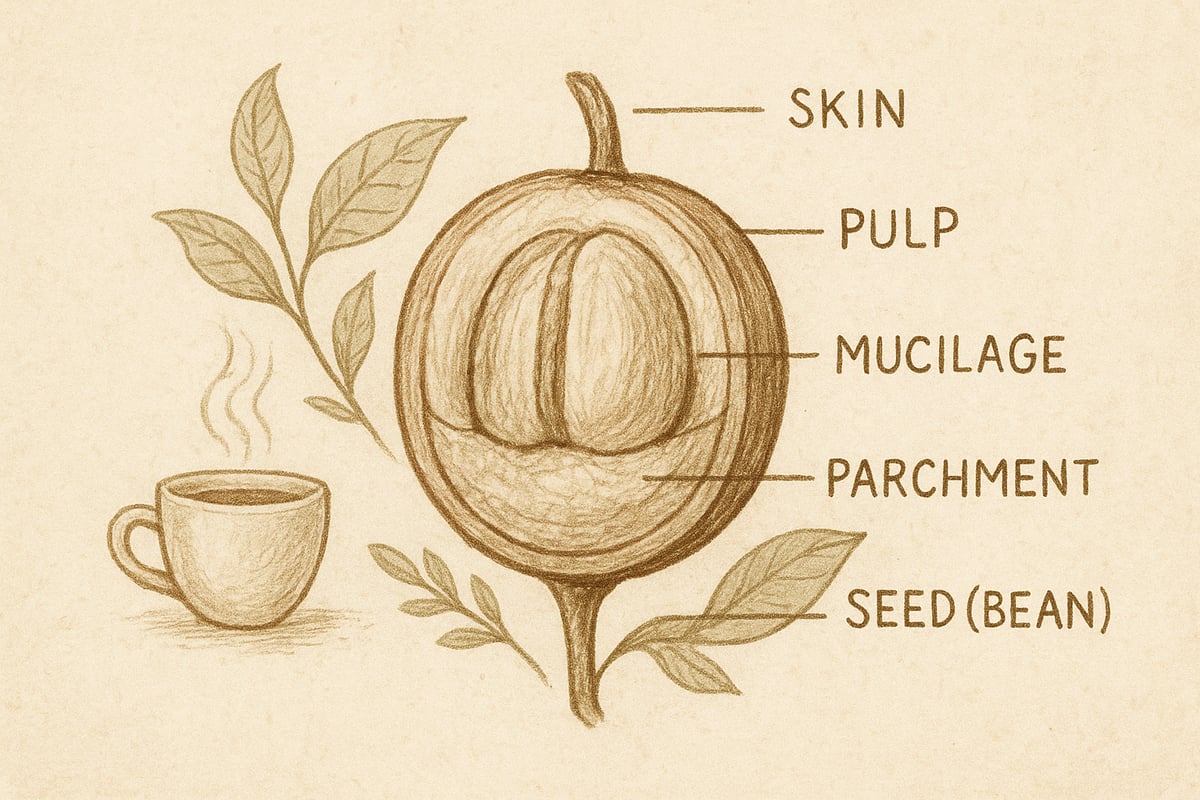
Every cup of process coffee begins long before water meets grounds. It starts with the coffee cherry—nestled on the branch at dawn, glistening with dew, holding layers of flavor waiting to be revealed. To understand process coffee, you must first know its anatomy, much like peeling back the pages of a story.
Understanding the Coffee Cherry
Imagine holding a ripe coffee cherry between your fingers. The outer skin, taut and crimson, gives way to juicy pulp beneath. Next comes the mucilage—a sticky, honey-like layer rich in sugars, crucial in process coffee for developing sweetness and complexity. Beneath that lies the parchment, a papery shield, and finally, the green seed or “bean” itself.
Each layer has a role to play. The skin and pulp protect the bean, while the mucilage feeds the microbes during fermentation, especially in honey and natural processes. According to diagrams from Fratello Coffee and Counter Culture Coffee, removing or retaining these layers during process coffee decides the path from tart brightness to deep fruitiness. For a deeper dive, studies like the Effects of Processing Methods on Arabica Coffee Quality show how each stage shapes the bean’s chemistry and, ultimately, your cup.
The journey from cherry to bean in process coffee is like unwrapping a layered tale—each step adds nuance, ready to be savored.
Why Processing Matters: Flavor, Body, and Ritual
Process coffee is where science meets ritual. The method chosen—washed, natural, honey—transforms the bean’s flavor, body, and aroma. Washed coffees, for example, often yield a cup full of clarity and bright citrus, while natural-processed beans deliver fuller bodies and notes of wild berries. Competitor data backs this up: natural process coffee tends to be fruitier, while washed shines with acidity and a clean finish.
But it’s more than just taste. The ritual of preparing process coffee at home becomes an exploration of the senses. Picture sipping a natural-processed Ethiopian, the jammy aroma rising, compared to the delicate florals of a washed Central American. Each method invites a different pace, a unique Grove-inspired moment, and a fresh story in every cup.
Understanding process coffee anatomy deepens not just your knowledge, but your daily ritual, turning every brew into an intentional act of discovery.
Core Coffee Processing Methods: A 2026 Overview
When you process coffee, you shape the soul of every cup. In 2026, coffee lovers savor more than just beans—they seek to understand the ritual, science, and flavor behind each method. From the clean brightness of washed coffees to the wild depths of experimental lots, every process coffee journey is a new sensory adventure.
| Process | Sensory Notes | Pros | Cons |
|---|---|---|---|
| Washed | Bright, floral, citrus | Clarity, consistency | High water use |
| Natural | Berry, molasses, heavy body | Bold, water-saving | Risk of over-ferment |
| Honey | Fruity, sweet, balanced | Sweetness & clarity | Labor-intensive |
| Anaerobic | Tropical, spicy, complex | Unique, innovative | High risk, expertise |
| Wet Hulled | Earthy, smoky, full body | Suited to humidity | Can taste "dirty" |
Washed Process (Wet Process)
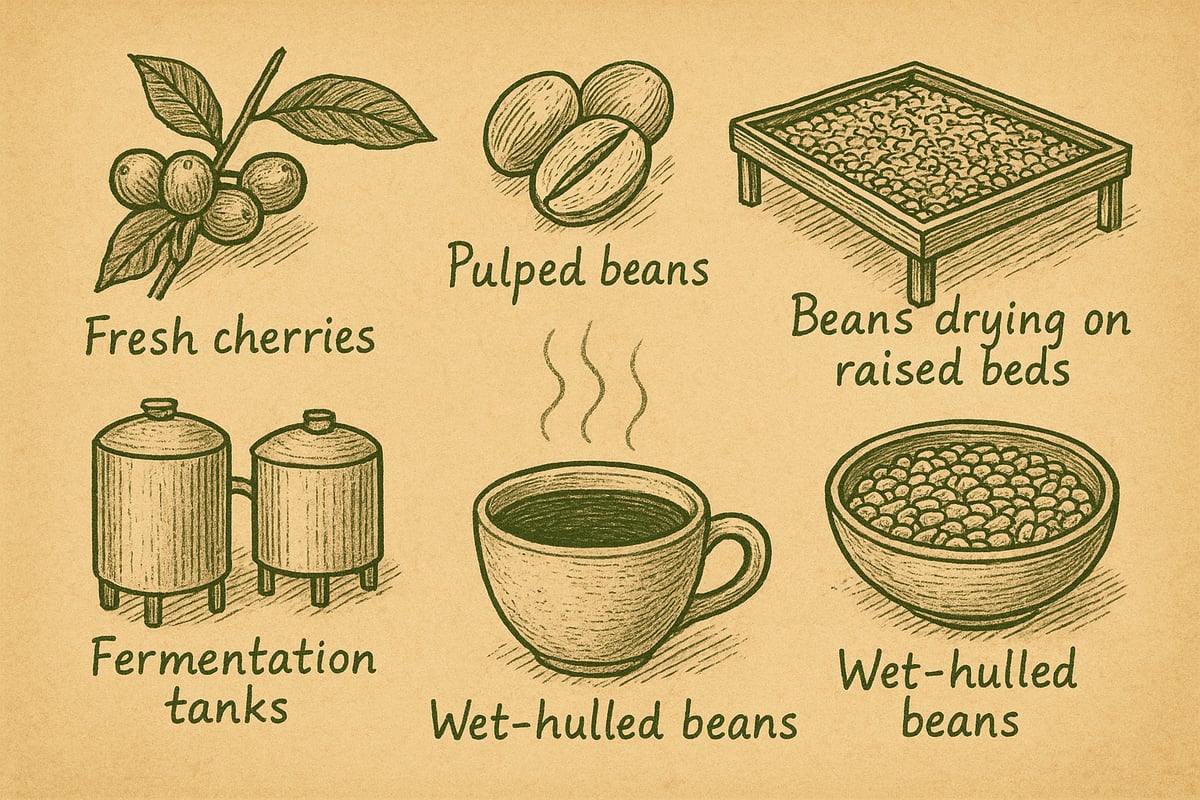
The washed process coffee method starts by sorting ripe cherries, removing the skin and pulp, then fermenting the beans to wash away sticky mucilage. Beans are rinsed and dried, revealing a clean, crisp profile.
Expect high acidity, floral aromas, and citrus notes. This process coffee method is prized for clarity and consistency, making it the choice for many specialty roasters. A washed Kenyan cup often sparkles with winey brightness and a silky mouthfeel.
Natural (Dry) Process
Natural process coffee honors tradition, especially in Ethiopia and Yemen. Whole cherries are dried on raised beds, turned daily under the sun, and hulled once the fruit shrivels.
This method infuses beans with berry, molasses, and deep sweetness, delivering a heavier body and jammy texture. It uses minimal water, though careful monitoring is key to avoid over-fermentation. Sip an Ethiopian natural and discover notes of blueberry and jasmine swirling together.
Honey Process (Pulped Natural)
In the honey process coffee method, cherries are de-pulped but mucilage remains as beans dry. The amount of mucilage left shapes the flavor—yellow for light and clean, red for fruit-forward, black for intense and winey cups.
This process bridges washed and natural, common in Costa Rica. The result is a cup balancing sweetness and clarity, though it demands careful drying. Imagine a Costa Rican black honey with plum and brown sugar lingering on your palate.
Anaerobic & Experimental Methods
Anaerobic process coffee captures beans in oxygen-free tanks, often for 48 to 72 hours. Controlled fermentation unlocks tropical fruit, spice, and sometimes boozy complexity. This trend is growing in micro-lots and competition coffees worldwide.
These methods require expertise and carry higher risks, yet reward with unexpected, vivid flavors. Curious about how these innovations change your cup? Explore more about emerging methods in coffee bean processing for a deeper dive into the science and adventure behind these trends.
Wet Hulled (Giling Basah)
Wet hulled process coffee is the signature of Indonesia, especially Sumatra. Cherries are partially dried, hulled while still moist, then dried again. This unique method fits humid climates where full drying is difficult.
The result is unmistakable: earthy, smoky aromas, low acidity, and a heavy, almost syrupy body. Sumatran wet-hulled beans invite you to savor cedar, tobacco, and a grounding, rustic finish.
Every process coffee method is an invitation to slow down, engage your senses, and brew with intention. Let the journey from cherry to cup become your daily Grove-inspired ritual.
The Ritual of Processing: Step-by-Step Guide for Home Brewers
Imagine the first light of morning streaming through your kitchen window, the gentle rustle of leaves outside, and the aroma of process coffee starting to bloom. Home brewing isn't just about caffeine; it's a sensory ritual that transforms each cup into a celebration of craft and connection. Here, we guide you through every step, so your process coffee ritual feels intentional, grounded, and full of discovery.
Selecting the Right Beans for Your Ritual
Choosing beans for your process coffee ritual starts with curiosity. Do you crave a bright, clean cup for a mindful morning, or a bold, fruit-forward brew to savor slowly? Each process coffee method shapes flavor—washed beans offer clarity and delicate florals, while natural-processed beans burst with berry and jam notes.
Look for specialty bags that highlight process coffee details on their labels. Many craft roasters, like Pixies Brew, share the story of each bean's journey from cherry to cup. Try pairing a honey-processed coffee with a slow morning routine, letting notes of plum and brown sugar set the pace for your day.
Experiment with different origins and processes to discover your favorite ritual companion. The process coffee you choose becomes the anchor for your sensory experience, inviting you to explore, taste, and enjoy every moment.
Home-Friendly Processing Steps (For the Adventurous)
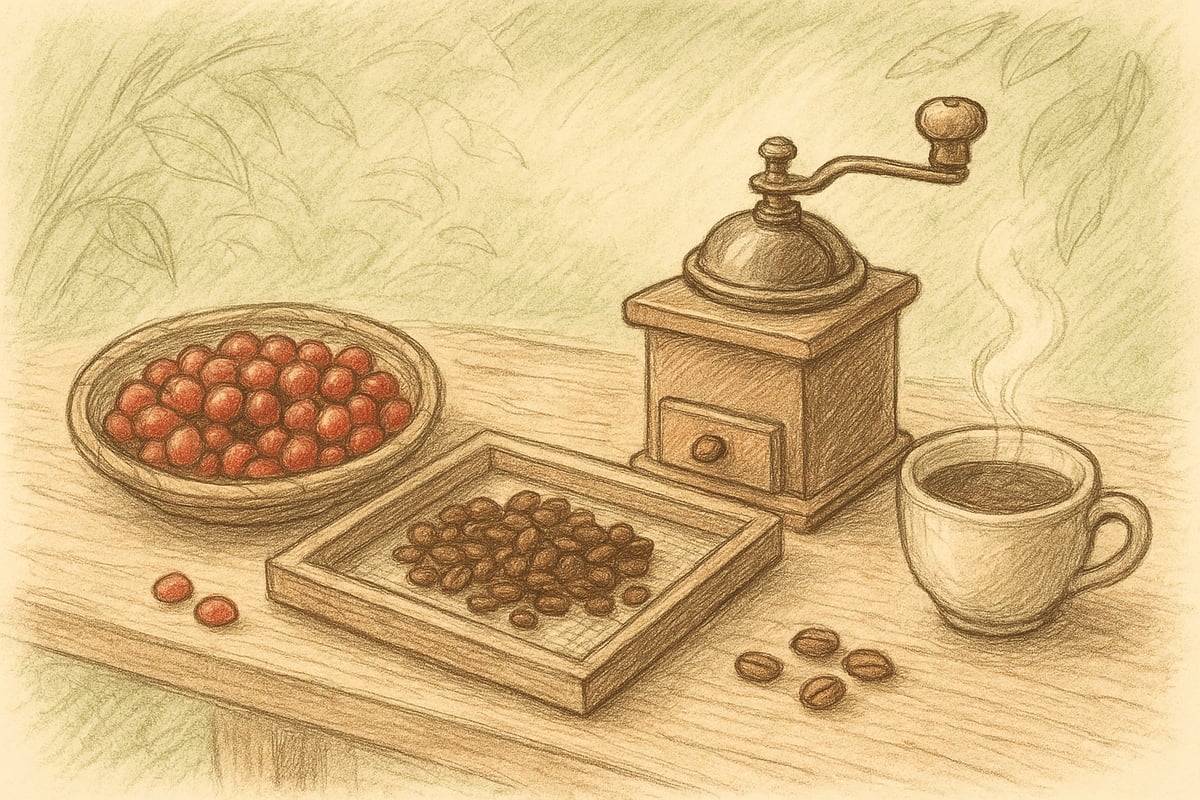
For those eager to experience process coffee from the ground up, try a simplified natural process at home. Start by selecting ripe, deep red cherries—freshness is key. Rinse them thoroughly, then spread them in a single layer on a mesh tray or screen, somewhere warm and breezy but shaded from direct sun.
Turn the cherries daily for even drying. Watch for changes in color and texture; they should become deep burgundy and slightly wrinkled over 2-3 weeks. Once fully dry, gently crack the husks to reveal the green beans inside. Store these in an airtight jar in a cool, dark place.
Safety is essential: use clean tools and small batches. As you process coffee at home, pay attention to the aroma—look for sweet, jammy notes rather than sour or musty scents. Each step anchors you in the present, turning a simple task into a mindful ritual.
Brewing for Maximum Flavor Expression
Now that you have your process coffee beans, brewing becomes an act of expression. Match your brew method to the process: pour-over highlights the crisp acidity of washed beans, while French press draws out the rich body and sweetness of natural-processed coffee.
Cold brew offers a mellow canvas, letting subtle fruit and chocolate notes shine. Adjust grind size and water temperature to unlock your beans' full potential—finer for clarity, coarser for body, slightly cooler water for washed, a bit hotter for naturals.
Let each stage invite you to pause. The process coffee you brew is more than a beverage; it's a crafted experience. For deeper guidance on brewing to accentuate process, explore the explore the brew ritual for expert tips and inspiration.
Savoring the Experience: Engaging the Five Senses
Savoring process coffee is a full-body ritual. Start with sight: notice the clarity or richness of your cup, the play of light on its surface. Inhale deeply; washed coffees bloom with citrus and florals, while naturals fill the air with ripe berries and honeyed sweetness.
Taste with intention. Let the first sip linger, feeling the texture and body—silky, syrupy, or crisp. Pay attention to the aftertaste, the way flavors evolve as you breathe out. Touch the warmth of your mug, grounding yourself in the moment.
Even the sound of brewing, the gentle trickle or quiet plunge, becomes part of your ritual. Each sense weaves together, making process coffee a daily ceremony rooted in the Grove spirit—intentional, sensory, and alive.
Expert Tips & Troubleshooting for Processed Coffee
The journey to mastering process coffee begins with mindful attention to every detail, from the moment you open your bag to the final, fragrant pour. Whether you savor a natural-processed cup or a washed single-serve sachet, small tweaks can unlock new depths of flavor and ritual. Here’s how to protect, brew, and celebrate your process coffee—Grove style.
Storage and Freshness: Protecting Processed Flavors
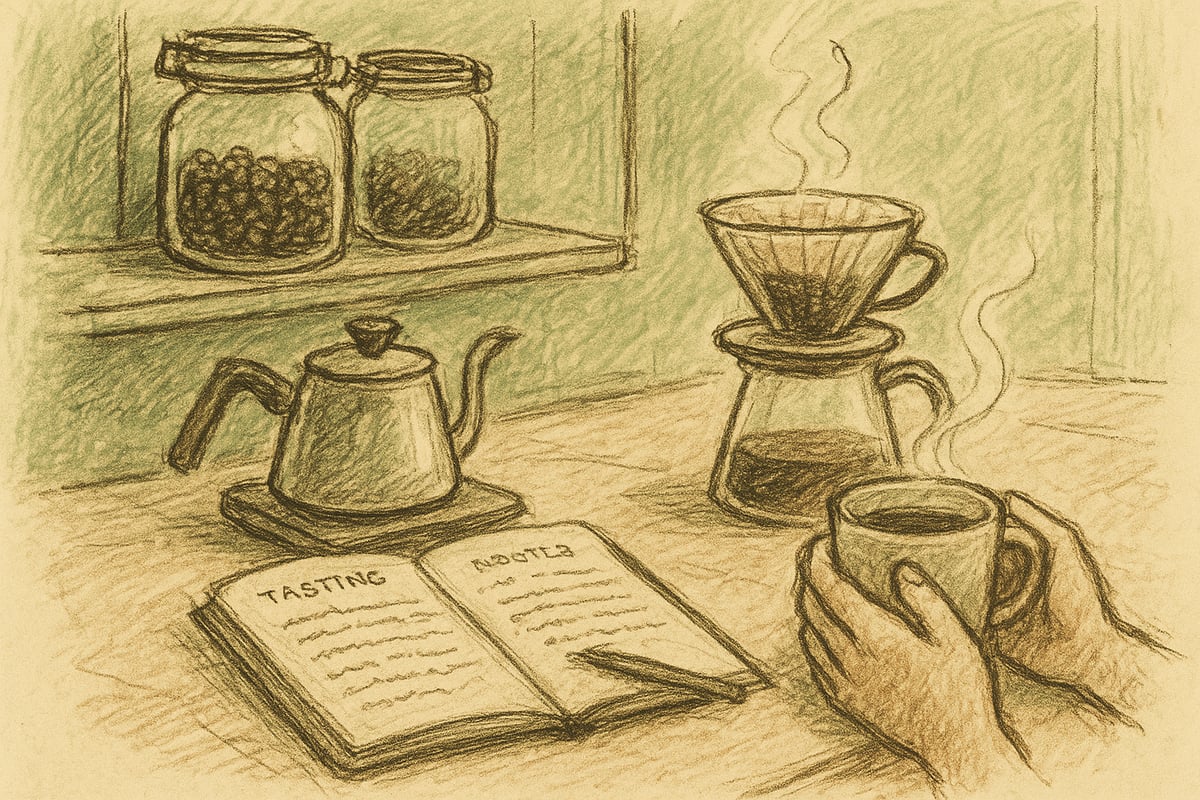
Proper storage is essential for preserving the unique notes that process coffee brings to your cup. Exposure to air, heat, or light can cause up to 70 percent of flavor loss within weeks. To keep those berry, citrus, or chocolate undertones vibrant, store beans in airtight containers and tuck them away in a cool, dark spot.
- Use opaque, airtight jars
- Avoid refrigeration to prevent moisture
- Buy smaller amounts for peak freshness
Imagine opening a jar of natural-processed beans and being greeted by a rush of fruit and earth. That first inhale is a sensory ritual worth protecting. Every time you process coffee at home, remember: freshness is the first step in flavor.
Brewing Variables: Unlocking Processed Potential
Each process coffee shines when brewed with intention. The right water temperature, grind size, and ratio can highlight the clarity of a washed process or the depth of a honey-processed cup. For example, washed coffees often reveal their crisp acidity with slightly cooler water, while naturals grow richer with a coarser grind.
| Process Coffee Type | Water Temp | Grind Size | Flavor Highlight |
|---|---|---|---|
| Washed | 90-93°C | Medium-fine | Bright, floral, clean |
| Natural | 93-96°C | Medium-coarse | Fruity, jammy, bold body |
| Honey | 92-94°C | Medium | Sweet, balanced, nuanced |
If your cup tastes sour or muddy, adjust these variables one at a time. For more guidance, explore our brewing guide for maximum flavor—it’s packed with tips for every process coffee ritual.
Sourcing Ethically and Sustainably
Choosing process coffee is about more than taste—it’s a vote for the planet and the people who grow your beans. Washed processes often use more water, while natural methods are friendlier in drier regions. Look for single-origin or direct trade labels that tell you where and how your coffee was processed.
- Seek traceable origins
- Support eco-conscious roasters
- Ask about farmer partnerships
With every process coffee you select, you help shape a more sustainable, connected coffee world. Your morning ritual becomes a part of a larger story.
Grove-Inspired Rituals for Everyday Brewing
Transform your daily process coffee into a Grove-inspired ritual. Start by pausing to observe the beans—notice their color, aroma, and texture. As you brew, listen for the gentle sounds of water meeting grounds and inhale the evolving fragrance.
Try this: While your process coffee steeps, jot down a quick tasting note or share the moment with a friend. Sip slowly, letting the flavors unfold across your senses. This mindful approach turns every cup into a celebration of craft, connection, and the quiet magic of the Grove.
Coffee Processing FAQs: Your Top Questions Answered
Curious about how process coffee shapes your cup? Here are the answers to the most common questions Grove-dwellers and coffee lovers ask, distilled for clarity and flavor. Let’s uncover the magic behind every ritual.
What’s the difference between washed and natural coffee?
Washed coffees are processed with water to remove fruit before drying, resulting in a cup that is bright and clean, with sparkling acidity. Natural coffees dry inside the whole cherry, producing a flavor that is bold, fruity, and sometimes wild. See our coffee processing FAQs for more on these methods.
Quick Comparison Table
| Process | Flavor Profile | Body |
|---|---|---|
| Washed | Bright, floral, clean | Light-Medium |
| Natural | Fruity, berry, bold | Full |
Does processing affect caffeine content?
Not significantly. The process coffee method you choose has a minor influence on caffeine, while variety and roast level matter more for your morning energy.
Why do some coffees taste “boozy” or “funky”?
Those vibrant, boozy, or funky notes come from extended fermentation. Natural, honey, and anaerobic process coffee methods often create these flavors, adding complexity and depth to your cup.
Can I process coffee at home?
Yes, you can experiment with small-batch process coffee at home. Start with ripe cherries, dry them in a sunny spot, hull, and roast. Always use clean tools and keep batches small for safety and freshness.
How do I choose the right process for my taste?
Sample packs from specialty roasters are a great start. Brew side by side to discover if you prefer the citrusy clarity of washed or the juicy, deep layers of natural process coffee.
Does processing impact sustainability?
Absolutely. Natural process coffee uses less water, making it eco-friendly in dry climates, while washed methods demand more resources. Choose with your values in mind.
Are Pixies Brew sachets made with specific processing methods?
Yes. Each Pixies Brew sachet celebrates a unique process coffee story, from honeyed sweetness to natural fruit bursts. Find the details and tasting notes on every packet, and explore more in our coffee processing FAQs.
A Grove-Guided Takeaway: Making Coffee Processing Part of Your Daily Ritual
The magic of process coffee lies not only in its journey from cherry to bean, but in how each method transforms your daily ritual. When you pause to notice the subtle differences in aroma, body, and flavor, you unlock a new layer of intentional living, right in your own kitchen.
Imagine the gentle hush of morning, the first swirl of steam rising from your mug. Each time you process coffee, you invite the Grove into your home—an experience shaped by patience, curiosity, and all five senses. The ritual is more than brewing; it’s about listening to the quiet, noticing the color of the cup, and letting each sip ground you in the present.
Curious how process coffee shapes taste? You can explore the sensory impact of different methods by comparing washed, natural, and honey-processed beans. For a deeper dive, check out taste coffee differences, where each flavor tells its own story.
Ready to make process coffee a part of your daily life? Try these steps:
- Choose a new process coffee—perhaps a natural-processed Ethiopian or a honey-processed Costa Rican.
- Brew slowly, paying attention to aroma, color, and mouthfeel.
- Keep a journal of tasting notes. What fruit, spice, or floral hints do you find?
- Invite a friend for a sensory coffee ritual and share your discoveries.
- Experiment with brewing methods to highlight each process coffee’s unique character.
With every mindful cup, you become part of the story. Each brew is a small act of magic, a Grove-inspired pause that transforms the ordinary into the extraordinary. Let process coffee be your invitation to savor, reflect, and connect, one intentional moment at a time.
As you’ve discovered, every coffee process has its own story—from the layers of the cherry to that first magical sip. If you’re curious to truly taste the difference, why not make your next morning ritual a little more enchanting? I’ve found that exploring new flavors is even better when you can sample a variety and find the one that feels just right for you. Let’s bring a bit of pixie magic into our cups and savor every step of the journey together. Ready to taste what the Grove has to offer? Taste the Grove
