


Single Serve Coffee Bags: The Modern Ritual Guide
Single serve coffee bags are pre-portioned coffee packets designed for individual brewing, typically containing ground coffee sealed within a filter material that allows water to extract flavor without additional equipment. They've revolutionized how we approach our morning ritual, transforming coffee from a communal pot activity into a personalized ceremony. In 2026, these delicate sachets represent more than convenience-they're a bridge between artisan coffee culture and our increasingly mobile, intentional lifestyles.
The whisper-thin packets rest in your palm, each one holding approximately 10-12 grams of carefully selected grounds. You feel the slight weight, catch the faint aroma through the permeable material, and know that in just a few minutes, you'll be cradling something made specifically for this moment.
The Evolution of Single Serve Coffee Culture
The coffee industry has witnessed remarkable transformation over the past decade. What began with bulky pod systems has evolved into something far more elegant and sustainable. The single-serve coffee containers market is projected to grow from USD 900.9 million in 2025 to USD 1,805.6 million by 2035, reflecting a fundamental shift in how we consume coffee.
Unlike their plastic-heavy predecessors, modern single serve coffee bags embrace simplicity. They require no specialized machines, no complicated maintenance schedules, no beeping timers. Just you, a cup, hot water, and patience measured in minutes rather than seconds.
The Anatomy of a Coffee Sachet
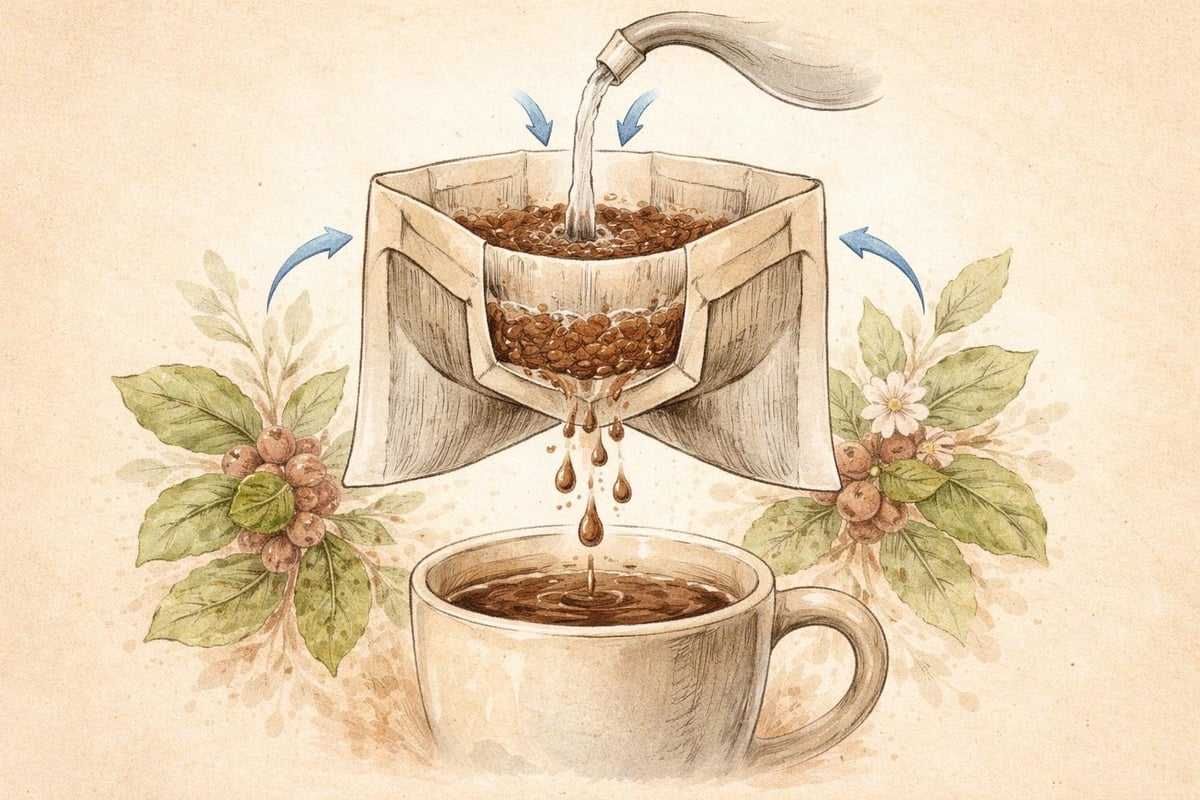
Each packet contains multiple layers working in harmony:
- Outer seal: Food-grade material protecting freshness
- Filter paper: Specially designed to allow optimal extraction
- Ground coffee: Single-origin or blended beans, precisely measured
- Inner architecture: Some designs include a drip mechanism similar to tea bags
The construction matters because it determines how water flows through the grounds, how oils are preserved, and ultimately how the coffee tastes when it reaches your lips.
Why Single Serve Coffee Bags Resonate in 2026
We're living in an era of intentional consumption. The rise of drip bag coffee markets, expected to reach USD 5.12 billion by 2034, tells a story about what people actually want from their coffee ritual.
Consistency arrives first. Each sachet delivers the same ratio, the same grind size, the same potential for excellence. You're not eyeballing scoops at 6 AM or wondering if you packed too loosely.
Portability follows naturally. Slip three packets into your backpack for a weekend in the mountains, tuck one into your desk drawer for afternoon renewal, carry them across time zones without worry about beans going stale.
Mindfulness emerges unexpectedly. The deliberate act of preparing coffee from a single serve bag-boiling water, positioning the sachet, pouring slowly-creates a micro-ritual that pulls you into the present moment.
| Brewing Method | Equipment Needed | Time Investment | Cleanup Effort |
|---|---|---|---|
| Single Serve Bags | Cup, hot water | 3-4 minutes | Minimal (compost sachet) |
| Drip Machine | Machine, filters, beans | 8-10 minutes | Moderate (carafe, filter basket) |
| French Press | Press, beans, grinder | 6-8 minutes | Significant (grounds removal) |
| Espresso | Machine, beans, grinder | 5-7 minutes | High (portafilter, group head) |
The comparison isn't about declaring winners. It's about understanding that different moments call for different approaches, and single serve coffee bags excel when simplicity meets quality.
The Sustainability Question
Environmental consciousness shapes purchasing decisions more than ever. Over 62% of coffee consumers prefer eco-friendly packaging, and the industry has responded with innovation.
Traditional pod systems generated substantial waste. Those small plastic capsules, while convenient, created landfill mountains. Single serve coffee bags offer a different path forward.
Compostable Materials Matter
Many modern sachets use:
- Plant-based filter papers (often unbleached)
- Biodegradable outer wrapping
- No aluminum or plastic components
- Materials that break down in commercial or home composting
The single-serve packaging market faces increasing regulatory pressure around plastic pods and non-recyclable laminates. Forward-thinking brands have already pivoted toward materials that honor both the earth and the coffee within.
You finish your cup, and instead of adding to the plastic problem, you can toss the used sachet into your compost bin. It returns to soil, completing a cycle rather than interrupting one.
Flavor Profiles and the Specialty Coffee Movement
The assumption that convenience sacrifices quality no longer holds true. Single serve coffee bags now feature the same specialty-grade beans you'd find in boutique roasteries.
Small-batch roasters discovered that pre-portioned packets actually preserve freshness better than traditional bags once opened. Each sachet remains sealed until the moment you're ready to brew, protecting volatile aromatics from oxygen exposure.
Tasting Notes Through the Seasons
Consider the progression through a year of intentional coffee:
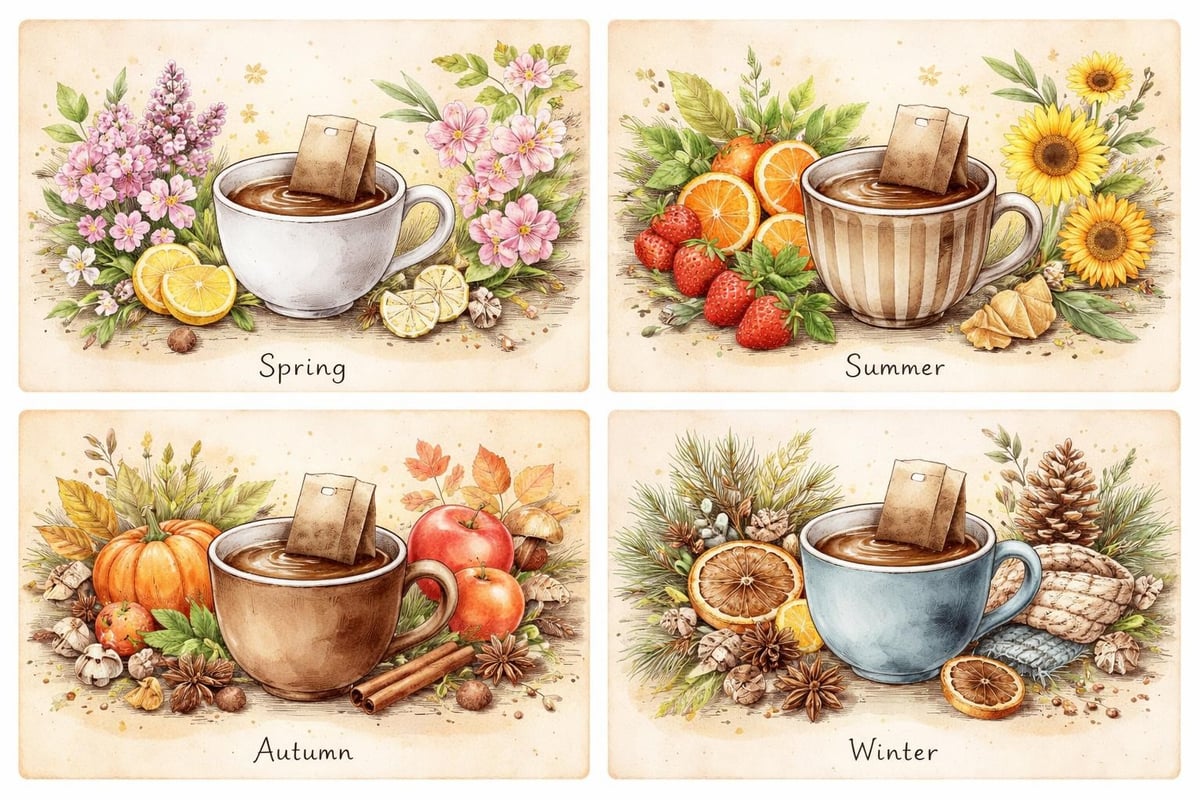
Spring: Bright Ethiopian coffees with bergamot and jasmine notes, the grounds releasing floral aromatics as hot water first makes contact
Summer: Central American varieties offering stone fruit and honey, the lighter roast preserving acidity that refreshes even when served over ice
Fall: Indonesian beans with earth and spice, the weight on your tongue mirroring autumn's arrival
Winter: Dark roasts from Colombia with chocolate and caramel depth, steam rising like breath on cold mornings
At Pixies Brew, each sachet is crafted to deliver these nuanced experiences. The pour-over method inherent in their design allows for proper bloom time, ensuring that carbon dioxide escapes and water can fully saturate the grounds.
The Art of Brewing Single Serve Coffee Bags
Technique transforms good coffee into transcendent coffee. Even with pre-portioned packets, your attention to detail matters.
The Complete Brewing Ritual
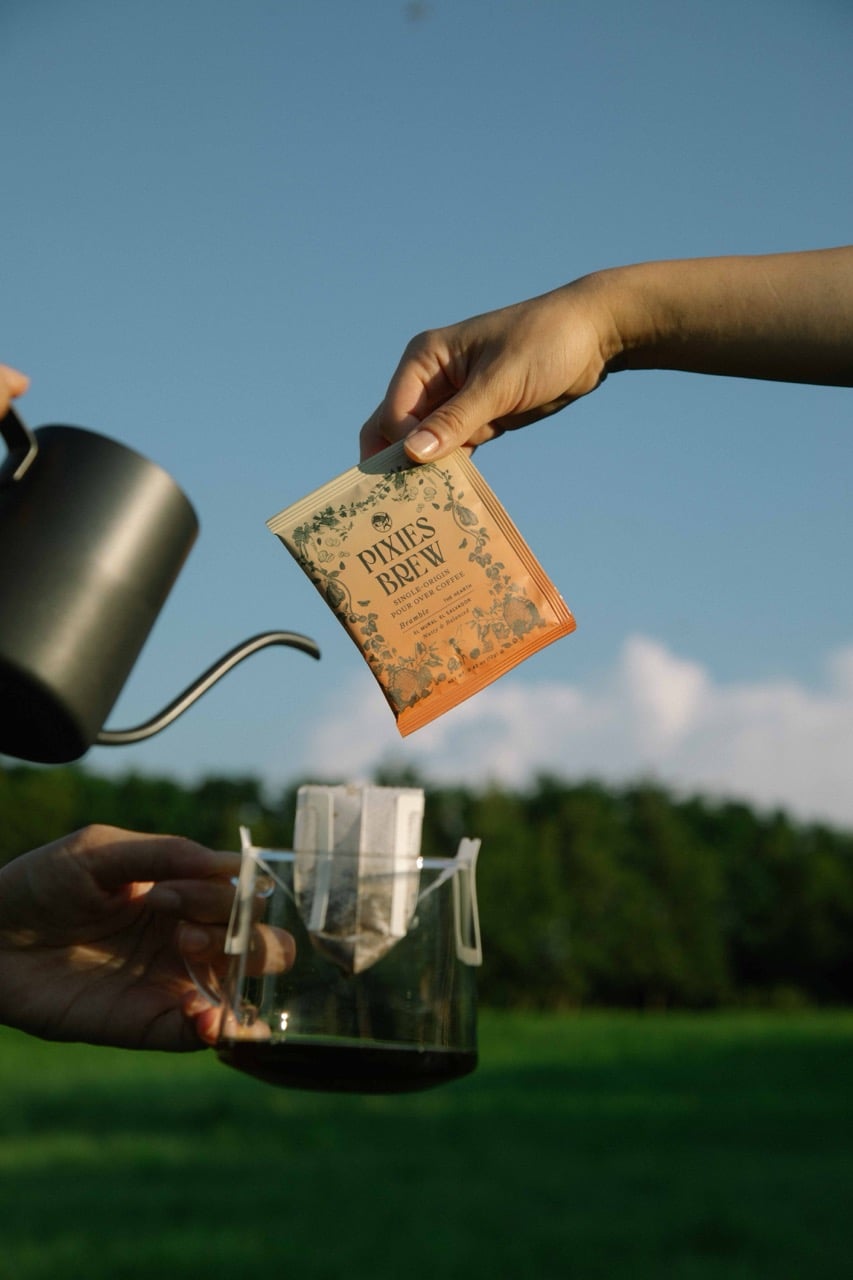
- Heat water to 195-205°F (just off boiling, about 30 seconds of rest after the kettle clicks)
- Position the sachet over your cup, ensuring stability with the attached hangers or support structure
- Bloom the grounds with a small amount of water (30-40ml), allowing 30 seconds for degassing
- Pour in concentric circles slowly, maintaining consistent water contact with all grounds
- Total brew time should reach 3-4 minutes for optimal extraction
- Remove and compost the used sachet, noticing how the grounds have expanded
The water temperature matters deeply. Too hot, and you'll extract bitter compounds. Too cool, and you'll under-extract, leaving flavor locked within the grounds.
Your pouring rhythm creates music of sorts-the gentle percussion of water meeting coffee, the shift in pitch as the cup fills, the final drips that signal completion.
Travel, Adventure, and Coffee Freedom
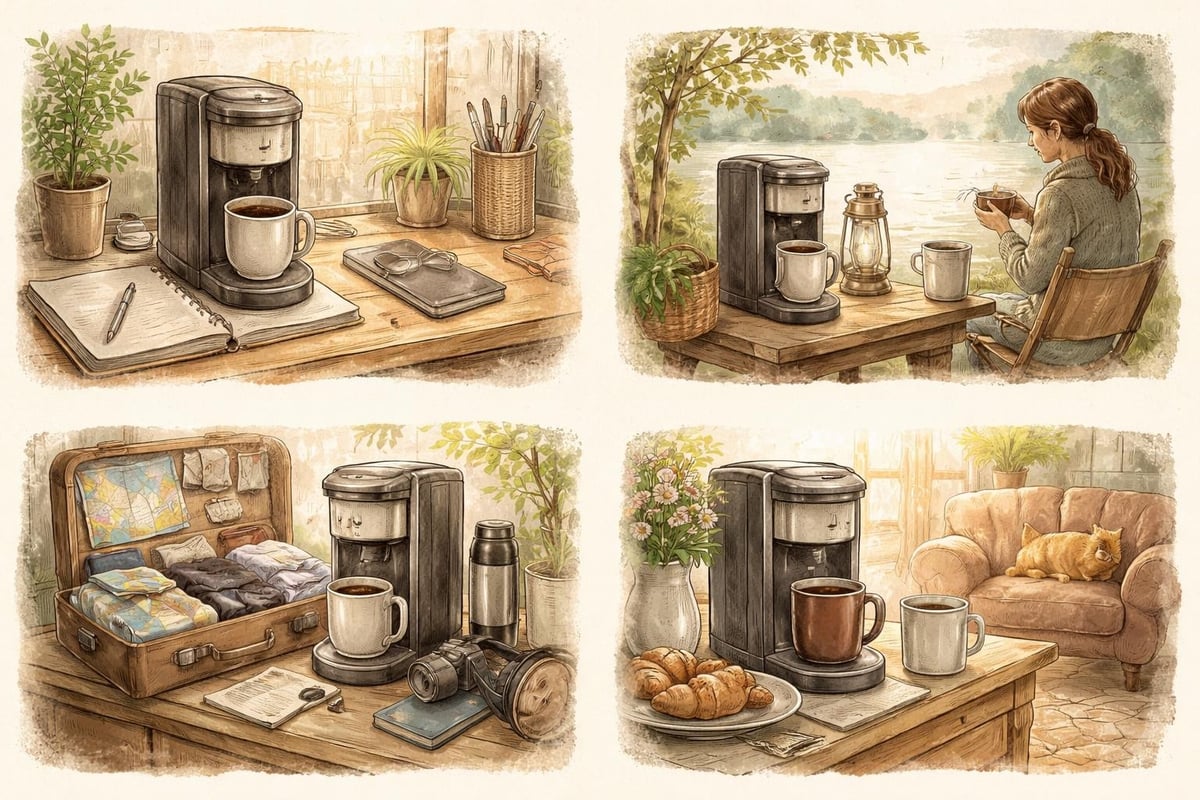
Single serve coffee bags have become essential gear for modern adventurers. Whether you're camping under stars or working from a different continent each month, quality coffee no longer requires compromise.
Backpacking scenario: You're three days into a trail, and morning means more than just caffeine. It means a moment of civilization in the wilderness. Boil water on your camp stove, brew a single sachet, and suddenly you're connected to morning rituals happening in cities and suburbs simultaneously.
Business travel: Hotel room coffee makers are notoriously questionable. Your own sachets mean you control the quality, avoid mystery beans that have sat in that basket for months, and create familiar comfort in unfamiliar rooms.
Remote work locations: Coffee shops aren't always accessible or affordable. A box of single serve coffee bags in your Airbnb kitchen means you're not beholden to anyone else's schedule or preferences.
The drip coffee maker served its purpose for decades, but it assumes a stable environment with counter space and electrical outlets. Single serve bags assume only that you can heat water-a significantly lower barrier.
Market Insights and Consumer Preferences
Understanding why people choose single serve coffee bags reveals broader cultural shifts. The coffee bags market report indicates that single-serve formats accounted for approximately 45% of market share in 2024, demonstrating mainstream acceptance.
Demographics of Sachet Enthusiasts
- Age 25-40: Seeking convenience without sacrificing quality
- Urban dwellers: Limited kitchen space, high standards
- Sustainability-focused: Prioritizing compostable options
- Coffee explorers: Wanting to sample various origins without committing to full bags
The freeze-dried coffee market analysis notes that sachets maintained a 42.58% market share in 2025, emphasizing portion control and convenience. This aligns perfectly with single serve coffee bags, which offer similar benefits with superior flavor retention.
| Consumer Priority | Traditional Bags | Pods | Single Serve Sachets |
|---|---|---|---|
| Freshness per cup | Moderate (after opening) | High | High |
| Environmental impact | Low (if composted) | High | Low to Moderate |
| Variety without waste | Low | Moderate | High |
| Equipment required | Grinder, brewer | Pod machine | None |
| Price per serving | $0.50-$1.00 | $0.75-$1.50 | $0.80-$1.25 |
Price comparison reveals that single serve coffee bags occupy a middle ground-more affordable than pods, comparable to quality whole beans when you factor in reduced waste from staling.
Integration with Specialty Coffee Culture
The specialty coffee movement prizes origin transparency, processing methods, and roaster craftsmanship. Single serve coffee bags have earned legitimacy within this community by maintaining those standards.
Roasters now provide detailed tasting notes on individual sachets:
- Bean origin: Specific farm or cooperative
- Altitude: Elevation affecting flavor development
- Processing: Washed, natural, honey, experimental
- Roast profile: Light, medium, or dark with date
- Flavor expectations: Precise descriptors to guide palate
This information transforms each brewing session into an educational experience. You're not just drinking coffee; you're learning about Guatemalan volcanic soil or Ethiopian heirloom varieties.
Pixies Brew's approach exemplifies this marriage of convenience and craft. Each sachet in the Discovery Set introduces a different flavor profile, allowing you to explore specialty coffee without the commitment of purchasing multiple full-size bags. The variety box becomes a tasting flight, a curated journey through bean origins and roasting philosophies.
The Sensory Experience of Sachet Brewing
Coffee engages all five senses when you allow it. Single serve coffee bags invite this multisensory attention because the process is manual and unhurried.
Sight: The sachet opens to reveal grounds ranging from cinnamon brown to charcoal black, depending on roast level. Watch as hot water first darkens them, then creates tiny bubbles during the bloom phase.
Sound: The initial hiss of boiling water settling, the soft patter as you begin pouring, the rhythmic drip-drip-drip as extraction progresses.
Smell: Aromatics evolve in waves-first the dry grounds' toasted notes, then the bloom's explosive fragrance, finally the full brew's complex bouquet.
Touch: The sachet's texture in your fingers, the cup's warmth spreading through ceramic to your palms, steam kissing your face as you bring it close.
Taste: That first sip brings acidity, body, sweetness, and finish in succession. The flavor develops as the coffee cools, revealing notes that heat initially masked.
This attention to sensation transforms caffeine consumption into something approaching meditation.
Building Your Home Coffee Ritual
Routines become rituals when infused with intention. Single serve coffee bags support this elevation because they remove variables while preserving the ceremony.
Creating Morning Anchors
Your alarm sounds. Instead of rushing straight to work mode, you move to the kitchen with purpose:
- Select a sachet based on mood or need (bright awakening versus comforting grounding)
- Set water to boil while arranging your favorite cup
- Stand present during the brewing process rather than scrolling your phone
- Carry the finished cup to your preferred spot-window seat, porch, reading chair
- Take the first sip before engaging with email or news
This sequence, repeated daily, becomes a boundary between sleep and productivity. It says: this moment belongs to me, to sensory pleasure, to gratitude for simple luxuries.
The luxury coffee brands once reserved such experiences for those with expensive equipment and extensive knowledge. Single serve coffee bags democratize that access while maintaining quality standards.
Frequently Asked Questions
How long do single serve coffee bags stay fresh?
Individually sealed sachets typically maintain peak freshness for 6-12 months when stored in cool, dry conditions. The hermetic seal protects against oxygen, moisture, and light-the three enemies of coffee quality.
Can I use single serve coffee bags for cold brew?
Yes, though you'll need to adjust timing. Place the sachet in cold or room-temperature water and steep for 12-24 hours in the refrigerator. The extended contact time compensates for the lack of heat in extraction.
Are all single serve coffee bags compostable?
Not universally. Check packaging for certifications like "commercially compostable" or "home compostable." Some brands still use materials with plastic components. The Wikipedia overview of single-serve coffee containers provides context on various material options and their environmental impact.
How do single serve coffee bags compare to traditional tea bags?
Coffee sachets typically use coarser filter material to accommodate grounds larger than tea leaves. They're also designed for different extraction-coffee needs higher temperatures and specific saturation patterns, while tea often requires gentler steeping.
Can I reuse a single serve coffee bag?
While technically possible, reusing exhausts most soluble compounds during the first brew. The second cup would taste weak and hollow. Part of the value proposition is fresh, full extraction each time.
Storage and Preservation Tips
Even sealed sachets benefit from proper storage. Heat, light, and humidity remain concerns, though the individual packaging provides significant protection.
Optimal conditions include:
- Cool pantry or cabinet away from stoves
- Dark environment (drawer or opaque container)
- Low humidity areas (avoid storing near dishwashers or sinks)
- Original packaging until ready to use
Some enthusiasts transfer their collection to decorative tins or boxes, which works beautifully as long as the individual sachets remain sealed. The ritual of selecting each day's sachet from a beautiful container adds another layer of intentionality.
The Economics of Single Serve Coffee
Cost analysis reveals nuanced value propositions. While per-serving prices might exceed bulk whole beans, factor in reduced waste from beans going stale, elimination of equipment investment, and time savings.
A 12-ounce bag of specialty beans costs $15-20 and yields approximately 24 cups. But once opened, those beans begin losing volatile compounds. If you're a solo drinker consuming one cup daily, the last cups from that bag taste noticeably different from the first.
Single serve coffee bags maintain consistency across all servings. You're paying a slight premium for guaranteed freshness and perfect portioning. The value proposition strengthens if you calculate avoided waste, whether that's stale beans discarded or mediocre coffee powered through out of frugality rather than enjoyment.
Looking Forward: Innovation in Single Serve
The industry continues evolving. Recent developments include:
- Nitrogen flushing: Removing oxygen before sealing for extended shelf life
- Transparent sourcing: QR codes linking to farm information and farmer stories
- Customization options: Subscription services allowing roast level and origin preferences
- Enhanced materials: Even faster biodegradation times without compromising barrier properties
The EU regulations on packaging are pushing manufacturers toward more sustainable solutions, and single serve coffee bags are well-positioned to meet these requirements with minimal disruption.
Future iterations might include integrated temperature indicators, flavor preservation technologies borrowed from pharmaceutical packaging, or even embedded tasting note cards that dissolve harmlessly in compost.
Integration with Modern Life
Single serve coffee bags reflect how we live now-valuing both quality and flexibility, sustainability and convenience, tradition and innovation.
They fit seamlessly into diverse lifestyles:
- The minimalist appreciates reduced clutter and simplified processes
- The maximalist enjoys collecting different origins and flavors
- The traveler relies on portability and equipment independence
- The homebody savors the ritual without complexity
This versatility explains their growing market share. They don't demand allegiance to one particular coffee philosophy. Instead, they adapt to your needs, whether you're seeking a quick weekday morning boost or a slow Sunday savoring session.
The brew guide provides detailed instructions for those wanting to deepen their technique, while the format remains accessible enough for beginners to achieve satisfying results immediately.
Single serve coffee bags represent coffee's next chapter-one where quality, sustainability, and accessibility converge in delicate, purposeful packets. They honor the bean, the brewer, and the earth in equal measure, transforming each cup into an opportunity for presence and pleasure. Pixies Brew understands this alchemy, crafting sachets that deliver more than caffeine-they offer moments of pause, reflection, and genuine delight. Whether you're exploring new flavor territories or seeking to deepen your daily ritual, these whimsical yet grounded packets invite you to brew with intention, one magical cup at a time.
