


Specialty Coffee Beans: A Guide to Better Mornings
The difference between ordinary coffee and speciality coffee beans starts long before water hits grounds. It begins in soil composition, elevation, and the hands that harvest each cherry at peak ripeness. When you're standing in your kitchen at dawn, pouring water over carefully selected beans, you're connecting to a chain of intentional choices that spans continents and countless hours of expertise. These beans score 80 points or above on a 100-point scale set by the Specialty Coffee Association, which means they've passed rigorous testing for defects, flavor clarity, and overall quality.
What Makes Coffee Beans "Specialty"
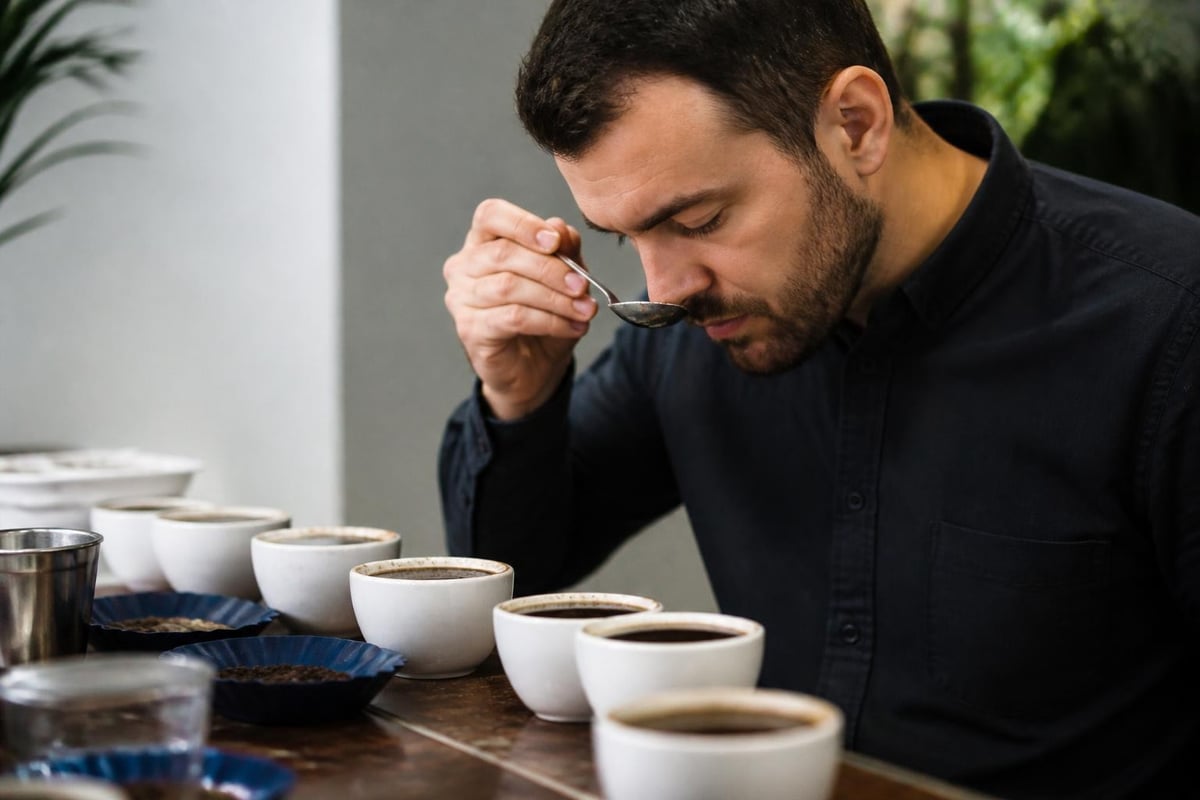
Speciality coffee beans earn their designation through a strict grading system that examines every aspect of the bean's journey. The scoring happens in controlled environments where certified Q Graders evaluate aroma, flavor, aftertaste, acidity, body, balance, and overall impression.
The Scoring System That Defines Quality
Think of specialty grading like a conversation between the bean and the cupper's palate. Each coffee receives points based on:
- Fragrance and Aroma (up to 10 points): How the beans smell dry, then wet
- Flavor (up to 10 points): The complete taste profile from first sip to finish
- Aftertaste (up to 10 points): What lingers after you swallow
- Acidity (up to 10 points): The bright, crisp notes that bring coffee alive
- Body (up to 10 points): The weight and texture on your tongue
- Balance (up to 10 points): How all elements work together
- Uniformity and Clean Cup (up to 10 points each): Consistency across multiple cups
- Sweetness (up to 10 points): Natural sugars present without adding anything
Only coffees scoring 80 or above make the cut. According to research on specialty coffee standards, this top tier represents less than 10% of global coffee production.
Geography Writes the Flavor Story
Where beans grow shapes everything about how they taste. Ethiopian beans from Sidama carry floral notes and berry brightness. Colombian beans from high-altitude farms develop caramel sweetness and balanced acidity. The terroir-that French word borrowed by coffee lovers everywhere-encompasses soil minerals, rainfall patterns, temperature swings, and the surrounding ecosystem.
Pixies Brew sources beans that tell distinct geographic stories. The Sidama Ethiopia used in Lyra's Bloom expresses the region's signature jasmine and blueberry notes, while El Mural from El Salvador in Bramble's Hearth brings forward chocolate and nutty warmth characteristic of Central American volcanic soil.
The Processing Methods Behind Your Morning Cup
After farmers hand-pick ripe cherries, the processing method becomes the next major flavor decision. Each approach removes the fruit surrounding the bean differently, and that choice dramatically impacts what ends up in your cup.
| Processing Method | Description | Flavor Impact |
|---|---|---|
| Washed/Wet | Fruit removed before drying | Clean, bright, crisp acidity |
| Natural/Dry | Beans dried inside whole cherry | Fruity, wine-like, full body |
| Honey/Pulped Natural | Some fruit left during drying | Balanced sweetness, medium body |
| Experimental | Controlled fermentation variations | Unique, complex, unexpected notes |
The washed process creates the clarity you find in a bright morning pourover. Natural processing builds deeper fruit notes that bloom as the cup cools. Studies examining specialty coffee composition show how processing affects not just flavor compounds but also beneficial polyphenols and antioxidants.
When you open a sachet from Pixies Brew, the nitrogen flush preserves these nuanced flavors that processing creates. The beans were ground fresh, sealed immediately, and protected from oxygen until you're ready to brew.
Roasting: Where Science Meets Artistry
Green speciality coffee beans arrive at roasteries holding potential. The roaster's job involves unlocking specific flavors while avoiding the bitter, burnt notes that mark lower-quality approaches. Temperature curves, airflow adjustments, and timing decisions happen in real-time as beans change color and structure.
Light, Medium, and Dark: More Than Color Depth
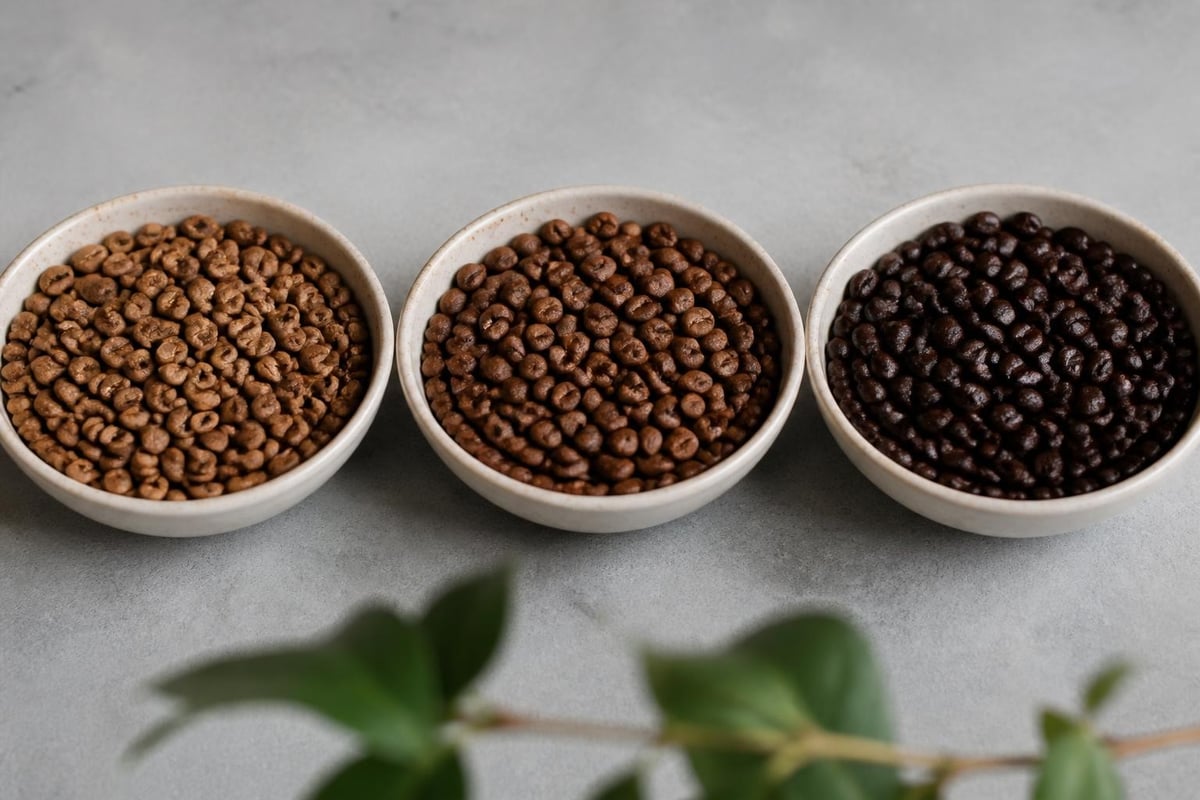
Light roasts stop before the second crack, preserving origin characteristics and bright acidity. You taste the Ethiopian hillside, the processing method, the variety of coffee plant. Medium roasts balance origin flavors with roast-developed sweetness. Dark roasts emphasize chocolate, caramel, and smokiness while muting some original terroir.
Roast Magazine's technical resources detail how professional roasters profile each coffee lot differently based on density, moisture content, and desired outcome. A naturally processed bean might need gentler heat application than a washed coffee to prevent overwhelming fruit notes from turning harsh.
- Temperature control determines flavor development speed
- Time under heat affects body and sweetness extraction
- Cooling methods lock in the roaster's chosen profile
- Resting periods allow CO2 to degas for optimal brewing
Choosing Beans That Match Your Ritual
Walking through options feels overwhelming when you're new to speciality coffee beans. Start with understanding what you enjoy, then work backward to origins and processing that deliver those notes.
Match Your Palate to Coffee Profiles
If you prefer tea's delicate nature, Ethiopian naturals with floral and berry notes create familiar bridges. Love chocolate and nuts? Colombian and Brazilian beans offer comfort and richness. Seeking adventure? Try experimental fermentations or rare varietals from unexpected regions.
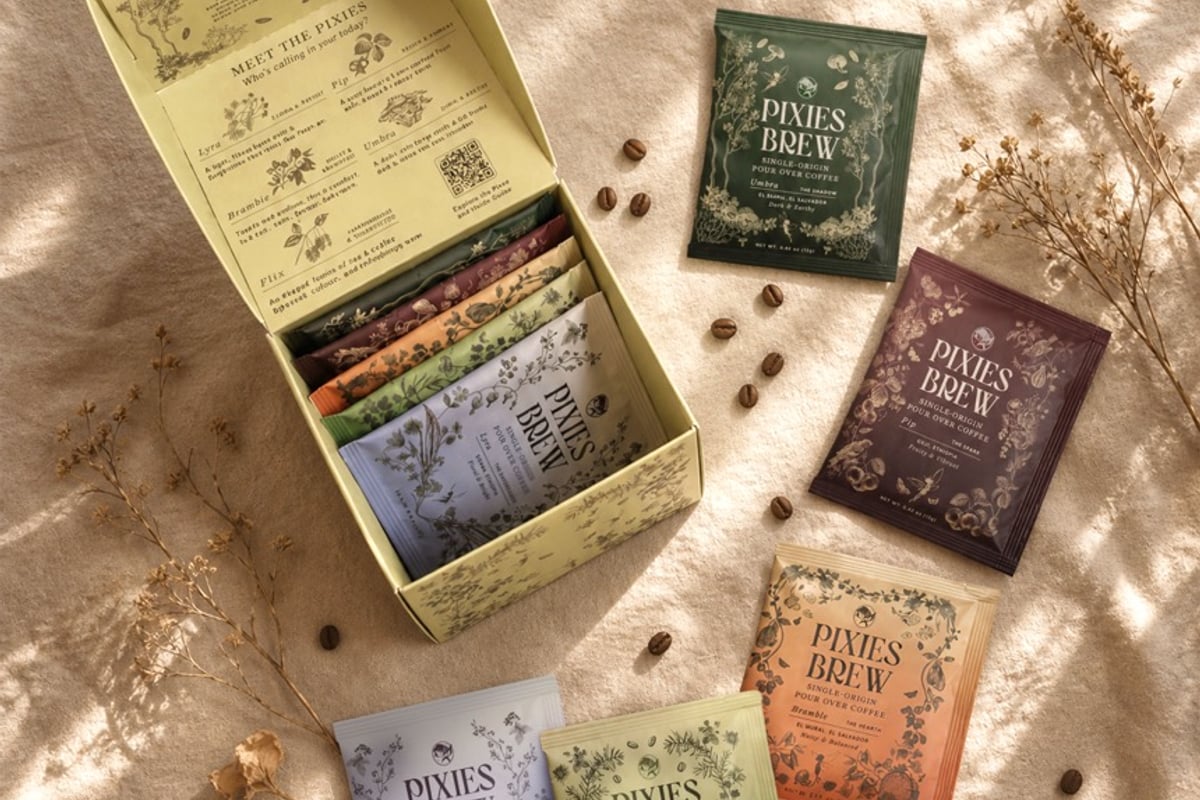
The Pixies Brew Discovery Set removes guesswork by bringing five distinct profiles together. You can taste a bright Ethiopian morning, a balanced Colombian afternoon, and a bold dark roast without committing to full bags. Each sachet delivers specialty-grade coffee in a format that travels easily and requires nothing beyond hot water and a cup.
Reading the Bag (or Sachet) Like a Map
Quality roasters print details that guide your expectations:
Roast date matters more than any other factor. Specialty beans peak between 7-21 days post-roast for most brewing methods. After 30 days, flavors fade noticeably.
Origin information tells you the farm, region, or cooperative. Single-origin beans showcase one location's character. Blends combine complementary origins for balanced complexity.
Processing and variety indicate flavor tendencies before you brew. A natural-process Gesha from Panama won't taste like a washed Bourbon from Rwanda, even at identical roast levels.
Altitude correlates with density and complexity. Beans grown above 1,400 meters develop slower, creating harder beans with more concentrated sugars and acids.
Guides like choosing specialty coffee beans online walk through these variables in detail, helping you decode the information specialty roasters provide.
Storage and Freshness: Protecting What You've Found
Even the finest speciality coffee beans lose magic when stored poorly. Oxygen, light, heat, and moisture all degrade flavor compounds rapidly after roasting.
Creating Optimal Storage Conditions
Store beans in opaque, airtight containers at room temperature. Avoid refrigerators-condensation forms each time you remove beans, introducing moisture. Freezing whole beans works for long-term storage beyond a month, but requires vacuum-sealed portions to prevent freezer burn.
Buy quantities you'll consume within two to three weeks. Freshness beats bulk purchasing every time with specialty coffee.
For those exploring different single-serve brewing options, pre-portioned sachets solve the freshness challenge entirely. Nitrogen flushing removes oxygen immediately after grinding, creating a sealed environment that preserves volatile aromatic compounds until you're ready to brew.
The Farming Partnership Behind Every Bean
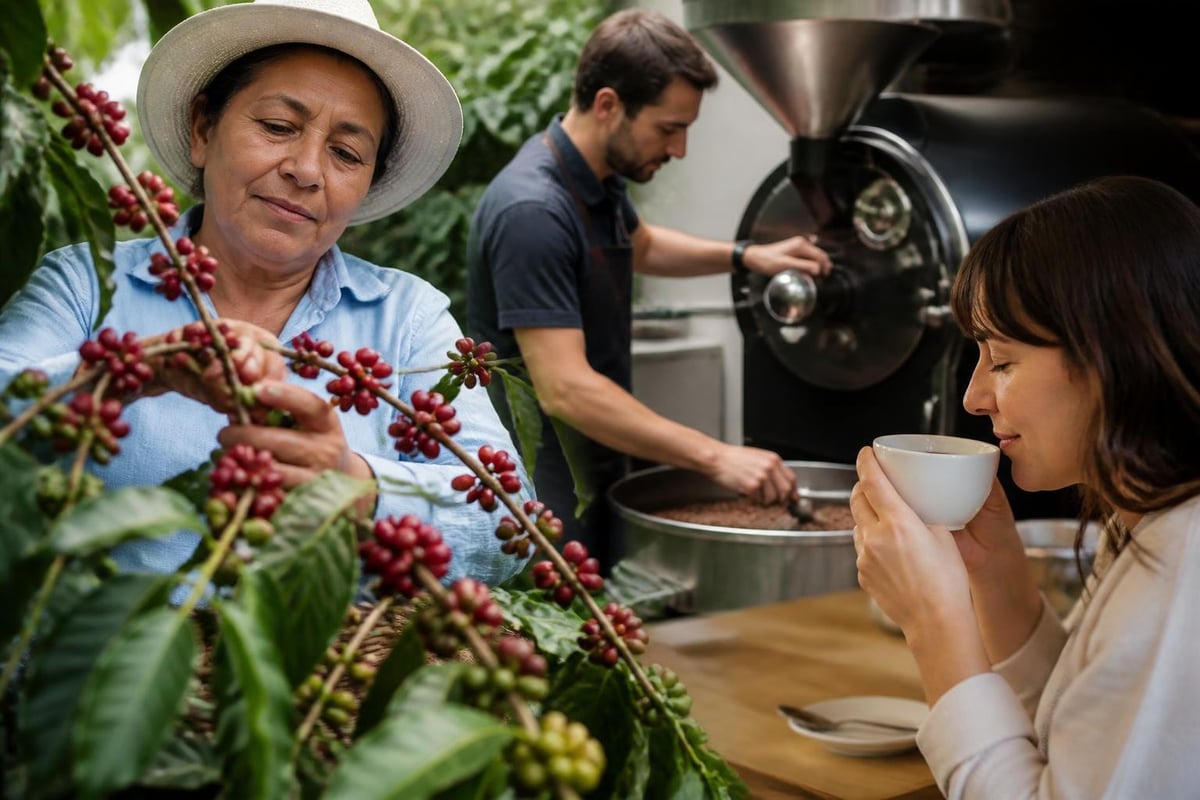
Speciality coffee beans exist because farmers choose quality over quantity. They harvest selectively, sometimes picking the same tree multiple times as cherries ripen at different rates. They invest in processing infrastructure, skilled labor, and meticulous attention that commodity coffee markets don't reward adequately.
Direct Trade and Relationship Coffee
The specialty movement emphasizes transparency and fair compensation. Direct trade relationships connect roasters with specific farms, creating stable pricing and quality feedback loops. Farmers know their coffee reaches appreciative drinkers. Roasters understand farming challenges and seasonal variations.
Resources like CoffeeDB's roaster directory showcase roasters committed to ethical sourcing and transparent supply chains. When you choose specialty, you're voting with your wallet for sustainable agriculture and dignified labor conditions.
The difference shows up in your cup's clarity, but it ripples back through communities that depend on coffee income for education, healthcare, and economic stability.
Brewing Methods That Honor Quality Beans
Speciality coffee beans deserve brewing methods that extract their full potential. The pourover method offers precision and clarity, highlighting subtle notes that espresso or French press might obscure.
Why Pourover Suits Specialty Beans
Water temperature, pour rate, and contact time all influence extraction. With pourover, you control each variable. Start with water just off boil (195-205°F). Pour in slow circles, saturating grounds evenly. Total brew time between 2.5-4 minutes extracts sweetness without bitterness.
The ritual itself-the measured pace, the attention required-matches specialty coffee's intentionality. You can't rush it. For guidance on brewing equipment without complex machinery, simple tools often outperform expensive gadgets when technique is sound.
Each Pixies Brew sachet contains precisely measured specialty-grade coffee already ground to optimal size for pourover extraction. Hook it over your cup, pour slowly, and the filtering happens naturally as you extract.
Exploring Limited Editions and Seasonal Offerings
Specialty coffee follows harvest cycles and experimental processing. Limited releases appear when small lots offer exceptional quality or unique profiles worth highlighting separately from year-round offerings.
The Hunt for Microlots
Microlots represent tiny sections of farms where conditions aligned perfectly-ideal rainfall, perfect ripeness, careful processing. These coffees might score 88, 90, or even higher on the specialty scale. Production might be 50 bags or fewer globally.
Coffee enthusiasts track roaster releases like wine collectors follow vintages. Specialty roaster guides help discover producers known for securing exceptional microlots and experimental processes.
Pixies Brew rotates limited-edition releases that capture seasonal magic and rare coffee finds. These drops create opportunities to taste unusual varietals or innovative processing without committing to equipment or large quantities.
Frequently Asked Questions
What's the actual difference between specialty and regular coffee?
Speciality coffee beans score 80+ points in professional cupping, have zero Category 1 defects, and maximum 5 Category 2 defects per 350g sample. Regular coffee accepts lower scores and more defects, resulting in less complex flavors and potential off-notes.
Do specialty beans have more caffeine?
Caffeine content depends more on roast level and brewing method than specialty designation. Lighter roasts preserve slightly more caffeine than dark roasts, but the difference is minimal-around 5-10%. Specialty status indicates quality, not caffeine quantity.
How long do specialty beans stay fresh?
Peak flavor occurs 7-21 days post-roast for most origins and roast levels. Quality declines gradually after 30 days as aromatic compounds oxidize. Frozen beans maintain quality for 2-3 months if properly sealed.
Can I use specialty beans in regular coffee makers?
Absolutely. While pourover and similar methods highlight subtle notes best, any brewing method improves with better beans. You'll notice smoother flavor and cleaner finish even from standard drip machines.
Are specialty beans worth the higher price?
The price reflects careful farming, selective harvesting, quality processing, and often direct trade premiums that support farming communities. Whether "worth it" depends on how much you value flavor complexity and ethical sourcing. For detailed comparisons, Coffeester's guides break down value considerations.
Building Your Personal Coffee Journey
Starting with speciality coffee beans means beginning a relationship with your mornings. You'll notice how Kenyan coffee tastes different from Guatemalan. You'll discover which roast levels suit your palate. You'll learn that Tuesday's brew tastes different from Saturday's, not because the beans changed, but because you did.
Keep notes on what you try. Simple observations-"too bright" or "perfect for rainy mornings"-build your flavor vocabulary. Over time, you'll walk into any coffee situation knowing what to request and why.
The wholesale inquiries Pixies Brew receives from cafes and offices show how specialty coffee is becoming less niche and more expected standard. People recognize that their daily ritual deserves beans grown, processed, roasted, and packaged with care.
Pairing Coffee with Food and Moments
Specialty beans open pairing possibilities beyond breakfast pastries. Ethiopian naturals complement fruit-forward desserts. Dark roasts stand up to chocolate intensity. Colombian coffees balance savory breakfast dishes.
But pairing isn't just about food. It's about matching coffee to moments. What needs a gentle start? What requires bold energy? Which afternoon slump needs resurrection versus soft landing?
Understanding your beans means understanding yourself through them. The morning you reach for Pip's bright glimmer versus Umbra's deep ember reveals what kind of day you're preparing to meet.
The Environmental Impact of Your Choice
Specialty coffee production often aligns with sustainable farming because quality and ecosystem health interconnect. Shade-grown coffee preserves forest canopy. Organic practices protect soil and water. Bird-friendly certifications ensure habitat preservation.
When you choose speciality coffee beans from roasters who prioritize sustainability, you're supporting farming methods that can continue for generations. Detailed information on coffee's environmental considerations examines how specialty practices compare to commodity production.
Small-batch roasting reduces waste. Single-serve formats like Pixies Brew sachets eliminate the pod waste plaguing conventional single-cup systems. The packaging is minimal, the portions precise, and nothing unnecessary gets between you and your coffee.
Your Coffee, Your Way
There's no single "right" way to enjoy speciality coffee beans. Some mornings call for contemplative pourover. Others need quick efficiency. The beauty of specialty lies in having options worthy of whatever time you have.
Whether you're grinding whole beans fresh each morning or hooking a pre-portioned sachet over your favorite mug, the foundation matters. Start with quality beans. Everything else-the ritual, the equipment, the perfect cup-builds from there.
For those still navigating what works best, exploring the FAQs at Pixies Brew addresses common questions about storage, brewing ratios, and getting the most from each cup.
The journey into specialty coffee doesn't require expensive equipment or expert knowledge from day one. It requires curiosity and willingness to taste intentionally. Everything else develops with practice and attention.
Speciality coffee beans transform ordinary mornings into intentional rituals by bringing quality, traceability, and care into every cup. When you understand what makes coffee specialty-grade-from the 80-point scoring threshold to the farming practices behind each origin-you can make choices that align with your palate and values. Pixies Brew offers that specialty experience through carefully sourced beans, nitrogen-sealed freshness, and the convenience of pour-over sachets that require nothing beyond hot water and a moment of pause. Whether you're discovering your flavor preferences or deepening an existing coffee relationship, each cup becomes a small act of magic when the beans inside were chosen with intention.
