


Best Coffee Beans for Pour Over: A Craft Guide
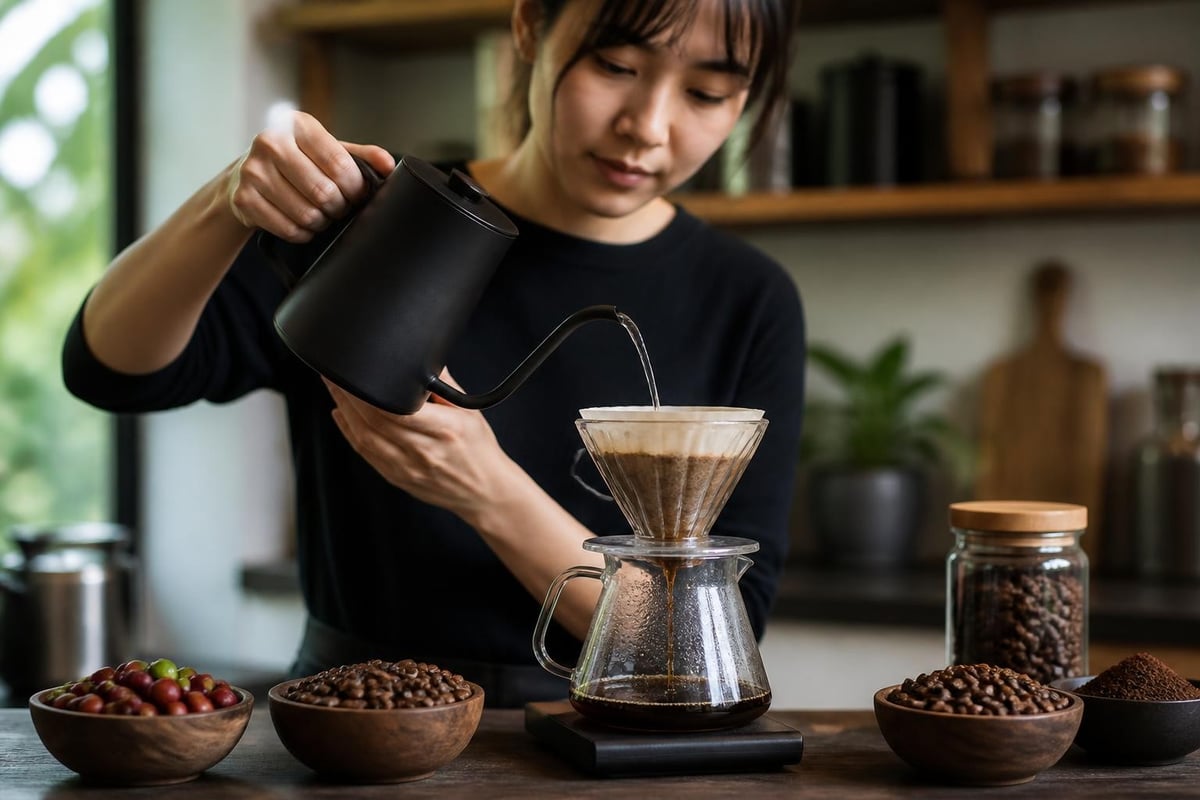
The pour-over method is a quiet ritual, a pause in the day where hot water spirals over freshly ground beans and gravity does the rest. But the magic in your cup doesn't start with the kettle. It begins with the beans. The best coffee beans for pour over are those that reward patience and precision, revealing layers of flavor that other methods might bury. Single-origin varieties from Ethiopia, Kenya, or Central America often shine brightest, their bright acidity and fruit-forward notes coming alive through the clean extraction pour-over offers. Medium-light to medium roasts work particularly well, preserving the delicate aromatics and complex sugars that make each sip feel like a discovery.
Why Bean Selection Transforms Your Pour-Over Experience
Pour-over brewing doesn't hide imperfections. Unlike espresso's pressure or French press's immersion, this method lays everything bare. You taste the bean's origin, the roaster's decisions, even the farm's elevation. That transparency is beautiful when you start with quality beans, but unforgiving when you don't.
The best coffee beans for pour over possess certain qualities. They're freshly roasted, ideally within two to four weeks of your brew date. Fresh beans retain volatile aromatic compounds that stale coffee loses, transforming a simple cup into something memorable. They're also specialty-grade, meaning they've scored 80 points or higher on the Specialty Coffee Association's 100-point scale.
Single-Origin vs. Blends: What Works Best
Single-origin beans tell a story of place. An Ethiopian Yirgacheffe tastes of bergamot and jasmine because of the soil, altitude, and processing traditions unique to that region. A Kenyan AA brings blackcurrant brightness and wine-like acidity. These distinct personalities flourish in pour-over, where you can taste every nuance.
Benefits of single-origin for pour-over:
- Clear, traceable flavor profiles
- Seasonal variety and exploration
- Showcases terroir and processing methods
- Ideal for tasting notes appreciation
Blends, meanwhile, offer consistency and balance. A skilled roaster might combine Central American sweetness with African brightness and Indonesian body, creating a harmonious cup that performs reliably day after day. For mornings when you want comfort over adventure, a well-crafted blend delivers.
Roast Levels That Unlock Pour-Over Potential
Walk into any specialty coffee shop in 2026, and you'll notice the lighter roasts dominating pour-over menus. There's a reason. Light to medium roasts preserve the bean's inherent characteristics while developing enough sweetness and complexity through the Maillard reaction.
| Roast Level | Flavor Profile | Pour-Over Performance |
|---|---|---|
| Light | Bright acidity, floral notes, tea-like body | Excellent for fruit-forward origins |
| Medium-Light | Balanced acidity, clear origin character | Versatile, crowd-pleasing |
| Medium | Rounded sweetness, caramel notes, fuller body | Great for chocolate/nut profiles |
| Medium-Dark | Lower acidity, bittersweet chocolate | Can work but may lack complexity |
| Dark | Roast-forward, smoky, heavy body | Generally overpowers pour-over subtlety |
The best coffee beans for pour over typically fall in the light to medium range because this method excels at extracting soluble compounds without over-extracting bitter ones. Understanding grind size and extraction becomes crucial here. Too fine, and you'll pull harsh tannins. Too coarse, and you'll miss the sweetness hidden in the bean.
Processing Methods Matter
How coffee cherries are processed after harvest dramatically affects what ends up in your cup. Natural or dry-processed coffees, where the cherry dries around the bean, often taste fruity and wine-like with heavier body. Washed or wet-processed coffees deliver cleaner, brighter cups with pronounced acidity.
Then there's honey processing, a middle path where some fruit mucilage remains during drying. These coffees balance fruit sweetness with clarity, making them particularly compelling for pour-over enthusiasts seeking something between the extremes.
Regional Origins That Shine in Pour-Over
Geography shapes flavor. The volcanic soils of Central America produce different beans than the high plateaus of East Africa or the misty mountains of Colombia. Understanding these regional characteristics helps you find the best coffee beans for pour over that match your palate.
East Africa brings brightness and complexity. Ethiopian coffees offer floral, bergamot, and stone fruit notes. Kenyan beans deliver juicy acidity reminiscent of blackcurrant and grapefruit. These origins practically beg for the clean extraction pour-over provides.
Central America offers balance and approachability. Costa Rican, Guatemalan, and Honduran coffees typically present chocolate, nut, and citrus notes with moderate acidity. They're forgiving in the cup and delicious for those who prefer sweetness over sharpness.
South America, particularly Colombia and certain Brazilian regions, provides nutty, caramel-forward profiles with medium body. While not always as complex as African coffees, they bring comforting, reliable flavors perfect for daily drinking.
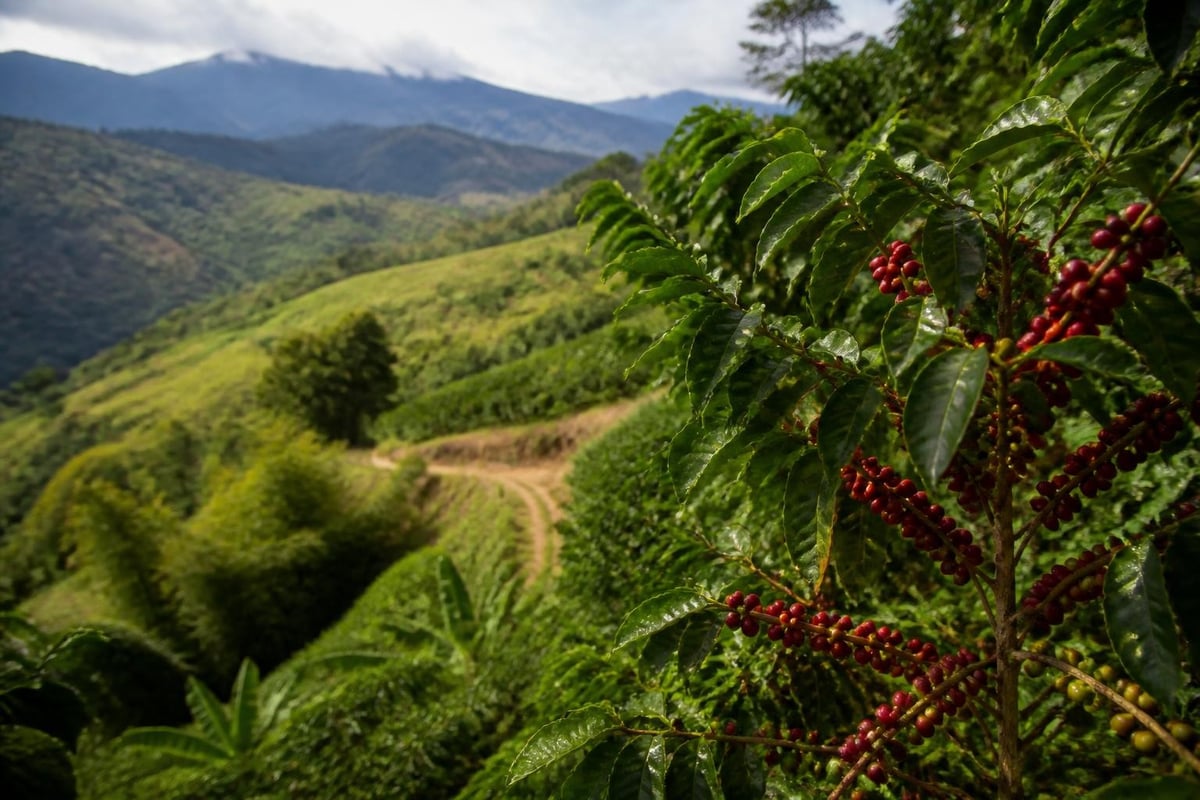
Asia and Pacific regions like Sumatra or Papua New Guinea tend toward earthy, herbal, and full-bodied characteristics. These can work beautifully in pour-over when you want something grounding rather than bright, though they're less common in specialty pour-over circles.
Freshness: The Non-Negotiable Factor
Even the finest beans from the most celebrated farm lose their magic when stale. Coffee is an agricultural product, and like any fruit, it has a peak window. After roasting, beans degas carbon dioxide for several days, then gradually lose aromatic compounds as they oxidize.
The sweet spot for pour-over is typically seven to thirty days post-roast. Too fresh, and trapped CO2 can create uneven extraction. Too old, and you're brewing with ghosts of flavors past. Proper equipment matters for the brewing process, but even the best device can't resurrect stale beans.
When you're exploring the ritual of pour-over brewing, starting with fresh, nitrogen-flushed coffee ensures every element of your morning pause delivers on its promise. Specialty sachets preserve freshness by sealing ground coffee immediately after grinding, protecting those volatile aromatics until the moment you're ready to brew.
Grinding: The Final Step Before Brewing
Whole beans stay fresh longer, but pour-over demands the right grind size. Think medium-coarse, like raw sugar or coarse sand. This allows water to flow through at the right pace, extracting sweetness and complexity while leaving bitterness behind.
Pre-ground coffee loses freshness within days as surface area exposure accelerates oxidation. Yet grinding beans fresh requires equipment and time. The solution? Find coffee that's ground precisely for pour-over and packaged to maintain freshness, bringing specialty-grade beans into your routine without the gear overhead.
Tasting Notes: What to Look For
The best coffee beans for pour over reveal themselves through sensory experience. When you bring the cup to your nose, what do you smell? Stone fruit and florals suggest East African origins. Chocolate and caramel point to Central America. The aroma should be clear and inviting, not flat or papery.
On the palate, notice:
- Acidity - brightness that makes your mouth water, not sourness
- Sweetness - natural sugars that balance acidity
- Body - the weight and texture on your tongue
- Finish - flavors that linger after you swallow
- Balance - how all elements work together
A truly exceptional pour-over feels complete. Acidity lifts the cup without dominating. Sweetness rounds out sharper notes. Body gives substance without heaviness. And the finish invites another sip rather than leaving harsh aftertaste.
When you find your match, whether it's a bright Kenyan that tastes like summer berries or a balanced Costa Rican with milk chocolate sweetness, you'll know. The ritual becomes personal, a conversation between you and the bean.
Specialty-Grade Standards
Not all coffee earns the specialty designation. Beans must score 80 points or higher, with no more than five full defects per 350-gram sample. They must exhibit distinct attributes in fragrance, flavor, aftertaste, acidity, body, and balance. This rigorous evaluation ensures consistency and quality.
For pour-over drinkers, specialty-grade matters because this method magnifies everything. Any defect, any inconsistency in roasting, any staleness shows up in the cup. When you invest time in the ritual of perfect pour-over technique, you deserve beans that reward that attention.
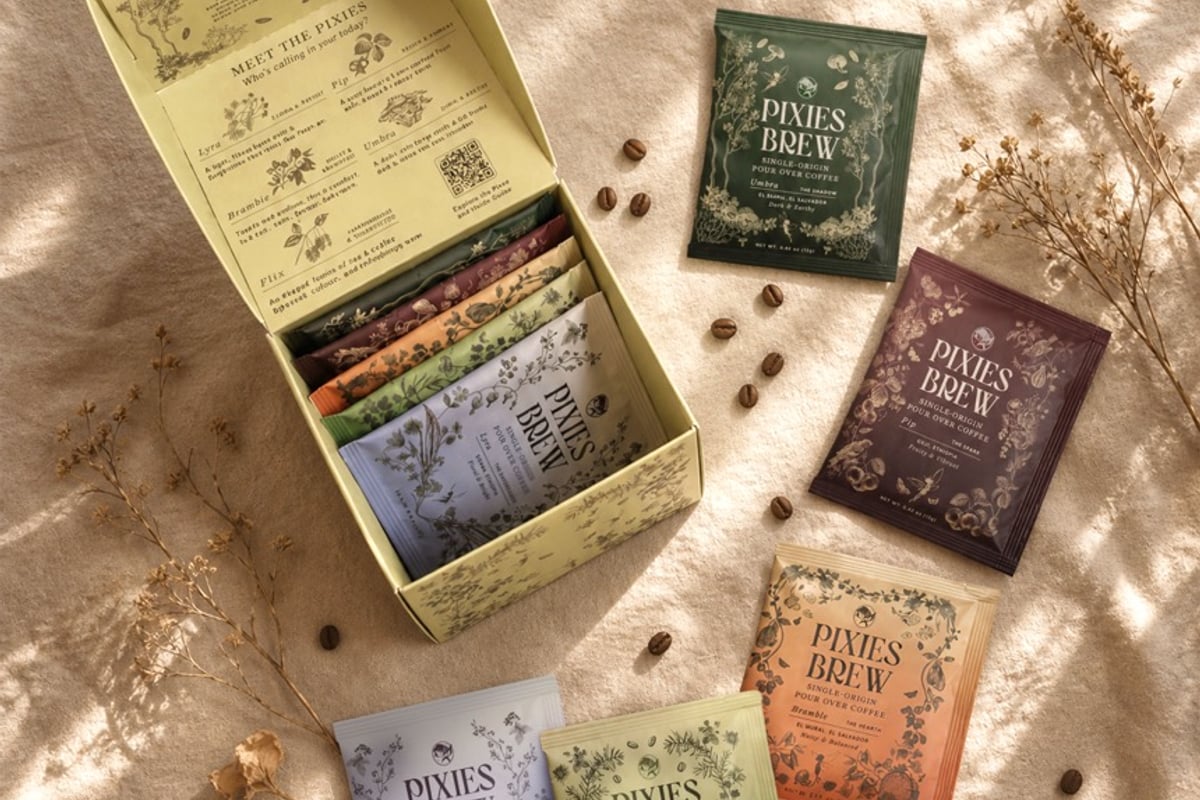
If you're looking to explore specialty-grade options across multiple flavor profiles, the Pixies Brew Discovery Set brings together five distinct blends, each crafted to reveal different facets of the pour-over experience. From bright and fruit-forward to rich and comforting, specialty coffee ground fresh and nitrogen-flushed stays vibrant until you're ready to brew.
Matching Beans to Your Morning Mood
Pour-over isn't just about technique. It's about intention. Some mornings call for brightness, a coffee that wakes up your palate along with your mind. Other days need grounding, something rich and comforting that feels like a hug in a mug.
For energizing mornings:
- Ethiopian Yirgacheffe with its jasmine and bergamot notes
- Kenyan AA for juicy, wine-like brightness
- Any light-roasted natural process with fruit-forward character
For contemplative moments:
- Colombian coffees with caramel and nut sweetness
- Honey-processed beans that balance fruit and clarity
- Medium roasts that offer complexity without intensity
For cozy afternoons:
- Guatemalan beans with chocolate undertones
- Brazilian coffees with nutty, low-acid profiles
- Balanced blends designed for all-day drinking
The beauty of pour-over lies in its versatility. The same method adapts to different beans, different moods, different moments. Understanding what you're tasting helps you curate experiences rather than just consume caffeine.
Common Questions About Pour-Over Beans
What makes coffee beans ideal for pour-over specifically?
The best coffee beans for pour over have complex flavor profiles that benefit from clean extraction. Look for specialty-grade beans with distinct acidity, clear sweetness, and interesting aromatics that won't get buried by the brewing method.
Should I buy whole bean or pre-ground?
Whole beans stay fresh longer, but they require a grinder. Pre-ground coffee is convenient but loses freshness quickly unless packaged in a way that protects against oxidation. Nitrogen-flushed sachets offer a middle ground, delivering fresh-ground convenience.
How long do coffee beans stay fresh for pour-over?
Peak flavor occurs between one and four weeks post-roast. Store beans in an airtight container away from light, heat, and moisture. Buy in quantities you'll use within this window rather than stockpiling.
Do expensive beans always taste better in pour-over?
Not necessarily. Price reflects factors like rarity, processing labor, and origin prestige. A well-roasted, properly stored Colombian coffee at moderate price can outperform a pricey but stale exotic variety. Freshness and roast quality matter more than cost alone.
Can I use dark roast beans for pour-over?
You can, but you'll miss what makes pour-over special. Dark roasts taste primarily of the roasting process rather than the bean's origin. If you prefer bold, roast-forward flavors, French press or espresso might suit you better.
Building Your Pour-Over Ritual
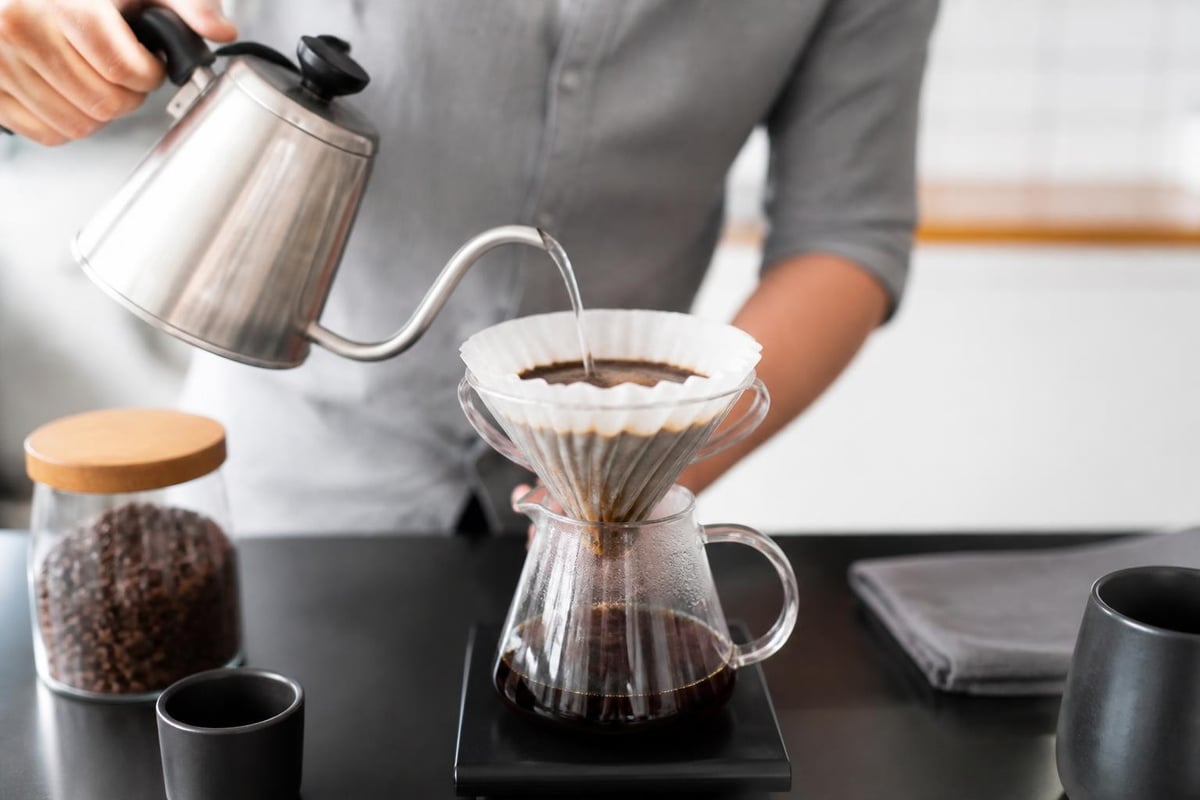
The best coffee beans for pour over become even better when you treat brewing as ritual rather than routine. Heat your water to around 200°F. Rinse your filter. Let your grounds bloom for thirty seconds. Pour in slow, concentric circles. Watch the coffee bed rise and fall.
These steps aren't fussy. They're meditative. They create a pause in your morning, a moment where you're fully present with the simple act of making something beautiful. The beans you choose set the stage for that experience.
Whether you're drawn to the bright complexity of East African origins, the balanced sweetness of Central American varieties, or the comforting familiarity of well-crafted blends, pour-over rewards quality and freshness above all else. Each cup becomes a small celebration of craft, from the farmer who grew the cherry to the roaster who developed its potential to you, standing in your kitchen, pouring hot water over grounds and watching magic happen.
The ritual invites you to slow down, to notice, to savor. And when you start with exceptional beans at their freshest, every element of that ritual delivers on its promise. The aroma rising from the bloom, the first sip's bright acidity, the lingering sweetness in the finish-these aren't accidents. They're the result of choosing well and brewing with intention.
Your pour-over practice deserves beans that match your commitment to the craft. Whether you're exploring different single-serve options or diving deep into specialty origins, understanding what makes coffee excel in this method transforms every cup from simple caffeine delivery into genuine experience.
The Grove, where slow mornings stretch and steam rises in morning light, knows this truth. Coffee isn't just fuel. It's connection-to yourself, to the present moment, to the careful hands that brought these beans from soil to cup. Pour-over simply makes that connection impossible to ignore.
The best coffee beans for pour over are those that match your palate while meeting the standards of freshness, quality, and processing that this method demands. Understanding origin characteristics, roast levels, and brewing variables helps you make choices that transform your daily ritual into something genuinely special. Whether you're seeking bright fruit-forward coffees or balanced comfort blends, Pixies Brew offers specialty-grade options crafted to bring magic into your morning pause, one perfectly brewed cup at a time.
