


Specialty Coffee Roasters: Craft, Culture & Quality
The world of specialty coffee roasters exists at the intersection of science, art, and devotion. These craftspeople transform raw green beans into the morning rituals that ground us, the afternoon pauses that restore us, and the flavors that transport us across continents without leaving our favorite chair. Unlike commodity coffee production, specialty roasting demands precision at every turn, an intimate understanding of origin characteristics, and the patience to develop each bean's hidden potential.
The Craft Behind Specialty Coffee Roasters
Specialty coffee roasters operate with a fundamental philosophy: honor the bean. Each coffee cherry arrives at the roastery carrying the story of its terroir, the altitude where it grew, the hands that picked it, and the processing method that shaped its initial character. The roaster's task is to reveal these qualities rather than bury them under dark, charred uniformity.
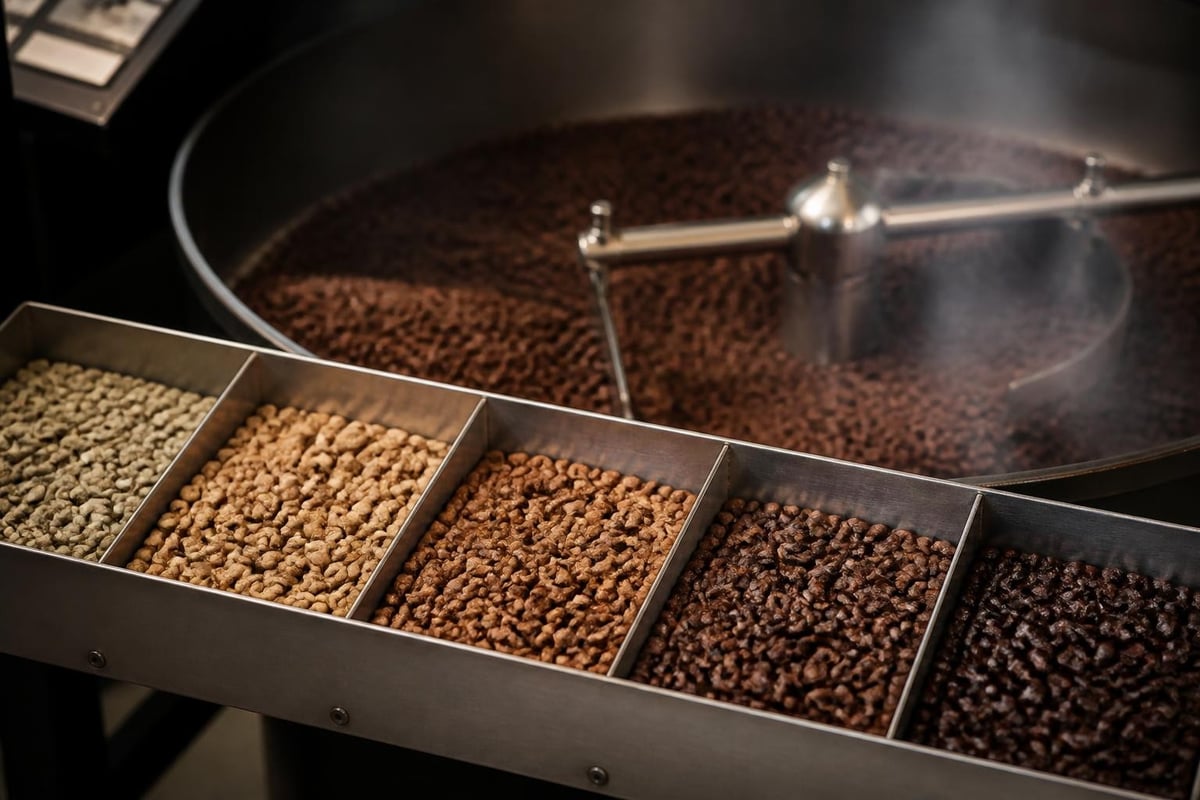
The roasting process itself is a delicate dance between heat application, airflow management, and time. Green beans enter the roaster dense and grassy. As temperatures climb, they undergo first crack, a popping sound that signals the beginning of flavor development. Some roasters stop here, preserving bright acidity and floral notes. Others push toward second crack, deepening body and developing chocolate or caramel tones.
Temperature Control and Flavor Development
Modern specialty coffee roasters use sophisticated equipment to track bean temperature, environmental temperature, and rate of rise. Small adjustments, sometimes just five degrees, can mean the difference between a cup that sings with berry notes and one that tastes flat. This precision separates specialty roasters from larger commercial operations focused solely on consistency and volume.
The specialty coffee roasting process involves multiple decision points where roasters apply their expertise. They might extend the drying phase to preserve acidity, or accelerate through the Maillard reaction to enhance sweetness. These choices reflect both technical knowledge and creative vision.
Why Specialty Coffee Roasters Matter in 2026
The specialty coffee industry has faced significant headwinds recently. Record-high green coffee prices and shifting consumer behaviors have challenged roasters to maintain quality while managing costs. Yet demand remains strong, with 47% of American adults consuming specialty coffee daily, according to recent data.
This resilience stems from what specialty coffee roasters offer that commodity producers cannot: transparency, traceability, and taste. When you buy from a specialty roaster, you're not purchasing anonymous beans from a warehouse. You're getting coffee from specific farms, often with direct trade relationships, roasted in small batches to preserve freshness.
The Economic Reality
Managing a specialty roasting business in 2026 requires navigating volatile supply chains. Roasters must adapt to fluctuating prices while maintaining relationships with producers and keeping retail prices accessible. Some achieve this through:
- Building long-term contracts with farms
- Diversifying origin sources
- Offering subscription models for steady revenue
- Creating value-added products beyond whole beans
Small-batch specialty coffee roasters particularly excel at agility. When one origin becomes prohibitively expensive, they can pivot to showcase different regions without disrupting their core quality standards.
Different Approaches to Specialty Roasting
Not all specialty coffee roasters follow the same path. Their philosophies and methods create distinct experiences for coffee drinkers.
| Roasting Style | Characteristics | Flavor Profile | Best For |
|---|---|---|---|
| Light Roast | Shorter development, high acidity | Floral, fruity, tea-like | Pour-over, filter coffee |
| Medium Roast | Balanced development | Sweet, rounded, versatile | Most brewing methods |
| Dark Roast | Extended roasting, lower acidity | Bold, chocolate, caramel | Espresso, milk drinks |
| Omni Roast | Designed for all methods | Complex, adaptable | Versatile home brewing |
Some roasters champion single-origin coffees, presenting each bean as a solo performance. Others blend coffees strategically, creating consistent flavor profiles that work across seasons. Neither approach is superior; they simply serve different purposes and preferences.
The Art of Blending
Creating a signature blend requires both sensory skill and strategic thinking. A roaster might combine a bright Ethiopian coffee with a full-bodied Brazilian and a sweet Colombian, each roasted to different degrees, then blended to achieve balance impossible from any single origin.
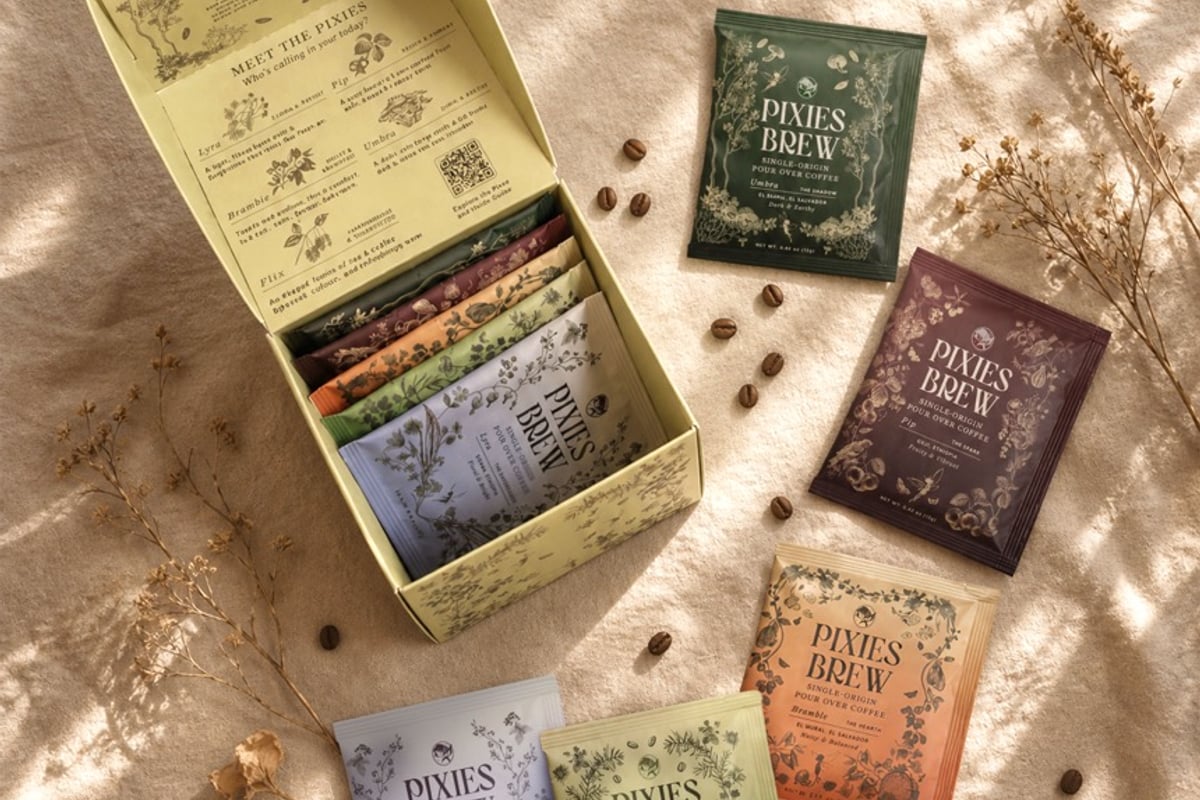
For businesses like Pixies Brew, the goal extends beyond taste alone. Each carefully roasted blend carries an identity, a moment it's meant to create. The beans behind Lyra's floral brightness or Umbra's rich depth begin with roasters who understand how to coax specific characteristics from green coffee.
From Roastery to Your Cup
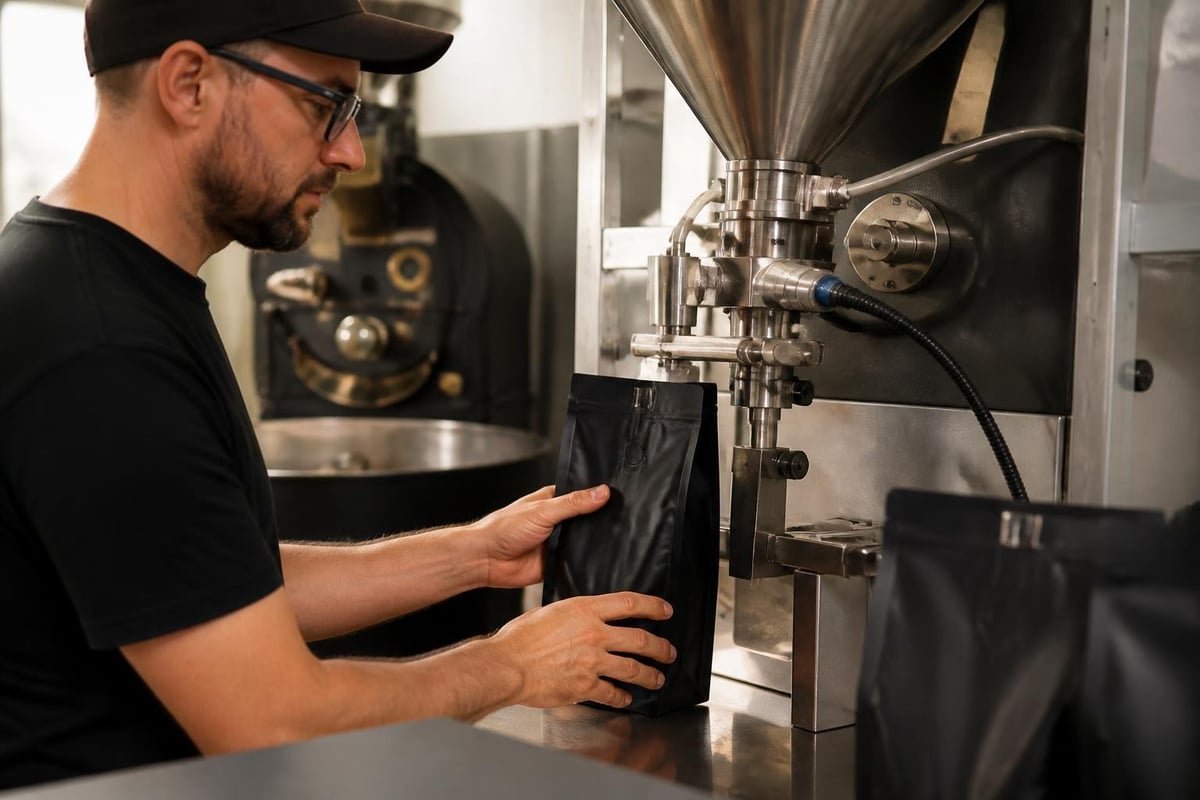
The journey of specialty coffee doesn't end when beans tumble from the roaster. Proper packaging, storage, and delivery protect the roaster's work from its greatest enemy: time. Coffee begins to stale immediately after roasting as aromatic compounds oxidize and degrade.
Specialty coffee roasters address this through:
- One-way degassing valves that release CO2 while preventing oxygen entry
- Nitrogen flushing to displace oxygen before sealing
- Small-batch roasting to ensure freshness
- Clear roast date labeling for transparency
The best roasters recommend consuming coffee within two to four weeks of roasting for peak flavor. Some ship orders the same day they roast, ensuring beans arrive at their aromatic zenith.
Innovation in Accessibility
Traditional specialty coffee required grinders, scales, precise water temperatures, and timing. But innovation in recent years has made exceptional coffee more accessible. Single-serve pour-over formats deliver specialty-grade coffee without the equipment barrier, bringing roaster quality to travel days, office mornings, and moments when simplicity matters.
The Pixies Brew Discovery Set exemplifies this evolution, offering nitrogen-flushed specialty coffee in convenient sachets that preserve the roaster's craft while removing brewing complexity. Each packet contains beans selected and roasted with the same care as any specialty roastery's flagship offering.
What Defines a True Specialty Coffee Roaster
The Specialty Coffee Association sets specific standards, but being a specialty coffee roaster involves more than meeting technical benchmarks. It's a commitment to the entire value chain.
True specialty coffee roasters:
- Source green coffee scoring 80 points or above on the SCA scale
- Maintain direct relationships with producers when possible
- Pay prices that support sustainable farming
- Invest in education and training for their team
- Share origin stories and processing details with customers
- Roast in small batches for quality control
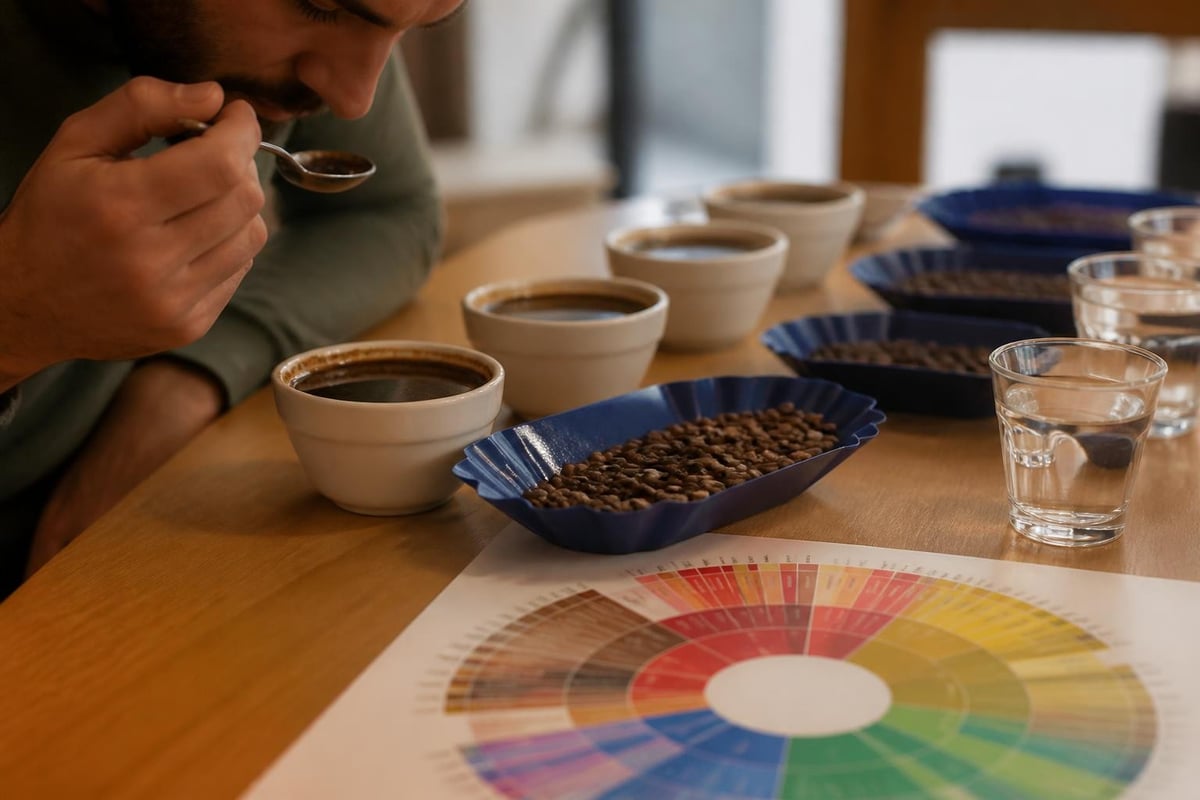
- Continuously cup and adjust roast profiles
This dedication costs more in time, money, and effort than conventional roasting. It's why specialty coffee carries higher price points, though retail pricing trends show consumers increasingly value this transparency.
The Sensory Experience
When a specialty roaster succeeds, the result engages all five senses. You hear the beans rattle into your grinder. You smell the aromatics blooming as hot water touches grounds. You see the coffee's color, from pale honey to deep amber. You feel the cup's warmth in your palms. And you taste the culmination of countless decisions, from farm to roastery to brew.
This multi-sensory ritual transforms coffee from fuel into experience. It's why people seek out unique coffee experiences for themselves and others, recognizing that a beautifully roasted coffee offers more than caffeine.
The Global Specialty Coffee Culture
Specialty coffee roasters are reshaping coffee culture worldwide. In France, neo-cafés are booming, emphasizing specialty brews and innovative experiences. The American market sees increasing competition as consumers discover alternatives to commodity coffee chains.
This shift reflects changing values. Younger consumers particularly seek products with clear provenance, ethical production, and distinctive character. Specialty coffee roasters deliver all three.
Community and Education
Many specialty roasters view their work as educational. They host cuppings, teach brewing classes, and share the science behind their craft. This transparency builds community while elevating coffee literacy.
Some roasters publish detailed tasting notes: "jasmine, white peach, brown sugar." Others describe the mouthfeel: "silky body, crisp finish, lingering sweetness." These descriptions help customers understand what they're tasting and discover personal preferences.
Choosing Coffee from Specialty Roasters
With hundreds of specialty coffee roasters operating across the country, selection can overwhelm. Consider these factors when exploring:
- Roast date: Freshness matters enormously
- Origin information: Detailed sourcing shows care
- Roast level: Match to your brewing method and taste preference
- Processing method: Washed, natural, and honey processes create distinct flavors
- Roaster philosophy: Some prioritize experimentation, others consistency
Many roasters offer sampler packs or subscriptions, allowing you to explore their range. When shopping for travel coffee or everyday brewing, matching the format to your lifestyle ensures you'll actually enjoy the quality you're paying for.
Reading Between the Roast Levels
While roast level matters, it's not the only factor. Two roasters might produce "medium roast" coffees that taste entirely different based on bean selection, roast profile development, and cooling methods. Trust your palate over labels, and don't hesitate to try styles outside your comfort zone.
Frequently Asked Questions
What makes a coffee roaster "specialty" versus regular?
Specialty coffee roasters source beans scoring 80+ points on quality scales, roast in small batches, and prioritize flavor development over uniformity. They typically maintain direct relationships with producers and provide detailed origin information.
How long does coffee stay fresh after roasting?
Peak flavor occurs between 5-21 days post-roast for most brewing methods. Properly stored coffee remains enjoyable for 2-4 weeks, though some characteristics fade. Specialty roasters date their bags for transparency.
Does darker roast mean stronger coffee?
No. Roast level affects flavor profile, not caffeine content. Darker roasts taste bolder due to caramelization but actually contain slightly less caffeine than lighter roasts due to longer exposure to heat.
Why does specialty coffee cost more?
Specialty coffee roasters pay premium prices for quality beans, maintain sustainable relationships with farmers, roast in small batches, and invest heavily in quality control. The pricing reflects true cost of production plus fair compensation throughout the supply chain.
Can I make specialty coffee at home easily?
Yes. While some methods require equipment, innovations like pour-over sachets make specialty-grade coffee accessible with just hot water and a cup. The key is using freshly roasted, properly stored beans from reputable roasters.
The Future of Specialty Coffee Roasting
As specialty coffee roasters navigate 2026's challenges, innovation continues. Some experiment with fermentation-controlled processing. Others explore climate-resilient varietals. Technology advances, from AI-assisted roast profiling to robotic baristas that could extend specialty coffee's reach.
Yet the core remains unchanged: dedication to quality, respect for producers, and the belief that coffee can be remarkable. These roasters understand that each cup holds potential for a small moment of beauty, a pause in the rush, a sensory reminder that simple pleasures deserve attention.
| Trend | Impact on Specialty Roasters | Consumer Benefit |
|---|---|---|
| Direct trade relationships | Higher costs, better quality control | Transparency, ethical sourcing |
| Nitrogen packaging | Investment in equipment | Extended freshness |
| Experimental processing | Risk and innovation | Unique flavor experiences |
| Single-serve specialty | Product development | Accessibility without compromise |
The specialty coffee roasters who thrive balance tradition with innovation, maintaining craft standards while embracing formats that meet modern life where it happens: in motion, at work, during moments of intentional pause.
Supporting Specialty Coffee Culture
Every purchase from specialty coffee roasters reinforces a different model of production. Your choice supports farmers receiving fair prices, roasters perfecting their craft, and a supply chain built on relationships rather than extraction.
This matters beyond taste. When specialty roasters pay premium prices, farming families can invest in education, infrastructure, and sustainable practices. When they share knowledge freely, coffee literacy rises. When they innovate in accessibility, more people experience what coffee can be.
The specialty coffee movement, at its best, demonstrates that quality and ethics need not oppose convenience. That slow craft and modern life can coexist. That a simple cup, prepared with care from beans roasted with expertise, offers something commodity coffee never will: connection to the hands that grew it, the skill that developed it, and the moment it creates.
Specialty coffee roasters have transformed coffee from commodity to craft, bringing transparency, quality, and intention to every batch they produce. Their dedication elevates daily rituals into sensory experiences worth savoring. If you're seeking that same care in a format that fits your life, Pixies Brew brings specialty-grade coffee to your cup through nitrogen-flushed pour-over sachets, each one crafted to deliver a moment of magic without the complexity. Discover which brew speaks to you.
