


Best Way to Store Ground Coffee: A Complete Guide
The morning ritual begins before your first sip. It starts the moment you bring coffee home, when you decide where to tuck those precious grounds away. The best way to store ground coffee is in an airtight container kept in a cool, dark place away from heat, moisture, and light. This simple act of protection determines whether your next cup bursts with origin-specific notes or falls flat with stale, cardboard flavors.
I learned this lesson the hard way years ago, leaving a bag of Ethiopian coffee on my sunny kitchen counter. Within days, those delicate jasmine notes I'd fallen in love with had vanished, replaced by a hollow bitterness. That expensive bag taught me what coffee experts have known for generations: ground coffee is fragile, and how we care for it between brew sessions matters enormously.
Why Ground Coffee Loses Freshness So Quickly
Ground coffee faces a race against time from the moment it's milled. Those tiny particles expose exponentially more surface area to oxygen than whole beans ever would. Picture a forest of coffee grounds, each one breathing out aromatic compounds that give coffee its soul.
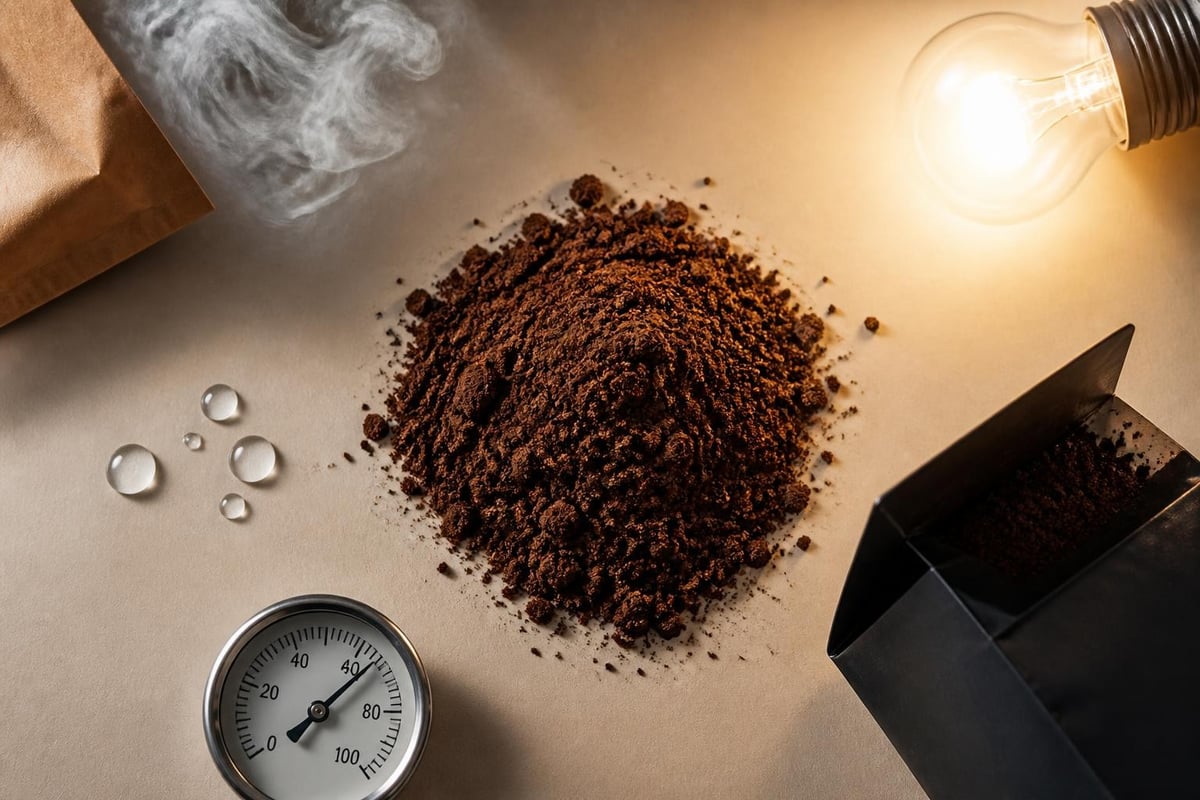
The enemies arrive from four directions. Oxygen triggers oxidation, breaking down delicate oils and volatile aromatics. Moisture seeps in, creating staleness and potentially mold. Heat accelerates chemical degradation, pushing fresh coffee toward flat territory. Light, especially ultraviolet rays, attacks the molecular structure of coffee compounds.
The Chemistry Behind Coffee Degradation
Within 15 minutes of grinding, coffee begins losing its aromatic complexity. Research on coffee freshness shows that ground coffee maintains peak flavor for only about two weeks after opening, even with careful storage.
The volatile compounds that create coffee's signature aromatics are incredibly delicate. When we grind beans, we shatter the protective structure that kept these compounds locked inside. Carbon dioxide, which develops during roasting and helps protect against oxidation, escapes rapidly from ground coffee.
Key degradation factors include:
- Oxidation rate: Increases by 300% compared to whole beans
- CO2 loss: Complete within 24 hours of grinding
- Aromatic compound volatility: 60% reduction in seven days
- Moisture absorption: Ground coffee can absorb up to 20% of its weight in water from humid air
Essential Storage Containers for Ground Coffee
The container you choose becomes your coffee's first line of defense. Not all vessels offer equal protection, and understanding the differences helps you make decisions that preserve what matters most.
Airtight Canisters with CO2 Valves
Premium coffee storage canisters feature one-way valves that allow residual carbon dioxide to escape while blocking oxygen entry. These containers typically use silicone seals and dark, opaque materials to provide comprehensive protection.
I keep my go-to grounds in a ceramic canister with a bamboo lid and rubber gasket. It sits in my pantry, never seeing direct light, maintaining consistent coolness even during summer months.
| Container Type | Oxygen Protection | Light Blocking | Moisture Barrier | Average Cost |
|---|---|---|---|---|
| Valve Canister | Excellent | Excellent | Excellent | $25-45 |
| Glass Jar (tinted) | Good | Good | Moderate | $15-30 |
| Ceramic Crock | Excellent | Excellent | Good | $20-40 |
| Stainless Steel | Excellent | Excellent | Excellent | $18-35 |
| Plastic Container | Moderate | Moderate | Good | $8-20 |
Original Packaging Considerations
Many specialty roasters, including those crafting specialty coffee experiences, package their grounds in bags with built-in freshness features. These often include foil lining, zip-lock seals, and degassing valves.
The key question: does the bag reseal completely? If you can fold the top and clip it securely, leaving minimal air inside, the original packaging might suffice for short-term storage. For anything beyond a week, transfer to a dedicated container offers better protection.
Optimal Storage Location Selection
Location matters as much as container choice. The best way to store ground coffee involves finding the sweet spot in your home where temperature stays stable, light never reaches, and humidity remains low.
Pantry vs. Counter Storage
Your kitchen counter, despite its convenience, often represents the worst possible location. Morning sunlight streams through windows. The coffee maker generates heat. Even ambient kitchen warmth from cooking elevates temperature beyond coffee's comfort zone.
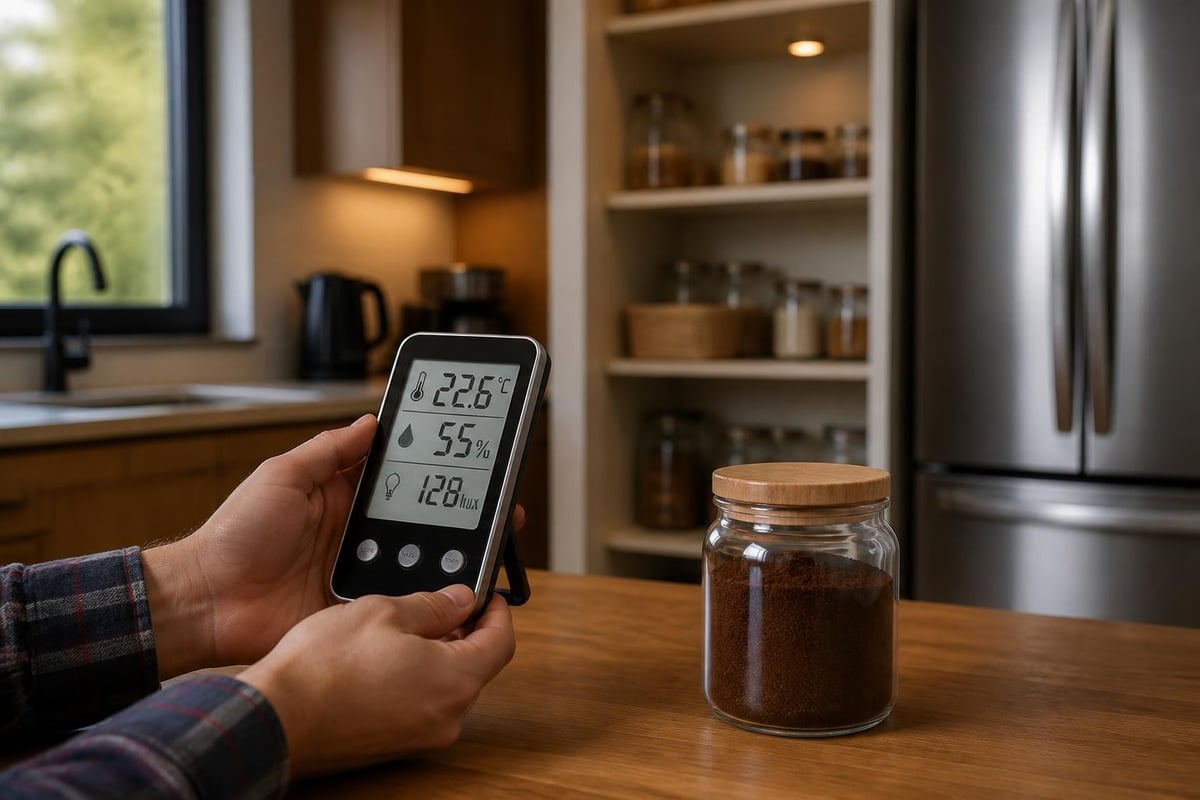
A deep pantry shelf or cabinet away from the stove provides ideal conditions. I designate the top shelf of my pantry, farthest from the door, as coffee territory. Here, temperature fluctuates minimally, darkness reigns constant, and the morning rush doesn't expose grounds to repeated temperature swings.
Ideal storage location characteristics:
- Temperature between 50-70°F
- Relative humidity below 60%
- Complete darkness or minimal light exposure
- Distance from heat-generating appliances
- Stability without frequent temperature changes
The Refrigerator Debate
Many coffee enthusiasts wonder whether refrigeration extends ground coffee freshness. Expert storage guidance typically advises against refrigerator storage for several compelling reasons.
Refrigerators harbor moisture and odors. Coffee grounds act like aromatic sponges, readily absorbing surrounding smells. That leftover curry or garlic bread scent? It can migrate into your coffee, creating unpleasant flavor crossover.
Temperature fluctuation poses another problem. Each time you remove coffee from the fridge, condensation forms as the cold grounds meet warmer air. This moisture accelerates staleness and can introduce unwanted water content that dilutes flavor extraction during brewing.
Freezer Storage: When and How It Works
Freezer storage represents a special case worth exploring separately. While general refrigerator storage creates problems, freezing offers legitimate preservation benefits when executed properly.
The best way to store ground coffee in the freezer involves portioning and complete protection from moisture. Divide your coffee into single-use amounts, seal each portion in airtight bags with minimal air, then place these inside a larger freezer container.
Proper Freezing Protocol
When you decide to freeze coffee, commit fully. Partial freezing followed by thawing and refreezing accelerates degradation through repeated condensation cycles. The process should look like this:
Freezer storage steps:
- Divide grounds into weekly portions
- Use vacuum-sealed bags or heavy-duty freezer bags
- Remove all possible air before sealing
- Label with date and roast origin
- Store in back of freezer where temperature stays most stable
- Remove one portion at a time
- Allow sealed bag to reach room temperature before opening (30-45 minutes)
- Never refreeze previously frozen coffee
I freeze coffee rarely, only when I've purchased more than I can consume within two weeks. For daily drinking, room-temperature pantry storage in quality containers beats freezing every time.
Buying and Grinding Strategies for Maximum Freshness
The absolute best way to store ground coffee involves rethinking when and how much you grind. Many coffee lovers discover that adjusting purchasing habits creates more impact than any storage container ever could.
Small-Batch Purchasing
Instead of buying a month's supply, consider purchasing coffee in smaller quantities that you'll consume within one or two weeks. This approach keeps you perpetually drinking coffee near its peak rather than watching it fade over time.
Specialty roasters often offer multiple size options. The larger bag might offer better per-ounce value, but if half that coffee loses its vibrancy before you drink it, you're actually wasting money on degraded experiences.
The Grinding Timing Question
Whole bean coffee maintains freshness exponentially longer than ground coffee. Common coffee mistakes often include grinding too much at once or buying pre-ground when whole beans are available.
If you have access to a grinder, grinding immediately before brewing transforms your coffee experience. Those aromatics that escape quickly from ground coffee? They go straight into your cup instead of dissipating into storage container air.
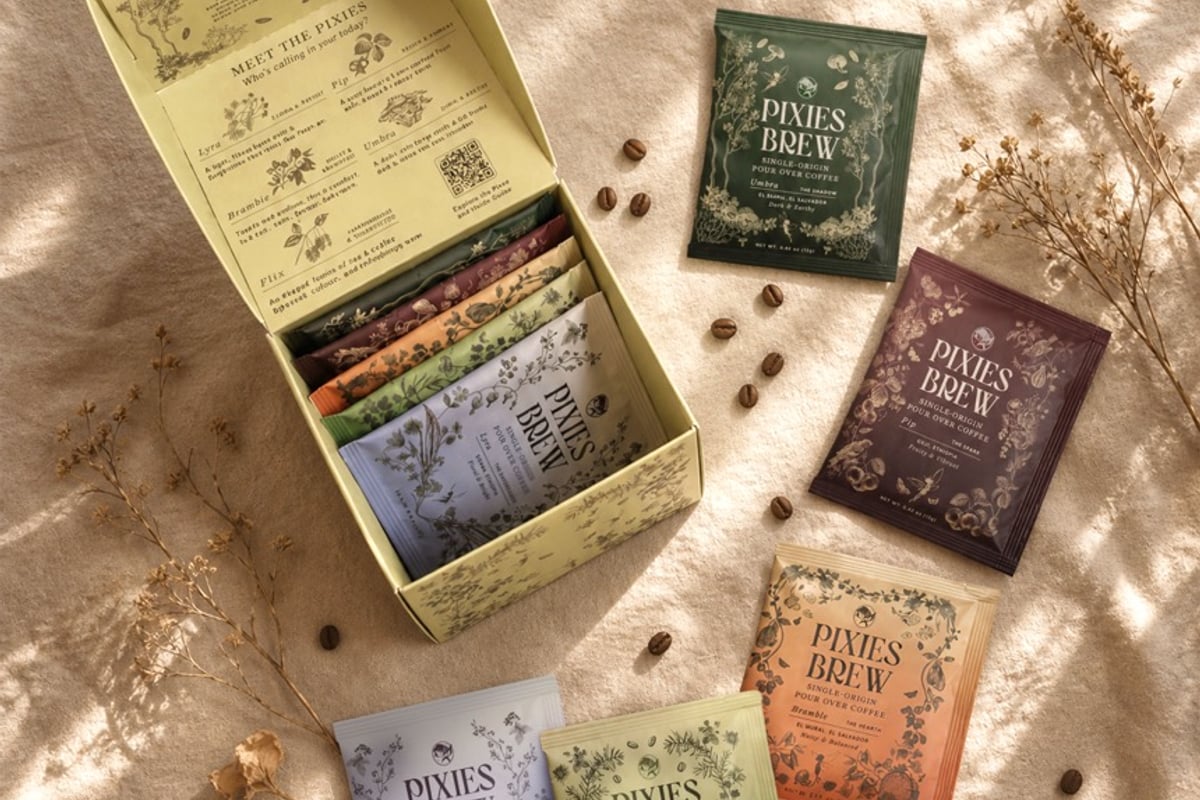
For many people, though, grinding before each brew isn't practical. Morning routines demand speed. Travel requires convenience. This is where thoughtfully designed solutions like nitrogen-flushed, single-serve sachets solve the freshness equation differently, delivering pre-ground coffee that maintains vibrancy through innovative packaging rather than traditional storage.
The Pixies Brew Discovery Set approaches ground coffee freshness by sealing specialty-grade grounds immediately after grinding and flushing each sachet with nitrogen to lock out oxygen. This method keeps coffee fresh without requiring you to manage storage containers or grinding equipment-perfect for travel days, busy mornings, or anywhere you need a moment back to yourself.
Managing Coffee in Different Climates
Climate significantly influences the best way to store ground coffee. A cool, dry Boston apartment requires different strategies than a humid New Orleans kitchen or a hot Arizona home.
Humid Climate Challenges
High humidity accelerates coffee degradation through moisture absorption. In coastal or tropical environments, even sealed containers eventually allow some moisture penetration.
Combat humidity by using desiccant packets alongside your coffee. Food-grade silica gel packets (the kind you find in vitamin bottles) can be placed in the bottom of your storage container, beneath a barrier, to absorb ambient moisture. Replace these monthly during humid seasons.
| Climate Type | Primary Challenge | Storage Solution | Container Priority |
|---|---|---|---|
| Humid Coastal | Moisture absorption | Desiccant packets, frequent replacement | Maximum seal quality |
| Hot/Dry Desert | Heat exposure | Climate-controlled storage | Insulated containers |
| Cold/Dry Continental | Temperature swings | Stable location selection | Standard airtight |
| Tropical | Combined heat and humidity | Refrigeration may be necessary | Vacuum-sealed portions |
Temperature Extremes
In extremely hot climates where kitchen temperatures regularly exceed 80°F, traditional storage advice needs adjustment. Here, refrigeration might become the lesser evil compared to heat exposure, provided you manage moisture carefully and use truly airtight containers.
Recognizing When Coffee Has Gone Stale
Even with perfect storage, ground coffee eventually loses its magic. Learning to identify staleness helps you make informed decisions about when to replace your supply or adjust storage methods.
Sensory Indicators of Degradation
Fresh ground coffee announces itself. Open the container and aromatic compounds rush out, filling the space with origin-specific character. Ethiopian coffees might release floral jasmine notes. Colombian varieties offer chocolate and caramel warmth. These distinct aromatics represent freshness.
Stale coffee smells flat, sometimes taking on cardboard or dusty characteristics. The complexity collapses into a generic "coffee smell" without distinctive notes. When you brew stale grounds, the resulting cup tastes bitter or sour without the balanced sweetness that fresh coffee delivers.
Signs your coffee has degraded:
- Minimal aroma when opening the container
- Flat, one-dimensional smell
- Oily residue on container walls (older than 3 weeks)
- Dull appearance instead of rich color
- Brewed coffee tastes hollow or bitter
- Complete absence of origin-specific flavor notes
The Brew Test
When in doubt, brew a cup and pay attention. Fresh coffee creates a robust bloom when water first contacts the grounds, releasing gases and aromatics. Stale coffee barely blooms, sitting passively as water flows through.
Taste differences become even more obvious. Fresh coffee balanced across sweet, acidic, and bitter notes creates complexity and finish. Stale coffee collapses toward flat bitterness, losing the nuanced flavors that make specialty coffee worth savoring.
Frequently Asked Questions About Coffee Storage
How long does ground coffee stay fresh?
Ground coffee maintains peak freshness for approximately two weeks after opening when stored properly in an airtight container in a cool, dark location. Understanding coffee shelf life helps set realistic expectations. After two weeks, flavor degradation accelerates, though the coffee remains safe to drink for several months.
Should I store different coffee varieties separately?
Absolutely. Different origins and roast levels possess distinct flavor profiles that can cross-contaminate if stored together. Ethiopian floral notes shouldn't mingle with dark-roasted chocolate characteristics. Use dedicated containers for each variety, or embrace pour-over sachets that keep each brew experience separate and protected.
Can I store ground coffee in the bag it came in?
This depends entirely on bag quality. Premium specialty coffee often ships in bags with resealable zip closures, foil lining, and one-way degassing valves. These provide adequate short-term protection. Basic paper bags with fold-over tops offer minimal protection and should be supplemented with additional containers. Proper storage techniques emphasize that any storage solution must be truly airtight.
Does coffee expire or just lose flavor?
Coffee doesn't expire in the safety sense like dairy products. Properly stored ground coffee won't make you sick even months after purchase. However, it loses flavor progressively, eventually tasting so flat that brewing becomes pointless. The question isn't whether old coffee is safe, but whether it's worth drinking.
What's better: buying ground or grinding at home?
Whole beans maintain freshness far longer than ground coffee due to reduced surface area exposure. If you can grind at home immediately before brewing, you'll experience noticeably better flavor. However, convenience matters. Pre-ground coffee stored properly still delivers good results, especially when innovative packaging solutions protect freshness from the moment of grinding.
Advanced Storage Techniques for Enthusiasts
For those who take coffee seriously, advanced storage methods can extend freshness beyond conventional approaches. These techniques require investment and commitment but deliver measurable results.
Vacuum Sealing for Long-Term Storage
Vacuum sealing removes nearly all oxygen from coffee storage, dramatically slowing oxidation. Commercial vacuum sealers designed for food storage work perfectly for coffee. Portion your grounds into week-long amounts, vacuum seal each portion, then store the sealed bags in a cool, dark location.
This method works especially well for bulk purchases of exceptional coffee. When you discover a limited-edition roast you love, buying extra and vacuum sealing in small portions lets you enjoy that coffee for months rather than weeks.
Nitrogen Flushing at Home
Some advanced home coffee enthusiasts experiment with nitrogen flushing, replacing oxygen in storage containers with food-grade nitrogen. This mimics commercial packaging processes used by quality roasters and specialty coffee providers.
The process requires purchasing compressed nitrogen canisters and learning proper flushing techniques. While complex, it represents the pinnacle of home storage methodology, creating near-commercial levels of freshness preservation.
Carbon Dioxide Management
Coffee naturally releases carbon dioxide after roasting, a process called degassing. This CO2 actually helps protect against oxygen exposure. Understanding degassing helps optimize storage timing.
Immediately after roasting, coffee releases significant CO2. Storing coffee during this active degassing period means your container needs a one-way valve, or you'll need to "burp" it daily. After about three days, degassing slows, making standard airtight storage more practical.
Creating Your Personal Storage System
The best way to store ground coffee ultimately depends on your unique situation-how much you consume, where you live, what equipment you own, and how you brew. Building a personalized system ensures consistency and quality.
Assess Your Consumption Pattern
Start by tracking how quickly you go through coffee. If you brew two cups daily, a 12-ounce bag lasts about two weeks-perfect timing for maximum freshness without complex storage needs. Slower consumption requires more sophisticated approaches or smaller purchase quantities.
Match Container to Need
Someone brewing daily from a single variety needs one excellent container. Coffee collectors rotating through multiple origins need a system of smaller containers, each protecting a different coffee. Your container strategy should mirror your drinking habits.
Establish Routine Protocols
The best storage system becomes automatic. I refill my daily-use container from larger storage once weekly, maintaining a rhythm that keeps coffee fresh without constant attention. Finding your rhythm transforms storage from chore into ritual.
Simple storage routine:
- Purchase coffee in quantities you'll consume within two weeks
- Transfer to airtight container immediately upon opening
- Store container in designated cool, dark location
- Monitor aroma when opening; replace if flat or stale
- Clean container between different coffee varieties
- Track purchase dates to maintain freshness awareness
The best way to store ground coffee comes down to protecting those delicate aromatics and oils that make each cup worth savoring-through airtight containers, cool darkness, and mindful purchasing that matches your consumption rhythm. Whether you're grinding at home or seeking convenient solutions, freshness determines whether your coffee delivers the moment of pause it promises. Pixies Brew crafts that moment into every nitrogen-flushed sachet, offering specialty-grade coffee that stays vibrant from the first bloom to the last sip, wherever your ritual takes you.
