


Best Specialty Coffee: A Guide to Ritual & Craft
The best specialty coffee isn't just about scoring points on a cupping form. It's about the story living in each bean-the altitude where it grew, the hands that picked it, the roaster who coaxed out its hidden notes, and the quiet morning moment when you finally slow down enough to taste it all. In 2026, specialty coffee has evolved beyond trendy third-wave shops into a daily ritual practiced in kitchens, offices, and anywhere someone craves more than caffeine-they crave connection.
What Makes Specialty Coffee "Specialty"
According to the Specialty Coffee Association's grading standards, specialty coffee must score 80 points or above on a 100-point scale. But numbers only tell part of the story.
The best specialty coffee begins at origin. These beans grow at high elevations-typically between 3,000 and 6,000 feet-where cooler temperatures slow cherry development and concentrate sugars. The result? Dense, complex beans that reveal layers of flavor when properly roasted.
The Five Pillars of Quality
Understanding specialty coffee means recognizing five essential elements:
- Varietals matter: Heirloom Ethiopian varieties taste nothing like Brazilian Bourbon
- Processing shapes flavor: Natural process creates fruity notes, washed process brings clarity
- Freshness is everything: Coffee peaks 7-21 days post-roast, then slowly fades
- Roast profile unlocks potential: Light roasts preserve origin character, darker roasts develop body
- Brewing method completes the circle: Pour-over, espresso, and immersion each tell different stories
The Coffee Review team has been evaluating these elements since 1997, proving that consistent quality assessment helps consumers navigate an increasingly complex market.
Tracing Origin: Where the Best Beans Grow
Walk into any serious coffee shop in 2026, and you'll find bags labeled with GPS coordinates. This transparency matters because terroir-that French wine concept-applies equally to coffee.
Ethiopia's Sidama and Yirgacheffe regions produce some of the world's most sought-after beans. These coffees taste like blueberry, jasmine, and bergamot-not because anything's added, but because the coffee cherry itself develops these compounds in volcanic soil at 6,000 feet.
Regional Flavor Profiles
| Region | Typical Elevation | Flavor Notes | Processing Style |
|---|---|---|---|
| Ethiopia | 5,000-7,000 ft | Floral, berry, citrus | Natural, washed |
| Colombia | 3,900-6,600 ft | Caramel, nuts, chocolate | Washed |
| Kenya | 4,900-6,800 ft | Black currant, wine-like, bright | Washed, double fermented |
| Guatemala | 4,000-6,500 ft | Cocoa, spice, balanced | Washed |
Central American coffees from El Salvador and Guatemala offer different magic. Growing in volcanic soil rich with minerals, these beans develop rich chocolate notes and balanced acidity that taste like morning should taste-comforting and clear.
The extensive database at CoffeeDB profiles over 200 specialty roasters worldwide, each telling stories through the beans they source and how they roast them.
The Roaster's Role in Crafting Excellence
Green coffee beans smell like grass and taste like nothing. The roaster's job is unlocking potential without destroying it-a balance between art and science that separates good coffee from transcendent coffee.
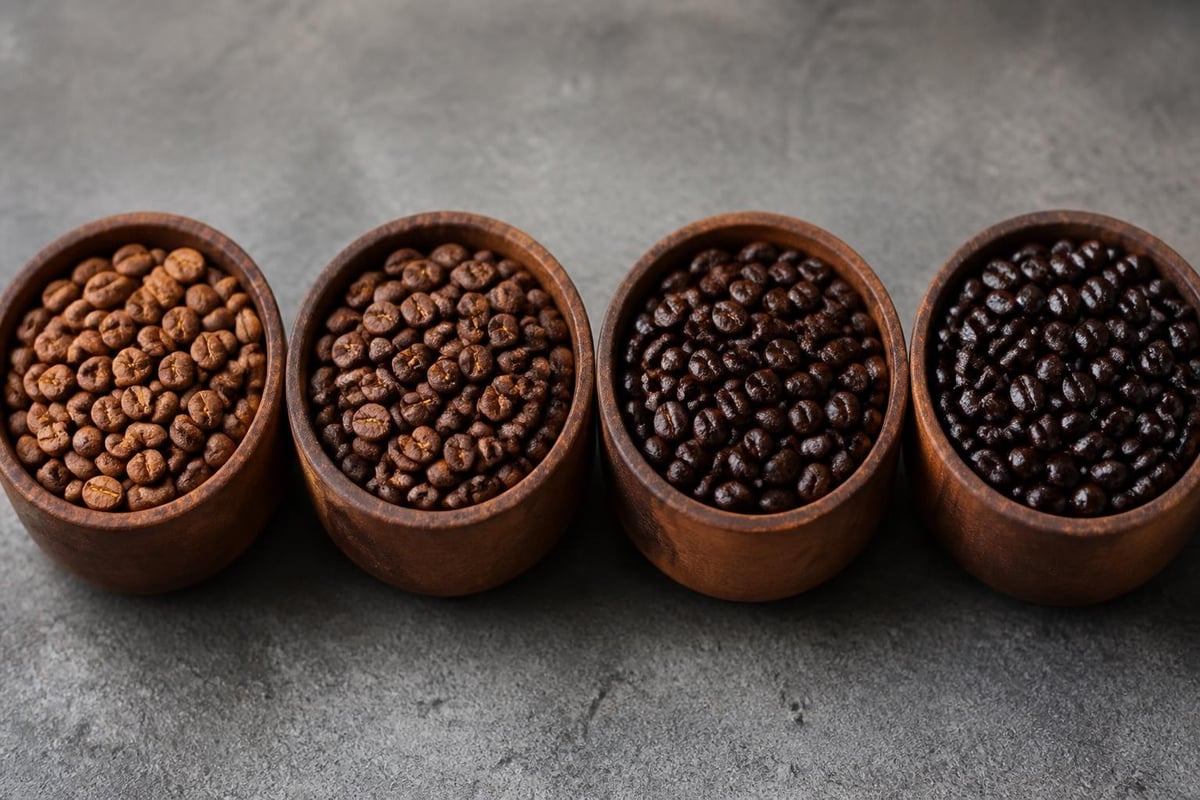
Light roasts preserve origin character. When you taste bright acidity and floral notes, you're experiencing what that specific farm, that harvest, that processing method created. Medium roasts develop sweetness and body while maintaining origin distinctions. Dark roasts emphasize roast character over origin-caramelization and Maillard reactions create chocolate and toasted notes.
The best specialty coffee roasters in 2026 publish roast dates, not "best by" dates. This transparency matters because coffee begins degrading the moment roasting stops. Oxygen, light, and time are the enemies of freshness.
Nitrogen Flushing: Preserving Peak Flavor
Modern specialty roasters use nitrogen flushing to preserve freshness in sealed packaging. By replacing oxygen with nitrogen immediately after roasting, beans maintain their complex flavor profiles for weeks instead of days. This technology has revolutionized how specialty coffee reaches consumers, particularly those seeking convenient specialty coffee online without sacrificing quality.
Brewing Methods That Honor the Bean
You can source the best specialty coffee in the world, roast it perfectly, and ruin everything with poor brewing. Water temperature, grind size, contact time, and ratio all matter.
Pour-over methods like V60 and Chemex create clean, complex cups that highlight subtle notes. The slow, intentional process-water spiraling over grounds, coffee blooming as CO2 escapes-becomes meditation. These methods work beautifully for travelers seeking the best pour over experience without bulky equipment.
The Sacred Ratio
Most specialty coffee thrives at 1:16 ratio-one gram of coffee to sixteen grams of water. But this is a starting point, not gospel:
- Bright, delicate beans: Try 1:17 for clarity
- Full-bodied, chocolatey beans: Use 1:15 for richness
- Medium roasts: 1:16 hits the sweet spot
- Personal preference: Always trumps rules
French press creates full-bodied cups with more oils and sediment. Espresso concentrates everything into 25-30 seconds of intensity. Each method reveals different aspects of the same bean-like reading a poem aloud versus silently.
The Sensory Experience: Tasting Like a Pro
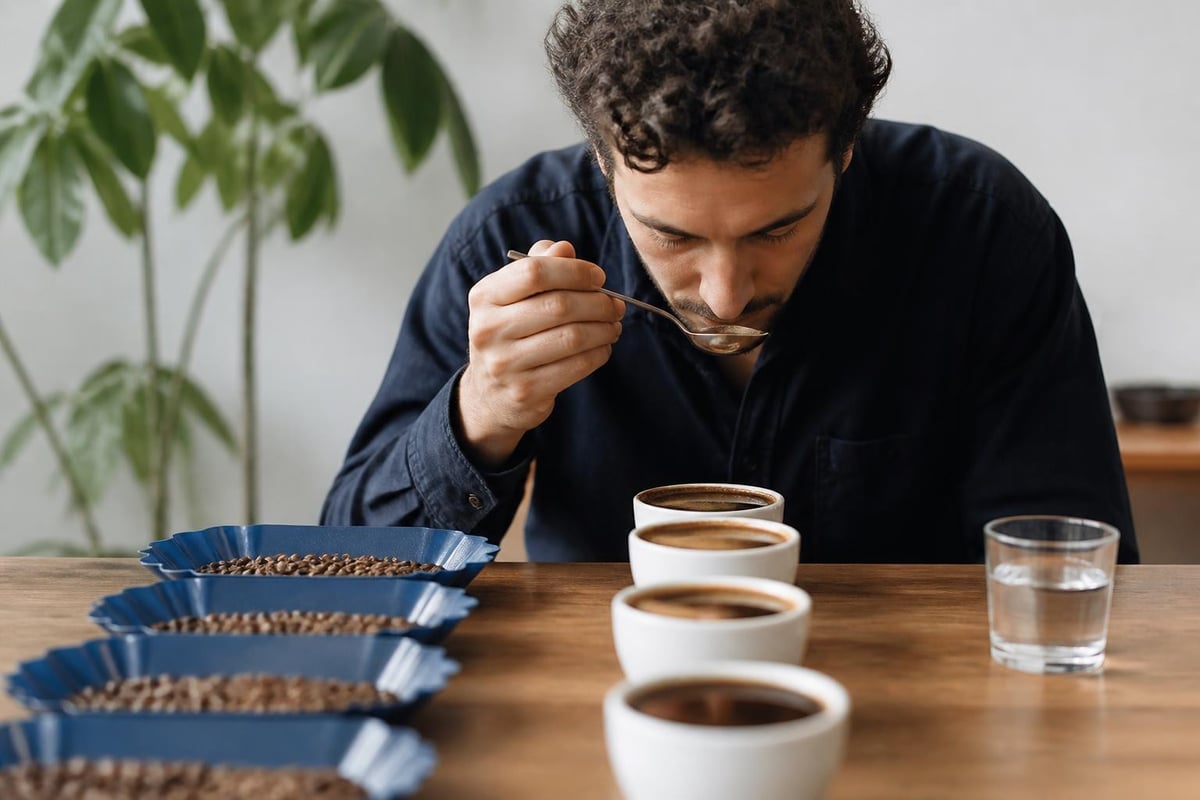
Professional cuppers evaluate coffee through a structured protocol, but you don't need certifications to taste deeply. You just need presence.
Start with aroma. Grind fresh beans and inhale before water touches them. What do you smell? Fruit? Chocolate? Flowers? These volatile compounds disappear quickly, so this moment matters.
When coffee hits your tongue, notice acidity first-that bright, lively quality that makes your mouth water. Good acidity tastes like crisp apple or citrus. Poor acidity tastes sour or vinegary.
The Five-Sense Coffee Ritual
Sight: Observe the bloom as hot water releases CO2. Fresh coffee blooms vigorously.
Sound: Listen to water moving through grounds. Steady flow indicates proper grind size.
Touch: Feel the warmth of the cup in your hands. Temperature affects how flavors register.
Smell: Breathe in aromatics before sipping. Retronasal smell enhances taste.
Taste: Let coffee coat your entire palate. Notice how flavors change as temperature drops.
Body describes mouthfeel-is the coffee silky, creamy, or tea-like? Finish refers to flavors lingering after you swallow. The best specialty coffee offers a finish that evolves, revealing new notes as it fades.
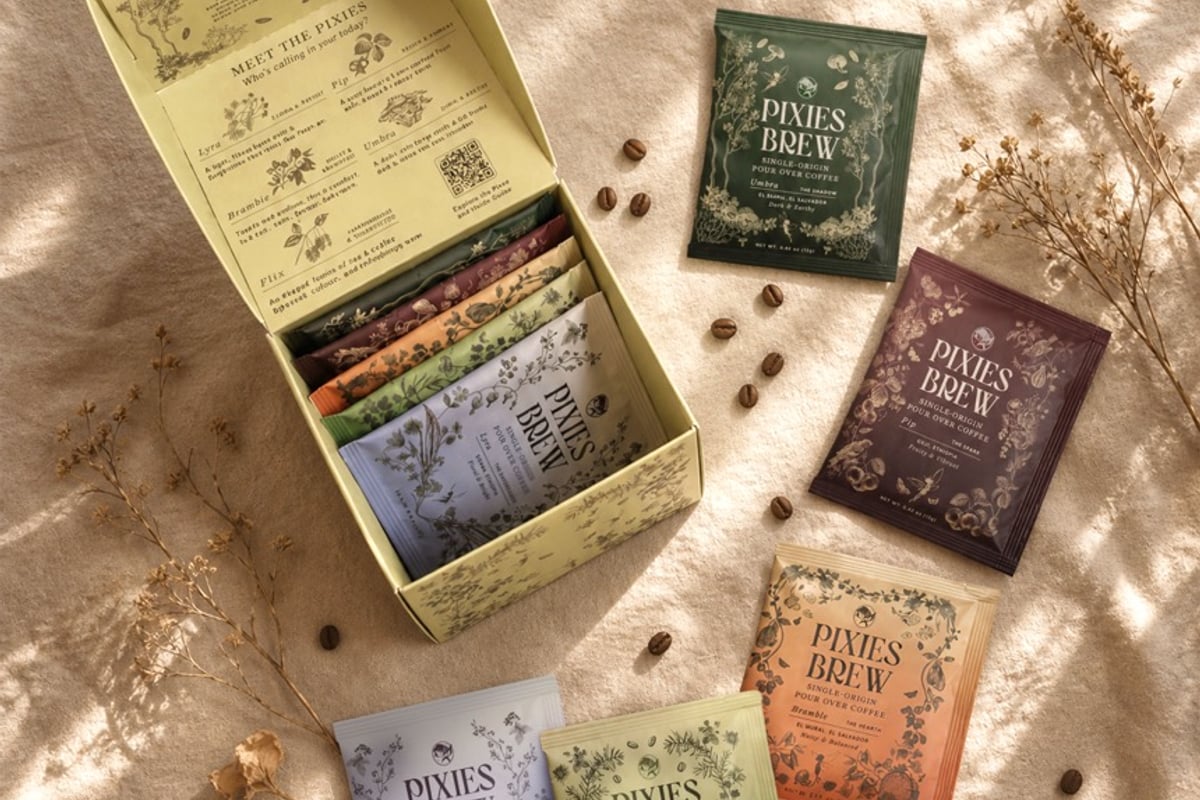
Those seeking a simpler path to exceptional coffee often turn to travel-friendly coffee solutions that maintain quality while reducing complexity. The Pixies Brew Discovery Set brings this philosophy home, offering five distinct specialty-grade blends in nitrogen-flushed sachets that require only a cup and hot water. Each rip-and-pour sachet delivers freshly ground coffee that stays vibrant, transforming any morning into a moment of pause wherever you are.
Single-Origin vs. Blends: The Eternal Debate
Coffee culture sometimes treats single-origin like inherently superior, but that's marketing more than truth. Both serve different purposes.
Single-origin coffees showcase specific regions, farms, even individual lots. When you taste Ethiopian Yirgacheffe, you're tasting that place, that season, those decisions. These coffees tell singular stories-bright, focused, uncompromising.
Blends balance and complement. A skilled roaster might combine Ethiopian brightness with Colombian body and Guatemalan chocolate notes, creating something no single origin achieves alone. The best blends aren't about hiding inferior beans-they're about harmony.
When to Choose What
Choose single-origin when you want:
- Clear, distinctive flavors
- Seasonal variety
- Connection to specific places
- Education about regional characteristics
Choose blends when you prefer:
- Consistent flavor year-round
- Balanced, approachable profiles
- Versatility across brewing methods
- Complexity through combination
Understanding this distinction helps you navigate coffee menus and roaster offerings with confidence, choosing based on mood and moment rather than perceived hierarchy.
The Economics and Ethics of Specialty
The best specialty coffee costs more. That's not markup-it's mathematics.
Specialty-grade beans represent perhaps 10% of global coffee production. Farmers receive premiums for quality, sometimes triple the commodity price. Fair compensation allows investment in better processing, selective picking, and sustainable practices.
Research from CoffeeResearch.org details how specialty coffee pricing supports better farming practices. When you pay $16-22 per bag instead of $8, those extra dollars often reach the people who grew your coffee.
The True Cost Breakdown
| Expense Category | Percentage of Retail Price |
|---|---|
| Green coffee purchase | 25-35% |
| Roasting and labor | 15-20% |
| Packaging and shipping | 10-15% |
| Retail markup | 30-40% |
According to 2024 consumption data, specialty coffee consumption in the United States reached a 13-year high, suggesting consumers increasingly value quality over commodity pricing. This shift supports sustainable farming and better livelihoods for coffee-producing communities.
Curating Your Coffee Library
Building a collection of the best specialty coffee means thinking like a wine enthusiast building a cellar-but with faster turnover since coffee peaks within weeks of roasting.
Start with regional exploration. Buy small amounts from different origins to understand your preferences. Maybe you discover you love bright, fruity Africans but find Central Americans too mellow. Or perhaps you prefer the earthy complexity of Indonesian coffees.
Storage Fundamentals
Proper storage extends peak freshness:
- Use airtight containers - Oxygen is coffee's primary enemy
- Keep beans whole - Only grind what you'll brew immediately
- Avoid refrigeration - Moisture and odors contaminate beans
- Store in darkness - Light accelerates staling
- Buy in two-week quantities - Fresh beats preserved
Rotate through roast levels too. Some mornings call for bright, tea-like clarity. Others demand rich, chocolatey comfort. Having options means matching coffee to mood.
Those passionate about variety without waste often explore limited-edition coffee releases that arrive seasonally, offering discovery without commitment to full bags.
Brewing Rituals for the Modern Drinker
The best specialty coffee deserves intentional preparation, but ritual doesn't require elaborate equipment. Sometimes simplicity serves better than complexity.
Morning rituals anchor our days. The repetitive motions-measuring beans, heating water, watching coffee bloom-create space between sleep and demands. This pause matters as much as the caffeine that follows.
Pour-over brewing in particular offers meditative rhythm. Water spiraling outward from center. Grounds rising and settling. The gradual accumulation of rich, aromatic liquid in the vessel below. These small moments stack into meaning.
The Three-Minute Morning Reset
Even rushed mornings benefit from brief presence:
- Minute one: Measure and grind beans, smelling deeply as volatile aromatics release
- Minute two: Heat water to 200°F and prepare your brewing vessel
- Minute three: Pour slowly, watching the bloom, breathing consciously
This compact ritual transforms coffee from fuel into experience, even when time feels scarce.
Insights from Roast Magazine often explore how professional roasters approach their own morning coffee, revealing that even experts prize simplicity in daily practice.
Seasonal Considerations and Coffee Freshness
Coffee isn't frozen in time. Each origin has harvest seasons, meaning true freshness follows agricultural cycles.
Ethiopian coffees typically harvest October through January. These beans arrive at roasters in late winter and spring, offering peak quality through summer. Colombian coffees harvest twice annually-main crop October-February, smaller crop April-June.
Understanding these cycles helps you time purchases for maximum freshness. The best specialty coffee roasters publish harvest dates and lot numbers, allowing you to track not just roast freshness but green coffee age.
Harvest Calendar by Region
- East Africa (Ethiopia, Kenya): October-February
- Central America: November-March
- South America (Colombia, Brazil): April-September
- Indonesia: May-September
Buying seasonally means tasting coffee at its absolute peak-beans processed months ago, not years. This attention to agricultural timing separates engaged coffee drinkers from casual consumers.
Much like how Fancrest Estate carefully ages their organic Pinot Noir wines to release them at optimal drinking windows, specialty coffee roasters time their sourcing and releases to capture beans at their flavor peak.
Beyond the Cup: Coffee as Creative Catalyst
The ritual of preparing the best specialty coffee often sparks creativity. Writers, artists, and makers across centuries have praised coffee's role in focused work.
But it's not just caffeine. The break itself-stepping away from screens, engaging hands and senses, marking time through intentional process-creates mental space. Problems untangle. Ideas surface. The pause between coffee decided and coffee finished often holds as much value as the beverage.
Many coffee enthusiasts report their best thinking happens during brewing, not after drinking. The rhythmic, familiar movements allow the mind to wander productively, solving problems the focused brain couldn't crack.
Coffee and Flow States
Research suggests ritual behaviors help trigger flow states-those periods of complete absorption where time disappears and work feels effortless. Coffee preparation provides:
- Clear starting and ending points that bookend focused sessions
- Sensory engagement that pulls attention into the present
- Predictable structure that reduces decision fatigue
- Physical movement that breaks sedentary patterns
These elements combine to create ideal conditions for deep work following your coffee ritual.
Frequently Asked Questions
What actually makes coffee "specialty grade"?
Specialty coffee must score 80+ points on the Specialty Coffee Association's 100-point scale, with zero primary defects and minimal secondary defects. This grading evaluates everything from bean size uniformity to cup quality, ensuring only the top 10% of global production earns the designation.
How long does specialty coffee stay fresh after roasting?
Peak flavor typically occurs 7-21 days post-roast, then gradually declines. Properly stored whole beans maintain good quality for 4-6 weeks, while ground coffee stales within days. Nitrogen-flushed packaging can extend this window significantly.
Does expensive coffee always taste better?
Not necessarily. Price reflects rarity, production costs, and ethical sourcing more than pure taste quality. A $20 bag from a transparent roaster often delivers better value than a $40 bag with fancy marketing. Focus on freshness, roast date, and origin transparency.
Can I make specialty coffee without expensive equipment?
Absolutely. Fresh beans, a simple grinder, and a basic pour-over setup deliver excellent results. Many specialty coffee lovers find that simpler methods often highlight bean quality better than complex espresso machines that require extensive skill to operate properly.
What's the difference between specialty coffee and regular coffee?
Beyond the 80+ point grading requirement, specialty coffee emphasizes traceability, direct trade relationships, precise roasting, and quality at every step. Regular coffee prioritizes consistency and cost over distinctive flavors, often blending many origins to achieve uniform taste year-round.
Building Connection Through Coffee
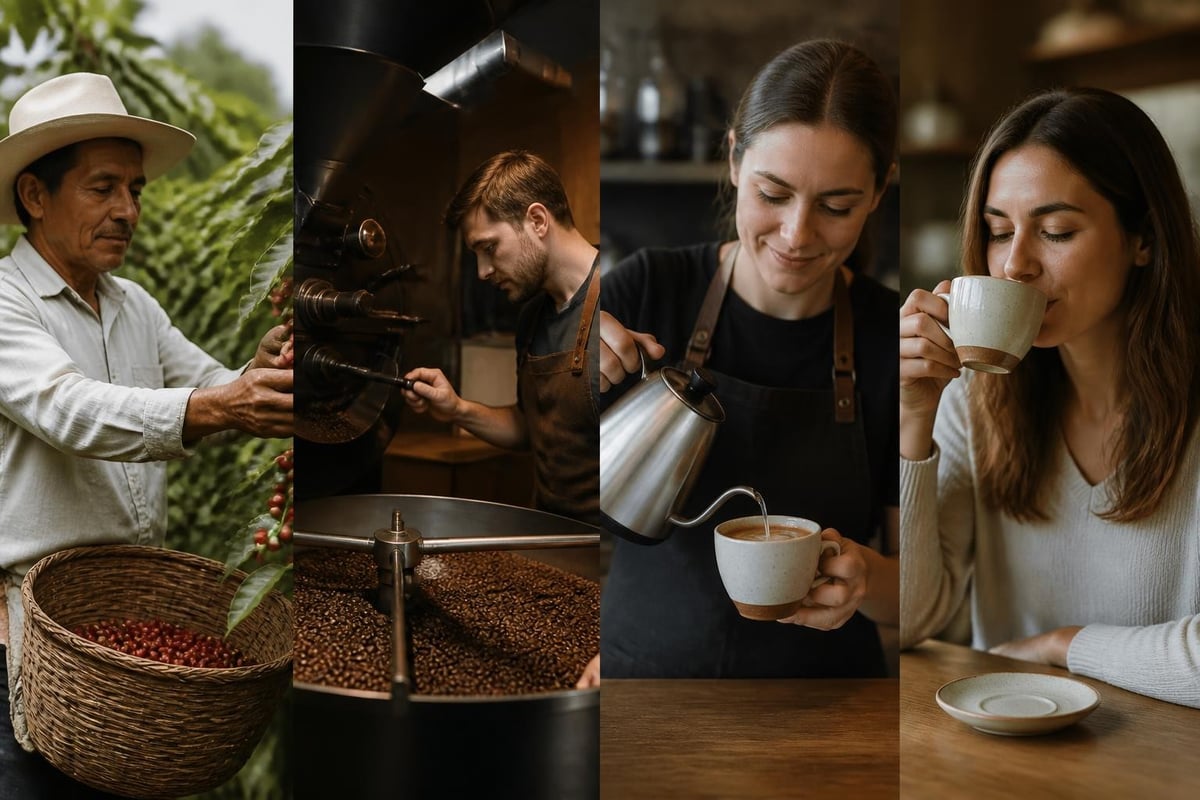
The rise of specialty coffee in 2026 reflects broader cultural shifts toward intentionality, transparency, and connection. People want to know where things come from, who made them, and what values the purchase supports.
Coffee offers particularly rich opportunities for connection. Every bag tells stories-of specific farmers, harvest conditions, processing experiments, roaster philosophies. Resources like FLTR Magazine help enthusiasts discover these narratives through roaster profiles and origin features.
But connection also means the ritual itself. Making coffee for someone expresses care. Sharing a pot builds community. The best specialty coffee facilitates these human moments as much as it delivers complex flavors.
When you choose quality beans and prepare them intentionally, you're participating in a global network spanning continents and cultures, all connected through this remarkable seed that somehow tastes like jasmine and chocolate and home.
The journey toward finding the best specialty coffee is really about discovering what resonates with you-which origins sing to your palate, which rituals ground your mornings, which moments deserve full presence. Whether you're exploring single-origins from volcanic slopes or seeking perfectly balanced blends, remember that exceptional coffee rewards attention with layers of flavor and meaning that unfold slowly, sip by sip. Pixies Brew exists to simplify this journey, offering specialty-grade sachets that eliminate complexity while preserving the magic-because everyone deserves a moment of pause wrapped in truly excellent coffee, wherever morning finds them.
