


Best Pour Over Coffee Filter: Your Complete 2026 Guide
The best pour over coffee filter depends on your brewing goals, but paper filters typically deliver the cleanest cup with bright acidity, while metal filters preserve more body and natural oils. Your choice shapes everything from clarity to mouthfeel, transforming the same beans into entirely different experiences. This guide walks you through filter materials, compatibility, and how to match your filter to your desired flavor profile.
I discovered this truth on a foggy morning in the Grove, watching how different filters revealed hidden notes in the same batch of beans. One cup sang with citrus brightness, another hummed with chocolate depth. The filter wasn't just a barrier. It was a translator.
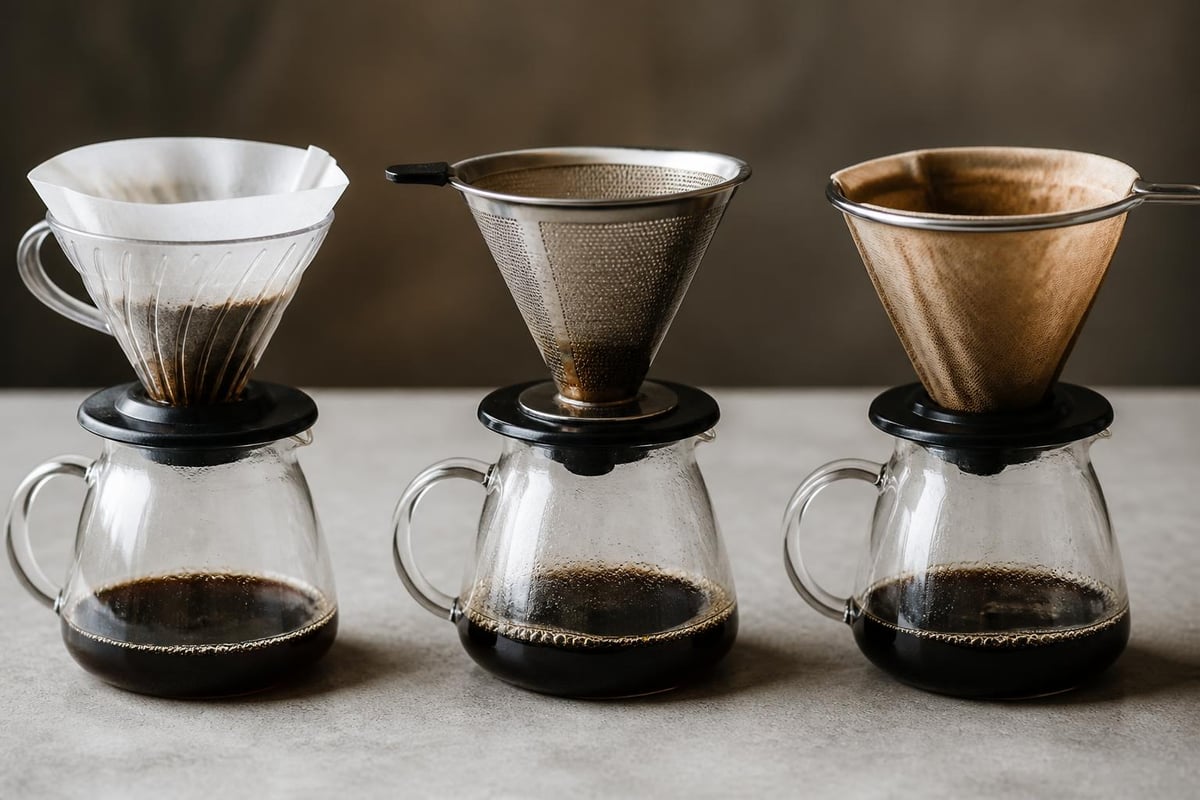
Understanding Filter Materials and Their Impact
The material you choose defines your coffee's voice. Different coffee filter materials create distinct flavor signatures by controlling which compounds pass through and which stay behind.
Paper Filters: Clean and Bright
Paper filters trap oils and fine sediment, producing remarkably clear cups. They're the standard for most specialty coffee enthusiasts who value transparency in flavor.
Key characteristics:
- Remove cafestol and kahweol (coffee oils)
- Highlight acidity and delicate notes
- Single-use convenience
- Require rinsing to eliminate paper taste
- Environmentally conscious options available
The best pour over coffee filter in paper form comes in bleached (white) or unbleached (natural brown) varieties. White filters undergo oxygen bleaching, while brown filters retain their natural color. Both work beautifully when properly rinsed.
I remember brewing a floral Ethiopian with a fresh paper filter, the jasmine notes practically floating out of the cup. The clarity was stunning, each layer distinct and articulated.
Metal Filters: Full-Bodied Richness
Stainless steel and gold-plated filters allow oils and micro-fines through, creating heavier body and enhanced mouthfeel. They're reusable, making them economically and environmentally attractive.
| Feature | Paper | Metal | Cloth |
|---|---|---|---|
| Body | Light | Heavy | Medium |
| Clarity | Highest | Lowest | Medium-High |
| Oils Preserved | No | Yes | Some |
| Reusability | No | Yes | Yes |
| Maintenance | None | Rinse | Deep Clean |
Metal filters shine with darker roasts and coffees where you want bold, syrupy texture. The comparison of pour-over drippers shows how metal filters pair particularly well with immersion-style brewers.
Cloth Filters: The Middle Path
Cloth filters occupy the sweet spot between paper and metal. They remove sediment while allowing some oils through, creating balanced cups with moderate body.
These reusable filters require regular cleaning and eventual replacement, but devotees swear by their unique flavor profile. After several uses, cloth filters develop a subtle seasoning that some brewers cherish.
Matching Filters to Your Brewing Method
Your dripper shape dictates filter compatibility. The best pour over coffee filter fits your equipment perfectly, ensuring even extraction and consistent results.
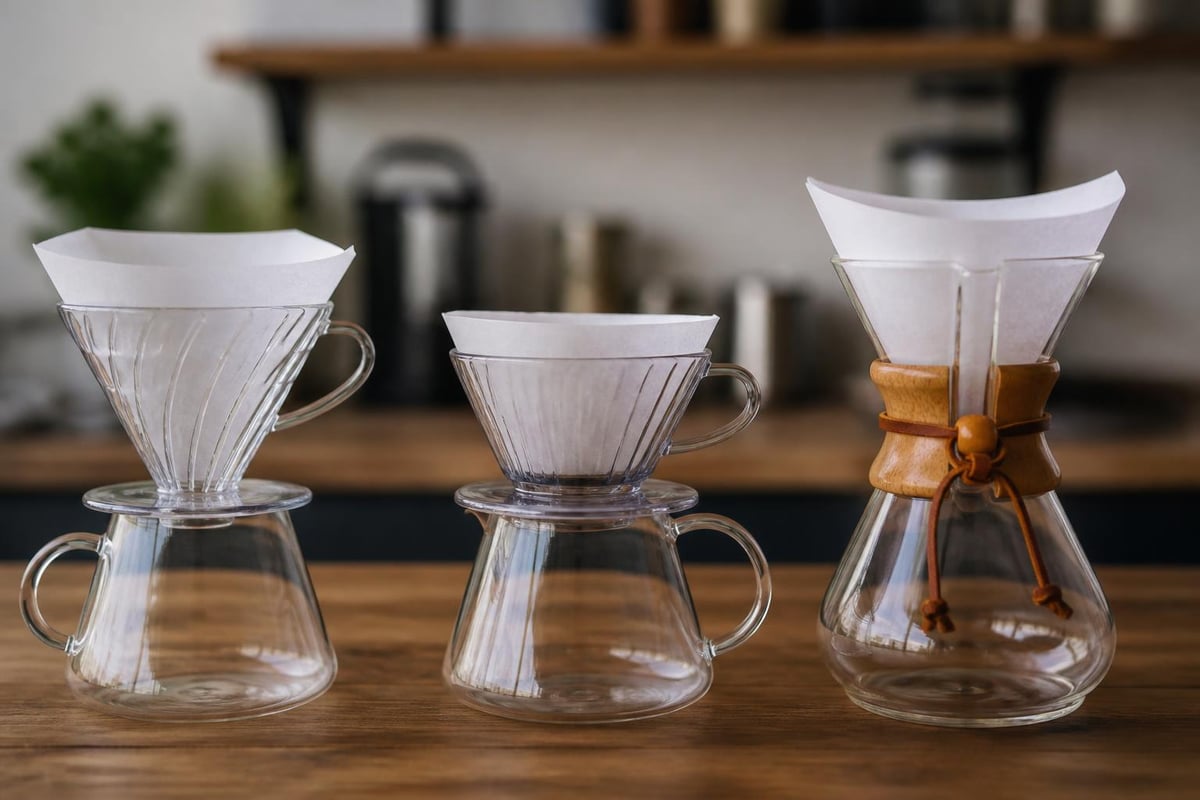
Conical Filters (V60, Melitta, Bee House)
Conical filters work with 60-degree and 90-degree cone drippers. Size matters here:
- Size 01: Single cup (1-2 servings)
- Size 02: Multiple cups (1-4 servings)
- Size 03: Large batch (1-6 servings)
The V60's spiral ribs create air channels that affect flow rate. Thicker filters slow extraction, while thinner ones speed it up. This practical guide to pour-over filters explores how filter thickness interacts with dripper design.
Flat-Bottom Filters (Kalita Wave, Orea)
Flat-bottom drippers use wave-style or basket filters with multiple drainage holes. They promote even extraction through their level bed geometry.
Benefits of flat-bottom design:
- More forgiving technique requirements
- Consistent extraction across the coffee bed
- Reduced channeling risk
- Stable brew times
I've found flat-bottom brewers particularly helpful on rushed mornings when precision feels impossible. The design compensates for minor pouring inconsistencies.
Chemex Filters: The Thickest Option
Chemex filters are bonded paper, approximately 20-30% thicker than standard filters. They produce exceptionally clean cups but require longer brew times.
The three-layered side should face the spout, ensuring structural integrity and proper air escape. When you're exploring the best pour over methods, Chemex represents the clarity-focused extreme.
Filter Quality and Performance Factors
Not all filters within the same category perform identically. Manufacturing standards, thickness, and micron ratings affect extraction dynamics.
Micron Ratings and Flow Rate
The technical aspects of micron coffee filters reveal how pore size controls what passes through. Smaller microns increase clarity but slow flow, while larger microns maintain speed but reduce filtration.
Most paper filters fall between 10-20 microns. Metal filters range from 150-300 microns. This dramatic difference explains their contrasting results.
Oxygen Bleaching vs. Natural Filters
| Aspect | Oxygen-Bleached | Unbleached |
|---|---|---|
| Appearance | Bright white | Natural brown |
| Environmental Impact | Minimal chemical | No bleaching process |
| Taste (unrinsed) | Neutral | Slight paper taste |
| Performance | Identical when rinsed | Identical when rinsed |
| Cost | Similar | Similar |
The environmental angle matters less than many assume. Modern oxygen bleaching uses minimal chemicals, and both types biodegrade readily. Your choice can reflect personal values without sacrificing quality.
Optimizing Extraction with Filter Choice
The best pour over coffee filter enhances your beans' inherent qualities rather than imposing its own character. Understanding how filters affect extraction helps you make intentional choices.
Water Temperature and Filter Interaction
Filter material influences optimal brewing temperature. Paper filters insulate slightly, maintaining heat better than metal. This means:
- Paper filters: 195-205°F works well
- Metal filters: Bump to 200-208°F for proper extraction
- Cloth filters: 195-203°F hits the sweet spot
I've noticed this in the Grove, where morning chill affects brewing differently depending on my filter choice. Metal filters on cold days sometimes need an extra degree or two.
Grind Size Adjustments
Your filter determines ideal grind size. The general principle: finer filtration allows slightly coarser grinds, while coarser filtration requires finer grinds.
Recommended grind sizes:
- Paper filters: Medium-fine (sea salt texture)
- Metal filters: Medium to medium-coarse (granulated sugar)
- Cloth filters: Medium (kosher salt)
These adjustments prevent over-extraction or under-extraction. When switching between filter types with the same beans, recalibrate your grinder.
Sustainability and Cost Considerations
Environmental impact and long-term expenses shape filter decisions for many coffee enthusiasts. The best pour over coffee filter balances performance, sustainability, and budget.
Environmental Footprint
Paper filters create waste but decompose quickly and often come from renewable sources. Composting used filters returns nutrients to soil.
Reusable filters eliminate waste but require water and energy for cleaning. Metal filters last years, potentially decades. Cloth filters need replacement every 3-6 months depending on use frequency.
The math depends on your brewing volume. Daily brewers using paper might use 365+ filters annually. For perspective, this comparison of manual filter coffee makers discusses long-term sustainability across brewing methods.
Long-Term Cost Analysis
Let's examine three-year costs assuming daily brewing:
| Filter Type | Initial Cost | Annual Replacement | 3-Year Total |
|---|---|---|---|
| Paper (premium) | $8 | $96 | $296 |
| Metal | $15-45 | $0 | $15-45 |
| Cloth (5-pack) | $12 | $24 | $84 |
Metal filters offer the lowest long-term cost, though premium options require higher upfront investment. Paper filters provide convenience and variety at moderate ongoing expense.
Enhancing Your Brewing Ritual
Beyond technical considerations, filter choice affects your daily coffee experience. The ritual matters as much as the result.
When you're seeking specialty coffee online, consider how different filters might reveal varying aspects of those carefully sourced beans. A bright Kenyan might sparkle through paper but feel muted through metal.
Sensory Experience Across Filters
Paper-filtered coffee: The aroma rises clean and defined, individual notes clearly delineated. On the tongue, acidity brightens like morning sunlight, each flavor distinct. The finish is crisp, leaving your palate ready for the next sip.
Metal-filtered coffee: Fragrance emerges rich and enveloping, oils carrying volatile compounds. Mouthfeel becomes velvety, coating your tongue with rounded sweetness. The finish lingers, chocolate and caramel notes echoing long after swallowing.
Cloth-filtered coffee: Aroma achieves gentle complexity, neither too bright nor too heavy. The body feels balanced, present without dominating. Clarity meets character, creating harmonious completeness.
These aren't just technical differences. They're emotional experiences, moments of pause that transform routine into ritual.
Travel and Convenience Factors
Your lifestyle influences filter practicality. The best pour over coffee filter fits your circumstances, not just your taste preferences.
Portable Brewing Solutions
Travelers face unique challenges. Paper filters compress easily, making them ideal for backpacking or hotel rooms. Metal filters add weight but eliminate supply concerns.
For those exploring coffee for camping, consider filter durability and cleaning requirements. Metal filters tolerate rough handling, while paper filters remain vulnerable to moisture.
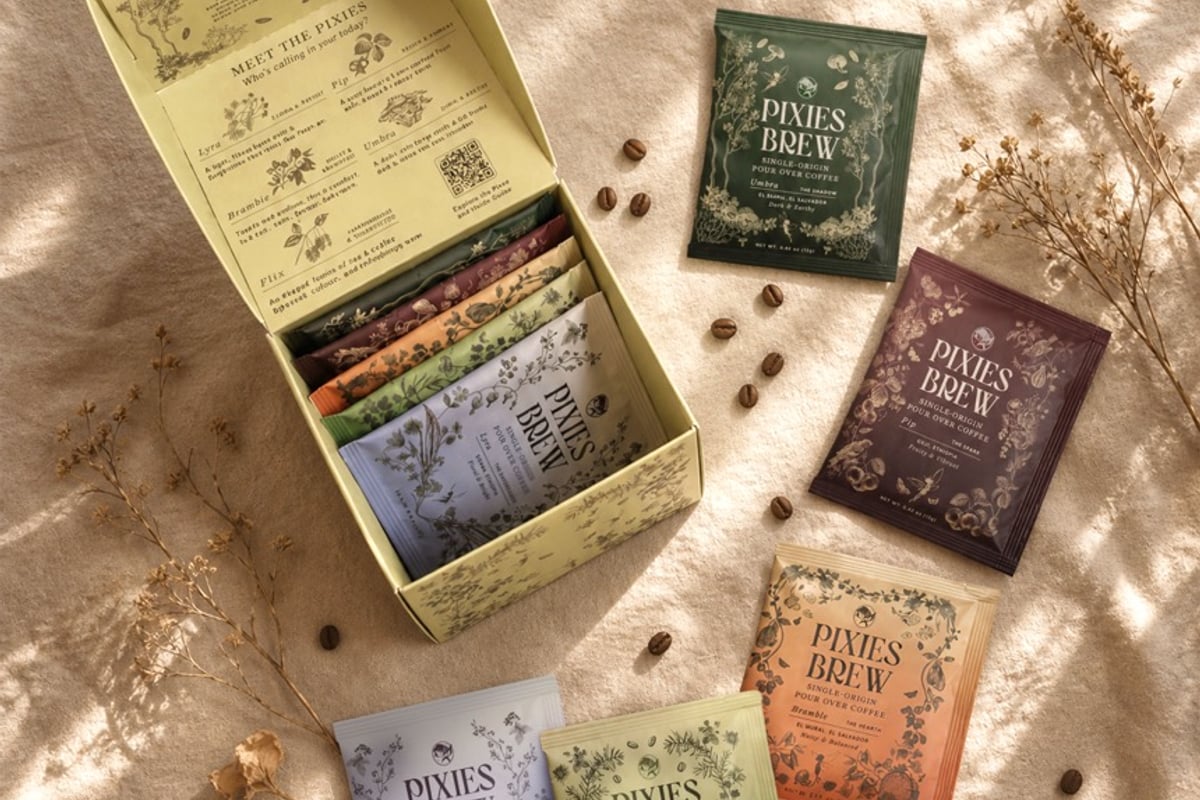
Pre-packaged solutions simplify the equation entirely. The Pixies Brew Discovery Set eliminates filter decisions by providing specialty-grade coffee in ready-to-brew sachets-just a cup and hot water needed, perfect for travel days or anywhere you need simplicity without sacrificing quality.
Batch Brewing Considerations
Making coffee for multiple people? Larger filters accommodate bigger batches while maintaining extraction quality.
Size 04 conical filters or large Chemex filters handle 6-8 cups. Flat-bottom filters in larger sizes distribute water more evenly across substantial coffee beds, ensuring everyone gets equally delicious results.
Common Mistakes and How to Avoid Them
Even experienced brewers sometimes overlook filter fundamentals. Small adjustments create dramatic improvements.
Skipping the Rinse
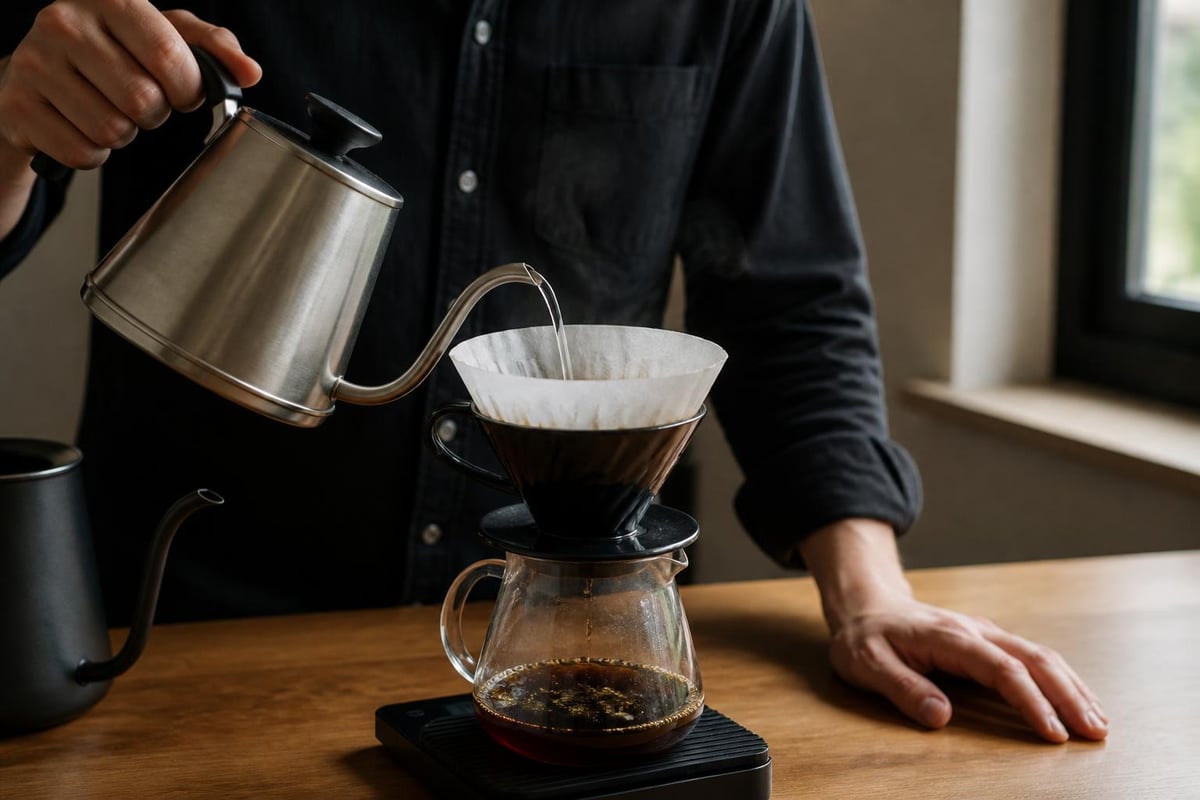
Unrinsed paper filters contribute papery flavors and absorb initial water, cooling your brewer. Always rinse with hot water, discarding the rinse before brewing.
This 15-second step also preheats your dripper, stabilizing brewing temperature. The difference is immediately noticeable in the first sip.
Inconsistent Filter Brands
Switching filter brands changes thickness and fit, affecting brew time and extraction. Stick with one brand until you learn its characteristics, then experiment deliberately.
Overloading Filters
Filters have capacity limits. Exceeding them causes uneven extraction, channeling, and potential overflow. Follow manufacturer recommendations for coffee-to-water ratios.
Testing and Finding Your Perfect Match
Personal preference ultimately determines the best pour over coffee filter for your needs. Structured testing reveals your preferences.
Setting Up a Filter Comparison
Comparison protocol:
- Select identical beans, freshly roasted
- Use the same grind size initially
- Match water temperature precisely
- Keep coffee-to-water ratio constant
- Note time, technique, and results
- Taste mindfully, noting body and clarity
Brew the same coffee through different filters on the same morning. The contrasts will astonish you.
Documenting Your Results
Create a simple tasting matrix recording body, clarity, acidity, sweetness, and finish for each filter. After several sessions, patterns emerge showing which characteristics you value most.
I keep a Grove journal recording these experiments. Looking back reveals how preferences shift seasonally, with lighter filters calling in summer and heavier ones appealing during winter.
Frequently Asked Questions
Which filter type is healthiest?
Paper filters remove cafestol and kahweol, compounds that can raise cholesterol. Metal and cloth filters allow these oils through. If managing cholesterol, paper filters offer health advantages.
How often should cloth filters be replaced?
Replace cloth filters every 3-6 months or when they develop permanent staining or off-flavors. Daily use accelerates wear compared to occasional brewing.
Do metal filters affect coffee taste negatively?
Not inherently. They create different taste profiles emphasizing body over clarity. Many coffee lovers prefer this fuller-bodied style, particularly with dark roasts and certain origins.
Can I use regular paper towels as filters?
Avoid this. Paper towels aren't food-safe, may contain chemicals, and lack proper filtration properties. Invest in actual coffee filters for safety and quality.
What's the best filter for cold brew?
Cold brew benefits from coarse metal mesh or cloth filters. Paper filters work but clog easily with cold brew's fine particles and extended steeping times.
Advanced Techniques for Filter Mastery
Once you've mastered basics, subtle refinements elevate your brewing further.
Double-Filter Method
Some brewers use two paper filters for ultra-clean cups. This increases clarity but extends brew time and requires technique adjustment. The detailed reviews of top coffee filters explore variations like this for particular flavor goals.
Filter Modification
Adventurous brewers cut or fold filters to alter flow patterns. Folding Chemex filters differently changes contact time. These experiments teach you how minute changes cascade through extraction.
Hybrid Approaches
Layer a paper filter inside a metal filter to combine body with clarity. This compromise appeals to brewers wanting some oils but less sediment. Clean-up increases, but so does customization potential.
Regional and Cultural Filter Preferences
Coffee cultures worldwide have developed distinct filter preferences reflecting local tastes and traditions.
Japanese kissaten often favor cloth filters, called nel drip, for their balanced extraction. European cafes frequently embrace paper for consistency and cleanliness. American specialty coffee culture champions paper filters for highlighting bean origin characteristics.
These preferences aren't arbitrary. They reflect broader flavor preferences, brewing philosophies, and cultural values around coffee preparation and consumption.
The Grove Perspective on Filter Choice
Here in the Grove, we see filters as collaborators in coffee storytelling. Each material translates beans differently, revealing alternative narratives from identical origins.
The best pour over coffee filter doesn't exist universally. It exists personally, discovered through experimentation and reflection. Your perfect filter matches your palate, lifestyle, and what you seek in those quiet morning moments.
When I brew with paper, I'm choosing conversation with bright, articulate flavors. With metal, I'm embracing warmth and comfort. With cloth, I'm finding middle ground where nothing dominates and everything harmonizes.
Your filter choice becomes part of your coffee identity, as distinctive as your preferred roast level or brewing temperature. Own it deliberately.
Finding the best pour over coffee filter means understanding how material, design, and technique interact to shape your daily cup. Whether you prize crystalline clarity, rich body, or balanced harmony, the right filter transforms good coffee into transcendent ritual. Pixies Brew honors that ritual by offering specialty-grade coffee in thoughtfully crafted sachets, bringing the magic of pour-over simplicity to wherever your morning takes you-no filter decisions required, just pure, intentional brewing.
