


Best Ground Coffee Maker: 2026 Buyer's Guide
The best ground coffee maker for 2026 isn't just about convenience-it's about honoring the craft behind every bean. Whether you're drawn to the precision of a programmable drip machine or the meditative rhythm of a manual pour-over, the right brewer transforms morning routine into intentional ritual. For those who chase clarity in their cup and peace in their mornings, understanding how different machines extract flavor from specialty-grade grounds makes all the difference between drinking coffee and experiencing it.
Understanding What Makes a Ground Coffee Maker Exceptional
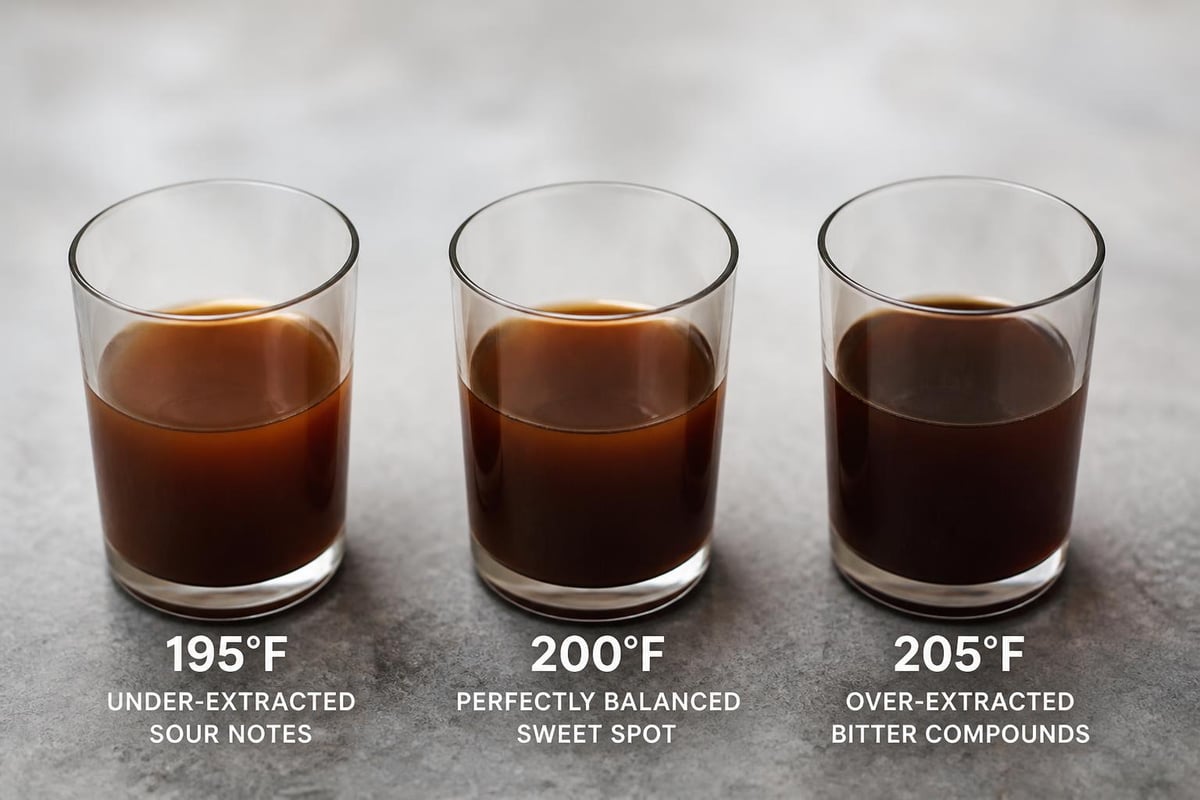
When we talk about the best ground coffee maker, we're really talking about three core principles: temperature control, contact time, and extraction consistency. The magic happens between 195°F and 205°F, where water coaxes out the delicate notes locked inside specialty beans without scorching them into bitterness.
Think of it like this. You wouldn't rush a conversation with an old friend, and you shouldn't rush coffee extraction. The best machines understand this timing-whether through automated precision or your own practiced hand. They create space for the grounds to bloom, release their aromatics, and deliver the flavor profile the roaster intended.
Temperature Stability: The Foundation of Great Coffee
Temperature consistency separates adequate brewers from exceptional ones. Consumer Reports' buying guide emphasizes that machines maintaining steady heat throughout the brew cycle produce noticeably better cups. This matters especially with light-roast specialty beans, where even a few degrees can shift jasmine notes to paper-like flatness.
The Technivorm Moccamaster stands as a benchmark here. America's Test Kitchen highlights how this Dutch-made machine holds brewing temperature with remarkable precision, treating each ground particle to the exact heat needed for proper extraction. It's not cheap, but longevity and consistency justify the investment for serious coffee drinkers.
Types of Ground Coffee Makers Worth Considering
Not all brewing methods serve the same purpose. Your lifestyle, taste preferences, and relationship with morning time will guide you toward your ideal match.
| Brewer Type | Best For | Brew Time | Skill Level |
|---|---|---|---|
| Drip Machine | Consistency, volume | 5-7 minutes | Beginner |
| Pour-Over | Control, ritual | 3-4 minutes | Intermediate |
| French Press | Body, oils | 4 minutes | Beginner |
| AeroPress | Travel, experimentation | 1-2 minutes | Intermediate |
| Siphon Brewer | Theater, clarity | 5-8 minutes | Advanced |
Automatic Drip: Reliability Meets Morning Ease
For those who need coffee ready when the alarm sounds, programmable drip machines offer dependable excellence. The Ninja Luxe Café represents the new generation-versatile enough for multiple brew styles while maintaining the set-it-and-forget-it simplicity that mornings demand.
What distinguishes the best ground coffee maker in the drip category is shower head design. Cheaper models dump water in one spot, creating uneven extraction. Quality machines distribute water evenly across the coffee bed, ensuring every ground contributes its full flavor potential.
Look for these features when evaluating drip brewers:
- Thermal carafe instead of glass with hot plate (preserves flavor)
- SCAA certification (Specialty Coffee Association approval)
- Bloom cycle option (pre-wets grounds for better extraction)
- Wide shower head coverage (even water distribution)
- Simple controls (fewer things to break)
Manual Pour-Over: The Art of Attention
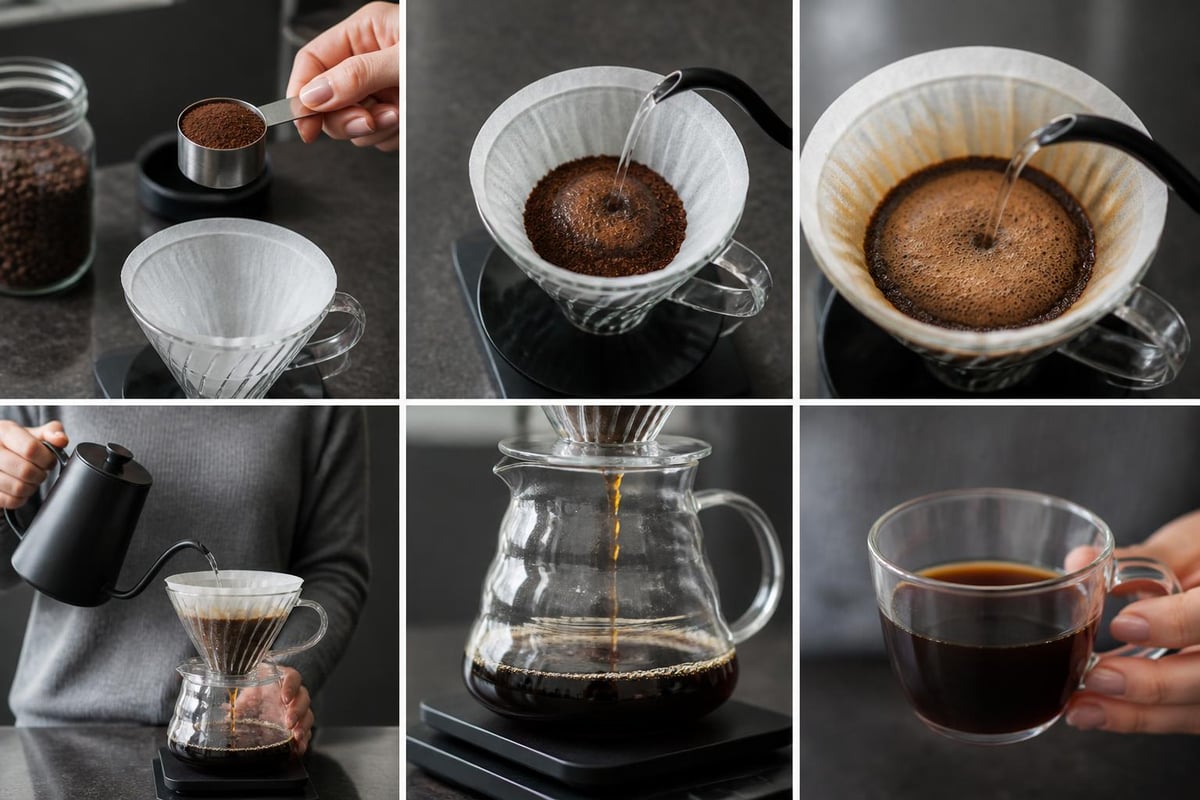
There's something grounding about the pour-over ritual. Water spiraling over grounds, watching the bloom expand, controlling the rhythm of extraction-it brings you fully into the present moment. For a deeper look at various pour-over techniques, explore our guide to the best pour-over methods.
The Chemex, with its hourglass silhouette and thick filters, produces exceptionally clean cups that showcase delicate flavor notes. The V60, with its spiral ribs and large single hole, offers more control but demands more skill. The Kalita Wave, with its flat bottom and three-hole design, forgives technique variations while still delivering excellent results.
When you're brewing specialty coffee-beans sourced from single estates, roasted to highlight terroir-manual methods let you adjust variables in real time. Notice the grounds aren't blooming evenly? Adjust your pour pattern. Water draining too fast? Grind slightly finer next time.
Matching Your Brewer to Your Coffee Journey
Before buying a coffee machine, consider how you actually live with coffee. Do you brew a single cup at dawn or fill a carafe for gradual sipping? Do you want to tinker with variables or press a button and walk away?
For the Morning Minimalist
If your ideal morning involves minimal fuss and maximum peace, consider systems that reduce decision fatigue. Single-serve pour-over options eliminate guesswork while honoring quality beans. Everything measured, ready to steep, letting you focus on the sunrise instead of ratios and timers.
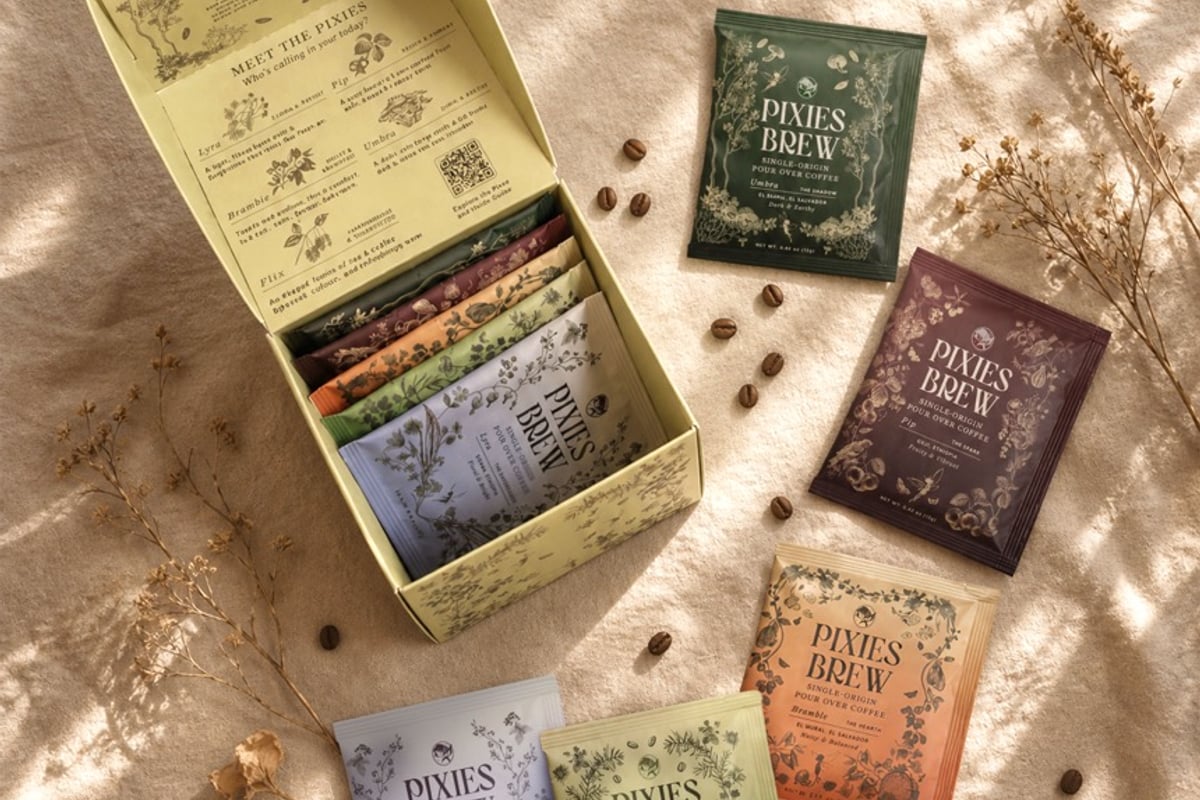
Perfect for slow mornings or travel days when you need that moment of grounding without the gear, the Pixies Brew Discovery Set brings specialty-grade coffee in nitrogen-flushed sachets-just rip, hook over your mug, and pour hot water through. It's the essence of pour-over ritual, distilled to its purest form.
For the Capacity Conscious
Households brewing for multiple people need the best ground coffee maker that scales without sacrificing quality. The 10-cup drip machine makes sense here, especially models with half-batch settings that adjust brew strength when making smaller amounts.
Thermal carafes beat glass every time. That hot plate under glass carafes? It's slowly cooking your coffee into bitterness. Thermal containers maintain temperature through insulation, keeping the 7 AM pot drinkable at 10 AM.
Features That Actually Matter in 2026
The coffee maker market loves adding features. Some enhance your experience. Others just complicate your counter. Here's what deserves your attention:
Grind Integration: Fresh Every Time
Coffee makers with built-in grinders promise ultimate freshness, and when done right, they deliver. The Philips Baristina brings bean-to-cup convenience at a more accessible price point, though it targets espresso rather than drip brewing.
For pure ground coffee brewing, burr grinders beat blade grinders decisively. Burrs create uniform particle size, ensuring even extraction. Blades chop randomly, producing fines that over-extract (bitter) and boulders that under-extract (sour) simultaneously.
Budget considerations:
- Entry-level: $50-150 (basic drip with preset options)
- Mid-range: $150-300 (SCAA-certified with thermal carafe)
- Premium: $300-500 (Technivorm, high-end programmable)
- Luxury: $500+ (integrated grind-and-brew systems)
Smart Features and Connectivity
WiFi-enabled coffee makers sound excessive until you're programming your brew from bed on a cold morning. The question isn't whether technology belongs in coffee-it's whether it serves the ritual or distracts from it.
Voice control through smart home systems makes sense for accessibility. Scheduled brewing helps night-shift workers and early risers. But touchscreens and apps that require updates? Those often create frustration rather than ease.
Brewing Methods That Preserve Specialty Coffee Character
Different ground coffee maker types extract different flavor compounds. Understanding this helps match your equipment to your beans.
Immersion vs. Percolation
Immersion brewing (French press, cold brew) steeps grounds in water for extended contact time. This produces fuller body and more oils, creating that velvety mouthfeel. The trade-off? Slightly less clarity and brightness in the cup.
Percolation brewing (drip, pour-over) filters water through the coffee bed. This highlights acidity, showcases delicate aromatics, and produces cleaner cups. Perfect for light-roast specialty beans with complex flavor notes-jasmine, bergamot, stone fruit.
Water Quality: The Forgotten Variable
Your tap water makes up 98% of your cup. Heavily chlorinated or mineralized water masks coffee nuances no matter how excellent your machine. The best ground coffee maker can't overcome poor water quality.
Consider these water solutions:
- Filtered tap water (removes chlorine, basic improvement)
- Bottled spring water (consistent mineral content)
- Third Wave Water packets (custom mineral blends for coffee)
- Reverse osmosis with remineralization (full control)
Maintenance Rhythms That Extend Machine Life
Every coffee maker needs care. The difference between a machine lasting two years versus ten often comes down to simple maintenance habits.
Daily Rituals
- Rinse removable parts with water
- Wipe down exterior surfaces
- Empty and air-dry used grounds basket
- Leave lid open for moisture evaporation
Weekly Practices
- Wash brew basket and carafe with soap
- Check spray head for blockages
- Wipe water reservoir
- Inspect rubber seals for wear
Monthly Deep Cleaning
Descaling removes mineral buildup that chokes flow and affects temperature. White vinegar works, though dedicated descaling solutions prevent vinegar taste carryover. Run a full brew cycle with cleaning solution, followed by two cycles of plain water.
| Cleaning Task | Frequency | Impact on Brew Quality |
|---|---|---|
| Rinse parts | Daily | Prevents rancid oil buildup |
| Wash with soap | Weekly | Removes accumulated residue |
| Descale | Monthly | Maintains temperature/flow |
| Replace filters | Per manufacturer | Protects from scale/chlorine |
Finding Your Perfect Morning Match
The best ground coffee maker isn't universal-it's personal. It fits your counter space, matches your morning energy, and most importantly, makes coffee you actually want to drink.
Someone traveling frequently needs different solutions than someone with dedicated kitchen real estate. Parents grabbing coffee between school runs have different needs than remote workers savoring their morning ritual. For coffee lovers seeking quality on the go, our guide to best travel coffee options explores portable brewing methods.
Questions to Ask Before Buying
How much coffee do you typically brew?
Single servings need different equipment than pots shared across a household. Oversize machines brewing small amounts often fail to heat properly.
What's your skill comfort zone?
Manual methods reward practice but punish inconsistency. Automatic systems trade control for reliability.
Where will this live?
Counter space dictates size. Cabinets between uses mean lighter weight matters. Permanent placement allows heavier, more durable builds.
How much control do you want?
Tinkerers love pour-over variables. Simplicity seekers prefer single-button operation.
Specialty Coffee Deserves Thoughtful Brewing
The coffee revolution happened quietly. What once meant bitter fuel became a craft celebrating origin, processing, roasting skill. Beans grown at specific elevations, harvested at peak ripeness, roasted to unlock intended flavors-they deserve brewing that respects the journey from seed to cup.
When you're purchasing specialty coffee online, you're investing in beans that farmers and roasters carefully stewarded. The best ground coffee maker honors that investment through proper extraction.
Light roasts from Ethiopian highlands carry jasmine and bergamot notes so delicate that over-extraction turns them muddy. Medium roasts from Colombian fincas balance chocolate and caramel-forgiving but still worthy of attention. Dark roasts, though less common in specialty circles, need lower temperatures to avoid accentuating bitterness.
The Sensory Experience of Well-Brewed Coffee
Sight: Bloom expansion during the first pour-grounds rising, releasing trapped gases, the surface bubbling with promise.
Sound: Water meeting grounds, that gentle hiss and patter. The drip rhythm slowing as extraction completes.
Smell: Aromatics lifting from the bloom-the first indicator of what's coming. Floral, fruity, nutty, or earthy notes preview the cup.
Taste: Balanced acidity meeting sweetness, body carrying flavors across your palate, finish lingering pleasantly.
Touch: The warmth of the mug between your palms, steam against your face, that first sip heat giving way to comfortable drinking temperature.
Frequently Asked Questions
What's the difference between a $50 and $300 coffee maker?
Build quality, temperature stability, and longevity. Cheaper machines use thinner materials, less precise heating elements, and components that wear faster. Premium machines maintain consistent temperature, distribute water evenly, and often last 10+ years with proper care.
Do I really need an expensive grinder with my ground coffee maker?
If you're buying pre-ground specialty coffee or using nitrogen-sealed sachets, a grinder isn't necessary. For whole beans, yes-the grinder matters as much as the brewer. Consistent particle size ensures even extraction.
How fine should I grind for drip coffee?
Medium grind, similar to sand texture. Too fine and water flows slowly, over-extracting into bitterness. Too coarse and water rushes through, under-extracting into sourness.
Can I use the same coffee maker for regular and decaf?
Absolutely. Just run a cleaning cycle between switching to prevent flavor carryover. Decaf beans deserve the same brewing care as caffeinated.
How long does brewed coffee stay fresh?
In a thermal carafe, about 2-3 hours before noticeable flavor degradation. On a hot plate, 30 minutes maximum before it starts tasting burnt. In a regular carafe at room temperature, drink within an hour.
What makes SCAA certification important?
The Specialty Coffee Association tests machines for brewing temperature (195-205°F), contact time, and extraction consistency. Certification means the machine meets standards for properly brewing specialty-grade beans.
The Ritual Beyond the Machine
Equipment matters, but it's only part of the story. The best ground coffee maker facilitates your relationship with morning time-that sacred transition from sleep to engagement with the day.
Maybe your ritual involves the steady hand of the pour-over, watching swirls and eddies as water passes through grounds. Maybe it's the reliable click of a programmable machine, coffee ready when you stumble bleary-eyed to the kitchen. Maybe it's somewhere in between-a semi-automatic system that handles precision while leaving you room for presence.
Coffee asks for attention. Not overwhelming, extracting-every-variable obsession, but gentle awareness. Noticing when the grind seems off. Adjusting ratios when beans change. Cleaning regularly not from obligation but from care for the tool that starts each day right.
This attention creates better coffee, yes. But it also creates something quieter-a few minutes where you're fully present, engaged in a small act of creation before the day's demands arrive.
Choosing Based on Values, Not Just Features
In 2026, conscious consumption extends to our coffee equipment. Where was it manufactured? How long will it last? Can it be repaired or must it be replaced? These questions matter as much as brew temperature and carafe capacity.
Some manufacturers prioritize longevity through repairable designs and available parts. Others engineer planned obsolescence, knowing you'll replace rather than repair. The best ground coffee maker isn't just the one brewing excellent coffee today-it's the one still doing so years from now, keeping itself out of landfills.
European brands often lead here, with companies like Technivorm and Bonavita offering decade-plus lifespans. American innovation tends toward features and convenience. Asian manufacturers span the spectrum from budget disposability to premium durability.
Consider total cost of ownership. A $300 machine lasting 12 years costs $25 annually. A $75 machine replaced every 2 years costs $37.50 annually while creating more waste. The math favors quality.
Your Morning Deserves This Much Thought
Coffee culture often swings between extremes-casual disregard or obsessive precision. The sweet spot lives between them: care without stress, knowledge without rigidity, ritual without dogma.
You don't need the most expensive equipment. You don't need to weigh everything to the tenth of a gram. You just need to pay enough attention that your coffee rewards the beans' journey and your morning deserves the pause.
The best ground coffee maker becomes invisible in the best way-reliable enough to trust, simple enough to use half-awake, good enough that you notice the coffee more than the equipment. It serves the ritual without dominating it.
Whether you land on a classic drip machine, embrace manual pour-over, or find your path through some hybrid approach, choose equipment that matches how you actually live. Not aspirational. Not Instagram-worthy. Just honestly, genuinely yours.
Finding the best ground coffee maker means understanding your morning rhythms and what you need from those first quiet moments of the day. When equipment aligns with ritual and quality beans meet thoughtful brewing, something shifts-coffee becomes more than caffeine delivery. If you're seeking that intentional pause without the complexity of gear and guesswork, Pixies Brew offers specialty-grade sachets that honor the craft of pour-over brewing while simplifying your morning ritual. Each nitrogen-sealed packet delivers freshly ground, precisely measured coffee ready to steep into your moment of reflection-because the best brew is the one you'll actually make time to enjoy.
