


What Makes a Specialty Coffee Shop Stand Out in 2026
The hiss of steam, the earthy perfume of freshly ground beans, the gentle pour of water meeting grounds-these are the sensory markers of something more than just a caffeine fix. A specialty coffee shop isn't just a place to grab a quick cup on your way to work. It's a threshold into a world where coffee is treated as craft, where each bean tells a story, and where the ritual of brewing becomes a moment of intentional pause in our hurried lives. In 2026, as coffee culture continues to evolve and deepen, understanding what sets these spaces apart helps us appreciate not just the coffee itself, but the entire ecosystem of care that brings it to our lips.
The Defining Elements of Specialty Coffee Culture
Walk into any specialty coffee shop and you'll immediately sense the difference. The air carries a richness that pre-ground commercial blends simply can't match. But what truly defines specialty coffee goes far deeper than aroma.
Specialty coffee begins at the source. These aren't mass-produced beans picked without regard to ripeness or variety. Specialty-grade beans come from specific farms, often single-origin lots where farmers cultivate heirloom varieties with the same care a vintner gives to grapes. The Specialty Coffee Association sets rigorous standards: beans must score 80 points or above on a 100-point scale, evaluated for defects, flavor complexity, and consistency.
The Scoring System That Changed Everything
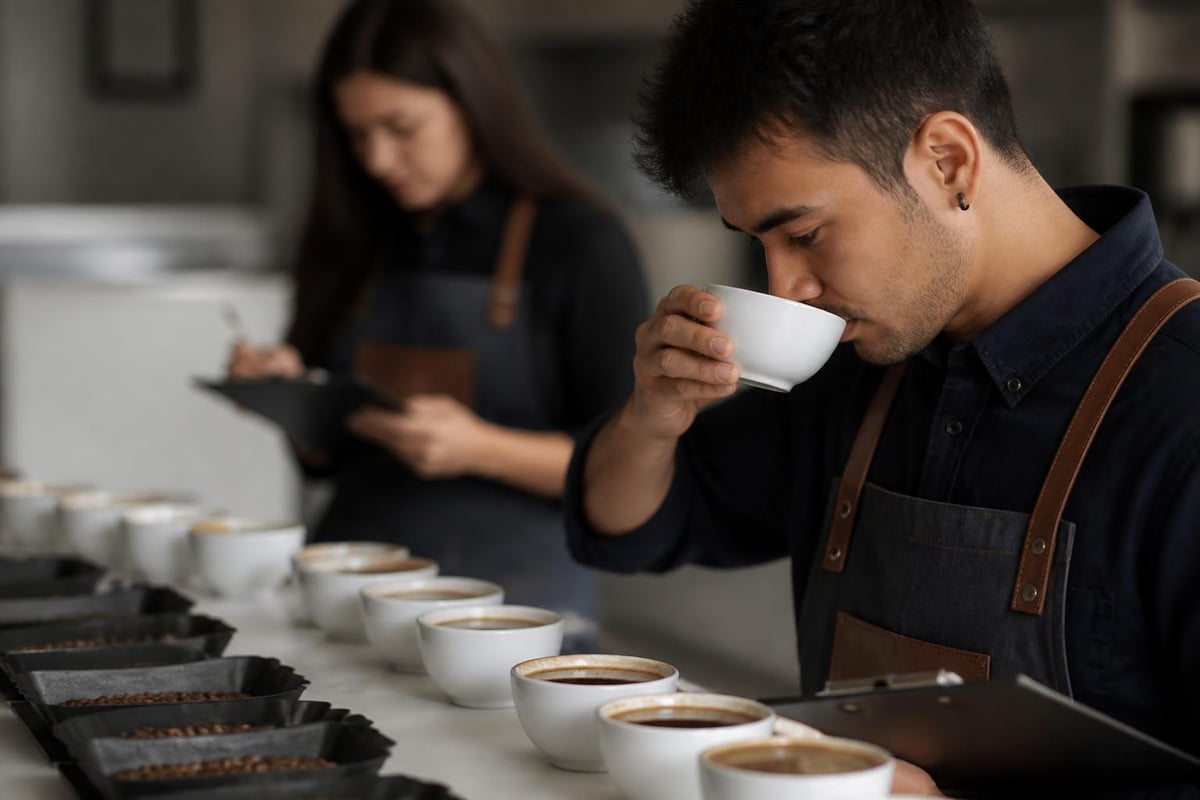
Professional coffee graders-called Q Graders-assess beans across multiple dimensions:
- Aroma: The fragrance of dry grounds and the perfume of brewed coffee
- Flavor: The combined taste and aromatic sensations
- Aftertaste: The lingering impression after swallowing
- Acidity: The bright, lively quality (not sourness)
- Body: The tactile feeling in your mouth
- Balance: How all elements work together
- Uniformity: Consistency across multiple cups
- Clean Cup: Freedom from defects or off-notes
- Sweetness: Natural sugars developed during growing and roasting
- Overall: The grader's holistic assessment
This rigorous evaluation creates a language for quality that specialty coffee shops use to select their offerings. When you order an Ethiopian Yirgacheffe or a Kenyan AA, you're tasting coffee that passed through this gauntlet of assessment.
The Ritual of Preparation Makes the Difference
A specialty coffee shop treats brewing as an art form requiring precision and attention. Pour-over methods, siphon brewers, AeroPress techniques-each extraction method unlocks different flavor notes from the same beans.
The water temperature matters. Pour too hot and you extract bitter compounds; too cool and you leave sweet notes locked in the grounds. The grind size shifts everything: coarse grounds for French press, medium for pour-over, fine for espresso. Time becomes measured in seconds, not minutes, because over-extraction turns brightness into harshness.
Why Pourover Methods Dominate Specialty Shops
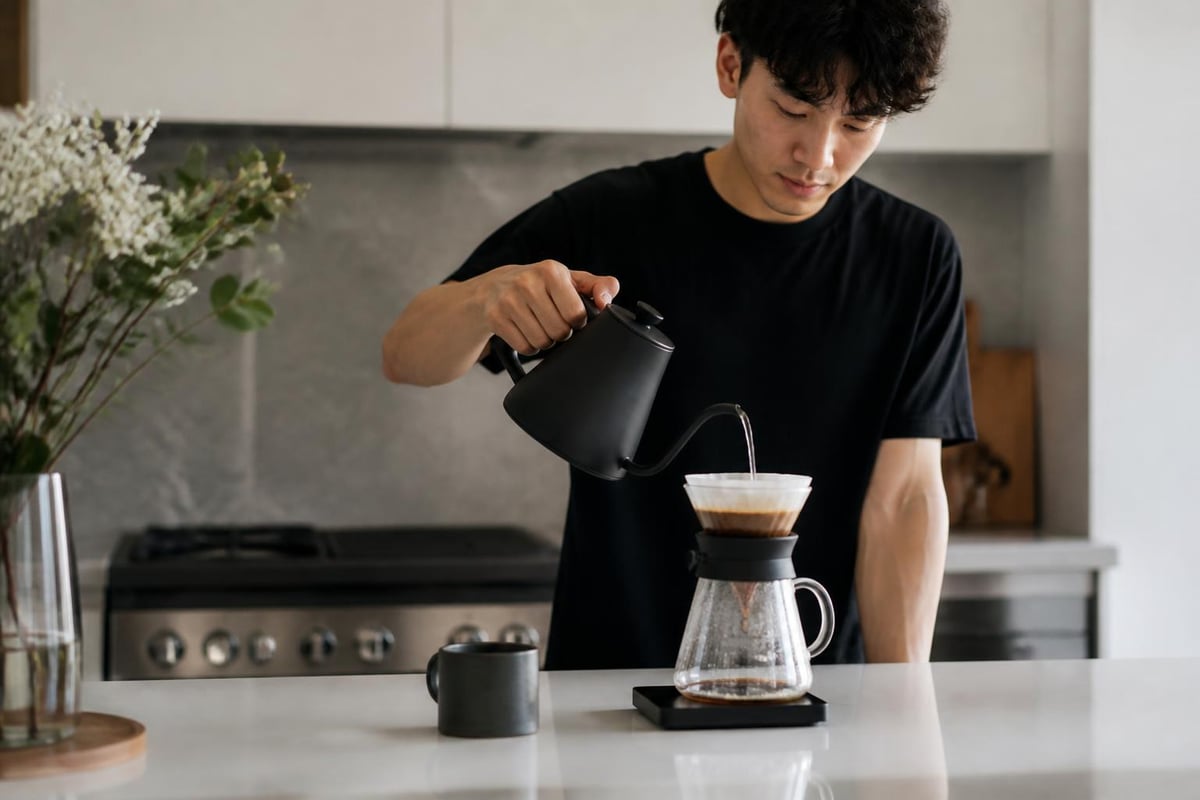
Pourover brewing gives control. The barista becomes conductor, orchestrating temperature, time, and turbulence to coax out specific flavors. With a gooseneck kettle, they can direct water flow with surgical precision, blooming the grounds first to release trapped gases, then maintaining steady saturation for even extraction.
This matters for single-origin beans because different coffees need different treatment. A bright, acidic Kenyan coffee might need a slightly lower temperature and faster pour to preserve its citrus notes. A chocolatey Colombian might benefit from longer contact time to develop its caramel sweetness.
The best pour-over methods allow coffee to express its terroir-the unique combination of soil, altitude, climate, and processing that makes each origin distinct. It's why specialty coffee shops often train their baristas for months, teaching them to read the coffee, adjust on the fly, and treat each cup as a unique creation.
The Community Space That Specialty Coffee Builds
Beyond the beans and brewing, a specialty coffee shop creates space for connection and contemplation. These aren't transactional environments designed for quick turnover. They're community hubs where regulars know each other's names and usual orders, where freelancers camp for hours over a single cup, where first dates and business meetings unfold at rustic wooden tables.
According to recent data from the National Coffee Association, specialty coffee consumption in the U.S. has reached a 14-year high, reflecting how deeply this culture has woven into our daily rhythms. People aren't just buying coffee-they're buying an experience, a moment of quality in their day.
| Traditional Coffee Shop | Specialty Coffee Shop |
|---|---|
| Pre-ground, commodity beans | Single-origin, traceable sourcing |
| Push-button automatic brewing | Manual, craft-focused methods |
| Speed and convenience focus | Quality and experience focus |
| Generic environment | Curated, intentional space |
| Barista as order-taker | Barista as coffee craftsperson |
The specialty coffee shop model has influenced how we think about coffee at home, too. Specialty coffee online options have exploded, bringing that same quality and care to home brewers who want the specialty experience without leaving their kitchen.
How Specialty Coffee Shops Navigate 2026's Challenges
The specialty coffee industry faces complex headwinds in 2026. Green coffee prices hit record highs through 2025, squeezing margins for roasters and cafes alike. As Coffee Intelligence reports, the industry also grapples with an identity crisis as younger consumers' preferences shift and definitions of "specialty" blur.
Adaptation becomes survival. Some specialty coffee shops have diversified their offerings, adding tea programs, pastry collaborations, or retail sections featuring brewing equipment. Others have leaned into education, hosting cupping sessions and brewing workshops that deepen customer knowledge and loyalty.
The Home Brewing Revolution
Rising prices and remote work patterns have accelerated home coffee consumption. Many specialty enthusiasts now split their coffee budget between cafe visits and home brewing setups. This shift has created opportunities for portable, high-quality coffee solutions that maintain specialty standards without requiring expensive equipment.
That's where innovation in coffee delivery matters. The Pixies Brew Discovery Set brings specialty-grade coffee into homes through nitrogen-flushed sachets that preserve freshness while requiring nothing more than a cup and hot water. Each sachet delivers a pourover experience: rip, hook onto your cup, and pour hot water through grounds selected for specific flavor profiles.
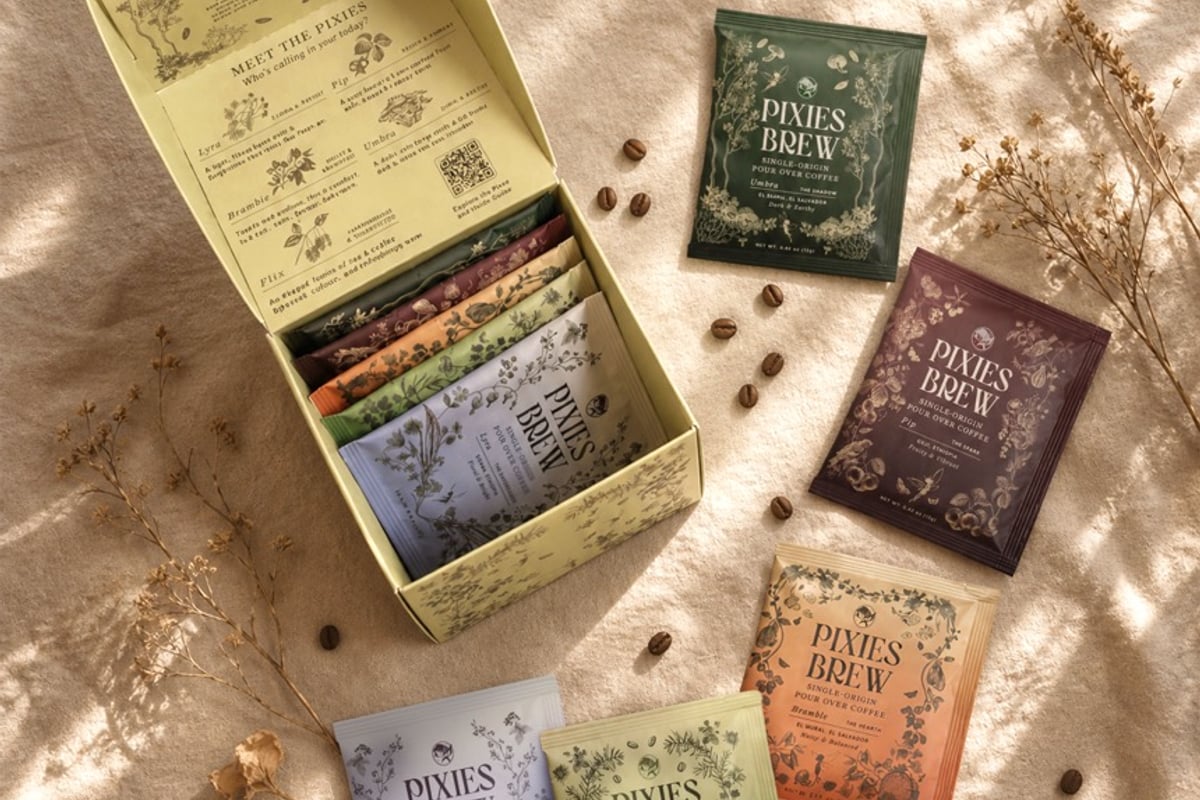
This approach bridges the gap between specialty cafe experiences and home convenience, offering five distinct blends so coffee lovers can explore flavor profiles from bright and floral to deep and chocolatey without investing in grinders, scales, and brewing equipment.
The Sensory Journey That Defines Quality
Understanding specialty coffee means engaging all five senses, not just taste. This is where the magic happens-where coffee transcends caffeine delivery and becomes an experience worth savoring.
Sight: Specialty coffee shops often showcase their beans in glass containers, letting you see the variation in size and color that indicates careful sorting. The crema atop espresso should be thick and persistent, a caramel-colored layer that speaks to fresh roasting and proper extraction.
Sound: The crack of beans expanding during roasting, the hiss of steam wands, the gentle pour of water meeting grounds-these auditory cues signal craft and care. In a specialty setting, you hear precision: timers beeping, grinders calibrated to exact settings, the sharp click of a portafilter locking into an espresso machine.
Smell: This is where specialty coffee first announces itself. The dry fragrance of whole beans differs from the wet aroma of grounds meeting water. Specialty beans reveal layers: maybe jasmine and bergamot in one breath, then dark chocolate and toasted nuts in the next.
Touch: Temperature matters-specialty shops serve coffee at temperatures that allow immediate drinking while preserving flavor compounds that evaporate above 175°F. The body of the coffee, its weight and texture on your tongue, tells you about the bean's origin and processing method. Washed coffees feel lighter and cleaner; natural-processed coffees have more body and complexity.
Taste: This is the culmination. Specialty coffee should taste distinct and interesting, not just "coffee-flavored." You might find stone fruit acidity in an Ethiopian coffee, maple sweetness in a Brazilian, or black tea notes in a Kenyan. The finish should be clean, leaving you wanting another sip rather than reaching for water to wash away bitterness.
Building Your Coffee Ritual Beyond the Shop
The lessons from specialty coffee shops translate beautifully into home practice. You don't need a $3,000 espresso machine to create meaningful coffee moments.
Essential Elements for Specialty Coffee at Home
- Start with quality beans: Seek out roasters who list roast dates and origin information
- Respect freshness: Coffee peaks 7-14 days after roasting; whole beans stay fresh longer than ground
- Control your water: Filtered water at 195-205°F extracts best
- Measure precisely: A simple scale ensures consistency
- Clean your equipment: Coffee oils turn rancid and taint future brews
Ritual matters as much as equipment. The act of grinding beans, heating water to the right temperature, and watching coffee bloom creates space for mindfulness. This is coffee as meditation, as punctuation in your day, as a moment claimed back from the rush.
The specialty coffee shop teaches us that slowing down enhances experience. When you rush through coffee, you miss the complexity. When you pause, breathe, and engage your senses, a simple cup becomes something richer.
The Economic and Cultural Impact of Specialty Coffee
Market projections show specialty coffee shops continuing to grow despite challenges. According to PR Newswire reports, the specialty coffee shop market is expected to grow by $57.41 billion from 2024-2028, driven by rising consumption and evolving consumer preferences.
This growth reflects a broader cultural shift. As Coffee Business Intelligence analyzes, out-of-home specialty coffee consumption remains strong even as home brewing increases, suggesting people value both experiences for different reasons. The cafe visit offers community and expertise; home brewing offers control and ritual.
The Gift of Quality Coffee
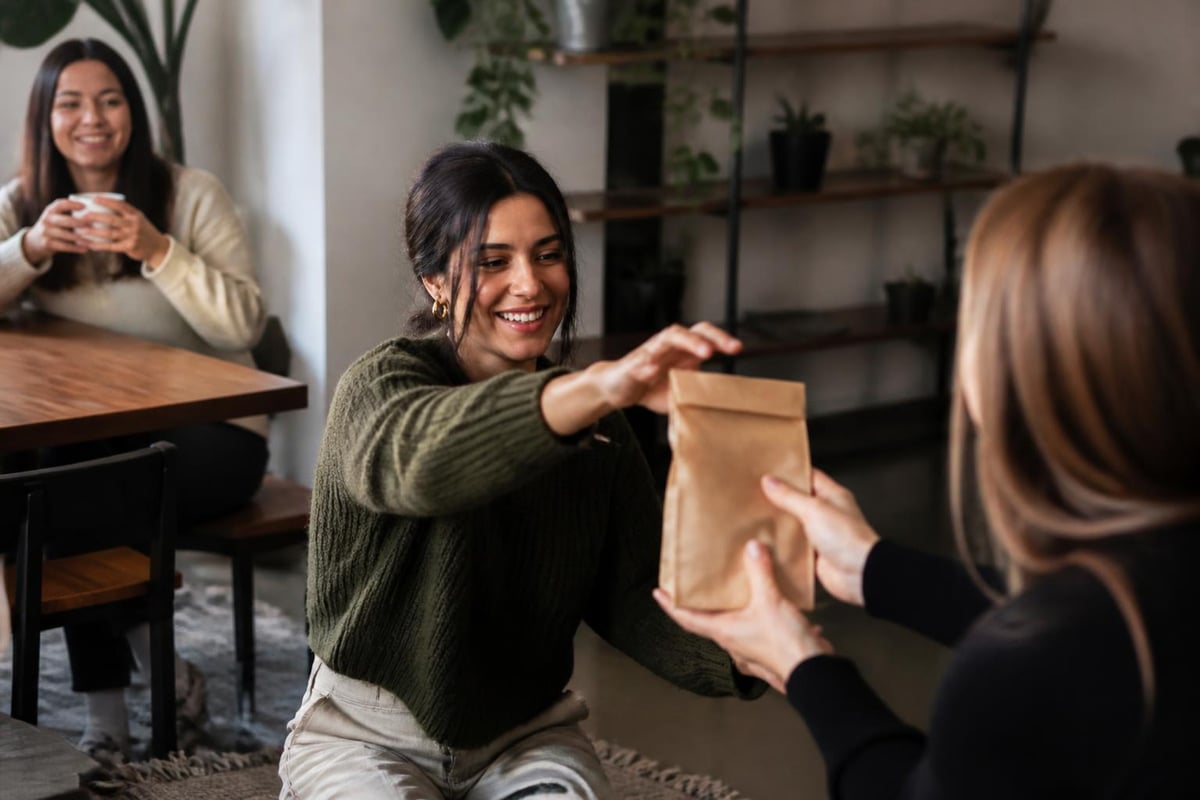
Specialty coffee has also emerged as a meaningful gift category. When you give someone carefully sourced, thoughtfully roasted coffee, you're offering an experience, not just a product. Many find that unique corporate gifts centered on specialty coffee create lasting impressions because they demonstrate care and attention to quality.
Frequently Asked Questions About Specialty Coffee
What's the difference between specialty and gourmet coffee?
"Gourmet" is a marketing term without standardized meaning. Specialty coffee has specific quality benchmarks (80+ points), traceable sourcing, and industry-recognized standards. Any coffee can be called gourmet; only high-scoring beans from quality-focused farms can be called specialty.
Why does specialty coffee cost more?
Specialty coffee pays farmers higher prices for quality production, involves more selective harvesting, requires careful processing, and often comes from smaller lots. The entire supply chain-from farm to roaster to cafe-operates on smaller margins with higher quality standards.
Can I make specialty coffee without expensive equipment?
Absolutely. Pourover methods require only a dripper, filter, and kettle. Many specialty coffee experiences depend more on bean quality and water temperature than equipment cost. Fresh beans and attention to detail matter more than gear.
How do I store specialty coffee beans?
Keep beans in an airtight container away from light, heat, and moisture. Don't freeze or refrigerate-this introduces moisture and odors. Buy smaller quantities more frequently rather than large amounts that sit for weeks.
What does "single-origin" mean?
Single-origin coffee comes from one geographic location-sometimes a single farm, sometimes a specific region. This traceability allows you to taste terroir: how climate, soil, altitude, and processing create unique flavor profiles. Blends combine beans from multiple origins to create specific taste profiles.
The specialty coffee shop revolution has taught us that coffee can be craft, ritual, and community all at once. Quality beans treated with care reveal flavors we never knew existed in our morning cup. When you're ready to bring that specialty experience into your own daily ritual, Pixies Brew offers carefully sourced, nitrogen-sealed sachets that deliver pourover quality with nothing more than a cup and hot water. Each blend is crafted to create a moment of pause, a breath of magic in your morning-because exceptional coffee isn't just about the caffeine, it's about reclaiming moments for yourself.
