


Best Medium Roast Coffee Grounds for Your Morning Ritual
The best medium roast coffee grounds hit that sweet spot where a bean's origin character meets developed sweetness, creating a cup that's neither too bright nor too heavy. This roast level, often called the "Goldilocks" of coffee, stops the roasting process right when sugars caramelize but before oils migrate to the surface. It's where most single-origin beans sing their truest song, and where everyday rituals find their rhythm.
I remember the first time I truly understood medium roast. It was a Tuesday morning in the Grove, fog still clinging to the moss. I'd been chasing darker roasts for their boldness, lighter ones for their complexity. Then someone handed me a cup of Ethiopian medium roast, and everything clicked. The florals weren't screaming. The chocolate notes weren't buried. Everything just... belonged.
What Makes Medium Roast Coffee Special
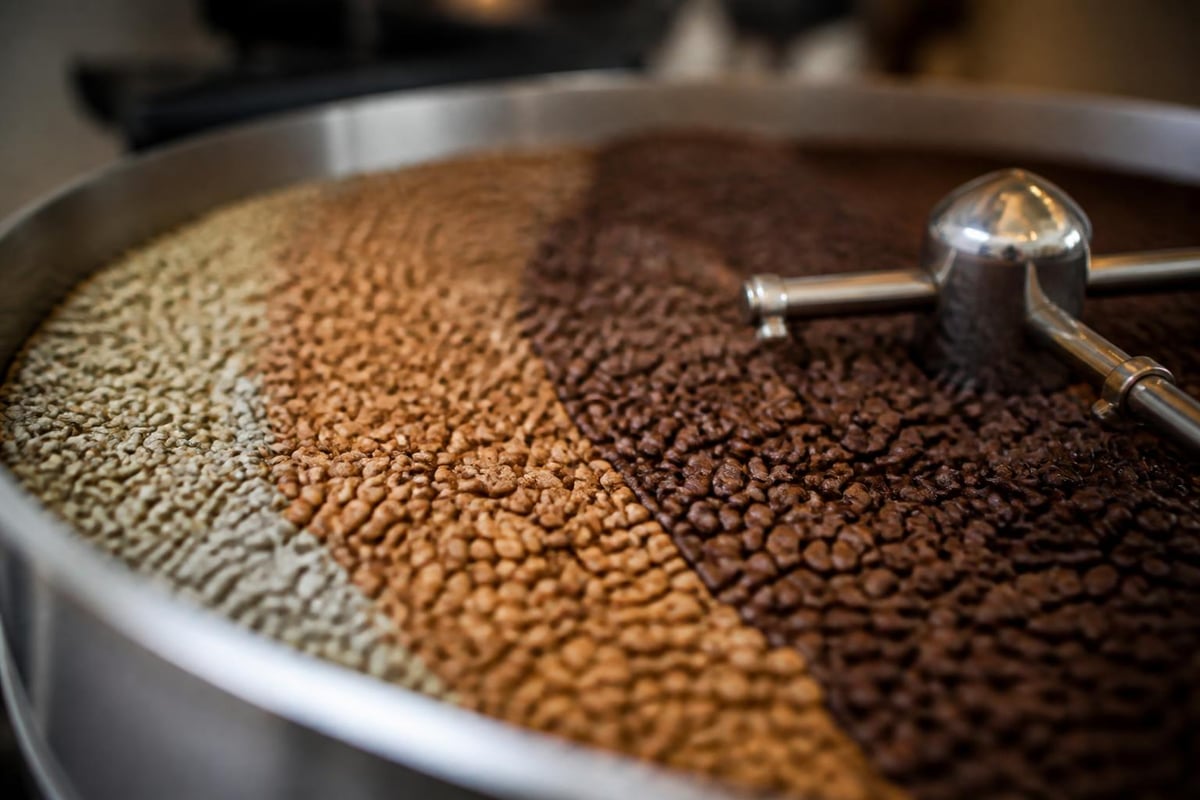
Medium roast occupies the center of the roasting spectrum, typically reaching internal temperatures between 410°F and 428°F. At this range, something magical happens inside the bean. The first crack has finished, sugars have caramelized, and the bean's cellular structure has expanded just enough to release complex flavors without burning away the subtle notes that make each origin unique.
Understanding coffee roast levels reveals how this temperature range preserves origin characteristics while developing sweetness. The beans emerge chestnut brown, dry to the touch, with no visible oils on the surface.
The Chemistry Behind Balance
During medium roasting, the Maillard reaction creates hundreds of flavor compounds. Chlorogenic acids break down into quinic and caffeic acids, contributing to body without overwhelming bitterness. Meanwhile, the bean's natural sugars undergo caramelization, creating notes of honey, caramel, and brown sugar.
Key characteristics of medium roast include:
- Balanced acidity and body
- Pronounced sweetness with moderate brightness
- Origin flavors clearly present
- Smooth finish without sharp edges
- Chocolate, nut, and caramel undertones
- Minimal to no surface oils
This balance makes medium roast incredibly versatile. Whether you're brewing for specialty coffee online delivery or crafting your daily ritual, these grounds adapt beautifully to different methods.
How to Identify Quality Medium Roast Grounds
Not all medium roasts are created equal. The best medium roast coffee grounds start with exceptional green coffee, roasted with precision and packed fresh. When you open a bag, you should encounter an aroma that's sweet and inviting, not flat or papery.
Visual inspection tells you plenty. Look for consistent bean size and color. Premium medium roast should be uniformly brown without scorched or underdeveloped beans. The surface should appear dry and matte rather than oily or shiny.
The Freshness Factor
Coffee grounds begin losing volatile aromatic compounds immediately after roasting. Within two weeks, significant flavor degradation occurs. The best medium roast coffee grounds are those roasted within days of brewing, not months.
| Freshness Indicator | What to Look For | Why It Matters |
|---|---|---|
| Roast Date | Within 2-4 weeks | Peak flavor window |
| Packaging | Nitrogen-flushed or valve-sealed | Preserves aromatics |
| Aroma | Sweet, complex, vibrant | Indicates freshness |
| Bloom Response | Strong CO2 release during brewing | Active degassing |
Specialty roasters often nitrogen-flush their packages, displacing oxygen that accelerates staling. This technology keeps grounds fresh far longer than traditional packaging methods.
Top Flavor Profiles in Medium Roast
The beauty of medium roast lies in its diversity. Different origins and processing methods create distinct flavor experiences, all within this balanced roast level.
Ethiopian medium roasts often showcase floral and citrus notes. Think jasmine, bergamot, and stone fruit. The acidity remains bright but approachable, with a tea-like body that feels delicate on the palate.
Colombian medium roasts lean into caramel sweetness and nutty depth. These coffees often present notes of toasted almonds, brown sugar, and milk chocolate. The body is rounder, the finish longer.
Kenyan medium roasts bring vivacious brightness. Black currant, tomato, and winey notes dance alongside brown sugar sweetness. These are coffees that wake you up intellectually as much as physically.
Decaf Done Right
Quality decaf in medium roast deserves recognition. The Swiss Water Process or CO2 method removes caffeine while preserving flavor compounds. A well-executed medium roast decaf can deliver the same complexity as its caffeinated counterpart, offering that perfect evening ritual without compromising sleep.
When exploring the best pour over methods, medium roast grounds respond beautifully. The balanced extraction window forgives small timing variations while still rewarding precision.
Brewing Methods That Highlight Medium Roast
Medium roast's versatility shines across brewing methods, but certain techniques truly elevate these grounds.
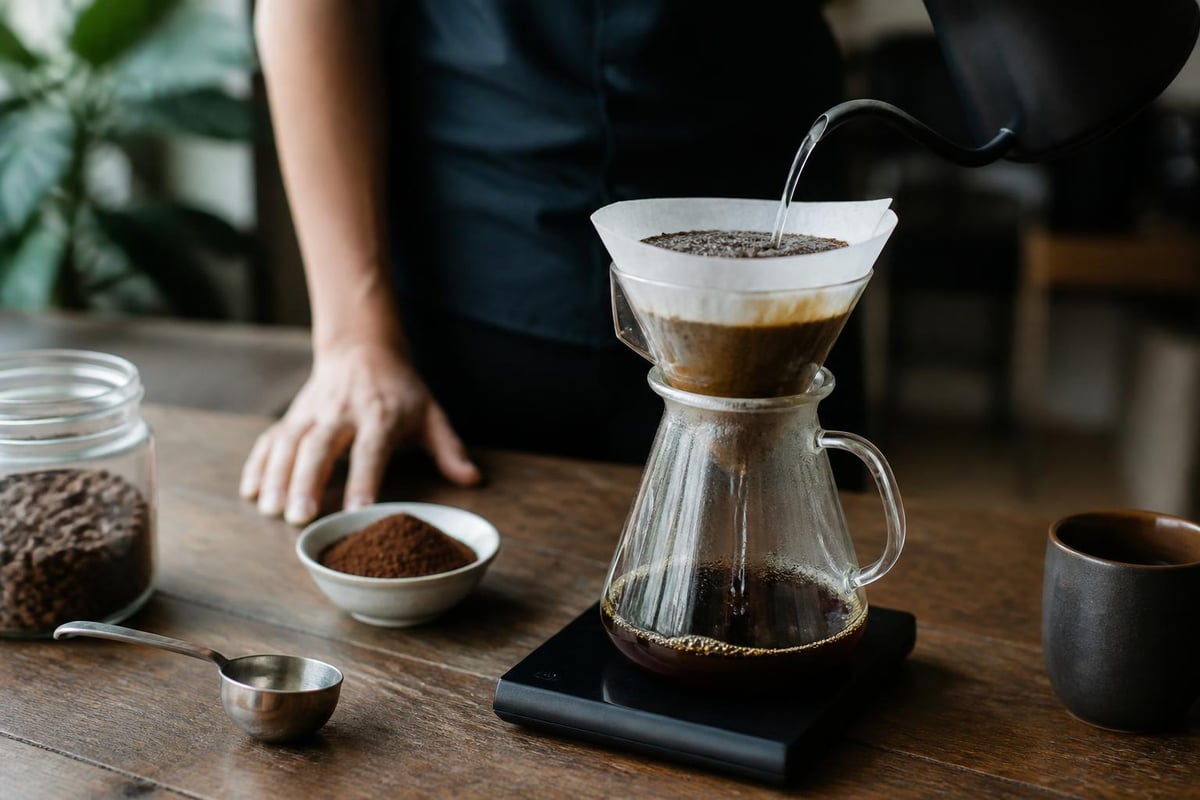
Pour-over brewing extracts the full spectrum of medium roast flavors. The controlled water flow and contact time highlight clarity and complexity. Aim for water between 195°F and 205°F, with a total brew time of 2.5 to 3.5 minutes.
French press emphasizes body and sweetness. The immersion method allows oils and fine particles to remain in the cup, creating a fuller mouthfeel. Use a coarser grind and four-minute steep time for optimal results.
- Measure grounds: Use a 1:15 coffee-to-water ratio as your starting point
- Heat water: Target 200°F for consistent extraction
- Bloom first: Pour twice the weight of water over grounds, wait 30 seconds
- Continue brewing: Add remaining water using your chosen method
- Time it: Adjust contact time based on your taste preference
Drip coffee makers work exceptionally well with medium roast. The consistent temperature and moderate extraction time align perfectly with this roast level's characteristics.
Grinding for Maximum Freshness
Pre-ground coffee offers convenience, but whole bean medium roast preserves flavor longer. If you're buying grounds, look for packaging that indicates grinding happened within days of shipping.
Grind size dramatically affects extraction. Too fine, and medium roast becomes bitter and harsh. Too coarse, and you'll extract weak, sour coffee lacking body.
Grind Size Guide for Medium Roast
| Brewing Method | Grind Size | Texture Reference |
|---|---|---|
| Espresso | Extra fine | Powdered sugar |
| Pour-over | Medium-fine | Table salt |
| Drip machine | Medium | Sand |
| French press | Coarse | Sea salt |
| Cold brew | Extra coarse | Breadcrumbs |
The best medium roast coffee grounds maintain particle consistency. Uneven grinding creates simultaneous over and under-extraction, muddying the balanced flavors you're seeking.
Storage Tips for Longevity
Proper storage extends the life of your medium roast grounds. Oxygen, light, heat, and moisture are the enemies of fresh coffee.
Store grounds in an airtight container away from direct sunlight. A cool, dark cabinet works perfectly. Avoid the refrigerator-temperature fluctuations create condensation that damages coffee.
Best practices for storage:
- Use opaque, airtight containers
- Keep away from heat sources
- Buy in quantities you'll use within two weeks
- Never freeze pre-ground coffee
- Store whole beans if grinding at home
Glass jars look beautiful on the counter, but they expose coffee to light degradation. Ceramic or stainless steel containers with rubber-sealed lids protect your investment better.
Tasting Notes to Explore
Developing your palate for medium roast takes practice and attention. The medium roast flavor profile encompasses a wide range of descriptors.
Sweetness indicators include honey, caramel, brown sugar, maple syrup, and molasses. These develop through careful caramelization during roasting.
Fruit notes might present as apple, pear, cherry, berry, or citrus. These come from the coffee cherry itself and the bean's processing method.
Chocolate and nut flavors emerge from the Maillard reaction. Expect almond, hazelnut, pecan, cocoa, and dark chocolate.
Spice elements can include cinnamon, clove, nutmeg, or black pepper, adding complexity to the cup's finish.
Building Your Tasting Vocabulary
Start by noticing broad categories: Is it fruity or nutty? Bright or mellow? Then get specific. That fruity note-is it more like red apple or dried apricot?
Keep a simple journal. Note the origin, roast date, brew method, and your impressions. Over time, patterns emerge. You'll discover which origins and roasters consistently deliver the characteristics you love.
Single-Origin Versus Blends
Both single-origin and blended medium roasts have their place in a well-rounded coffee experience.
Single-origin medium roasts showcase a specific region's terroir. These coffees tell a story of place-the altitude, soil, climate, and processing that shaped their flavor. They're ideal for slow mornings when you want to really taste your coffee.
Blended medium roasts combine beans from different origins to create consistent, balanced profiles. Master roasters blend for specific flavor targets: extra sweetness, pronounced body, or particular chocolate notes.
Neither is inherently better. Single-origins offer exploration and variety. Blends provide reliability and approachable complexity. The best medium roast coffee grounds might be either, depending on your mood and moment.
For those seeking convenience without compromising quality, innovations in coffee packaging have made specialty medium roast more accessible than ever.
The Role of Processing Methods
How coffee cherries are processed after harvesting profoundly impacts the final cup, especially in medium roast where these nuances remain prominent.
Washed (wet) processing produces clean, bright coffees. The fruit is removed before drying, resulting in clarity that medium roasting preserves beautifully. Expect pronounced acidity and distinct origin characteristics.
Natural (dry) processing leaves the fruit intact during drying. This creates fruity, wine-like flavors with heavier body. Medium roasted naturals often taste like berry compote and dark chocolate.
Honey processing sits between washed and natural. Some fruit mucilage remains during drying, creating sweetness and complexity. These coffees excel at medium roast, balancing fruit notes with developed sugars.
Understanding processing helps you predict flavor before brewing. It's knowledge that transforms shopping from guesswork into intentional selection.
Ethical Sourcing and Quality
The best medium roast coffee grounds come from farms that prioritize both quality and sustainability. Direct trade relationships, fair pricing, and environmental stewardship correlate strongly with exceptional coffee.
Look for certifications like Fair Trade, Rainforest Alliance, or Organic, but also research roasters' sourcing practices. Many specialty roasters maintain direct relationships with farmers, ensuring better prices and quality feedback loops.
Indicators of ethical sourcing:
- Transparency about farm and farmer names
- Prices above commodity market rates
- Long-term purchasing relationships
- Investment in farming communities
- Environmental sustainability practices
Quality and ethics intertwine. Farmers who receive fair compensation invest in better processing equipment, selective harvesting, and experimental varieties. This dedication to craft shows up in your cup.
Customizing Your Perfect Cup
Once you've found quality medium roast grounds, fine-tuning your brewing unlocks even more potential. Small adjustments create personalized perfection.
If your coffee tastes sour or sharp: Increase water temperature slightly or extend brew time. Under-extraction emphasizes acids without balancing sweetness.
If your coffee tastes bitter or flat: Decrease water temperature or shorten brew time. Over-extraction pulls harsh compounds that overwhelm medium roast's balance.
If your coffee lacks body: Try a coarser grind or immersion brewing. More suspended solids create fuller mouthfeel.
If your coffee seems weak: Increase your coffee-to-water ratio incrementally. Start with small adjustments-one gram makes a difference.
Experimentation is part of the ritual. Each variable you adjust teaches you something about extraction and your preferences.
Seasonal Considerations
Coffee is agricultural, and medium roast grounds reflect harvest cycles. Ethiopian coffees peak between January and March. Colombian coffees offer two harvest windows. Understanding seasonality helps you catch coffees at their freshest.
Many roasters offer limited-edition releases that showcase specific micro-lots or experimental processing. These seasonal offerings provide adventure for your palate while supporting innovation at origin.
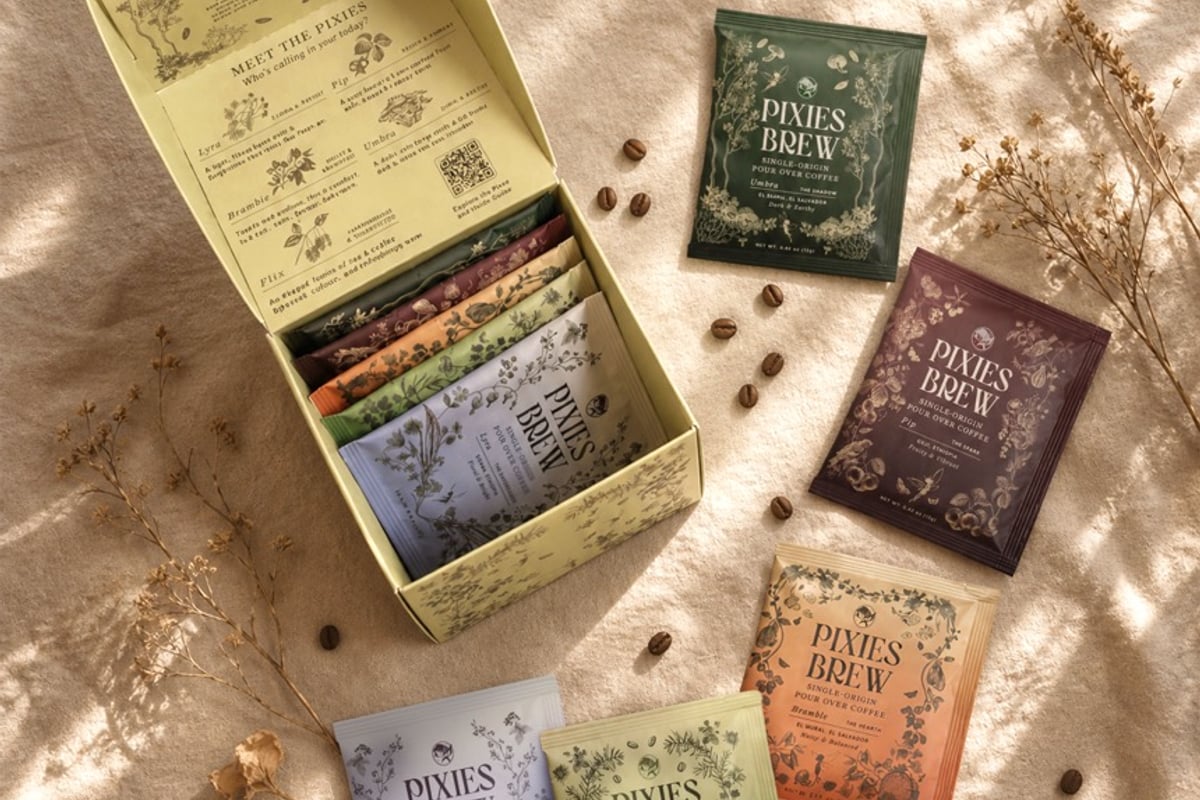
The Pixies Brew Discovery Set makes exploring different medium roast profiles effortless, bringing specialty-grade blends nitrogen-flushed for freshness directly to your ritual.
Frequently Asked Questions
How long do medium roast coffee grounds stay fresh?
Ground coffee peaks within two weeks of roasting, though proper storage extends drinkability to four weeks. Nitrogen-flushed packaging can preserve freshness for several months unopened.
Does medium roast have more caffeine than dark roast?
Slightly. Roasting reduces caffeine minimally, but measuring by weight, medium roast is denser, providing marginally more caffeine per scoop than dark roast.
Can I use medium roast for espresso?
Absolutely. Medium roast espresso highlights origin sweetness and creates balanced shots with pleasant acidity.
What's the difference between medium and medium-dark roast?
Medium-dark extends roasting closer to second crack, developing more bittersweet chocolate notes and heavier body while reducing brightness.
Are medium roast grounds better for cold brew?
They work well but differently than dark roast. Medium roast cold brew emphasizes fruit and floral notes, creating a brighter, more complex concentrate.
Developing Your Medium Roast Ritual
The best coffee ritual isn't about equipment or expense-it's about intention. Medium roast rewards attention. Take thirty seconds to smell the grounds before brewing. Notice the bloom. Taste thoughtfully rather than gulping.
In the Grove, we understand that coffee offers more than caffeine. It provides pause. The warmth of the cup in your hands. The aroma that fills the space. The moment of stillness before the day demands your attention.
This is where the best medium roast coffee grounds transcend being simply ingredients. They become part of a practice that grounds you, centers you, reminds you that even ordinary mornings can hold magic.
Whether you're measuring grounds into a filter, tearing open a fresh sachet, or selecting beans to grind, you're participating in something ancient and ongoing. You're joining coffee growers, roasters, and millions of other people who've found meaning in this simple ritual.
The right medium roast becomes your companion. The one you reach for on slow Sunday mornings. The one that tastes like comfort and possibility. Finding it requires experimentation, but the journey itself is worthwhile.
The best medium roast coffee grounds balance origin character with developed sweetness, creating cups that satisfy without overwhelming. They reward attention while forgiving small brewing variations, making them perfect for both daily rituals and special moments. If you're seeking that balance in convenient, freshly-ground form, Pixies Brew offers specialty-grade medium roasts in nitrogen-flushed sachets that preserve peak flavor while simplifying your brewing ritual. Each packet delivers not just excellent coffee, but a moment of pause in your day-a small magic you can taste.
