


Chamberlain Coffee: A Look at Coffee Culture & Craft
When Emma Chamberlain launched her coffee brand in 2020, she didn't just create another celebrity product line. She sparked a conversation about what coffee could mean to a generation craving authenticity, quality, and moments of genuine pause. Chamberlain coffee emerged at the intersection of lifestyle influence and specialty-grade beans, proving that social media could translate into something you could actually taste, smell, and hold in your hands each morning. The brand's journey from concept to established coffee company reflects a broader shift in how we think about our daily brew: not just fuel, but ritual.
The Story Behind the Brand
Every great coffee story begins with a simple question. For Emma Chamberlain, it was: why does coffee have to be intimidating? Her YouTube following knew her as someone who showed up authentically, camera in hand, sharing the messy and beautiful parts of daily life. Coffee was always there, steaming in the background of her videos, a constant companion through early mornings and late-night edits.
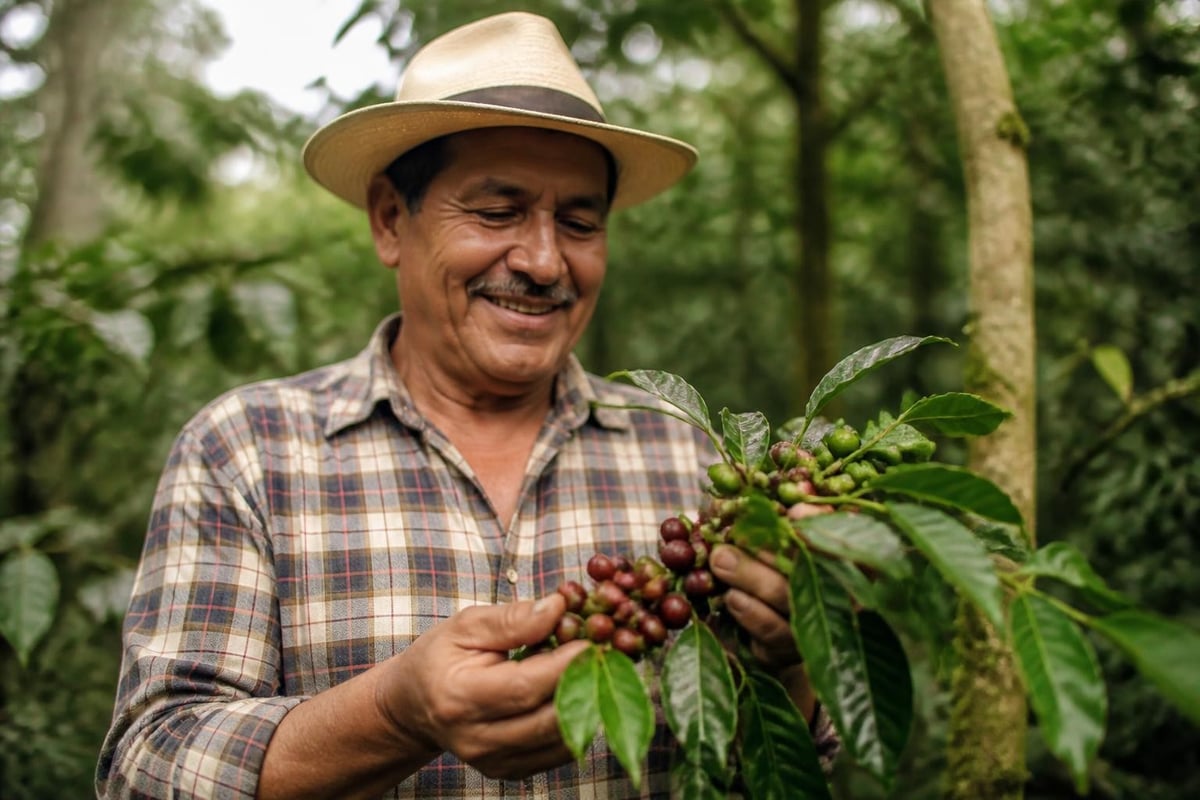
The brand that emerged carried that same energy. Chamberlain Coffee's mission centers on accessibility without compromising quality. Fair Trade-certified, organic beans became the foundation, but the presentation was pure Emma: approachable packaging, playful blend names, and a tone that never talked down to people who might be intimidated by traditional coffee culture.
From Influencer Project to Coffee Company
What started as a personal passion project quickly evolved into something more substantial. The brand's growth trajectory shows how chamberlain coffee matured alongside its founder, expanding from whole bean offerings into ready-to-drink lattes, cold brews, and retail partnerships that brought the brand into physical spaces.
This expansion mirrors a pattern we've seen across the specialty coffee landscape. Coffee lovers increasingly seek brands that reflect their values: sustainability, quality sourcing, and transparent supply chains. When you choose beans that come with a story, you're participating in something larger than a caffeine transaction.
What Makes Chamberlain Coffee Different
The specialty coffee market is crowded, but chamberlain coffee carved out space by refusing to fit neatly into existing categories. It's not quite traditional specialty roaster, not quite lifestyle brand, but somewhere in between where those worlds overlap.
Key Brand Distinctions:
- Sourcing transparency: Fair Trade and organic certifications aren't just marketing; they're commitments to farmer welfare and environmental sustainability
- Roast variety: From light to dark, each blend serves different palates and brewing methods
- Ready-to-drink innovation: Canned lattes and cold brews bring specialty coffee to grab-and-go moments
- Community building: Social media presence maintains authentic connection with consumers
The Product Line
Chamberlain coffee offers diversity across formats and flavor profiles. The whole bean and ground coffee selection includes blends with distinct personalities. Tastings and reviews from coffee enthusiasts reveal a range of experiences, from bright and fruity to rich and chocolatey.
The ready-to-drink line deserves special attention. Their canned coffee beverages entered a competitive market dominated by established players, but brought something different: oat milk-based lattes that prioritize both taste and ingredient quality. The Vanilla Oatmilk Latte, for instance, balances sweetness with coffee flavor in a way that doesn't feel overly processed.
| Product Category | Format | Target Moment |
|---|---|---|
| Whole Bean | Bag | Home brewing ritual |
| Ground Coffee | Bag | Drip coffee convenience |
| Cold Brew Cans | Single-serve | On-the-go refreshment |
| Oat Milk Lattes | Single-serve | Quick morning fuel |
The Flavor Experience
Coffee tasting is deeply personal, but patterns emerge when you pay attention to how different roasts interact with your senses. Chamberlain coffee's offerings span a spectrum designed to meet various preferences.
Take the Social Dog blend as an example. Professional coffee reviewers noted its balanced profile: medium body with subtle sweetness and a clean finish. When you brew it at home, the aroma fills your kitchen with notes of caramel and nuts, the kind of smell that makes you slow down before that first sip.
Sensory Mapping
Light roasts in the chamberlain coffee lineup tend toward:
- Bright acidity that wakes up your palate
- Floral or fruity notes that dance on your tongue
- Clean finish that doesn't linger heavily
Medium roasts offer:
- Balanced sweetness and body
- Nutty, chocolate undertones
- Smooth texture that works across brewing methods
Dark roasts deliver:
- Bold, pronounced coffee flavor
- Lower acidity for sensitive stomachs
- Rich body that stands up to milk or cream
This variety matters because your morning mood changes. Some days call for bright and energizing; others need deep and grounding. Having options means you can match your coffee to your moment.
Brewing Methods and Rituals
The beans are only half the story. How you brew them transforms potential into experience. Chamberlain coffee works across brewing methods, from French press to pour-over, but each approach pulls different characteristics forward.
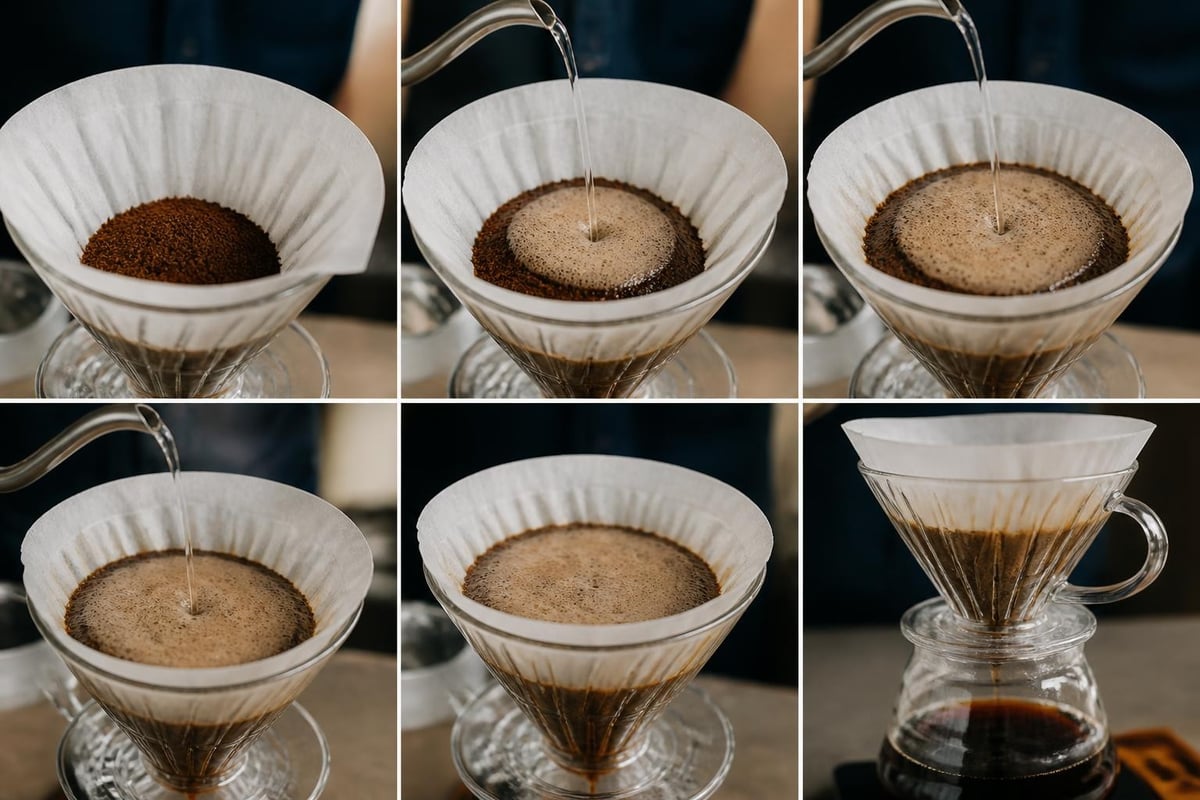
For those exploring the art of pour-over coffee, chamberlain coffee's lighter roasts shine. The slow, intentional process of water spiraling over grounds mirrors the brand's emphasis on taking time for yourself. You're not just making coffee; you're creating a pause in your day.
The Pour-Over Advantage
Pour-over brewing offers control that automatic drip can't match:
- Water temperature precision: Aim for 195-205°F to extract optimal flavor
- Bloom phase: Let grounds release CO2 for 30-45 seconds with a small pour
- Steady spiral: Pour in circular motions, keeping grounds evenly saturated
- Total brew time: 3-4 minutes for a balanced cup
This method brings out clarity in your coffee. You taste individual notes rather than a muddled blend. With quality beans, that clarity reveals the care that went into farming, processing, and roasting.
Coffee as Lifestyle and Community
Chamberlain coffee tapped into something broader than product: the desire to make daily routines meaningful. Your morning coffee can be a rushed necessity or a chosen ritual. The difference lies in intention.
This philosophy resonates with coffee enthusiasts who view their brew time as non-negotiable self-care. When you invest in specialty coffee, you're claiming those minutes as yours. No emails, no scrolling, just you and your cup.
Building Connection Through Coffee
The brand's social media presence maintains active dialogue with its community. Coffee lovers share their brewing setups, favorite blends, and morning rituals. This exchange creates collective experience around solitary moments.
Community Engagement Elements:
- User-generated content featuring chamberlain coffee in daily routines
- Transparent conversations about sourcing and sustainability
- Educational content demystifying coffee terminology
- Collaborative product development based on customer feedback
This approach differs from traditional coffee marketing that positions the brand as expert speaking to novice. Instead, it's a conversation among people who care about their coffee experience.
Quality Standards and Sourcing
Behind the approachable branding lies serious commitment to quality. Fair Trade certification means farmers receive fair prices for their crops, supporting sustainable livelihoods. Organic farming practices protect both land and workers from harmful chemicals.
These aren't just feel-good labels. They represent economic and environmental choices that ripple through entire coffee-growing communities. When you choose Fair Trade beans, you're voting for a different kind of supply chain, one that values people over pure profit maximization.
The Journey from Farm to Cup
| Stage | Quality Factor | Impact on Flavor |
|---|---|---|
| Growing | Altitude, soil, climate | Bean density, acid development |
| Harvesting | Selective picking | Ripeness consistency |
| Processing | Washed vs. natural | Clarity vs. fruitiness |
| Roasting | Temperature, duration | Flavor profile development |
| Packaging | Freshness preservation | Aroma retention |
Each stage requires expertise and care. Understanding this journey helps you appreciate what you're tasting. That bright acidity comes from high-altitude growing. The clean finish reflects careful processing. The balanced roast shows a roaster who knows when to stop.
The Ready-to-Drink Revolution
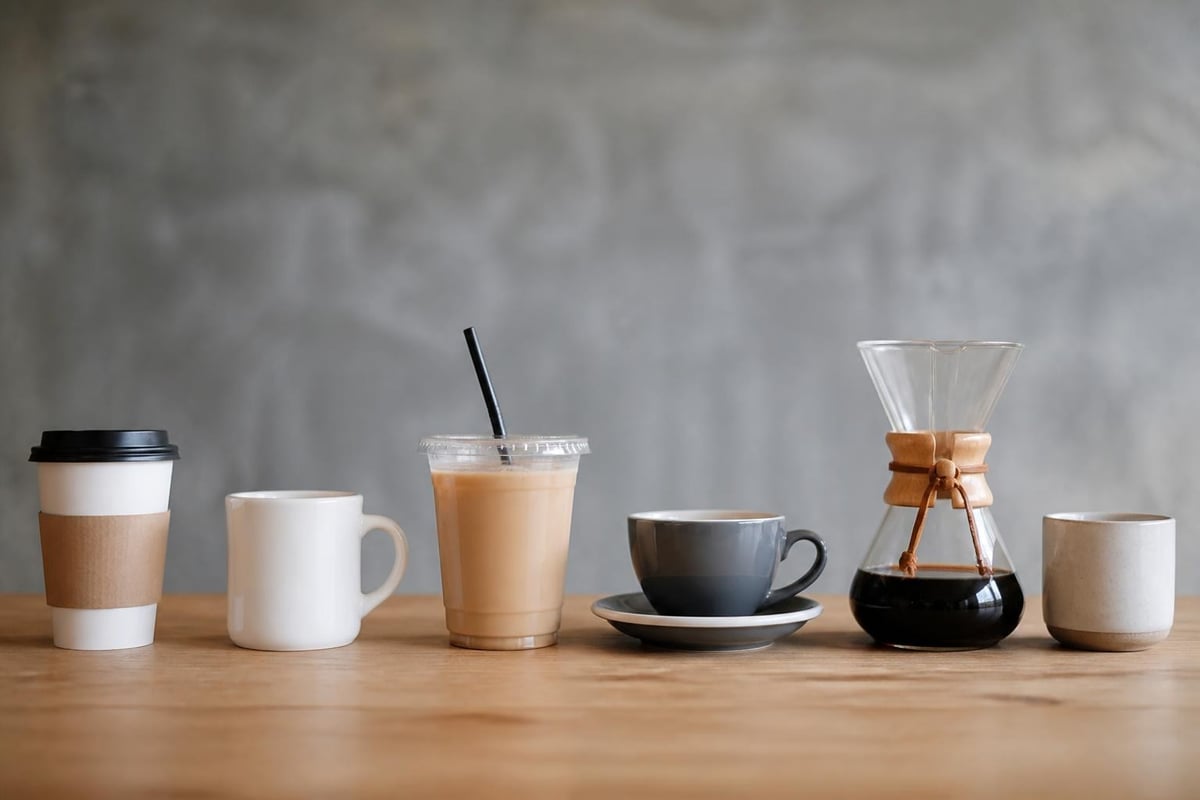
Chamberlain coffee's expansion into canned beverages represents adaptation to modern coffee consumption patterns. Not every coffee moment happens at home with time to brew. Sometimes you need quality coffee while commuting, between meetings, or on the road.
Their oat milk lattes address a specific need: dairy-free options that don't taste like compromise. Consumer feedback highlights the creamy texture and balanced sweetness, factors that make or break ready-to-drink coffee.
For coffee lovers who value travel-friendly options, these formats solve real problems. Quality shouldn't require a full brewing setup. Sometimes the best coffee is the one you can actually drink when you need it.
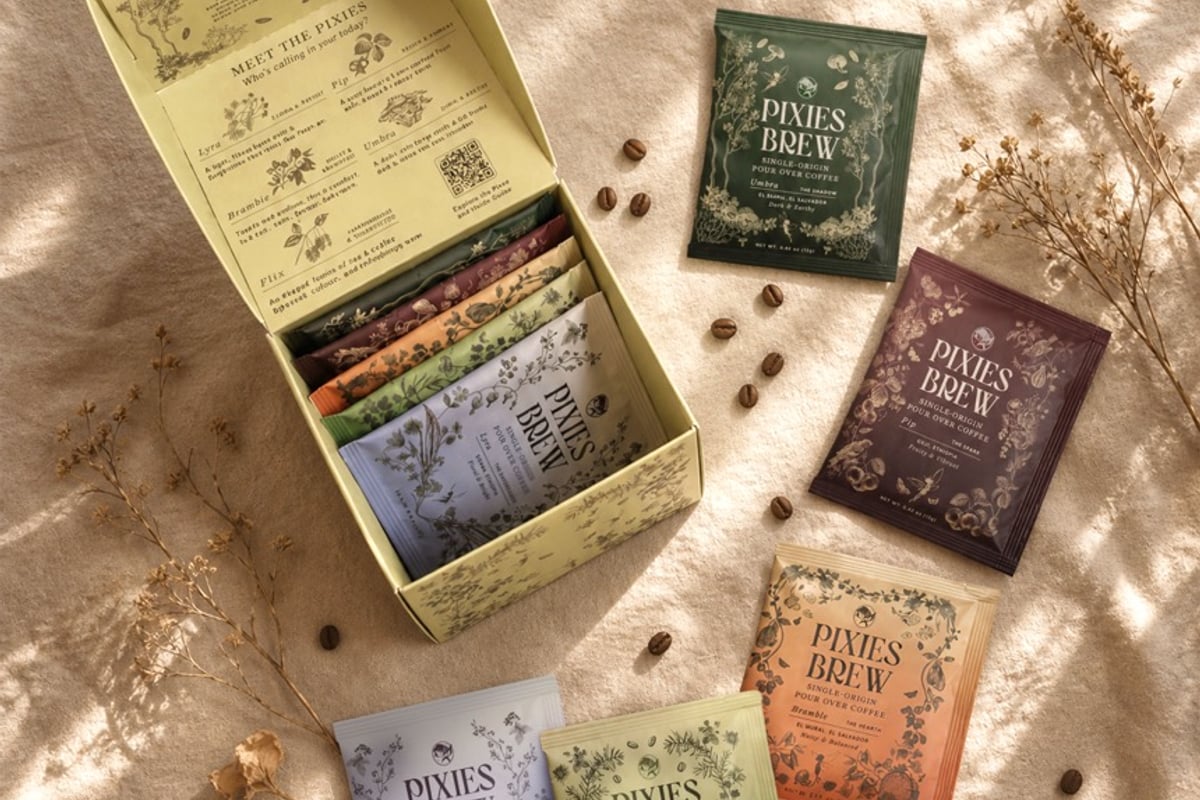
Perfect for those seeking more intentional coffee experiences without complicated equipment, the Pixies Brew Discovery Set brings specialty-grade coffee to any moment through nitrogen-flushed pour-over sachets that require only a cup and hot water.
Brand Evolution and Market Position
Since its 2020 launch, chamberlain coffee has navigated rapid growth while maintaining brand identity. The company's evolution shows strategic expansion into retail partnerships, broadening distribution beyond direct-to-consumer channels.
This growth pattern reflects maturation from founder-driven project to sustainable business. The challenge lies in scaling while preserving the authenticity that attracted customers initially. So far, the brand seems to navigate this tension by keeping Emma Chamberlain visibly involved while building professional infrastructure around her vision.
Market Differentiation
Chamberlain Coffee vs. Traditional Specialty Roasters:
- Younger demographic focus with social-first marketing
- Celebrity founder providing built-in audience and trust
- Product line spanning traditional and convenience formats
- Price point accessible to younger coffee enthusiasts
Chamberlain Coffee vs. Mass-Market Brands:
- Higher quality sourcing with certifications
- Smaller batch roasting for fresher product
- Direct community engagement and feedback loops
- Values-forward messaging beyond pure convenience
Lessons for Coffee Enthusiasts
The chamberlain coffee story offers insights whether you're a casual drinker or devoted enthusiast. Quality matters, but so does approachability. The best coffee ritual is one you'll actually maintain.
Key Takeaways:
- Start with good beans: Quality sourcing makes everything downstream better
- Match roast to method: Lighter roasts for pour-over, darker for espresso or French press
- Experiment with variables: Water temperature, grind size, and brew time all affect flavor
- Make it yours: Your perfect cup might differ from someone else's, and that's fine
Coffee culture sometimes feels exclusive, wrapped in terminology and equipment requirements that create barriers. Brands that lower those barriers while maintaining quality serve an important function. They bring more people into specialty coffee, expanding the community rather than gatekeeping it.
Sustainability and Future Direction
The coffee industry faces significant sustainability challenges, from climate change affecting growing regions to economic pressures on farming communities. Brands choosing Fair Trade and organic certifications contribute to solutions, though systemic change requires industry-wide commitment.
Chamberlain coffee's emphasis on ethical sourcing positions it well for consumers increasingly concerned about environmental and social impact. This isn't just millennial or Gen Z trend; it's growing awareness that our purchasing choices have consequences we can't ignore.
What's Next for Specialty Coffee
The trajectory points toward increased transparency, direct trade relationships, and regenerative agriculture practices. Coffee drinkers want to know where their beans come from, who grew them, and whether those farmers can sustain their livelihoods.
Innovation will continue in formats and flavors, but the core remains unchanged: quality beans, careful roasting, and brewing that honors the work that came before. Whether that happens through a traditional setup or a convenient sachet matters less than the intention you bring to the moment.
Frequently Asked Questions
Is chamberlain coffee actually good quality?
The brand uses Fair Trade-certified, organic beans with various roast levels. Professional reviews and consumer feedback indicate solid quality, particularly in their whole bean offerings. Taste is subjective, but the sourcing standards meet specialty coffee criteria.
Where can I buy chamberlain coffee?
Direct through their website plus select retail partners including Target and other national chains. Availability varies by region and product line, with ready-to-drink options more widely distributed than whole beans.
How does chamberlain coffee compare to local roasters?
Local roasters often offer fresher roasts and more unique single-origin selections. Chamberlain coffee provides consistency, broader accessibility, and values-forward sourcing at competitive prices. Both serve important roles in the coffee landscape.
What brewing method works best?
Depends on the roast. Lighter blends excel in pour-over or Aeropress. Medium roasts work across methods. Darker roasts suit French press or espresso. The brand's website provides brewing recommendations for each blend.
Are the ready-to-drink lattes worth trying?
If you value convenience without compromising on ingredient quality, yes. The oat milk base provides creamy texture, and flavor profiles avoid the overly sweet trap many ready-to-drink coffees fall into. They're solid options for busy mornings or travel.
The chamberlain coffee phenomenon reveals how specialty coffee continues evolving, becoming more accessible while maintaining quality commitments. Whether you brew whole beans at home or grab a canned latte on your commute, the underlying truth remains: coffee tastes better when you care about where it comes from and how it's made. For those seeking that balance of quality and intentionality in a truly convenient format, Pixies Brew offers nitrogen-flushed pour-over sachets that transform any moment into a mindful ritual, no equipment required beyond a cup and hot water.
