


Specialty Coffee Subscription: Grove Guide to 2026
A specialty coffee subscription delivers freshly roasted, high-quality beans to your door on a schedule that fits your rhythm, transforming coffee from a pantry staple into a monthly discovery ritual. In 2026, these subscriptions represent more than convenience. They're a gateway to understanding coffee's journey from soil to cup, a way to explore single-origin stories without leaving your kitchen, and an invitation to slow down long enough to taste the difference that careful sourcing makes.
I remember the first time I truly tasted my coffee instead of just drinking it. It was a Tuesday morning, unremarkable in every way except for the unfamiliar bag waiting on my doorstep. Inside, beans from Ethiopia that smelled like blueberries and jasmine. That subscription changed how I thought about my morning ritual. It wasn't just caffeine anymore. It was a conversation with a farmer I'd never meet, mediated through flavor notes I'd never learned to name.
What Makes a Specialty Coffee Subscription Worth Your Time
The specialty coffee market has reached unprecedented heights, with consumption remaining at record levels throughout 2026. This isn't a trend driven by marketing alone. People are genuinely tasting the difference between commodity coffee and beans scored 80+ on the Specialty Coffee Association scale.
A specialty coffee subscription curates this quality for you. Each delivery typically includes:
- Freshly roasted beans shipped within days of roasting, not weeks or months
- Transparent sourcing information connecting you to origin stories and farming practices
- Tasting notes and brewing guidance that help you extract the full flavor potential
- Varietal diversity exposing you to coffee regions and processing methods you wouldn't find at the grocery store
The value proposition extends beyond the beans themselves. You're essentially paying for a coffee education delivered in digestible, delicious increments.
The Sensory Journey of Subscription Coffee
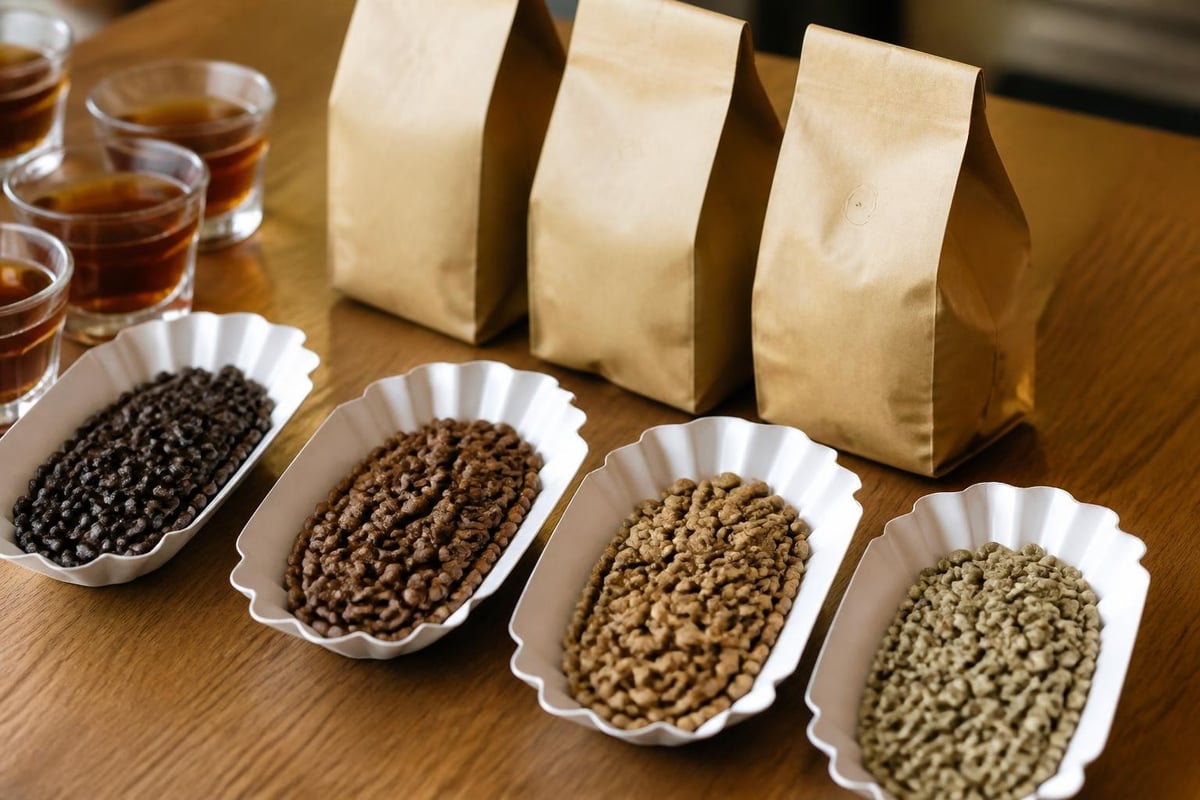
Opening a new shipment engages all five senses before you ever brew a cup. The bag releases an aroma that changes with each origin: sometimes it's chocolate and hazelnut, other times bright citrus or floral honey. The beans themselves tell stories through their appearance. Light roasts reveal the bean's natural character with golden-brown hues. Medium roasts balance sweetness and body with caramel tones. The sound of beans pouring into your grinder is different too, a richer cascade than pre-ground coffee ever offered.
When you finally brew, the flavors unfold in layers. A Kenyan coffee might start with blackcurrant brightness, settle into a brown sugar middle, and finish with a grapefruit snap that lingers. A Colombian coffee could open with caramel sweetness, build through nutty complexity, and close with gentle cocoa warmth. These aren't abstract tasting notes. They're real flavor compounds that careful processing and fresh roasting preserve.
How Subscription Models Adapt to Modern Coffee Drinkers
According to research on subscription-based business models, successful services balance predictability with personalization. The best specialty coffee subscriptions in 2026 understand this tension and resolve it through flexible options.
| Subscription Feature | Traditional Model | Modern Approach |
|---|---|---|
| Delivery Frequency | Fixed monthly | Adjustable: weekly, bi-weekly, monthly, or custom |
| Bean Selection | Roaster's choice only | Choice, curated, or build-your-own options |
| Quantity Flexibility | One-size packages | Scalable from 8oz to 5lb bags |
| Pause/Skip Options | Limited or penalized | Fully flexible with no penalties |
The evolution reflects how coffee fits into actual lives rather than idealized routines. Some weeks you're traveling. Other weeks you're hosting friends and brewing three pots a day. A subscription that adapts to these rhythms serves you better than one demanding rigid commitment.
Why Format Matters as Much as Flavor
The latest trends in specialty coffee show that delivery format increasingly influences subscriber satisfaction. Whole bean subscriptions suit home brewers with grinders and time for ritual. Pre-ground options serve those prioritizing convenience over absolute freshness. Single-serve formats are reshaping expectations entirely.
For travelers, remote workers, and anyone navigating unpredictable schedules, the ability to brew specialty coffee without equipment unlocks experiences previously limited to home kitchens. This is where innovation meets tradition. The coffee remains specialty-grade, sourced with care and roasted with precision. The delivery mechanism simply removes barriers between you and that quality.
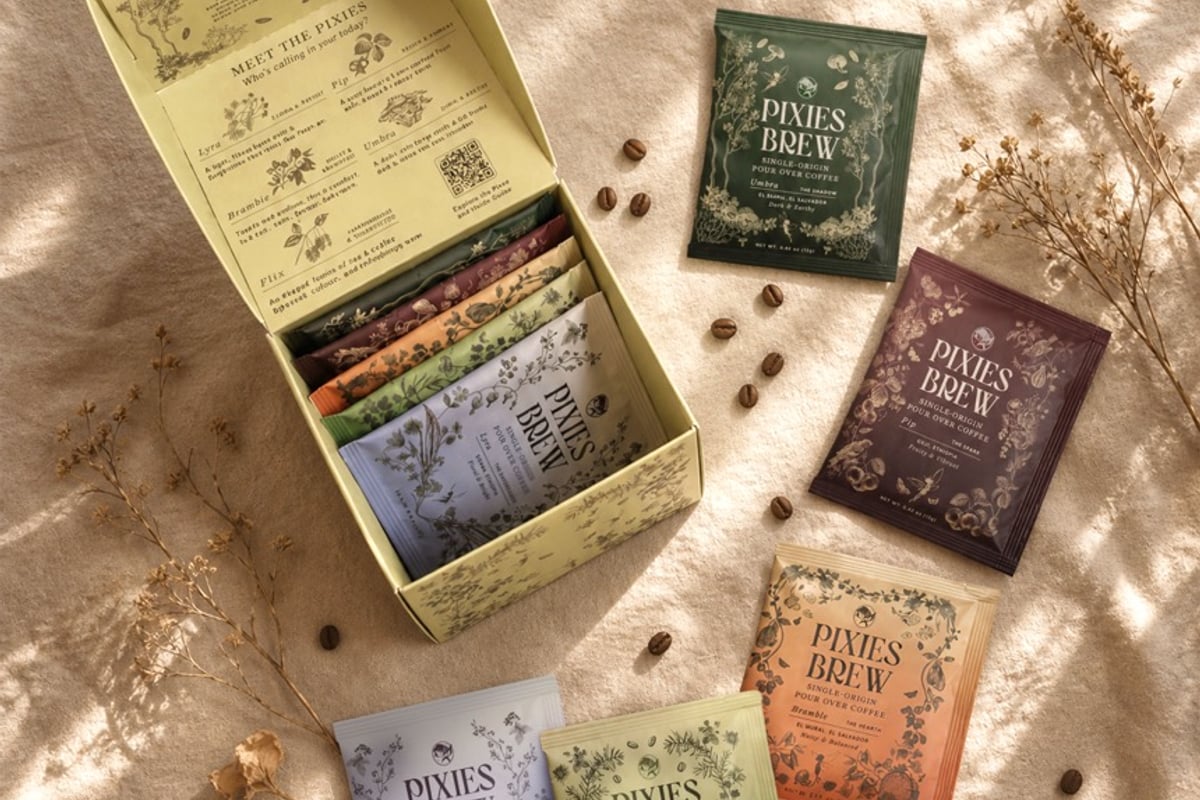
If you're seeking the perfect balance between specialty-grade quality and ultimate convenience, the Pixies Brew Discovery Set offers all five signature blends in nitrogen-flushed sachets that require nothing but a cup and hot water, letting you explore different flavor profiles while maintaining the ritual of a thoughtfully brewed cup.
Building Your Personal Coffee Profile Through Subscriptions
One unexpected benefit of a specialty coffee subscription is developing your palate vocabulary. When you taste different origins consecutively, patterns emerge. You start noticing that you reach for African coffees when you want brightness, Central American beans when you crave balance, and Indonesian varieties when you need earthy depth.
This self-knowledge transforms how you experience coffee everywhere. At cafés, you can articulate preferences beyond "dark roast" or "not too strong." When gifting coffee, you choose based on the recipient's actual taste profile rather than guessing. The subscription becomes a training ground for coffee literacy.
The Economics of Discovery Versus Routine
Let's examine the cost-benefit honestly. A specialty coffee subscription typically runs $16 to $28 per 12oz bag, depending on origin rarity and roaster reputation. That's $1.33 to $2.33 per cup assuming a 15-cup yield per bag.
Compare this to:
- Coffee shop specialty drinks: $4 to $7 per cup
- Supermarket specialty brands: $0.80 to $1.50 per cup, but often stale
- Commodity coffee: $0.30 to $0.60 per cup, significantly lower quality
The subscription price point sits between commodity convenience and café experience. You're paying a premium over grocery store coffee but gaining freshness, quality, and variety that shelf-stable beans can't match. You're saving significantly compared to daily café visits while accessing similar bean quality.
The intangible value lives in the discovery itself. Every month introduces you to coffee you wouldn't have known to seek out. This curated exploration has worth beyond the beans, especially for those who view coffee as a genuine interest rather than just a caffeine delivery system.
Regional Exploration Without Leaving Home
A well-designed specialty coffee subscription functions as passport to coffee-growing regions worldwide. Over the course of a year, you might taste coffees from:
- Ethiopia: The birthplace of coffee, offering fruity naturals and floral washed profiles
- Colombia: Balanced sweetness with bright acidity and chocolate undertones
- Kenya: Intensely complex with berry notes and wine-like brightness
- Brazil: Nutty, chocolatey, low-acid coffees that anchor blends beautifully
- Guatemala: Full-bodied with spice notes and cocoa richness
- Sumatra: Earthy, herbal, with heavy body and minimal acidity
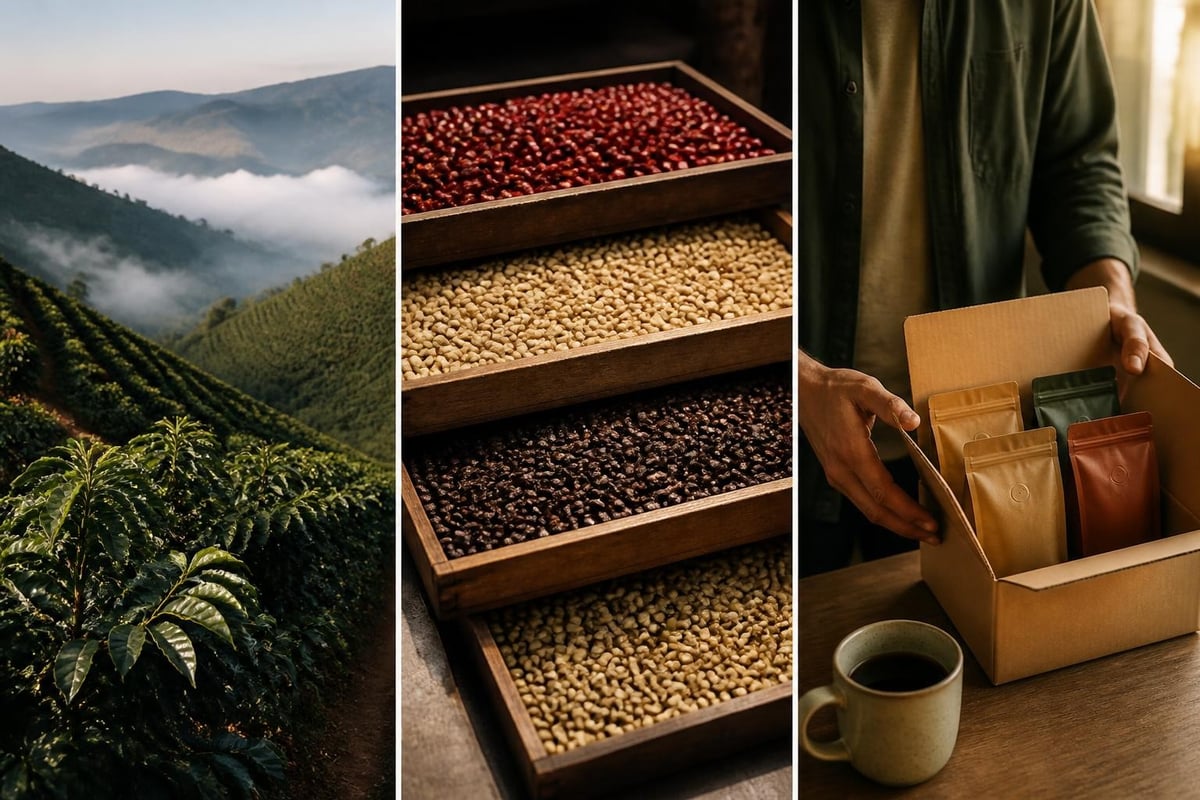
Each origin tells a story about terroir, altitude, processing method, and farming tradition. Ethiopian naturals sun-dry on raised beds for weeks, developing jammy sweetness. Kenyan coffees ferment in specific ways that amplify their signature brightness. Colombian beans grown at high altitude develop density and complexity that lower-elevation coffees can't match.
Seasonal Rotation and Limited Releases
The coffee harvest calendar creates natural variety in subscription offerings. East African coffees arrive in late winter and spring. Central American harvests ship in spring and summer. South American coffees peak in late spring through fall. Indonesian coffees flow year-round with seasonal variations.
Subscribers attuned to this rhythm start anticipating certain origins like seasonal produce. The first Kenyan coffee of spring becomes an event. A rare Geisha varietal released in limited quantity creates excitement similar to wine collectors pursuing allocated bottles. This seasonality keeps subscriptions dynamic even for long-term members.
The Sustainability Question in Coffee Subscriptions
Data from the National Coffee Association indicates that specialty coffee drinkers increasingly prioritize sustainability and ethical sourcing. A specialty coffee subscription that takes these concerns seriously will communicate:
- Direct trade relationships or fair trade certifications ensuring farmer compensation
- Organic certification where applicable, or detailed information about farming practices
- Carbon-neutral shipping or offset programs addressing delivery emissions
- Compostable or recyclable packaging minimizing environmental footprint
The subscription model itself can support sustainability when executed thoughtfully. Predictable orders allow roasters to minimize waste through more accurate batch sizing. Direct-to-consumer shipping, while carbon-intensive, eliminates the inefficiencies of multi-stop distribution chains. Smaller, more frequent deliveries ensure fresher coffee with less risk of beans going stale and being discarded.
Some roasters have begun including origin-specific sustainability stories with each shipment. You learn that your Guatemalan coffee came from a women-owned cooperative investing profits in education. Your Rwandan beans supported a farming community rebuilding after conflict. These narratives deepen the connection between your morning cup and the global network that made it possible.
Finding the Right Subscription for Your Brewing Style
Your brewing method should influence subscription choices. Different brewing techniques extract different characteristics from beans, and some origins excel in specific preparations.
For pour-over enthusiasts: Look for subscriptions emphasizing light to medium roasts from African and Central American origins. These brewing methods highlight delicate floral and fruit notes that darker roasts would obscure. The single-serve pour-over approach offers a middle path between full control and practical convenience.
For espresso lovers: Seek subscriptions offering medium to medium-dark roasts with good body and sweetness. Brazilian, Colombian, and blended offerings often work best. Roasters experienced in espresso will provide grind and dosing recommendations.
For French press fans: Medium to dark roasts with full body and low acidity shine in immersion brewing. Indonesian coffees particularly excel here. Subscriptions should offer coarser grind options or whole beans for home grinding.
For cold brew devotees: Look for subscriptions with higher quantities at lower per-ounce costs, since cold brew requires more coffee per serving. Chocolatey, low-acid origins from Brazil and Central America create smooth, sweet concentrates.
Customization Versus Curation
The subscription landscape splits between two philosophies. Curated subscriptions trust the roaster's expertise to select beans each month based on seasonality, quality, and variety. You surrender control but gain discovery guided by professionals who taste hundreds of coffees annually.
Customized subscriptions let you specify preferences: roast level, origin, flavor profile, decaf options. You maintain control but might miss coffees outside your stated preferences that would expand your palate.
The best choice depends on your relationship with coffee. Beginners often benefit from curation, building a foundation of tasting experience before knowing what to request. Experienced drinkers with clear preferences might value customization that delivers exactly what they want.
Practical Considerations Beyond the Beans
Storage and Freshness Management
A specialty coffee subscription demands proper storage to maintain the quality you're paying for. Once you open a bag, coffee begins losing volatile aromatic compounds. Oxygen, light, heat, and moisture all accelerate staleness.
Best practices include:
- Airtight containers that exclude oxygen while allowing CO2 to escape
- Cool, dark storage away from stoves, windows, and other heat sources
- Buying quantities that match your consumption within two weeks of opening
- Never refrigerating or freezing whole beans, which introduces moisture
If your subscription delivers more coffee than you consume fresh, adjust frequency rather than stockpiling beans. A bag delivered every six weeks that you finish completely beats monthly deliveries where the last cups taste flat.
The Trial Period Strategy
Most specialty coffee subscriptions offer introductory discounts or trial periods. Use these strategically:
- Start with smaller quantities to test roaster quality and service reliability
- Sample different subscription tiers if offered, comparing value at each level
- Evaluate communication quality through newsletters, brewing tips, and customer service responsiveness
- Track your actual consumption before committing to larger volumes
- Test the pause/skip functions to ensure flexibility matches your needs
A trial period reveals whether the roaster's taste profile aligns with yours. Some roasters favor bright, acidic coffees. Others lean toward chocolatey, low-acid profiles. Neither approach is objectively better, but one will likely resonate more with your palate.
How Younger Demographics Are Reshaping Subscriptions
Research shows that younger coffee drinkers are driving specialty coffee growth through emphasis on flavor, experience, and authenticity. This demographic shift influences subscription offerings in meaningful ways.
Millennials and Gen Z subscribers tend to value:
- Transparency about sourcing, pricing, and roaster practices
- Digital experience including apps, SMS updates, and social media engagement
- Sustainability credentials that align with environmental values
- Format flexibility accommodating varied lifestyles and brewing situations
- Community connection through online forums, tasting events, and shared experiences
Successful subscriptions in 2026 recognize that coffee is part of a larger lifestyle narrative. They create content ecosystems around their beans: Instagram stories from origin visits, TikTok brewing tutorials, blog posts exploring coffee science, and virtual tastings that build community among subscribers.
This generation approaches the specialty coffee subscription as both a product and a platform for learning, connecting, and expressing values through consumption choices. The beans are essential, but the context surrounding them matters equally.
Frequently Asked Questions
How long does specialty coffee stay fresh after roasting?
Peak flavor occurs between 4 and 14 days post-roast for most brewing methods. Beans remain good for 3 to 4 weeks when stored properly in airtight containers away from heat and light. A quality subscription times deliveries to land within this optimal window.
Can I try before committing to a subscription?
Many roasters offer one-time sample packs or discovery sets that let you taste their coffee before subscribing. This removes the risk of committing to a monthly service that doesn't match your preferences. Look for the Pixies Brew Discovery Set if you want to explore multiple flavor profiles before deciding on favorites.
What if I don't drink coffee fast enough?
Modern subscriptions offer flexible delivery schedules. You can typically choose weekly, bi-weekly, monthly, or custom intervals. Most also allow you to pause deliveries or skip months without penalty. Match the frequency to your actual consumption rather than forcing yourself to drink more coffee than you want.
Are specialty coffee subscriptions more expensive than buying at the store?
Per-cup cost is higher than commodity coffee but competitive with or lower than café drinks. You're paying for freshness, quality, variety, and convenience. The value proposition depends on whether you prioritize these factors over simple cost minimization.
Do subscriptions work for decaf drinkers?
Yes, though options are more limited. Look for roasters who offer Swiss Water Process decaf, which removes caffeine without chemical solvents while preserving flavor complexity. Some subscriptions include decaf as a selectable preference in their customization options.
The Community Dimension of Coffee Subscriptions
Beyond the transactional relationship of payment-for-beans, many specialty coffee subscriptions foster genuine community. Online forums connect subscribers who share tasting notes, troubleshoot brewing challenges, and recommend preparation techniques. Some roasters host virtual cupping sessions where subscribers taste the same coffee simultaneously while video conferencing.
This community aspect addresses a paradox of modern coffee culture. We're more educated about coffee than ever before, with access to information about origins, processing, and brewing science. Yet many people brew alone at home without opportunities to discuss what they're tasting or learning. Subscriptions with strong community components bridge this gap.
Regional meetups occasionally emerge organically when enough subscribers live near each other. A roaster in Seattle might have subscriber clusters in Portland, San Francisco, and Los Angeles who organize their own tasting events. The subscription becomes the connective tissue for relationships built around shared coffee enthusiasm.
Limited Editions and the Element of Surprise
One of the most compelling aspects of specialty coffee subscriptions is the possibility of limited-edition offerings. Roasters often acquire small lots of exceptional coffee, micro-lot selections scoring 88+ on the SCA scale, or experimental processing methods not available in regular production.
These coffees arrive unexpectedly in subscriber boxes, creating moments of genuine surprise. You might receive a Geisha varietal from Panama, one of coffee's most prized and expensive varieties. Or a Kenya processed using anaerobic fermentation, pushing the boundaries of traditional flavor profiles. Or a natural-processed Ethiopian Heirloom coffee with explosive berry notes.
Limited editions serve multiple purposes. They reward subscriber loyalty with access to coffees that would sell out immediately if offered publicly. They expose subscribers to the cutting edge of coffee innovation. And they create talking points that generate word-of-mouth marketing as subscribers share their discoveries with friends.
For coffee enthusiasts, these limited releases become anticipated events, adding an element of excitement to an already enjoyable routine. The subscription transforms from a convenient way to obtain coffee into a source of ongoing discovery and occasional delightful surprise.
A specialty coffee subscription in 2026 offers far more than convenient bean delivery. It's an education in flavor, a connection to global agriculture, and a daily ritual that rewards attention with genuine pleasure.
Whether you're drawn to the convenience of perfectly timed deliveries, the adventure of tasting new origins monthly, or the simple desire to drink better coffee at home, Pixies Brew understands that specialty coffee should enhance your life rather than complicate it, offering thoughtfully crafted blends in formats that respect both the craft of coffee and the reality of your daily rhythm.
