


Specialty Decaf Coffee: Ritual Without the Rush
There's a certain magic in choosing your own pace. In the Grove, where slow mornings unfold like petals seeking sun, coffee isn't just about the jolt-it's about the pause, the ritual, the warmth cradled between your palms. For years, decaf carried a reputation as coffee's compromise, the choice you made when you couldn't have "the real thing." But specialty decaf coffee has rewritten that story entirely, proving that exceptional flavor doesn't require caffeine to make your senses come alive.
Today's specialty decaf offerings rival their caffeinated counterparts in complexity, origin transparency, and cupping scores. Whether you're curling up with a second cup at sunset or honoring your body's need for gentler afternoons, premium decaf deserves its place in your ritual. Let's explore how specialty-grade beans, meticulous processing, and intentional brewing transform decaf from afterthought to art form.
The Evolution of Specialty Decaf Coffee
Not long ago, decaf meant stale supermarket grounds in a sad orange package. The coffee world treated decaffeination like a necessary evil, stripping beans of caffeine with harsh chemicals that left behind bitter, one-dimensional flavors. But the specialty coffee movement changed everything.
What Makes Decaf "Specialty"
The term "specialty" isn't marketing fluff. To earn that designation, green coffee must score 80 points or higher on the Specialty Coffee Association's 100-point scale. These evaluations consider everything: aroma, flavor, aftertaste, acidity, body, balance, and freedom from defects.
Here's what sets specialty decaf coffee apart:
- Origin transparency with single-estate or cooperative traceability
- High-altitude growing conditions producing denser, more flavorful beans
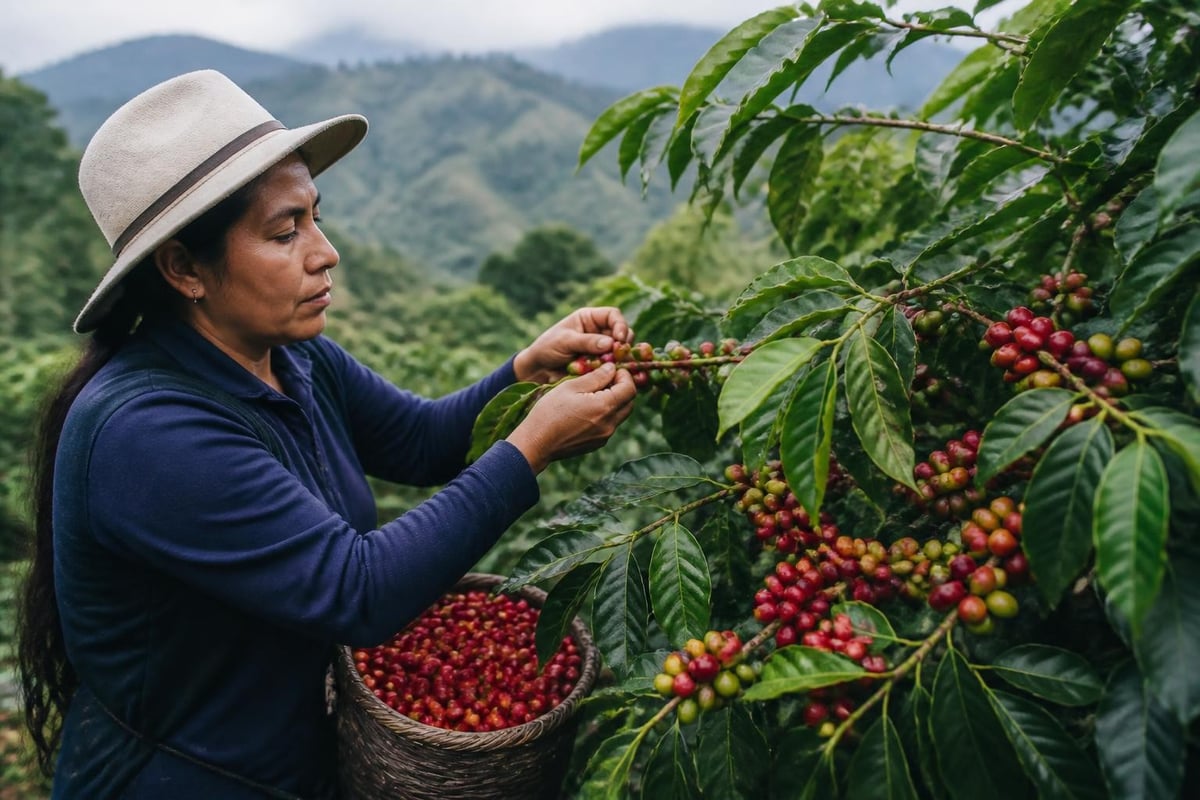
- Careful harvesting of only ripe cherries
- Processing methods that preserve delicate flavor compounds
- Roasting profiles designed specifically for decaf's unique chemistry
When roasters source exceptional beans for decaffeination, they're making a statement: this coffee deserves your attention regardless of caffeine content. The decaffeination process itself has evolved dramatically, with methods now preserving the nuanced notes that make specialty coffee worth savoring.
Processing Methods That Preserve Magic
The way caffeine leaves the bean determines everything about what remains. Chemical solvents were once standard, but today's specialty roasters almost exclusively use gentler approaches.
The Swiss Water Process uses only water, temperature, and time. Green beans soak in pure water, dissolving caffeine along with flavor compounds. That liquid passes through carbon filters capturing caffeine molecules while letting flavor oils through. The now-caffeine-free but flavor-rich water bathes new beans, removing caffeine without stripping taste.
Mountain Water Process works similarly, using glacial water from Pico de Orizaba in Mexico. Both methods achieve 99.9% caffeine removal while maintaining the bean's original character-those bright Ethiopian florals, Colombian caramel sweetness, or Kenyan berry notes stay intact.
CO2 processing represents the high-tech frontier. Liquid carbon dioxide acts as a solvent at specific temperatures and pressures, bonding with caffeine molecules but leaving flavor compounds untouched. It's expensive but incredibly effective for preserving the subtle notes specialty coffee enthusiasts chase.
Brewing Specialty Decaf at Home
Your brewing method shapes the final cup as much as the beans themselves. Specialty decaf coffee responds beautifully to the same techniques you'd use for caffeinated varieties, though understanding decaf's unique characteristics helps you coax out its best.
The Pour-Over Advantage
Pour-over methods shine with specialty decaf. The controlled extraction highlights delicate notes while the paper filter produces clean, bright cups. For those seeking the best pour-over experience, temperature and timing matter even more with decaf.
Decaf beans are slightly more porous after processing, meaning they extract faster than their caffeinated cousins. Start with water just off boil-around 195-200°F-and aim for total brew time between 2:30 and 3:00 minutes. Too long, and you'll pull harsh, papery notes from the bean's structure rather than the sweet, complex flavors you're after.
| Brew Variable | Regular Coffee | Specialty Decaf |
|---|---|---|
| Water Temp | 200-205°F | 195-200°F |
| Brew Time | 3:00-4:00 min | 2:30-3:00 min |
| Grind Size | Medium | Medium-Fine |
| Coffee Ratio | 1:16 | 1:15 |
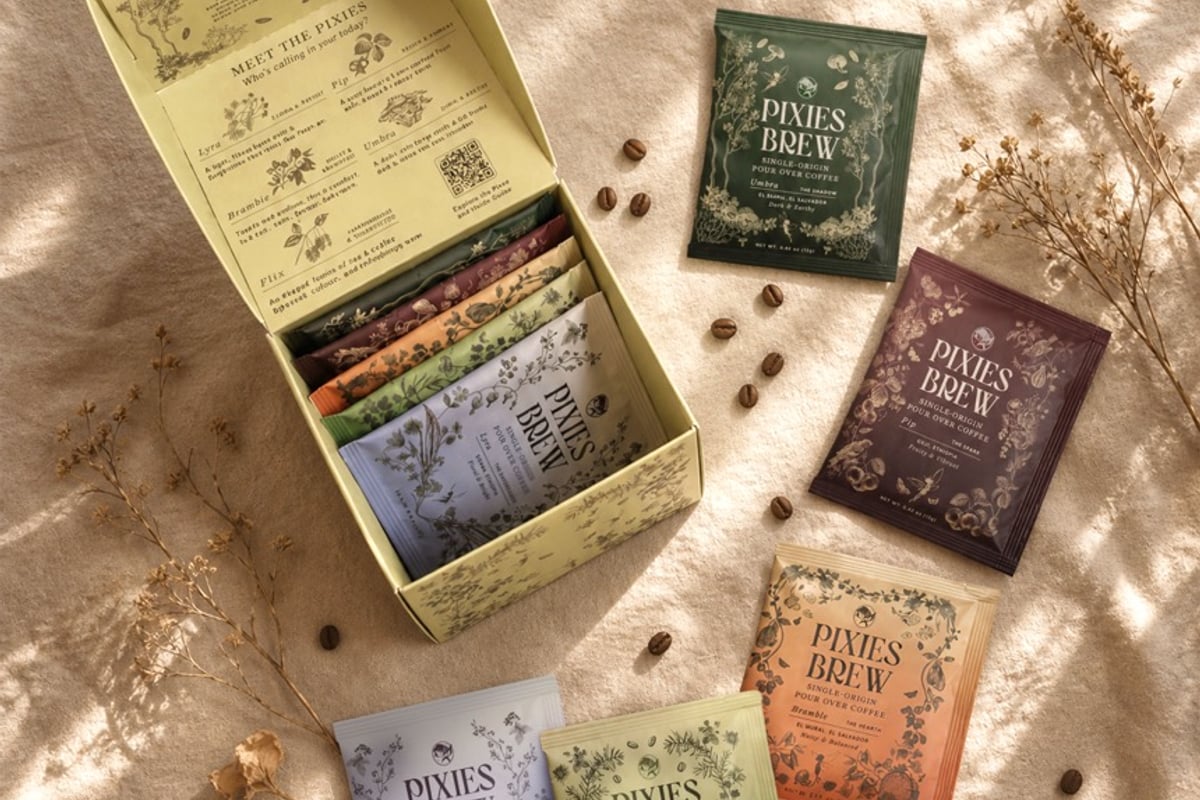
Single-serve sachets offer particular convenience here. Pre-measured, nitrogen-flushed grounds stay fresh without oxidation, and the pour-over format is already optimized for extraction. You get consistency without the guesswork-just your cup, hot water, and that moment of pause you've been craving.
Flavor Notes Worth Pursuing
Specialty decaf coffee encompasses the full spectrum of coffee flavors. Ethiopian naturals deliver blueberry and jasmine. Colombian offerings lean into chocolate and toasted nuts. Kenyan beans bring bright citrus and blackcurrant.
When you're exploring specialty coffee online, look for detailed tasting notes. Roasters who care about their decaf will describe it with the same poetry they reserve for limited microlots. That attention signals beans selected for quality first, decaffeinated second.
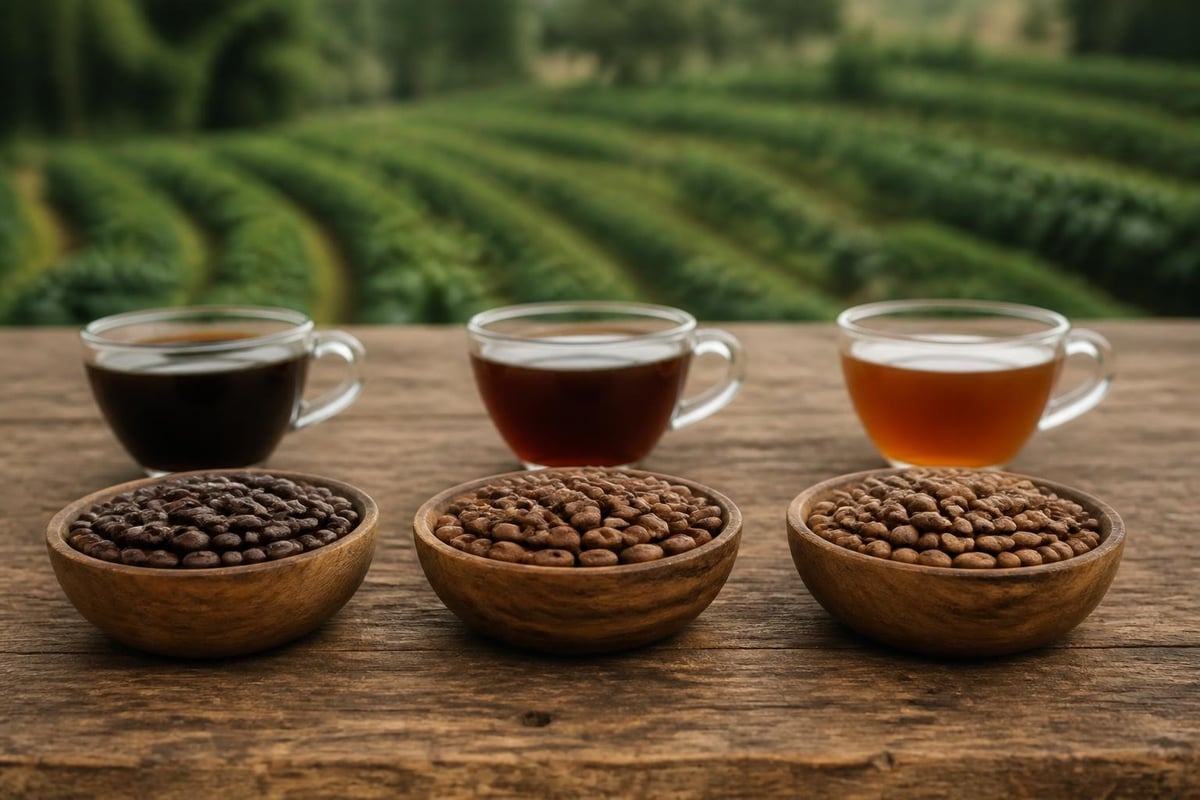
The roast level shapes your experience dramatically. Light roasts preserve origin character-those delicate florals and fruit-forward notes. Medium roasts balance sweetness with body. Dark roasts emphasize chocolate, caramel, and roasty depth, though they can mask some of decaf's subtler qualities.
The Health Dimension: More Than Missing Caffeine
Choosing specialty decaf coffee isn't just about avoiding jitters. It's a positive choice with genuine health benefits that extend beyond what's removed.
Coffee's power comes from more than caffeine. It's packed with antioxidants-chlorogenic acid, melanoidins, polyphenols-that combat oxidative stress in your cells. These compounds survive decaffeination largely intact, particularly with water-based methods.
What Research Tells Us
Studies consistently show decaf drinkers enjoy many of coffee's protective effects. Research indicates potential benefits for:
- Type 2 diabetes risk reduction (7% lower risk per cup in some studies)
- Liver health and enzyme normalization
- Cardiovascular protection through improved endothelial function
- Reduced risk of neurodegenerative diseases
- Lower rates of certain cancers
Medical research suggests these benefits stem from coffee's bioactive compounds rather than caffeine itself. Your afternoon cup delivers antioxidant protection whether it contains 95mg of caffeine or just 2mg.
The absence of caffeine creates its own advantages. Better sleep quality, reduced anxiety, stable blood pressure, and freedom from dependency. For those sensitive to stimulants, pregnant individuals, or anyone managing certain health conditions, specialty decaf offers coffee's pleasures without the trade-offs.
According to WebMD's overview, decaf typically contains 2-5mg of caffeine per 8oz cup compared to 95mg in regular coffee. That trace amount rarely impacts sleep or causes jitters, even in highly sensitive individuals.
Decaf in Your Daily Ritual
The beauty of specialty decaf coffee lies in its versatility. It doesn't replace your morning caffeinated ritual-it expands your coffee relationship beyond the hours when caffeine makes sense.
When Decaf Shines
Late afternoon moments become accessible again. That 4pm pause when shadows lengthen and you crave something warm needn't cost you your night's rest. A specialty decaf with chocolate notes pairs beautifully with fading sunlight and a good book.
Evening gatherings take on new depth. Offering guests a carefully brewed decaf after dinner shows consideration and craft. It's the same hospitality as fine coffee without the unintended gift of insomnia.
Second (or third) cups throughout the day become guilt-free pleasures. When you love the ritual-the grinding, the bloom, the first sip's warmth-caffeine shouldn't gate-keep that experience.
For travel coffee enthusiasts, decaf sachets mean you can brew quality cups at any hour during long journeys. Red-eye flights and hotel rooms at midnight no longer force you to choose between ritual and rest.
Building Your Decaf Collection
Don't settle for a single decaf option. Specialty roasters increasingly offer multiple decaf origins, letting you explore the same way you would with caffeinated coffees.
Start with variety. Sample different origins and processing methods to discover your preferences. A Colombia decaf might become your afternoon default while an Ethiopian serves dessert duty.
Pixies Brew's approach to specialty-grade blends extends to their decaf offerings, where Amigos del Huila from Colombia delivers that "Golden Hour" experience. Their sachets make exploration simple-no equipment beyond a cup and hot water, just the coffee and your attention.
Consider seasonal rotation. Lighter, fruit-forward decafs suit summer evenings. Deeper, chocolate-noted varieties warm winter nights. Your palate shifts with the seasons; let your decaf selection follow.
Storage matters as much as selection. Nitrogen-flushed packaging preserves freshness far better than traditional bags. Keep sachets or beans in cool, dark spaces away from moisture and heat. Specialty decaf coffee deserves the same care as any premium offering.
Common Questions About Specialty Decaf
Does decaf taste different from regular coffee?
Modern specialty decaf coffee, especially when processed using Swiss Water or CO2 methods, retains 95-98% of the original flavor compounds. You'll taste the origin characteristics-the berry notes of Kenya, the chocolate of Colombia-with minimal difference from caffeinated versions. The key is starting with high-quality beans.
How much caffeine remains in decaf?
The decaffeination process removes 97-99.9% of caffeine. An 8oz cup of specialty decaf coffee typically contains 2-5mg of caffeine compared to 95mg in regular coffee. For context, you'd need to drink 20-30 cups of decaf to equal one regular cup's caffeine content.
Is specialty decaf more expensive?
Yes, typically 10-30% more than the caffeinated version of the same bean. The additional cost reflects the decaffeination process, which is done before roasting and requires specialized facilities. However, when you're paying for specialty-grade beans already, that increase feels proportional to the care involved.
Can I use decaf for espresso?
Absolutely. Specialty decaf coffee pulls beautiful espresso shots with rich crema and full body. You might adjust your grind slightly finer and your extraction time a touch shorter due to decaf's increased porosity, but skilled baristas produce exceptional decaf espresso daily.
Does decaf coffee expire faster?
Processed coffee (whether decaf or regular) begins losing peak freshness about 2-4 weeks after roasting. Decaf doesn't expire faster, but proper storage becomes crucial. Nitrogen-flushed packaging helps significantly, keeping grounds fresh for months by preventing oxygen contact.
The Specialty Decaf Movement
The specialty coffee world has finally embraced decaf not as a compromise but as a category deserving equal attention. Competition-winning roasters now showcase their decaf offerings with pride. Coffee shops offer decaf single-origins alongside their caffeinated counterparts. The quality gap has effectively disappeared.
What to Look For
When choosing specialty decaf coffee, certain markers signal quality:
- Process transparency: Reputable roasters specify their decaffeination method
- Origin information: Single-origin or cooperative name, altitude, processing
- Roast date: Fresh roasting matters as much for decaf as regular coffee
- Tasting notes: Detailed flavor descriptions indicate the roaster takes their decaf seriously
- Price point: Quality decaf costs more; suspiciously cheap offerings use inferior methods
The specialty coffee community's investment in better decaf processing means options continue expanding. Direct trade relationships now include decaf-specific contracts. Farmers receive fair compensation for beans destined for decaffeination rather than treating it as a way to move lower-grade lots.
The Ritual Remains
What makes specialty decaf coffee truly special isn't what it lacks. It's what it preserves: the ritual, the craft, the moment of pause in a rushing world. Whether you're seeking that second afternoon cup or honoring your body's needs, quality decaf lets coffee remain part of your story at any hour.
In the Grove, we understand that magic isn't about stimulation. It's about presence-the steam rising, the aroma blooming, the warmth spreading through your chest as you take that first sip. Specialty decaf coffee delivers those moments without compromise, proving that sometimes the most powerful choice is the gentle one.
| Aspect | Standard Decaf | Specialty Decaf Coffee |
|---|---|---|
| Bean Grade | Commercial, mixed origins | SCA 80+ score, traceable |
| Process | Often chemical solvent | Swiss Water, Mountain Water, CO2 |
| Flavor Profile | Flat, bitter, one-note | Complex, origin-distinct, nuanced |
| Transparency | Minimal origin info | Full traceability, roast dates |
| Price per lb | $8-12 | $16-24 |
| Caffeine Removal | 95-97% | 97-99.9% |
The numbers tell one story. Your morning cup tells another. When you choose specialty-grade beans processed with care and brewed with intention, decaf transcends its reputation. It becomes what it always should have been: simply exceptional coffee, available on your terms, any time the ritual calls.
Specialty decaf coffee has evolved from afterthought to art form, offering the full ritual of exceptional coffee without caffeine's constraints. When you're ready to explore quality decaf that honors both craft and your personal rhythm, Pixies Brew brings specialty-grade beans to your cup through convenient, nitrogen-flushed sachets designed for those moments when you want the magic without the rush-just rip, hook, pour, and pause.
