


Best Ground Coffee: Finding Your Perfect Cup in 2026
The best ground coffee isn't just about convenience. It's about finding that perfect balance between freshness, flavor, and the quiet ritual of a morning cup. When you're searching for exceptional ground coffee in 2026, you're looking for beans that were roasted with intention, ground to match your brewing method, and packaged to preserve every note of flavor until the moment hot water releases them into your cup.
I remember the first time I tasted truly fresh ground coffee, beans ground just minutes before brewing. The difference wasn't subtle. It was like comparing a photograph to standing in the actual landscape, feeling the morning air on your skin, hearing the birdsong. That's what we're chasing when we look for the best ground coffee: that full sensory experience captured in a cup.
What Makes Ground Coffee Exceptional
The journey from cherry to cup involves countless decisions, but when it comes to ground coffee, three elements matter most: origin quality, roast precision, and grind freshness.
Origin and Bean Quality
Specialty-grade beans form the foundation of any great ground coffee. These are beans scored 80 points or higher by certified graders, grown at specific altitudes, processed with care, and selected for their unique flavor profiles.
When you're evaluating the best ground coffee options, look for:
- Single-origin transparency: Knowing exactly where beans come from
- Processing method details: Washed, natural, or honey-processed
- Harvest date information: Fresher crop years mean brighter flavors
- Altitude specifications: Higher elevations typically produce denser, more complex beans
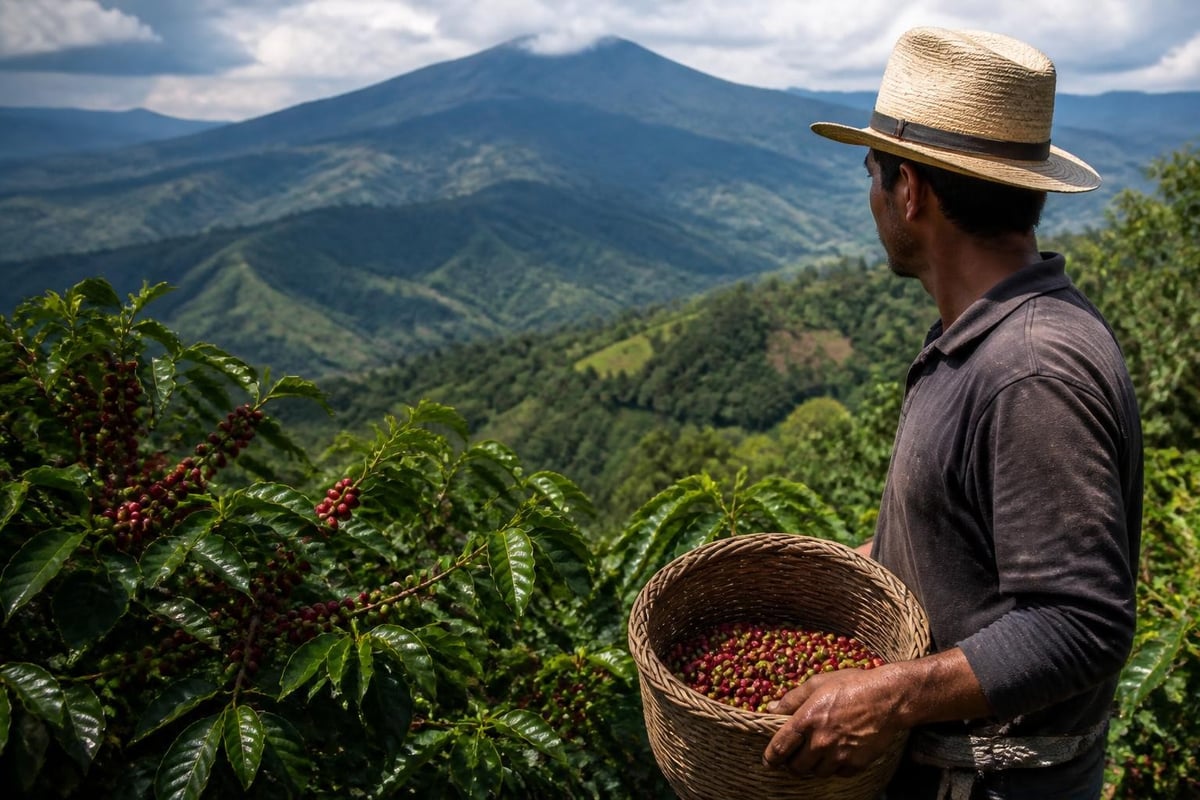
The soil composition in Colombia's Huila region creates different flavor notes than beans from Ethiopia's Yirgacheffe. Understanding origin helps you predict what your cup will taste like before you even open the package.
The Grind Size Question
Here's where many coffee drinkers stumble. Grind size dramatically affects extraction, and getting it wrong means either bitter, over-extracted coffee or weak, sour under-extraction.
| Brewing Method | Ideal Grind Size | Contact Time |
|---|---|---|
| Espresso | Extra fine | 25-30 seconds |
| Pour over | Medium-fine | 2-4 minutes |
| Drip coffee | Medium | 4-6 minutes |
| French press | Coarse | 4 minutes |
| Cold brew | Extra coarse | 12-24 hours |
The best ground coffee for your needs matches your specific brewing method. A medium grind works beautifully for pour over but fails miserably in an espresso machine. This is why understanding proper grinding techniques matters so much, even when buying pre-ground options.
Freshness and Packaging Innovation
Coffee begins losing flavor the moment it's ground. The increased surface area exposes more oils to oxygen, and those precious aromatic compounds start evaporating immediately.
In 2026, the best ground coffee brands address this challenge through innovative packaging. Nitrogen flushing removes oxygen from sealed packets, valve-sealed bags allow CO2 to escape while preventing oxygen entry, and single-serve portions ensure you're only opening what you'll use immediately.
The difference is measurable. Coffee ground and sealed within hours retains 85-90% of its volatile aromatics for weeks, while coffee ground and left exposed loses half its flavor compounds within days.
Flavor Profiles Worth Exploring
The best ground coffee isn't a single product. It's the one that matches your taste preferences and the moment you're in.
Light Roasts: Brightness and Complexity
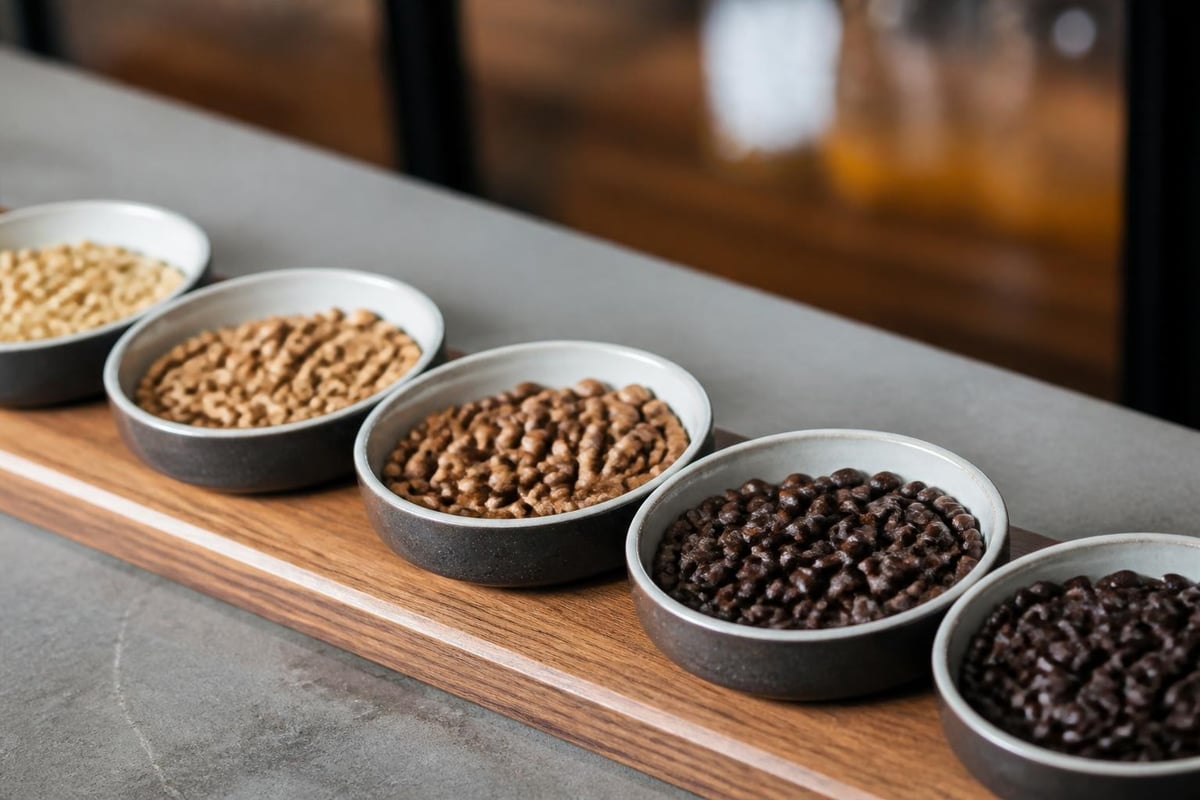
Light roasts preserve origin characteristics. You taste the terroir, the specific conditions where those beans grew. Expect flavors like:
- Citrus and stone fruit notes
- Floral aromatics reminiscent of jasmine or bergamot
- Tea-like body with crisp acidity
- Berry undertones, especially in Ethiopian beans
These roasts work beautifully in the morning when your palate is fresh and ready to appreciate nuance. They pair exceptionally well with brewing methods that highlight clarity, like pour over or Chemex.
Medium Roasts: Balance and Sweetness
Medium roasts represent equilibrium. The roast development brings out sweetness without overwhelming the bean's inherent character.
This is where you find chocolate notes mingling with caramel, balanced acidity that doesn't bite, and body that feels substantial without heaviness. A well-executed medium roast tastes like the coffee equivalent of a perfectly ripe peach: sweet, complex, and deeply satisfying.
Dark Roasts: Bold and Comforting
Dark roasts develop roast characteristics over origin notes. You're tasting the Maillard reaction, the caramelization of sugars, the development of bitter-sweet complexity.
These coffees work for people who want their coffee to taste like coffee, bold and unapologetic. Think dark chocolate, toasted nuts, molasses depth. They cut through milk beautifully and hold their ground in iced applications.
Brewing the Best Ground Coffee at Home
Having exceptional ground coffee is only half the equation. The other half is treating it right during brewing.
Water Quality Matters More Than You Think
Your cup is 98% water. If your water tastes off, your coffee will too. Expert advice on brewing factors consistently emphasizes water quality as the most overlooked variable in home brewing.
Key water considerations:
- Mineral content: 150 mg/L total dissolved solids is ideal
- Temperature: 195-205°F for optimal extraction
- Freshness: Use cold water, never pre-heated
- Filtration: Remove chlorine and off-flavors
If your tap water doesn't taste good plain, it won't suddenly improve when you add coffee to it. Filter it or use bottled water specifically formulated for coffee brewing.
The Coffee-to-Water Ratio
The best ground coffee in the world can't save a cup brewed with incorrect ratios. The standard starting point is 1:16 (one gram of coffee to 16 grams of water), but this is just a starting point.
For a stronger cup, try 1:15. For something lighter and more tea-like, push it to 1:17. The beauty of ground coffee, especially in single-serve formats, is consistency. Once you find your ratio, you can replicate it perfectly every time.
Common Mistakes to Avoid
Home coffee preparation mistakes are surprisingly common, even among experienced brewers:
- Using boiling water: It scalds the grounds and extracts bitter compounds
- Skipping the bloom: Giving grounds 30 seconds to release CO2 improves extraction
- Inconsistent pouring: Uneven water distribution creates channeling
- Ignoring brew time: Each method has an optimal contact time for a reason
These small details separate mediocre coffee from exceptional cups. The best ground coffee deserves careful attention during brewing.
Single-Serve Solutions for Modern Life
The coffee landscape has evolved beyond traditional packaging. In 2026, the best ground coffee often comes in formats designed for how we actually live.
The Pour Over Sachet Revolution
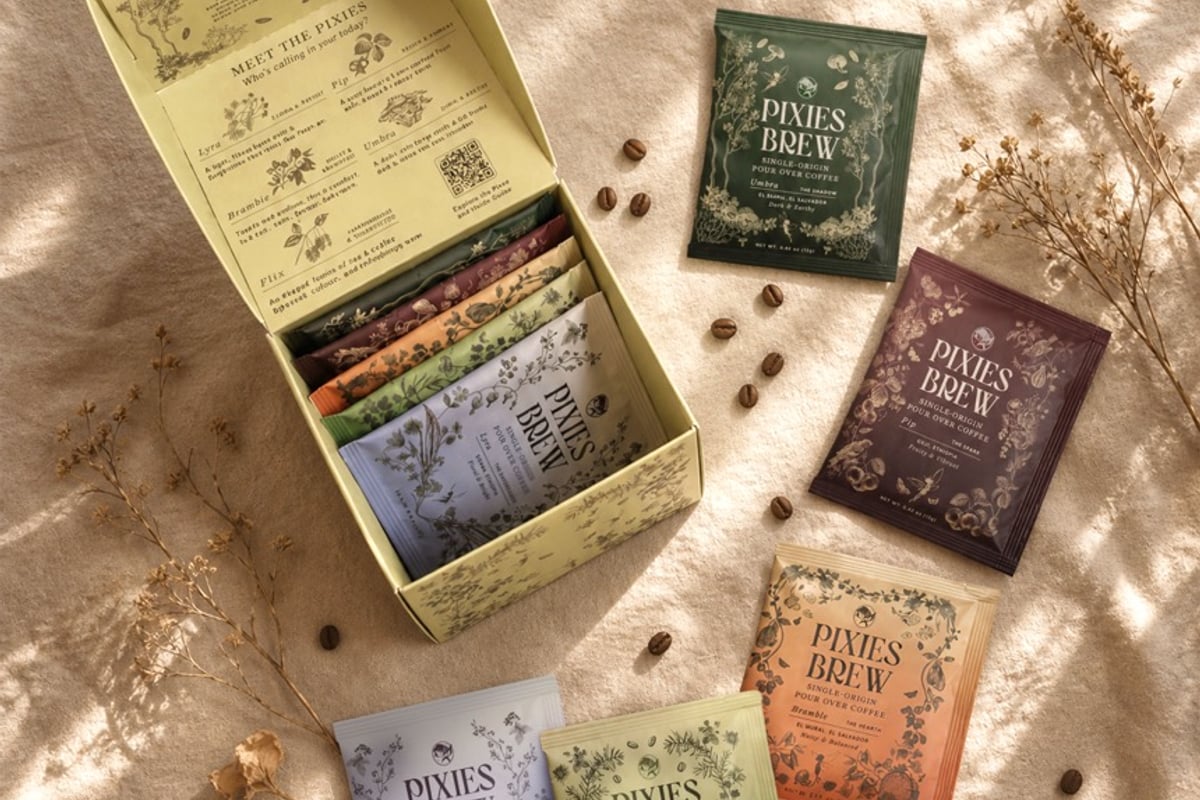
Single-serve sachets solve the freshness problem elegantly. Each portion is sealed individually, ground to the perfect size for pour over brewing, and nitrogen-flushed to preserve aromatics. For those seeking convenience without compromise, exploring single-serve pour-over options reveals how modern innovation meets traditional brewing.
Advantages of specialty sachets:
- Zero equipment beyond a cup
- Perfect portions eliminate waste
- Individual sealing maintains peak freshness
- Travel-friendly without sacrificing quality
- Consistent results every time
This format works beautifully for slow mornings, office brewing, travel days, or anywhere you want exceptional coffee without the gear. The Pixies Brew Discovery Set brings specialty-grade blends together in convenient sachets, each one crafted to deliver a moment of pause with every pour.
Comparing Ground Coffee Formats
| Format | Freshness | Convenience | Waste | Cost per Cup |
|---|---|---|---|---|
| Bulk bags | Decreases over time | Requires storage | Low | Lowest |
| Vacuum bricks | Moderate | Good shelf life | Moderate | Low-moderate |
| Individual sachets | Highest | Maximum | Higher packaging | Moderate-high |
| K-cups/pods | Variable | Highest | Highest | Highest |
The best choice depends on your consumption patterns. If you brew multiple cups daily, bulk might make sense. For occasional brewing or variety seekers, individual portions preserve quality better.
Storing Ground Coffee Properly
Even the best ground coffee degrades if stored incorrectly. Light, heat, moisture, and air are the enemies.
Storage Best Practices
Keep unopened packages in a cool, dark place. Room temperature is fine; refrigeration isn't necessary and can introduce moisture. Once opened, seal tightly and use within two weeks for optimal flavor.
What not to do:
- Store in transparent containers (light damages oils)
- Keep above the stove or coffee maker (heat accelerates staleness)
- Refrigerate or freeze opened packages (condensation ruins coffee)
- Leave in the original bag without resealing
For those serious about freshness, dedicated coffee storage containers with one-way valves maintain quality longer. But honestly, the best storage solution is buying smaller quantities more frequently or choosing individually sealed portions.
Tasting Notes and Developing Your Palate
Understanding what you're tasting transforms the best ground coffee from good to extraordinary. This skill develops over time, with attention and curiosity.
The Five Basic Tastes in Coffee
Coffee contains all five taste elements: sweet, sour, salty, bitter, and umami. A balanced cup harmonizes these rather than emphasizing one.
Sweetness comes from sugars developed during roasting. Sourness reflects acidity, which adds brightness. Bitterness provides structure and depth. Saltiness and umami are subtle but contribute to body and mouthfeel.
Building Your Flavor Vocabulary
Start simple. Does your coffee taste more like chocolate or fruit? If chocolate, is it milk chocolate or dark? If fruit, citrus or berry?
With practice, you'll start identifying specific notes: caramel, almond, blueberry, orange zest, brown sugar, cinnamon. These aren't added flavors in quality coffee; they're natural compounds that emerge through origin, processing, roasting, and brewing.
Keep a simple journal. Note what you taste, what you like, what you'd change. Over time, patterns emerge, and you develop a clear sense of your preferences.
Sustainability and Ethical Sourcing
The best ground coffee in 2026 considers impact beyond flavor. How beans are grown, harvested, and traded matters to both the planet and the people who cultivate them.
Certifications Worth Knowing
- Fair Trade: Ensures minimum prices and community investment
- Organic: Prohibits synthetic pesticides and fertilizers
- Rainforest Alliance: Focuses on environmental and social standards
- Direct Trade: Roasters work directly with farmers, often paying above fair trade prices
These certifications aren't perfect, but they represent meaningful commitments to better practices. Many specialty roasters go beyond certifications, building long-term relationships with specific farms and cooperatives.
The True Cost of Cheap Coffee
Commodity coffee traded on the C-market often sells below production costs. This forces farmers into poverty, encourages environmentally damaging practices, and results in lower quality beans.
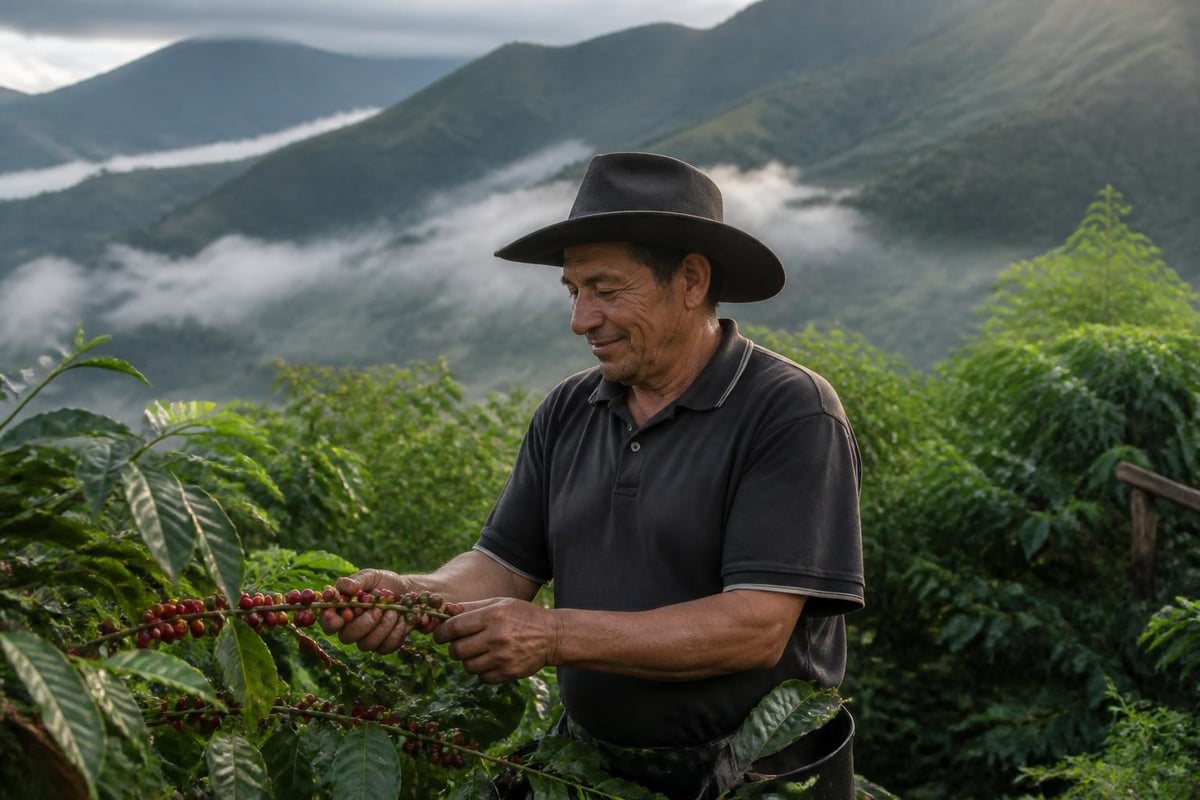
When you invest in the best ground coffee, you're supporting sustainable farming, fair wages, and the preservation of coffee-growing regions for future generations. The few extra dollars per bag create meaningful change in coffee-producing communities.
Frequently Asked Questions
How long does ground coffee stay fresh?
Ground coffee peaks within the first week after grinding. Properly sealed packages maintain quality for 2-3 weeks. After a month, significant flavor loss occurs. Nitrogen-flushed, individually sealed portions preserve freshness longer than bulk bags.
Is pre-ground coffee worth buying?
For convenience and consistency, yes, especially when it's ground fresh and properly sealed. The key is finding brands that prioritize freshness through packaging innovation rather than grinding months before sale.
What's the difference between cheap and expensive ground coffee?
Price reflects bean quality, roasting care, and freshness systems. Cheap coffee uses commodity-grade beans with defects. Premium options feature specialty-grade beans, precise roasting, and packaging that preserves flavor. The taste difference is substantial.
Can I mix different ground coffees together?
Absolutely. Blending is an art form. Try combining a bright Ethiopian with a chocolatey Colombian for complexity, or mix your favorite beans to create a signature profile. Just ensure grind sizes match your brewing method.
Does grind size really matter that much?
Yes. Wrong grind size is the single most common cause of bad coffee. Too fine creates bitter, over-extracted cups. Too coarse produces weak, sour results. Matching grind to method is essential for proper extraction.
Creating Your Personal Coffee Ritual
The best ground coffee becomes part of something larger: your daily ritual. This is where coffee transcends caffeine delivery and becomes a moment of intention.
Morning as Sacred Space
There's magic in the morning routine. The sound of water heating, the bloom of fresh grounds releasing their first aromatics, the patient pour that requires your full attention. These moments anchor us before the day's chaos begins.
Your coffee ritual can be as simple as a single mindful cup or as elaborate as a full sensory ceremony. What matters is the pause, the intentionality, the small act of care you give yourself.
Seasonal Variations
Just as our moods shift with seasons, so can our coffee preferences. Light, bright roasts feel right on spring mornings. Summer invites experimentation with cold brew variations. Fall calls for deeper, spiced notes. Winter embraces bold, warming cups.
The best ground coffee adapts to these rhythms. Having variety on hand, perhaps through a discovery set that offers multiple profiles, means you can match coffee to moment rather than settling for one-size-fits-all.
Sharing the Experience
Coffee tastes better when shared. Whether it's brewing for a loved one, hosting a tasting with friends, or simply enjoying conversation over cups, these shared moments deepen the experience.
Consider keeping a selection of different roasts for guests. Let people choose their own adventure. Some prefer bold, others delicate. Offering choice shows care and creates memorable moments.
Beyond the Basics: Advanced Considerations
Once you've found your favorite ground coffee, subtle refinements can elevate your experience even further.
Temperature Experimentation
Most guides recommend 195-205°F, but different beans respond differently. Ethiopian light roasts sometimes shine at slightly lower temperatures, while dark roasts can handle the upper range.
Try brewing the same coffee at 195°F, 200°F, and 205°F. Taste side by side. You'll notice sweetness, acidity, and body shifting with temperature. Find your sweet spot.
The Bloom Phase
Those first 30-45 seconds when you wet the grounds and watch them bubble and expand? That's degassing, CO2 escaping from the beans. Fresher coffee blooms more vigorously.
Give this phase attention. Pour just enough water to saturate the grounds, wait, watch. It's a small ritual within the ritual, and it improves extraction significantly.
Water Temperature Stability
Pour-over brewing works best with steady water temperature. If you're pouring from a kettle without temperature control, let boiling water rest for 30-45 seconds before pouring. This brings it into the ideal range.
Inconsistent temperature creates inconsistent extraction. Some grounds over-extract, others under-extract, and the cup tastes muddled. Stability creates clarity.
The Evolving Coffee Landscape
Coffee culture continues shifting toward quality, sustainability, and personalization. In 2026, consumers expect transparency about origins, processing methods, and impact.
The best ground coffee reflects these values. It tells a story about where it came from, who grew it, and why it tastes the way it does. This isn't just marketing; it's fundamental to understanding what you're drinking.
Technology Meets Tradition
Modern packaging technology preserves coffee better than ever, but the core process remains unchanged: plant, harvest, process, roast, grind, brew. Technology serves tradition rather than replacing it.
This balance creates opportunities for innovation without sacrificing quality. Single-serve sachets use cutting-edge preservation methods while honoring traditional pour-over brewing. It's the best of both worlds.
The Return to Ritual
Despite our fast-paced lives, or perhaps because of them, people crave meaningful rituals. The best ground coffee facilitates these moments, offering a chance to slow down, pay attention, and start the day with intention.
This isn't about complicated equipment or expert knowledge. It's about finding a coffee you love, brewing it with care, and giving yourself those few minutes of presence. The ritual grounds us, quite literally, before we step into the day.
Finding the best ground coffee is a personal journey shaped by your taste preferences, brewing method, and daily rituals. Whether you gravitate toward bright, fruity light roasts or bold, chocolatey dark roasts, quality comes down to freshness, proper grinding, and intentional brewing. Pixies Brew transforms this journey into something magical, offering specialty-grade, nitrogen-flushed sachets that deliver exceptional coffee wherever life takes you, creating moments of pause and reflection with every pour.
