


Specialty Coffee: A Complete Guide to Flavor & Ritual
The first sip of truly great coffee changes everything. Suddenly, the bitter brown liquid you've been drinking for years feels like a rough draft of what coffee could be. That transformation is what specialty coffee delivers-not just a beverage, but an experience that honors the bean, the farmer, and the quiet morning moment when you pause to brew something meaningful. In 2026, specialty coffee represents both a technical standard and a philosophy of quality, traceability, and intentional preparation.
What Makes Coffee "Specialty"
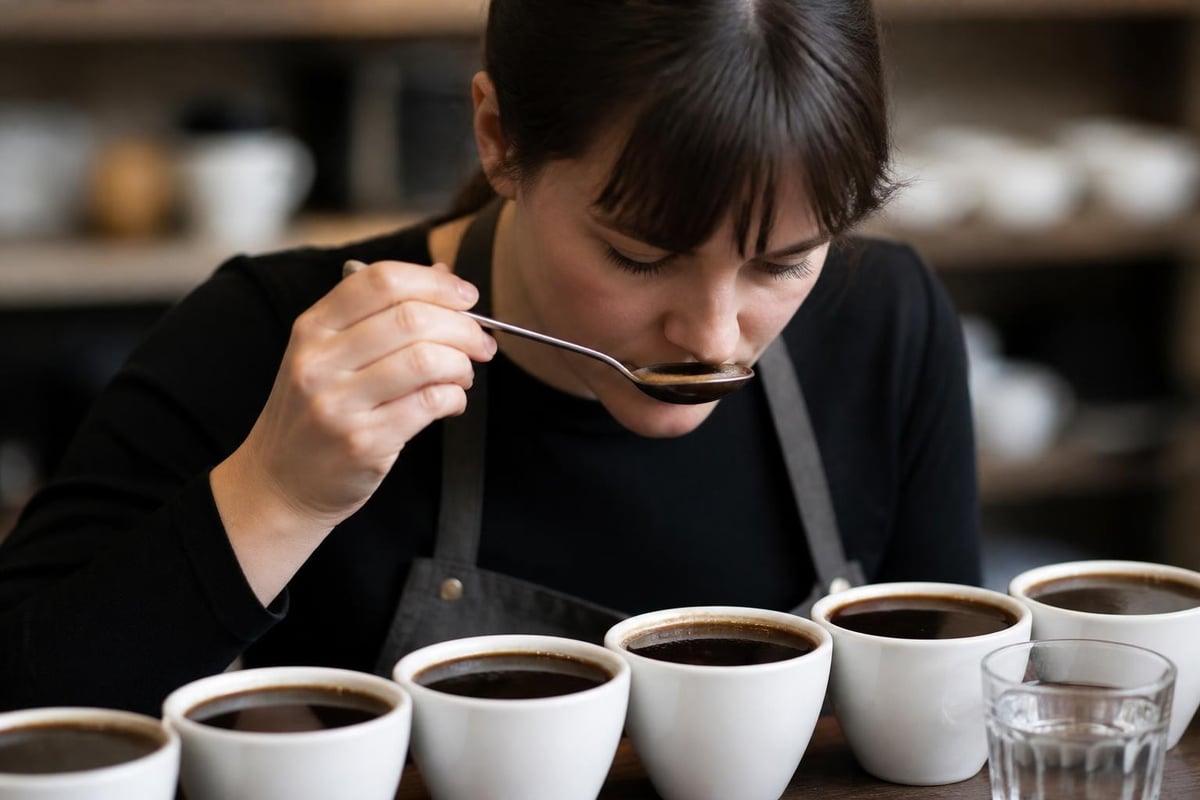
Specialty coffee isn't a marketing term-it's a specific grade determined by certified Q Graders who evaluate green coffee beans on a 100-point scale. To earn the specialty designation, beans must score 80 points or higher, with zero primary defects and minimal secondary defects. This rigorous standard, established by the Specialty Coffee Association, ensures that only the finest beans reach your cup.
The scoring process examines ten attributes: fragrance, aroma, flavor, aftertaste, acidity, body, balance, uniformity, clean cup, and sweetness. Each characteristic tells part of the bean's story-the altitude where it grew, the variety cultivated, the processing method chosen by the farmer. When you brew specialty coffee, you're tasting the result of deliberate choices made at every step from seed to cup.
The Numbers Behind Quality
According to World Metrics, specialty coffee now represents approximately 40% of the U.S. coffee market, with consumers increasingly willing to pay premium prices for traceable, ethically sourced beans. This shift reflects a fundamental change in how people approach their daily brew ritual.
| Quality Tier | Score Range | Market Share | Key Characteristics |
|---|---|---|---|
| Specialty | 80-100 | 40% | Zero defects, distinct origin flavors |
| Premium | 75-79.99 | 25% | Minor defects, good quality |
| Exchange Grade | Below 75 | 35% | Multiple defects, commodity pricing |
The growth of specialty coffee culture has created space for innovation in how we access these exceptional beans. Whether through traditional espresso bars or convenient single-serve options, the focus remains on preserving the integrity of the coffee from roast to extraction.
The Flavor Journey: From Farm to First Sip
Specialty coffee carries the fingerprint of its origin. A natural-processed Ethiopian bean tastes wildly different from a washed Colombian-even when both score 85 points. The terroir, processing method, and roast profile all contribute to the final flavor experience waiting in your cup.
Think of coffee like wine. Just as a Pinot Noir from Oregon differs from one grown in Burgundy, coffee from the volcanic soils of Guatemala develops different characteristics than beans grown in the high-altitude regions of Kenya. The National Coffee Association's 2026 research shows that flavor diversity drives much of the specialty coffee movement, with consumers seeking unique taste experiences rather than uniform consistency.
Processing Methods That Shape Character
The way coffee cherries are processed after harvest dramatically affects flavor:
- Washed (Wet) Process: Clean, bright acidity with pronounced origin characteristics
- Natural (Dry) Process: Fruity, wine-like flavors with heavier body
- Honey Process: Sweet, complex middle ground between washed and natural
- Anaerobic Fermentation: Experimental method creating unique, funky flavor notes
Each method requires different climate conditions, equipment, and expertise. A naturally processed coffee might taste like blueberry jam, while the same bean processed washed could highlight notes of lemon and chocolate. This variability makes exploring specialty coffee an adventure-you're never just drinking "coffee," but rather a specific expression of a particular place and process.
Brewing Methods That Honor the Bean
The brewing method you choose acts as the final translator between green bean and finished cup. Different extraction techniques highlight different aspects of specialty coffee's complex flavor profile, which is why understanding various brewing approaches becomes essential for anyone serious about their morning ritual.
Pour-Over: The Art of Precision
Pour-over brewing gives you complete control over every variable-water temperature, pour rate, contact time, and turbulence. This method excels at highlighting the delicate, nuanced flavors that make specialty coffee special. The V60, Chemex, and Kalita Wave each offer slightly different extraction patterns, but all share a common goal: clarity and complexity in the cup.
The beauty of pour-over lies in its simplicity and repeatability. Once you dial in your recipe-grind size, water ratio, pour technique-you can reproduce exceptional results every morning. This consistency matters when you're working with beans that cost $18-25 per pound; you want each brew to showcase what you paid for.
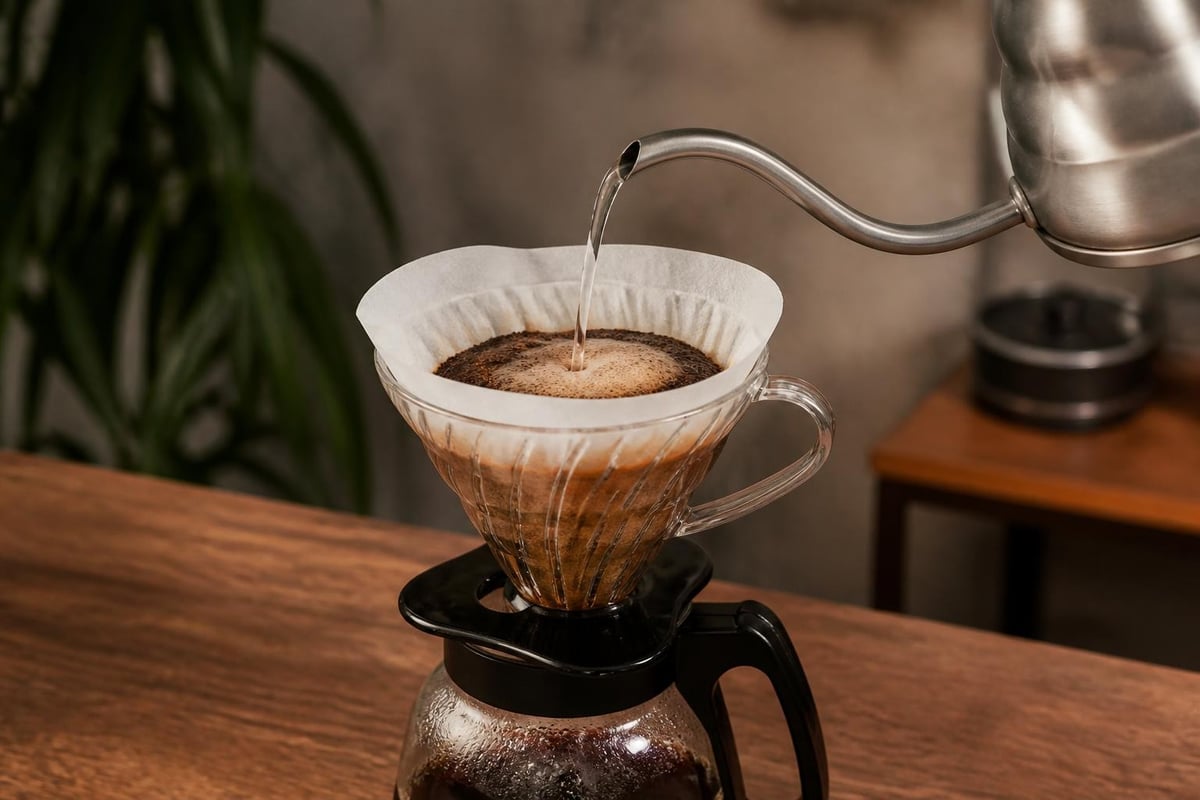
The Basic Pour-Over Process:
- Heat water to 195-205°F (just off boiling)
- Grind 20-22 grams of coffee to medium-fine consistency
- Rinse paper filter to remove papery taste
- Bloom coffee with 40-50 grams water for 30-45 seconds
- Pour remaining water in circular motions over 2.5-3 minutes
- Total brew time: 3-3.5 minutes for optimal extraction
For those seeking the precision of pour-over without the equipment investment, innovations in coffee packaging and preparation now make specialty-grade brewing accessible anywhere you have hot water.
Immersion Brewing: Full-Bodied Simplicity
French press and AeroPress represent immersion brewing, where coffee steeps in water before being separated through pressing or filtering. This method produces fuller body and richer texture than pour-over, making it ideal for coffees with chocolate, caramel, or nutty flavor notes.
The AeroPress has become legendary in specialty coffee circles for its versatility. By adjusting steep time, water temperature, and grind size, you can coax everything from bright, tea-like clarity to rich, espresso-like intensity from the same device.
The Sensory Experience: Tasting Coffee Like a Professional
Specialty coffee deserves to be tasted, not just consumed. Professional cuppers use a standardized approach to evaluate coffee, and you can apply these same techniques to deepen your appreciation at home.
The Five Senses of Coffee Tasting:
- Sight: Examine the dry grounds for uniformity and roast level
- Smell: Inhale the fragrance of dry grounds, then the aroma after adding water
- Taste: Identify primary flavors (fruity, nutty, chocolatey, floral)
- Touch: Notice body and mouthfeel-is it silky, creamy, or tea-like?
- Sound: Listen to the crack and fizz as water meets grounds
When you slow down to engage all five senses, coffee becomes meditation. The ritual of preparation-measuring, grinding, brewing, waiting-creates a pocket of intentionality in an otherwise rushed morning. This is where specialty coffee transcends caffeine delivery and becomes something approaching ceremony.
Developing Your Palate
Like any skill, coffee tasting improves with practice. Start by identifying broad categories: Is this coffee fruity or earthy? Bright or mellow? Sweet or bitter? Over time, your palate will refine these general impressions into specific notes.
Many specialty roasters include tasting notes on their packaging-"blackberry, dark chocolate, brown sugar" or "citrus, jasmine, honey." These aren't just marketing; they're genuine flavor components present in the coffee. The notes guide your tasting, helping you identify what you're experiencing.
Sourcing and Ethics: The Full Circle of Specialty
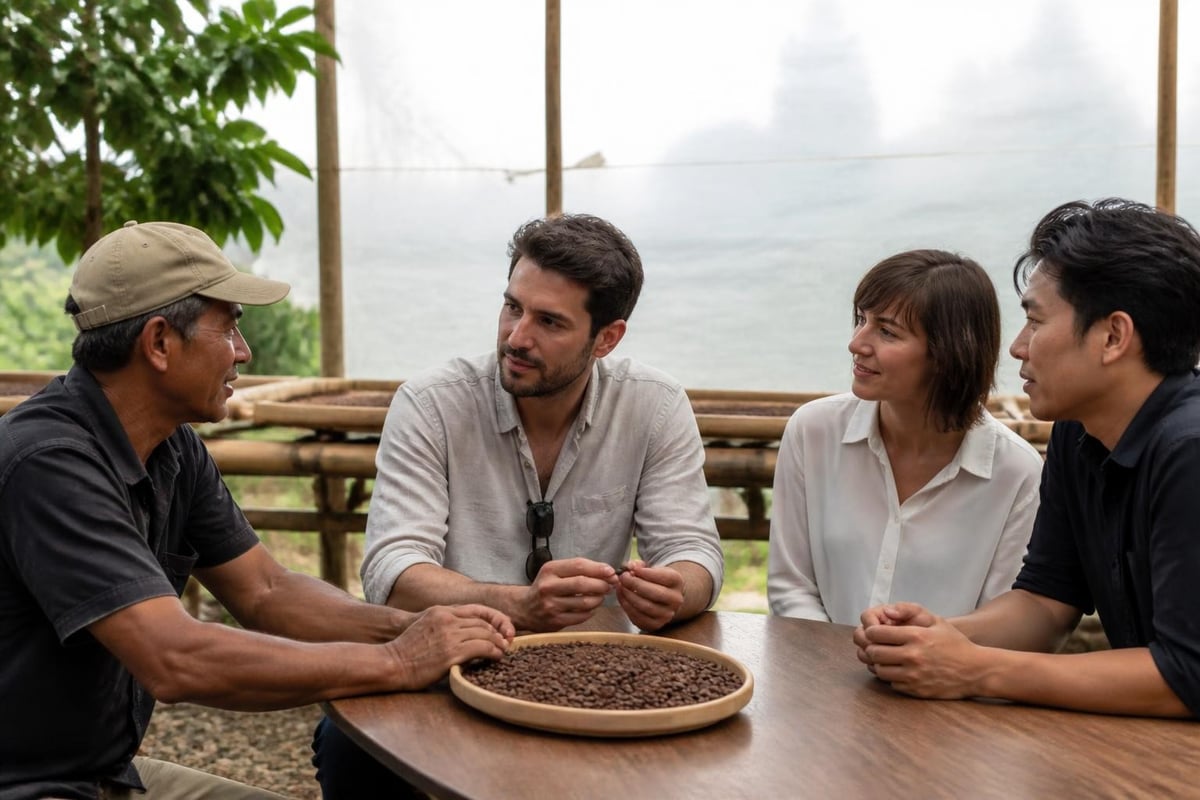
The specialty coffee movement has always been tied to transparency and fair compensation for coffee farmers. When you pay $18 for a bag of specialty beans versus $8 for commodity coffee, a significant portion of that difference goes back to the producer.
According to WARC's industry analysis, specialty coffee buyers often establish direct trade relationships with farms, paying 2-3 times Fair Trade minimum prices. This economic model incentivizes quality over quantity, supporting sustainable farming practices and better living conditions for coffee-growing communities.
Traceability Matters
With specialty coffee, you should be able to trace your beans to a specific farm, cooperative, or growing region. This level of detail isn't just interesting trivia-it's accountability. You know where your money goes and what farming practices it supports.
Many specialty roasters now provide detailed information about each coffee:
| Detail | Example | Why It Matters |
|---|---|---|
| Farm Name | Finca El Socorro | Individual accountability and relationship |
| Region | Huila, Colombia | Terroir and flavor characteristics |
| Altitude | 1,800 meters | Higher altitude = denser, more complex beans |
| Variety | Caturra, Colombia | Genetic makeup affects flavor potential |
| Process | Washed | Processing determines flavor profile |
| Harvest Date | January 2026 | Freshness indicator |
This transparency creates a connection between you and the person who grew your coffee. When you know that Maria Rodriguez harvested your beans at her family's farm in Guatemala, coffee becomes personal rather than anonymous.
Making Specialty Coffee Part of Your Daily Ritual
The challenge with specialty coffee isn't finding great beans-roasters across the country now offer exceptional options. The challenge is brewing those beans consistently well, especially when life gets hectic and you don't have fifteen minutes for a manual pour-over.
This is where innovation meets tradition. The Pixies Brew Discovery Set solves the convenience puzzle without compromising on quality, delivering specialty-grade beans in a format that requires nothing more than a cup and hot water. Each sachet contains freshly ground coffee flushed with nitrogen to preserve freshness, ready to brew a perfect pour-over in minutes.
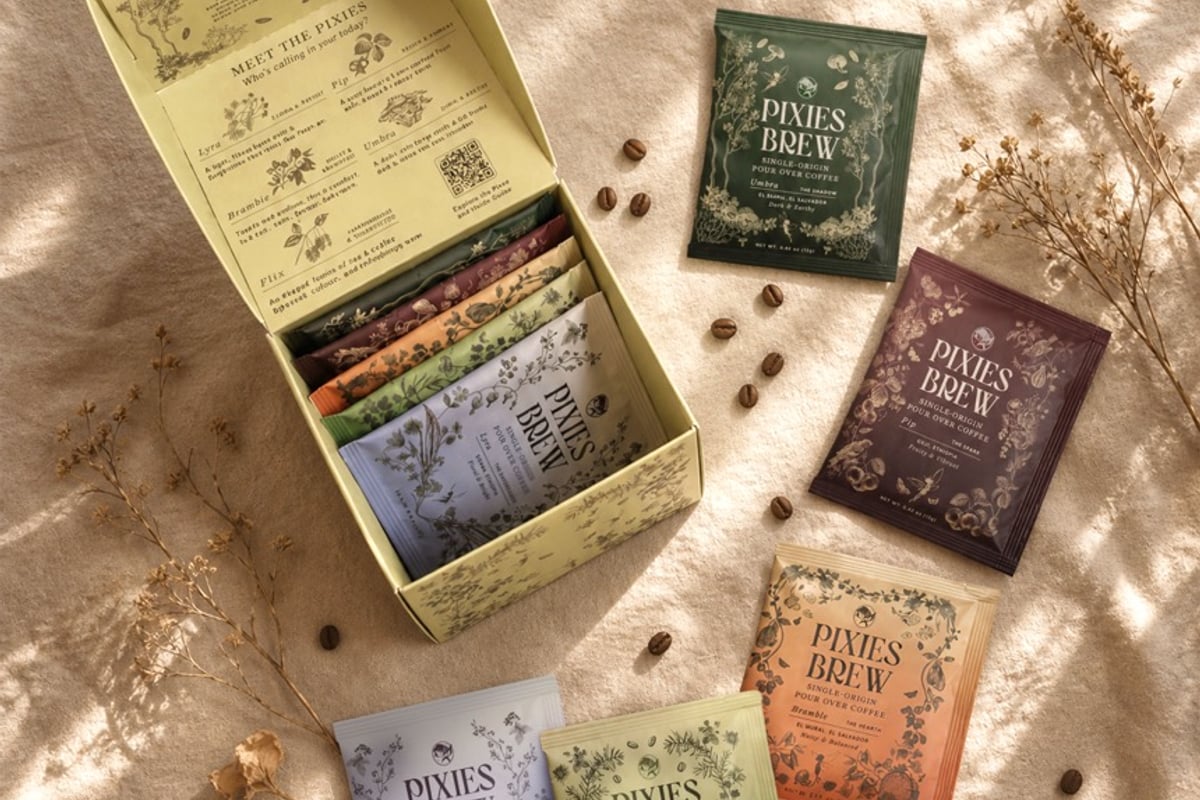
The beauty of this approach lies in removing barriers while maintaining standards. You get the flavor complexity of carefully sourced, precisely roasted specialty coffee without the grinder, scale, gooseneck kettle, or technique refinement. It's specialty coffee democratized-available to anyone, anywhere.
Building Your Morning Practice
A meaningful coffee ritual doesn't require elaborate equipment or thirty minutes of uninterrupted time. It requires presence. Even a simple routine becomes transformative when you approach it with intention:
Start with water quality - Use filtered water if possible; chlorine and minerals affect taste Mind your temperature - Just off boiling (195-205°F) extracts optimal flavor Take the first sip deliberately - Notice the aroma before tasting, let the coffee coat your palate Pause between sips - Give yourself permission to enjoy rather than gulp Clean your equipment - Residue from yesterday's coffee muddies today's flavors
These small acts of attention compound over time, transforming coffee from fuel into a daily reset button. You're not just preparing a beverage; you're creating a boundary between sleep and productivity, between chaos and calm.
Exploring Flavor Profiles: Finding Your Preference
One of specialty coffee's greatest gifts is variety. With beans from over 70 coffee-growing countries and countless processing and roasting approaches, you could drink a different coffee every day for years without repetition.
Light Roasts: Bright and Complex
Light roasts preserve the bean's origin characteristics, highlighting acidity, floral notes, and fruit-forward flavors. These coffees taste distinctly of where they're grown-the jasmine and bergamot of Ethiopian beans, the apple and caramel of Central American coffees.
If you're new to specialty coffee, light roasts can surprise you. They're nothing like the watery, sour coffee from a cheap drip machine. Properly roasted and brewed, they're vibrant and sweet, with layers of flavor that evolve as the coffee cools.
Medium Roasts: Balanced Harmony
Medium roasts strike a balance between origin character and roast development. You'll taste both the bean's inherent flavors and the caramelization created through roasting-chocolate, nuts, and deeper fruit notes like cherry or plum.
This range offers the widest appeal, providing enough familiarity for traditional coffee drinkers while delivering the complexity that specialty coffee promises. Many roasters excel in this category, creating approachable yet sophisticated blends that work well in any brewing method.
Dark Roasts: Bold and Rich
Dark roasts emphasize body and bittersweet flavors-dark chocolate, molasses, toasted nuts, and subtle smoke. While some specialty purists avoid dark roasts, claiming they mask origin flavors, skilled roasters can create dark profiles that remain complex and interesting rather than simply burnt.
The key is roast quality. A dark roast of specialty-grade beans tastes fundamentally different from grocery store "French roast"-less ash and bitter char, more brown sugar and cocoa depth.
Frequently Asked Questions
What's the difference between specialty coffee and regular coffee? Specialty coffee scores 80+ points on a 100-point scale used by certified graders, with zero primary defects. Regular (commodity) coffee includes lower-grade beans with defects that affect flavor, resulting in the generic taste most people associate with coffee.
Does specialty coffee have more caffeine? Not necessarily. Caffeine content depends more on bean variety (Robusta has twice the caffeine of Arabica) and brewing method than quality grade. Specialty coffee is almost always Arabica, which is lower in caffeine but higher in flavor complexity.
How fresh should specialty coffee be? Ideally, brew coffee within 2-4 weeks of its roast date for peak flavor. Coffee continues developing for about a week after roasting (degassing), then slowly loses complexity over the following weeks. Nitrogen-flushed packaging can extend this window significantly.
Is specialty coffee worth the higher price? If you value flavor, traceability, and fair compensation for farmers, yes. The price difference reflects better beans, ethical sourcing, skilled roasting, and fresher product. Quality coffee also requires less product per cup since the flavors are concentrated.
Can I make specialty coffee without expensive equipment? Absolutely. While precision equipment helps, the most important factors are fresh beans, proper water temperature, correct grind size, and attention to ratios. Simple methods like pour-over sachets can deliver specialty quality with minimal gear.
The Evolution Continues
The specialty coffee industry in 2026 looks remarkably different from a decade ago. What began as a niche movement driven by coffee geeks and third-wave roasters has matured into a sophisticated market where quality, sustainability, and convenience coexist.
New processing techniques emerge each harvest season. Anaerobic fermentation, carbonic maceration, and experimental yeast inoculation push flavor boundaries, creating coffees that taste like passionfruit, vanilla bean, or aged rum. These innovations attract younger consumers who approach coffee with wine-like curiosity rather than simple caffeine need.
Technology plays an expanding role too. Apps now connect consumers directly with farmers, blockchain tracks beans from farm to roaster, and precision roasting software ensures consistency across batches. Yet despite these advances, the core experience remains refreshingly analog-hot water, ground coffee, patient extraction, and that first transformative sip.
The beauty of specialty coffee lies in its accessibility. You don't need a $3,000 espresso machine or a degree in coffee science. You need curiosity, decent beans, and the willingness to slow down for five minutes. Whether you brew with a traditional pour-over setup or embrace modern conveniences, the goal remains the same: honoring the bean and the moment.
As consumer awareness grows, so does demand for transparency and quality. The specialty coffee market continues expanding, driven by people who refuse to accept mediocre coffee as inevitable. They've tasted what's possible and won't settle for less.
Specialty coffee represents more than elevated taste-it's a practice of presence, a connection to global communities, and a daily reminder that ordinary moments deserve extraordinary attention. When you're ready to transform your morning ritual with specialty-grade beans that require nothing but hot water and intention, Pixies Brew offers carefully curated sachets that deliver café-quality pour-overs wherever life takes you. Each packet holds not just exceptional coffee, but a moment of pause in an otherwise rushed day.
