


Speciality Coffee: A Craft Worth Savoring Daily
The world of speciality coffee isn't about snobbery or exclusivity. It's about honoring the complete journey from soil to cup, recognizing the hands that tended each plant, and savoring coffee as something more than fuel. When you hold a cup of speciality coffee, you're holding the culmination of careful cultivation, selective harvesting, precise roasting, and intentional brewing-a chain of decisions made with quality as the compass.
This isn't coffee plucked carelessly from sprawling industrial farms. This is coffee grown at specific altitudes, harvested at peak ripeness, processed with attention, and roasted to highlight the unique characteristics written into each bean by geography, climate, and human care.
What Actually Defines Speciality Coffee
Speciality coffee begins with a score. The Specialty Coffee Association established a rigorous grading system where green coffee beans must score 80 points or higher out of 100 to earn the designation. Certified Q Graders-trained sensory experts-evaluate beans across multiple dimensions: aroma, flavor, aftertaste, acidity, body, balance, sweetness, cleanliness, and overall impression.
But numbers alone don't tell the whole story.
The Human Element Behind Quality
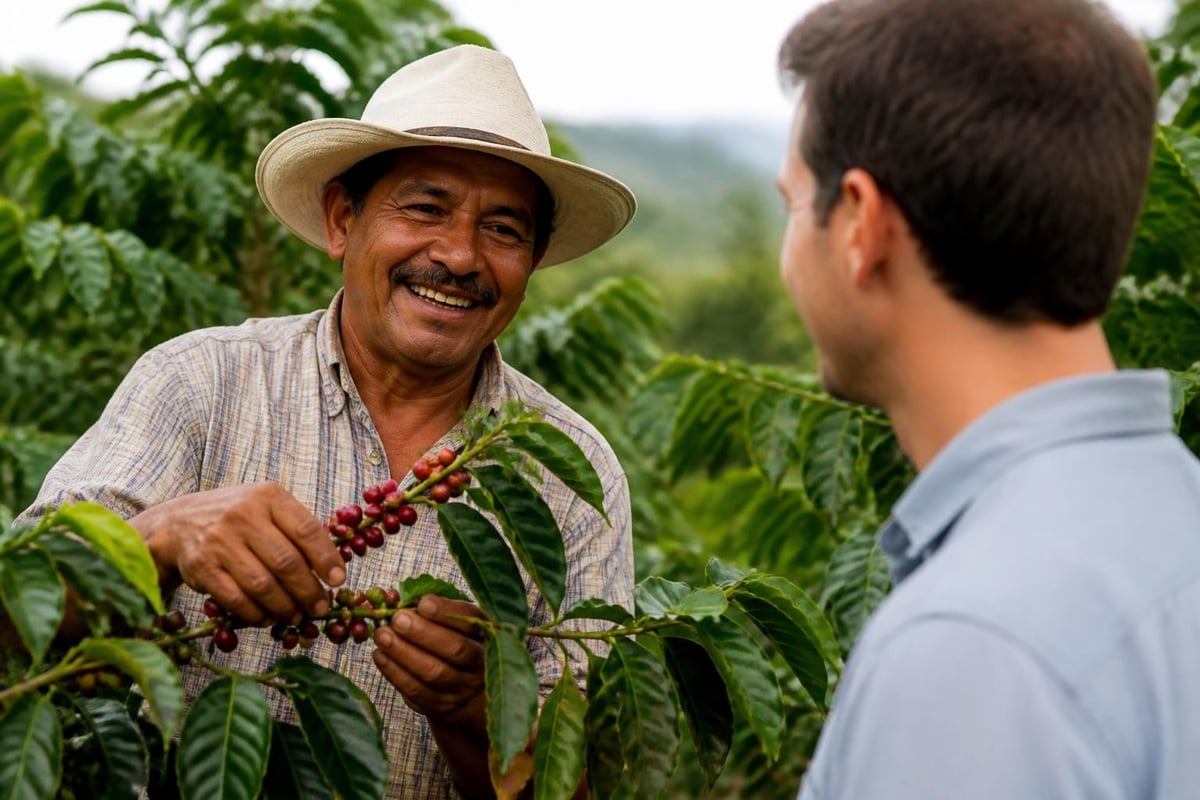
Every cup of speciality coffee represents relationships. Farmers who know their land intimately, who understand how a particular microclimate shapes flavor, who invest in sustainable practices because they're thinking generations ahead. Research into specialty coffee supply chains reveals how personal connections across production stages fundamentally distinguish this segment from commodity coffee.
The difference shows up in your cup. Where commodity coffee trades on futures markets as an interchangeable bulk product, speciality coffee carries the signature of its origin-the specific farm, processing method, even the harvest date.
From Grove to Roastery: The Speciality Path
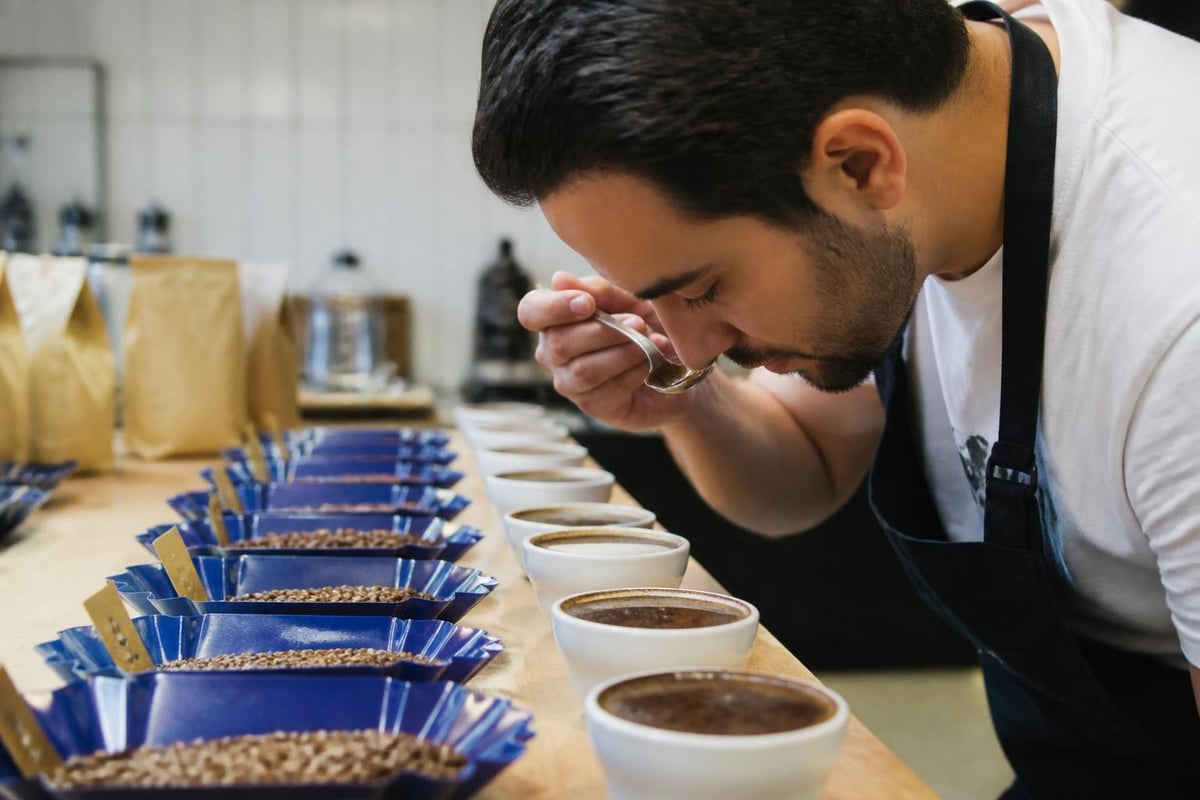
Walk into any coffee grove at harvest time and you'll witness selection in action. While commercial coffee operations use mechanical strippers that pull all cherries regardless of ripeness, speciality coffee demands hand-picking. Workers make multiple passes through the same trees, selecting only cherries at peak ripeness-a deep, uniform red or yellow depending on variety.
This labor-intensive approach costs more. It requires more time. But it's non-negotiable for quality.
Processing Methods That Shape Character
After harvest, processing choices dramatically influence the final cup profile:
- Washed (wet) processing removes all fruit before drying, producing clean, bright coffees with pronounced acidity
- Natural (dry) processing dries the whole cherry, creating fruity, wine-like flavors with heavier body
- Honey processing removes skin but leaves varying amounts of sticky mucilage, balancing fruit sweetness with cleaner notes
- Experimental methods like anaerobic fermentation push boundaries, creating unexpected flavor experiences
The research initiatives tracking how processing impacts flavor chemistry reveal connections between method, microbiology, and the compounds that eventually dance across your palate.
Roasting as Translation, Not Transformation
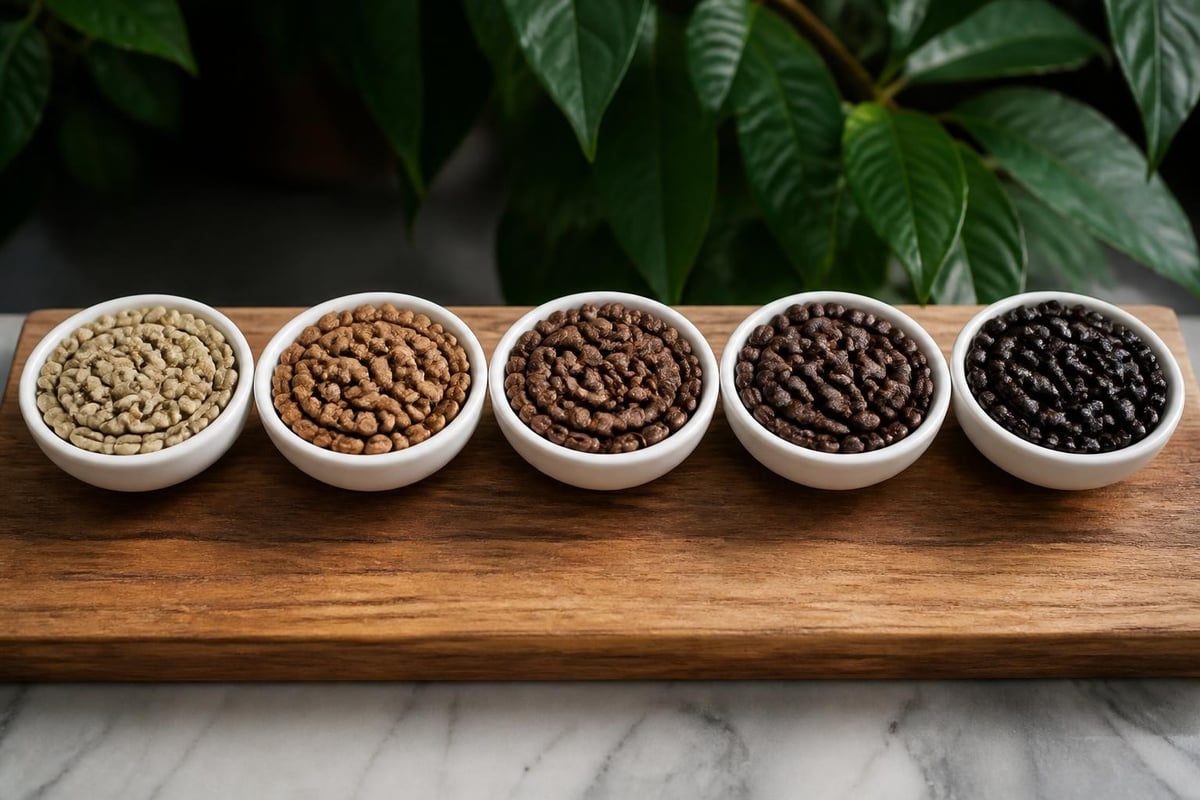
A skilled roaster doesn't impose flavor-they reveal it. Think of roasting as translation, taking the inherent characteristics written into green beans and making them legible to your senses. Too light, and you taste grass and grain. Too dark, and you taste only carbon and char, obliterating origin character.
Speciality roasters develop profiles specific to each origin, each lot. They consider bean density, moisture content, processing method, and desired outcome. A naturally processed Ethiopian heirloom might receive a lighter roast to showcase its blueberry brightness, while a Brazilian pulped natural might go slightly darker to amplify chocolate and nut tones.
| Roast Level | Flavor Profile | Best For |
|---|---|---|
| Light | Bright acidity, floral notes, tea-like body | Pour-over, high-altitude beans |
| Medium | Balanced sweetness and acidity, caramel development | Everyday brewing, versatile origins |
| Medium-Dark | Lower acidity, fuller body, chocolate notes | Espresso blends, Colombian beans |
| Dark | Bold, smoky, heavy body, minimal origin character | French press, traditional preferences |
Fresh roasting matters tremendously. Coffee peaks 3-14 days post-roast, then gradually loses its aromatic compounds. Nitrogen flushing-used by forward-thinking producers-dramatically extends this window by preventing oxidation.
The Ritual of Brewing Speciality Coffee
Precision matters, but not at the expense of presence. Yes, water temperature should hover between 195-205°F. Yes, your coffee-to-water ratio influences extraction (a good starting point is 1:16). But the real magic happens when you slow down enough to notice.
Pour-Over: Control Meets Contemplation
Pour-over brewing offers remarkable control over extraction. You're orchestrating the interaction between water and ground coffee, managing flow rate, saturation, and bloom. The bloom-that initial expansion when hot water first contacts fresh grounds-releases carbon dioxide and signals freshness.
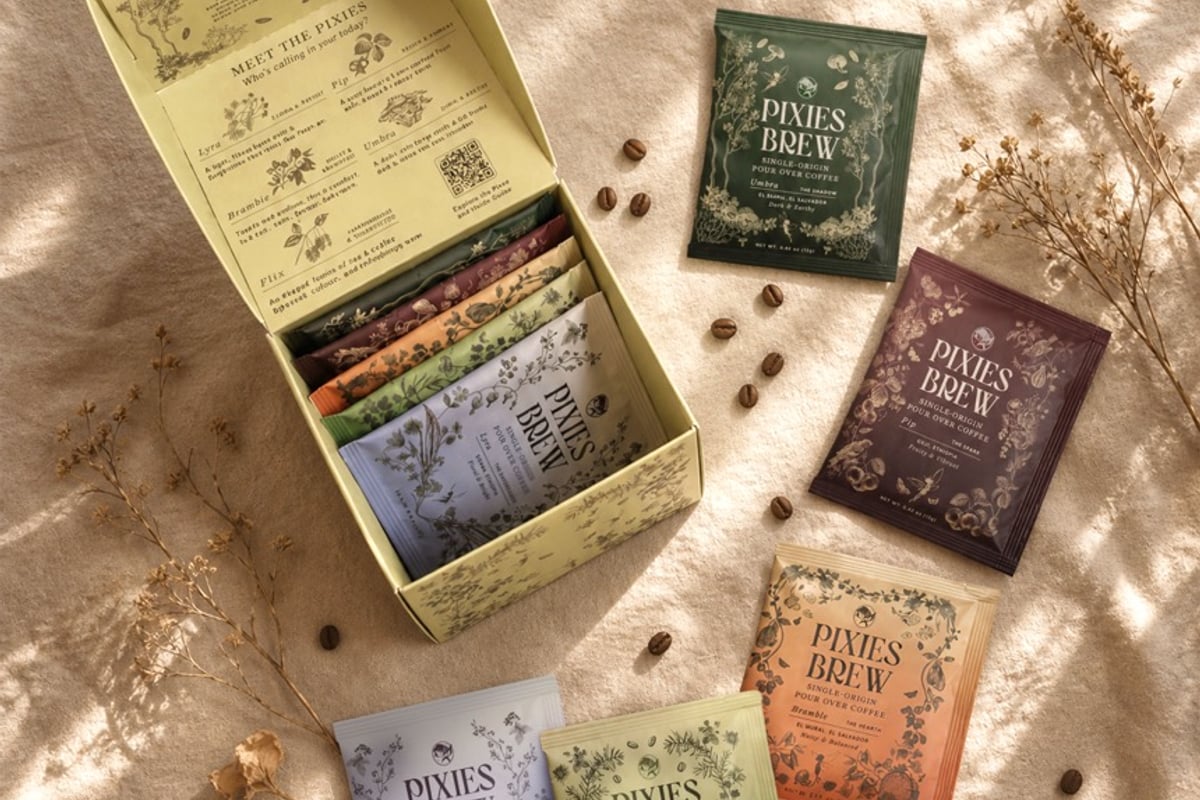
For those seeking this precision without the equipment burden, specialty pour-over sachets have emerged as an elegant solution. Each packet contains coffee ground fresh and sealed with nitrogen, delivering specialty-grade quality with just a cup and hot water.
Consider the Pixies Brew Discovery Set, which brings together five specialty blends in single-serve format. Rip, hook, and pour-that's the entire process. No grinder, no scale, no dripper. Just you, hot water, and a moment back to yourself. Each sachet holds coffee sourced with the same care as any third-wave cafe, ground at the optimal size for consistent extraction, and preserved to maintain peak freshness.
Flavor Notes Aren't Additives
When a coffee lists "notes of blackberry and dark chocolate," that doesn't mean flavor was added. These descriptors map the sensory experience created by the bean's inherent compounds-acids, sugars, lipids-as they interact with your taste and aroma receptors. Machine learning research analyzing coffee reviews demonstrates how specific attributes consistently correlate with quality scores, validating what experienced tasters have always known: origin and processing create predictable flavor signatures.
Geography Writes the Story
Where coffee grows shapes what it becomes. Altitude, soil composition, rainfall patterns, temperature variation-these aren't background details. They're the primary authors of flavor.
Notable Origin Profiles
Ethiopian Coffees (birthplace of coffee itself):
- Often naturally processed
- Bright, complex, fruit-forward
- Floral aromatics
- Wine-like acidity
Colombian Coffees:
- Balanced sweetness and acidity
- Chocolate and caramel notes
- Medium body
- Consistent quality across regions
Kenyan Coffees:
- Bright, assertive acidity
- Black currant and citrus notes
- Full body
- Remarkable clarity
For deeper exploration of specific Colombian origins, consider offerings like Banda Rebelde from Colombia, which showcases the toasted, nuanced character that Colombian high-altitude farms can achieve.
The Economics of Quality
Speciality coffee costs more. This isn't markup for marketing. It's compensation for additional labor, smaller yields, direct trade relationships that pay farmers sustainably, and the expertise required at every stage.
When you pay more for speciality coffee, you're funding:
- Selective harvesting that requires multiple passes through groves
- Direct trade relationships that bypass commodity market volatility
- Environmental sustainability practices that protect long-term viability
- Living wages for farmers and workers
- Small-batch roasting that prioritizes quality over volume
The evolution of coffee value assessment systems reflects the industry's commitment to transparent, multidimensional quality evaluation that justifies premium pricing.
Decaf Done Right
The speciality coffee movement has elevated decaffeinated coffee from afterthought to craft. Swiss Water Process and CO2 decaffeination remove caffeine without chemical solvents, preserving origin character that older methods destroyed.
Quality decaf starts with quality beans. There's no rescuing poor coffee through processing. When speciality-grade beans undergo careful decaffeination, the result maintains much of the original's complexity-just without the stimulant. Options like Amigos del Huila Colombia Decaf demonstrate how far decaf has come, offering genuine flavor depth for evening cups or caffeine-sensitive drinkers.
Tasting Coffee Like a Professional
Developing your palate isn't mystical. It's practice. Professional cuppers follow standardized protocols, but you can borrow their approach:
Basic Cupping Steps
- Smell the dry grounds: Note the initial aromatic impressions
- Add hot water: Observe the bloom and initial release of aromatics
- Break the crust: After four minutes, push floating grounds aside and inhale deeply
- Slurp loudly: Aspirating the coffee across your palate distributes it to all taste receptors
- Note flavors at different temperatures: Coffee reveals different characteristics as it cools
Keep a tasting journal. Over time, you'll recognize patterns-how roast level affects acidity, how processing influences body, how origin correlates with specific flavor families.
The Third Wave and Beyond
The term "third wave" coffee describes the current movement treating coffee as an artisanal product, similar to wine or craft beer. First wave was commodity coffee (think canned grounds). Second wave introduced cafe culture (think espresso chains). Third wave celebrates origin, processing, and the complete supply chain.
According to Roast Magazine, the industry's technical publication, we're now seeing fourth-wave influences-experimental processing, climate change adaptation, and technology integration-while maintaining third-wave values of quality and transparency.
Common Questions About Speciality Coffee
What's the difference between specialty and speciality coffee? Nothing substantive. "Specialty" is American spelling, "speciality" is British. Both refer to coffee scoring 80+ points using SCA standards. The Wikipedia entry for specialty coffee uses both interchangeably.
Does speciality coffee have more caffeine? Not necessarily. Caffeine content depends more on bean variety (Robusta has roughly twice the caffeine of Arabica) and brewing method than quality grade. Speciality coffee uses Arabica beans, so caffeine levels are moderate.
How long does speciality coffee stay fresh? Whole beans peak 7-21 days post-roast and maintain quality for 3-4 weeks when stored properly. Ground coffee loses freshness much faster-within days. Nitrogen-flushed packaging extends this significantly.
Can I make speciality coffee in a regular coffee maker? Yes, though drip machines limit control over variables like water temperature and extraction time. For best results, use quality water, correct ratios, and fresh coffee. Single-serve options offer convenience without sacrificing quality.
Is speciality coffee worth the price? That depends on your values. If coffee is fuel, commodity grade suffices. If you value craft, sustainability, and flavor complexity, speciality coffee delivers experiences impossible to replicate with lower grades.
Building Your Speciality Coffee Practice
Start small. Choose one origin, one processing method, one roast level. Taste it carefully across multiple brewing methods. Notice what changes. Notice what stays consistent.
Then introduce a variable. Try the same origin at a different roast level. Or the same roast level from a different region. This deliberate exploration builds your sensory library, teaching your palate the vocabulary of coffee.
Essential tools for home brewing:
- Quality burr grinder (blade grinders create inconsistent particle sizes)
- Digital scale (precision matters)
- Thermometer or variable-temperature kettle
- Clean, filtered water (chlorine and minerals affect extraction)
- Airtight storage container (light and oxygen are enemies of freshness)
Or simplify completely with pre-ground, nitrogen-sealed pour-over packets that eliminate equipment needs while maintaining quality. The approach to single-cup brewing has evolved beyond pod machines into genuinely craft-focused options.
Seasonal Coffees and Limited Releases
Coffee is agricultural, which means it's seasonal. Harvest times vary by hemisphere and elevation. Ethiopian beans might arrive in late fall. Central American coffees typically land in spring. This seasonality drives the limited-edition releases that specialty roasters offer.
These releases celebrate peak freshness and unique micro-lots-small quantities from specific farms or processing experiments. They're opportunities to taste coffee at its most expressive, often representing a roaster's strongest direct trade relationships.
The Sensory Experience
Close your eyes and bring the cup to your nose before sipping. What arrives first? Fruit? Nuts? Flowers? Spice? Let your mind make associations without censoring them. There's no wrong answer in your personal experience.
Now taste. Let the coffee sit on your tongue for a moment. Notice how flavors evolve. The initial impact. The mid-palate development. The finish that lingers after swallowing. Professional tasters use predictive algorithms to map these attributes, but your subjective experience is what matters for your enjoyment.
High-quality speciality coffee reveals complexity-multiple flavors emerging and receding, acidity that brightens rather than sours, sweetness that balances, body that satisfies without heaviness.
Sustainability and Future-Facing Coffee
Climate change threatens coffee-growing regions. Rising temperatures push suitable cultivation zones higher in altitude. Extreme weather events become more frequent. Pests and diseases expand their ranges.
Speciality coffee's direct trade model creates incentive for sustainability. When roasters pay premium prices and maintain long-term relationships, farmers can invest in climate adaptation-shade tree integration, water conservation, soil health, resistant varietals.
Your choice to support speciality coffee funds these practices. It's not charity. It's recognizing that quality coffee requires healthy ecosystems and economic stability for the people who grow it.
Speciality coffee offers more than superior flavor-it provides connection to craft, land, and the people who transform cherries into the cup in your hands. When you're ready to explore coffees that honor this complete journey, Pixies Brew delivers specialty-grade blends in single-serve sachets designed for modern ritual. Each packet holds nitrogen-flushed grounds that preserve peak freshness, bringing cafe-quality brewing to wherever your morning takes you-no equipment required, just intention and hot water.
