


Best Instant Coffee for Camping: Flavor Meets Trail
The best instant coffee for camping balances three essentials: rich flavor that reminds you why you fell in love with coffee, featherlight packaging that won't weigh down your pack, and foolproof preparation that works whether you're at 10,000 feet or beside a rushing river. In 2026, we've moved far beyond the bitter, one-dimensional crystals your grandparents endured. Today's instant options range from freeze-dried specialty blends to nitrogen-flushed pour-over sachets that deliver café-quality cups in the wilderness. The right choice transforms your sunrise ritual from a caffeine necessity into a moment worth waking up for.
Why Instant Coffee Dominates Backcountry Brewing
When you're three days into a backpacking loop, every ounce matters. Traditional brewing methods like French presses or pour-over cones demand extra gear, create waste, and require precious morning attention when you'd rather be breaking down camp.
Instant coffee solves these friction points elegantly:
- Zero equipment needed: Just hot water and your camp mug
- Minimal pack weight: A week's worth of coffee weighs less than a single apple
- No cleanup ritual: No grounds to pack out or filters to dispose of
- Foolproof consistency: Same great cup whether you're exhausted or energized
According to data from the National Coffee Association, instant coffee has seen renewed popularity as consumers prioritize convenience without sacrificing quality. This shift mirrors what outdoor enthusiasts have known for years: the trail demands simplicity, but our taste buds still crave depth.
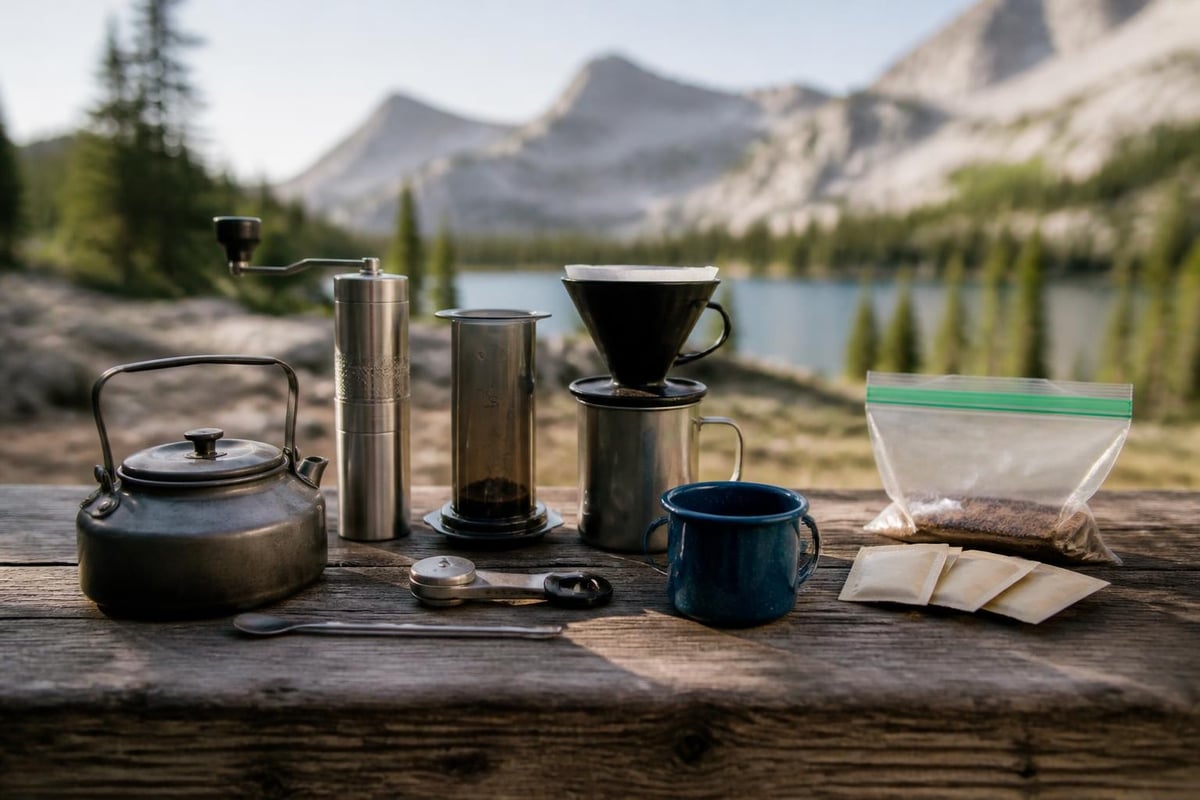
The environmental conditions matter too. Research on humidity's effect on instant coffee stability shows that moisture exposure can degrade quality quickly. Smart packaging, whether individual sachets or resealable containers, protects your coffee from the damp reality of tent life.
What Makes Specialty Instant Coffee Different
Not all instant coffee shares the same DNA. The gap between grocery-store crystals and specialty-grade options is as wide as the canyon views from your campsite.
The Freeze-Dried vs. Spray-Dried Divide
Traditional instant coffee undergoes spray-drying: brewed coffee shot through hot air until only dehydrated particles remain. This high-heat process strips away delicate aromatics and volatile compounds that make coffee interesting.
Freeze-drying takes a gentler path. Brewed coffee freezes solid, then sublimates (transforms directly from ice to vapor) in a vacuum chamber. This preservation method maintains origin characteristics, subtle fruit notes, and the complexity specialty roasters work hard to develop.
| Method | Temperature | Flavor Retention | Cost | Common Use |
|---|---|---|---|---|
| Spray-Dried | 350-500°F | 30-40% | Low | Mass market instant |
| Freeze-Dried | Below 32°F | 85-95% | High | Specialty instant |
| Pour-Over Sachet | None (ground coffee) | 98-100% | Premium | Trail-ready specialty |
Nitrogen-Flushed Pour-Over Packets
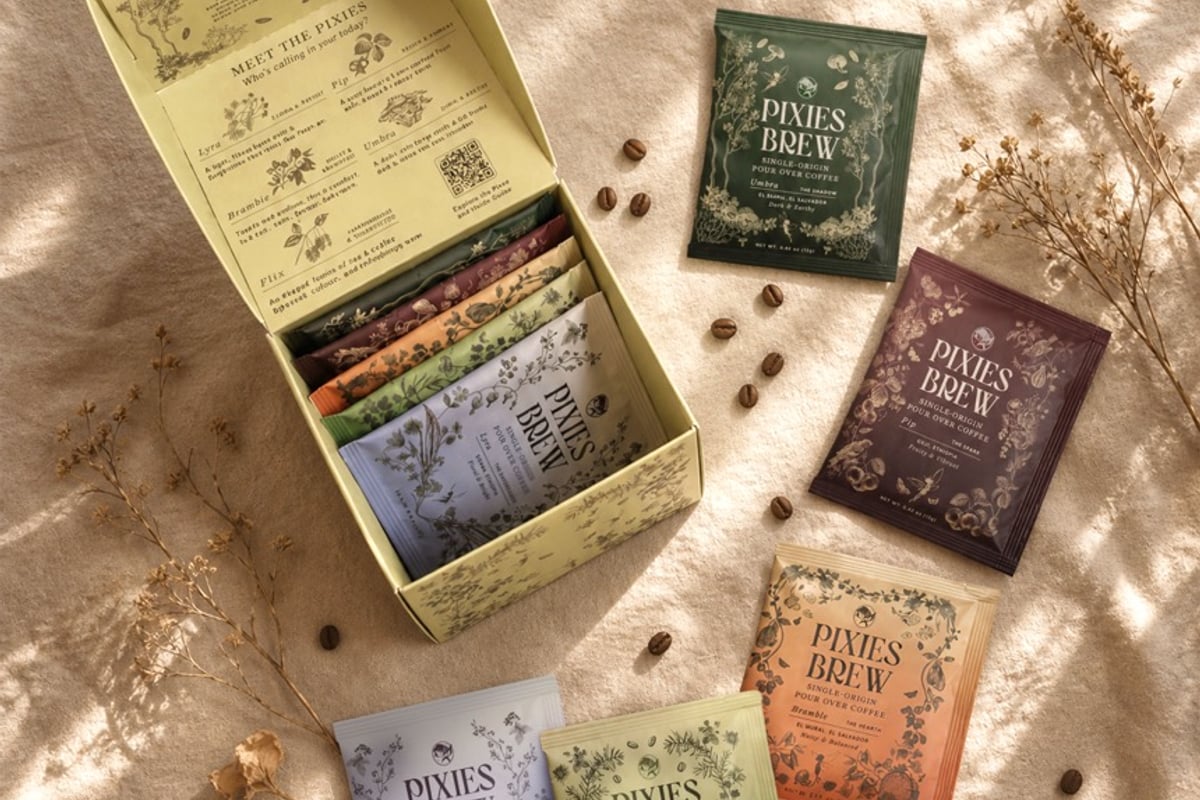
The newest category bridges instant and traditional brewing. Companies like Pixies Brew grind specialty-grade beans fresh, portion them into individual filter sachets, and flush the sealed packets with nitrogen to lock in aromatics. You get true pour-over coffee anywhere, with the convenience of instant but none of the processing compromise.
When you tear open a nitrogen-flushed sachet at 6 a.m. on the trail, the aroma hits immediately: bright berry notes from Ethiopian beans, or deep chocolate richness from Colombian lots. The coffee inside smells like it was ground moments ago because nitrogen displacement prevents oxidation that stales pre-ground coffee within days.
Top Characteristics to Prioritize
Choosing the best instant coffee for camping means evaluating your specific trail needs against product realities. Here's what seasoned backpackers watch for:
Single-origin transparency: Can you trace the coffee back to a specific farm or cooperative? Transparency signals quality control and helps you predict flavor profiles. Ethiopian naturals bring wild blueberry brightness. Guatemalan washed coffees deliver clean chocolate notes. Colombian beans often balance sweetness with nutty depth.
Packaging integrity: Individual servings prevent the "opened bag that's been in my pack for three weeks" staleness problem. Look for tear-resistant, truly waterproof materials. Foil-lined packets outperform paper sachets in wet conditions.
Preparation flexibility: Some instant options demand precise water temperature or steeping time. The best camp choices forgive variable conditions. Whether your water's barely steaming or rolling-boil, the cup should still satisfy.
Caffeine content per serving: Trail fatigue is real. Know whether your instant coffee delivers 60mg or 150mg per packet. Morning alpine starts might call for the higher end of that spectrum.
Outside Online's testing of instant coffees reveals that testers consistently rated specialty freeze-dried and pour-over sachets higher for flavor complexity, while traditional spray-dried options won on dissolving speed.
Five Instant Coffee Styles for Different Camp Scenarios
The Ultralight Thru-Hiker's Choice
When you're counting grams on a 500-mile trail, freeze-dried single crystals in minimal packaging win. Brands specifically formulated for backpacking often come in recyclable tear-top packets weighing under 5 grams each.
The trade-off? Less nuance. These optimize for weight and caffeine delivery over sensory experience. But after 20 miles, sometimes that's exactly what your legs need.
The Weekend Warrior's Upgrade
Car camping or short overnight trips allow for slightly heavier, dramatically better options. Pour-over sachets that hook onto your mug's rim deliver specialty-grade results. You're still talking ounces, not pounds, but the flavor difference is unmistakable.
For those seeking a complete taste exploration, the Pixies Brew Discovery Set brings five distinct specialty-grade blends in single-serve sachets. Each packet contains freshly ground coffee flushed with nitrogen, so you can experience everything from bright Ethiopian blooms to deep-roasted ember profiles without packing multiple bags or brewing gear.
The Cold-Brew Camper's Solution
Some instant coffees dissolve in cold water, perfect for hot-weather trips where you'd rather not fire up the stove. Mix the crystals with stream-temperature water (after filtering, of course), wait three minutes, and enjoy a chilled cup.
The flavor won't match hot preparation, but on a sweltering August afternoon at lower elevation, cold instant coffee beats warm water from your bottle.
The Gourmet Basecamp Setup
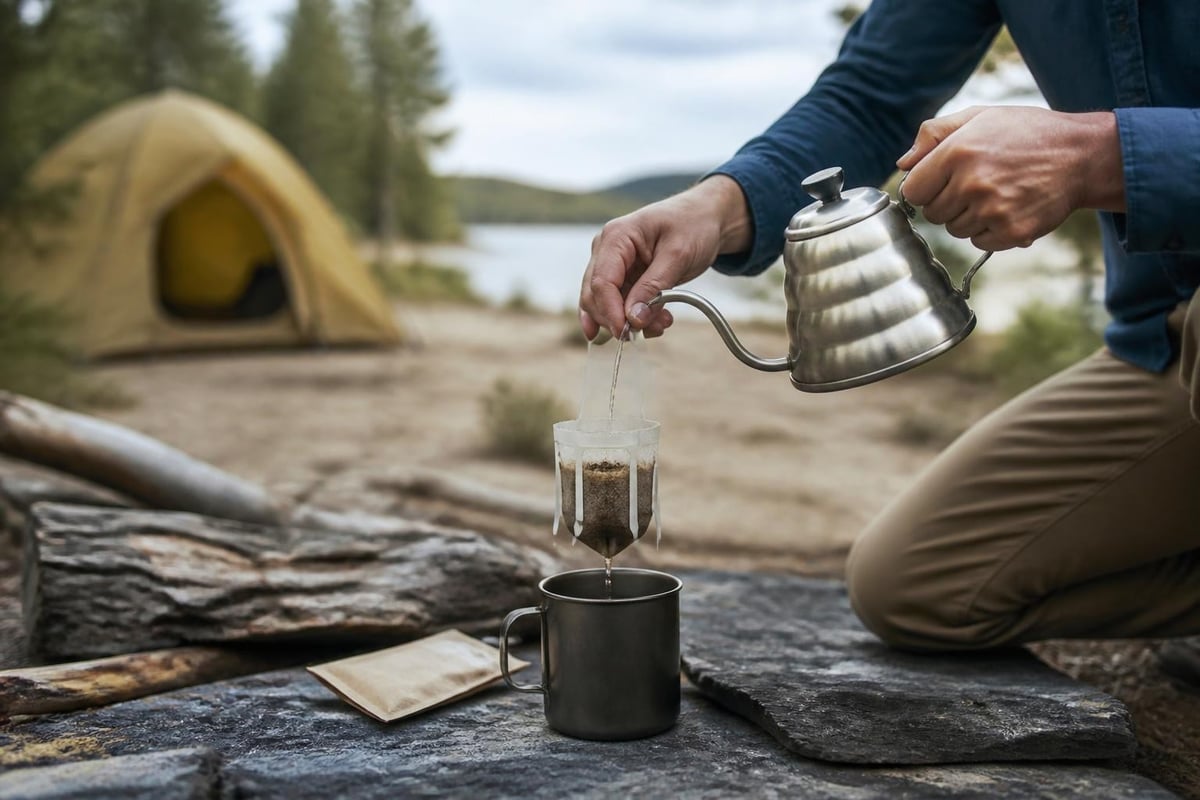
Established campsites with tables and leisurely mornings invite more ritual. This is where pour-over sachets shine. Backpacker's guide to making perfect camp coffee emphasizes that even instant formats benefit from attention: heating water to 200°F instead of a full boil, letting sachets steep for the recommended time, and using a proper mug instead of a dented titanium cup all enhance the experience.
Pour slowly. Watch the coffee bloom as water first contacts the grounds. Smell the steam rising. This isn't just caffeine delivery; it's the morning pause that makes wilderness time different from daily routine.
The Expedition-Length Supply
Weeklong trips or longer demand thinking about variety and storage. Even if you adore one particular roast at home, drinking it every morning for 14 days straight can dull its appeal.
Pack a rotation:
- Light roast for energy mornings: High-altitude starts or big mileage days
- Medium roast for regular pace: Balanced cups that please most palates
- Dark roast for cold evenings: That second cup by the campfire
- Decaf option for late afternoons: When you want the ritual without sleepless nights
- Special reserve for summit days: Celebrate peak achievements with your favorite blend
Store all instant coffee in a waterproof stuff sack or dry bag. Even well-sealed packets can fail if your pack takes a river crossing or unexpected rainstorm.
Flavor Profiles Worth Seeking
The best instant coffee for camping shouldn't taste like compromise. Here's what to expect from quality options:
Ethiopian naturals (often labeled Sidamo, Yirgacheffe, or Guji regions) burst with fruit-forward brightness. Think strawberry jam, blueberry muffins, or jasmine tea. These coffees wake up your palate as effectively as the caffeine wakes up your body. The Lyra's Bloom sachet from Pixies Brew captures this profile beautifully, with Sidama beans delivering berry sweetness that feels almost magical against a mountain backdrop.
Central American washed coffees from Guatemala, El Salvador, or Costa Rica provide clean chocolate and nut flavors. They're comforting, approachable, and pair perfectly with trail snacks. These are the morning-after-a-cold-night cups that feel like a warm hug.
Colombian and Brazilian blends often balance sweetness with gentle acidity. They're the reliable middle ground, equally good straight or with a splash of powdered milk.
Dark roasts and blends deliver bold body and roasted depth. While they sacrifice some origin character, they stand up to imperfect brewing conditions and cold mornings when you need assertive warmth.
Decaf and half-caf options use Swiss Water Process or CO2 decaffeination to remove caffeine while preserving flavor. Don't dismiss these for afternoon coffee breaks when you're already wired from elevation and exertion.
Practical Packing and Preparation Tips
Getting the best results from instant coffee on the trail requires a few field-tested techniques:
Measure your water: Even if you're eyeballing, know what 8-10 ounces looks like in your specific mug. Too much water creates weak coffee; too little wastes the packet's potential. Most instant servings target 8-12 ounce cups.
Heat water properly: According to ultralight coffee method comparisons from Backpacker, water just below boiling (around 200°F) extracts better flavor from instant crystals and pour-over sachets than fully boiling water, which can create bitter notes.
Stir or steep appropriately: Freeze-dried crystals usually dissolve with simple stirring. Pour-over sachets need 2-3 minutes of contact time for full extraction. Don't rush either process.
Protect from moisture during the trip: Even if packets seem sealed, toss them in a ziplock bag as backup insurance against pack condensation or accidental submersion.
Pack out used sachets: Pour-over systems create a spent grounds packet. Seal it back in its original wrapper or a designated trash bag. Leave no trace includes coffee waste.
Frequently Asked Questions
Does instant coffee have less caffeine than regular coffee?
Not necessarily. Instant coffee typically contains 60-80mg of caffeine per 8-ounce serving, while brewed coffee ranges from 95-165mg. The variation depends more on serving size and bean selection than the instant-vs-brewed format. Some instant brands specifically formulate for higher caffeine content.
How long does instant coffee stay fresh in a backpack?
Properly sealed instant coffee (whether crystals or sachets) remains fresh for months, even in pack conditions. Nitrogen-flushed options maintain peak flavor for 6-12 months from packaging date. Once opened, consume individual packets within the trip to prevent degradation from moisture exposure.
Can I make cold brew with instant coffee?
Only specific instant coffees labeled "cold-soluble" dissolve properly in cold water. Regular instant coffee requires hot water to fully extract and dissolve. For cold camp drinks, look for products explicitly designed for cold preparation, or make traditional hot coffee and let it cool.
Is instant coffee lighter than bringing whole beans and a grinder?
Significantly lighter. A week's worth of instant coffee (7 packets) weighs approximately 35-50 grams total, including packaging. Equivalent whole beans plus a portable grinder and brewing equipment would exceed 200 grams, not counting the brewing device itself.
What's the environmental impact of single-serve coffee packets?
Individual packets create more packaging waste than bulk coffee, though the total material is minimal. Some brands use compostable or recyclable materials. Pour-over sachets with compostable filters and grounds reduce waste compared to sealed plastic capsules. For the most eco-conscious approach, look for brands with clear sustainability commitments and carbon-neutral shipping practices.
Taste-Testing Method for Your Pre-Trip Selection
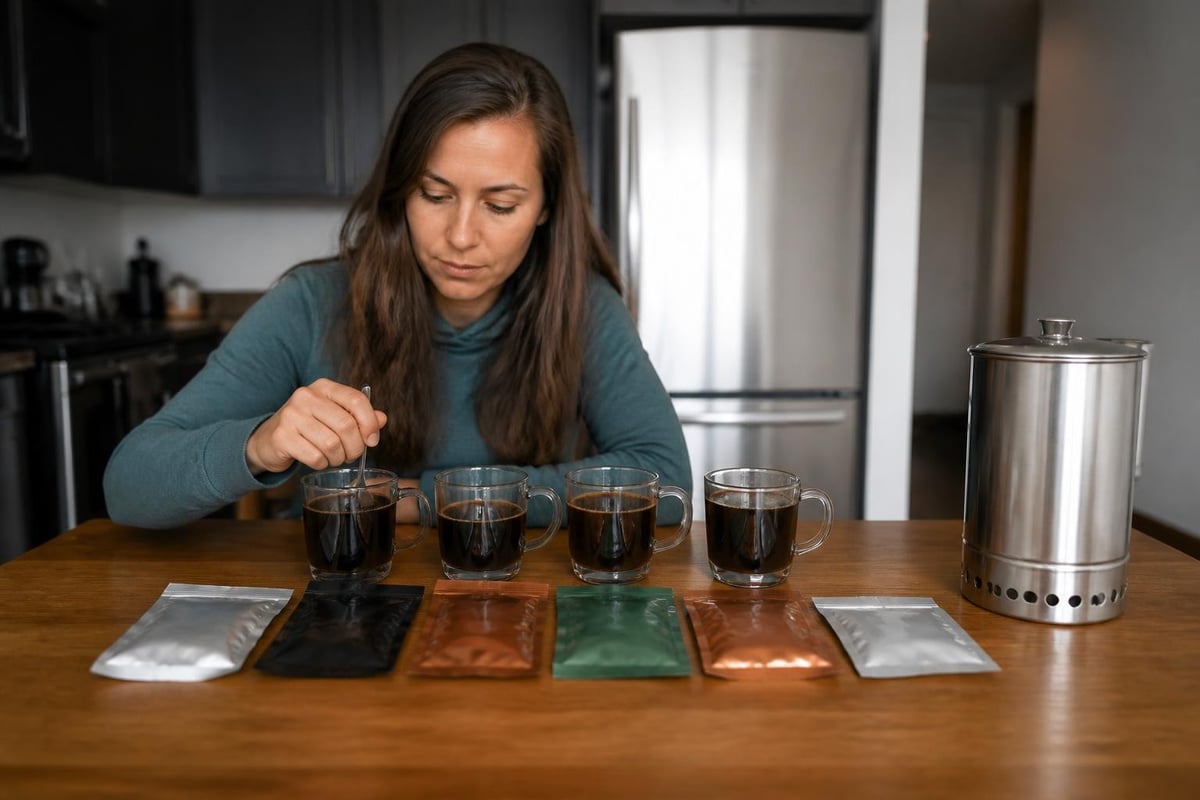
Before committing to a week in the backcountry with an untested instant coffee, run this simple evaluation:
-
Brew at home using camping conditions: Boil water on your camp stove (not your electric kettle), use your camp mug, and prepare the coffee exactly as you would on trail.
-
Taste it black first: Even if you normally add cream and sugar, evaluate the base coffee quality. Bitterness, staleness, or chemical flavors will only intensify in wilderness settings.
-
Try it in the morning after bad sleep: Camp rarely delivers hotel-quality rest. Taste the coffee when you're groggy and mildly cranky to see if it still satisfies.
-
Test with your typical trail breakfast: Coffee that tastes great solo might clash with your standard oatmeal or energy bar flavors. Make sure the pairing works.
-
Check dissolution or brewing at altitude: If you're planning high-elevation trips, water boils at lower temperatures (around 194°F at 10,000 feet). Some instant coffees struggle with slightly cooler water.
Beyond the Cup: The Morning Ritual Itself
The best instant coffee for camping delivers more than liquid caffeine. It creates the pause between waking and walking, the transition from sleeping bag to trail.
On cold mornings when your breath makes clouds and frost coats the tent fly, that first sip becomes a marker: you're warm enough now. You're ready. The day can begin.
Pour-over sachets especially invite this mindfulness. Hooking the packet to your mug's rim, pouring slowly, watching the grounds bloom as water makes first contact, these small actions ground you in the moment. The ritual matters as much as the result.
This is what the team at Pixies Brew understands deeply. Their approach treats coffee not as fuel but as a moment of return to yourself, even (especially) when you're miles from home. The brewing ritual they've designed works whether you're in your kitchen or beside a alpine lake, because the pause it creates belongs to you regardless of location.
When you're selecting camp coffee, consider not just what tastes good but what feels right. Does the packaging spark joy when you dig through your food bag at dawn? Does the aroma make you smile before you've taken a single sip? Does the weight in your hand feel substantial enough to matter, light enough to forget?
Pairing Coffee with Trail Food and Conditions
Smart coffee selection considers your complete camp menu and daily rhythm:
With sweet breakfasts (oatmeal with brown sugar, granola, pancakes): Choose bright, acidic coffees that cut through sweetness. Ethiopian naturals or light Central American roasts provide pleasant contrast.
With savory mornings (eggs, breakfast burritos, bacon): Medium to dark roasts with chocolate and nut notes complement rather than compete.
At high altitude: Your taste perception changes above 8,000 feet. Flavors mute slightly, so opt for coffees with bolder characteristics that will still register clearly.
In cold weather: Dark roasts feel psychologically warming. Their fuller body and roasted depth match the comfort you're seeking.
During hot-weather trips: Light roasts with fruity brightness feel more refreshing. Consider cold-soluble options that don't require heating water.
For evening campfire cups: Decaf lets you enjoy the ritual without disrupting sleep, especially important when you're adjusting to earlier bedtimes that wilderness trips often inspire.
The Gear Minimalist's Complete Coffee Kit
Even with instant coffee, a few small additions elevate the experience without adding meaningful weight:
- Insulated camp mug with lid: Keeps coffee hot longer on cold mornings (4-6 oz weight)
- Long-handled camp spoon: Better stirring than twig alternatives (0.5 oz)
- Small stuff sack for coffee storage: Waterproof protection for all packets (1 oz)
- Backup tea bag or hot chocolate: For the day coffee doesn't appeal (0.3 oz)
Total added weight: Under 12 ounces for significantly better coffee experiences over the trip duration.
Storage and Freshness Across Long Adventures
For extended trips, rotation prevents flavor fatigue and maintains freshness:
Days 1-3: Premium selections you've been excited to try, when your palate is freshest and enthusiasm highest.
Days 4-7: Reliable favorites that comfort during the mid-trip grind.
Days 8-10: Rotation back to variety, perhaps saving one special blend for the final morning or summit day.
Emergency backup: One packet of high-caffeine instant that you're not excited about but would desperately appreciate if weather delays your exit or you drop your main coffee stash in the river.
Keep all coffee in the bear canister or hung food bag along with other scented items. While coffee isn't food, its aroma can attract wildlife, and the last thing you want is a curious raccoon shredding your week's supply at 2 a.m.
The best instant coffee for camping proves that convenience and quality aren't opposing forces. Whether you choose freeze-dried crystals, specialty pour-over sachets, or nitrogen-flushed single-serves, the right option transforms every wilderness morning into a moment worth savoring. Pixies Brew brings this philosophy to life with specialty-grade sachets that deliver café-quality pours wherever the trail leads, reminding us that even in the backcountry, we deserve coffee that tastes like magic feels.
