


Individual Pour Over Coffee: A Ritual Worth Savoring
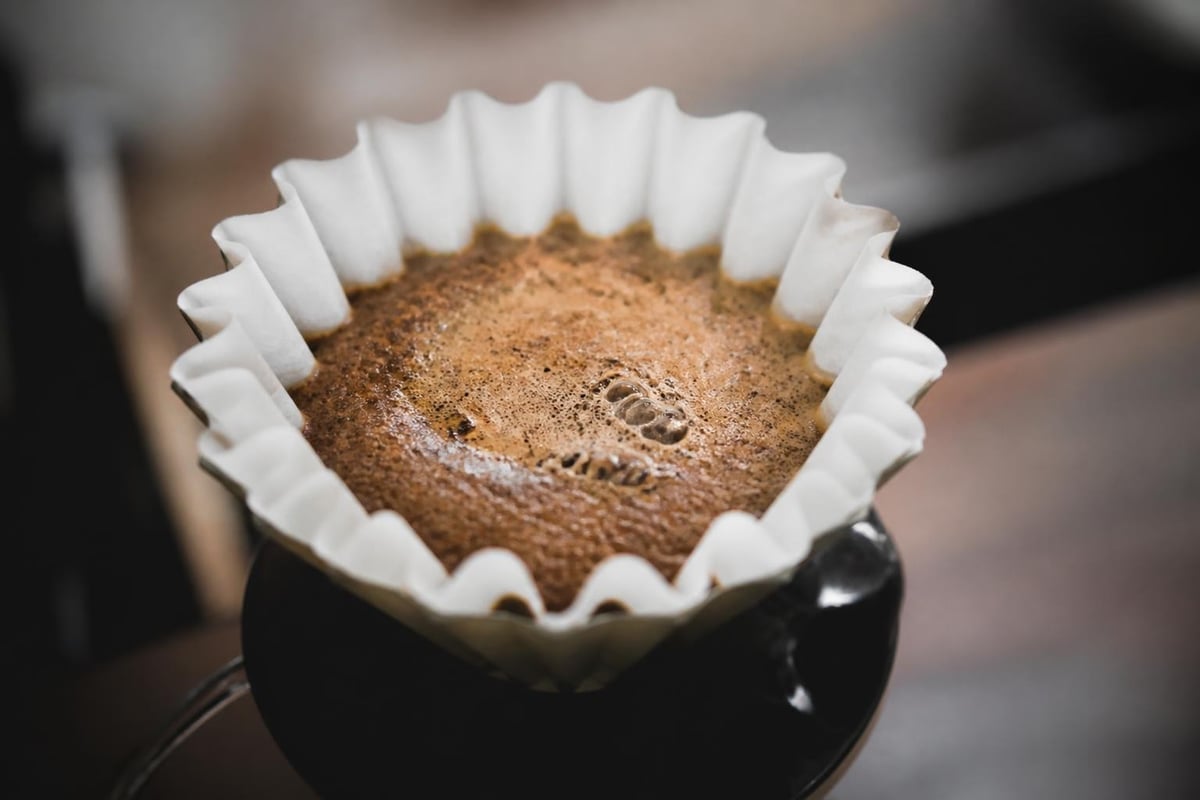
The first time I watched coffee bloom, I understood why people call it a ritual. Hot water met fresh grounds, and suddenly the bed swelled with life-carbon dioxide escaping, aromatics rising, time itself slowing down. That moment changed how I thought about my morning cup. Individual pour over coffee isn't just a brewing method; it's an invitation to pause, to notice, to transform water and bean into something that matters. In a world optimized for speed, choosing to pour slowly is a small act of resistance.
Why Individual Pour Over Coffee Captures Hearts
The data tells one story: according to the National Coffee Association's latest trends report, manual brewing methods have seen steady growth among home brewers, with pour over leading the charge. But numbers don't capture the sensory reality-the sound of water hitting grounds, the earth-and-fruit smell rising from the bloom, the warmth spreading through ceramic.
Individual pour over coffee delivers control. You choose the grind size, water temperature, pour rate, and brew time. Each variable shapes extraction, and extraction shapes flavor. Too fast, and you pull bright acids without body. Too slow, and bitterness creeps in. The sweet spot lives in the dance between water and coffee, a conversation you conduct with each spiral pour.
The Science Behind the Bloom
When hot water first contacts freshly ground coffee, trapped CO₂ escapes rapidly-this is the bloom. Research on extraction uniformity shows that proper blooming prevents channeling, where water finds the path of least resistance and leaves dry pockets behind. A 30-45 second bloom with twice the water weight of coffee creates even saturation.
The bloom smells different depending on roast and origin. Ethiopian beans might release blueberry and jasmine. Colombian coffees bloom with caramel and cocoa. Central American varieties offer stone fruit and citrus. This initial aromatic burst previews the cup to come.
The Ritual Elements That Matter
Every pour over tells a story through its components. The ritual begins before water touches grounds-it starts with intention, with choosing to make space for the process.
Grind Size and Distribution
Medium-fine works for most pour over brewers, resembling sea salt or coarse sand. But the distribution of particle sizes matters as much as average size. Recent research on fines in coffee extraction demonstrates that smaller particles (fines) extract faster than larger ones, contributing both complexity and potential over-extraction.
A quality burr grinder produces consistent particle sizes with fewer fines. Blade grinders create chaos-boulders and dust mixed together-leading to simultaneous under-extraction and over-extraction in the same cup. The difference is immediately apparent in clarity and balance.
| Grind Setting | Particle Size | Brew Time | Flavor Impact |
|---|---|---|---|
| Too Fine | Powder-like | 4+ minutes | Bitter, astringent, muddy |
| Medium-Fine | Sea salt | 2.5-3.5 min | Balanced, clear, sweet |
| Medium | Kosher salt | 2-2.5 min | Bright but thin |
| Too Coarse | Rock salt | Under 2 min | Sour, weak, grassy |
Water Quality and Temperature
Water comprises 98% of brewed coffee, yet many overlook its role. Minerals in water-particularly calcium and magnesium-facilitate extraction by attracting flavor compounds from coffee particles. The SCA Water Quality Handbook specifies ideal ranges: 50-175 ppm total dissolved solids, with balanced mineral content.
Temperature affects extraction rate. Water at 195-205°F (90-96°C) extracts optimally. Below 195°F, you under-extract acids and sweetness. Above 205°F, you risk pulling harsh, astringent compounds. A simple kettle thermometer eliminates guesswork.
Individual Pour Over Coffee Methods and Styles
Different brewers create different experiences. The V60's large single hole and spiral ribs encourage fast flow and high clarity. The Chemex's thick filters remove oils for a tea-like cup. The Kalita Wave's flat bed promotes even extraction.
But sometimes the best individual pour over coffee comes from the simplest setup. A sachet hanging from your cup, specialty grounds sealed fresh, water poured in concentric circles. No scales, no timers, no anxiety-just coffee and moment.
The Art of the Pour
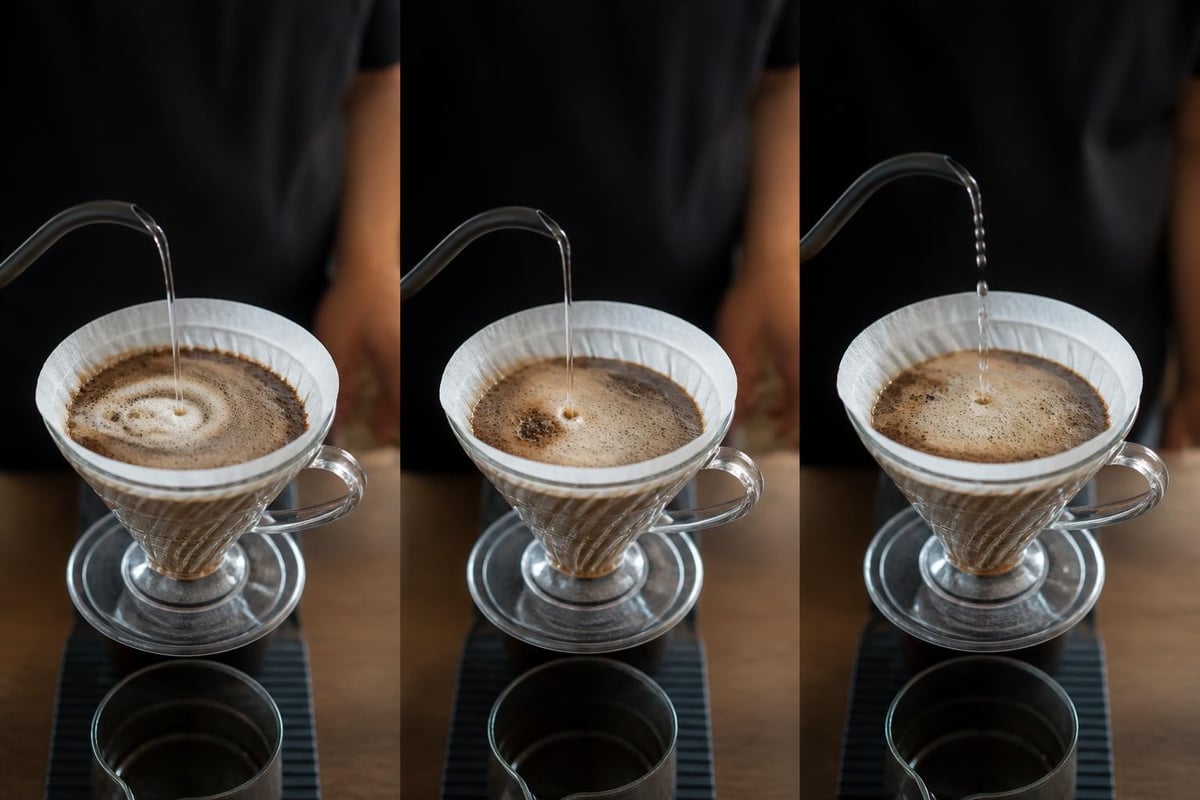
Professional baristas practice pour patterns for months. The spiral pour starts at the center, moves outward in concentric circles, then returns to center. This agitation promotes turbulence and extraction. The pulse pour alternates between adding water and letting it drain, controlling contact time and temperature.
For single-serve sachets, the approach shifts. You're not controlling bed depth or agitation-the filter does that work. Instead, you control temperature and total water volume. Pour slowly enough to maintain contact, fast enough to keep the bed warm. Listen to the drip rate; it tells you when to add more water.
Timing and Ratios
The golden ratio sits around 1:16-one gram of coffee to sixteen grams of water. Adjust based on preference: 1:15 for stronger, 1:17 for lighter. Total brew time for individual pour over coffee typically runs 2.5 to 3.5 minutes, including bloom.
Shorter isn't better. Quick brews chase efficiency at the expense of extraction. The magic happens in the middle minutes, when water temperature drops into the sweet spot and subtle compounds dissolve. Rush it, and you taste only the loud notes-brightness without depth, sweetness without complexity.
The Sensory Experience of Individual Brewing
Close your eyes during a pour over, and the ritual speaks through other senses. The kettle's whistle. The rustle of grounds into the filter. The first hiss of bloom-gentle, almost conversational. Then the steady percussion of drops hitting liquid, rising in pitch as the cup fills.
The aroma builds in layers. First, the dry grounds-nutty, chocolatey, or fruity depending on roast. Then the bloom releases volatile compounds-esters and aldehydes that read as florals, fruits, and spices. Finally, the finished cup offers rounded, integrated aromatics where individual notes harmonize.
Taste arrives as temperature drops. Too hot, and you taste only heat. At 160°F, acidity sharpens. At 140°F, sweetness emerges. At 120°F, subtle flavors reveal themselves-the finish, the aftertaste, the ghost notes that linger. Understanding how particle size affects beverage properties helps explain why well-extracted coffee evolves as it cools, revealing new dimensions at each temperature.
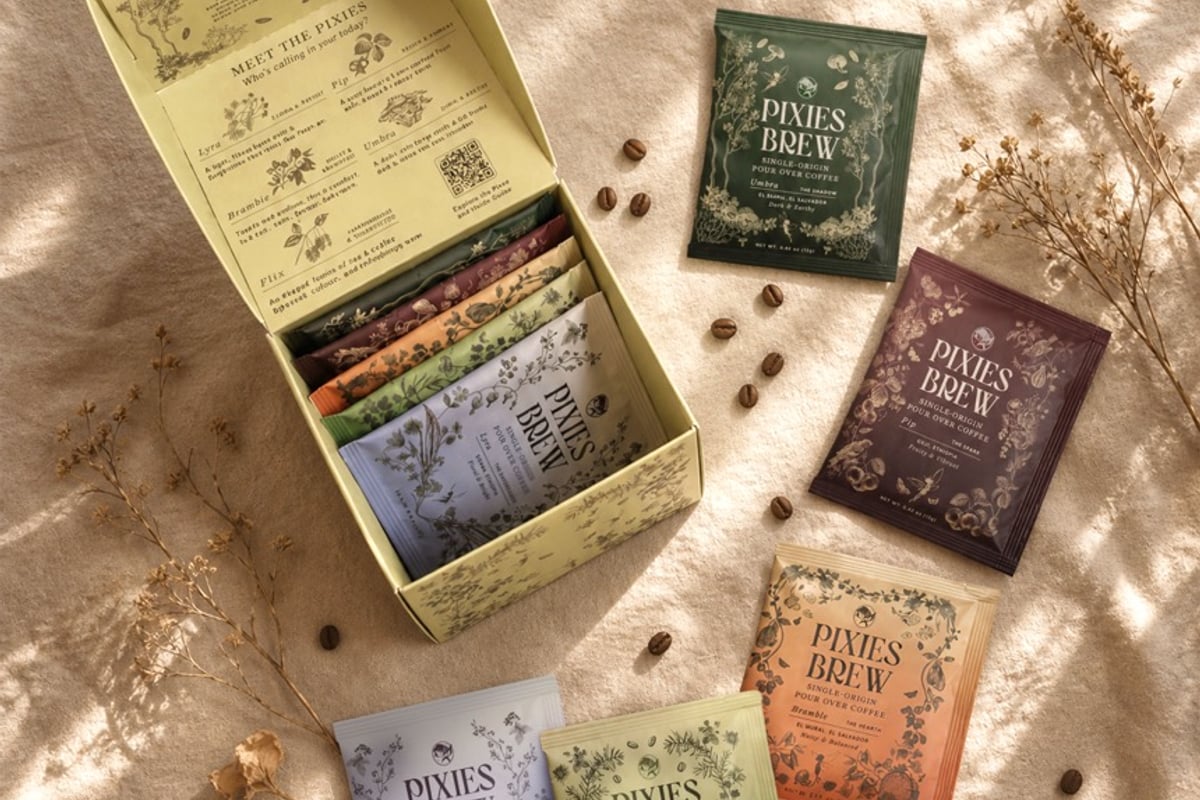
Perfect for slow mornings or travel days when you need a moment back to yourself, the Pixies Brew Discovery Set brings specialty-grade blends together in nitrogen-flushed sachets. Just rip, hook, and pour-no gear needed, just a cup and hot water to create your pause.
Common Questions About Individual Pour Over Coffee
How much coffee do I use for one cup?
For an 8-ounce cup, use 14-16 grams of coffee (about 2 tablespoons). For a 12-ounce cup, use 20-22 grams. The 1:16 ratio provides a balanced starting point.
Why does my coffee taste bitter?
Bitterness usually signals over-extraction. Try a coarser grind, cooler water (around 195°F), or a faster pour. Also check your coffee's roast date-stale beans taste increasingly bitter.
Can I make individual pour over coffee without a scale?
Yes. Two level tablespoons of ground coffee roughly equals 14 grams. Volume measurements work, though mass is more consistent. With sachets designed for single servings, the dosing is already precise.
How fresh should my coffee be?
Ideally, brew coffee within 2-4 weeks of roasting. Whole beans stay fresh longer than grounds. Nitrogen-flushed, sealed sachets protect grounds from oxygen, extending freshness significantly.
Does water quality really matter?
Absolutely. Distilled water lacks minerals for extraction and tastes flat. Hard water over-extracts and adds off-flavors. Filtered tap water usually hits the sweet spot. If your tap water tastes good straight, it'll make good coffee.
Building Your Daily Pour Over Practice
Ritual requires repetition. The first week feels awkward-too many variables, too much attention needed. By week two, muscle memory forms. By week three, the process becomes meditation.
Start simple. Pick one brew method or sachet style. Use consistent ratios and temperatures. Change only one variable at a time. Notice what happens when you grind finer or pour faster. Build sensory vocabulary: is that brightness citrus or berry? Is that sweetness caramel or honey?
Keep a brew journal if you're inclined. Date, coffee origin, grind setting, brew time, tasting notes. Patterns emerge. You discover you prefer Ethiopian naturals at 200°F or Colombian washed coffees ground slightly coarser. Knowledge accumulates into intuition.
Making Space for the Pause
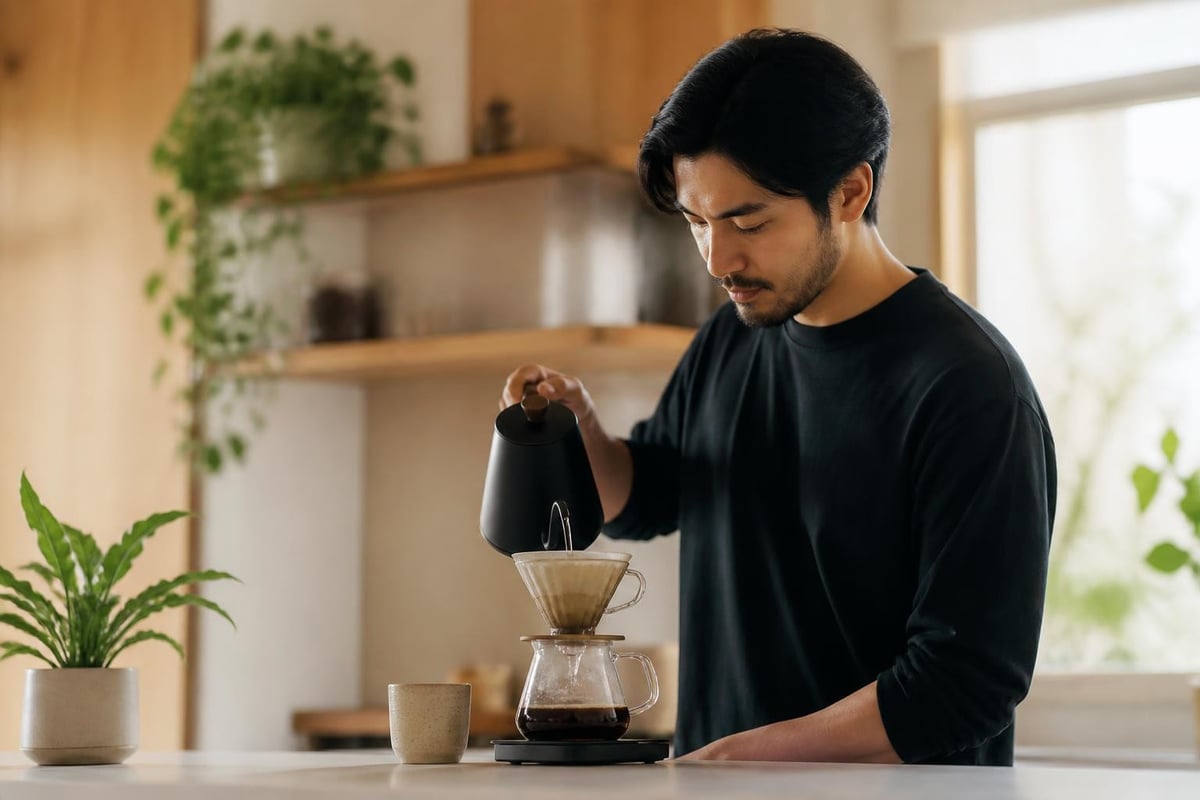
Individual pour over coffee asks for three to four minutes. Not much, in theory. In practice, those minutes feel scarce when notifications pile up and calendars overflow. But that's precisely why the ritual matters.
Those minutes don't vanish. They compound. Daily pauses accumulate into resilience. The morning you take time to bloom your coffee becomes the morning you notice the light on the kitchen wall, the bird outside the window, the possibility that today might unfold differently than yesterday.
The Technical Deep Dive: Extraction Chemistry
For those who want to understand the molecular story, extraction is a matter of solubility and time. Coffee contains over 1,000 aroma compounds and countless flavor precursors. Water, acting as a solvent, dissolves these compounds at different rates based on temperature, agitation, and contact time.
Acids extract first-bright, sharp, quick. Then sugars and lipids-sweet, round, smooth. Finally, bitter compounds-slow, heavy, astringent. Optimal extraction captures the first two categories while minimizing the third. Under-extract, and you get sour acidity. Over-extract, and bitterness dominates.
Studies on electrostatic effects during grinding reveal another layer: static electricity causes grounds to clump and stick, creating uneven beds. These clumps resist water penetration, leading to channeling and inconsistent extraction. A small spray of water or grinding into a glass container reduces static.
The goal isn't perfect extraction-it's intentional extraction. You choose the flavor profile by choosing the variables. Want more brightness? Use hotter water and finer grounds. Want more body? Slightly coarser grind and longer contact time. Individual pour over coffee gives you the controls; experience teaches you how to use them.
Connecting to Coffee's Larger Story
Every cup connects to soil, altitude, processing method, and roasting skill. The farmer who grew the beans. The importer who selected them. The roaster who developed the profile. When you brew individual pour over coffee, you complete that chain-you're the final craftsperson, transforming potential into reality.
Ethiopian coffees from Yirgacheffe bloom with bergamot and blueberry because of varietal, altitude, and washed processing. Colombian beans from Huila offer chocolate and caramel because volcanic soil and careful fermentation built those precursors. Costa Rican honey-processed coffees deliver tropical fruit and syrupy body because mucilage remained during drying.
Understanding origin stories deepens appreciation. You're not just drinking coffee; you're tasting place, process, and care. The ritual of slow brewing honors that care, matching intention with intention.
Where Individual Pour Over Coffee Lives
In quiet kitchens before dawn. In hotel rooms with travel kettles. On camping trips where water boils over fire. At office desks during the afternoon slump. Anywhere you can find hot water and three minutes, individual pour over coffee becomes possible.
The portability matters. Traditional pour over requires a brewer, filters, grinder, scale, and kettle-a full kit. Single-serve sachets compress that kit to nothing. Just add water. The coffee inside has already been ground, dosed, and sealed fresh. The filter is built in. The ritual remains; the barriers vanish.
This accessibility matters in 2026, when coffee culture has democratized. You don't need a $3,000 espresso setup or barista certification to drink exceptional coffee. You need good beans, hot water, and patience. The rest is technique, and technique is learnable.
For those exploring different flavor profiles and roasting styles, individual pour over coffee offers the clearest window into a bean's character. Without milk or sugar masking flavors, you taste what the coffee actually is-its origin, its roast, its story. Some days you'll crave bright and fruity. Others, you'll want dark and chocolatey. The method adapts; your palate guides.
The Evolution of Your Palate
First cups teach you coffee versus not-coffee. Early weeks distinguish light roast from dark. Months in, you start recognizing origins-African brightness versus South American balance. A year later, you detect processing methods-washed versus natural, honey versus anaerobic.
This education happens passively through repetition. Your palate adapts, building sensory memory and pattern recognition. Eventually, you taste a cup and immediately know it's probably a washed Ethiopian, likely from Sidamo, possibly natural processed. Not because you studied, but because you paid attention.
Individual pour over coffee accelerates this learning. The clarity of the method reveals nuances that espresso's intensity or French press's texture would obscure. You taste terroir, you taste roast development, you taste extraction quality. Each variable becomes legible.
Why It's Worth Protecting the Practice
Convenience technologies promise perfect coffee with zero effort. Pod machines, super-automatics, ready-to-drink cans. They deliver caffeine efficiently. What they can't deliver is the pause, the sensory engagement, the quiet pride of making something well with your own hands.
Individual pour over coffee is an antidote to optimization. It insists that some things are worth doing slowly, worth doing with attention. The four minutes you spend brewing aren't wasted-they're the point. They're the moment you reclaim from the momentum of productivity and obligation.
This isn't nostalgia for inconvenience. It's recognition that certain experiences require participation. You can't outsource the satisfaction of watching bloom, adjusting your pour, tasting the result and knowing you shaped it. The ritual delivers more than caffeine; it delivers agency.
Individual pour over coffee transforms an everyday act into mindful ritual, connecting you to the craft, science, and story in every cup. Whether you're brewing with a traditional setup or a nitrogen-sealed sachet, the pause you create matters as much as the coffee you make. Pixies Brew brings specialty-grade coffee to that ritual-delicate sachets that honor both convenience and intention, offering flavor profiles that turn your morning into magic. Start your exploration today and discover the blend that speaks to you.
