


Best Pour Over Coffee Maker: A Guide to Ritual and Craft
The best pour over coffee maker isn't always the one with the sleekest design or the highest price tag. It's the vessel that becomes part of your morning ritual, the tool that slows your hands and focuses your senses, the brewer that transforms specialty beans into a cup worth savoring. Whether you're drawn to the classic ceramic cone, the elegant glass carafe, or the precision of stainless steel, the right pour-over maker invites you into a practice that honors both the craft of coffee and the quiet moments that anchor your day.
What Makes a Pour Over Coffee Maker Worth Your Morning
The alchemy of pour-over brewing lives in the space between control and surrender. You choose the water temperature, the grind size, the pour pattern. Then you watch gravity and time do their work.
A worthy pour-over maker supports this dance without getting in the way. It holds heat evenly, allows consistent flow, and feels natural in your hands. The best designs honor the coffee's character rather than masking it with unnecessary complexity.
The Core Elements That Matter
Material composition shapes both temperature stability and flavor clarity. Ceramic holds heat beautifully, creating a stable brewing environment even when your kettle cools slightly between pours. Glass offers visual poetry as you watch the bloom rise and the brew descend, though it requires preheating in cooler kitchens. Stainless steel delivers durability for travel and outdoor brewing, keeping temperatures consistent through wind and weather.
Filter design determines flow rate and extraction balance. Cone-shaped brewers with wider openings encourage faster flow, highlighting brightness and delicate aromatics. Flat-bottomed designs slow the extraction, deepening body and sweetness. Understanding drip coffee makers helps contextualize how pour-over methods differ in their approach to extraction.
Size and capacity should match your actual brewing habits, not your aspirations. A single-cup cone serves solo mornings beautifully, while larger carafes accommodate shared rituals without compromising extraction quality.
| Feature | Impact on Brew | Best For |
|---|---|---|
| Ceramic cone | Even heat, forgiving technique | Daily ritual, home brewing |
| Glass carafe | Visual feedback, clean flavors | Learning, experimentation |
| Stainless steel | Durability, portability | Travel, outdoor use |
Traditional Cone Brewers: Where Ritual Begins
The cone-shaped pour-over maker remains the heart of coffee culture for good reason. Its simple geometry creates a forgiving extraction window while offering enough nuance to reward intentional technique.
Ceramic Classics That Anchor Morning Practice
Hario V60 has earned its iconic status through thoughtful design. The spiral ribs prevent filter collapse, allowing air to escape and water to flow evenly. The 60-degree angle and single large opening create a faster flow that suits lighter roasts and floral profiles beautifully.
When you lift a V60 to your nose after brewing, you'll catch the concentrated aromatics left clinging to the ceramic walls. The smell is sweeter than the cup itself, almost honeyed, a small sensory gift that automated brewers never deliver.
Bee House Dripper offers a gentler alternative with its flat-bottomed design and smaller exit holes. The slower extraction builds body and rounds out acidity, making it particularly suited to medium and dark roasts. The wedge shape feels stable on mugs and carafes alike, reducing the anxiety of morning mishaps.
Glass Elegance and Visual Connection
The Chemex stands apart as both brewer and carafe, its hourglass silhouette recognized even by non-coffee drinkers. The thick proprietary filters remove oils and fine particles, producing a remarkably clean cup that showcases origin characteristics with unusual clarity.
Brewing in a Chemex becomes a small performance. You watch the grounds rise during bloom, observe the spiral pattern as you pour, notice the exact moment the bed flattens at the end. This visual feedback teaches you to read the coffee, adjusting your technique based on what you see rather than what a timer dictates.
According to Popular Science's analysis of pour-over coffee makers, visual feedback during brewing helps develop intuitive understanding of extraction that automated systems can't match.
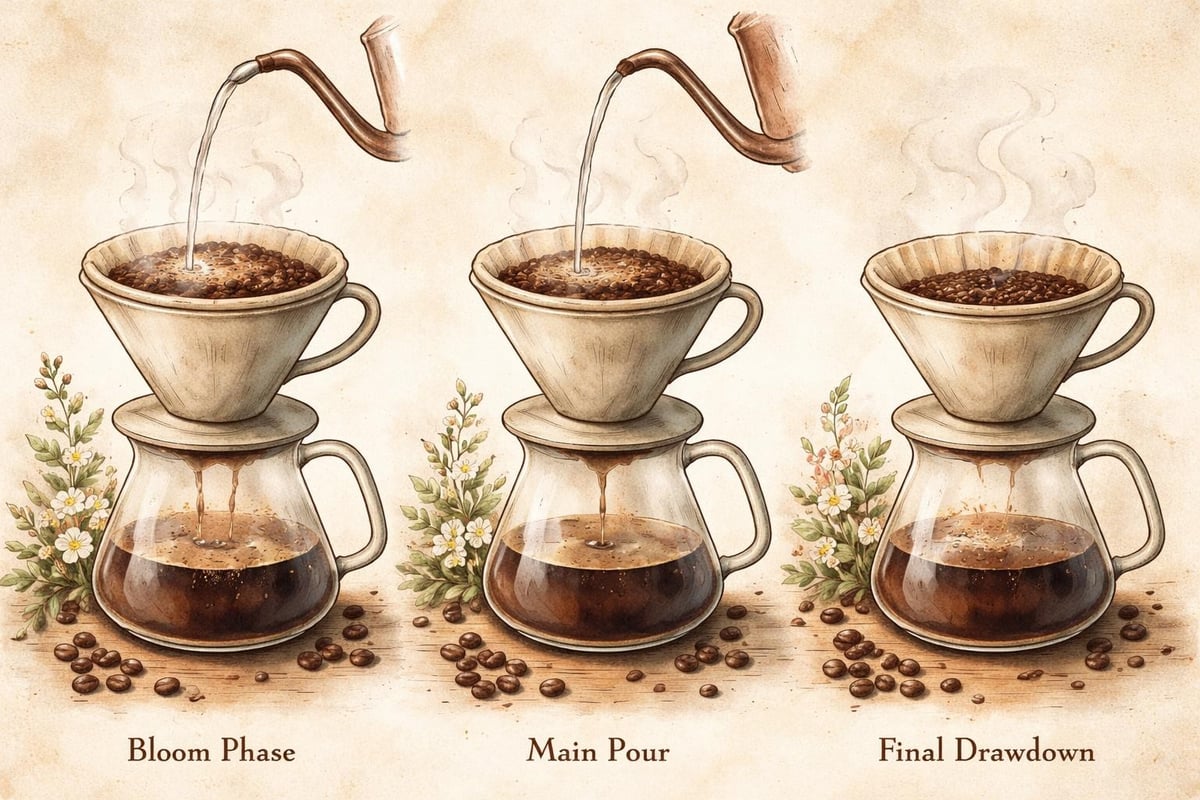
- Bloom phase: Watch grounds expand 2-3x their dry volume
- Main pour: Observe consistent spiral pattern and bed level
- Drawdown: Notice how grind size affects final flow rate
Innovative Designs That Reimagine the Process
While traditional cones honor heritage, newer designs explore what happens when engineering meets craft. These brewers don't abandon the fundamentals but rather refine specific aspects of the process.
Precision Tools for Consistent Results
Fellow Stagg [X] Dripper brings vacuum-insulated walls and a steep-then-release mechanism to pour-over brewing. The double-wall construction maintains temperature throughout the brew, while the ball valve at the bottom lets you control immersion time before release. This hybrid approach forgives small variations in pour technique while maintaining the sensory engagement of manual brewing.
The texture difference is noticeable. Cups brewed with extended immersion feel rounder, with a silkier mouthfeel that coats your tongue rather than washing across it.
Kalita Wave employs a flat bottom with three small holes and wave-pattern filters that minimize contact with the brewer walls. This design promotes even extraction across the entire coffee bed, reducing the impact of imperfect pours. The result tastes balanced and forgiving, ideal for mornings when precision feels less important than presence.
Travel-Ready Brewers That Don't Compromise
For those who refuse to surrender coffee quality to convenience, portable pour-over makers have evolved beyond camping afterthoughts. Snow Peak's Field Barista collapses to pocket size while maintaining the brewing geometry that proper extraction requires. The stainless steel construction handles trail conditions while producing cups that rival home setups.
When you're brewing outdoors, the ritual matters even more. The act of boiling water over a camp stove, grinding beans by hand, and carefully pouring becomes meditation. The resulting cup tastes like attention paid, like time well spent.
If you're exploring coffee for camping, the right portable brewer transforms morning routines from chore to ceremony, even miles from civilization.
Understanding the Science Behind the Pour
The magic of pour-over coffee isn't actually magic. It's physics, chemistry, and biology working in concert, guided by your hands.
Temperature, Timing, and Extraction
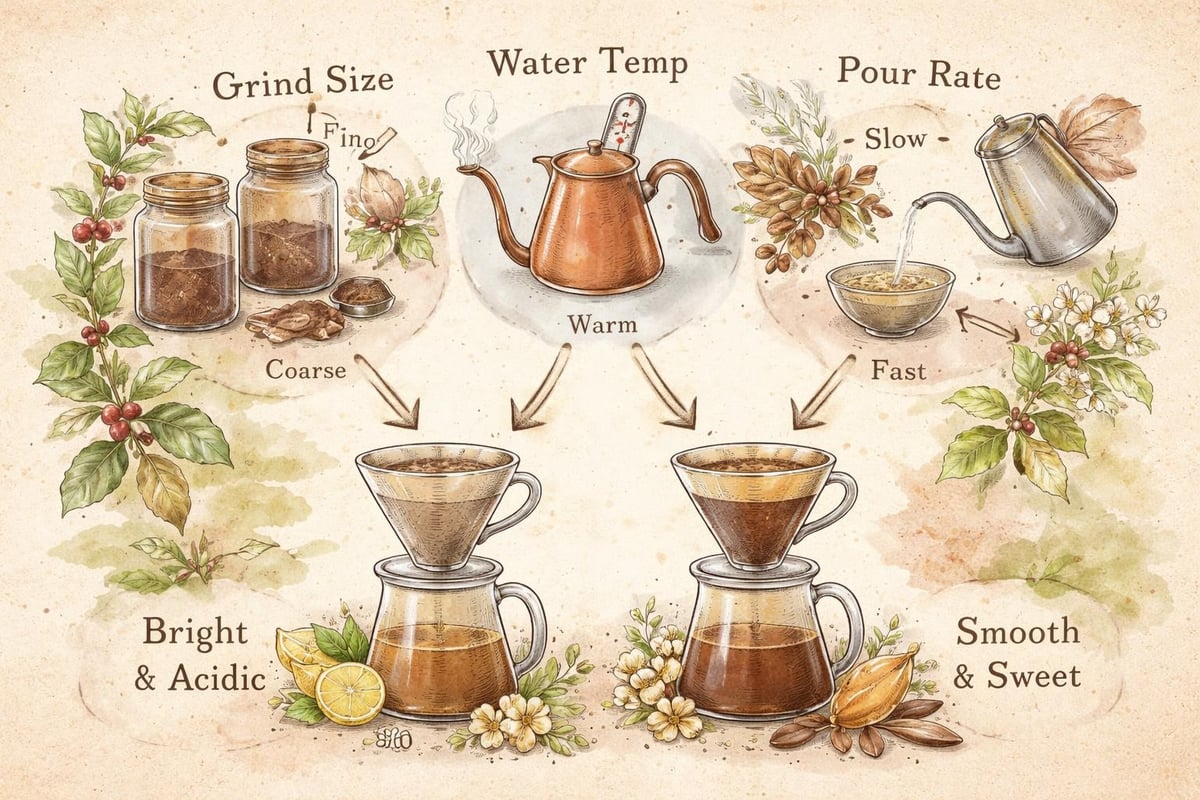
The science of pour-over brewing reveals how seemingly small variables cascade into significant flavor differences. Water temperature between 195-205°F extracts different compounds at different rates. Too hot, and bitter tannins dominate. Too cool, and you miss the sweet complexity hidden in the bean.
Grind size controls surface area and flow rate simultaneously. Finer grinds expose more coffee to water but also slow the flow, extending contact time. Coarser grinds allow faster flow but reduce extraction efficiency. The best pour over coffee maker won't compensate for poorly matched grind and technique.
Pour pattern affects agitation and turbulence within the coffee bed. Gentle circular pours maintain even saturation, while aggressive center pours create channels where water finds easy paths, bypassing coffee and extracting unevenly.
The Bloom: First Contact and Carbon Release
Those first 30-45 seconds after your initial pour tell the coffee's freshness story. Freshly roasted beans release CO2 vigorously, causing the grounds to expand and bubble. This degassing must happen before full extraction begins, or the trapped gases will prevent water from fully saturating the coffee.
The smell during bloom is intoxicating and singular. It's grassier than the final cup, almost vegetal, with sharp aromatic notes that will mellow through the brew. Breathing in that first release connects you to the coffee's journey from plant to cup.
| Brew Variable | Too Low | Optimal Range | Too High |
|---|---|---|---|
| Water temp | Sour, weak | 195-205°F | Bitter, astringent |
| Grind size | Fast flow, weak | Medium-fine | Slow flow, over-extracted |
| Brew time | Sour, thin | 2.5-4 min | Bitter, harsh |
Matching Brewer to Bean and Preference
The best pour over coffee maker for your friend might frustrate your palate. Brewing preferences are as personal as the beans you choose.
Light Roasts and Delicate Origins
Lighter roasts from Ethiopia, Kenya, or Colombia reveal their complexity best with brewers that emphasize clarity and brightness. The Hario V60 excels here, its faster flow preventing over-extraction of the delicate compounds that make these coffees special.
When brewing light roasts, listen for the thin, almost musical sound of water trickling through the cone toward the end of the brew. That pitch tells you the bed is draining properly, not clogging or channeling.
Medium to Dark Roasts and Body Seekers
Kalita Wave or Bee House brewers suit those who prefer fuller body and rounded acidity. The slower, more even extraction pulls sweetness forward while tempering brightness. These brewers handle darker roasts without exaggerating bitterness.
If you appreciate the ritual across luxury coffee brands, you'll find that the right brewer reveals what makes expensive beans worth their cost, highlighting nuances that might disappear in automatic machines.
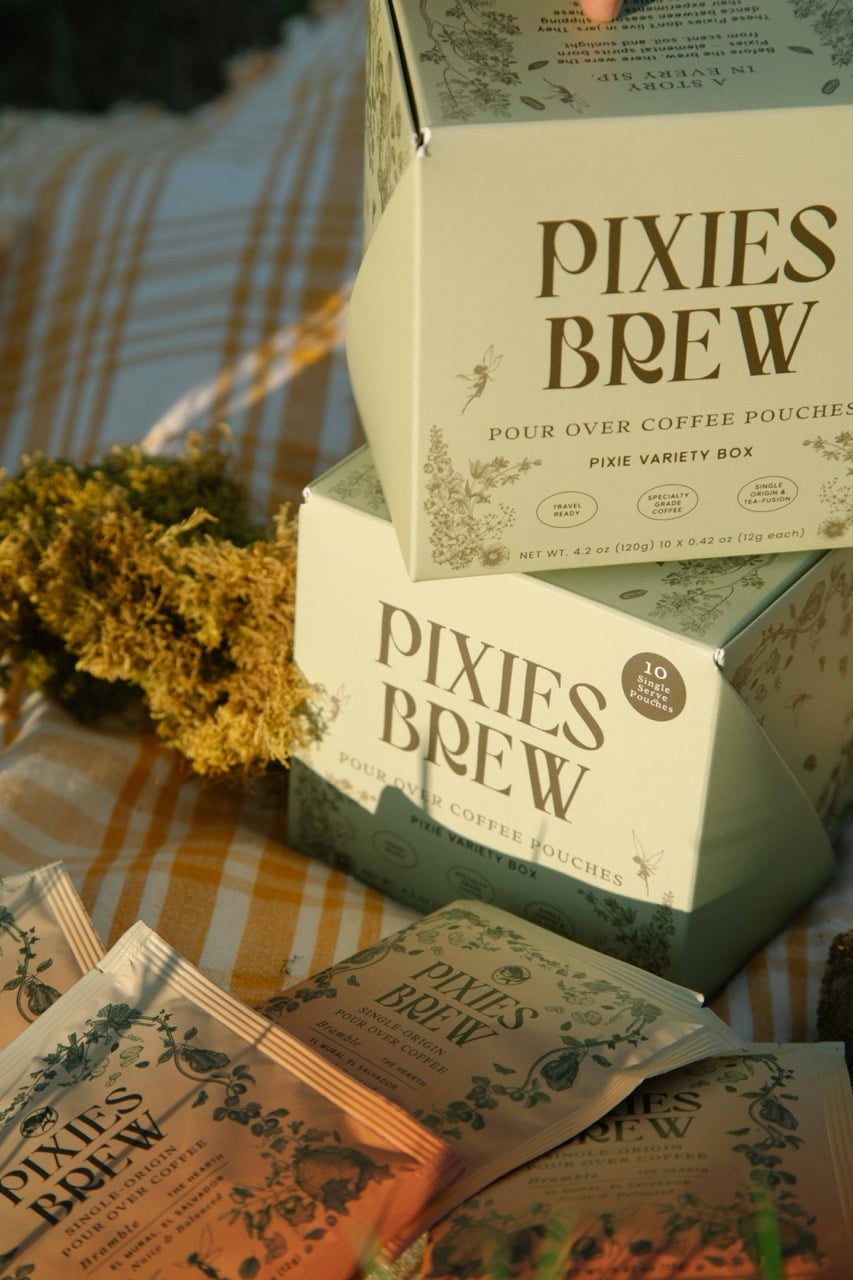
For coffee lovers seeking the perfect balance between ritual and convenience, single-serve pour-over sachets offer specialty-grade coffee with built-in brewing precision. The Pixies Brew Variety Box: The Discovery Set brings together carefully curated flavor profiles in individual packets, each designed to deliver consistent extraction without requiring scales, timers, or technique mastery.
Experimental Spirits and Technique Enthusiasts
Those who treat coffee as both art and science will appreciate brewers that reward attention to detail. The Fellow Stagg [X] or original Hario V60 offer enough variables to tinker with endlessly while maintaining enough consistency to isolate individual factors.
Tom's Guide's exploration of scientifically perfect pour-over methods demonstrates how slight adjustments in technique can dramatically shift flavor profiles, turning brewing into an ongoing learning practice.
Essential Companions to Your Brewer
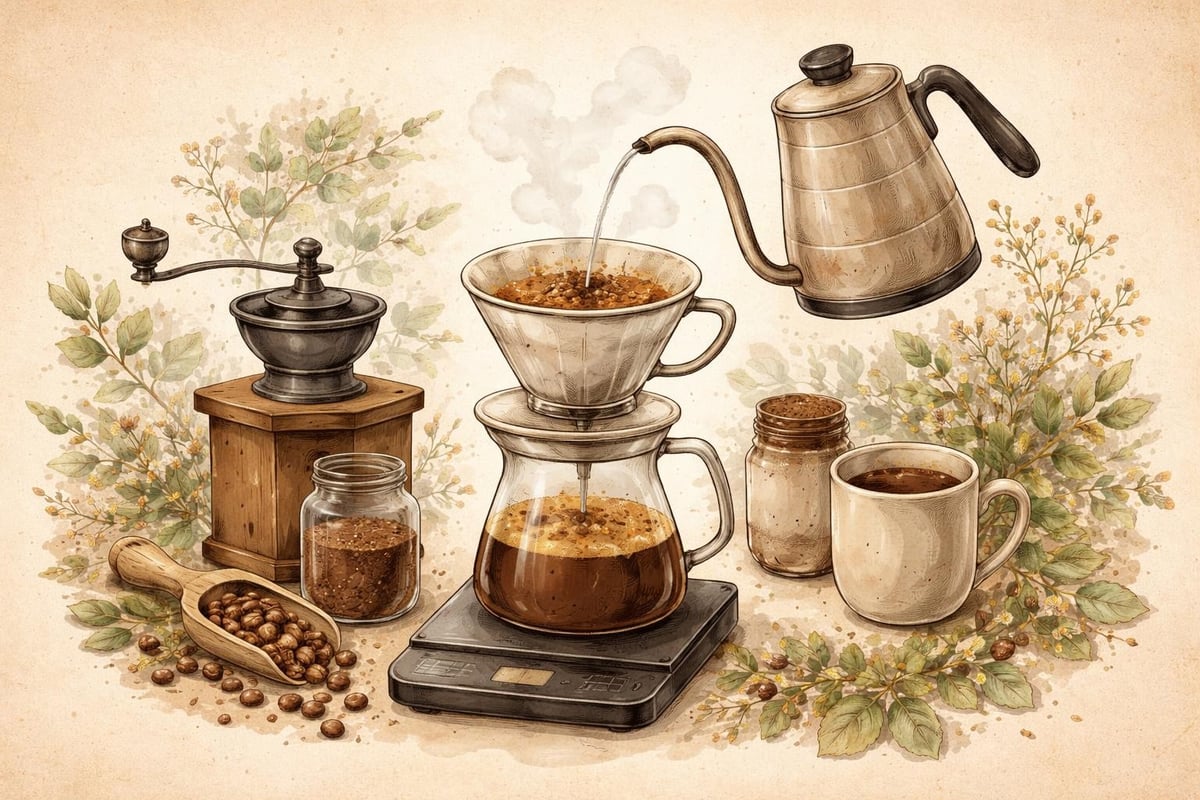
A great pour-over maker deserves supporting tools that honor its precision.
The Gooseneck Kettle: Control in Every Drop
Pour-over brewing demands control over water flow that standard kettles can't provide. A gooseneck spout directs water exactly where you intend, allowing you to trace spiral patterns, target dry spots, and maintain consistent flow rate. TechRadar notes how this simple tool can actually reduce the amount of coffee needed while improving extraction quality.
Electric gooseneck kettles with temperature control remove guesswork entirely. You set the exact degree, and the kettle maintains it while you focus on your pour technique.
Grinder Quality Matters More Than You Think
The best pour over coffee maker can't rescue poorly ground coffee. Blade grinders create inconsistent particle sizes that extract unevenly, producing muddled flavors. Burr grinders, whether manual or electric, deliver the uniform particles that allow water to extract evenly across the entire coffee bed.
When comparing options like the Hario V60 versus AeroPress, remember that grinder quality affects both methods equally. Invest in consistent grinding before upgrading your brewer.
Scales and Timers: Measurement as Mindfulness
Brewing by feel has romantic appeal until you taste the results of measured precision. A simple digital scale tracks both coffee weight and water volume, while an integrated timer helps you track bloom, total brew time, and pour intervals.
- Coffee-to-water ratio: 1:15 to 1:17 for balanced extraction
- Bloom water: 2-3x coffee weight for 30-45 seconds
- Total brew time: 2:30-4:00 depending on volume
Care and Maintenance for Lasting Performance
Your pour-over maker's longevity depends less on the material and more on how you treat it.
Ceramic and glass brewers benefit from monthly deep cleaning with a solution of equal parts water and white vinegar. This removes mineral deposits and coffee oil buildup that dulls flavors over time. Rinse thoroughly afterward, as even trace vinegar affects coffee taste.
Stainless steel brewers need similar attention but can handle more aggressive scrubbing without damage. Avoid abrasive cleaners on any brewer, as they can create microscopic scratches that trap residue.
Replace paper filters before they run out. Running to the store mid-brew ruins the rhythm of morning ritual. If using reusable metal or cloth filters, rinse immediately after brewing and deep-clean weekly to prevent rancid oil buildup.
Frequently Asked Questions
What's the difference between pour-over and drip coffee makers?
Pour-over requires manual water pouring and offers complete control over variables, while automatic drip machines handle the process for you. Pour-over typically produces cleaner, more nuanced flavors by allowing precise control over water temperature, pour rate, and extraction time.
How much should I spend on a pour-over coffee maker?
Quality ceramic or glass brewers start around $20-30 and can deliver excellent results for years. Premium options with specialized features range $40-80. The brewer itself matters less than consistent technique and fresh, well-ground beans.
Can pour-over coffee makers make multiple cups?
Yes. Larger models like the 8-cup Chemex or Kalita Wave 185 can brew for groups while maintaining proper extraction. Just scale your coffee and water proportionally and extend your pour time slightly to ensure even saturation.
Do I need special filters for different brewers?
Most brewers require specific filter shapes and sizes. V60 needs cone filters, Kalita uses wave filters, and Chemex requires its proprietary thick filters. Using the wrong filter affects flow rate and can cause collapse or overflow.
Is pour-over coffee stronger than regular drip?
Not necessarily stronger in caffeine, but often more concentrated in flavor. Pour-over extraction can be tuned to highlight specific characteristics, creating a more complex tasting experience than many automatic drip machines produce.
How do I know if I'm pouring correctly?
Watch the coffee bed. It should remain relatively level throughout brewing, with water saturating evenly rather than creating channels or dry patches. The final drawdown should be gentle and complete, leaving a flat, uniform bed.
From Celebrity Kitchens to Your Counter
The best pour over coffee maker transcends trends precisely because it serves timeless needs. Sofía Vergara's choice of a $20 Bodum pour-over and Gwyneth Paltrow's preference for café-quality brewing at home both point to the same truth: good coffee comes from attention, not automation.
Whether you invest twenty dollars or two hundred, the ritual remains the same. Heat water. Grind beans. Pour with intention. Wait with patience. Taste with gratitude.
The equipment facilitates, but your presence creates the experience. The best pour-over maker is the one that brings you back tomorrow morning, and the morning after that, building a practice that grounds your days in something tangible and true.
In 2026, as coffee culture continues evolving toward both convenience and craft, pour-over brewing offers a middle path. It honors specialty beans without requiring barista training. It creates space for ritual without demanding elaborate ceremony. It produces exceptional coffee while teaching you to taste the difference between good and great.
The best pour over coffee maker becomes an extension of your morning intentions, transforming routine into ritual through simple, intentional practice. Whether you choose ceramic simplicity or innovative precision, the right brewer reveals what makes specialty coffee worth savoring. For those seeking that same mindful approach without the learning curve, Pixies Brew offers carefully crafted single-serve pour-over sachets that honor the ceremony of slow coffee while delivering consistent, specialty-grade results in every delicate packet.
