


Portable Coffee Maker for Camping: Brew Guide 2026
The right portable coffee maker for camping transforms your outdoor morning from rushed to remarkable. Whether you're backpacking deep into the wilderness or setting up a basecamp for the weekend, your brewing method shapes the entire rhythm of your day. The best options balance weight, durability, and the ability to create genuinely satisfying coffee when you're far from the comforts of home. They honor the ritual without adding unnecessary complexity to your pack.
Why Your Coffee Setup Matters in the Wild
Every camper knows that first sip under an open sky feels different. The cold air sharpens your senses. The silence amplifies every small sound: water heating, grounds blooming, steam rising into morning light.
Your brewing method either supports this moment or disrupts it. A clunky system frustrates. A thoughtful one becomes part of the experience itself, as natural as lighting your stove or rolling up your sleeping bag.
The portable coffee maker for camping you choose sends a message about what matters to you outdoors. Some prioritize speed and fuel efficiency. Others value the meditative quality of a slower pour. Neither approach is wrong, but understanding your own camping rhythm helps you choose wisely.
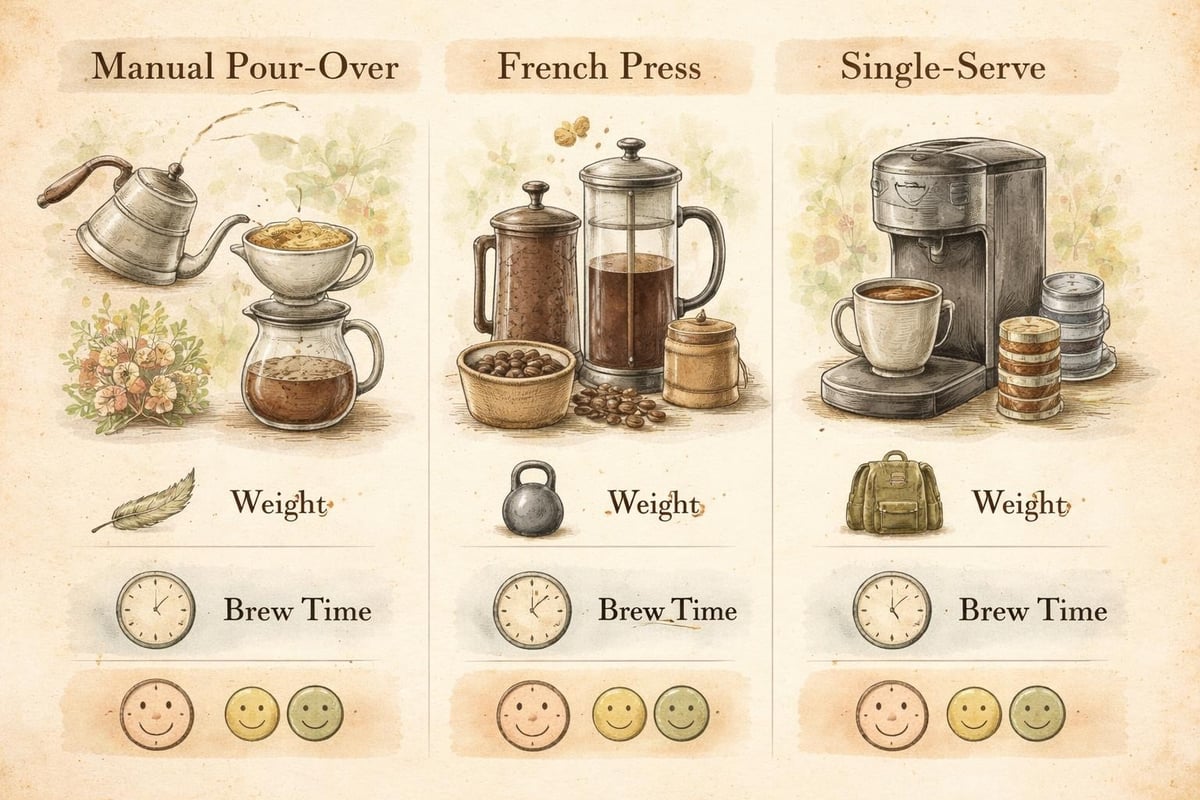
The Weight-to-Ritual Ratio
Backpackers obsess over ounces. Every item earns its place in your pack through usefulness measured against weight. Coffee gear faces particular scrutiny because it's technically optional, yet psychologically essential for many.
Key considerations include:
- Base weight of the brewer itself
- Additional tools required (filters, grinder, scale)
- Fuel efficiency and brew time
- Durability across rough handling and temperature extremes
A traditional drip setup might weigh 12 ounces with filters. A French press clocks in around 10. Single-serve pour-over sachets? Nearly weightless, requiring only hot water and a cup you're already carrying.
Manual Brewing Systems That Travel Well
The AeroPress Clear has earned legendary status among outdoor enthusiasts for good reason. This compact brewing cylinder uses air pressure to extract rich, smooth coffee in about two minutes. It weighs roughly 6 ounces, packs small, and produces a cup that rivals café quality.
Pour-Over Perfection: Lightweight and Simple
Pour-over systems represent the purest translation of café brewing to the campsite. The Stanley Perfect Brew Pour Over exemplifies this category with its durable stainless steel construction and built-in mesh filter. No paper filters to pack, no delicate components to break.
The method itself becomes meditation. You control every variable:
- Water temperature (just off boil, around 200°F)
- Pour speed (slow circles, blooming the grounds first)
- Total brew time (typically 3-4 minutes)
- Coffee-to-water ratio (experiment to taste)
This level of involvement isn't a drawback. It's the point. Morning coffee becomes a small ceremony that marks the transition from sleep to wakefulness, from tent to trail.
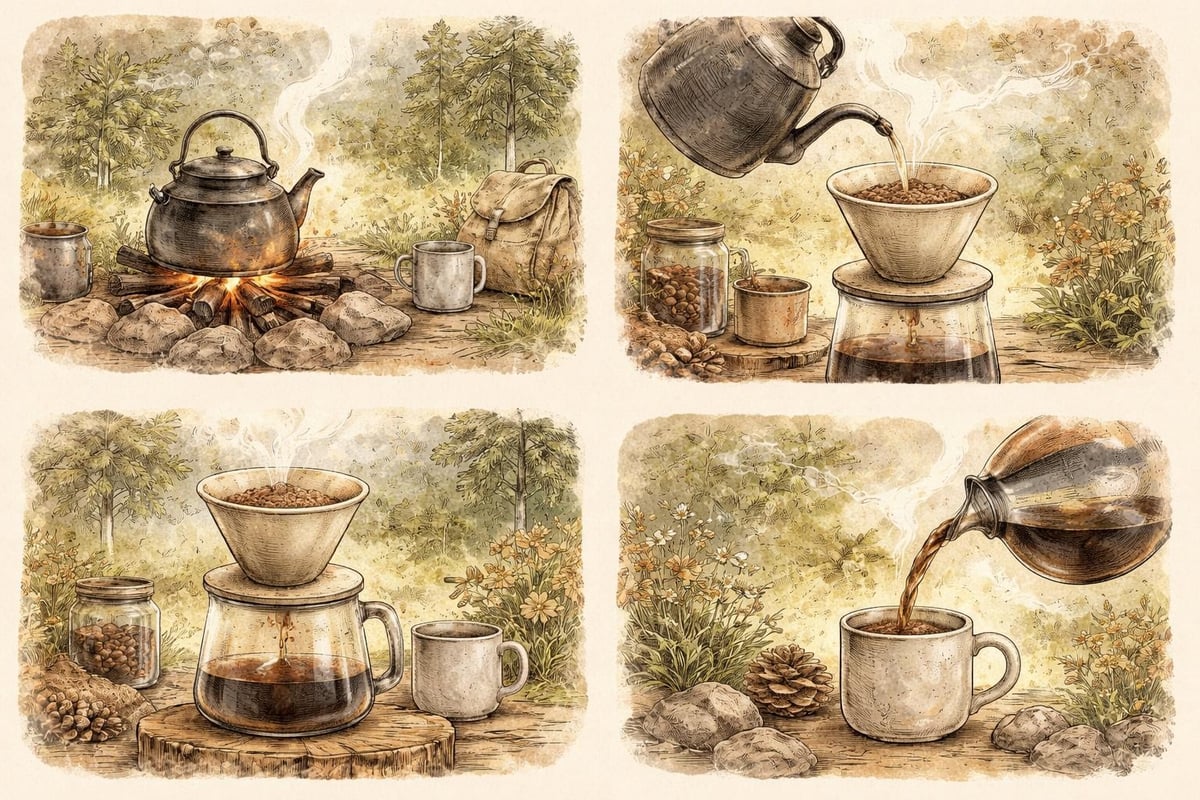
For those seeking simplicity without sacrificing quality, specialty pour-over sachets eliminate the guesswork entirely. Pre-measured, perfectly ground coffee suspended in a filter packet that hangs over your mug. Just add hot water and pour in the same slow, intentional circles. This approach appears frequently in discussions about coffee for camping because it honors the ritual while minimizing gear.
French Press: Full-Bodied Outdoor Brewing
French press systems deliver bold, rich coffee through full immersion brewing. Coarse grounds steep directly in hot water for four minutes before you press the plunger, separating liquid from grounds.
Pros:
- Deep, complex flavor extraction
- No filters to pack or dispose of
- Can brew tea or cold brew equally well
- Simple mechanism with few failure points
Cons:
- Heavier than most alternatives (8-12 oz typically)
- Glass versions too fragile; seek stainless steel
- Requires careful cleaning away from water sources
- Grounds disposal needs planning
| Brewing Method | Weight | Brew Time | Cleanup Complexity | Flavor Profile |
|---|---|---|---|---|
| Pour-Over Cone | 2-4 oz | 3-4 min | Low | Clean, bright |
| French Press | 8-12 oz | 5 min | Moderate | Bold, full |
| AeroPress | 6 oz | 2 min | Low | Smooth, rich |
| Coffee Sachets | <1 oz | 3 min | Minimal | Varied, refined |
The Rise of Single-Serve Outdoor Coffee
Pre-packaged coffee systems have evolved dramatically. Early instant coffee delivered caffeine but little joy. Modern iterations respect both convenience and craft.
Quality single-serve pour-over sachets changed the equation completely. Each packet contains specialty-grade beans, precisely ground and measured, suspended in a filter that unfolds to fit standard mugs. The result tastes remarkably close to a carefully made café pour-over, with a fraction of the equipment and expertise required.
This matters deeply when you're balancing camp chores, weather concerns, and the simple desire to enjoy a peaceful morning. The ritual remains: heating water, watching steam rise, pouring in patient circles. But the preparation and cleanup vanish.
Some campers worry this approach sacrifices authenticity. In practice, it often enhances it. You're more likely to brew mindfully when the process feels accessible rather than burdensome after a cold night in a sleeping bag.
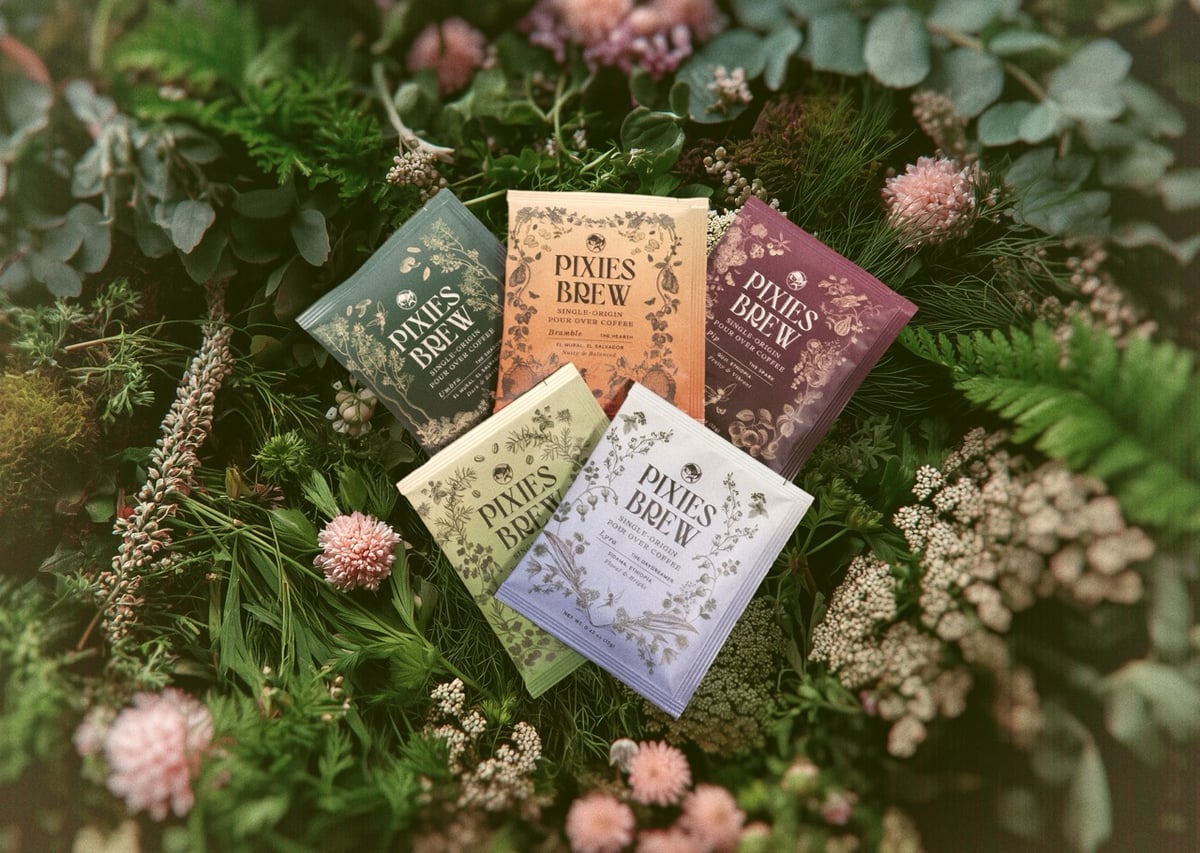
Pixies Brew approaches this category with particular care, creating coffee sachets that honor both convenience and the sensory richness coffee deserves. The Pixies Brew Variety Box: The Discovery Set introduces you to different flavor profiles, each one crafted to deliver a complete tasting experience rather than just caffeine. It's portable coffee that actually tastes like the beans it came from, which matters more with each mile you carry it.
Espresso Systems for the Ambitious
Some campers crave intensity. For them, portable espresso makers deliver concentrated shots with surprising sophistication. The Wacaco Pixapresso represents the cutting edge: battery-powered, self-heating, producing genuine espresso pressure in wilderness settings.
Is Espresso Worth the Pack Weight?
This category demands honest assessment. These devices typically weigh 1-2 pounds and require specific grind sizes, tamping techniques, and patience. They're not for everyone.
They make sense if you:
- Truly prefer espresso over other coffee styles
- Camp from a vehicle with weight flexibility
- Enjoy the challenge of complex brewing
- Value the concentrated caffeine hit for alpine starts
Skip them if you:
- Prioritize lightweight, minimalist packing
- Want simple, foolproof morning routines
- Prefer larger coffee servings
- Find cleanup requirements burdensome
Many espresso enthusiasts discover that wilderness settings shift their preferences. The full-body warmth of a generous pour-over often suits cold mornings better than a small, intense shot.
Choosing Your Method: Questions to Ask
Your ideal portable coffee maker for camping emerges from honest self-assessment rather than gear reviews alone. Consider these questions before investing:
What's your typical camping style? Backpacking demands different choices than car camping. Ultralight hikers count grams. Weekend campers can afford luxuries.
How many people are you brewing for? Solo setups differ from group systems. Some brewers scale well; others struggle beyond single servings.
What's your morning timeline? Early alpine starts need speed. Leisurely basecamp mornings allow complexity. Match your brewer to your actual behavior, not aspirational routines.
How much does flavor quality matter versus convenience? Both are valid priorities. The right answer depends on what enriches your experience. Comprehensive camping coffee maker comparisons can help clarify these trade-offs through real-world testing.
The Water Question: Temperature and Source
Even the finest portable coffee maker for camping produces mediocre results with poorly managed water. Temperature particularly affects extraction. Too hot scalds the grounds, creating bitterness. Too cool under-extracts, leaving weak, sour flavors.
Aim for water just off boil, approximately 195-205°F. At high altitude, water boils at lower temperatures, so timing matters more than thermometer readings. Heat until you see rolling bubbles, then remove from flame and count to 30 before pouring.
Water source influences taste more than most campers realize. Mineral content, algae, and particulates all appear in your cup. Filter or treat water before brewing when possible, or at minimum, use water that smells and tastes clean.
Cold Brew for Multi-Day Trips
One underutilized strategy: prepare cold brew concentrate before your trip. Mix coarse grounds with cold water in a bottle (1:4 ratio), let steep 12-24 hours, then strain. The concentrate keeps for days and simply needs dilution with cold or hot water.
This method eliminates brewing equipment entirely while delivering smooth, low-acid coffee. The trade-off is that you miss the morning ritual, though you gain time for other activities. It's particularly clever for fast-and-light trips where every morning minute counts.
Care and Cleaning in the Backcountry
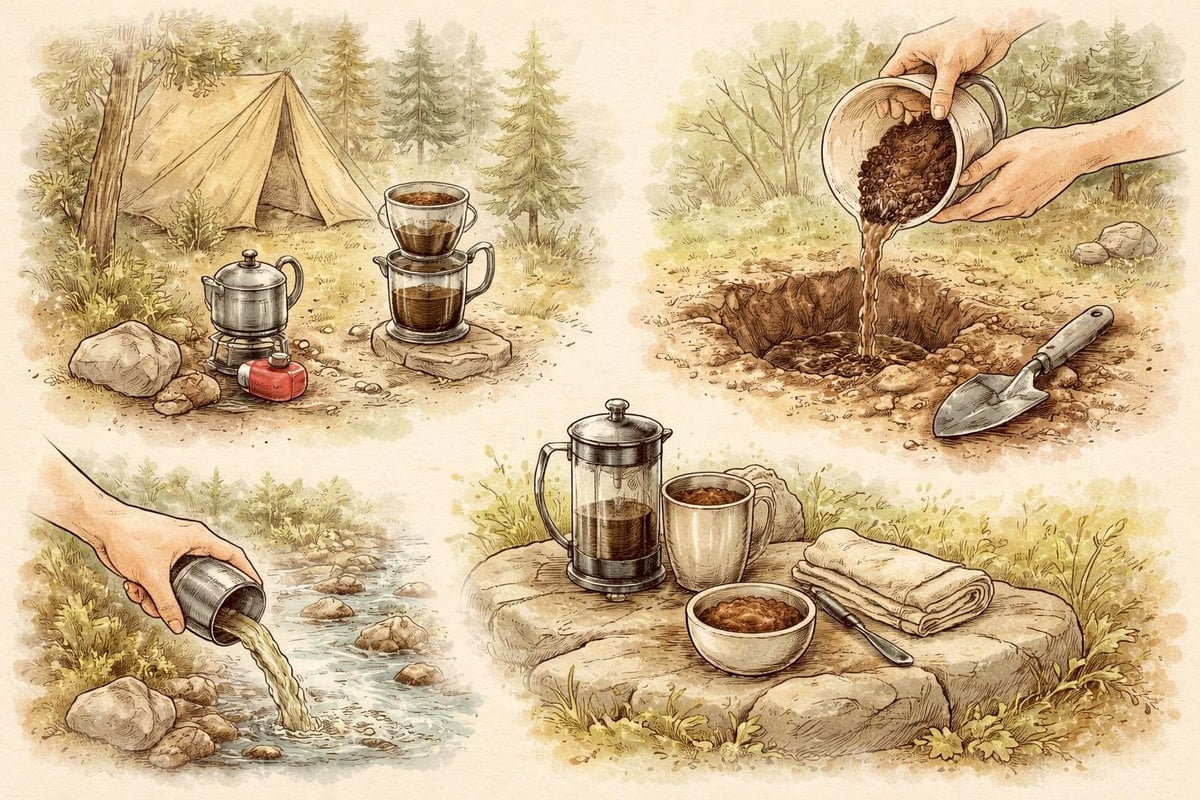
Proper maintenance extends your equipment's life and protects wilderness areas from contamination. Never dump coffee grounds near water sources. The caffeine and oils harm aquatic ecosystems.
Best practices include:
- Scattering used grounds widely across duff or soil (200+ feet from water)
- Wiping brewers clean with biodegradable wipes or minimal water
- Packing out filters and single-use components
- Performing deep cleaning only after returning home
Some choose brewing methods specifically for easy field maintenance. Single-serve sachets eliminate grounds disposal concerns entirely. The used filter packet simply goes into your trash bag, leaving nothing behind but memories and a satisfied smile.
Elevation and Brew Adjustments
Higher altitudes change everything. Water boils at lower temperatures, affecting extraction. Air pressure differences influence how flavors develop. Even your taste perception shifts with elevation.
Above 5,000 feet, expect to adjust your technique:
- Extend brew times slightly (add 30 seconds)
- Use slightly finer grinds to compensate for lower extraction
- Add an extra 10% coffee to maintain strength
- Accept that flavors will taste subtly different
These changes apply regardless of which portable coffee maker for camping you choose. The chemistry of brewing shifts with atmospheric pressure, and fighting it proves futile. Instead, experiment at home with elevation-adjusted recipes before your trip.
Building Your Complete Coffee Kit
A functional camp coffee setup extends beyond the brewer itself. Smart campers assemble a complete system:
| Item | Purpose | Weight Consideration |
|---|---|---|
| Brewer | Creates coffee | Varies by type |
| Insulated mug | Retains heat | 6-10 oz |
| Micro towel | Cleaning | 1 oz |
| Storage bag | Protects gear | 0.5 oz |
| Coffee supply | Fuel for mornings | 1 oz per day |
The total system weight matters more than individual components. A 2-ounce brewer becomes 12 ounces when you add the necessary accessories. Conversely, slightly heavier brewers that eliminate other items (like built-in filters) may weigh less overall.
Pairing Coffee with Wilderness Mornings
The best portable coffee maker for camping disappears into the background, supporting your experience rather than dominating it. You remember the sunrise, the conversation, the quiet satisfaction, not the equipment that enabled them.
Quality coffee enhances these moments. Poor coffee distracts from them. The right brewing method becomes as automatic as tying your boots, requiring just enough attention to feel intentional without demanding so much that it stresses you.
This balance appears in unexpected places. Sometimes the simplest approach, like hanging a pour-over sachet over your mug while you pack your sleeping bag, delivers more presence and satisfaction than an elaborate espresso ritual that monopolizes your attention.
Understanding what luxury means in coffee often shifts outdoors. It's less about equipment complexity and more about the quality of the moment. The "best" system is whichever one you'll actually use with pleasure, morning after morning, trip after trip.
Making the Investment Count
Quality camping coffee gear represents a genuine investment, typically ranging from $25 for simple pour-over cones to $200+ for advanced espresso systems. Longevity matters.
Look for:
- Durable materials: Stainless steel over plastic, reinforced stress points
- Replaceable parts: Seals, filters, plungers that you can order separately
- Simple mechanisms: Fewer moving parts mean fewer failure points
- Versatility: Brewers that handle tea, cold brew, or other tasks maximize value
Consider starting with a moderately priced, well-reviewed system rather than immediately buying the most expensive option. Your preferences will evolve with experience. Many campers own multiple brewers for different trip types, but discovering what actually works for you takes time.
Reading detailed analyses like those found in Treeline Review's camping coffee maker roundup helps calibrate expectations before purchasing.
Frequently Asked Questions
What's the lightest portable coffee maker for camping? Single-serve pour-over sachets weigh less than an ounce, requiring only a cup and hot water. For reusable options, collapsible silicone pour-over cones weigh about 2 ounces.
Can I make good coffee without a grinder on the trail? Absolutely. Pre-ground coffee in airtight containers stays fresh for a week. For longer trips, whole beans in a small hand grinder work well, though they add weight and time.
How much coffee should I pack per day? Plan for 15-20 grams per cup (about 2 tablespoons). Most people drink 1-2 cups per morning, so 30-40 grams per day covers typical use with some buffer.
Do paper filters create waste issues in the backcountry? Used paper filters are lightweight and pack out easily in your trash bag. Alternatively, choose brewers with permanent metal filters to eliminate this concern entirely.
Is instant coffee really that bad? Modern specialty instant coffee improved dramatically, but it still lacks the aroma and complexity of freshly brewed coffee. For some trips, though, the weight and convenience justify the compromise.
Ritual Over Routine: What Coffee Brings to Camp
The portable coffee maker for camping you choose matters less than your commitment to the ritual itself. Even the simplest method becomes meaningful when approached with intention.
You can rush through instant coffee while breaking camp, or you can pause over a carefully poured cup while watching light change the landscape. The equipment enables the choice, but you make it real through attention.
This perspective aligns with why many campers gravitate toward methods that feel meditative. The slow pour, the rising steam, the first sip while everything else stays quiet. These moments don't require elaborate gear. They require presence.
Some mornings demand speed. Weather moves in, trails call, partners wait. Other mornings unfold slowly, gifting you time. The best coffee systems accommodate both rhythms without requiring different equipment or advance planning. They're flexible enough to match your needs rather than imposing their own requirements.
For insights into making coffee preparation itself a grounding practice, the Pixies Brew ritual guide offers thoughtful approaches that translate beautifully to outdoor settings, emphasizing slowness and sensory awareness.
Beyond the Brew: Coffee Culture in the Wilderness
Camping coffee culture has shifted noticeably over the past decade. What began as purely functional caffeine delivery evolved into an extension of café culture, then more recently into something distinct from both.
Modern outdoor coffee enthusiasts don't just want good coffee. They want appropriate coffee for the context. A triple espresso makes sense before a pre-dawn summit push. A leisurely pour-over fits a rainy tent-bound morning. Recognizing that different situations call for different approaches frees you from equipment dogma.
This contextual thinking appears across gear categories now. The same people carrying ultralight shelters and technical layering systems apply similar discernment to their coffee setup. They ask: What serves the experience I'm creating?
Sometimes that's a sophisticated manual brewer that lets you dial in extraction variables. Sometimes it's a no-fuss sachet system that delivers consistent quality without thought. Both choices honor coffee when made deliberately.
Your Morning, Your Method
Every camper eventually discovers that the "best" portable coffee maker for camping is the one that aligns with their particular combination of values, trip styles, and morning preferences. Generic recommendations only go so far.
Trust your own experience. If you find yourself dreading the cleanup ritual your French press requires, that system isn't working regardless of how beautiful the coffee tastes. If you consistently choose extra sleep over elaborate brewing, acknowledge that and select accordingly.
The right choice supports your wilderness experience rather than complicating it. When your coffee routine feels natural and satisfying, you've chosen well. When it feels like a chore or a source of stress, keep looking.
Your relationship with morning coffee in wild places will evolve over years and countless trips. Stay open to changing your system as your needs and preferences shift. The brewing method that served you perfectly on summer weekend trips might frustrate you on winter expeditions or multi-week treks.
Pay attention to what actually happens in the field, not just what you think should work. Real-world use reveals truth that no amount of research predicts. Sometimes the gear you thought would be perfect sits unused while something simpler becomes essential.
Finding your ideal portable coffee maker for camping means understanding both the available tools and your own patterns in wild places. Weight, durability, brew quality, and ritual all matter, but their relative importance shifts with every trip and every morning. Whether you choose manual brewing systems that invite slowness or convenient sachets that simplify your routine, what matters most is creating space for coffee that genuinely satisfies. Pixies Brew brings specialty coffee and intentional ritual together in lightweight, packable form, offering flavor profiles and brewing experiences designed for moments of pause wherever you wander.
